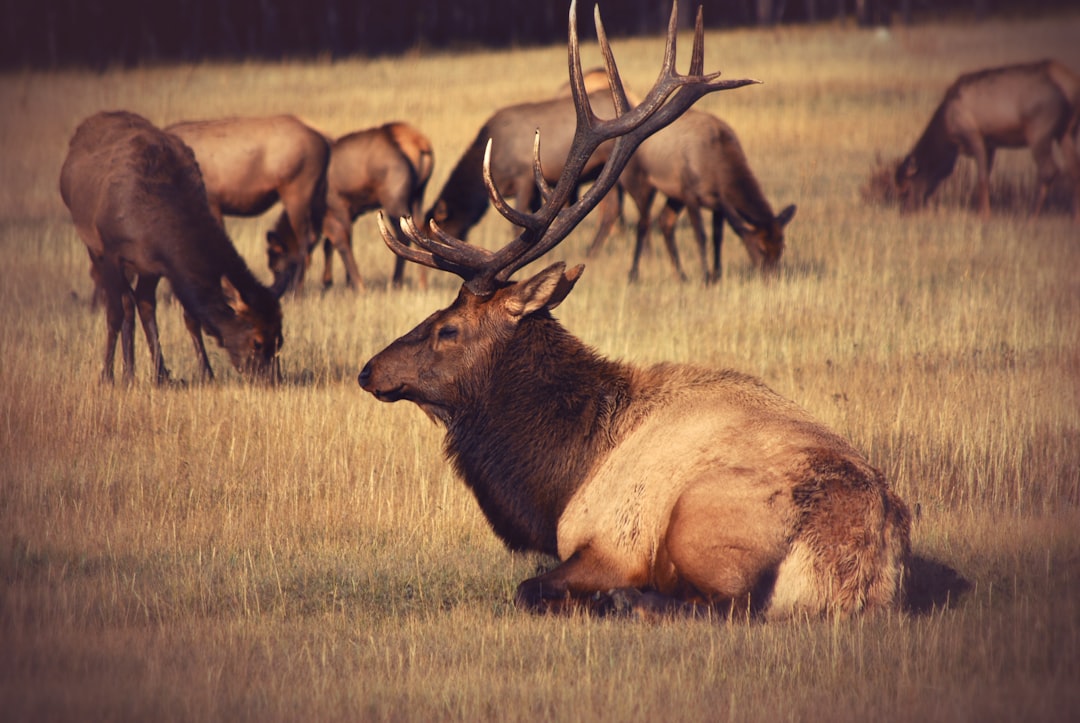
Cow Elk Calling During Rifle Season: Why It Works When Bulls Go Silent
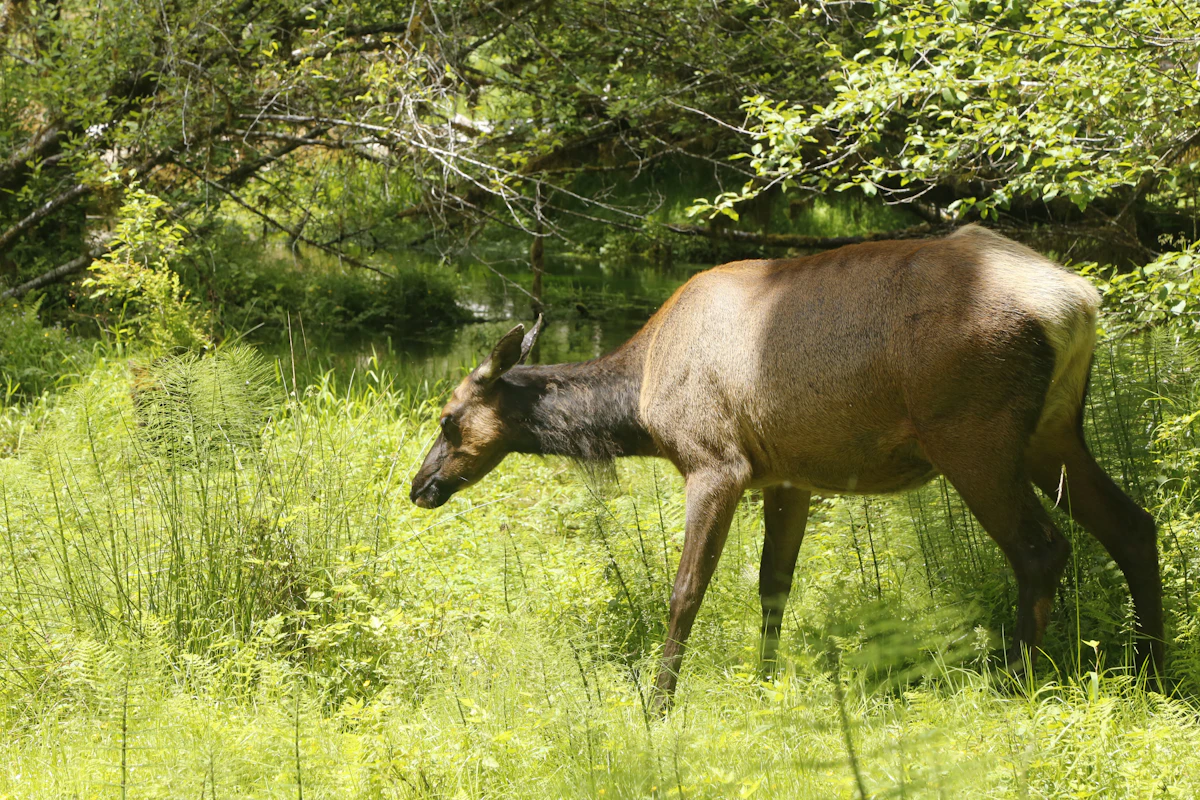
Bull elk go quiet during rifle season. The bugling that defined September fades fast once pressure hits, and by the time rifle hunters step into the woods, most mature bulls have stopped answering altogether. But elk still talk — just differently. Cow calling during rifle season can pull bulls and cows into shooting range if you understand why it works and where traditional tactics fail.
This is not about replicating the rut. Rifle-season calling succeeds when hunters adapt to herd behavior instead of trying to force responses that no longer exist. Cows still communicate. Bulls still listen. The difference is context — and knowing when silence outperforms sound.
Why Cow Calls Work After the Rut
Elk are social animals. Even after the rut, cows stay vocal to maintain herd cohesion, locate separated calves, and navigate terrain. A lone cow mew or contact call sounds normal in mid-October or November because it matches what elk expect to hear.
Bulls, on the other hand, have shut down. Mature bulls stop bugling because it attracts danger — hunters and competing bulls alike. But they still move with or near cows, especially in units where hunting pressure pushes them into tight groups. A cow call signals safety. It sounds like feeding elk, not a threat, and bulls trailing small groups of cows will investigate soft mews or chirps without committing the way they would during peak rut.
Cow calls also work on actual cows. If you are in a cow-tag unit or hunting either-sex opportunity, calling in a group of cows can bring a raghorn or young six-point with them. Cows are less call-shy than bulls and will often circle into range to confirm the source of the sound.
Best Cow Calls for Rifle Season
Rifle-season calling should be subtle. Skip the aggressive cow estrus screams and excited chuckles. Focus on three sounds: the location mew, the soft contact chirp, and the lost calf call.
Location mew: A single, drawn-out mew. Use this as you move through timber or into a new drainage. It imitates a cow checking for nearby elk without sounding alarmed. If elk are close, they may respond with a similar call or move toward the sound to investigate.
Soft contact chirp: A quick, two-note chirp that cows use to stay in touch while feeding. This works best when you are set up in a good glassing position or waiting on a trail. It reassures nearby elk that other elk are present and calm.
Lost calf call: A higher-pitched, urgent mew. Use this sparingly and only in heavy timber where elk might be bedded close. A cow will sometimes respond aggressively to this sound, especially early in the season when calves are still young.
Diaphragm calls give you the most control and leave your hands free for your rifle. External reed calls work fine but require more movement. Either way, keep the volume low. Rifle-season elk do not need to hear you from 800 yards. If they are within 200, soft is enough.
When to Call and When to Stay Silent
Calling works best in specific situations. Use it when you need to confirm elk presence, pull a small group the last 50 yards, or stop a moving bull for a shot. Do not use it as a primary search tactic.
Morning setups near feeding areas: Elk move from bedding to feed at first light. A soft location mew as shooting light arrives can pull stragglers or confirm that elk are in the basin. Follow up with silence. Let them come.
Midday in heavy timber: Bedded elk are quiet but alert. A single contact chirp can make a bull stand up or shift position enough to give you a shooting lane. Call once, wait 20 minutes, then move slowly if nothing responds.
Trailing a herd: If you spot a group moving away and cannot close the distance, a lost calf call can sometimes stop the lead cow long enough for a shot. This is high-risk — it can also spook the group entirely.
Skip calling in open country: If you are hunting alpine basins, sagebrush parks, or big meadows where elk can see 400-plus yards, calling rarely helps. Elk in the open rely on vision, and a call without a visible elk to match it will push them out. Spot and stalk instead.
Skip calling in heavily hunted units: In Colorado OTC units or Idaho general-season zones with heavy traffic, elk hear calls daily. Overcalling creates call-shyness. Use it only when you have confirmed elk nearby and need a final nudge.
Common Mistakes That Kill Rifle-Season Setups
The biggest mistake is calling too often. Elk do not need convincing. They need reassurance. A single mew every 15-20 minutes is enough. Calling every two minutes tells elk something is wrong.
The second mistake is calling without a shooting lane. Rifle-season timber is thick, and elk rarely step into the open just because they heard a call. Set up where you have multiple sight lines within 150 yards. If an elk comes in and you cannot see it, the setup failed before you called.
The third mistake is expecting bugling bulls. Even if a bull responds to a cow call, he will not bugle back. He will come in silent, often circling downwind first. If you call and hear nothing, assume elk are listening and moving — not ignoring you.
How TAGZ Helps You Find Low-Pressure Cow-Tag Units
Calling works best in units where elk have not been hammered. TAGZ lets you filter hunts by weapon type, season dates, and tag type — including cow-only and either-sex opportunities. You can compare draw odds across multiple states, check which units have late rifle seasons with less pressure, and see public land percentages and terrain breakdowns to identify basins where calling setups make sense.
If you are planning a 2026 hunt, TAGZ also tracks preference points and bonus points across every western state so you know exactly where you can draw. Instead of guessing which units are quiet enough for calling tactics to work, you can sort by hunter density, success rates, and unit maps that show timber vs. open country. That context matters when you are deciding whether to pack a call or rely on spot-and-stalk.
Calling vs. Silence: Reading the Unit
Some units reward calling. Others punish it. The difference comes down to pressure, terrain, and timing.
Low-pressure indicators: Long hikes to access points, limited road systems, midweek hunts, and late-season dates. These units often hold elk that still respond to soft contact calls because they are not conditioned to associate calls with danger.
High-pressure indicators: Trailhead parking lots full of trucks, early-season rifle openers, roadside meadows, and units with OTC tags or high draw success. In these places, silence and glassing outperform calling.
Read the unit before you call. If you hear other hunters calling, skip it. If you have not seen another hunter in two days, try a soft mew and see what happens.
Final Setup: Calling and Shot Placement
When you commit to calling during rifle season, set up like an ambush predator. Find a position with your back against a tree or rock, multiple shooting lanes, and a clear view of likely approach routes. Elk will often circle to your downwind side, so position yourself where wind eddies or terrain features make scent control harder for them to read.
Call once. Wait 20 minutes. If nothing moves, call again, then wait 30 minutes. If you still see nothing, move 200 yards and repeat. Rifle-season elk do not rush in. They drift. You need patience and a rifle setup that lets you shoot fast if a bull materializes at 80 yards instead of 300.
Cow calling works during rifle season because it matches what elk expect to hear. It is not about recreating the rut. It is about sounding like a calm, feeding herd in a moment when most other sounds — including boot steps and ATV engines — mean danger. Use it sparingly, set up smart, and understand that silence often wins. But when the setup is right and the pressure is low, a single soft mew can bring a bull into range when nothing else will.
FAQ — Cow Elk Calling During Rifle Season
Does cow calling work during rifle season? Yes. Bulls and cows still respond to soft contact calls even after the rut because elk remain social and vocal. Cow calls sound normal and non-threatening, which can pull elk into range when bugling no longer works.
What cow call should I use during rifle season? Use soft location mews, contact chirps, and occasional lost calf calls. Skip aggressive estrus screams. A diaphragm call gives you the most control and keeps your hands free for your rifle.
Should I call in heavily hunted units? No. Elk in high-pressure units hear calls constantly and become call-shy. In OTC Colorado units or crowded Idaho zones, glassing and spot-and-stalk tactics outperform calling.
How often should I call during a rifle hunt? Call once, then wait 15-20 minutes. If nothing responds, call again and wait 30 minutes. Overcalling spooks elk. They do not need convincing — they need reassurance.
Will a bull bugle back if I cow call? No. Bulls rarely bugle during rifle season. If a bull responds, he will come in silent and often circle downwind. Assume elk are listening even if you hear nothing.
Does cow calling work better in timber or open country? Timber. Open-country elk rely on vision and will not approach a call without seeing another elk. Heavy timber limits visibility and makes calls more believable, especially near bedding areas.
Can I call in actual cows during rifle season? Yes. Cows are less call-shy than bulls and will often investigate soft mews or chirps. If you have a cow tag or either-sex opportunity, calling can bring a small group into range.
When should I skip calling entirely? Skip calling in open basins, high-pressure units, or areas where you have heard other hunters calling. In these situations, silence and glassing are more effective than sound.
Continue Planning Your Hunt
If you are planning a 2026 rifle elk hunt and want to find units where calling tactics work, TAGZ lets you filter hunts by season, weapon type, and public land access. You can compare draw odds, track your preference points across every state, and see terrain maps that show timber vs. open country — all in one platform. Check the TAGZ Insights blog for more hunt planning strategies, or explore the TAGZ product to see how unit filtering and draw deadline tracking simplify your application strategy. Ready to lock in your tags? Review pricing here.
Was this article helpful?
Previous
Challenge Bugles Explained: What Bulls Are Really Saying and How to Respond
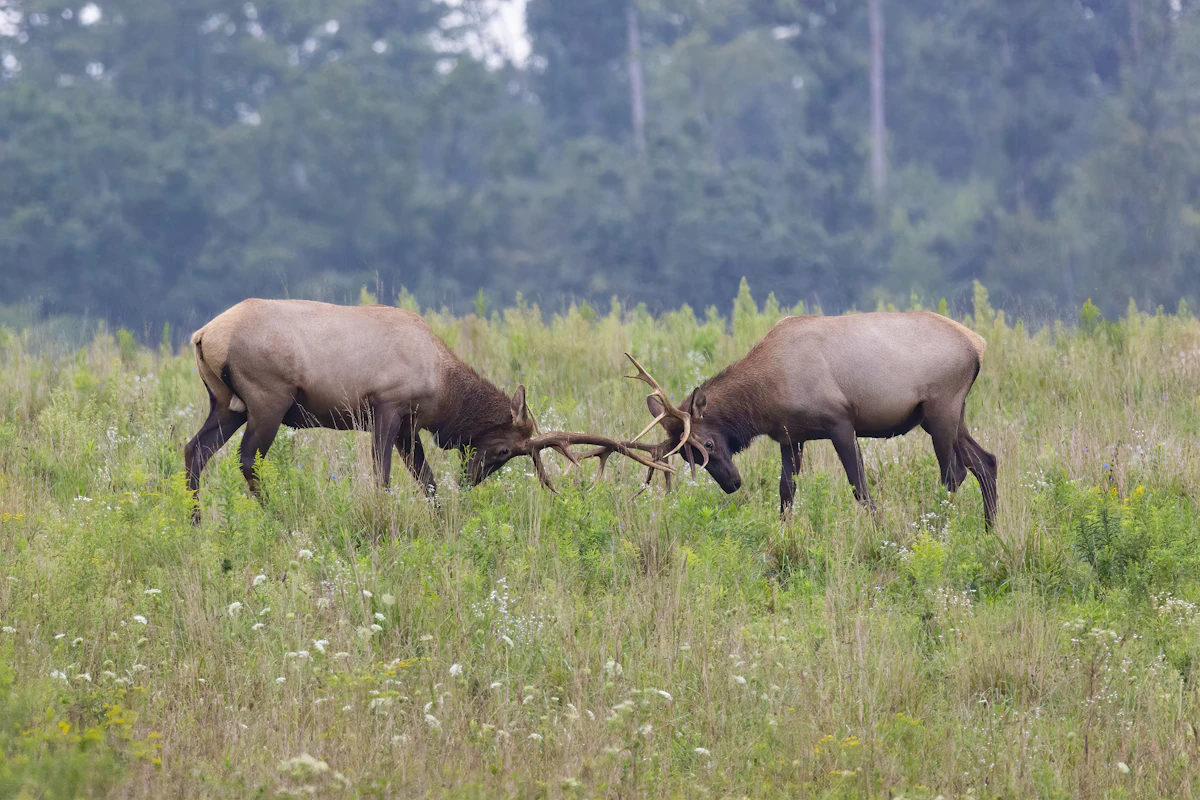
Challenge bugles signal a bull elk's willingness to fight for breeding rights. Understanding the context, cadence, and proper response tactics can put aggressive bulls within bow range during the rut.
Next
My Favorite Midday Elk Tactics When the Morning Hunt Goes Quiet
The midday lull doesn't mean your elk hunt is over. These proven tactics for glassing bedding areas, setting up ambushes, and hunting transition zones keep you in the game when other hunters head back to camp.