Best States for Hunting Coues Deer: Where to Chase the Grey Ghost
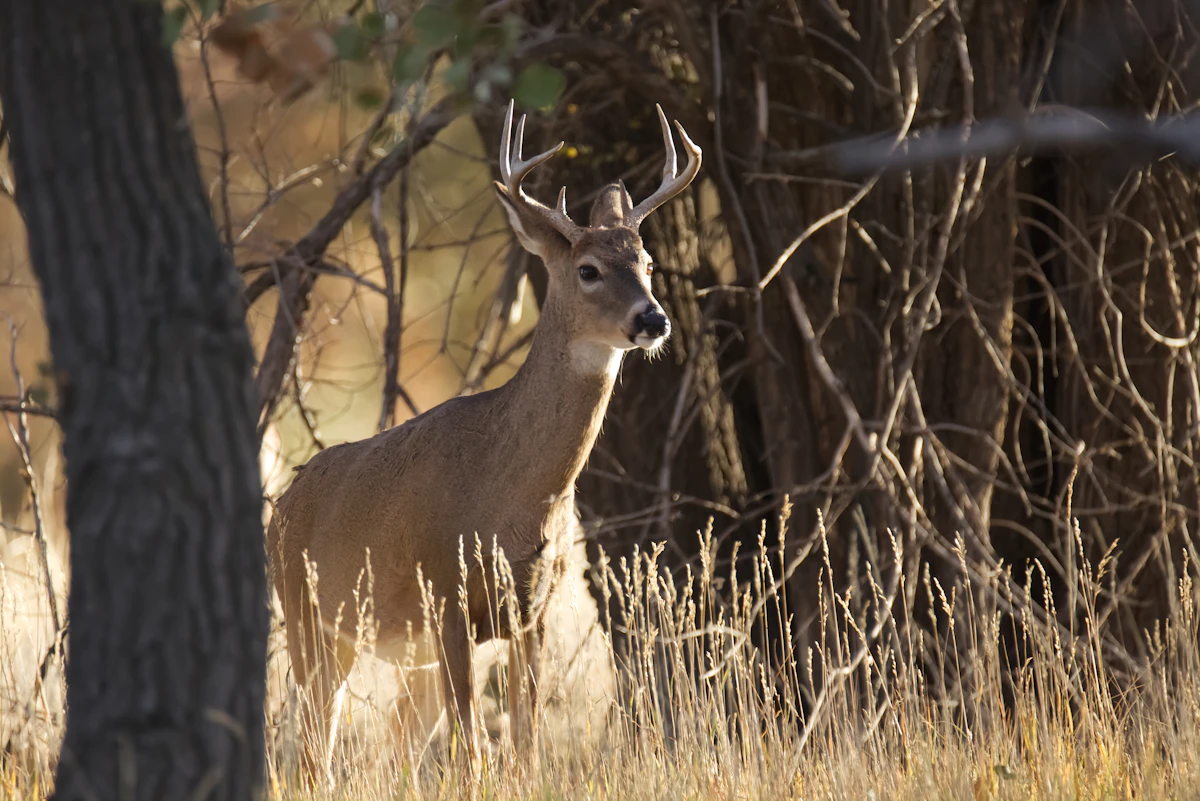
Coues deer live in a narrow band of sky island habitat stretching from southern Arizona through southwestern New Mexico and into Mexico. If you want to hunt them legally in the United States, you have exactly two realistic options: Arizona or New Mexico. Both states produce world-class bucks, but they differ sharply in access, draw difficulty, and hunting style. Understanding those differences is the first step toward putting a grey ghost on the ground.
Why Coues Deer Demand a Different Approach
Coues whitetails are not just small deer. They are arguably the most challenging whitetail subspecies in North America. Mature bucks weigh 100 to 120 pounds and carry compact antlers that rarely exceed 110 inches. What makes them special is their habitat and behavior. They live in steep, rocky canyons covered in oak, manzanita, and agave. They bed in dense cover during the day and move primarily at dawn and dusk. Spotting a Coues buck before he spots you requires hours of patient glassing, often at distances exceeding 400 yards.
This style of hunting rewards preparation. You need quality optics, physical conditioning for rugged terrain, and the discipline to sit behind a tripod for hours. Rushing the process almost always ends in frustration. The hunters who consistently kill mature Coues bucks treat every outing like a backcountry mule deer hunt rather than a whitetail sit.
Arizona: The Undisputed Coues Deer Capital
Arizona holds the largest Coues deer population in the United States and produces the majority of Boone and Crockett entries. The state manages Coues deer through a draw system with both rifle and archery opportunities spread across multiple seasons.
Best Units and Seasons
Southeastern Arizona units like 32, 33, 34A, 35A, and 36A consistently produce quality bucks. These units contain classic sky island habitat with elevations ranging from 4,000 to 9,000 feet. The December rifle season coincides with the rut, making it the most popular and competitive draw. January hunts offer a second rifle opportunity, often with better odds but colder conditions and post-rut bucks.
Archery hunters benefit from over-the-counter tags in many units during the August and September seasons. While the rut is months away, early-season bucks are still patternable near water sources. This is one of the few ways to hunt Coues deer without entering a draw.
Draw Odds and Strategy
Arizona uses a bonus point system for deer, and top Coues units can require five to ten points for nonresidents during the December rifle season. However, the state also offers a random component that gives first-time applicants a chance. If you are building points, consider applying for a second-choice unit with better odds while waiting for your top pick. Units like 30A and 31 offer solid deer density with lower draw thresholds.
For a deeper look at how Arizona structures its draw, check out on Insights | TAGZ TAGZ Insights.
New Mexico: A Sleeper Pick for Coues Hunters
New Mexico receives less attention for Coues deer, but the Bootheel region in the state's southwestern corner holds huntable populations. Units 24 and 27 are the primary options, bordering Arizona and sharing similar habitat.
What to Expect
New Mexico Coues deer density is lower than Arizona, and the units are smaller. This can make hunting more challenging, but it also means less pressure. The state offers both rifle and archery seasons, with draw odds that are often more favorable than Arizona's top units. Nonresidents should expect to wait a few years for a rifle tag, but archery opportunities are more accessible.
Applying in New Mexico
New Mexico uses a preference point system that rewards loyalty. If you are serious about Coues deer, applying annually for Unit 24 or 27 while hunting Arizona over-the-counter archery seasons is a solid long-term strategy. Learn more about point systems in Insights | TAGZ
Mexico: The Trophy Frontier
No discussion of Coues deer is complete without mentioning Mexico. The states of Sonora and Chihuahua hold the densest populations and produce the largest typical and non-typical bucks. Hunting in Mexico requires booking with a licensed outfitter, and costs range from $4,000 to $8,000 for a guided hunt.
For hunters focused solely on trophy potential, Mexico is unmatched. But for those who prefer DIY hunting or want to avoid international logistics, Arizona and New Mexico offer legitimate opportunities to kill mature bucks on public land.


Free to join
Download mobile app
- Detailed draw odds
- Point tracking
- Deadline reminders
- 19 states covered





Free to join
Download mobile app
- Detailed draw odds
- Point tracking
- Deadline reminders
- 19 states covered






Free to join
Download mobile app
- Detailed draw odds
- Point tracking
- Deadline reminders
- 19 states covered

Gear and Preparation Tips
Coues deer hunting is a glassing game. Invest in quality binoculars in the 10x to 15x range and a sturdy tripod. Many hunters also carry a spotting scope for judging bucks at distance. Footwear should prioritize ankle support and grip on loose rock. Expect to cover steep terrain and spend long hours stationary, so pack layers and bring enough water.
Physical preparation matters. If you can hike five miles with a pack in mountainous terrain, you are ready. If not, start training months before your hunt. For tips on building a hunt strategy, read Insights | TAGZ
Choosing Between Arizona and New Mexico
For most hunters, Arizona is the clear first choice. The state has more units, higher deer density, better-documented draw odds, and over-the-counter archery options. New Mexico is worth considering if you want lower pressure, are willing to invest years in the preference point system, or want to diversify your applications across multiple states.
Both states reward hunters who scout thoroughly and hunt patiently. If you are new to the species, start with an Arizona over-the-counter archery tag. It is the fastest path to Coues deer country without navigating a competitive draw.
FAQ — Coues Deer Hunting
What states have Coues deer?
Only Arizona and New Mexico offer legal Coues deer hunting in the United States. Arizona has the larger population and more hunting units, while New Mexico's Bootheel region provides a smaller but huntable opportunity.
Can I hunt Coues deer without a draw tag?
Yes. Arizona offers over-the-counter archery tags for Coues deer in many units during the August and September seasons. This is the easiest way to hunt the species without entering a draw.
How hard is it to draw a Coues deer tag in Arizona?
It depends on the unit and season. Top December rifle units like 32 and 34A can require five to ten bonus points for nonresidents. January rifle hunts and lesser-known units have better odds, sometimes drawable with zero to three points.
What is the best time to hunt Coues deer?
The December rut is the most productive time. Bucks are active during daylight and more responsive to calling. Early archery seasons in August and September can also be effective when deer are patterned on water.
Is hunting Coues deer in Mexico worth it?
If your goal is the largest possible buck and you have the budget for an outfitted hunt, Mexico offers unmatched trophy potential. For DIY hunters or those on a tighter budget, Arizona and New Mexico provide excellent opportunities.
What optics do I need for Coues deer?
High-quality 10x to 15x binoculars on a tripod are essential. Many hunters also carry a 20-60x spotting scope for evaluating bucks at long range. Skimping on glass is the biggest mistake new Coues hunters make.
Coues deer hunting is a pursuit that rewards patience, preparation, and precision. Whether you choose Arizona's proven units or New Mexico's quieter corners, the grey ghost will test your skills in ways few other deer can. Start building your application strategy now, and use TAGZ to compare draw odds and plan your path to Coues country.
Was this article helpful?
Previous
Understanding Elk Vocalizations: A Complete Guide to Bugling, Chirps, and Mews
Elk vocalizations reveal their mood, location, and intentions. Learning to interpret bugles, chirps, barks, and mews helps hunters read the rut, locate bulls, and time their setups for success in September and beyond.
Related
Calling Elk in Dark Timber: Proven Tactics for Tight-Cover Bulls
Calling elk in dark timber demands close-range setups, aggressive calling sequences, and reading wind in confined spaces. This guide covers proven techniques for locating, calling, and closing the distance on bulls in dense lodgepole, spruce, and fir stands where visibility drops to yards, not hundreds.
Next
My Favorite Midday Elk Tactics When the Morning Hunt Goes Quiet
The midday lull doesn't mean your elk hunt is over. These proven tactics for glassing bedding areas, setting up ambushes, and hunting transition zones keep you in the game when other hunters head back to camp.