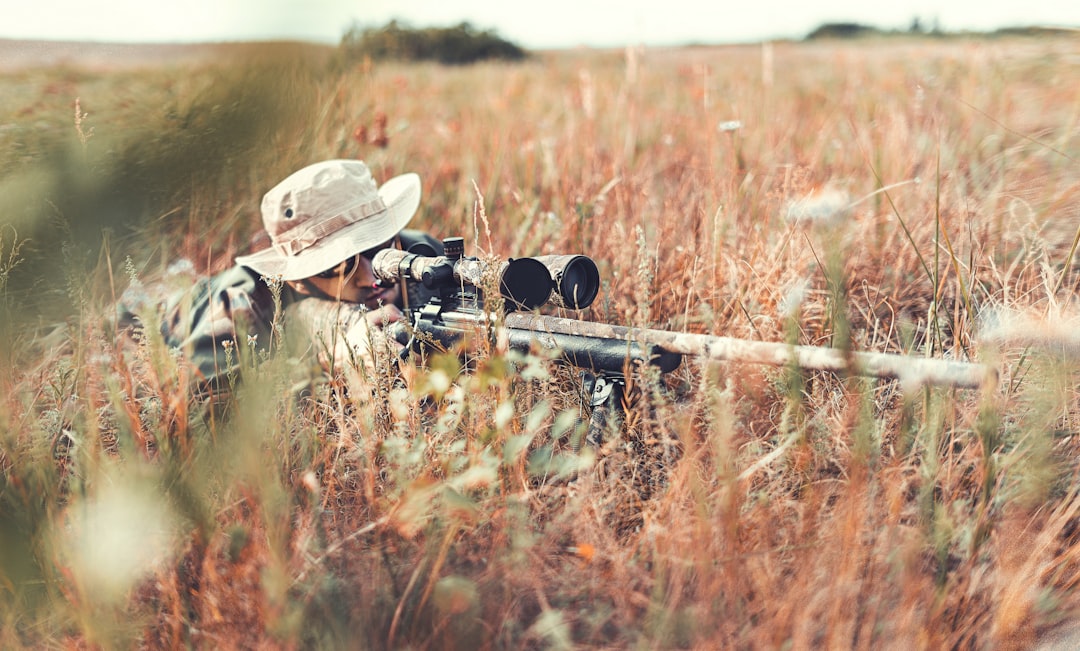
Ultimate Sheep Hunting Guide: Draw Strategy, Scouting, and Field Tactics
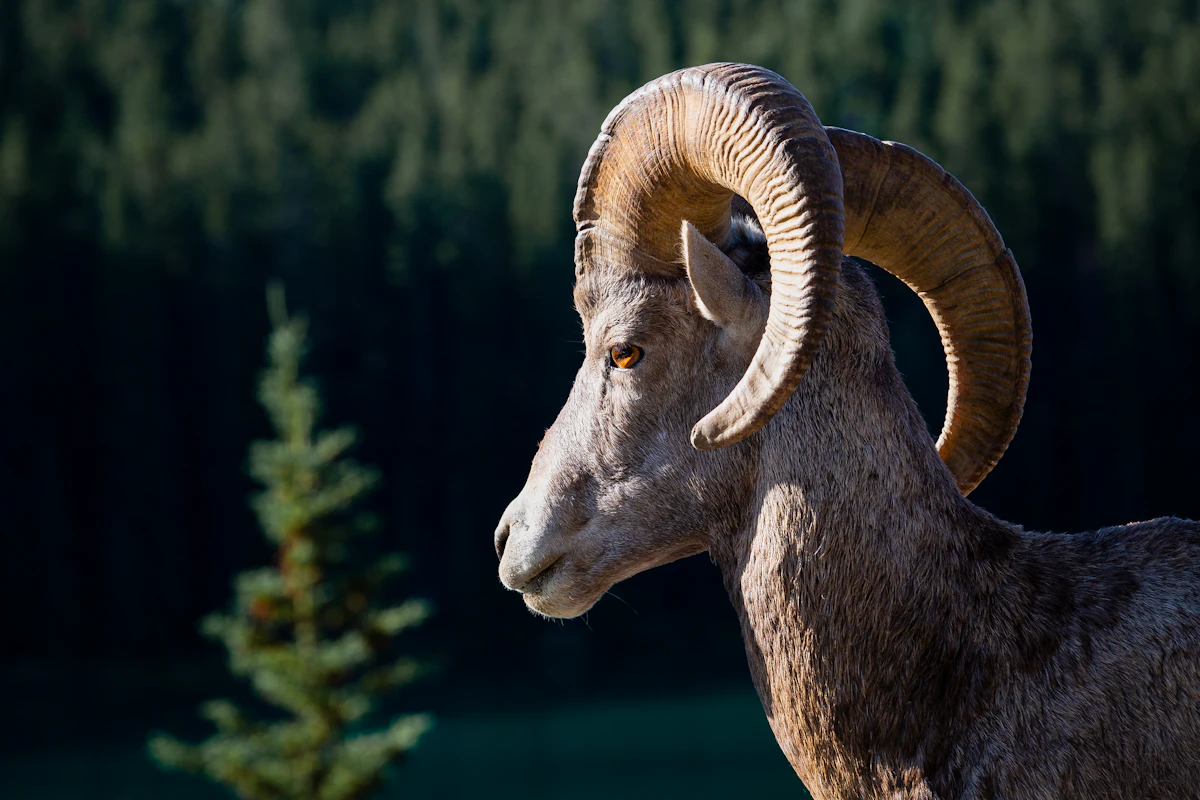
Sheep hunting represents the pinnacle of North American big game pursuit. Whether you are chasing Rocky Mountain bighorns in Montana, desert sheep in Arizona, or Dall sheep in Alaska, these hunts demand years of planning, peak physical conditioning, and mountain skills most hunters never develop. The draw odds are brutal, the terrain unforgiving, and the costs substantial. Yet tens of thousands of hunters apply every year because a mature ram in his native alpine habitat remains one of hunting's most coveted achievements.
This guide breaks down everything from building preference points across multiple states to executing the final stalk on a trophy ram. TAGZ helps you track points, compare draw odds, and identify units where your application strategy has the best chance of drawing before you age out of sheep country.
Understanding North American Sheep Species and Where to Hunt Them
Four distinct sheep species occupy dramatically different habitats across the West and North. Rocky Mountain bighorns thrive in the high peaks of Montana, Wyoming, Colorado, and Alberta. Desert bighorns occupy the arid ranges of Arizona, Nevada, New Mexico, and southern California. California bighorns — a subspecies of Rocky Mountain bighorns — inhabit parts of the Pacific Northwest and British Columbia. Dall sheep and Stone sheep live in Alaska, Yukon, Northwest Territories, and northern British Columbia.
Most sheep hunters focus initial efforts on Rocky Mountain bighorn tags since Montana, Wyoming, and Colorado offer the highest number of resident and nonresident permits. Arizona and Nevada issue limited desert bighorn tags through lottery systems with abysmal draw odds but exceptional trophy quality. Alaska remains the only state offering over-the-counter Dall sheep tags, though nonresident hunters must hire registered guides, and success rates hover around 50 percent due to weather, access challenges, and the sheer scale of the terrain.
Each species presents unique challenges. Bighorns inhabit lower elevations than Dall sheep but concentrate in steep, broken terrain with limited cover. Desert bighorns survive in landscapes where water sources dictate movement patterns and midday temperatures exceed 100 degrees. Dall sheep live above treeline in some of the most remote country on the continent, requiring float planes or long packouts that test your physical limits and mental resolve.
Draw Odds and Point-Building Strategy Across Western States
Securing a bighorn sheep tag through the public draw system requires patience, persistence, and strategic point accumulation. Montana, Wyoming, Colorado, and most states use preference point or bonus point systems where your odds improve over time, but even with maximum points, drawing a quality unit often requires 15 to 25 years of applying. Random tag allocations exist in some states, giving first-time applicants a mathematical chance, but those odds sit well below one percent in premier units.
Montana allocates up to 10 percent of bighorn tags to the bonus point draw, with the remainder awarded through a preference point system. Wyoming uses a true preference point system where max-point holders draw first until tag quotas fill. Colorado operates a weighted preference point system where more points equal more chances in the draw, but you are never guaranteed. New Mexico awards all sheep tags through a pure random draw with no points — your odds remain identical whether you apply for one year or thirty.
Nonresidents face steeper odds than residents in every state. Montana reserves 90 percent of sheep tags for residents. Wyoming and Colorado cap nonresident allocations at 25 percent for most limited-entry species. Idaho issues only one or two nonresident bighorn tags annually through a random draw, making it one of the toughest tags in North America. Nevada and Arizona use bonus point systems that reward long-term applicants but still incorporate random elements, meaning someone with zero points can theoretically draw while max-point holders wait another year.
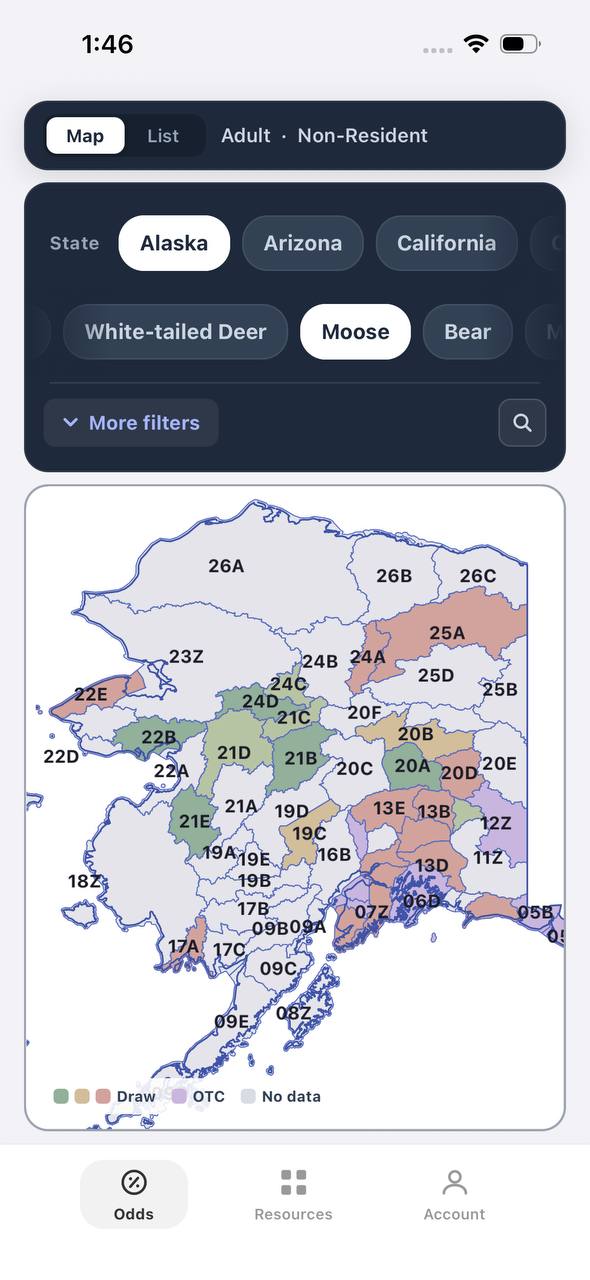
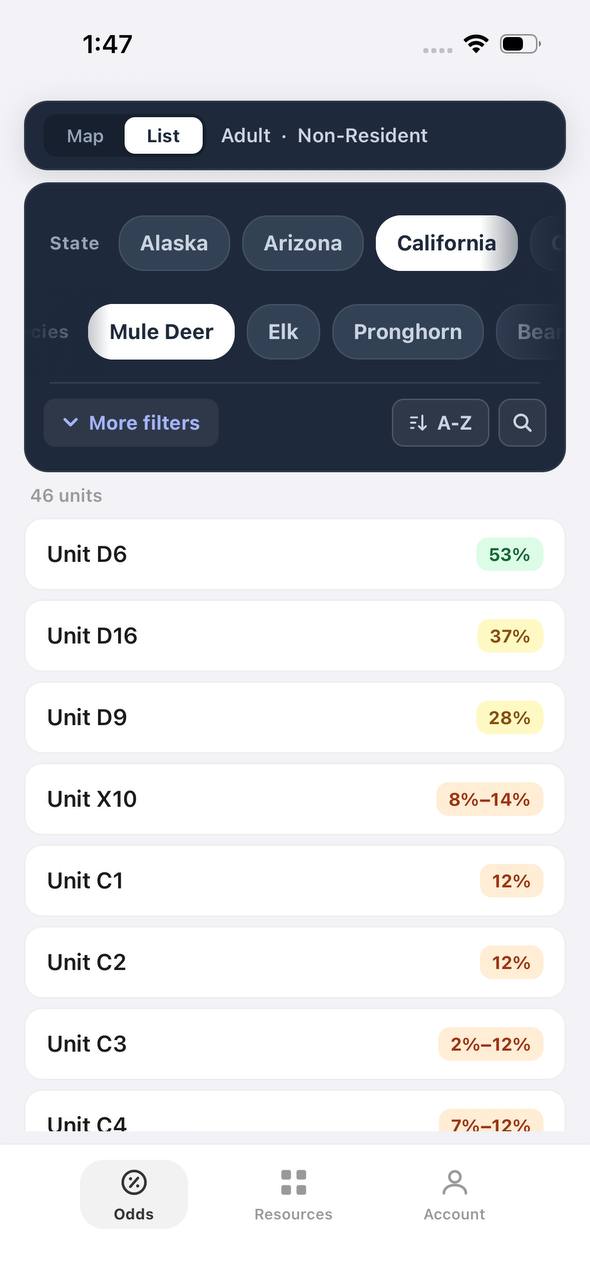
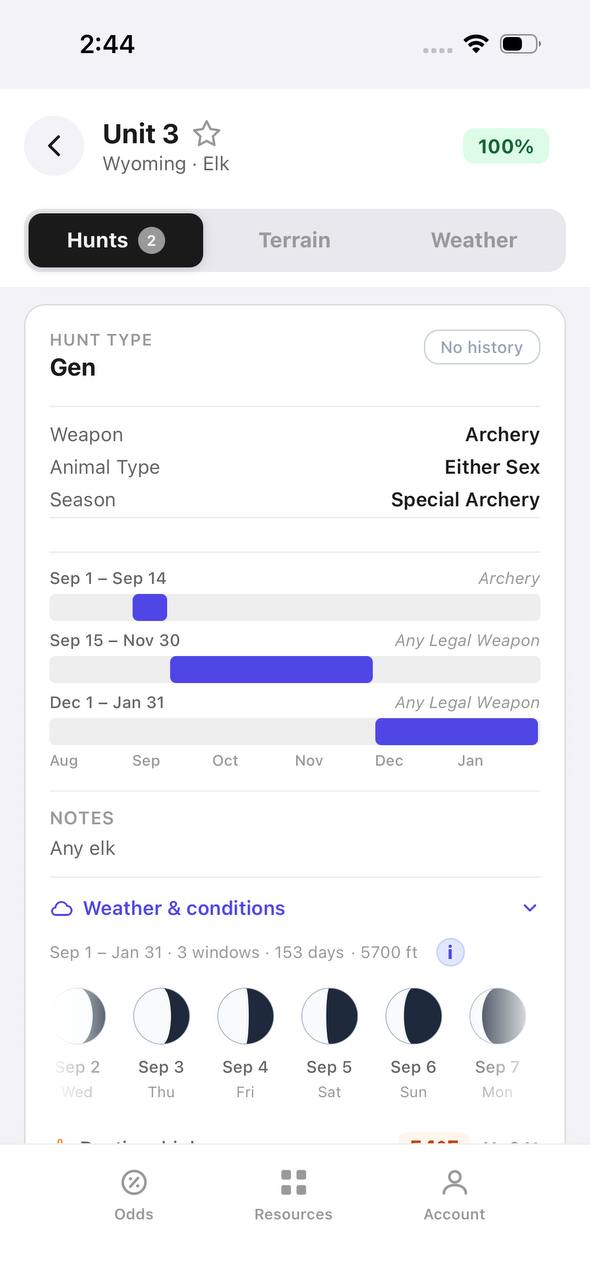
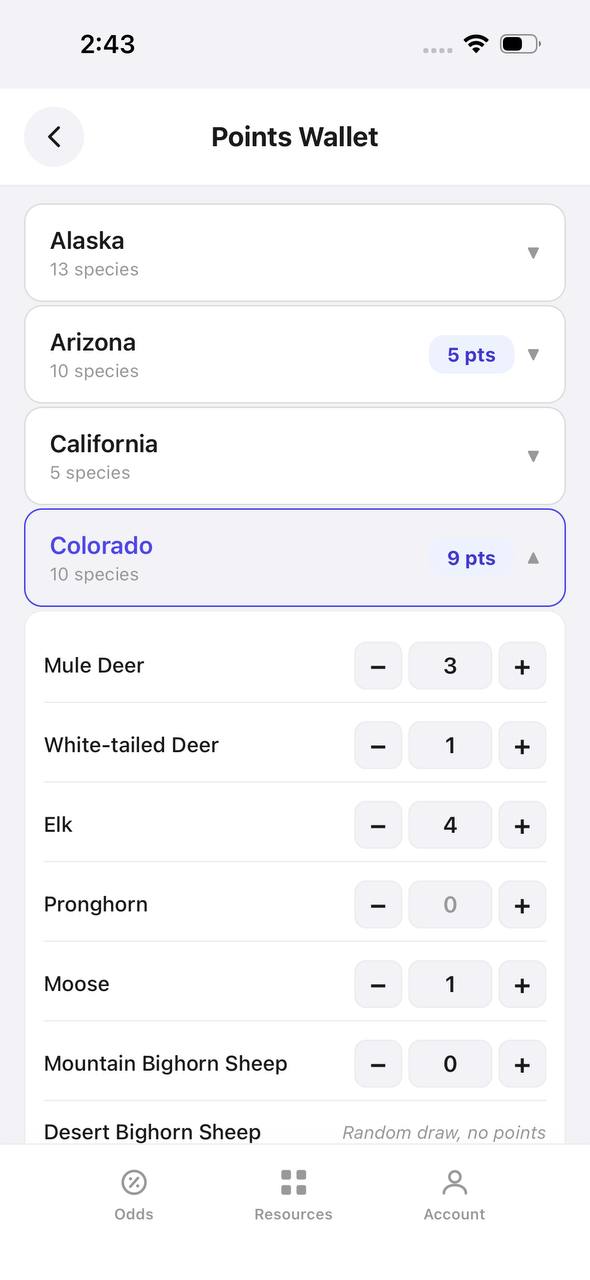
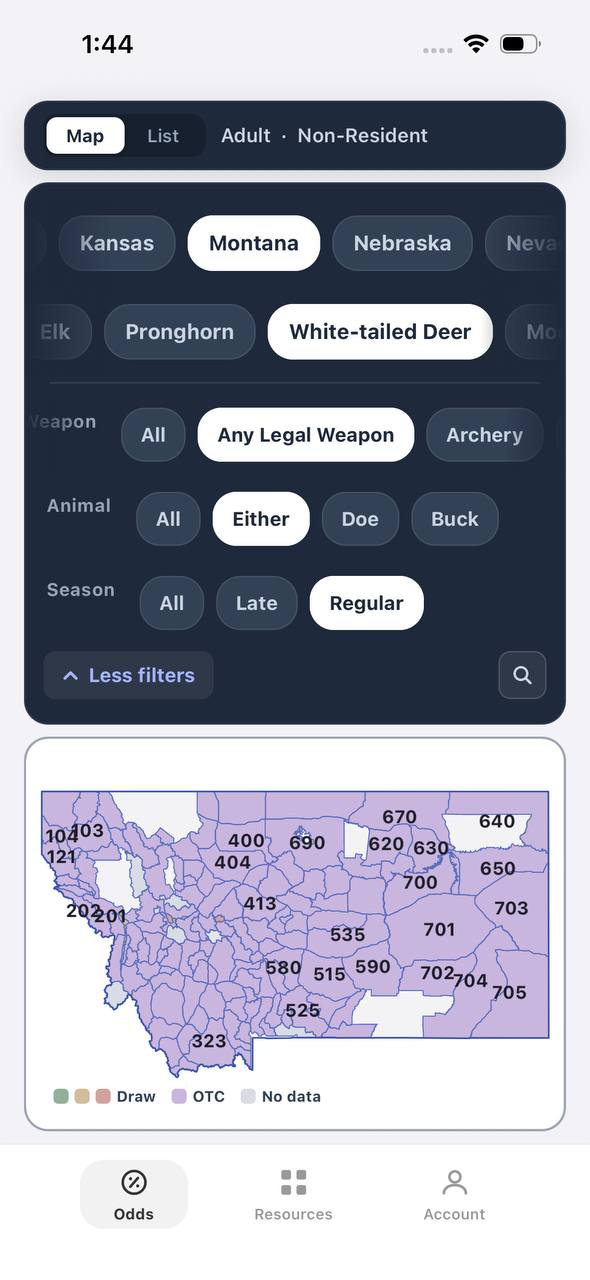
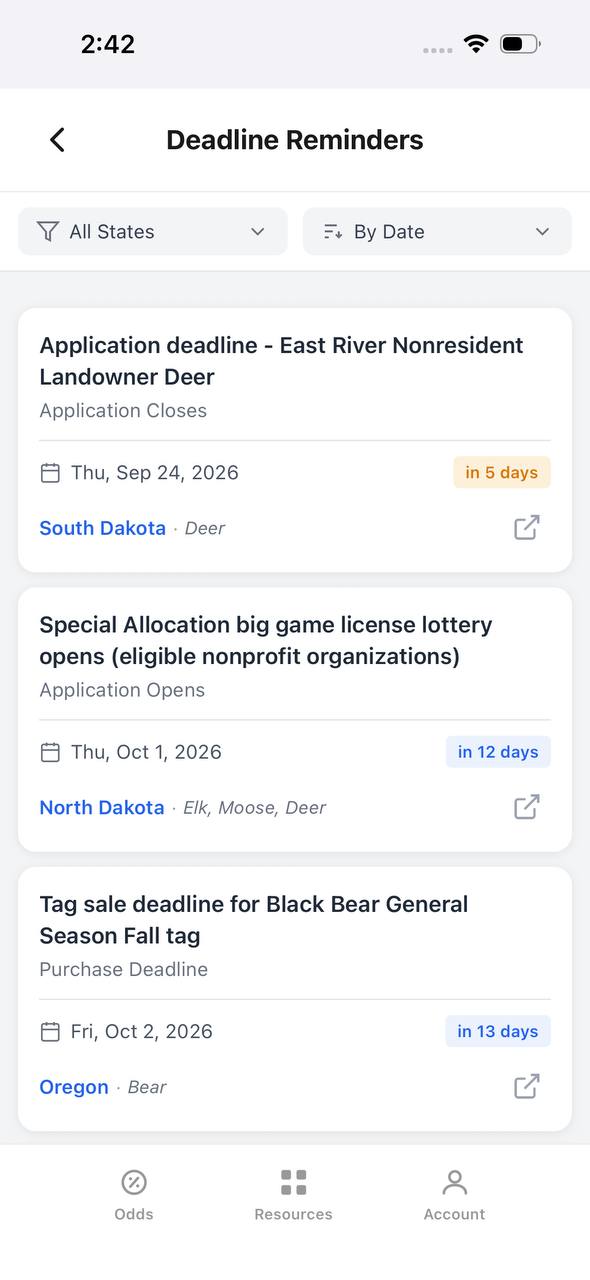
TAGZ tracks your preference points and bonus points across every western state, monitors draw deadline dates, and calculates your realistic odds of drawing based on historical data and current point totals. The platform shows exactly how many points the last successful applicant held in each unit, helping you decide whether to keep accumulating points in competitive units or redirect applications toward units where you can draw sooner. Multi-state strategies matter because applying in six or seven states annually gives you multiple chances to draw, even if individual state odds remain low.
Physical Training and High-Altitude Preparation
Sheep hunting demands cardiovascular endurance, leg strength, and mental toughness that exceed any other North American hunt. Most bighorn and Dall sheep live between 8,000 and 12,000 feet elevation. You will gain and lose thousands of vertical feet daily while carrying 40 to 60 pounds of gear, optics, and meat. Guides and outfitters routinely turn away hunters who arrive out of shape because the mountains do not care about your draw odds or how much you paid for the tag.
Start training at least six months before your hunt. Focus on weighted hiking with elevation gain. If you live at low elevation, find stadium stairs, high-rise stairwells, or incline treadmills that simulate vertical climbing under load. Gradually increase pack weight from 20 pounds to 50 pounds while maintaining a steady pace for two to four hours without stopping. Your legs should feel fatigued but not destroyed. Sheep hunting requires sustained effort over multiple days, not single heroic efforts followed by complete exhaustion.
Core strength and balance prevent injuries on loose scree and off-camber slopes. Incorporate single-leg exercises like step-ups, lunges, and pistol squats to build stabilizer muscles that keep you upright when fatigue sets in. Yoga or similar flexibility work reduces injury risk when you plant awkwardly or catch yourself from a stumble. Ankle mobility matters because rocky sheep country punishes rigid joints.
Acclimatization cannot be rushed. Arrive at elevation several days before your hunt begins if possible. Sleep and operate at 8,000 feet or higher to allow your body to produce more red blood cells and adjust to reduced oxygen. Hydration and rest matter more at altitude than at sea level. Headaches, nausea, and shortness of breath signal inadequate acclimatization. Push through mild symptoms, but descend immediately if you develop confusion, loss of coordination, or severe headache — signs of life-threatening altitude sickness.
Glassing Strategy and Spotting Rams in Alpine Terrain
Sheep hunting is 90 percent glassing and 10 percent stalking. Rams bed in basins, on ridges, and below cliff bands where they monitor approaches and escape routes. Finding them requires high-quality optics, systematic glassing patterns, and patience to sit behind the glass for hours without moving.
Set up in locations with maximum visibility across multiple basins and ridgelines. Dawn and dusk offer the best lighting for spotting sheep, but rams feed and move throughout the day in good weather. Use 10x or 12x binoculars for initial sweeps, then switch to a spotting scope on a sturdy tripod to evaluate horn size and confirm legal rams. Cheap optics fail in alpine glare and mirage. Invest in high-end glass or borrow quality optics if your budget will not support new purchases.
Glass systematically. Start at close range and work outward in overlapping horizontal bands. Sheep blend into rockslides, talus slopes, and gray cliffs better than any other big game animal. Look for horizontal lines in vertical terrain — a bedded ram's back contrasts with vertical cliff faces. Watch for movement, white rumps, and the golden sheen of mature rams backlit by morning sun. Glass edges where meadows meet rock, transitions between sun and shadow, and areas below escape terrain where rams feel secure.
Sheep often bed in the same basins and ridges for days if hunting pressure stays low. Once you locate a group, mark the position with GPS, note landmarks, and plan your stalk before leaving the glassing position. Rams bed facing downslope with wind in their face, monitoring the valley below. Approach from above whenever possible, using terrain features to stay out of sight until you reach shooting position.
Free to join
Download mobile app
- Detailed draw odds
- Point tracking
- Deadline reminders
- 18 states covered

Free to join
Download mobile app
- Detailed draw odds
- Point tracking
- Deadline reminders
- 18 states covered
Free to join
Download mobile app
- Detailed draw odds
- Point tracking
- Deadline reminders
- 18 states covered
Stalk Execution and Shot Placement in Steep Country
Closing the distance on a mature ram requires slow, deliberate movement through terrain that punishes mistakes. Sheep rely on vision more than scent, but thermals and wind patterns in mountains shift unpredictably. Plan your approach during stable morning conditions when thermals rise, keeping your scent below the rams' position.
Move during feeding periods or when rams bed with their attention focused away from your approach vector. Use terrain folds, rock outcroppings, and ridgelines to stay out of sight. Crawl the final distance if necessary. Sheep tolerate hikers and other non-threatening movement at distance but spook instantly when they detect a predatory stalk. Once they identify you as a threat, they vanish into escape terrain and rarely offer a second chance.
Shooting positions in sheep country rarely offer prone rests or shooting benches. Practice shooting from sitting, kneeling, and improvised rests using your pack, trekking poles, or rocks. Steep angles — both uphill and downhill — complicate bullet trajectory. Most modern rangefinders calculate angle-compensated distance, which is critical for accurate shooting beyond 300 yards in mountain terrain.
Shot placement on broadside or quartering-away rams targets the crease behind the shoulder, roughly one-third up the body. Rams are not large-bodied animals compared to elk or moose, and well-constructed bullets in 6.5mm, 7mm, or .30 caliber offer adequate performance without excessive recoil that hinders accurate shooting in awkward positions. Confirm your zero at the elevation where you will hunt because altitude affects bullet trajectory and point of impact.
After the shot, watch the ram through your scope or binoculars. Rams often absorb fatal hits without visible reaction, then travel short distances before expiring. Mark the impact location with GPS and distinctive landmarks before leaving your shooting position. Terrain distorts distances and perspective, and many rams are lost because hunters cannot relocate the exact spot where the animal stood.
Meat Care and Pack-Out Logistics in Remote Country
Sheep live in terrain that complicates meat recovery. Plan your pack-out before the hunt starts. Know where your vehicle, base camp, or pickup location sits relative to where you expect to kill a ram. Many successful sheep hunters spend as much time packing meat as they did hunting because the country demands multiple trips or helicopter extraction.
Field dress the ram immediately after confirming death. Remove the hide carefully if you plan a shoulder mount — capes and skulls represent the primary trophies from sheep hunts. Quarter the carcass and remove all edible meat. Bone out quarters if you face a long pack to save weight. Cool the meat as quickly as possible by spreading quarters in shade, hanging them in trees, or covering them with game bags that allow airflow while protecting from insects and ravens.
Game bags, quality pack frames, and trekking poles transform brutal pack-outs into manageable work. Distribute weight evenly across your pack, keeping the heaviest loads high and close to your back. Take breaks to adjust loads and prevent hot spots that lead to blisters or pressure sores. Dehydration and exhaustion cause more pack-out injuries than the actual weight of the meat.
If weather turns or distances exceed your capability, consider helicopter extraction where legal and affordable. Many outfitters include helicopter support in their pricing because it reduces hunter injuries and ensures meat quality. Discuss extraction options before the hunt so expectations align with reality. A dead ram three miles and 3,000 vertical feet from the trailhead tests every hunter's resolve.
Gear Essentials for Extended High-Country Hunts
Sheep hunts expose you to weather extremes and equipment failures far from resupply. Build your gear list around durability, weight, and redundancy for critical items. Layered clothing systems allow adjustment from morning cold to midday heat. Base layers should wick moisture, mid-layers provide insulation, and outer shells block wind and precipitation. Merino wool and synthetic fabrics outperform cotton in every condition.
Footwear matters more than any other gear choice. Stiff-soled mountain boots with ankle support prevent rolled ankles and provide stability on scree and talus. Break in boots thoroughly before the hunt to prevent blisters. Lightweight trail runners work for some hunters in dry conditions, but they sacrifice protection and support that matter when you pack heavy loads downhill.
Optics represent your primary hunting tool. Quality binoculars and a spotting scope determine whether you find rams before they see you. Carry a lightweight tripod for the spotter and a bino harness system that protects glass while keeping it instantly accessible. Rangefinders with angle compensation are mandatory for ethical shooting in steep terrain.
Shelter and sleep systems must handle freezing temperatures and high winds. Lightweight backpacking tents withstand conditions better than heavy canvas wall tents unless you hunt with pack stock. A quality sleeping bag rated to 15 or 20 degrees paired with an insulated pad keeps you functional through cold nights above treeline. Sleep deprivation destroys decision-making and physical performance.
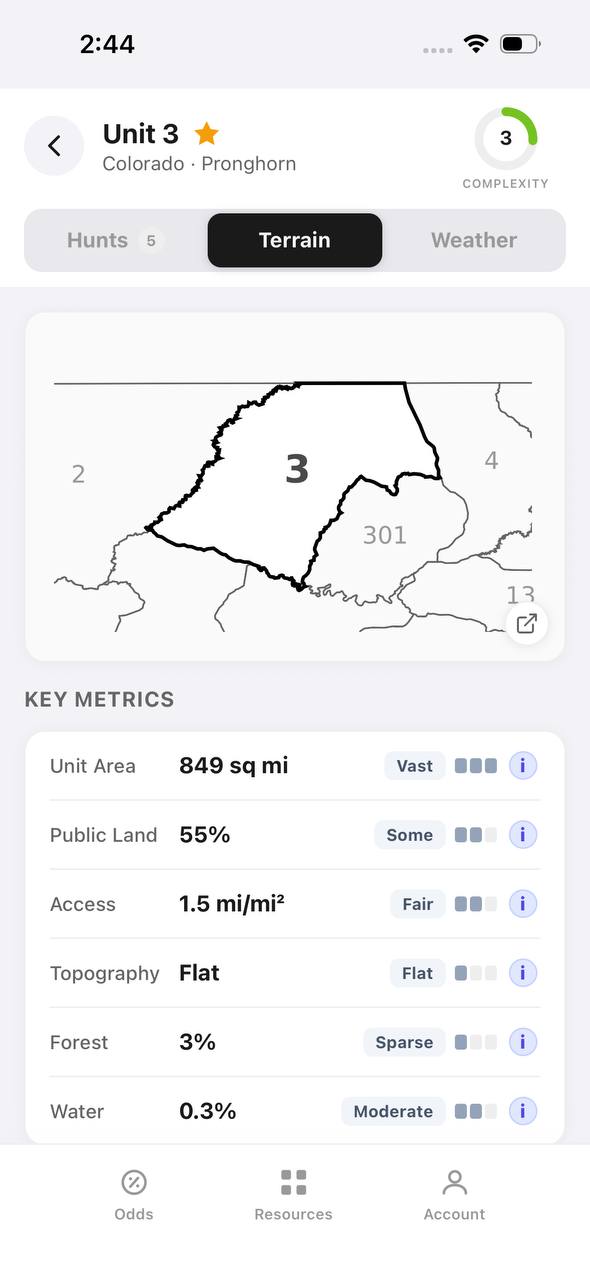
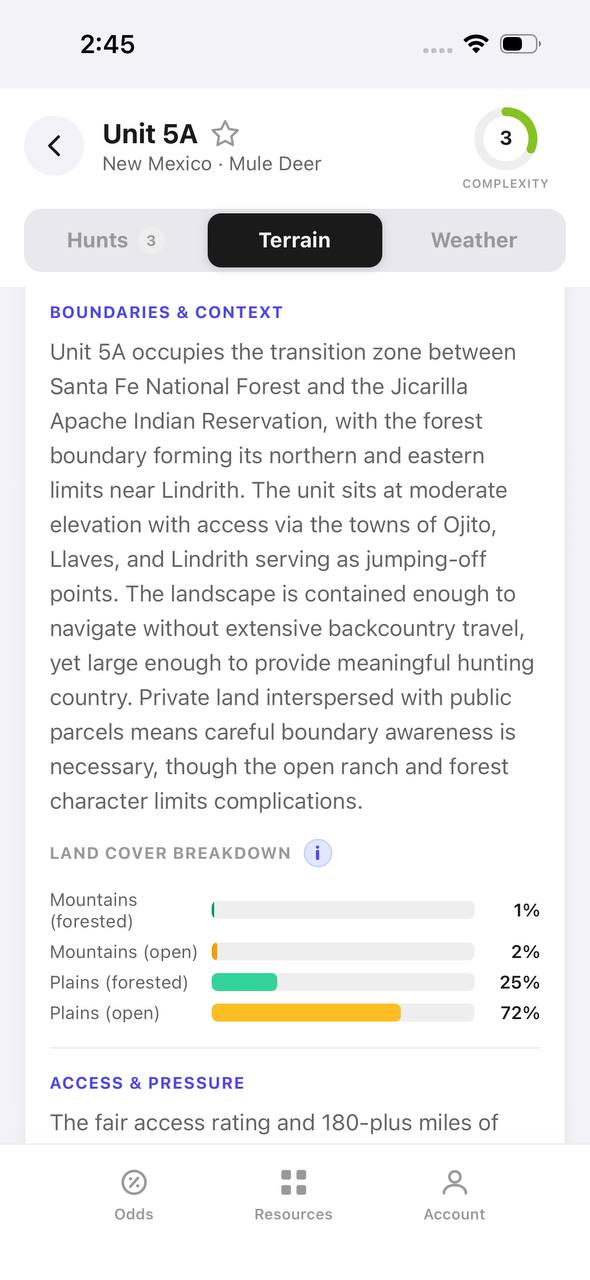
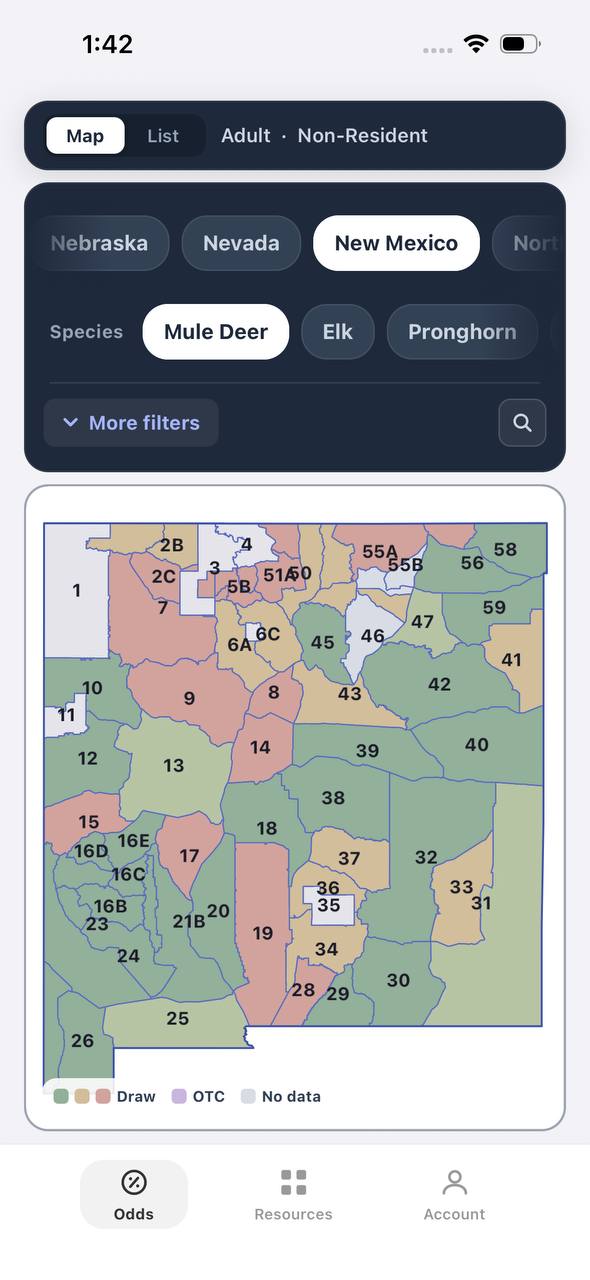
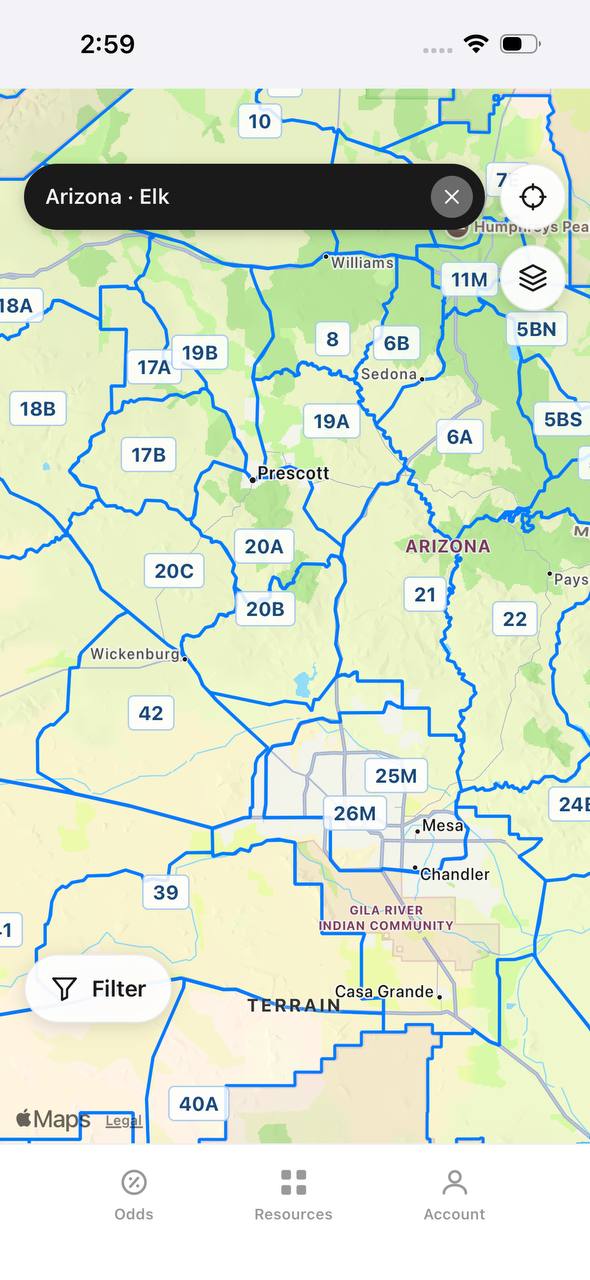
TAGZ helps you identify units where terrain, access, and success rates align with your physical capability and gear setup. The platform shows public land boundaries, trailheads, and unit maps that let you scout digitally before committing to a specific area. Understanding unit layouts and access points prevents wasted days hiking wrong drainages or glassing basins that hold no sheep.
Free to join
Download mobile app
- Detailed draw odds
- Point tracking
- Deadline reminders
- 18 states covered
Free to join
Download mobile app
- Detailed draw odds
- Point tracking
- Deadline reminders
- 18 states covered
Free to join
Download mobile app
- Detailed draw odds
- Point tracking
- Deadline reminders
- 18 states covered
Once-in-a-Lifetime Tags and the Trophy Decision
Many western states classify bighorn sheep as once-in-a-lifetime species, meaning you cannot apply again after drawing a ram tag. This designation forces hunters to weigh trophy quality against the certainty that passing a legal ram may cost your only chance to hunt sheep in that state.
Define your standards before the hunt. Decide whether you are hunting for the experience, the meat, or a specific horn measurement. A mature 7- to 9-year-old ram with full curl or better represents a trophy by any measure, but true giants exceeding 180 Boone and Crockett points exist in limited numbers even in top units. Some hunters pass multiple legal rams over multiple days holding out for a true monarch. Others shoot the first legal ram they see because the experience matters more than inches of horn.
Guides and outfitters earn their reputations by putting clients on quality rams, but even the best guides cannot manufacture a 190-inch ram where none exist. Research unit harvest statistics, average horn measurements, and recent trophy entries to calibrate expectations. Units with high draw odds often produce smaller rams. Units with terrible draw odds and long point requirements usually justify the wait with exceptional average horn size.
The clock runs against sheep hunters. Physical capability declines with age, and sheep country does not accommodate weakness. If you are 55 years old with 20 preference points, applying for another five years to hunt a slightly better unit may put you in the field at an age where you cannot execute the hunt. Draw the tag while you can still climb the mountains.
Multi-State Application Strategy and Long-Term Planning
Successful sheep hunters apply in every state that offers bighorn or Dall sheep tags. Montana, Wyoming, Colorado, Idaho, Nevada, Arizona, New Mexico, Utah, Oregon, Washington, North Dakota, South Dakota, and Alaska all issue sheep tags through public draw systems. Applying in multiple states annually maximizes your chances of drawing before health or age removes sheep hunting from your future.
Resident hunters hold massive advantages. If you live in Montana, Wyoming, or Colorado, prioritize your home state applications because resident odds are five to ten times better than nonresident odds in most units. Nonresidents should diversify across states with bonus point systems and random draws. Accumulated points in Wyoming and Montana increase your odds over time. Random draws in New Mexico and Idaho give you a chance every year regardless of point totals.
Application fees and license costs add up quickly when you apply for sheep tags in ten or more states. Budget several hundred dollars annually for application fees alone, and be prepared to purchase hunting licenses, preference point fees, and potentially harvest fees if you draw. Some hunters view this as wasted money. Serious sheep hunters view it as the cost of entry for North America's ultimate hunt.
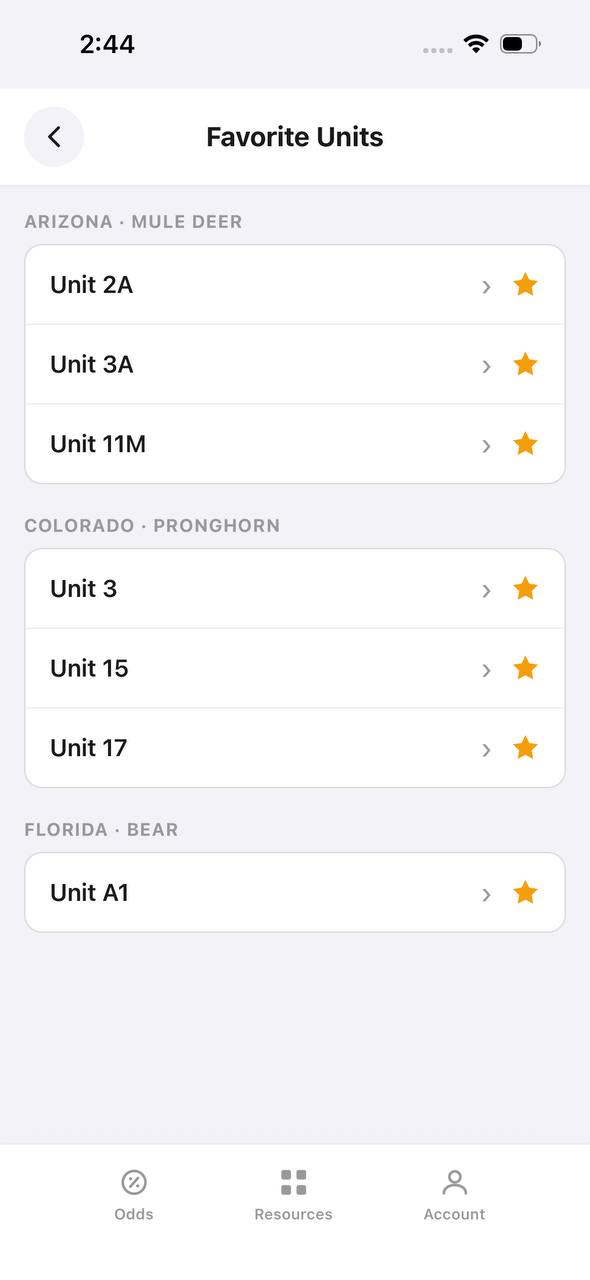
TAGZ simplifies multi-state applications by tracking every deadline, showing which states you have already applied in, and calculating your current point totals across all systems. The platform alerts you 30 days before each draw deadline so you never miss an application window. Missing a single year of applications in a preference point state can cost you two years of progress because you lose your place in line while other applicants continue accumulating points.
Free to join
Download mobile app
- Detailed draw odds
- Point tracking
- Deadline reminders
- 18 states covered
Free to join
Download mobile app
- Detailed draw odds
- Point tracking
- Deadline reminders
- 18 states covered
Free to join
Download mobile app
- Detailed draw odds
- Point tracking
- Deadline reminders
- 18 states covered
Hiring Guides Versus DIY Sheep Hunts
Alaska requires nonresident hunters to hire registered guides for Dall sheep. Most other states allow DIY sheep hunting on public land, though success rates for unguided hunters rarely exceed 20 percent. Guided hunts in the Lower 48 range from $15,000 to $40,000 depending on unit quality, outfitter reputation, and logistics. DIY hunts cost only gear, travel, and tag fees, but they demand mountain skills, physical conditioning, and sheep knowledge that takes years to develop.
Outfitters provide camps, pack stock or logistics support, field judging expertise, and most importantly, knowledge of where rams live within sprawling units. Quality outfitters scout year-round, maintain relationships with landowners for access across private property, and adapt hunt plans based on current ram locations and weather. They also handle meat care, pack-outs, and cape preparation — details that overwhelm many DIY hunters after shooting a ram.
DIY hunters sacrifice support and convenience for cost savings and self-reliance. Success demands thorough e-scouting using mapping tools, physical preparation that exceeds guided hunts because you carry all your own gear, and contingency plans for extraction and meat care without assistance. Many sheep units cover hundreds of square miles, and finding rams without local knowledge requires glassing discipline and willingness to relocate camp when your initial areas prove empty.
If you draw a once-in-a-lifetime tag, hiring a reputable outfitter increases your odds of success and reduces the risk of wasting your only sheep tag. If you draw a unit with multiple access points and reasonable terrain, DIY hunts offer adventure and satisfaction that guided hunts cannot replicate. TAGZ helps you evaluate units based on terrain difficulty, public land access, and typical ram concentrations so you can decide whether the unit matches your skill level and DIY capability.
Weather Patterns and Timing Your Sheep Hunt
Sheep seasons open in August or September across most western states, though some desert bighorn hunts run into December and January. Early-season hunts offer stable weather, accessible high country, and rams still in bachelor groups following predictable feeding patterns. Late-season hunts deal with snow, freezing temperatures, and rams transitioning into rut behavior that scatters them across broader ranges.
Weather in sheep country changes rapidly. Morning sunshine gives way to afternoon thunderstorms above treeline. Freezing rain, sleet, and early-season snow shut down hunts and create dangerous travel conditions. Monitor forecasts obsessively and build rest days into your schedule so you can wait out storms in camp rather than push through conditions that risk injury or hypothermia.
Rams often move to lower elevations or timber edges when storms move in, then return to alpine zones when weather clears. Track barometric pressure and wind patterns to predict ram movement. Stable high pressure generally means rams remain in their preferred basins. Falling pressure and incoming storms push rams into sheltered areas or lower slopes. Wait out the weather, then return to glassing positions when the front passes.
Dall sheep hunts in Alaska and Yukon face even more volatile weather. August offers the longest daylight and mildest temperatures, but rain and fog can sock in entire mountain ranges for days. September brings colder temperatures, shorter days, and higher risk of early snowstorms that make flying dangerous or impossible. Many Alaska Dall hunts end prematurely because weather prevents float planes from reaching hunters in the field.
FAQ — Sheep Hunting
How long does it take to draw a bighorn sheep tag?
Most western states require 15 to 25 years of applying with maximum preference points or bonus points to draw a quality bighorn unit. Random allocations and less desirable units may draw sooner, but realistic odds still exceed a decade for most nonresidents.
Can you hunt sheep without a guide?
Yes in the Lower 48, but Alaska requires nonresident hunters to hire registered guides for Dall sheep. DIY sheep hunts demand advanced mountain skills, physical conditioning, and self-sufficiency because you handle all logistics, glassing, stalking, and meat recovery alone.
What rifle caliber is best for sheep hunting?
Cartridges from 6.5mm to .30 caliber with quality bullets work well on sheep. Popular choices include 6.5 Creedmoor, .270 Winchester, 7mm Remington Magnum, and .300 Winchester Magnum. Accuracy and shooter confidence matter more than raw power because sheep are not large animals.
How much does a guided sheep hunt cost?
Guided bighorn sheep hunts in the Lower 48 range from $15,000 to $40,000 depending on unit quality and outfitter services. Alaska Dall sheep hunts cost $18,000 to $30,000. DIY hunts cost only gear, travel, and tag fees but require significantly more effort and risk.
What is the hardest sheep species to draw a tag for?
Rocky Mountain bighorn sheep in premium units like Montana's Breaks, Wyoming's Whiskey Mountain, or Colorado's Georgetown have draw odds below 0.5 percent even with maximum points. Desert bighorn tags in Nevada and Arizona are similarly difficult. Stone sheep in British Columbia require outfitter bookings years in advance.
How physically fit do you need to be for a sheep hunt?
Sheep hunting demands peak cardiovascular fitness and leg strength to handle steep terrain at 8,000 to 12,000 feet elevation while carrying 40 to 60 pounds daily. If you cannot hike 10 miles with 3,000 feet of elevation gain while maintaining conversation, you are not ready for sheep country.
Continue Planning Your Hunt
Sheep hunting represents a long-term commitment that starts with your first preference point application and may not culminate in a tag for two decades. TAGZ tracks your points across every western state, calculates realistic draw odds based on historical data, and shows you exactly which units match your point totals and physical capability. The platform provides unit maps, public land boundaries, terrain breakdowns, and draw deadline tracking so you never miss an application window.
Whether you are building points in your home state, applying across multiple states to maximize draw opportunities, or researching units after finally drawing your once-in-a-lifetime tag, TAGZ gives you the decision-making tools that simplify complex draw systems and multi-state strategy. Explore the TAGZ platform to compare units side by side, track draw deadlines, and monitor your point progression. Start planning your sheep hunt today at getmytagz.com.
For more western hunting insights, strategy breakdowns, and species-specific guidance, visit the TAGZ Insights blog. If you are ready to take control of your draw strategy and hunt planning across every western state, review TAGZ pricing options and create an account that tracks your points, monitors deadlines, and helps you draw the tags that matter most.
Was this article helpful?
Previous
Best Hunting Boots for Sheep Hunting: Choosing Footwear for High-Country Pursuits
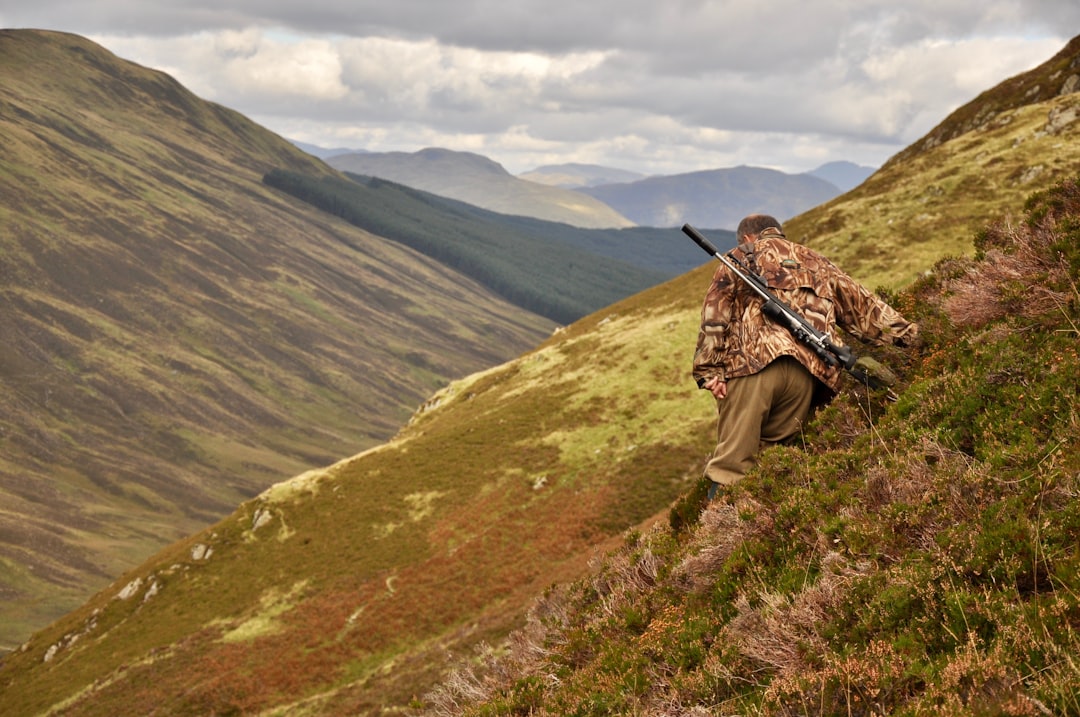
Sheep hunting demands boots that excel in steep, rocky terrain at high elevation. This guide breaks down the critical features—ankle support, traction, weight, and waterproofing—and recommends top models for backcountry sheep hunters.
Related
Elk Hunting Backpack Checklist 2026 — Essential Gear for Backcountry Success
A complete elk hunting backpack checklist covering the essentials for multi-day backcountry hunts, from survival gear to meat-care systems. Organized by category so you pack smart and hunt confident.
Next
Complete Western Hunting Optics Guide: Binoculars, Spotting Scopes & Rangefinders for Elk, Mule Deer & Pronghorn
Master western hunting optics with this complete guide covering binoculars, spotting scopes, and rangefinders. Learn what magnification, objective lens size, and features you actually need for elk, mule deer, and pronghorn across different terrain.