Best Hunting Boots for Sheep Hunting: Choosing Footwear for High-Country Pursuits
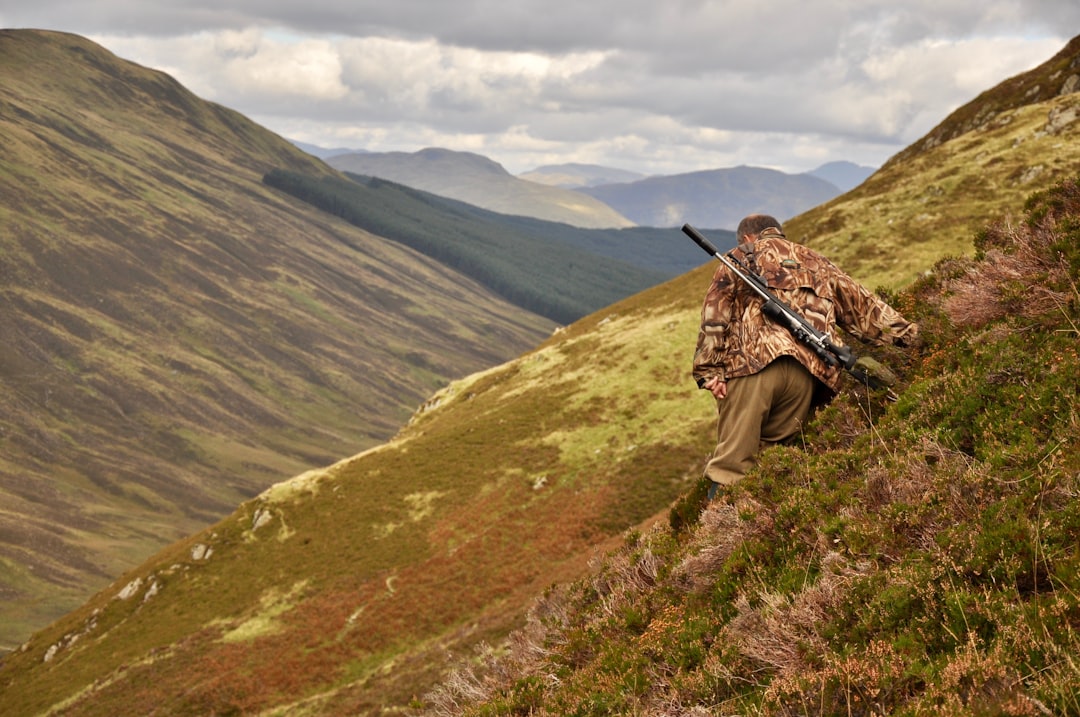
Sheep hunting pushes boots harder than almost any other pursuit. You are covering miles of talus, scrambling up scree slopes, and navigating exposed ridges at 8,000 to 12,000 feet. The right boots provide ankle support without weighing you down, grip on wet rock, and enough durability to last a 10-day backcountry hunt. The wrong pair leads to rolled ankles, blisters, or worse—cut hunts and missed opportunities.
This guide walks through the key features that matter for sheep boots, then breaks down the best options on the market for different hunting styles and budgets.
What Makes a Good Sheep Hunting Boot
Sheep country is unforgiving. Boots built for whitetail stands or even elk timber hunts will not cut it. You need a design that prioritizes stability, traction, and weight in equal measure.
Ankle support is non-negotiable. You are constantly side-hilling and moving across uneven ground with a loaded pack. A tall, stiff boot that wraps the ankle prevents rolls and reduces fatigue over long days. Look for boots with a high cuff—at least 8 inches—and reinforced construction around the ankle.
Traction means aggressive lugs and a sticky rubber compound. Vibram soles dominate the sheep boot market for good reason. The Megagrip and Vibram Ibex compounds excel on wet rock and loose shale. Lug depth matters—deeper lugs bite into soft ground, but the pattern and rubber stickiness are what grip on hard surfaces.
Weight becomes a factor after the first five miles. Heavy boots sap energy on long approaches and steep climbs. Most serious sheep hunters choose boots in the 3.5 to 4.5 pound range per pair. Lighter is better as long as you do not sacrifice support or durability.
Waterproofing is situational. Early-season sheep hunts in dry climates may not require a waterproof membrane. Late-season or wet-climate hunts benefit from Gore-Tex or similar barriers. The tradeoff is breathability—waterproof boots trap moisture from sweat, which becomes an issue on high-output climbs.
Durability separates sheep boots from lightweight hikers. Full-grain leather, rubber rand protection, and double-stitched seams extend lifespan. A good sheep boot should handle 200-plus miles of alpine terrain before needing a resole.
Top Sheep Hunting Boot Recommendations
The market offers several standout options. These boots are proven in sheep country and represent different points on the support-weight-price spectrum.
Kenetrek Mountain Extreme Non-Insulated
The Kenetrek Mountain Extreme is the standard for North American sheep hunters. Full-grain leather uppers, a tall 10-inch cuff, and a stiff nylon shank deliver maximum support. The K-Talon rubber outsole grips well on rock and holds up to thousands of miles.
Weight sits at 4.5 pounds per pair for a size 10. That is heavier than some competitors, but the tradeoff is bomber durability. The boot breaks in slowly—expect 20 to 30 miles before they feel comfortable—but once broken in, they are reliable for years.
Gore-Tex lining keeps feet dry in wet conditions. The stiff sole makes them less ideal for technical scrambling but excellent for heavy packs and long approaches. Price runs around $450.
Crispi Nevada Legend GTX
Crispi builds boots for European alpine hunters, and the Nevada Legend adapts that design for North American backcountry. Full-grain leather construction combines with a Vibram Foura outsole for sticky traction. The boot is noticeably lighter than the Kenetrek—about 3.9 pounds per pair—while maintaining solid ankle support.
The Nevada Legend breaks in faster than most all-leather boots. Gore-Tex keeps water out, and the lacing system allows precise tension control from toe to cuff. These boots excel in mixed terrain where you need agility along with stability.
The midsole is slightly more flexible than the Kenetrek, which some hunters prefer for scrambling but others find too soft for heavy loads. Price is around $500.
Scarpa Ribelle HD
The Ribelle HD is a mountaineering boot adapted for hunting. Scarpa uses a synthetic and leather hybrid upper to cut weight—3.8 pounds per pair—without sacrificing durability. The Vibram Mulaz sole is purpose-built for mixed rock and snow.
This boot shines in technical terrain. The climbing-inspired design handles exposed ridges and steep scrambles better than traditional hunting boots. The Gore-Tex liner is highly breathable compared to most competitors.
The tradeoff is less ankle support than a pure leather boot. Hunters carrying lighter packs or prioritizing agility over load support will appreciate the Ribelle. Those hauling 60-pound packs may want something stiffer. Price is around $450.
Lowa Tibet GTX
The Tibet GTX is a proven all-arounder. Full-grain Nubuck leather, a stiff nylon midsole, and a Vibram Masai outsole make it a workhorse for multi-week hunts. The boot weighs 4.2 pounds per pair and provides excellent ankle stability.
Lowa's free-flex lacing system reduces pressure points and hot spots. The Tibet breaks in faster than the Kenetrek but feels stiffer than the Crispi. Gore-Tex lining handles wet conditions, and the removable footbed allows custom orthotic use.
The Tibet GTX fits a wide range of foot shapes well, which makes it a solid choice if you cannot try boots on in person before ordering. Price is around $480.
Schnee's Granite
Schnee's Granite is a Montana-made boot built specifically for western mountain hunting. Full-grain leather, an 8-inch cuff, and a Vibram Ibex outsole deliver the essentials. The boot is handcrafted in Bozeman and built to be resoled multiple times.
Weight is 4.3 pounds per pair. The Granite requires a longer break-in than the Crispi or Lowa but rewards patience with exceptional durability. The Gore-Tex liner is highly waterproof, and the leather accepts conditioner well for long-term care.
The Granite fits narrow to medium feet best. Wide-footed hunters may need to size up or consider the Kenetrek. Price is around $430.
How to Choose Based on Hunt Style
Different sheep hunts demand different boot priorities. A backcountry Dall sheep hunt in Alaska differs from a Stone sheep hunt in British Columbia or a desert bighorn hunt in Nevada.
Backcountry Dall and Stone sheep hunts require maximum support and durability. You are covering 10 to 15 miles per day with a heavy pack, often in wet conditions. The Kenetrek Mountain Extreme and Lowa Tibet GTX are top choices. Prioritize waterproofing and a stiff sole that handles load.
Desert bighorn hunts in Nevada, Arizona, or California favor lighter, more breathable boots. You are glassing more and hiking less, often in dry conditions. The Crispi Nevada Legend or Scarpa Ribelle HD make sense. Consider non-insulated models and skip heavy waterproofing unless the forecast shows rain.
Rocky Mountain bighorn hunts in Colorado or Montana fall somewhere in between. Terrain is steep and rocky, but distances are shorter than Alaska hunts. The Scarpa Ribelle HD and Crispi Nevada Legend excel here. Technical terrain demands agility, so a slightly lighter, more flexible boot helps on scrambles.
Late-season hunts in snow require insulation and waterproofing. The Kenetrek Mountain Extreme and Lowa Tibet GTX both offer insulated versions. Snow also demands deeper lugs and a sticky sole—Vibram compounds grip better than generic rubber on frozen ground.
Boot Break-In and Fit Tips
Even the best boot fails if it does not fit properly. Sheep boots require more break-in than most hunting footwear, and the consequences of getting fit wrong are severe at 11,000 feet.
Start breaking in boots at least two months before your hunt. Wear them around the house, then on short hikes, then on progressively longer treks with a loaded pack. Full-grain leather boots like the Kenetrek and Schnee's need 30 to 50 miles to fully conform to your foot.
Fit the boot with the socks you will hunt in. A midweight merino wool sock is standard for sheep hunting. Your heel should lock in place without lifting, and your toes should have room to wiggle without sliding forward on downhill steps.
Try boots on in the afternoon when your feet are slightly swollen. Feet swell at elevation and during long days, so a boot that fits perfectly in the morning may feel tight by evening.
Lace the boot properly. Sheep boots have multiple lacing zones—lower laces control toe box fit, middle laces secure the midfoot, and upper laces lock the ankle. Adjust each zone independently. Too loose and your foot slides, causing blisters. Too tight and you cut off circulation.
If you develop hot spots during break-in, address them immediately. Use moleskin or Leukotape to protect the area, and adjust lacing tension. Hot spots become blisters under a pack, and blisters end hunts.
Free to join
Download mobile app
- Detailed draw odds
- Point tracking
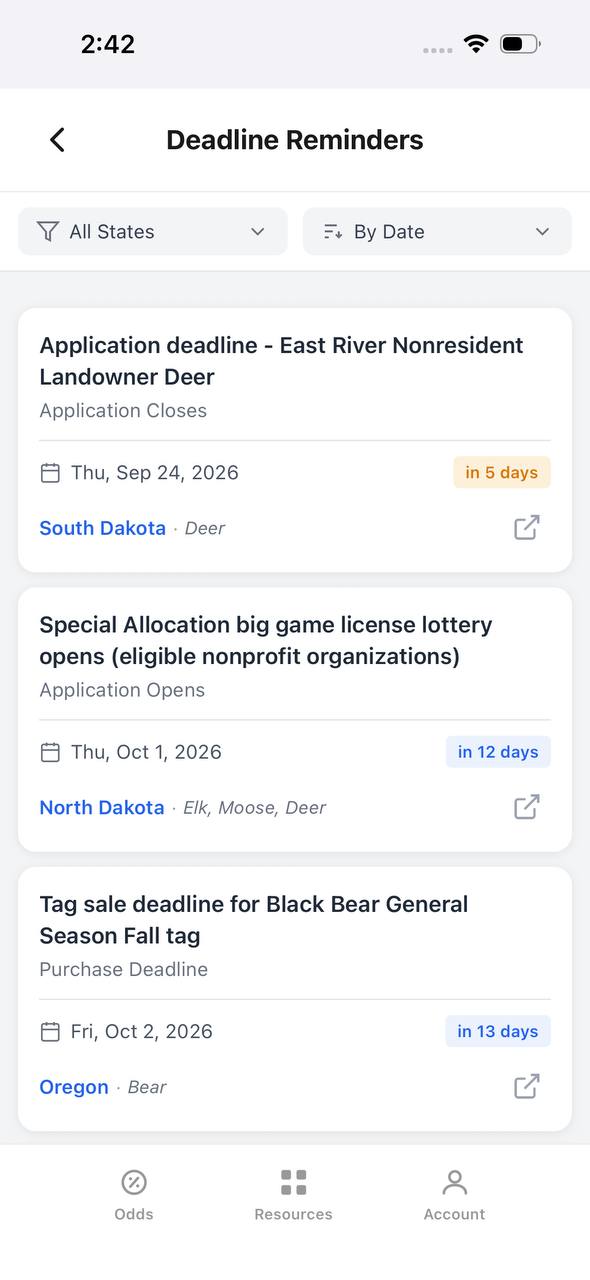
- Deadline reminders
- 18 states covered

Free to join
Download mobile app
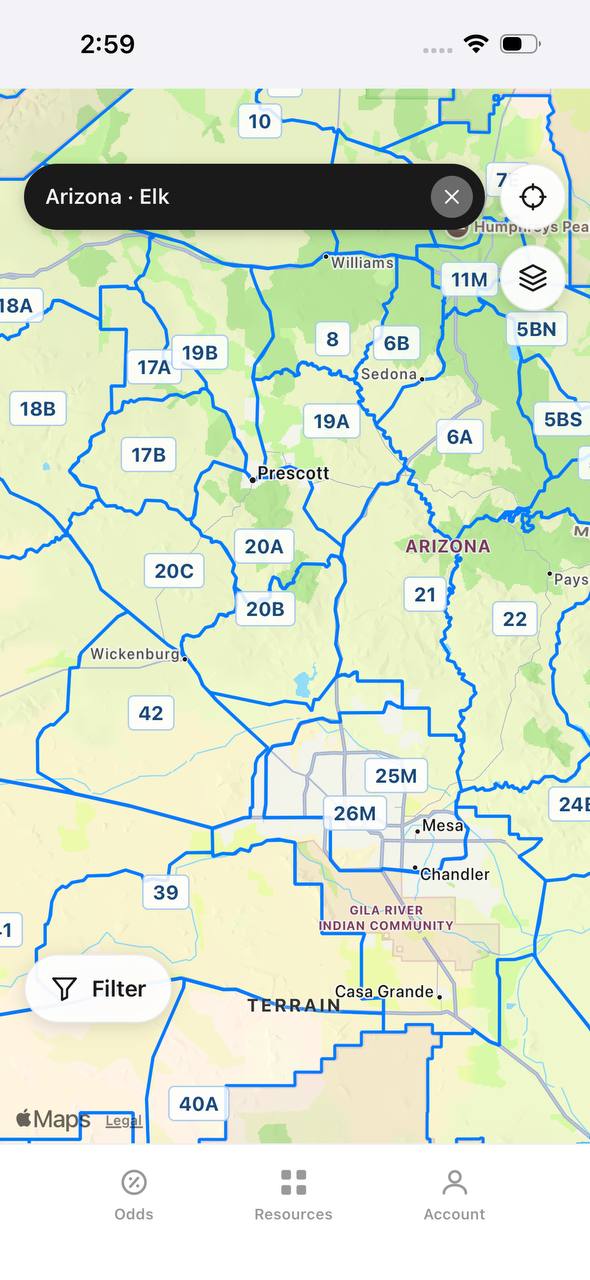
- Detailed draw odds
- Point tracking
- Deadline reminders
- 18 states covered
Free to join
Download mobile app
- Detailed draw odds
- Point tracking
- Deadline reminders
- 18 states covered

Insulated vs. Non-Insulated
Most sheep hunters choose non-insulated boots for early and mid-season hunts. Sheep season typically runs August through October, and daytime temperatures in the mountains are mild to warm. Non-insulated boots breathe better and reduce sweat buildup during long climbs.
Insulation becomes necessary for late-season hunts or hunts in northern latitudes. Dall sheep hunts in Alaska's Brooks Range or late-season bighorn hunts in Montana can see freezing temperatures and snow. A 400-gram insulated boot provides enough warmth without overheating during climbs.
Avoid heavier insulation unless you are hunting in extreme cold. A 600-gram or 800-gram boot is overkill for sheep hunting and will cause your feet to overheat and sweat. Wet feet in cold conditions lead to frostbite risk.
Layering with quality socks provides more versatility than fixed insulation. A lightweight liner sock under a midweight merino wool sock gives you temperature control. Add a heavyweight sock for cold days or strip down to the liner on warm climbs.
Caring for Sheep Boots
Sheep boots represent a significant investment, and proper care extends their lifespan. Leather requires conditioning, Gore-Tex membranes need cleaning, and soles eventually need resoling.
Clean boots after every hunt. Brush off dirt and debris, then wipe down leather with a damp cloth. Let boots air dry at room temperature—never near a heater or fire, which cracks leather and damages waterproof membranes.
Condition full-grain leather two to three times per season. Use a product like Obenauf's LP or Nikwax to keep leather supple and waterproof. Apply conditioner after cleaning, work it into seams and creases, then let the boot absorb it overnight.
Check laces and hardware regularly. Replace frayed laces before they break in the field. Tighten loose eyelets and inspect stitching for wear. Small repairs at home prevent bigger failures in the backcountry.
Resole boots when lug depth drops below 50 percent or when the sole separates from the upper. Most quality sheep boots can be resoled two to three times. Kenetrek, Schnee's, and Lowa all offer factory resoling services. Cost runs $125 to $175, which is cheaper than replacing a $450 boot.
Store boots in a cool, dry place during the off-season. Stuff them with newspaper to maintain shape and absorb moisture. Avoid storing in plastic bags or airtight containers, which trap humidity and promote mildew.
Budget Considerations
Sheep boots are expensive, but they are also one of the most important gear investments for a mountain hunter. A quality boot lasts five to ten years with proper care and resoling, which brings the cost per hunt down significantly.
If budget is tight, prioritize fit and support over brand name. A well-fitting mid-tier boot outperforms a poorly fitting premium boot every time. The Lowa Tibet GTX and Crispi Nevada Legend offer strong performance at slightly lower price points than the Kenetrek.
Avoid cheap boots. A $200 boot from a big-box retailer will not hold up to sheep country. They lack the ankle support, sole stiffness, and durability needed for alpine terrain. The money saved up front is lost in blisters, discomfort, and early replacement.
Buy once, cry once. A $450 boot that lasts eight years and performs flawlessly beats a $250 boot that fails after two seasons. Sheep hunts are expensive and physically demanding—reliable boots are worth the investment.
Watch for sales during the off-season. Many retailers discount hunting boots in winter and spring. Buying in February for an August hunt can save 20 to 30 percent.
FAQ — Sheep Hunting Boots
What makes sheep hunting boots different from regular hiking boots? Sheep hunting boots have stiffer soles for ankle support under heavy packs, taller cuffs to prevent ankle rolls on uneven terrain, and more aggressive tread for traction on loose rock. They are built to handle steeper, rougher country than trail hiking boots.
Do I need waterproof boots for sheep hunting? It depends on the hunt location and season. Early-season desert bighorn hunts in dry climates can get by with non-waterproof boots for better breathability. Late-season or northern hunts benefit from Gore-Tex or similar membranes to keep feet dry in snow and rain.
How much should sheep hunting boots weigh? Most quality sheep boots weigh between 3.5 and 4.5 pounds per pair. Lighter boots reduce fatigue on long approaches, but anything under 3.5 pounds may sacrifice support and durability. Heavier than 4.5 pounds and you lose agility in technical terrain.
How long does it take to break in sheep hunting boots? Full-grain leather boots like the Kenetrek Mountain Extreme require 30 to 50 miles of break-in. Lighter boots with synthetic uppers, like the Scarpa Ribelle HD, break in faster—around 20 miles. Start the process at least two months before your hunt.
Can I use mountaineering boots for sheep hunting? Yes, with caveats. Technical mountaineering boots like the Scarpa Mont Blanc or La Sportiva Nepal Cube handle sheep terrain well, but they are often heavier and stiffer than necessary. Boots designed specifically for mountain hunting offer a better balance of weight, support, and comfort.
How often should I resole sheep hunting boots? Resole when lug depth drops below 50 percent or when you notice reduced traction. With proper care, quality boots can go 200 to 300 miles between resoles. Most hunters resole every two to three seasons depending on use.
Continue Planning Your Hunt
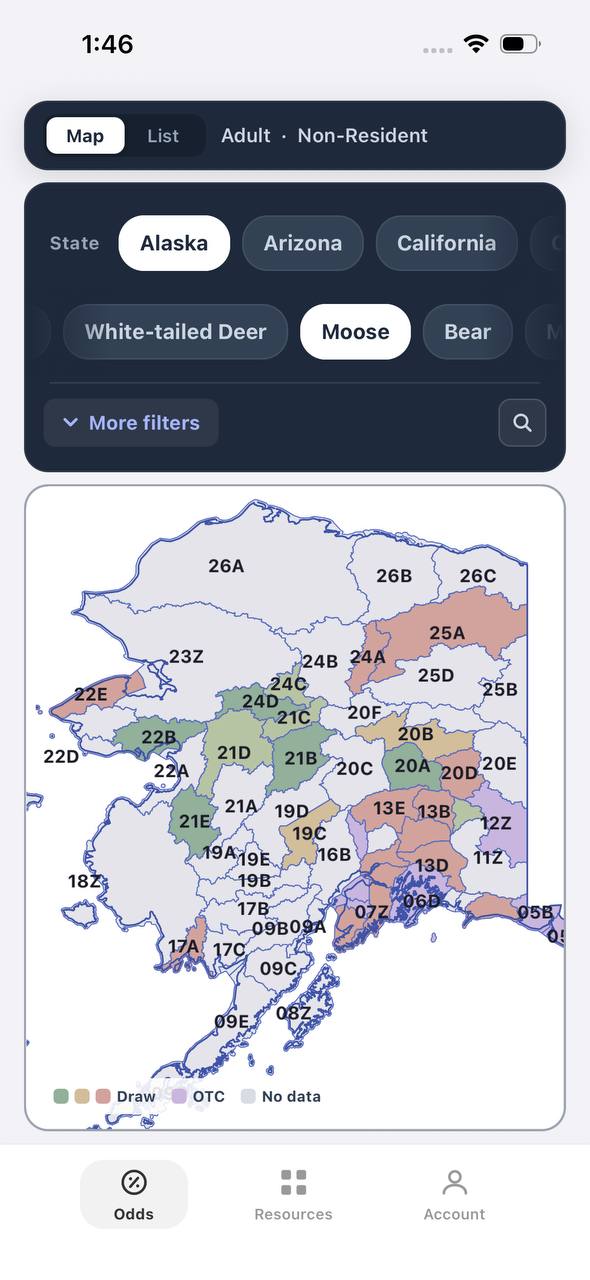
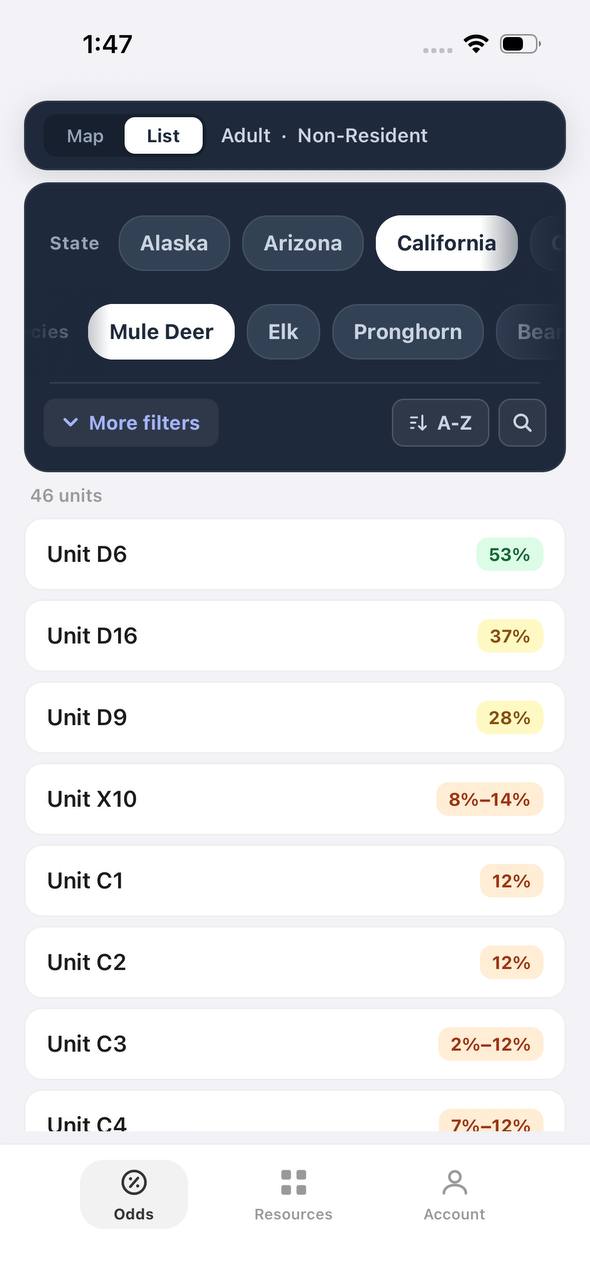
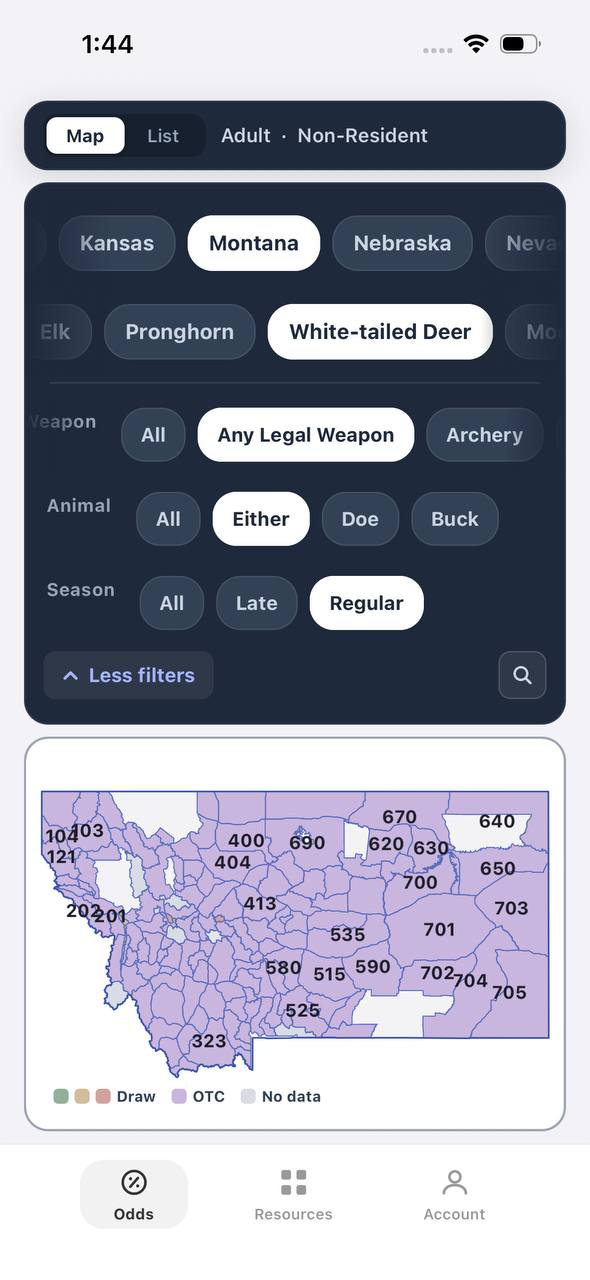
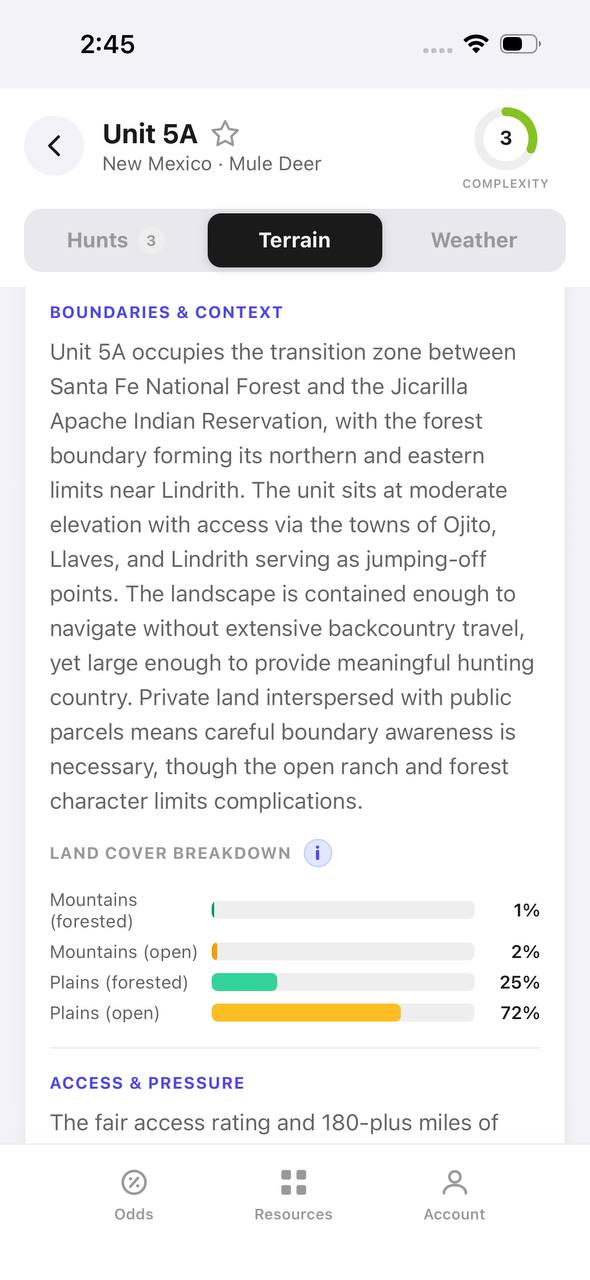
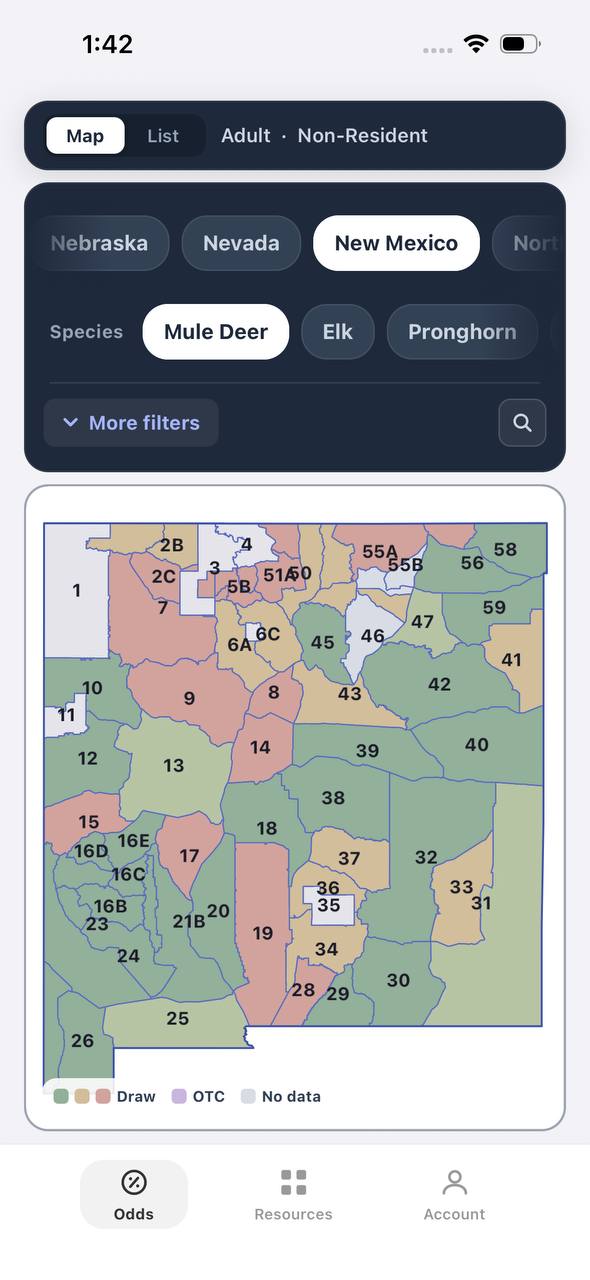
Dial in your sheep hunt strategy with TAGZ. Compare draw odds for bighorn units across multiple states, track your preference points and bonus points in one dashboard, and explore terrain maps to identify glassing points and escape routes before you ever apply. Whether you are building points for a once-in-a-lifetime ram or planning an Alaska Dall sheep adventure, TAGZ gives you the tools to make smarter decisions before you step into the mountains.
Explore more sheep hunting insights and western hunting strategies on the TAGZ Insights page. Ready to start planning? Check out TAGZ pricing to find the plan that fits your hunting goals, or dive into the TAGZ product to see how unit research, draw data, and hunt planning come together in one platform.
Was this article helpful?
Previous
Complete Western Hunting Optics Guide: Binoculars, Spotting Scopes & Rangefinders for Elk, Mule Deer & Pronghorn
Master western hunting optics with this complete guide covering binoculars, spotting scopes, and rangefinders. Learn what magnification, objective lens size, and features you actually need for elk, mule deer, and pronghorn across different terrain.
Related
Ultimate Sheep Hunting Guide: Draw Strategy, Scouting, and Field Tactics
North American sheep hunting requires strategic draw applications, intensive scouting, and specialized high-country skills. This comprehensive guide covers bighorn sheep draw odds, physical preparation, glassing techniques, and field tactics for the hunt of a lifetime.
Next
Best Sleeping Pads for Backcountry Hunters in 2025
The right sleeping pad can mean the difference between waking up rested or sore and exhausted. We break down the top options for weight, warmth, and durability so you can choose the pad that fits your hunt.