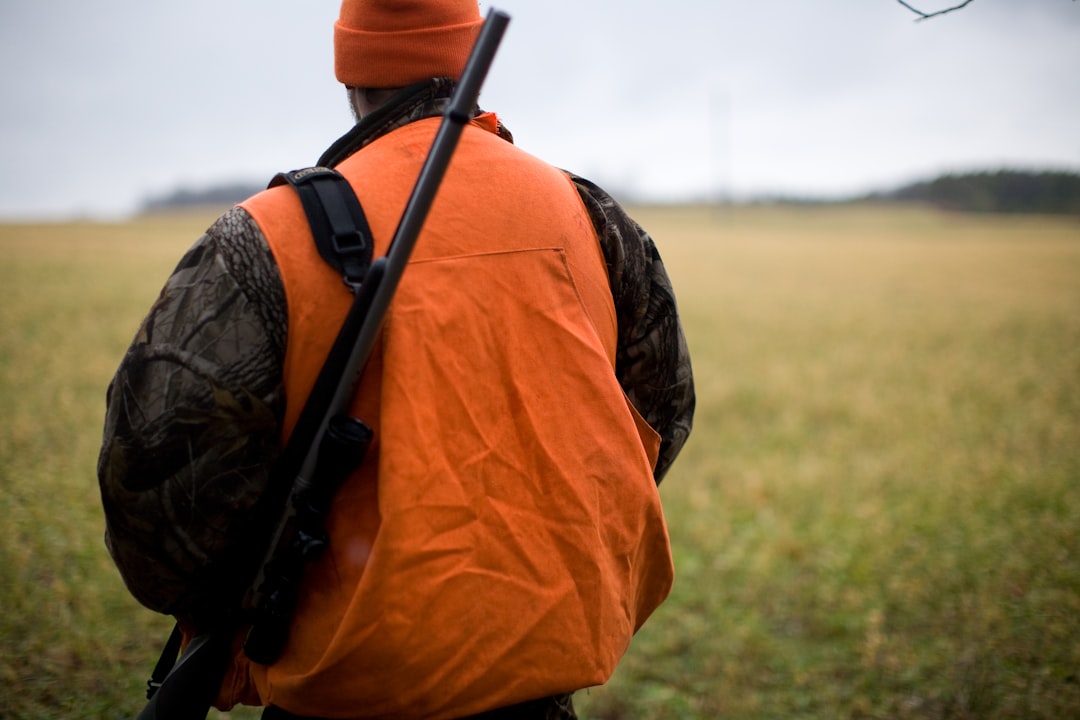
Complete Western Hunting Optics Guide: Binoculars, Spotting Scopes & Rangefinders for Elk, Mule Deer & Pronghorn
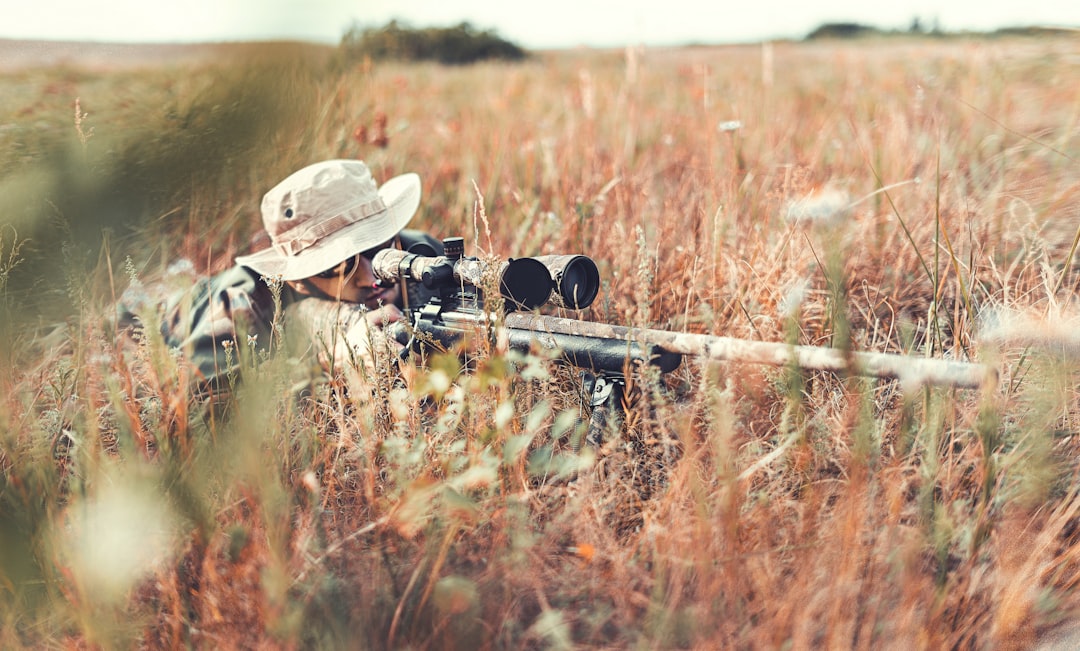
Glassing is the foundation of western hunting. You will spend more time behind optics than behind your rifle, and the quality of your glass directly impacts your success rate. The right binoculars help you find animals in timber. A quality spotting scope lets you judge rams from two miles away. A reliable rangefinder turns a guess into a clean kill. This guide breaks down exactly what you need based on the species you hunt, the terrain you cover, and your budget.
Why Western Hunting Demands Better Glass
Eastern whitetail hunters can get by with basic optics because most shots happen under 200 yards in forested terrain. Western hunters face the opposite challenge. You might glass a mule deer at 1,200 yards, stalk to 600, and shoot at 350. Pronghorn live in wide-open basins where mirage and distance punish cheap glass. Elk disappear into dark timber where low-light performance separates a filled tag from another missed opportunity.
Quality optics let you hunt longer each day. The first hour after sunrise and the last hour before sunset produce the most animal movement, but cheap binoculars turn into useless black tubes when light fades. Premium glass with high-quality lens coatings and larger objective lenses gather more light, extending your effective glassing time by 30 to 45 minutes per day. Over a seven-day hunt, that equals three to five additional hours to find your animal.
Binoculars: Your Primary Western Hunting Tool
Binoculars are not optional gear. They are your primary hunting tool in the West. You will use them to locate animals, judge antler quality, plan stalks, identify landmarks, and confirm your target before the shot. Choosing the right pair starts with understanding three core specifications: magnification, objective lens diameter, and optical quality.
Magnification: The 10x vs 12x vs 15x Decision
Magnification determines how close objects appear. A 10x binocular makes an elk at 500 yards look like it is standing at 50 yards. Higher magnification sounds better on paper, but it comes with tradeoffs. More magnification means a narrower field of view, shakier image without a tripod, and reduced low-light performance.
10x42 binoculars represent the best all-around choice for most western hunters. They deliver enough magnification to judge antlers at reasonable distances while maintaining a wide enough field of view to scan ridges and basins efficiently. The 10x power remains steady enough for extended handheld glassing sessions. These work equally well for elk in timber, mule deer on sagebrush slopes, and pronghorn in open prairie.
12x50 binoculars make sense for hunters who focus on long-range glassing in open country. The extra magnification helps you judge horn size and body condition at extreme distances, particularly for pronghorn and desert mule deer. The wider 50mm objective lens compensates somewhat for the light loss from higher magnification. Plan to use these primarily on a tripod because handheld glassing at 12x magnification fatigues quickly and amplifies every hand shake.
15x56 binoculars cross into specialized territory. These are tripod-only optics designed for hunters who spend entire days glassing from a single vantage point. Sheep hunters, serious mule deer hunters, and pronghorn specialists use 15x binos to dissect terrain from miles away. Unless you hunt primarily above timberline or in wide-open basins, 15x binoculars will frustrate more than they help.
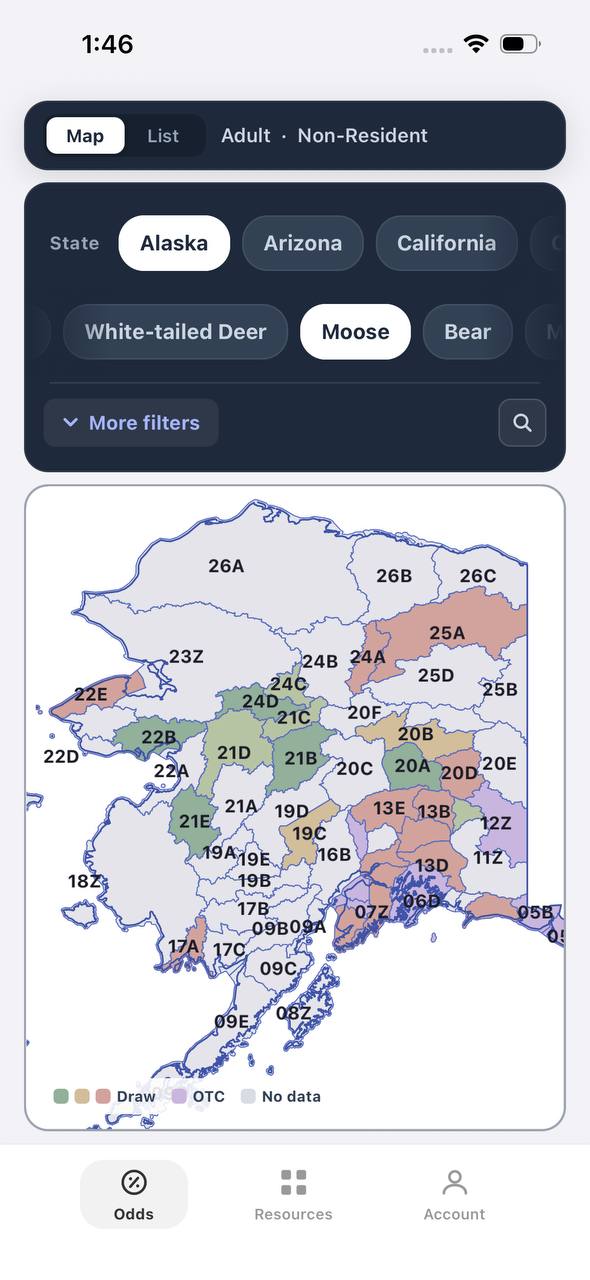
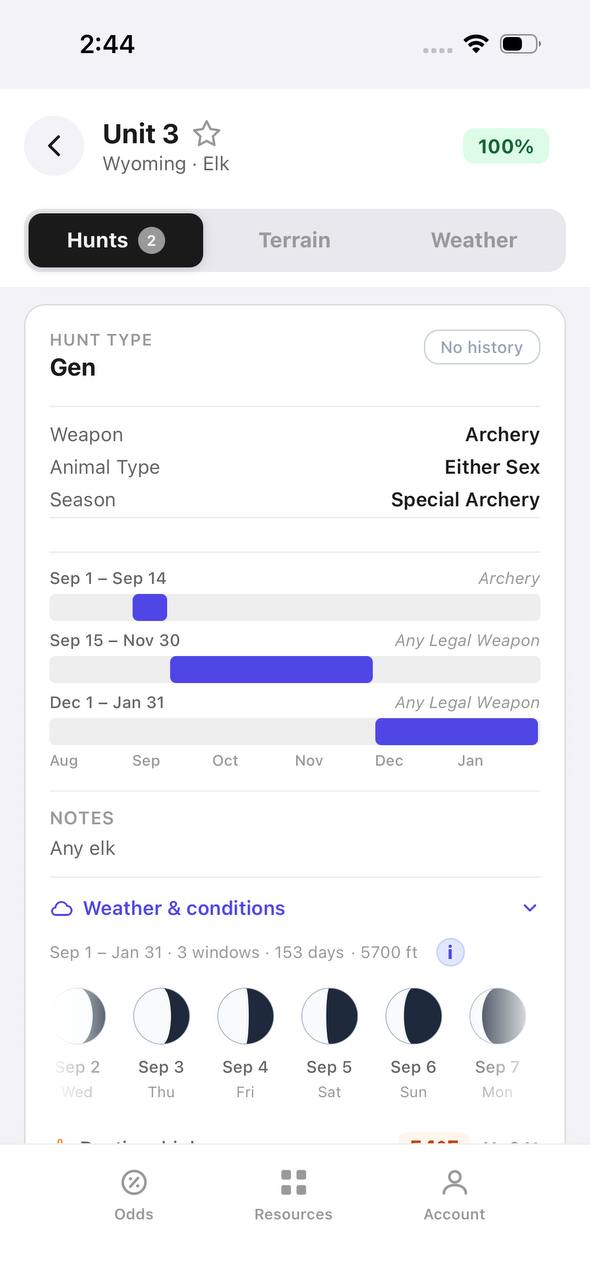
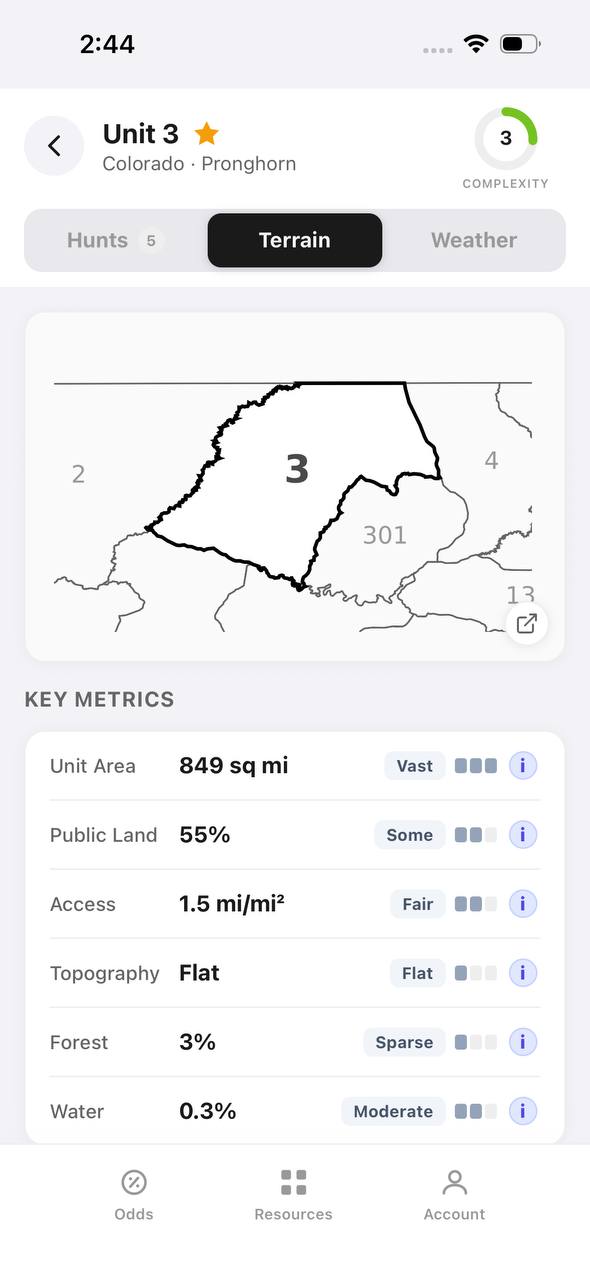
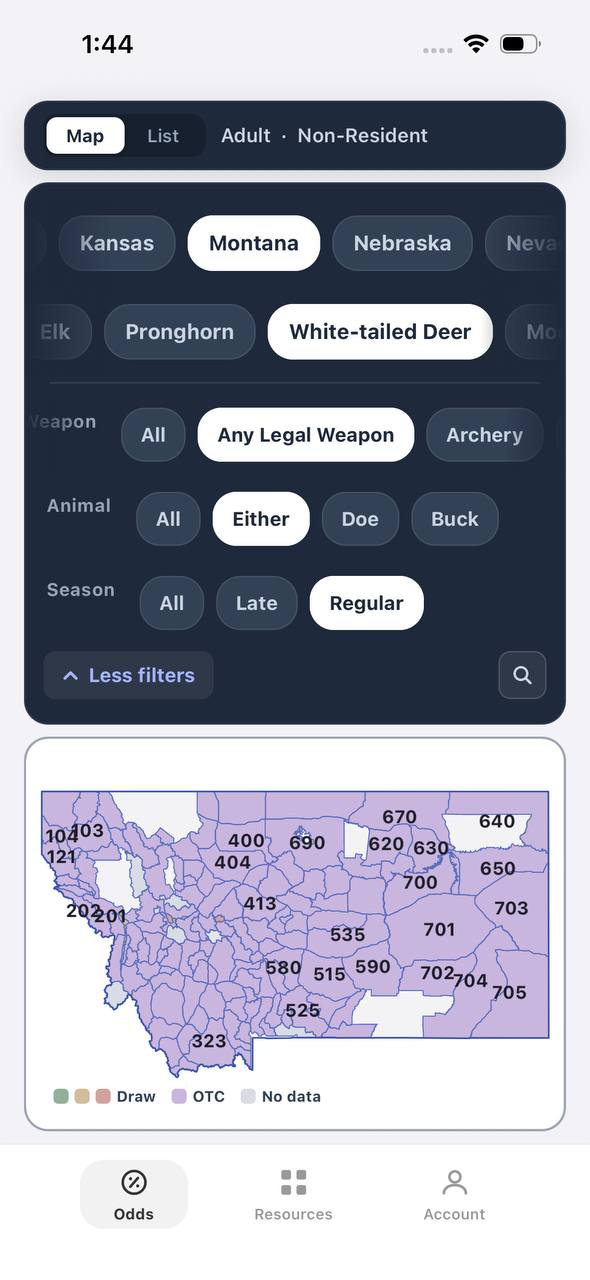
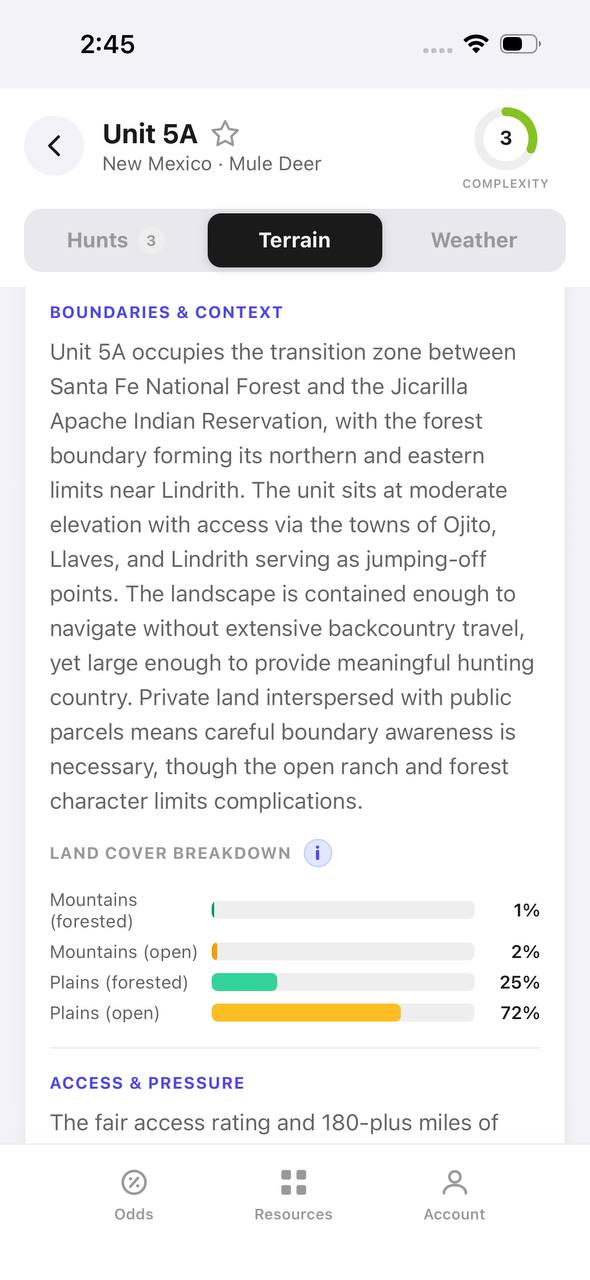
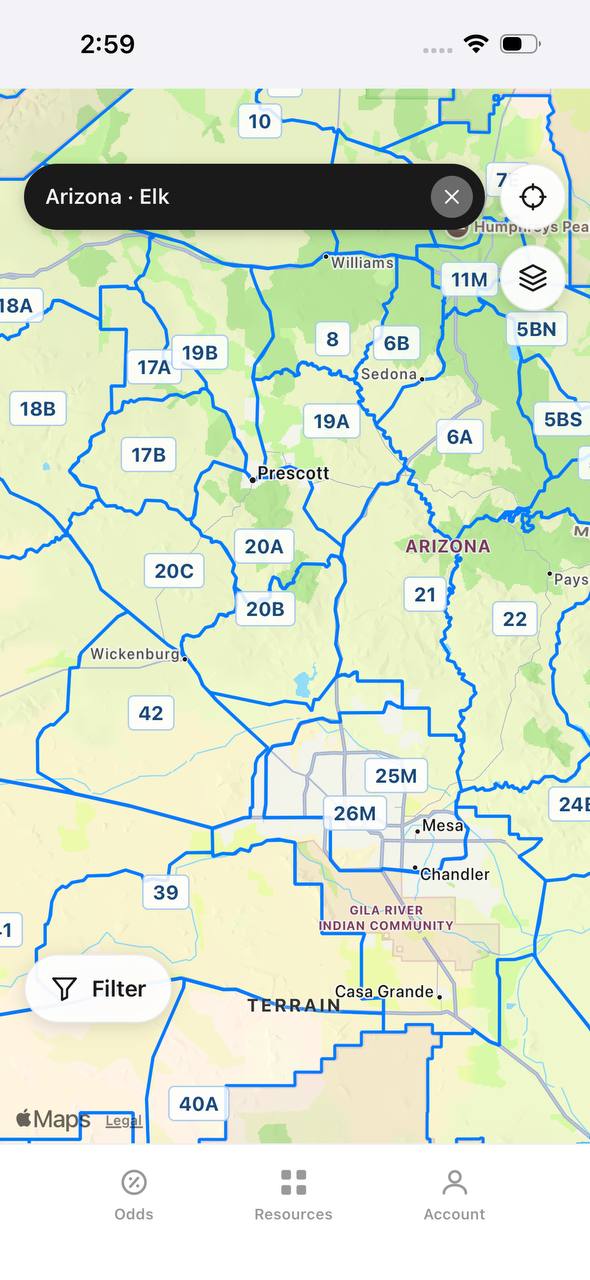
TAGZ helps you research units before you apply, showing you terrain maps and public land boundaries so you can match your optics to the specific landscape you will hunt. Use the platform to study unit topography and determine whether you will be glassing across canyons or moving through timber, then choose magnification accordingly.
Objective Lens Diameter: Balancing Light and Weight
The second number in binocular specifications indicates objective lens diameter in millimeters. A 10x42 binocular has 42mm objective lenses. Larger objectives gather more light, improving performance in low-light conditions. They also add weight, bulk, and cost.
The "exit pupil" calculation helps you understand real-world low-light performance. Divide the objective diameter by magnification. A 10x42 binocular has a 4.2mm exit pupil (42 ÷ 10). A 10x50 has a 5.0mm exit pupil. The human pupil dilates to approximately 5-7mm in low light depending on age, so exit pupils above 5mm maximize light transmission during prime hunting hours.
For most western hunting, 42mm objectives hit the sweet spot. They provide adequate low-light performance without excessive weight. Hunt mule deer or elk primarily during legal shooting light, and 42mm objectives deliver everything you need. 50mm objectives make sense if you hunt heavily timbered terrain where every bit of extra light matters, or if you frequently glass in the 30 minutes before sunrise and after sunset when exit pupil size truly impacts what you can see.
Avoid going smaller than 42mm for western hunting. Those compact 10x28 or 8x32 binoculars work fine for birdwatching or eastern deer hunting, but they cost you critical performance during the hunting hours that matter most in the West.
Optical Quality: Where Your Money Actually Goes
Two 10x42 binoculars can range from $200 to $3,000. The difference comes down to glass quality, lens coatings, and mechanical precision. Budget binoculars use cheaper glass that introduces color fringing, particularly around high-contrast edges like an elk's antler against the sky. They cut corners on lens coatings, reducing light transmission and producing a dimmer, lower-contrast image.
Premium binoculars use ED (extra-low dispersion) or HD (high-definition) glass that virtually eliminates chromatic aberration. Multiple layers of anti-reflective coatings maximize light transmission, often exceeding 90 percent. The result is a brighter, sharper, more color-accurate image that reduces eye strain during all-day glassing sessions.
The practical difference shows up when you are trying to determine if that distant shape is a branch or an antler tine, when you are judging whether a bull is a raghorn or a mature 6x6 in fading light, or when you are glassing into shadowed timber where cheap glass shows you nothing but murky darkness.
Budget tier ($200-500): Vortex Diamondback HD, Leupold BX-2 Alpine HD. Solid optical performance for casual hunters or those building their first western kit. Will get the job done but show limitations during long glassing sessions and low light.
Mid-tier ($500-1,500): Vortex Viper HD, Leupold BX-4 Pro Guide HD, Maven B.2. Noticeable upgrade in glass quality, low-light performance, and overall clarity. Best value category for serious hunters who glass regularly.
Premium tier ($1,500-3,000+): Swarovski EL, Zeiss Victory SF, Leica Noctivid, Maven B.1. The difference between mid-tier and premium narrows compared to budget versus mid-tier, but the incremental gains matter for hunters who spend hundreds of hours behind glass each season.
If you can only afford one quality optic, make it your binoculars. You will use them more than any other piece of gear in your pack.
Spotting Scopes: When Binoculars Are Not Enough
Spotting scopes serve two primary purposes in western hunting: judging trophy quality at extreme distances and confirming details that binoculars cannot resolve. You do not need a spotting scope for every hunt, but certain species and hunting styles make them essential.
When You Actually Need a Spotting Scope
Pronghorn hunters almost always benefit from a spotting scope. Antelope live in open country where you frequently find them at 1,500 to 3,000 yards. Binoculars help you locate animals, but only a spotting scope lets you accurately judge horn length, prong height, and cutters from that distance.
Mule deer hunters chasing mature bucks in open alpine basins or desert terrain rely heavily on spotting scopes. The difference between a good 4x4 and a true trophy often comes down to details you simply cannot see through binoculars at 800-plus yards.
Elk hunters have the most variable spotting scope needs. Hunt thick timber, and you will rarely use one. Hunt open parks, basin meadows, or above-timberline terrain, and a spotter becomes valuable for confirming bull quality before committing to a multi-hour stalk.
Sheep, goat, and moose hunters consider spotting scopes mandatory equipment. The investment in time and money for these hunts demands absolute certainty before you decide whether an animal meets your standards.
Magnification Range and Objective Size
Most hunting spotting scopes fall into three categories: 65mm, 80mm, and 85mm objective diameters. Magnification typically ranges from 15x to 60x, with the sweet spot for field judging between 20x and 45x.
65mm spotting scopes balance portability with performance. They weigh 30-40 ounces, making them packable for mobile hunting styles. Optical performance remains strong up to about 40x magnification. Beyond that, image quality degrades noticeably. These work well for hunters who cover ground on foot and need to keep pack weight reasonable.
80-85mm spotting scopes deliver maximum optical performance but weigh 50-70 ounces. The larger objective lens gathers significantly more light, providing better image quality at higher magnifications and superior low-light performance. These are truck-to-glassing-knob spotters for hunters who set up on a good vantage point and stay there.
Angled eyepieces versus straight eyepieces is mostly personal preference. Angled scopes allow more comfortable viewing positions when glassing uphill or from a sitting position. Straight scopes align more intuitively when trying to guide someone else onto the same animal. Both work fine.
TAGZ terrain maps show you the specific topography of units you are considering, helping you determine whether you will be glassing across canyons (where a spotting scope shines) or moving through broken country (where the extra weight might not justify the limited use).
Spotting Scope Recommendations by Budget
Unlike binoculars, where mid-tier optics deliver excellent value, spotting scopes show more dramatic performance differences across price ranges. Cheap spotting scopes suffer badly from chromatic aberration and edge distortion at higher magnifications.
Budget tier ($300-600): Vortex Diamondback HD 20-60x85. Acceptable performance for hunters who use a spotter occasionally. Noticeable color fringing and image degradation above 40x.
Mid-tier ($600-1,500): Vortex Viper HD 15-45x65, Leupold SX-2 Alpine HD 20-60x80. Solid optical quality for regular use. Good value for pronghorn and mule deer hunters who need a spotter but cannot justify premium pricing.
Premium tier ($1,500-3,000+): Swarovski ATS/STS 65 or 80, Zeiss Conquest Gavia, Leica APO-Televid. Professional-grade glass that performs well even at maximum magnification. Worth the investment for sheep hunters, serious mule deer hunters, or anyone who spends significant time judging animals at long range.
If your hunting style does not demand a spotting scope, skip it entirely and invest that money in better binoculars. Quality binos you actually use beat a mediocre spotter that stays in the truck.
Rangefinders: Turning Guesses Into Clean Kills
Modern laser rangefinders have transformed western hunting. Twenty years ago, hunters estimated range by comparing landmarks or using mil-dot reticles. Today, a $200 rangefinder gives you exact yardage in seconds, dramatically increasing effective range and shot confidence.
Maximum Range vs Usable Range
Manufacturers advertise maximum range capabilities like "3,000 yards to a reflective target." Ignore these numbers. What matters is reliable range performance on actual game animals in field conditions. A deer-sized target with brown hair in dappled sunlight is exponentially harder to range than a white building.
A quality 1,000-yard rangefinder will reliably range deer-sized animals to 600-700 yards in good conditions, elk to 800-900 yards. A 1,500-yard rangefinder pushes those numbers to 800-900 yards on deer and 1,200-plus on elk. Unless you shoot beyond 500 yards regularly, a 1,000-yard maximum range gives you everything you need.
Angle Compensation: Non-Negotiable for Mountain Hunting
Shooting uphill or downhill changes your effective range because gravity affects the bullet along the horizontal distance, not the line-of-sight distance. On a 30-degree uphill shot at 400 yards, the true horizontal distance might be only 350 yards. Aim using the 400-yard distance, and you will shoot high.
Angle-compensated rangefinders (often called "ballistic" or "archery" modes) calculate and display the corrected shooting distance. This feature is mandatory for western mountain hunting. Every quality modern rangefinder includes it.
Rangefinder Recommendations by Hunting Style
Archery-primary hunters: Vortex Ranger 1800, Leupold RX-2800 TBR/W. Fast target acquisition, clear displays, and reliable performance on dark targets at archery ranges. Angle compensation ensures accurate shots from treestands or steep terrain.
Rifle hunters (up to 500 yards): Sig Sauer Kilo1400BDX, Leupold RX-1600i TBR/W. Excellent value with all essential features. Range performance handles any realistic hunting shot.
Long-range rifle hunters (500+ yards): Sig Sauer Kilo3000BDX, Leica Rangemaster CRF 2800.COM. Superior ranging performance on distant targets, integrated ballistic solutions, and rock-solid reliability in harsh conditions.
Integrated ballistic calculators add value for hunters who shoot at varying distances. You input your rifle and load data, and the rangefinder displays bullet drop or holdover instead of just yardage. Whether you use this feature depends on your shooting system and personal preference.
Free to join
Download mobile app
- Detailed draw odds
- Point tracking
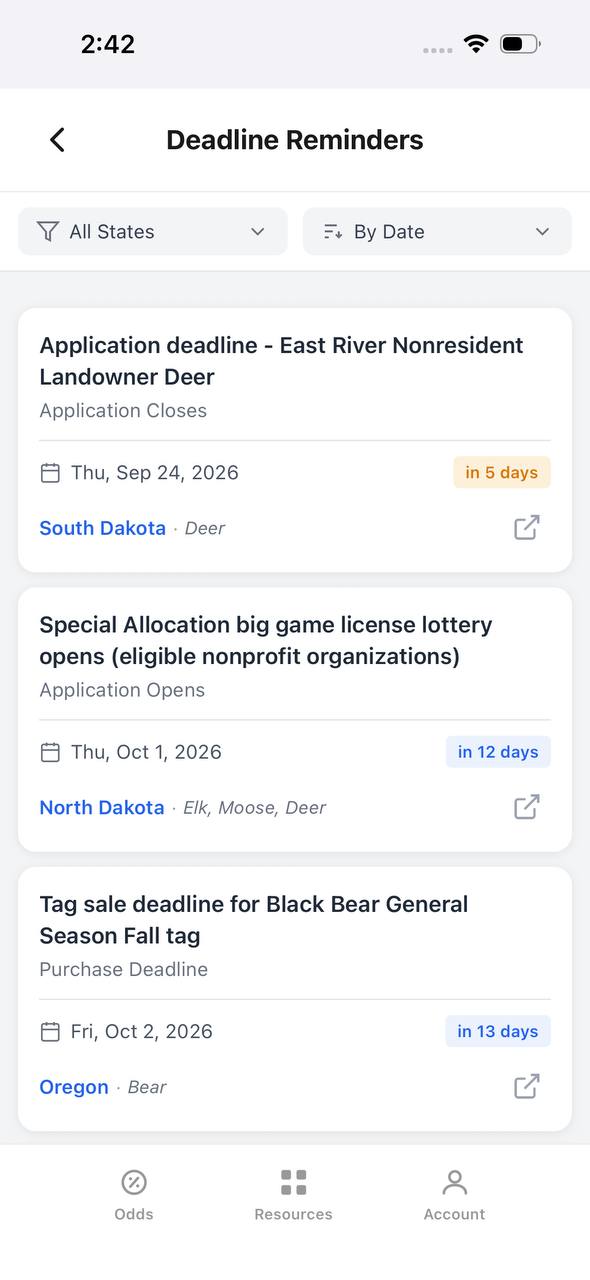
- Deadline reminders
- 18 states covered

Free to join
Download mobile app
- Detailed draw odds
- Point tracking
- Deadline reminders
- 18 states covered
Free to join
Download mobile app
- Detailed draw odds
- Point tracking
- Deadline reminders
- 18 states covered
Tripods and Tripod Adapters: The Gear Nobody Regrets
Buy quality optics, then cripple their performance by trying to glass handheld for hours. Even 10x binoculars benefit enormously from tripod use. A stable platform transforms glassing effectiveness, reducing eye strain and letting you see details you would miss while fighting hand shake.
Tripods for Western Hunting
You need two types: a lightweight tripod for mobile hunting and a heavier, rock-solid tripod for extended glassing sessions.
Mobile hunting tripod: Carbon fiber, 24-48 ounces, quick-adjust leg locks, pan-tilt head. Vortex Pro GT, Outdoorsmans Micro Pan Head on lightweight carbon legs, or any quality carbon tripod in this weight range. This lives in your pack for spot-and-stalk hunting.
Glassing tripod: Aluminum or carbon, 3-6 pounds, fluid head or quality ball head. Outdoorsmans Medium or Tall tripod with Pan Head, Slik Pro 700DX. This stays near the truck or at camp for serious all-day glassing.
Binocular Tripod Adapters
Every binocular should have a tripod adapter. Period. Adapters thread into the hinge post of most binoculars and provide a standard tripod mount. Outdoorsmans, Vortex, and Leupold all make reliable options. The $30-80 investment multiplies the effectiveness of even budget binoculars.
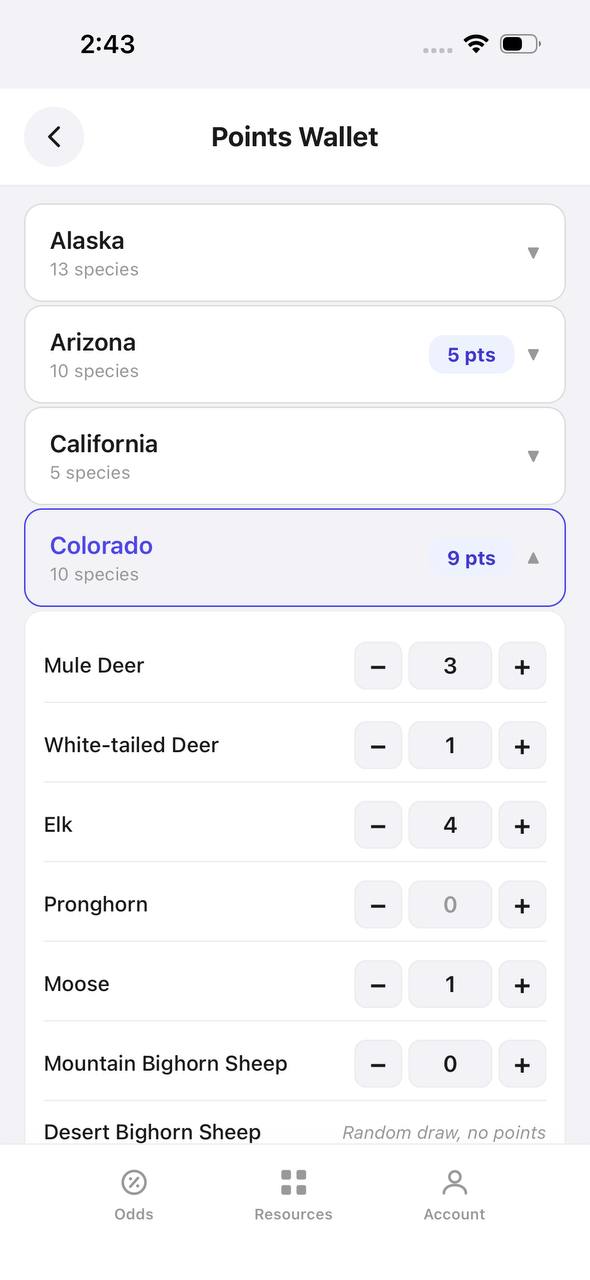
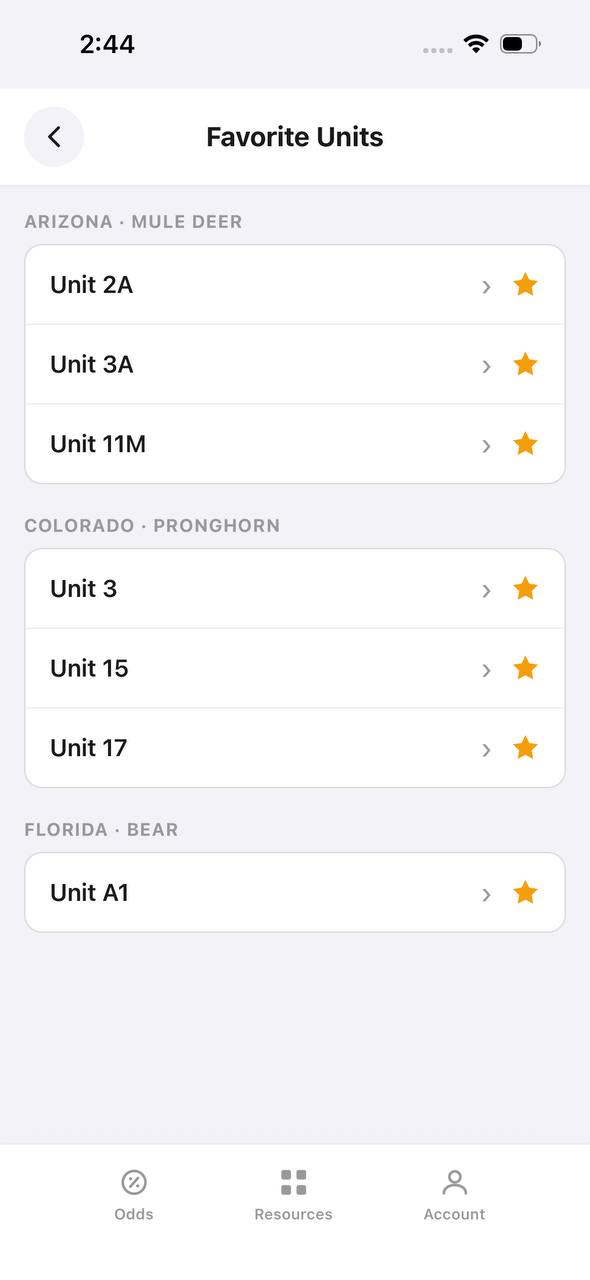
TAGZ helps you track your preference points and bonus points across multiple states while also giving you access to detailed unit maps showing public land access. Use these tools to plan hunts where you know the terrain in advance, then bring the optics that match the landscape.
Building Your Western Optics System by Budget
Most hunters should build their optics kit in stages, prioritizing the tools they will use most.
Budget Build ($700 total)
- Binoculars: Vortex Diamondback HD 10x42 ($280)
- Rangefinder: Sig Sauer Kilo1400BDX ($300)
- Tripod and adapter: Vortex Summit SS-P carbon tripod and binocular adapter ($120)
This setup handles 90 percent of western hunting situations. You sacrifice some optical performance and low-light capability, but every component functions reliably.
Mid-Tier Build ($2,000 total)
- Binoculars: Maven B.2 11x45 ($1,000)
- Rangefinder: Leupold RX-2800 TBR/W ($500)
- Tripod and adapter: Outdoorsmans Micro Pan Head with carbon legs and tripod adapter ($500)
Significant optical upgrade that will serve you for decades. The 11x45 Maven binoculars deliver near-premium glass quality at mid-tier pricing.
Premium Build ($4,500 total)
- Binoculars: Swarovski EL 10x42 ($2,600)
- Spotting scope: Vortex Viper HD 15-45x65 ($700)
- Rangefinder: Sig Sauer Kilo3000BDX ($700)
- Tripod system: Outdoorsmans Medium tripod with Pan Head and binocular adapter ($500)
This system leaves nothing on the table optically while remaining practical for actual hunting use.
Species-Specific Optics Priorities
Elk Optics
Timber elk hunters need quality 10x42 binoculars above all else. Low-light performance matters more than maximum magnification. Skip the spotting scope unless you hunt open basins or parks. A reliable rangefinder prevents the common mistake of underestimating yardage in wide-open western landscapes where there are few reference points.
Open-country elk hunters benefit from 12x50 binoculars for glassing distant parks and a compact 65mm spotting scope for confirming bull quality before long stalks.
Mule Deer Optics
Mule deer hunting demands the best glass you can afford. Mature bucks spend daylight hours in the nastiest terrain they can find, often bedded in the shade where cheap optics see nothing useful. Quality 10x42 or 12x50 binoculars are mandatory. A spotting scope becomes increasingly valuable as you chase older age-class bucks that require careful evaluation before you commit to a stalk.
Pronghorn Optics
Pronghorn are the easiest western big game animal to locate and the hardest to judge accurately. You need a spotting scope, period. Binoculars help you find herds, but the difference between a 14-inch buck and a 16-inch buck is impossible to call at 1,000-plus yards without a quality spotter. Magnification matters more than low-light performance for antelope because you primarily glass in full daylight across wide-open basins.
Sheep and Goat Optics
Once-in-a-lifetime tags demand once-in-a-lifetime optics. Premium 10x42 or 12x50 binoculars and an 80mm spotting scope are standard equipment. You will spend entire days glassing from a single vantage point, so optical quality directly impacts your ability to find and evaluate rams or billies in broken alpine terrain.
Free to join
Download mobile app
- Detailed draw odds
- Point tracking
- Deadline reminders
- 18 states covered
Free to join
Download mobile app
- Detailed draw odds
- Point tracking
- Deadline reminders
- 18 states covered
Free to join
Download mobile app
- Detailed draw odds
- Point tracking
- Deadline reminders
- 18 states covered
Optics Maintenance for the Field
Quality optics survive harsh conditions if you maintain them properly. Rain, snow, dust, and impacts are part of western hunting. Basic care extends the lifespan of your investment significantly.
Keep lens caps on whenever you are not actively glassing. Use a lens pen or microfiber cloth for cleaning, never your shirt or rough fabric. Compressed air removes loose dust before you wipe lenses.
Most quality optics are waterproof and fog-proof. Test this before your hunt by submerging them in a sink for 30 minutes, then bringing them from a cold truck into a warm room. No internal fogging should occur. If it does, contact the manufacturer because something failed in the nitrogen purge or sealing.
Store optics in a dry environment between seasons. Avoid leaving them in a hot vehicle for extended periods because extreme temperature cycling can break down internal lubricants and seals over time.
Digital Rangefinding Binoculars: Worth the Hype?
Several manufacturers now offer binoculars with integrated laser rangefinders. These combine two tools into one package, reducing weight and fumbling when an animal appears suddenly. The concept makes sense, but the execution has tradeoffs.
The biggest limitation is optical quality. Current rangefinding binoculars use smaller objectives and less premium glass than dedicated binoculars at the same price point. A $2,000 rangefinding binocular delivers optical performance similar to a $800-1,000 traditional binocular.
The second issue is battery dependence. Traditional binoculars never fail because of a dead battery. Rangefinding binos become regular binoculars when the battery dies, but you lose the primary feature you paid extra for.
The technology is improving rapidly, and some western hunters love the convenience. But for now, most serious hunters get better overall performance by carrying quality binoculars and a separate rangefinder.
TAGZ gives you the data to apply for tags strategically across multiple states, tracking deadlines and point totals so you maximize draw opportunities. Once you draw that tag you have been planning for, make sure your optics match the quality of the hunt you have waited years to chase.
Free to join
Download mobile app
- Detailed draw odds
- Point tracking
- Deadline reminders
- 18 states covered
Free to join
Download mobile app
- Detailed draw odds
- Point tracking
- Deadline reminders
- 18 states covered
Free to join
Download mobile app
- Detailed draw odds
- Point tracking
- Deadline reminders
- 18 states covered
Glass Quality vs Marketing Hype
Optics marketing throws around terms like ED glass, HD glass, phase-corrected coatings, and dielectric coatings. Some of these matter. Some are rebranded baseline features.
ED (extra-low dispersion) glass genuinely improves optical performance by reducing chromatic aberration, which appears as color fringing around high-contrast edges. HD (high-definition) is mostly a marketing term that may or may not indicate ED glass depending on the manufacturer. Always look for specific mentions of ED elements.
Phase-corrected coatings are standard on any quality roof-prism binocular. They correct phase shift that would otherwise reduce image sharpness and contrast. If a manufacturer highlights this feature, they are advertising something that should be baseline.
Dielectric coatings maximize light transmission and improve color fidelity. These coatings are expensive to apply but make a real difference in optical performance. Look for light transmission specifications above 90 percent as an indicator of quality coating systems.
The most reliable way to evaluate optics is to test them side by side in field conditions. Find a local retailer that allows you to compare models, or attend a hunting expo where manufacturers display their full product lines. Looking through multiple options back-to-back reveals differences that specifications alone cannot communicate.
The Hidden Cost of Cheap Glass
Every season, hunters show up in the West with $150 binoculars and wonder why they are not seeing animals. The problem is rarely a lack of animals. The problem is a lack of optical quality.
Cheap glass fatigues your eyes within an hour. You start getting headaches. Your eyes water. You take more breaks, cutting into actual glassing time. The cumulative effect over a week-long hunt is massive.
Poor low-light performance costs you the two most productive hours of the day. You pack up 20 minutes earlier than the hunters with better glass because you genuinely cannot see anything useful anymore. You start glassing 20 minutes later in the morning for the same reason. Those 40 minutes per day add up to nearly five hours over a week.
Budget glass makes judging trophy quality nearly impossible at the distances where it matters most. You either pass on animals you should shoot or shoot animals you should pass. Neither outcome feels good.
If you can only afford budget optics right now, buy them. Hunting with imperfect glass beats not hunting at all. But prioritize upgrading as soon as possible because quality optics deliver returns every single time you use them.
FAQ — Western Hunting Optics
What magnification binoculars are best for elk hunting?
For elk, 10x42 binoculars are ideal for most situations, offering enough magnification to judge bulls without sacrificing field of view or requiring a tripod. Timber hunters should stick with 10x, while open-country elk hunters can consider 12x50 binoculars if they primarily glass from stable positions.
Do I need a spotting scope for mule deer hunting?
It depends on terrain and hunting style. For open-country mule deer in alpine basins or desert terrain, a spotting scope is highly valuable for judging mature bucks at 600-plus yards. If you hunt primarily timbered mountains or broken country below timberline, quality binoculars matter more than a spotting scope.
What is the minimum I should spend on quality western hunting binoculars?
Plan to spend at least $400-500 for binoculars that will perform reliably in western conditions. Models like the Vortex Viper HD or Maven B.2 in this price range deliver legitimate optical quality that justifies the investment. Anything cheaper makes significant compromises in glass quality and low-light performance.
How far should my rangefinder reach for western hunting?
A rangefinder with a maximum range of 1,000 yards reliably ranges deer-sized animals to 600-700 yards and elk to 800-900 yards. Unless you regularly shoot beyond 500 yards, this provides plenty of capability. Long-range shooters should consider 1,500-yard models for extended performance on distant targets.
Are angle-compensated rangefinders necessary for mountain hunting?
Yes. Angle compensation is essential for accurate shooting on steep terrain. Uphill or downhill shots change the bullet's trajectory relative to horizontal distance. Without angle compensation, you will consistently shoot high on angled shots. Every quality modern rangefinder includes this feature.
Should I buy rangefinding binoculars or separate devices?
For most hunters, separate binoculars and a rangefinder deliver better overall performance at the same total cost. Rangefinding binoculars sacrifice optical quality compared to traditional binoculars at the same price, and they add battery dependence. The technology is improving, but currently separate devices offer more versatility and better glass quality.
Continue Planning Your Hunt
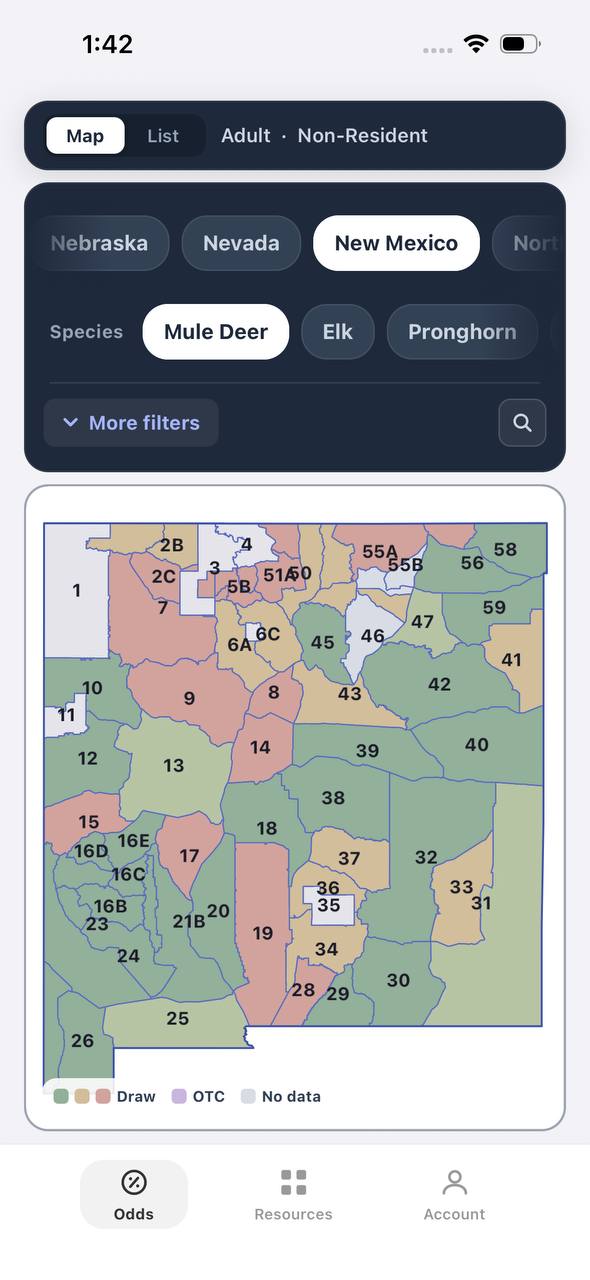
Now that you understand what optics you need for western hunting, use TAGZ to research the specific terrain and hunt conditions for units you are considering. The platform provides detailed terrain maps, public land boundaries, and unit breakdowns that show you whether you will be glassing across open canyons or moving through timber. Compare units side by side to determine which landscapes match your hunting style and available gear.
TAGZ also helps you track preference points and bonus points across multiple states, manage draw deadlines, and filter hunts by weapon type, season, and species. Whether you are planning your first western hunt or refining a multi-state application strategy, TAGZ gives you the tools to make smarter decisions long before you ever look through your binoculars in the field.
Explore the full TAGZ platform at getmytagz.com, read more western hunting insights at TAGZ Blogs, or learn about membership options at Pricing. Start building your hunt strategy today at TAGZ Product.
Was this article helpful?
Previous
Best Sleeping Pads for Backcountry Hunters in 2025
The right sleeping pad can mean the difference between waking up rested or sore and exhausted. We break down the top options for weight, warmth, and durability so you can choose the pad that fits your hunt.

Related
Best Hunting Boots for Sheep Hunting: Choosing Footwear for High-Country Pursuits
Sheep hunting demands boots that excel in steep, rocky terrain at high elevation. This guide breaks down the critical features—ankle support, traction, weight, and waterproofing—and recommends top models for backcountry sheep hunters.
Next
Backpack Bear Hunting: How to Plan a Self-Guided Backcountry Hunt
Backpack bear hunting combines wilderness adventure with serious trophy potential. Learn how to scout, pack light, and execute a multi-day backcountry bear hunt without a guide.