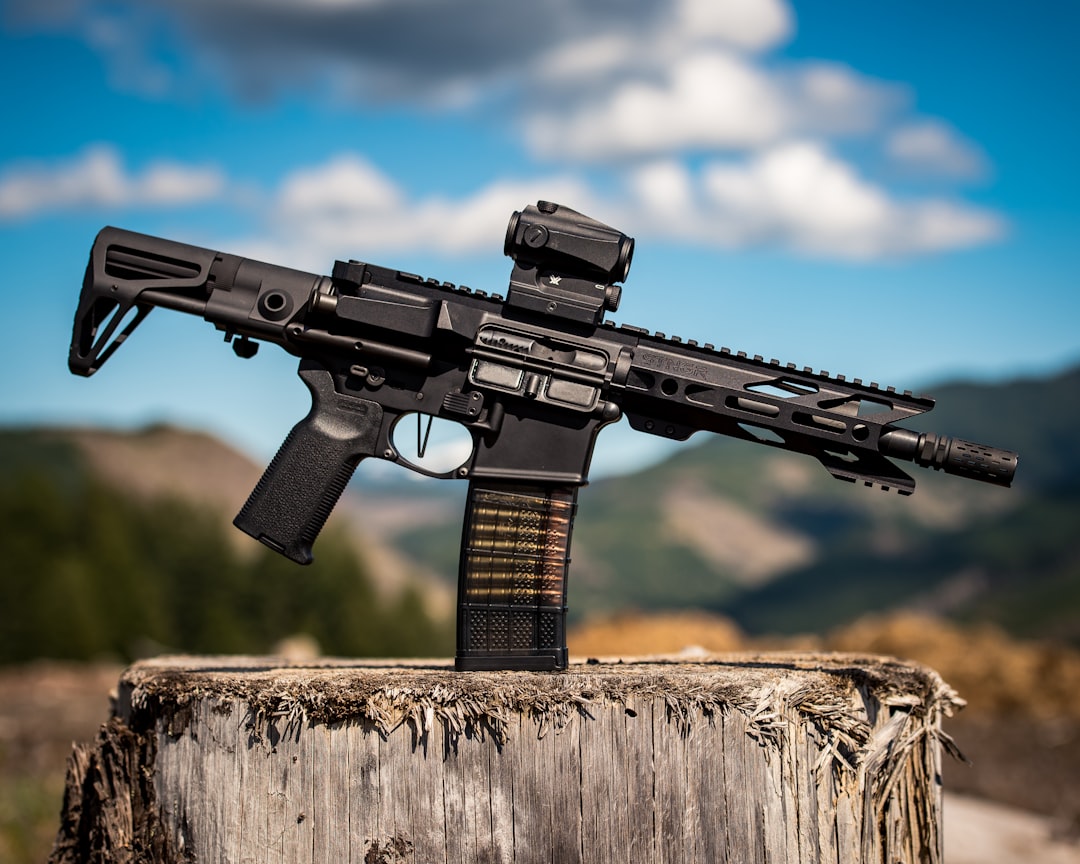
If you are researching custom rifles for your next western hunt, you have likely come across TS Customs. Founded by Travis Stevens, a competitive shooter and precision rifle builder, TS Customs has built a reputation for rifles that deliver consistent sub-MOA accuracy in hunting conditions. Their builds are not cheap, but they are designed for hunters who view their rifle as the most critical piece of equipment in their kit.
This guide explains what sets TS Customs apart, their most popular hunting configurations, and how to decide if a custom build fits your hunting style and budget.
What Makes TS Customs Different
TS Customs specializes in precision bolt-action rifles built on proven actions like Defiance, Lone Peak, and Impact. Every rifle is hand-assembled using match-grade barrels from makers like Bartlein and Proof Research, then fitted into chassis or traditional stocks depending on the hunter's preference.
The key difference between a TS Customs rifle and a factory option is tolerances. Factory rifles are built to function reliably for the average shooter. Custom rifles are built to shoot one-hole groups at 100 yards and maintain that accuracy across temperature swings, elevation changes, and rough pack-outs. Stevens personally tests every rifle before it ships, ensuring it meets his accuracy guarantee before it leaves the shop.
TS Customs also offers full customization. Barrel length, stock configuration, trigger selection, and finish options are all tailored to the individual hunter. If you hunt high-country elk in September and whitetails in November, you can spec a rifle that works for both without compromise.
Popular Calibers for Western Hunting
TS Customs builds rifles in virtually any chambering, but a few calibers dominate their hunting builds. The 6.5 PRC remains the most requested cartridge for mountain hunters. It delivers enough energy for elk out to 600 yards while keeping recoil manageable for accurate follow-up shots. Factory ammunition is widely available, and barrel life is reasonable for a magnum-class round.
The 7mm PRC has gained ground quickly since its introduction. It offers slightly more energy than the 6.5 PRC with still-moderate recoil, making it a strong all-around western cartridge. Hunters chasing elk, mule deer, and sheep often choose the 7mm PRC as their one-rifle solution.
For long-range specialists, the 300 PRC continues to dominate. It pushes heavy bullets fast enough to remain supersonic past 1,500 yards, and it handles wind better than smaller cartridges. The tradeoff is recoil and barrel life, but for hunters who practice extensively and shoot at extended distances, the 300 PRC remains hard to beat.
Traditional magnums like the 300 Win Mag and 7mm Rem Mag are still popular, especially among hunters who handload and already own brass and dies. TS Customs will build a rifle around any cartridge that fits your hunting scenario, but most first-time buyers choose one of the PRCs for modern performance and ammunition availability.
Build Process and Lead Times
Ordering a TS Customs rifle starts with a consultation. Stevens and his team walk through your hunting style, typical shot distances, and physical preferences. If you are packing a rifle into the backcountry for ten days, weight matters. If you are hunting from a blind or vehicle, a heavier rifle that shoots softer may make more sense.
Once the configuration is finalized, the build process takes eight to twelve weeks depending on component availability. Actions and barrels are often ordered specifically for each build, and popular configurations may have slightly shorter lead times if components are in stock.
Pricing typically starts around $4,500 for a complete rifle and can exceed $7,000 depending on barrel type, stock selection, and custom finishes. That price includes the action, barrel, stock or chassis, trigger, bottom metal, and test firing. Optics, rings, and bipods are additional.
For hunters accustomed to factory rifles in the $800 to $2,000 range, the price can feel steep. The value comes down to accuracy expectations and confidence. If you practice year-round, hunt multiple states, and take your gear seriously, a rifle that guarantees half-MOA accuracy in field conditions may be worth the investment. If you hunt occasionally and rarely shoot beyond 300 yards, a quality factory rifle may serve you just as well.
Accuracy Guarantees and Real-World Performance
TS Customs rifles are guaranteed to shoot sub-MOA with quality ammunition. Most builds shoot significantly tighter than that. Half-MOA groups at 100 yards are common, and many rifles will hold three-quarter-MOA or better at 300 yards with handloads or match-grade factory ammunition.
That level of accuracy translates to confidence in the field. A rifle that consistently shoots half-MOA gives you a four-inch group at 800 yards in perfect conditions. Wind, shooter error, and environmental factors will open that group, but the rifle itself is not the limiting factor. For hunters who practice at distance and encounter long shots on public land, that precision matters.
TS Customs rifles are also built to handle abuse. Carbon-fiber-wrapped barrels reduce weight without sacrificing accuracy, and carbon stocks or chassis systems resist warping in wet conditions. Cerakote finishes protect the metal from corrosion during backcountry hunts where rain and snow are common.
Hunters who invest in a TS Customs rifle often report using the same build for a decade or more. Barrel life varies by cartridge, but most hunting rifles will last 2,000 to 3,000 rounds before accuracy degrades. For a hunter who shoots 200 rounds per year between practice and hunting, that is ten to fifteen seasons before a rebarrel is needed.
Free to join
Download mobile app
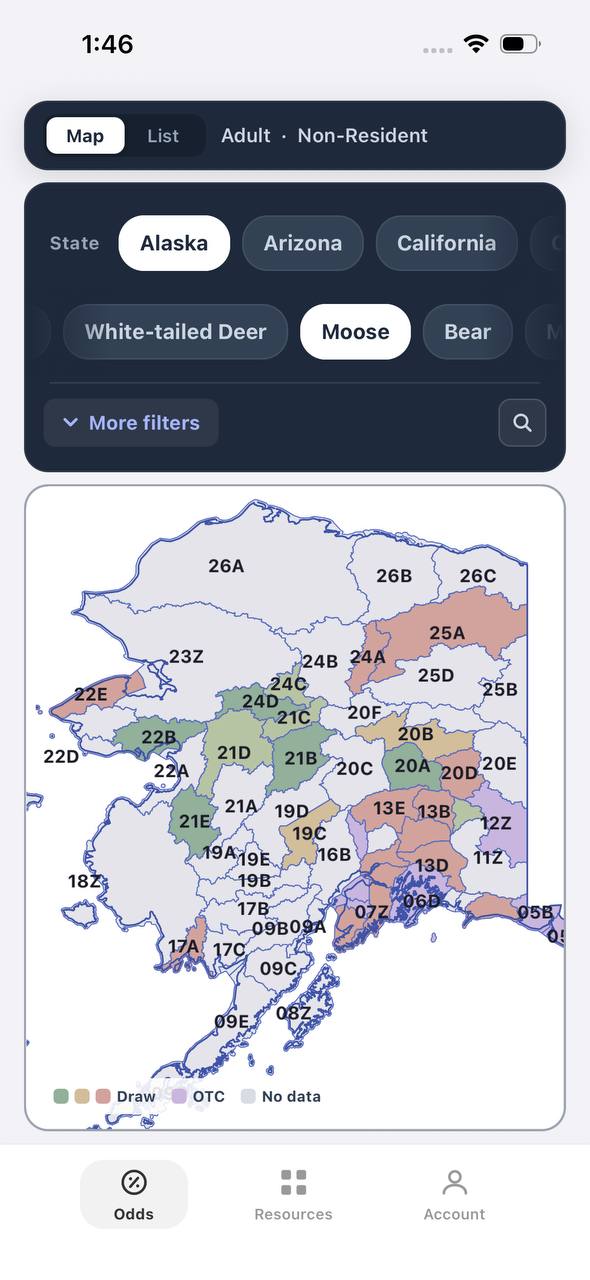
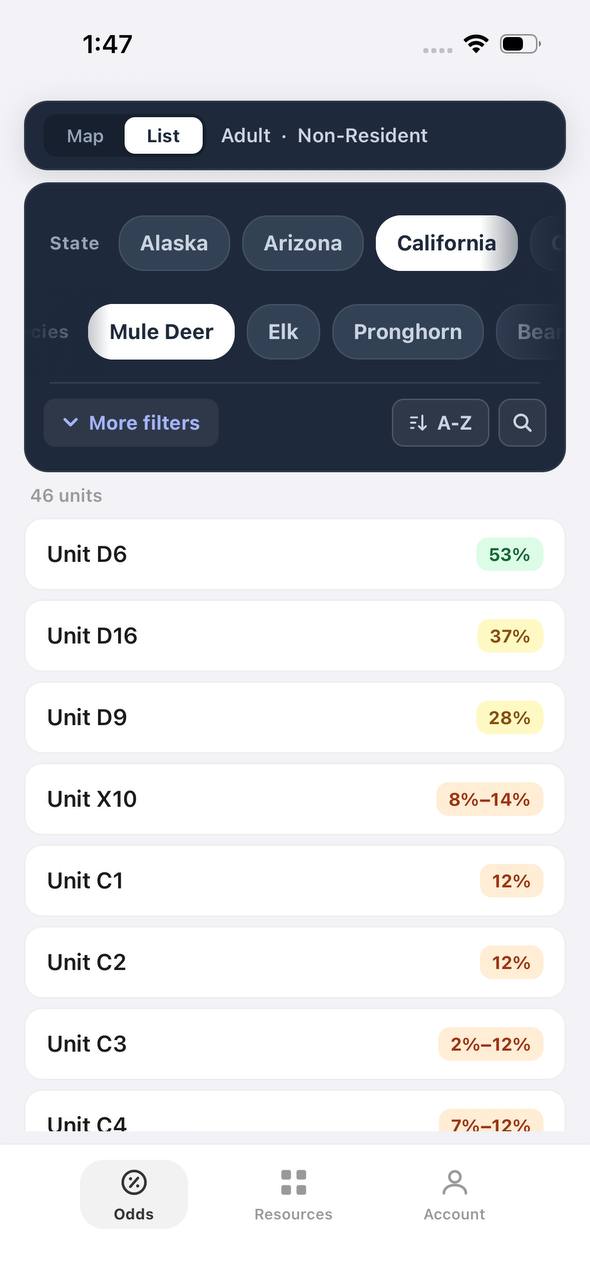
- Detailed draw odds
- Point tracking
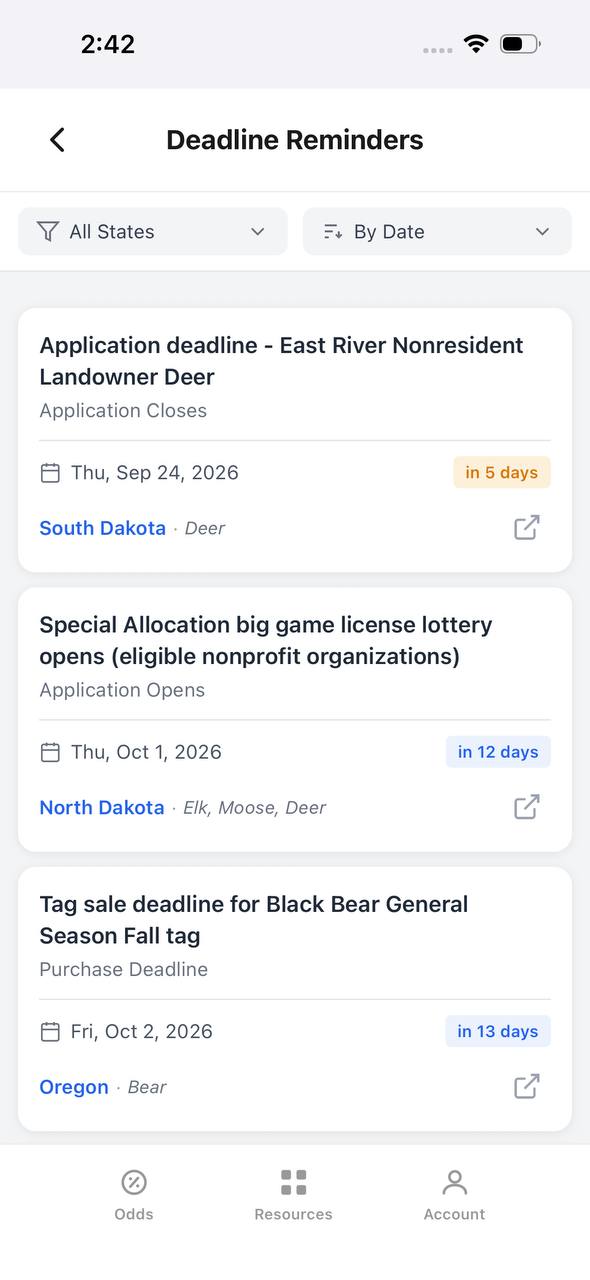
- Deadline reminders
- 18 states covered

Free to join
Download mobile app
- Detailed draw odds
- Point tracking
- Deadline reminders
- 18 states covered
Free to join
Download mobile app
- Detailed draw odds
- Point tracking
- Deadline reminders
- 18 states covered

Comparing Custom Builds to High-End Factory Rifles
Several factory rifle makers now offer models that approach custom performance. Bergara, Seekins, and Christensen Arms all produce rifles with match-grade barrels and guaranteed accuracy. These rifles typically cost $1,500 to $3,000 and shoot well enough for most hunting scenarios.
The difference is customization and consistency. A factory rifle is built to a spec. A custom rifle is built to your spec. If you prefer a specific stock design, barrel length, or action type, a custom build gives you exactly what you want. Factory rifles also have looser quality control. Some will shoot lights-out, others will hover around MOA, and a few will struggle to meet their accuracy guarantee. Custom rifles are tested individually, so you know what you are getting before the rifle ships.
For hunters who already own a quality factory rifle and shoot it well, upgrading to a custom build may not change your success rate. The real advantage comes from eliminating variables. If you know your rifle will shoot half-MOA, you can focus entirely on reading wind, judging distance, and managing recoil. You never question whether a miss was shooter error or equipment failure.
Choosing the Right Configuration for Your Hunting Style
TS Customs offers two primary build styles: traditional hunting rifles and precision hunting rifles. Traditional builds use lightweight carbon stocks, shorter barrels, and streamlined profiles for backcountry hunting. These rifles typically weigh seven to eight pounds scoped and balance well for offhand shots.
Precision builds use chassis systems, longer barrels, and heavier contours for maximum accuracy at distance. These rifles weigh nine to eleven pounds scoped and are better suited for hunters who glass extensively and shoot from prone or supported positions.
If you hunt high-country elk and mule deer where stalks cover miles and shots average 300 to 500 yards, a lightweight traditional build makes sense. If you hunt open country where shots regularly exceed 600 yards, the stability and accuracy of a precision build outweigh the extra weight.
Barrel length also affects performance. A 22-inch barrel on a 6.5 PRC gives up 50 to 75 feet per second compared to a 24-inch barrel, but the shorter tube is easier to maneuver in thick cover and weighs less. For most hunters, the velocity difference is negligible inside 600 yards. Long-range specialists often choose 24- or 26-inch barrels to maximize velocity and extend effective range.
Maintenance and Longevity
Custom rifles require the same basic maintenance as factory rifles but often tolerate abuse better due to higher-quality components. Cleaning intervals depend on barrel type and cartridge. Carbon-wrapped barrels typically foul less than steel barrels, and stainless steel is easier to clean than chrome-moly.
Most hunters clean their rifles after every range session and mid-season during hunting if they fire more than twenty rounds. A proper cleaning involves running a bore solvent through the barrel, scrubbing with a bronze brush, and patching until the patches come out clean. Over-cleaning can accelerate throat erosion, so some competitive shooters only clean when accuracy degrades. For hunting rifles that see a few hundred rounds per year, cleaning after each outing is a safe approach.
Actions should be inspected annually and lubricated with a quality grease on the bolt lugs and cocking piece. Trigger assemblies rarely need attention, but a drop of oil on pivot points once per season keeps them functioning smoothly.
Barrels eventually wear out, but rebarreling a custom rifle is straightforward. TS Customs and most gunsmiths can spin on a new barrel in a few weeks, and the cost is typically $800 to $1,200 depending on barrel type. Because the action and stock remain unchanged, the rifle retains the same feel and fit after a rebarrel.
Using TAGZ to Plan Hunts That Justify a Premium Rifle
Investing in a custom rifle makes the most sense when you hunt consistently and pursue tags that require significant planning. TAGZ helps you identify the units where a precision rifle actually matters. If you are applying for limited-entry elk tags in units with long-range terrain and low point requirements, a rifle that shoots tight groups at 600 yards gives you an advantage.
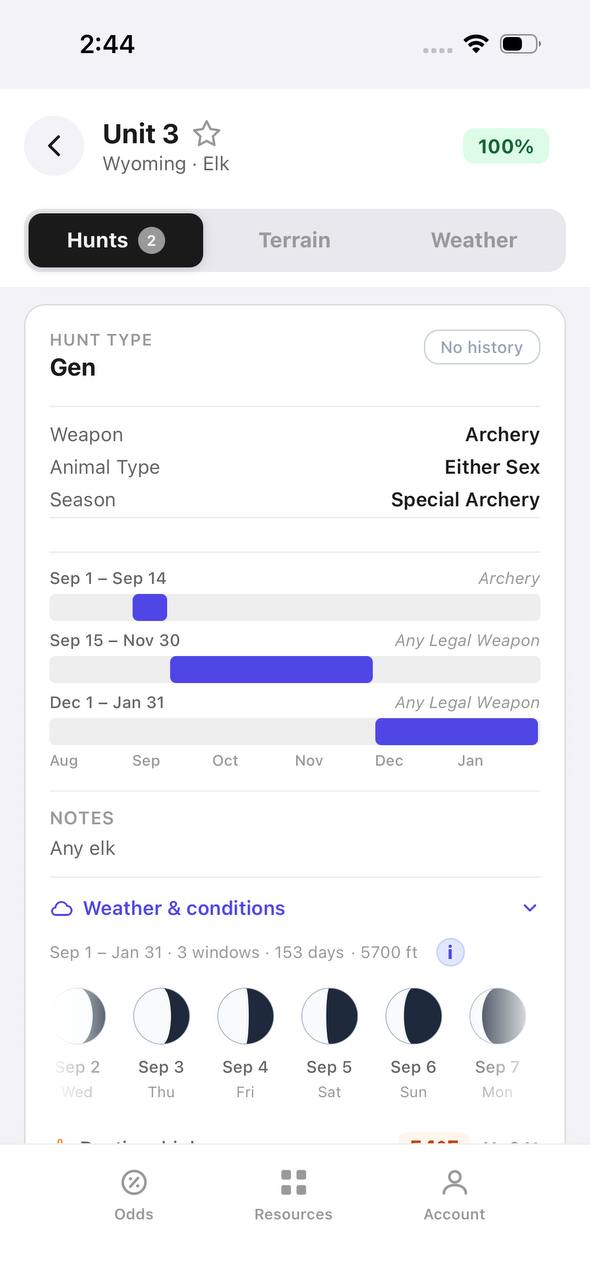
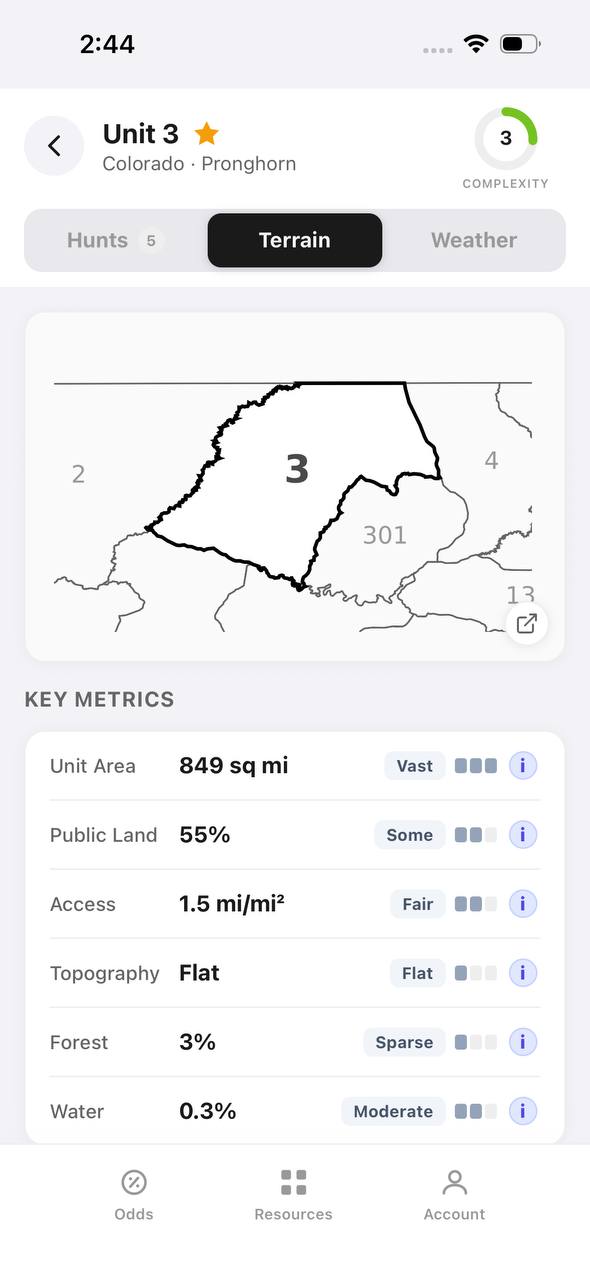
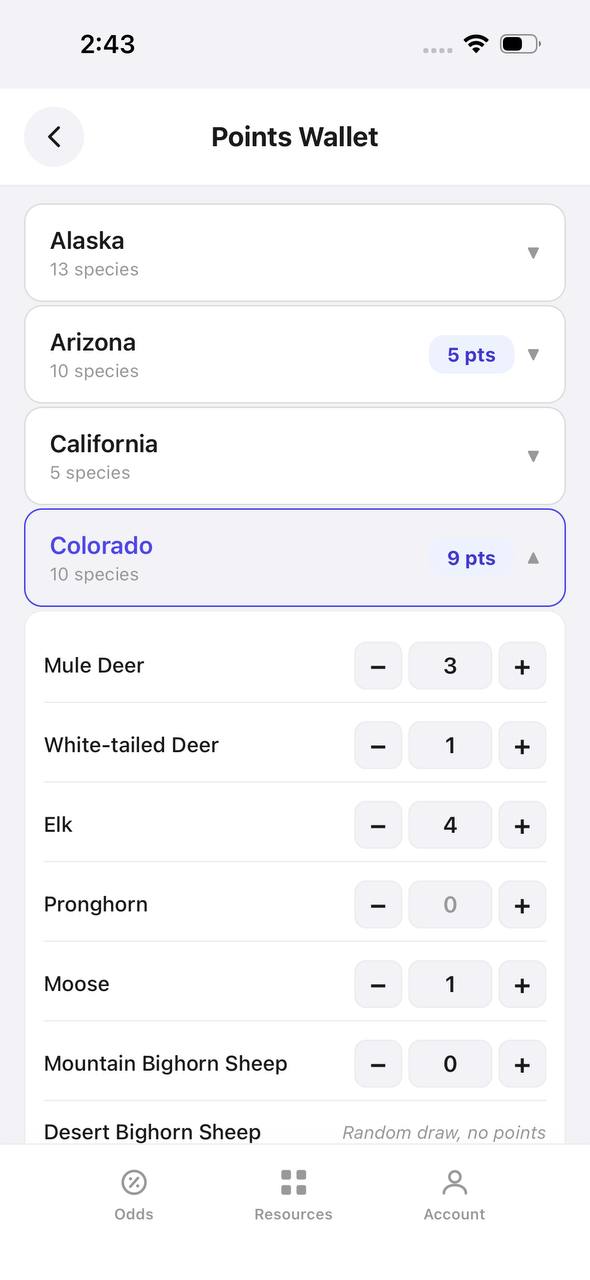
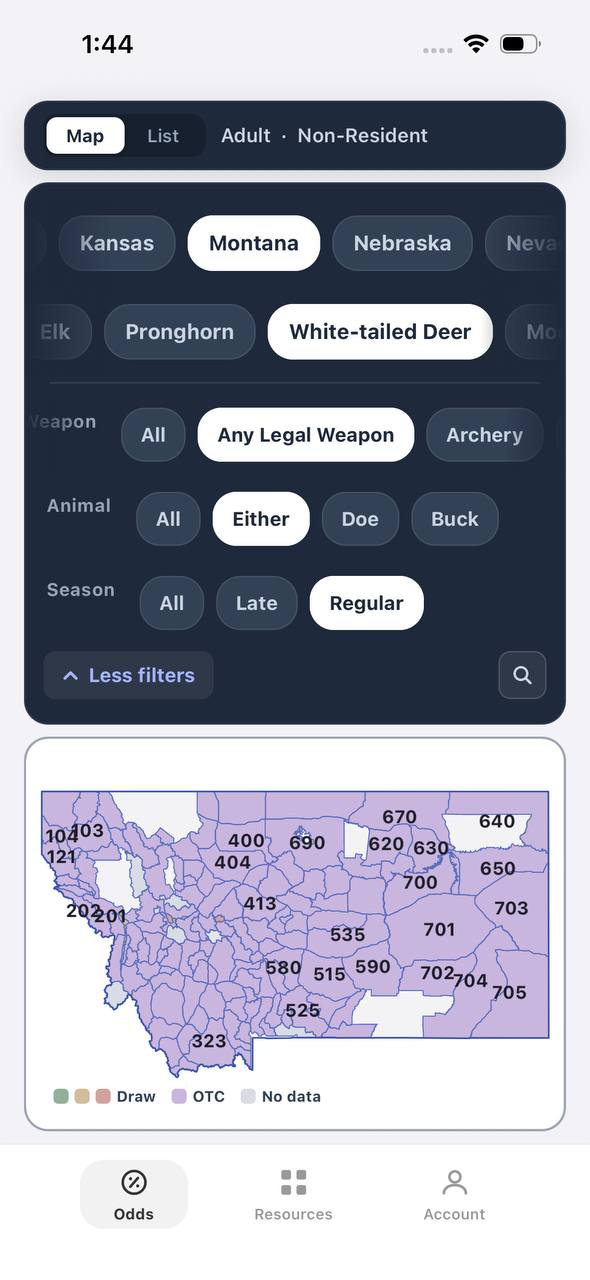
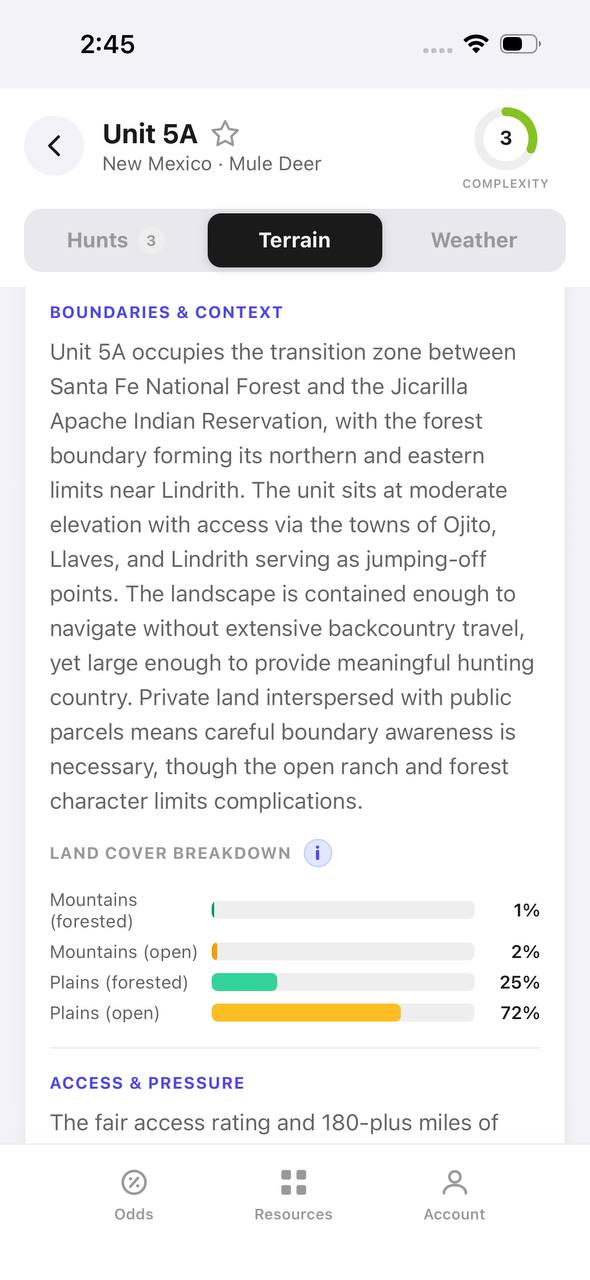
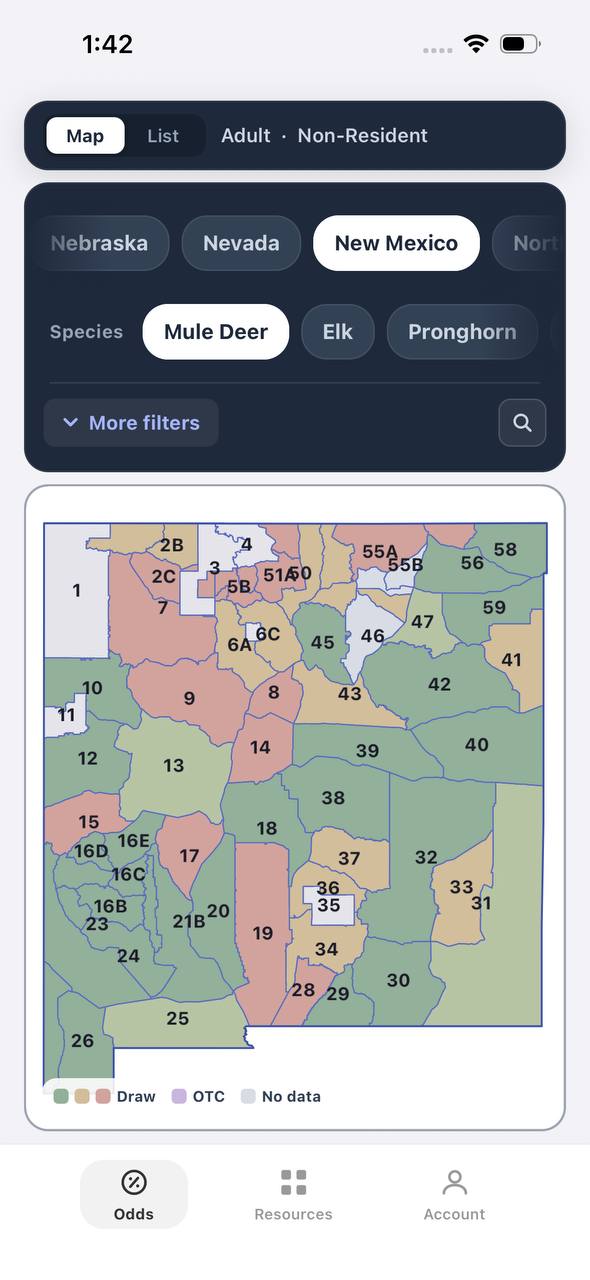
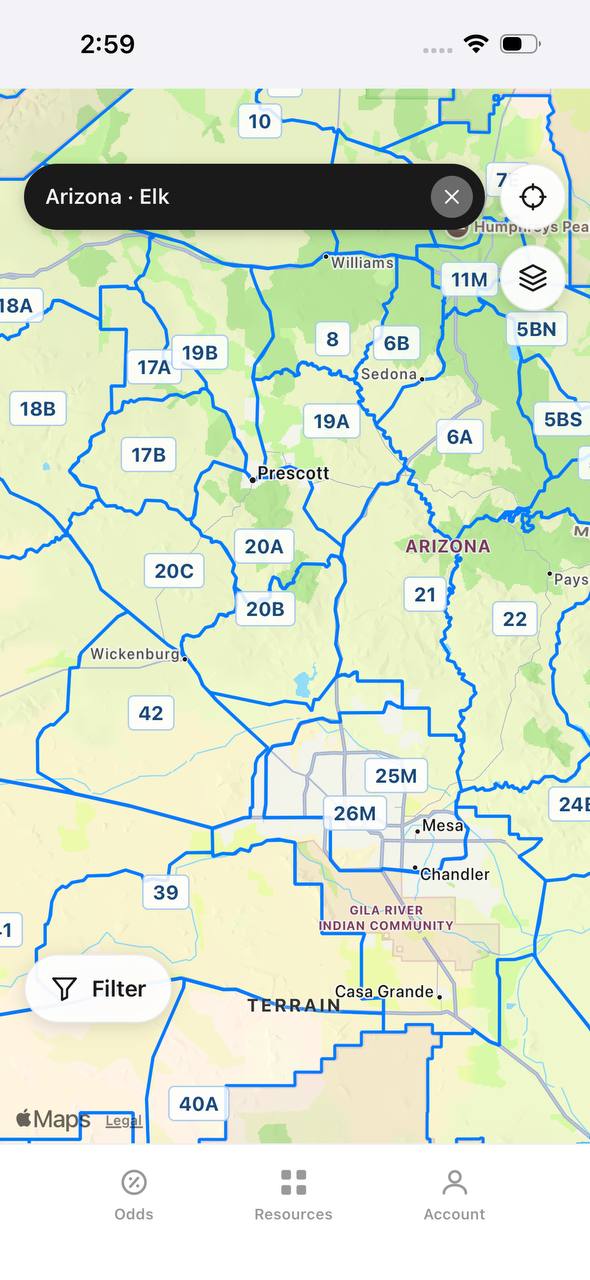
TAGZ's unit research tools include terrain maps, public land boundaries, and harvest success data. You can filter units by weapon type, season, and draw odds to find hunts that match your rifle's capabilities. Tracking your preference points across multiple states ensures you apply strategically and draw tags that justify your investment in quality gear.
For hunters who draw a tag every year or two and spend significant time practicing, a custom rifle is a tool that improves confidence and extends effective range. For hunters who draw sporadically and practice minimally, a quality factory rifle paired with thorough hunt planning through TAGZ will produce better results than expensive gear alone.
FAQ — TS Customs Rifles
How long does it take to build a TS Customs rifle? Lead times range from eight to twelve weeks depending on component availability. Popular configurations with in-stock parts may ship faster, while fully custom builds requiring special-order actions or barrels take longer.
What is the typical accuracy guarantee for a TS Customs rifle? TS Customs guarantees sub-MOA accuracy with quality ammunition. Most rifles shoot half-MOA or better, and Stevens tests each rifle before shipping to ensure it meets his accuracy standards.
How much does a complete TS Customs rifle cost? Pricing starts around $4,500 and can exceed $7,000 depending on components. This includes the action, barrel, stock or chassis, trigger, and bottom metal. Optics and accessories are additional.
What is the most popular caliber for western hunting? The 6.5 PRC dominates orders due to its combination of flat trajectory, moderate recoil, and factory ammunition availability. The 7mm PRC and 300 PRC are also common for hunters who prioritize energy and long-range performance.
Do custom rifles require more maintenance than factory rifles? No. Custom rifles use high-quality components that often tolerate abuse better than factory parts. Cleaning and lubrication intervals are the same as any precision rifle, and proper maintenance extends barrel life and accuracy.
Is a custom rifle worth it for an average hunter? It depends on your hunting frequency and accuracy expectations. If you hunt multiple states annually, practice regularly, and take shots beyond 400 yards, a custom rifle provides measurable accuracy improvements. If you hunt occasionally and rarely shoot past 300 yards, a quality factory rifle paired with thorough practice will serve you well.
Was this article helpful?
Previous
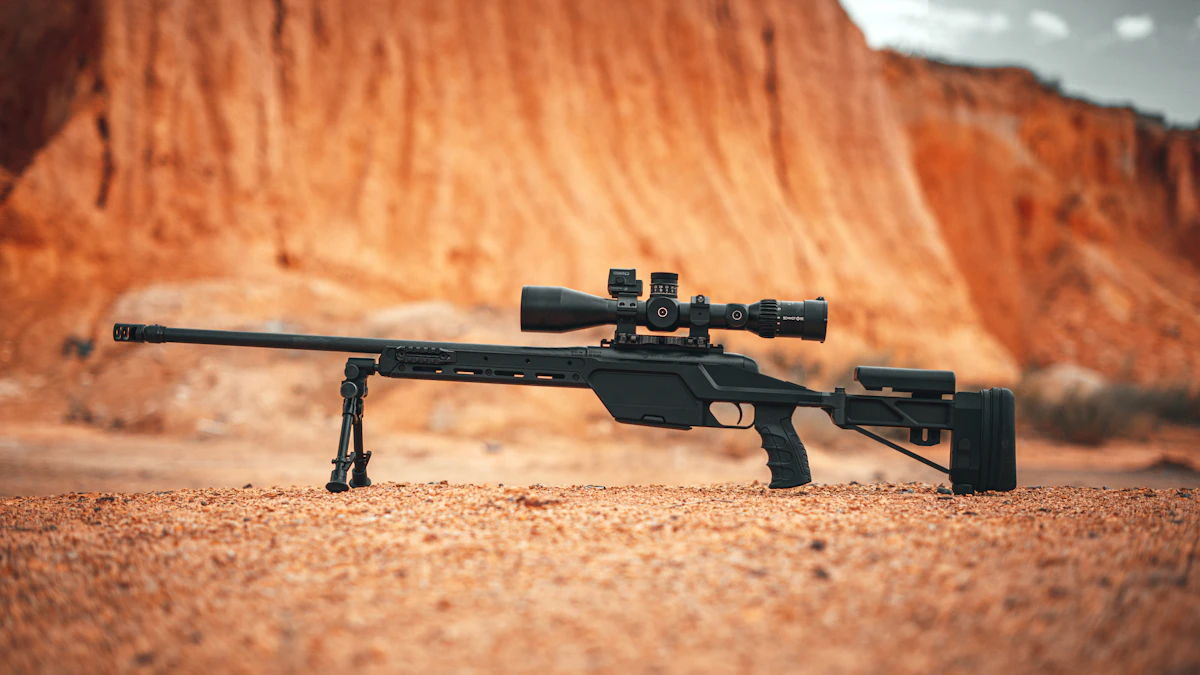
Browning Hells Canyon Rifle for Elk Hunting: Field-Tested Review
The Browning Hells Canyon Speed combines lightweight carbon fiber construction with proven accuracy for western elk hunting. Here's how it performs in the backcountry and whether it's worth the investment for serious elk hunters.
Related
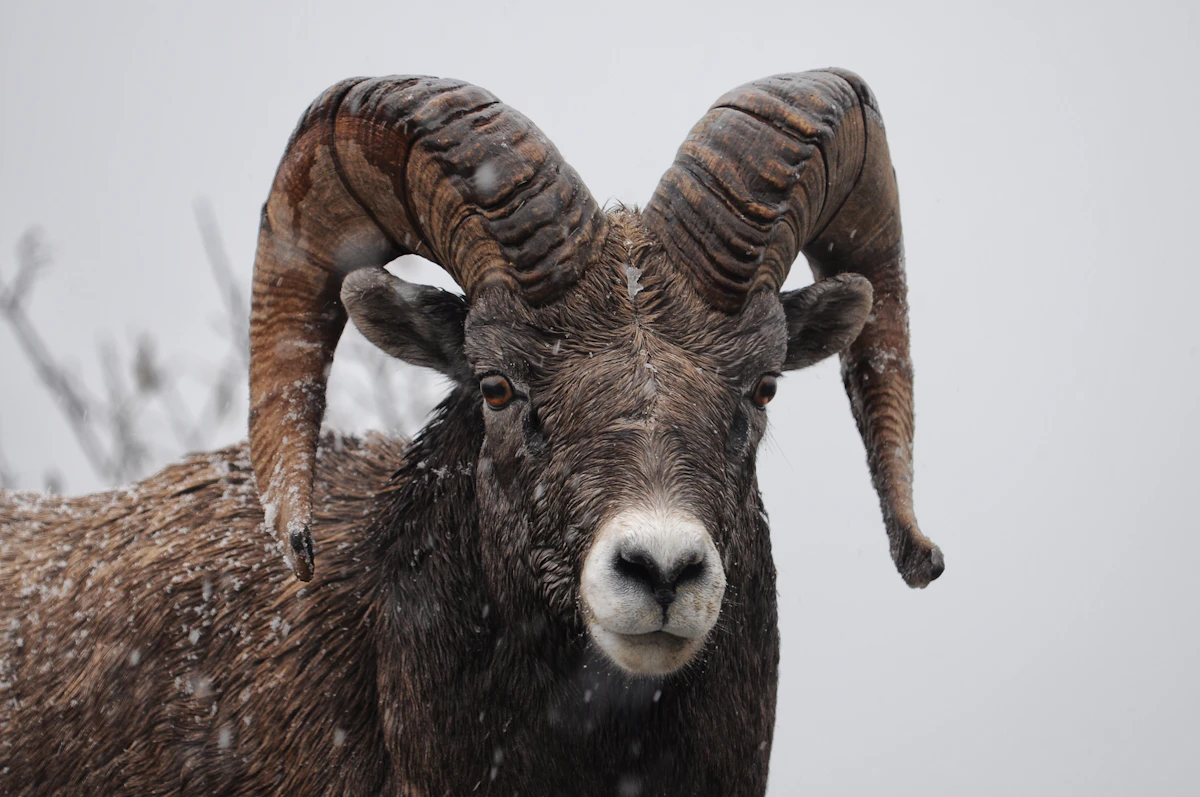
DIY Sheep Hunting: A Complete Guide to Planning Your First Backcountry Ram Hunt
DIY sheep hunting requires years of planning, serious physical conditioning, and mastery of backcountry skills. This guide breaks down everything from draw strategy and gear selection to glassing techniques and shot preparation for hunting North America's most challenging big-game species.
Next
Must-Have Truck Accessories for Hunters: Essential Gear for Western Hunts
From tire repair kits to recovery gear, the right truck accessories can make or break a backcountry hunt. Here's what experienced hunters keep in their rigs for remote western terrain.