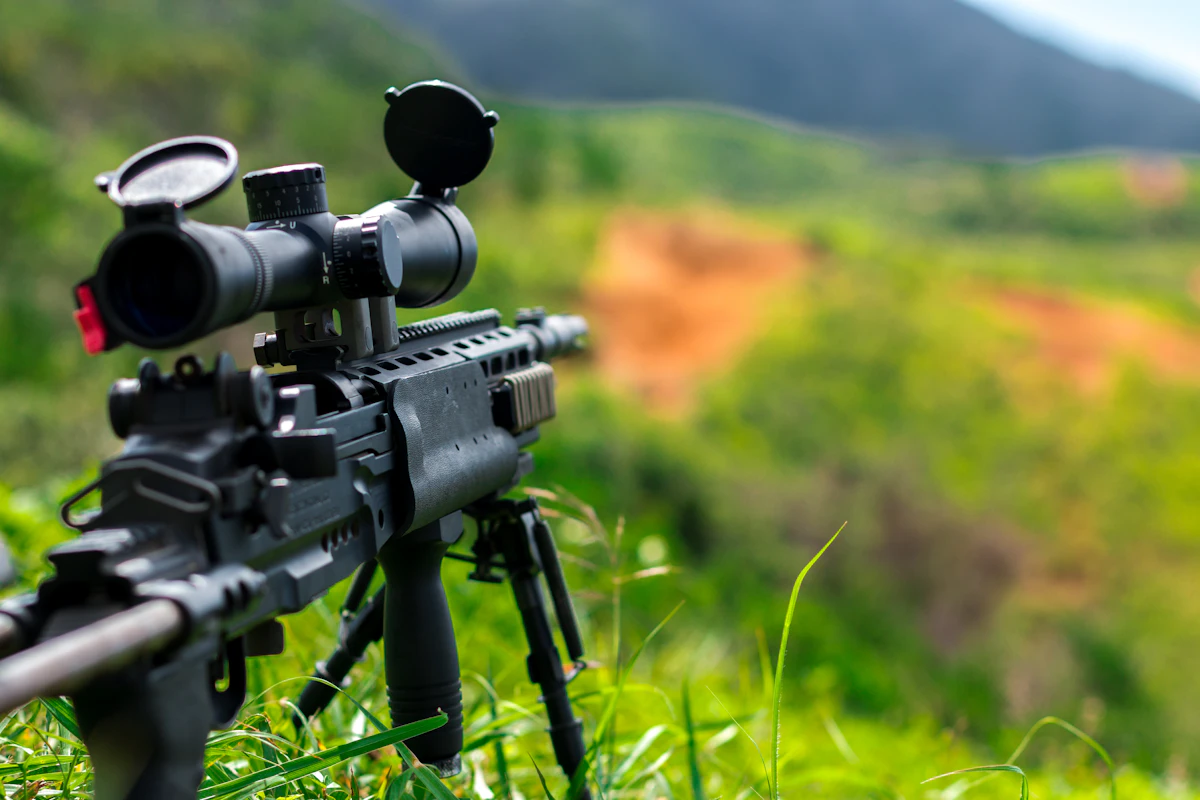
Must-Have Truck Accessories for Hunters: Essential Gear for Western Hunts
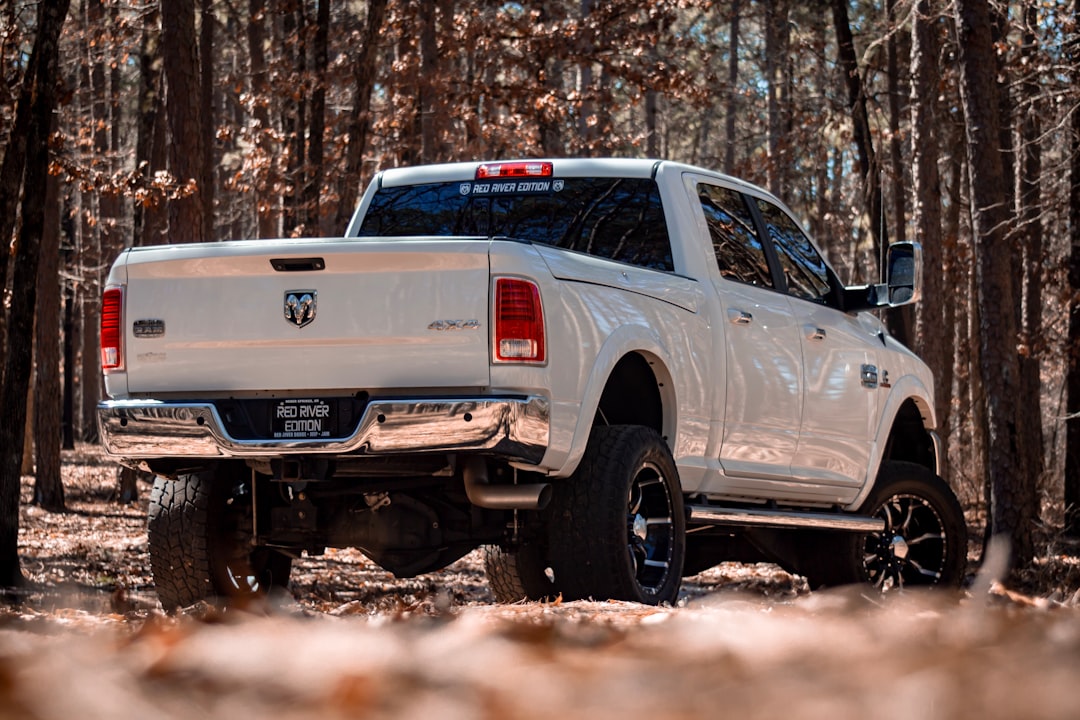
You've drawn the tag. You've scouted the unit. You've dialed in your rifle and packed your camp gear. Then, three miles down a two-track at 9,000 feet, your truck sinks axle-deep into mud or you blow a tire on a jagged rock. Without the right truck accessories, your hunt is over before it starts.
Western hunting means driving places most people would not take a rental car. Rough roads, extreme weather, and zero cell service make self-reliance mandatory. The accessories below are not about comfort or convenience — they're about getting to your hunting area, staying mobile once you're there, and making it home with your meat.
Recovery Gear — Get Unstuck Without a Tow Truck
Recovery gear is non-negotiable if you hunt public land accessed by dirt roads. A high-lift jack, tow straps, and a shovel have saved more hunts than any piece of optics ever did.
Start with a quality recovery strap rated for at least 20,000 pounds. Cheap straps snap under load and turn into projectiles. Add a D-ring shackle rated to match your strap. A high-lift jack lets you lift a tire out of a rut or change a flat on uneven ground. Pair it with a sturdy jack base to prevent sinking into soft soil.
A folding shovel is essential for digging out stuck tires or clearing snow from wheel wells. Keep a pair of heavy-duty work gloves in the cab — pulling a strap through mud or handling a hot exhaust during a roadside repair will shred bare hands.
If you hunt solo or in remote units, consider a set of MAXTRAX or similar traction boards. They provide instant traction under spinning tires and weigh less than carrying extra lumber. A 12-volt air compressor lets you air down tires for traction on sand or snow, then air back up for highway driving.
Navigation and Communication Tools
GPS units and paper maps are hunting essentials, but your truck needs its own navigation setup. A quality handheld GPS with preloaded topo maps lives in the glovebox as a backup to your phone. Even with onX or GAIA on your smartphone, batteries die and screens crack.
A CB radio or ham radio setup extends your communication range far beyond cell towers. In units where hunting pressure is light, you may drive for hours without seeing another person. A radio lets you call for help, coordinate with hunting partners in different drainages, or get road condition updates from other hunters.
Keep a spotlight or handheld rechargeable floodlight mounted within reach. Finding camp in the dark, glassing hillsides at last light, or checking for elk eyes across a meadow all require serious lumens. A magnetic mount spotlight plugs into your 12-volt outlet and swivels 360 degrees.
Tire Repair and Maintenance
Flat tires end more hunts than bad weather. A full-size spare is standard, but a plug kit and portable air compressor turn a potentially hunt-ending flat into a 15-minute inconvenience.
Learn to plug a tire before you need to do it in the dark at 7,000 feet. Plug kits cost less than $20 and work on most punctures that are not sidewall damage. Carry two spares if you're hunting units known for sharp shale or volcanic rock. A second spare rides in the bed or mounts on a roof rack.
A torque wrench ensures lug nuts stay tight on rough roads. Over-torqued lugs can warp rotors; under-torqued lugs let wheels wobble loose. Check lug nut tension after the first 50 miles of dirt road driving, then again every few days.
If you run larger tires or heavy-duty wheels, a four-way lug wrench provides better leverage than a factory tire iron. Pair it with a rubber mallet for persuading stuck wheels off hubs.
Bed Organization and Meat Hauling
A disorganized truck bed turns into a tangled mess after one rough road. Bed dividers, cargo nets, and tie-down anchors keep gear sorted and accessible.
Invest in a quality cooler tie-down system. When you're hauling 300 pounds of deboned elk quarters over washboard roads, coolers need to stay put. Ratchet straps rated for 1,500 pounds prevent your Yeti from becoming a projectile during hard braking.
A bed liner protects against blood, dirt, and the inevitable mud that follows every successful hunt. Spray-in liners are durable but permanent. Drop-in liners are removable for cleaning and cost less.
Consider a bed extender or hitch-mounted cargo carrier if you're hauling camp gear, meat, and a full cooler simultaneously. A roof rack works for lighter loads like camp chairs or extra fuel cans, but keep the weight low for rough roads.
Game bags, extra rope, and a tarp live in a dedicated tote in the bed. After the shot, you'll want everything in one place. A headlamp, knife sharpener, and nitrile gloves also belong in this kit.
Free to join
Download mobile app
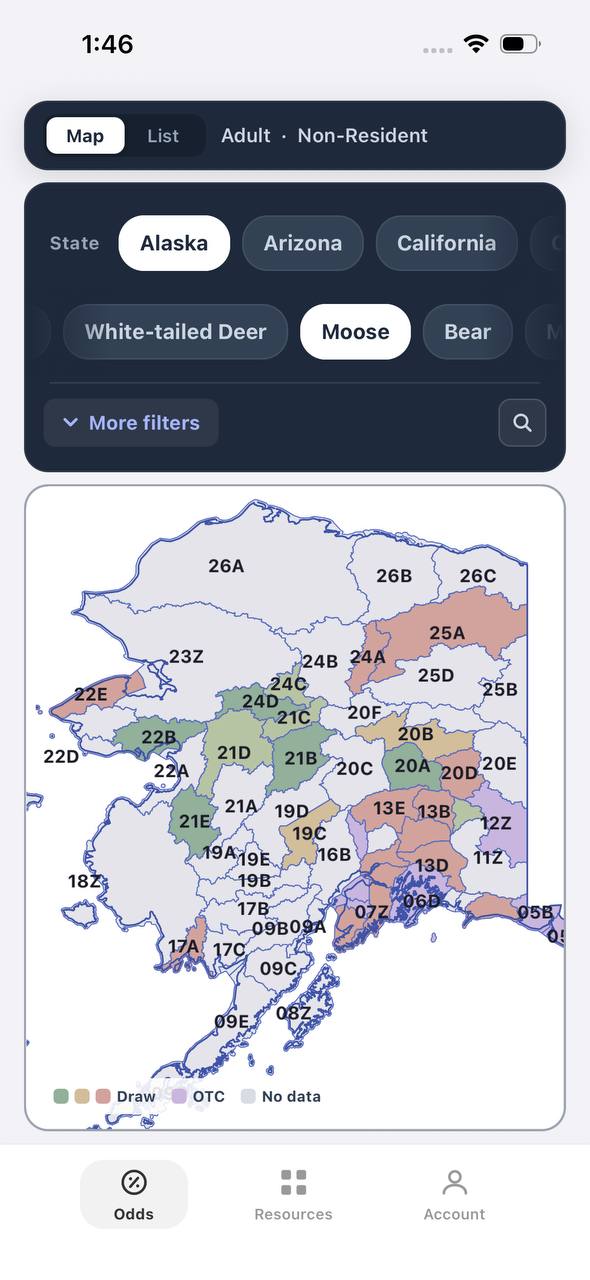
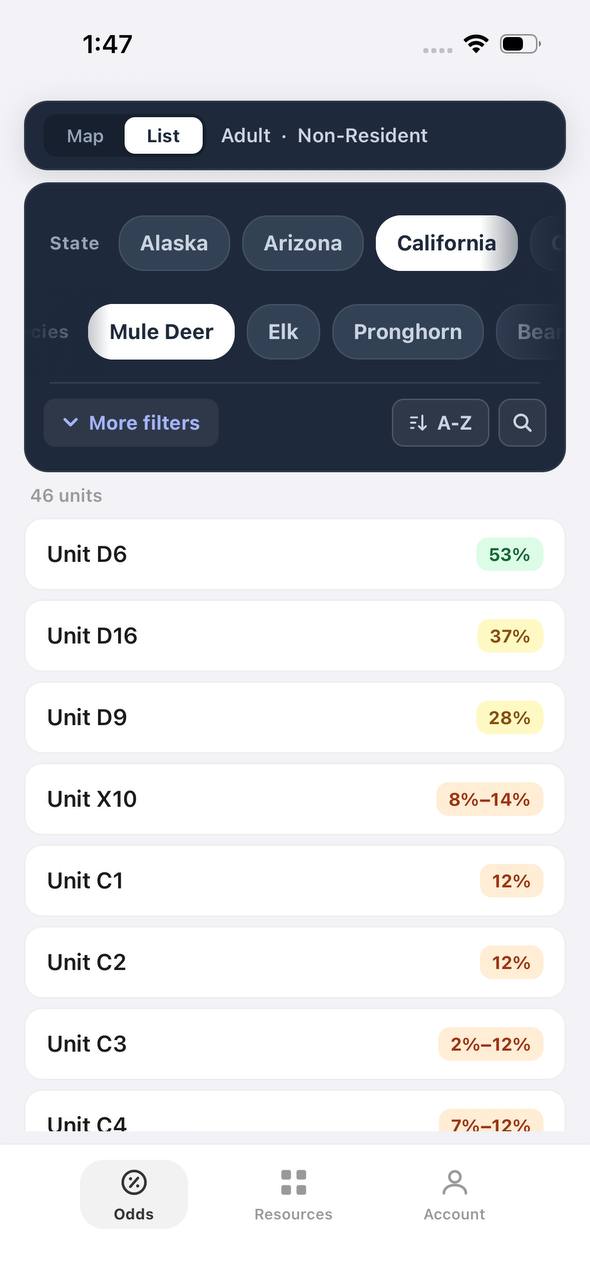
- Detailed draw odds
- Point tracking
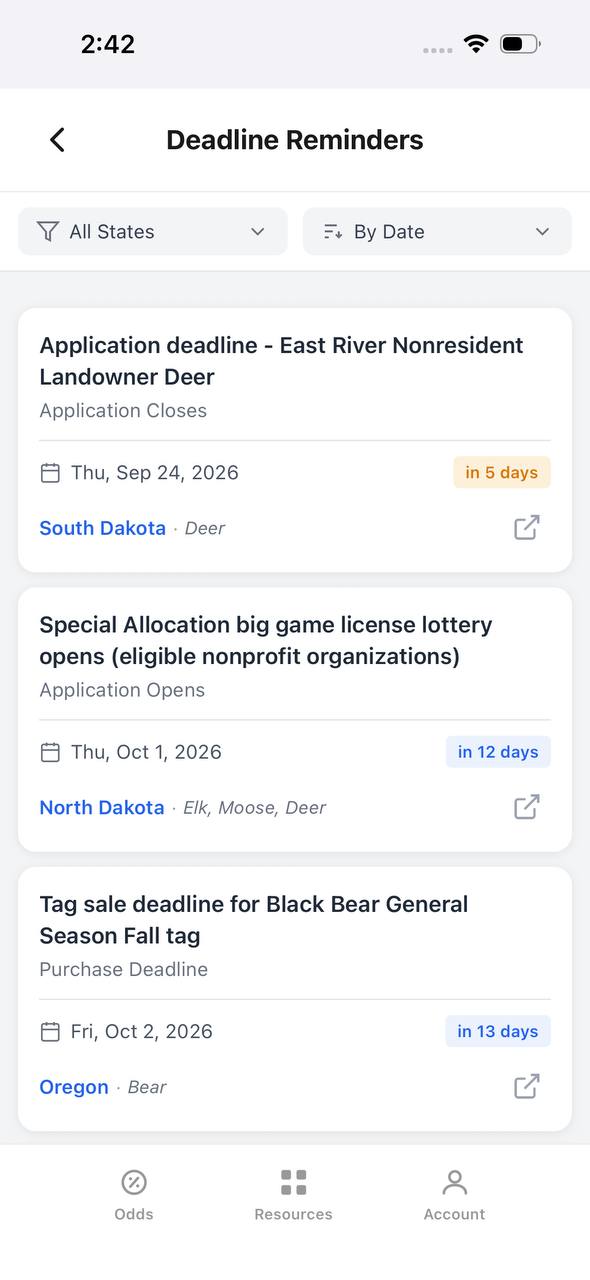
- Deadline reminders
- 18 states covered

Free to join
Download mobile app
- Detailed draw odds
- Point tracking
- Deadline reminders
- 18 states covered
Free to join
Download mobile app
- Detailed draw odds
- Point tracking
- Deadline reminders
- 18 states covered
Cold Weather and Extreme Conditions Prep
Western hunts span elevations from 3,000 to 12,000 feet. You might leave camp in a t-shirt and return that evening scraping ice off your windshield. Cold weather accessories keep your truck running and you comfortable.
An emergency roadside kit includes jumper cables, flares, a thermal blanket, extra water, and high-calorie snacks. A small propane heater like a Mr. Buddy provides emergency warmth if you're stuck overnight. Store propane bottles outside the cab — never run a heater in a sealed vehicle.
Keep an ice scraper, snow brush, and a small bag of sand or kitty litter for traction. A set of tire chains turns a two-wheel-drive truck into a capable snow rig for moderate conditions. Practice installing chains at home before you need them in a blizzard.
A quality set of floor mats — rubber or heavy-duty WeatherTech-style liners — contains mud and keeps it from migrating under pedals. Pull them out and hose them down between hunts.
Power and Electrical Upgrades
Modern hunting relies on electronics. GPS units, rangefinders, spotting scopes, smartphones, headlamps, and game cameras all need charging. A 12-volt power inverter or dedicated USB charging hub keeps devices topped off during long drives.
A dual-battery system or portable power station like a Jackery or Goal Zero extends runtime for camp fridges, lights, or charging stations without draining your starting battery. If you're glassing all day and driving at dawn and dusk, your truck becomes a mobile base camp.
Upgrading to LED cab lights and bed lights improves visibility during predawn packing and post-dark meat processing. Magnetic LED strips stick to the bed walls and run off rechargeable batteries.
Tools and Spare Parts
Basic hand tools turn a breakdown into a repair instead of a tow. A socket set, adjustable wrench, screwdrivers, and needle-nose pliers handle most roadside fixes. Add a roll of duct tape, zip ties, mechanic wire, and JB Weld epoxy.
Carry extra fuses, a spare serpentine belt, and a quart of oil. Western hunts often mean 500-plus miles of driving before you see a parts store. A leaking hose clamp or blown fuse should not end your hunt.
A multi-tool like a Leatherman lives in the glovebox. A fixed-blade knife mounted within reach handles tasks from cutting rope to prying open a stubborn gas cap.
Water and Fuel Storage
Remote units may be 50 miles or more from the nearest gas station. Carrying extra fuel extends your range and eliminates anxiety about finding a pump. A five-gallon NATO-style jerry can mounts securely to a roof rack, bed, or rear bumper.
Extra water storage is equally important. A five-gallon jug of potable water serves for drinking, cooking, and washing hands after field dressing. A separate jug of non-potable water works for radiator top-offs or cleaning gear.
Roto-molded water jugs withstand freezing better than cheap plastic jugs. In cold weather, store water inside the cab overnight to prevent ice-up.
Free to join
Download mobile app
- Detailed draw odds
- Point tracking
- Deadline reminders
- 18 states covered
Free to join
Download mobile app
- Detailed draw odds
- Point tracking
- Deadline reminders
- 18 states covered
Free to join
Download mobile app
- Detailed draw odds
- Point tracking
- Deadline reminders
- 18 states covered
Window Tinting and Sun Protection
Glassing from your truck is a legitimate hunting strategy in open country. Quality window tint reduces glare, keeps the cab cooler, and prevents game from spotting movement inside the vehicle.
Ceramic tint blocks more heat than dyed film and does not interfere with electronics or GPS signals. Check state laws for legal tint limits on front windows.
A windshield sunshade keeps the cab from turning into an oven during midday breaks. It also prevents optics, electronics, and ammunition from baking in direct sunlight.
First Aid and Emergency Supplies
A truck-specific first aid kit supplements your backpack kit. Include larger bandages, gauze, medical tape, antiseptic wipes, pain relievers, and a tourniquet. Add any prescription medications, an EpiPen if you have allergies, and a basic suture kit for serious cuts.
A fire extinguisher mounts under the seat or behind the seat. Brush fires, fuel leaks, and electrical shorts are rare but catastrophic. A small ABC-rated extinguisher weighs less than five pounds and costs under $40.
Keep an extra set of keys in a magnetic hide-a-key box under the frame. Locking your keys in the truck is embarrassing at home and hunt-ending in the backcountry.
Weapon and Optics Security
A locking truck box or under-seat vault secures firearms when you leave your vehicle unattended. Even in remote areas, theft happens. A cable lock through the trigger guard and around the seat frame adds a secondary layer of security.
Padded rifle cases prevent scopes from getting knocked out of zero on rough roads. Store rifles muzzle-down to keep dust and debris out of the barrel. A soft case works for short trips; a hard case is better for multi-day expeditions over washboard.
Optics live in padded cases, not loose in the glovebox. Binoculars, rangefinders, and spotting scopes are expensive and fragile. Secure them in a dedicated bag that stays put during hard braking.
Free to join
Download mobile app
- Detailed draw odds
- Point tracking
- Deadline reminders
- 18 states covered
Free to join
Download mobile app
- Detailed draw odds
- Point tracking
- Deadline reminders
- 18 states covered
Free to join
Download mobile app
- Detailed draw odds
- Point tracking
- Deadline reminders
- 18 states covered
Lighting Upgrades for Night Driving
Driving dark mountain roads at dawn and dusk is part of western hunting. Upgraded headlights improve safety and reduce eye strain. LED bulbs are brighter and last longer than halogens, but check that they are DOT-approved and do not blind oncoming traffic.
A light bar or auxiliary driving lights mounted to a brush guard or roof rack illuminate the roadside for spotting wildlife. Many units prohibit hunting at night, but extra lighting helps you avoid hitting elk or deer on the drive in.
Red cabin lights preserve night vision better than white LEDs. Swap dome lights or add a red-filtered headlamp for pre-dawn gear checks.
Maintenance Checks Before the Hunt
Even the best accessories fail if your truck is not maintained. Before every hunt, check fluid levels, tire pressure, brakes, and lights. Inspect belts and hoses for cracks. Test your battery under load — cold mornings at altitude kill weak batteries.
Change your oil if you are close to the service interval. Dusty roads accelerate oil degradation. A fresh air filter improves performance at high elevations where air is thin.
Test your four-wheel-drive system before you need it. Engage 4WD on pavement briefly to confirm it shifts smoothly, then disengage before driving.
How TAGZ Helps You Plan Around Access
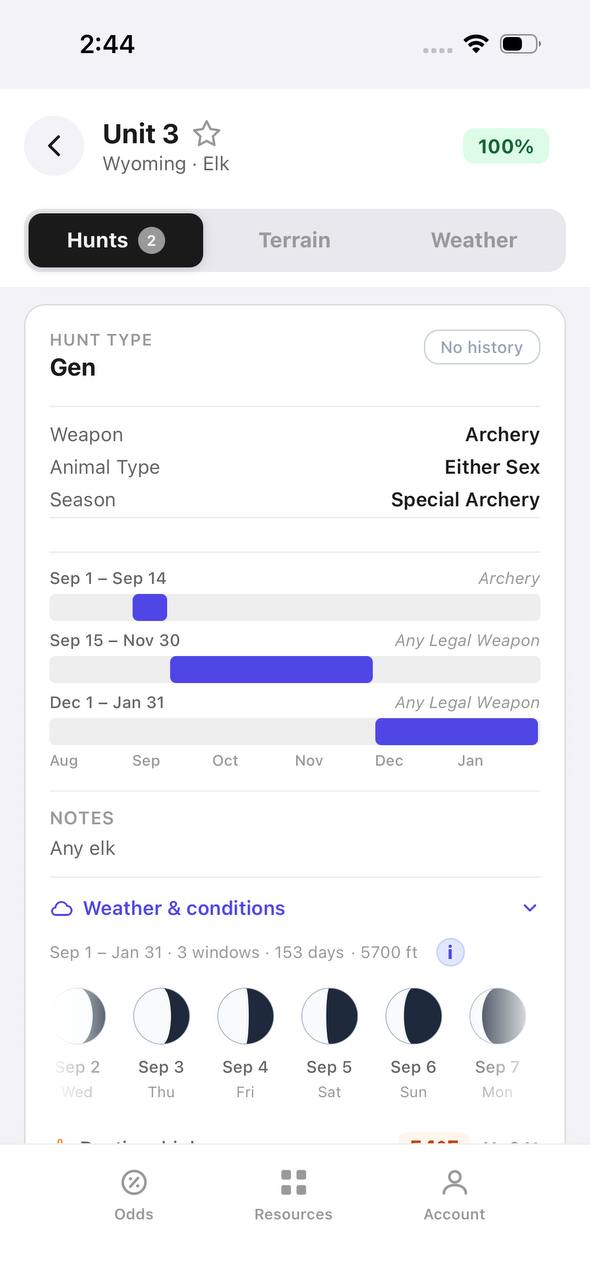
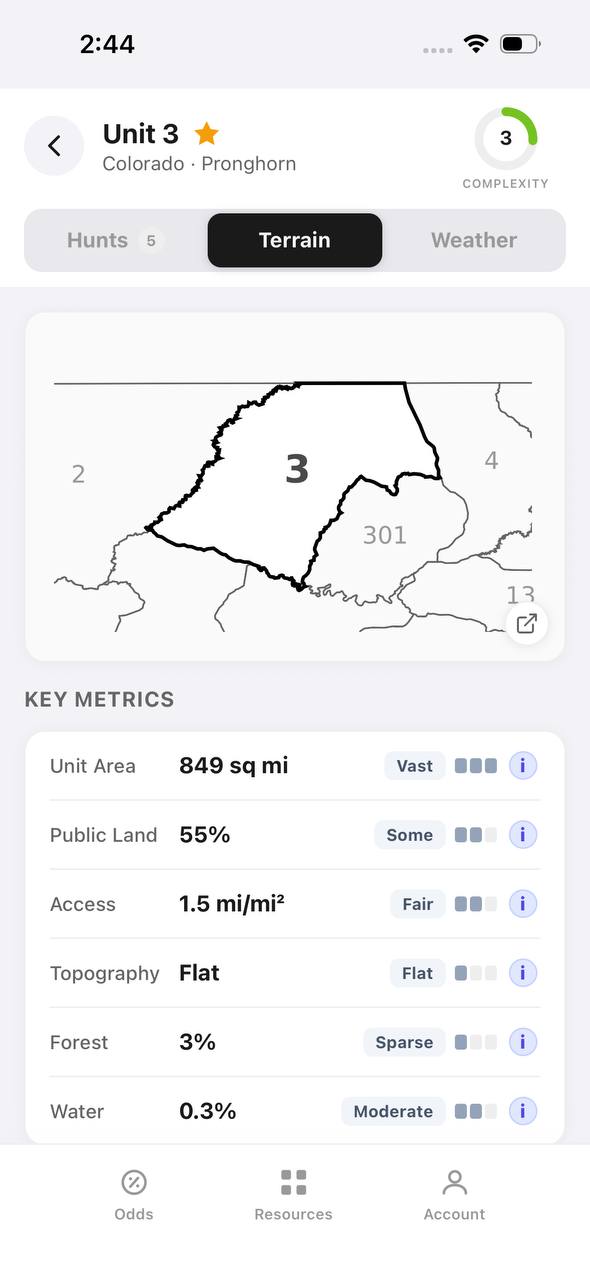
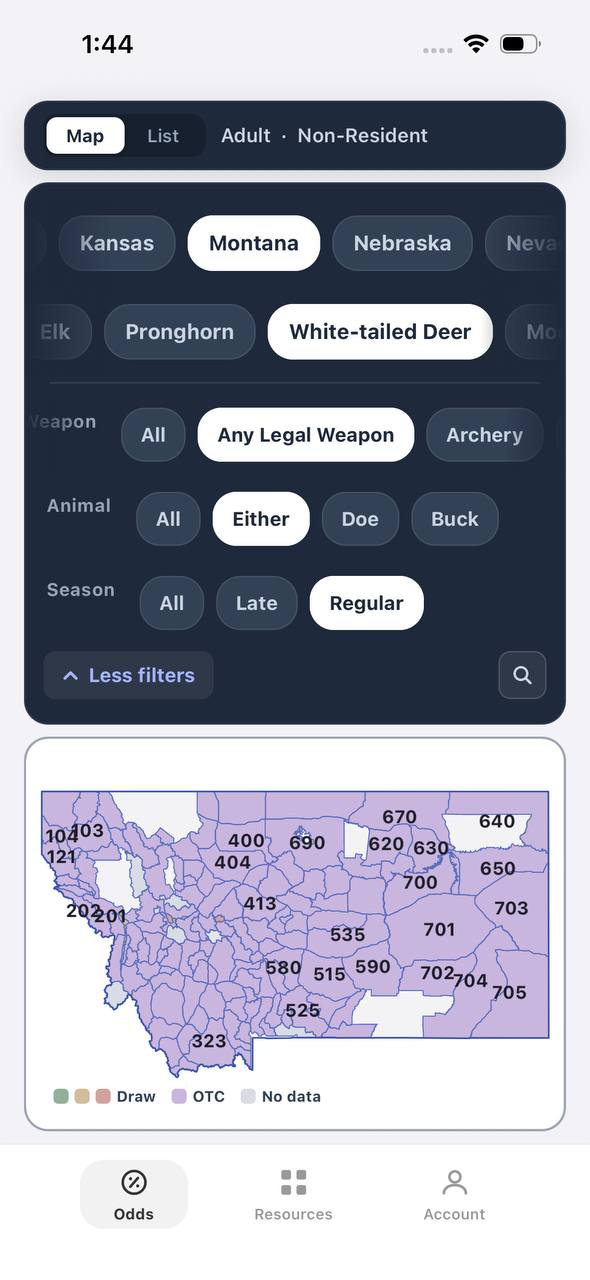
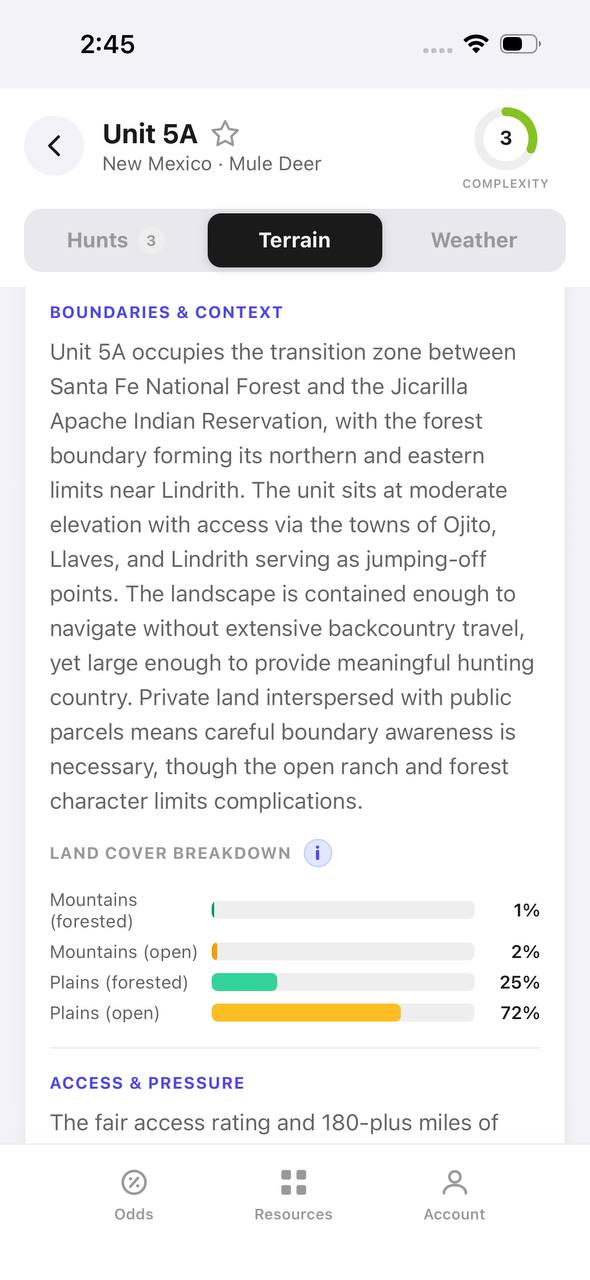
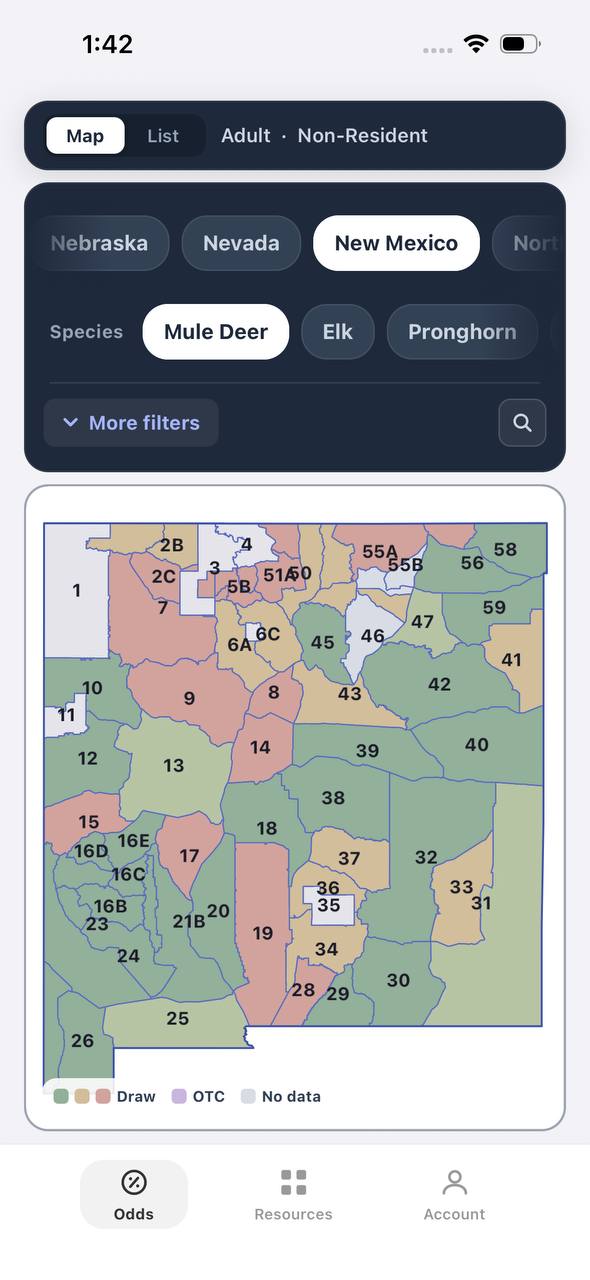
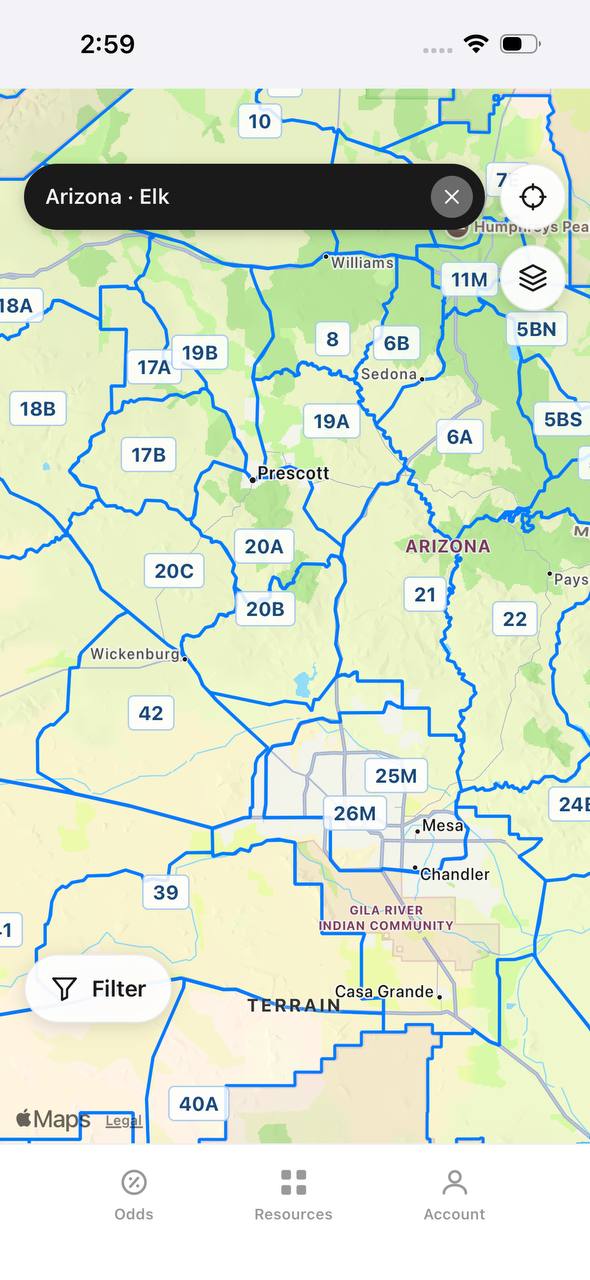
Truck accessories get you to your hunting unit, but TAGZ helps you choose units with roads that match your vehicle and experience level. Use TAGZ unit maps to identify terrain features, road access points, and public land boundaries before you apply. Compare units side by side using terrain overlays and historical draw data to find hunts that fit your rig and skill level.
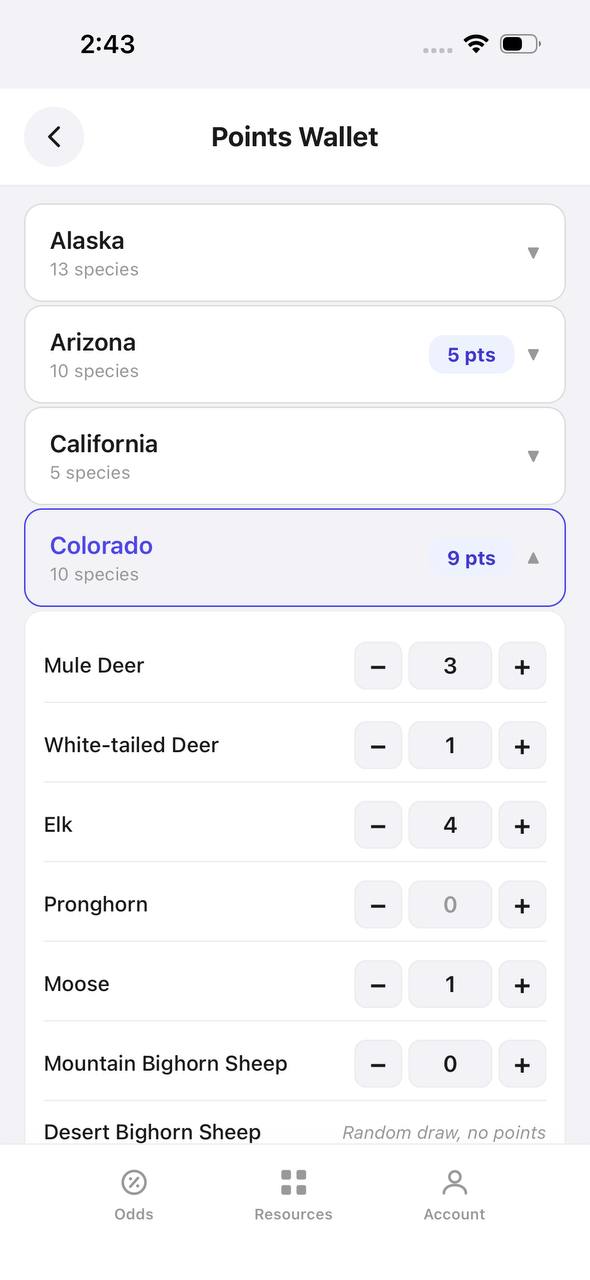
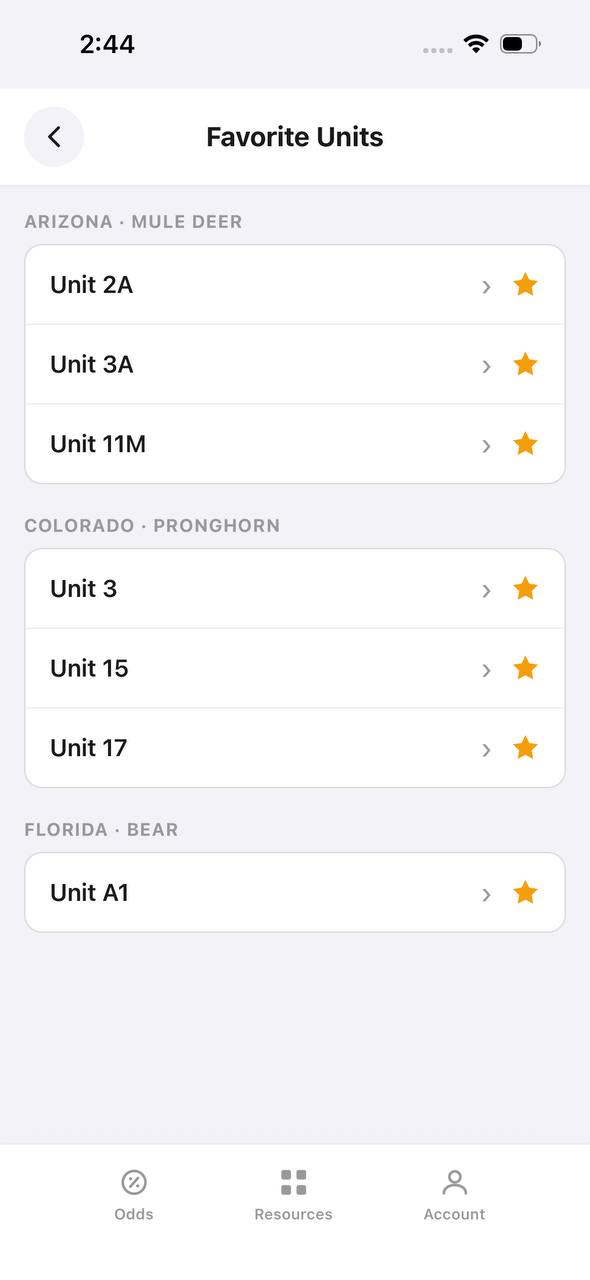
Track application deadlines across multiple states so you never miss a draw. Filter hunts by weapon, season, and species to find opportunities that align with your hunting style and vehicle capability. TAGZ gives you the tools to make smarter decisions before you ever leave the driveway.
FAQ — Truck Accessories for Hunters
What is the single most important truck accessory for backcountry hunting?
Recovery gear. A good tow strap, high-lift jack, and shovel will save your hunt when you get stuck miles from help. Everything else is secondary to getting unstuck.
Do I need a four-wheel-drive truck to hunt western public land?
Not always, but it helps. Many units have good two-wheel-drive access if you stick to maintained roads. Four-wheel-drive becomes essential for remote units, early-season mud, or late-season snow.
How much extra fuel should I carry for remote hunts?
A five-gallon jerry can extends your range by 100-150 miles depending on your truck. That is usually enough for units with limited gas stations. Longer expeditions may require two cans.
Are tire chains necessary for hunting in the Rockies?
They are not mandatory for every hunt, but they are cheap insurance for late-season elk and deer tags. Snow can hit high-elevation units in September and definitely by November. Chains turn a two-wheel-drive truck into a capable snow rig.
What is the best way to organize a truck bed for a week-long hunt?
Bed dividers, cargo nets, and tie-down anchors keep gear sorted and secure. Group items by use — camp gear in one area, hunting gear in another, recovery gear near the tailgate. Use waterproof totes for items that should not get wet.
Should I upgrade my truck's suspension before a western hunt?
Only if you are consistently overloading your truck or driving extremely rough roads. Most stock suspensions handle hunting loads fine. If you frequently haul 500-plus pounds of gear and meat, consider helper springs or airbags for the rear axle.
How do I prevent my truck from overheating on steep mountain roads?
Check coolant levels before the trip. Downshift on long climbs to reduce engine load. If your temp gauge climbs, turn off the AC and turn on the heat full blast to pull heat away from the engine. Pull over and idle if temps stay high.
What is the best way to carry a spare tire in the bed?
Secure it with ratchet straps or a dedicated spare tire mount. Lay it flat in the bed and strap it to tie-down anchors. Do not let it roll around loose — a 50-pound tire becomes dangerous cargo on washboard roads.
Continue Planning Your Hunt
Getting your truck dialed in is just one piece of successful western hunting. TAGZ helps you compare units, track draw deadlines, and plan applications across multiple states. Whether you are chasing OTC elk in Colorado or building points for a limited-entry mule deer tag, TAGZ gives you the research tools and data you need to make smarter decisions.
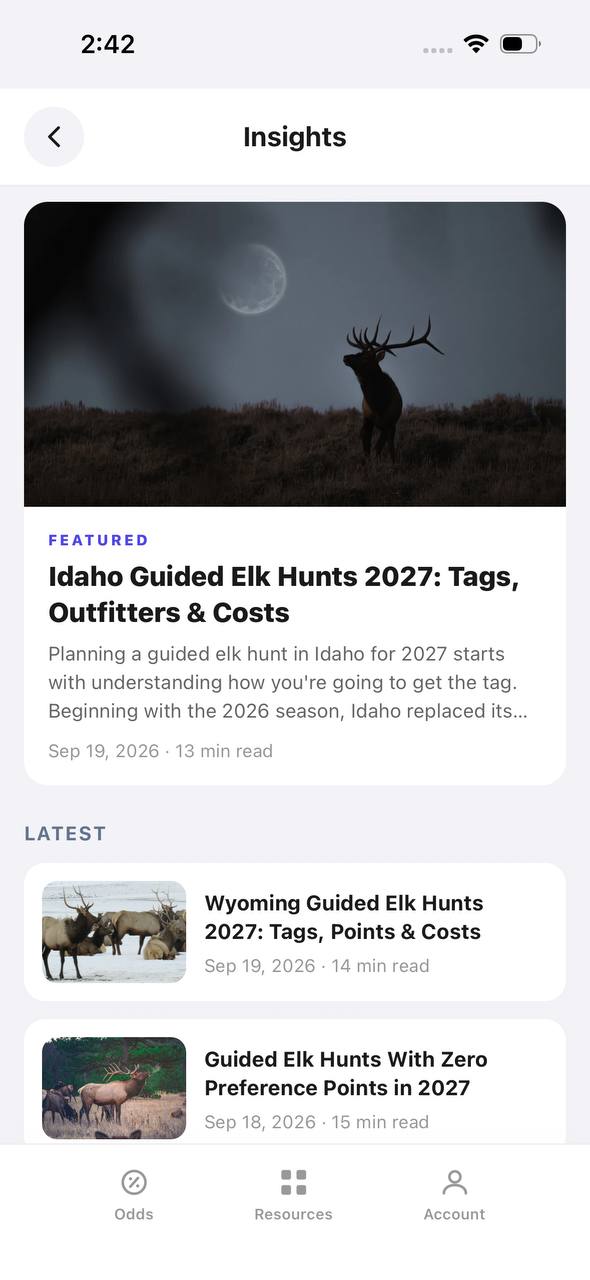
Explore more hunting strategies and unit breakdowns on the TAGZ Insights blog. Ready to simplify your hunt planning? Check out TAGZ pricing or explore the TAGZ platform to start researching units and tracking your points today. Visit the TAGZ homepage to see how thousands of hunters are using data to draw better tags and plan more successful hunts.
Was this article helpful?
Previous
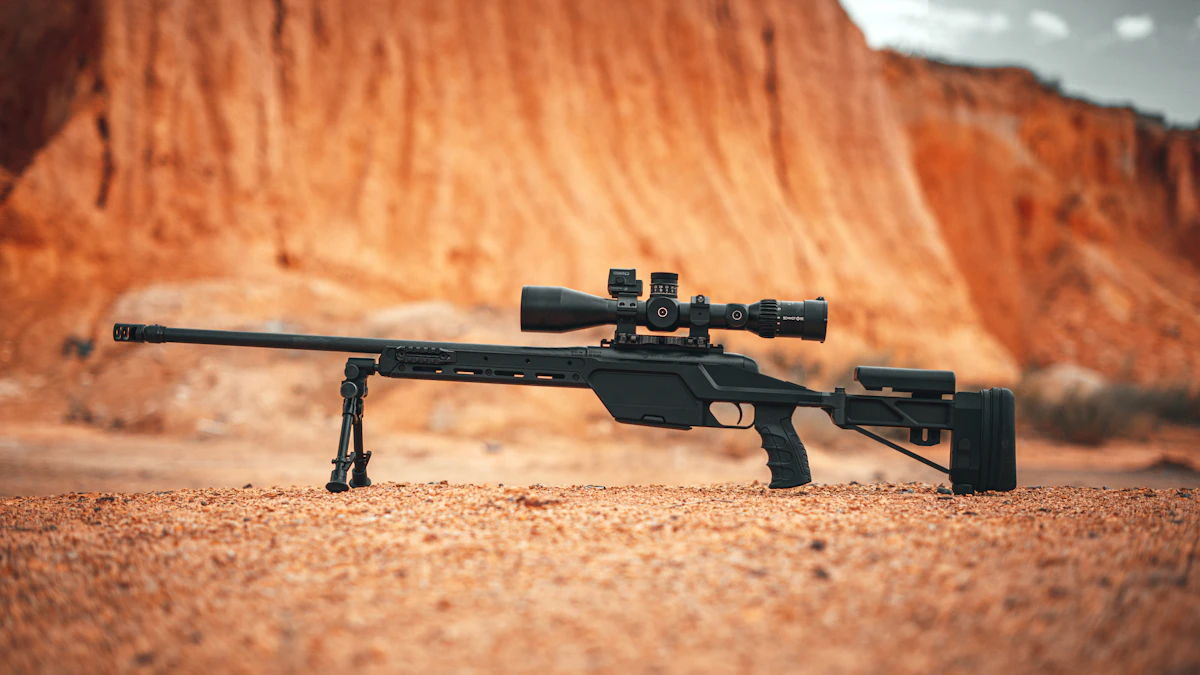
Browning Hells Canyon Rifle for Elk Hunting: Field-Tested Review
The Browning Hells Canyon Speed combines lightweight carbon fiber construction with proven accuracy for western elk hunting. Here's how it performs in the backcountry and whether it's worth the investment for serious elk hunters.
Related
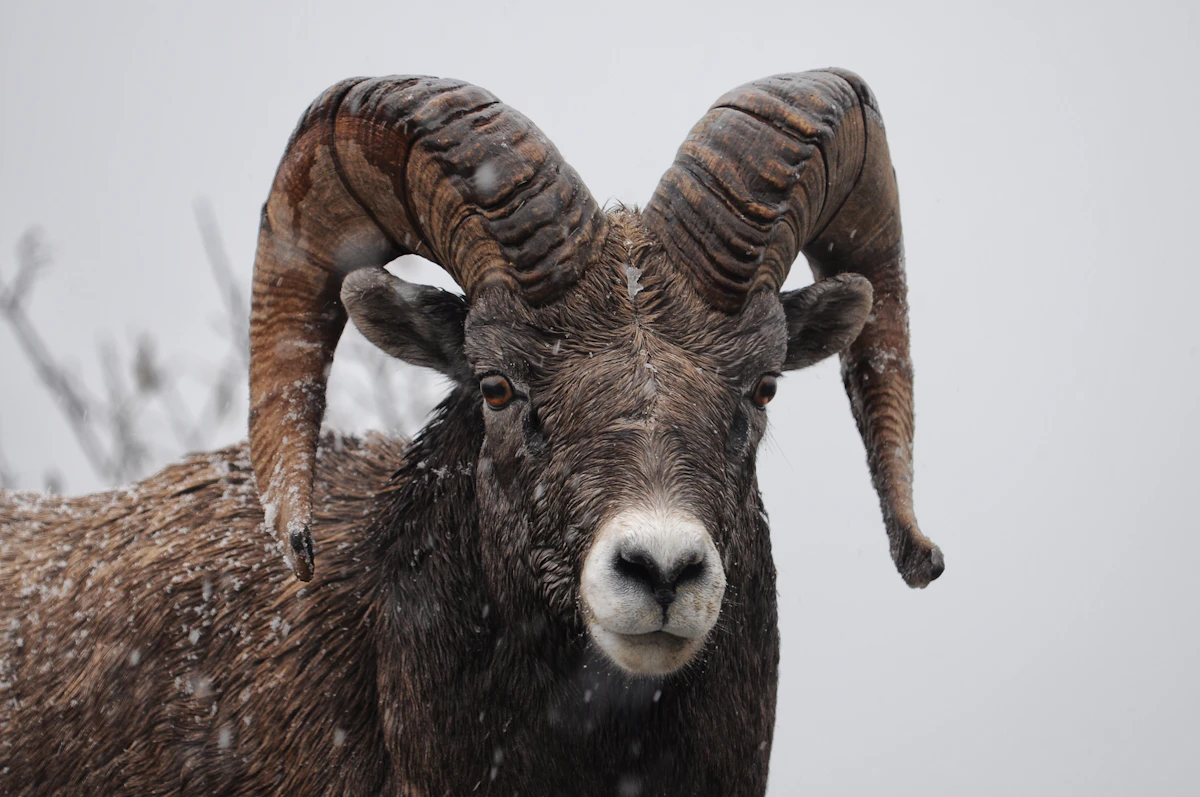
DIY Sheep Hunting: A Complete Guide to Planning Your First Backcountry Ram Hunt
DIY sheep hunting requires years of planning, serious physical conditioning, and mastery of backcountry skills. This guide breaks down everything from draw strategy and gear selection to glassing techniques and shot preparation for hunting North America's most challenging big-game species.
Next
Savage 110 Bear Hunter for Elk: Is This Budget Rifle Worth It?
The Savage 110 Bear Hunter offers serious accuracy and stopping power in a sub-$1,000 package. Here's how this rifle performs on elk hunts and whether it deserves a place in your truck.