DIY Sheep Hunting: A Complete Guide to Planning Your First Backcountry Ram Hunt
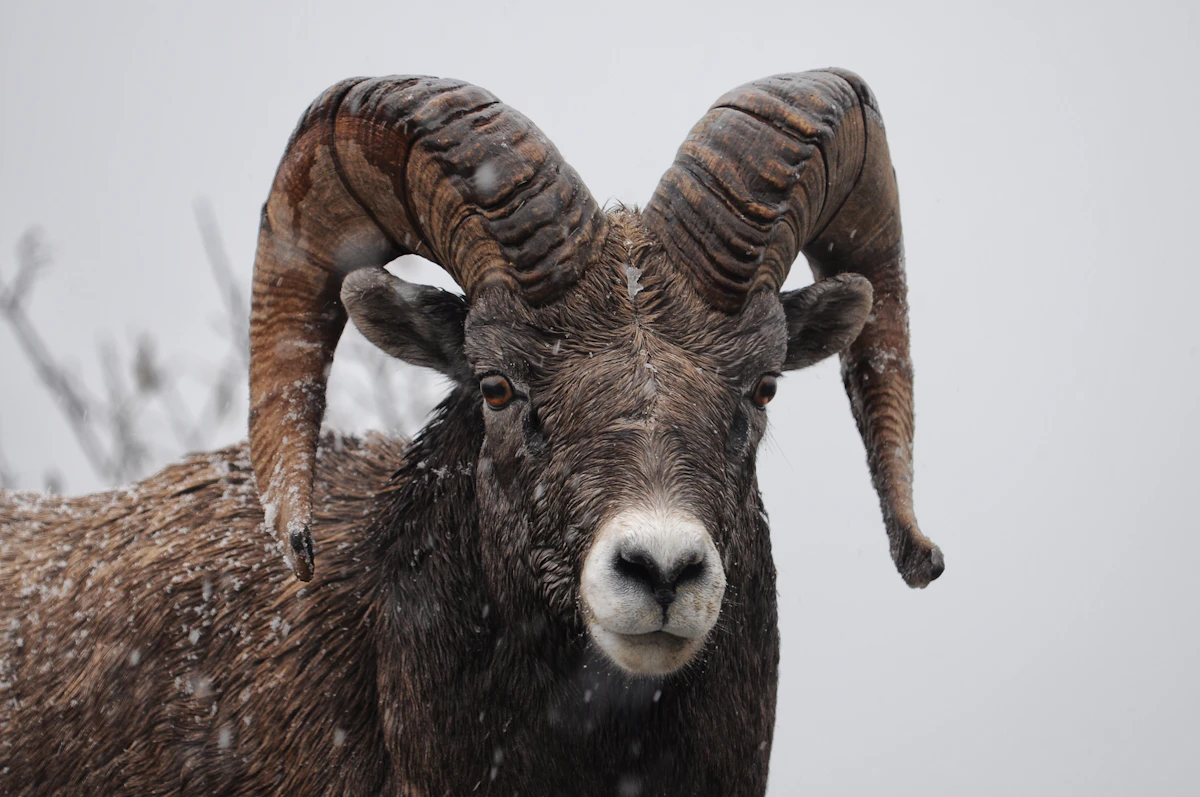
A successful DIY sheep hunt represents the pinnacle of North American big-game hunting. Unlike elk or mule deer hunts where you might stumble into success, rams demand multi-year planning, brutal physical conditioning, and flawless execution in unforgiving country. Whether you are chasing Dall sheep in Alaska, Rocky Mountain bighorns in Montana, or desert sheep in Nevada, the fundamentals remain the same: prepare obsessively, hunt smart, and never quit.
Understanding Your Sheep Hunting Options
North America offers four wild sheep species, each presenting unique challenges and draw odds. Dall sheep in Alaska and the Yukon provide the most accessible DIY opportunity since non-residents can purchase over-the-counter tags. Stone sheep in northern British Columbia require drawn permits with decade-plus wait times. Rocky Mountain bighorn sheep across the lower 48 represent the toughest draws in western hunting, often requiring 15-25 preference points in top units. Desert sheep in the Southwest operate on bonus point systems with odds that remain microscopic even after decades of applying.
Alaska Dall sheep hunts remain the entry point for most DIY sheep hunters. The state issues non-resident tags over the counter, though specific units may have registration permit requirements. The ten-day season timing and remote locations keep pressure manageable compared to guided hunts in the same areas. British Columbia Stone sheep require resident hunters only, making them effectively off-limits for DIY Americans. Lower-48 bighorn hunts demand strategic application across multiple states using TAGZ to track preference points, bonus points, and draw deadlines. Desert sheep hunting operates almost entirely through once-in-a-lifetime lottery systems where persistence matters more than points.
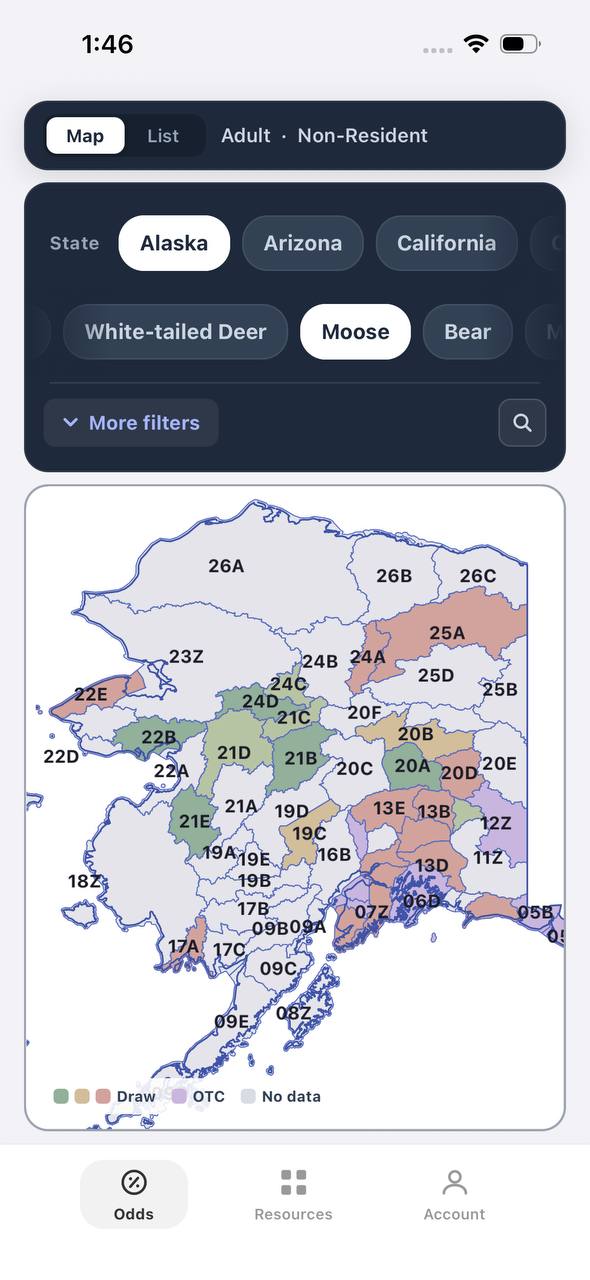
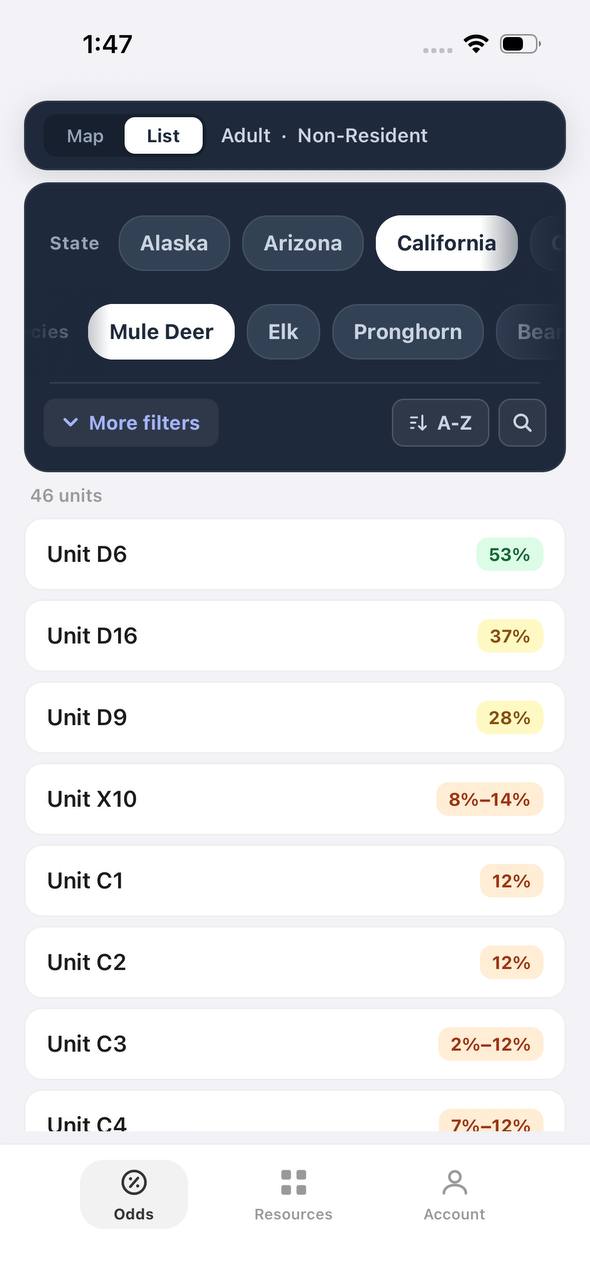
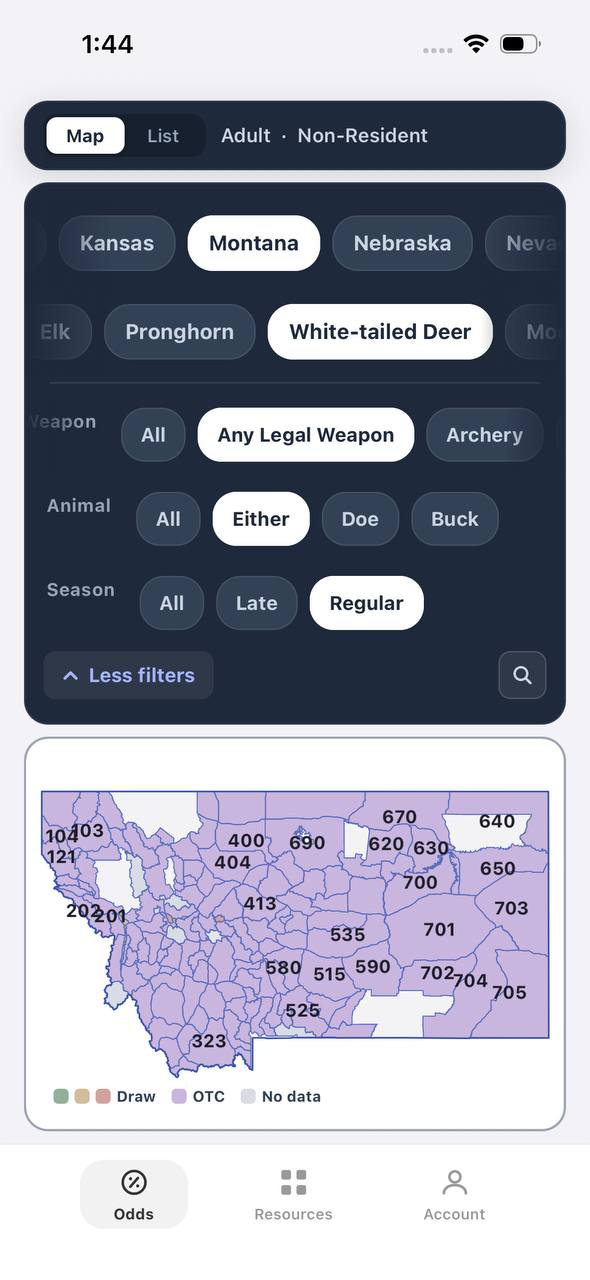
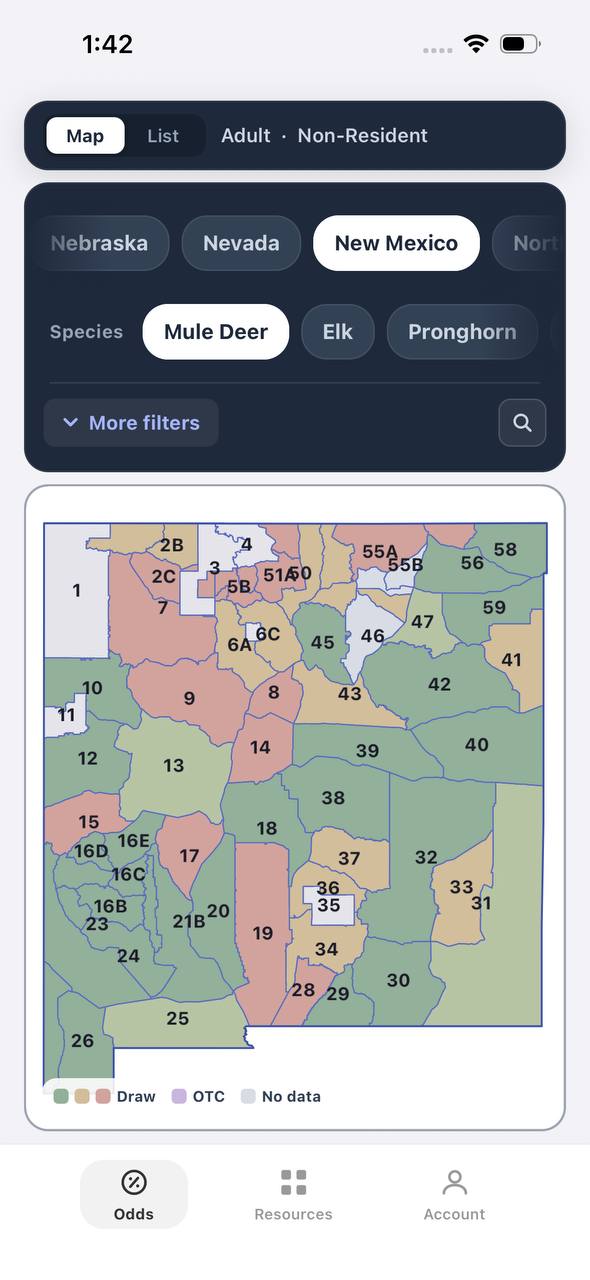
TAGZ helps you compare draw odds across states, track your growing point totals, and set application reminders so you never miss a deadline. Whether you are building points for a Montana bighorn tag or planning your first Alaska Dall hunt, TAGZ consolidates unit boundaries, terrain maps, and historical draw data in one platform.
Building Preference Points and Planning Your Draw Timeline
Most sheep hunters apply for years before drawing a tag. Rocky Mountain bighorn units in Colorado, Montana, Wyoming, and Idaho typically require 15-25 preference points for non-residents in quality units. Nevada and Arizona desert sheep operate on bonus point systems where max-point holders still face single-digit draw odds. California conducts true random draws with no points, meaning first-time applicants have the same odds as 30-year veterans.
Successful applicants build points strategically across multiple states while hunting other species. Apply annually in Montana, Wyoming, and Colorado for bighorn sheep even if you are a decade away from competitive point totals. The relatively low application fees make consistent participation worthwhile. Simultaneously apply in bonus point states like Nevada and Arizona where additional points incrementally improve your odds. Consider California's random draw as a true lottery ticket with no point-building requirement.
While accumulating points, hunt Dall sheep in Alaska to develop the skills you will need when your bighorn or desert tag finally hits. Alaska provides realistic DIY opportunities without the multi-decade wait. Drop camps, transporters, and registration hunts offer affordable access to genuine wilderness sheep country. The experience you gain glassing, stalking, and shooting at elevation directly transfers to lower-48 hunts.
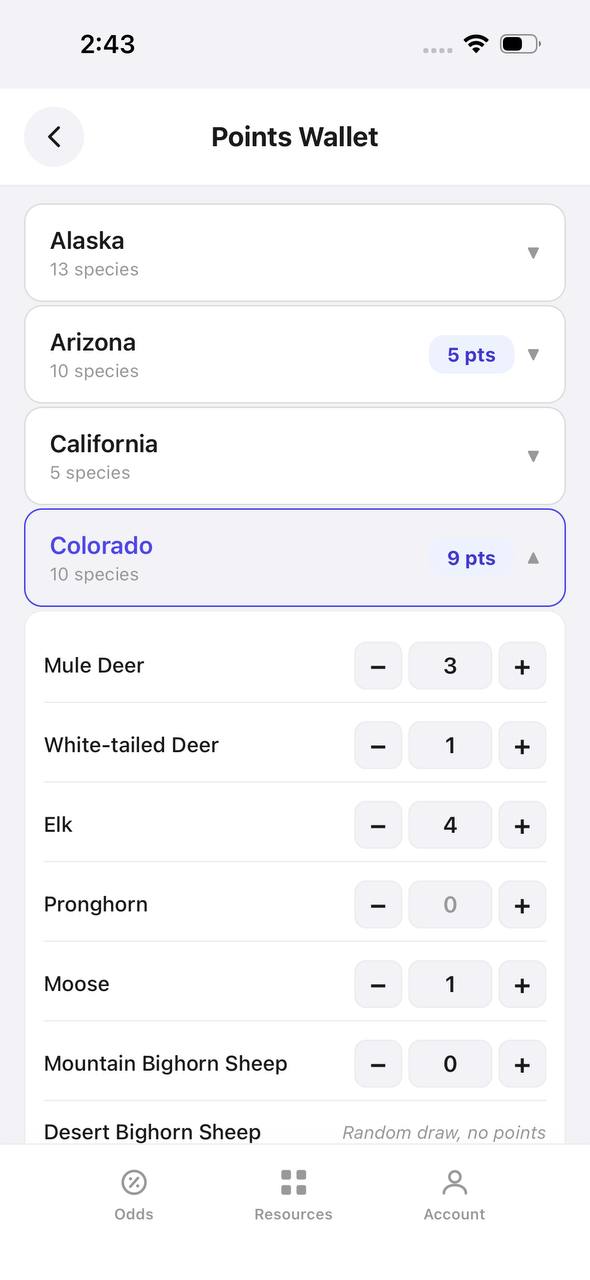
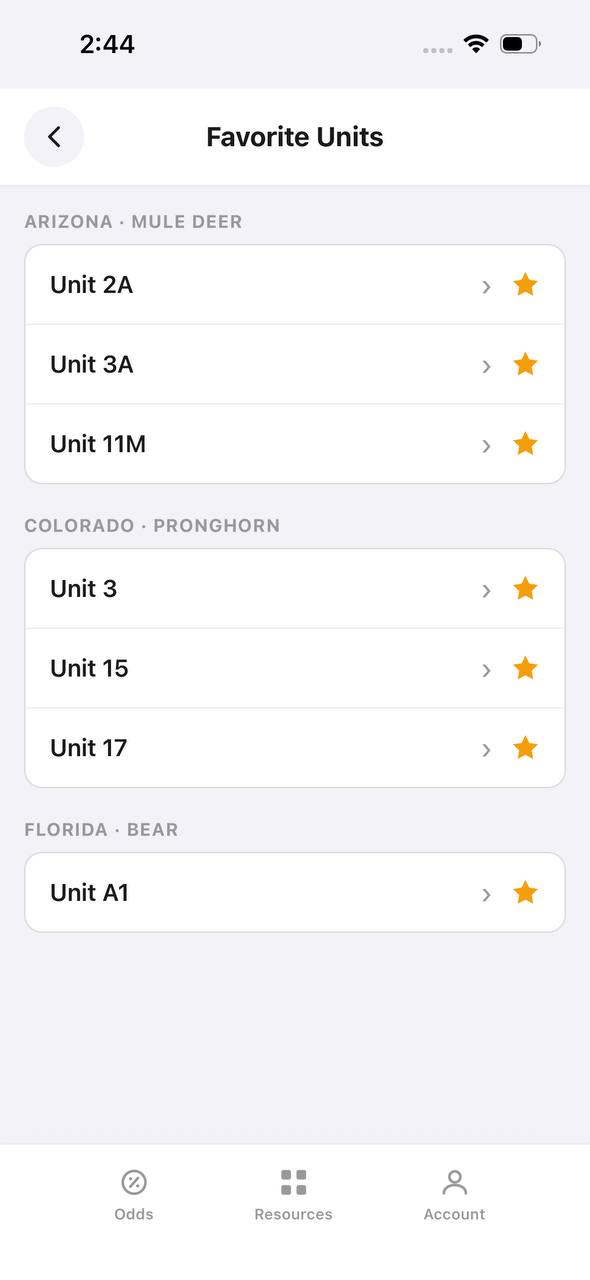
TAGZ tracks your preference points and bonus points across all western states, automatically calculates your competitive odds in different units, and reminds you when draw deadlines approach. Instead of maintaining spreadsheets across a dozen state websites, TAGZ centralizes your multi-state sheep application strategy in one dashboard.
Physical Conditioning: The Non-Negotiable Foundation
Sheep country breaks hunters who show up unprepared. Ram habitat exists above treeline where thin air, steep terrain, and brutal elevation changes separate successful hunters from those who tap out on day three. Physical fitness is not optional—it determines whether you can reach sheep country, sustain multi-day glassing sessions, execute stalks that climb 2,000 vertical feet, and pack meat off the mountain.
Start training 12 months before your hunt. Build a base of cardiovascular endurance through hiking, running, and stair climbing with a weighted pack. Progress from 30-pound loads to 60-pound loads over several months. Train on actual mountains whenever possible since treadmill inclines cannot replicate the demand of sustained elevation gain on loose scree. Include downhill training with weight to prepare your knees and ankles for descents that often prove harder than climbs.
Supplement cardio with strength training focused on legs, core, and shoulders. Weighted step-ups, Bulgarian split squats, and farmer carries directly translate to mountain performance. Core strength prevents lower back breakdown during long days behind optics and heavy pack-outs. Shoulder and upper back work prepares you for carrying a rifle and pack across miles of sidehills. Train consistently through the entire year rather than cramming in the final two months.
If you live at sea level, consider arriving in sheep country at least three days early to acclimatize. Sleep at elevation if possible and limit alcohol consumption during this period. Some hunters use portable altitude training systems or book periodic trips to elevation during the training year. The fittest sea-level hunter will still struggle on day one at 10,000 feet, so any acclimatization edge helps.
Essential Gear for Backcountry Sheep Hunts
Sheep hunting demands ultralight backcountry gear that performs reliably in harsh conditions. Your pack, shelter, sleeping system, and clothing must handle week-long trips in alpine environments where weather changes rapidly and resupply is impossible. Every ounce matters when you are climbing 3,000 vertical feet with seven days of food and gear on your back.
Rifle and Optics
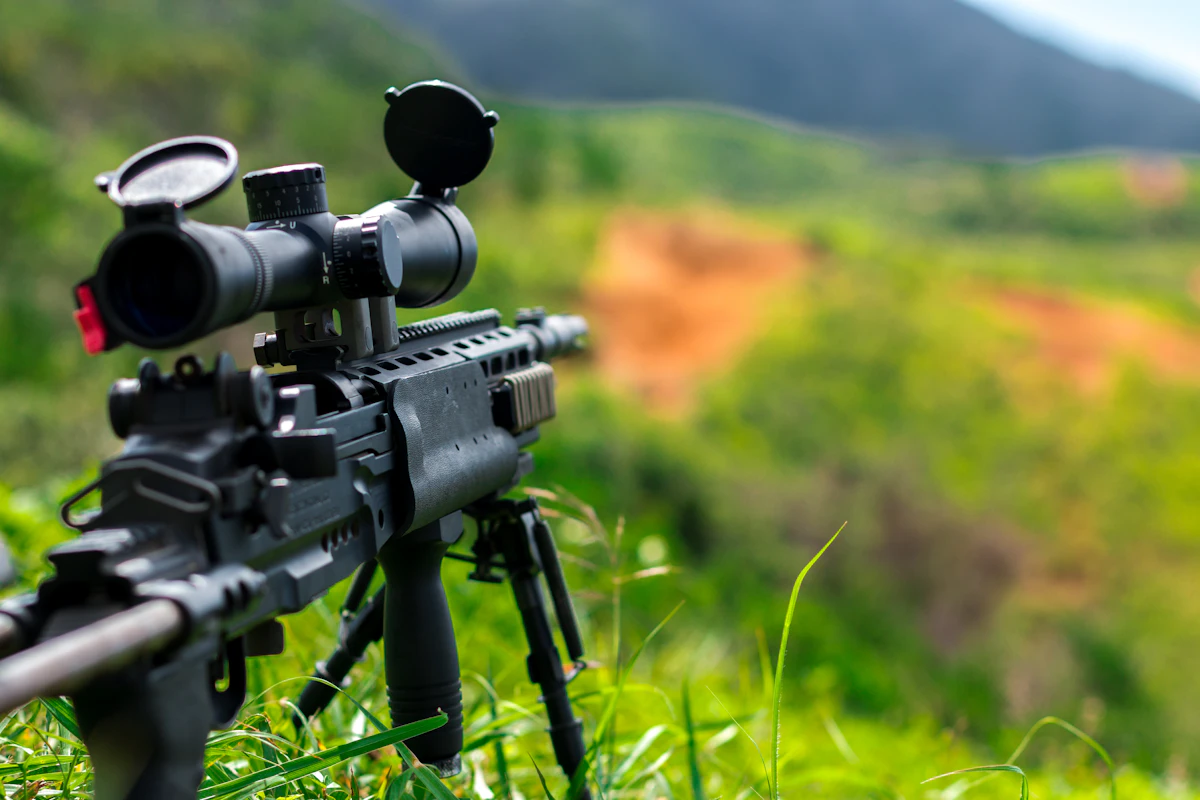
Choose a lightweight, accurate rifle in a proven cartridge. The 6.5 Creedmoor, 6.5 PRC, 7mm Rem Mag, 280 Ackley Improved, and 300 WSM all perform excellently on sheep-sized game. Prioritize a rifle that shoots sub-MOA groups with hunting ammunition and weighs under eight pounds scoped. Sheep shots often come at 300-500 yards across canyons, making accuracy more important than ultra-light weight that introduces handling compromises.
Quality optics separate sheep hunters from sheep watchers. Invest in the best binoculars you can afford—10x42 or 12x50 configurations work well for all-day glassing. Add a spotting scope in the 65-85mm range for judging rams at distance. Sheep hunting requires patient glassing from strategic vantage points, often spending entire days behind optics before spotting a legal ram. Inferior glass causes eye fatigue and missed opportunities.
Carry a reliable rangefinder rated to at least 1,000 yards. Mountain environments create distance illusions where 400-yard shots appear to be 250 yards. Verify every shot distance, especially in unfamiliar terrain. Practice shooting at angle with your exact hunting load since steep uphill and downhill shots require holdover adjustments.
Backpacking System
Your pack should carry 60-70 pounds comfortably and compress down when running light on day hunts from base camp. Look for 4,000-5,000 cubic inch capacity with a robust suspension system designed for heavy loads. External frame packs offer superior load-carrying for meat hauling. Internal frame packs provide better mobility and balance on technical terrain. Test your loaded pack on steep climbs during training to ensure the fit works under real conditions.
Shelters must handle wind, rain, and potential snow while weighing under three pounds. Ultralight tents, tarps, and bivy systems all work depending on conditions and personal preference. Prioritize storm-worthiness over weight savings if hunting coastal Alaska ranges or late-season bighorn units. Factor in whether you will hunt solo or with a partner when selecting shelter size.
Sleeping bags rated to 15-20 degrees Fahrenheit cover most sheep hunting conditions. Down insulation offers the best warmth-to-weight ratio in dry climates. Synthetic insulation performs better in wet coastal environments. Pair your bag with an insulated sleeping pad rated to R-4.5 or higher. Cold ground saps energy faster than cold air, making a quality pad non-negotiable for recovery between long days.
Clothing Layers
Build a layering system that handles temperature swings from freezing mornings to warm afternoon climbs. Start with merino wool or synthetic base layers that wick moisture and dry quickly. Add an insulating mid-layer like a synthetic puffy jacket or merino hoody. Top with a windproof, waterproof shell that breathes during hard climbs.
Pack extra insulation for glassing sessions when you are stationary for hours. A heavyweight puffy jacket or insulated pants keep you effective behind optics during cold mornings and evenings. Lightweight gloves, a warm beanie, and a neck gaiter round out the system. Avoid cotton entirely—wet cotton kills in alpine environments.
Quality boots make or break sheep hunts. Choose ankle-high or mid-height boots that support heavy loads on steep, loose terrain while remaining light enough for all-day comfort. Leather and synthetic hybrids balance durability with weight. Break in boots thoroughly during training to prevent blisters on the mountain. Carry a repair kit including Shoe Goo, spare laces, and tenacious tape for field fixes.
Free to join
Download mobile app
- Detailed draw odds
- Point tracking
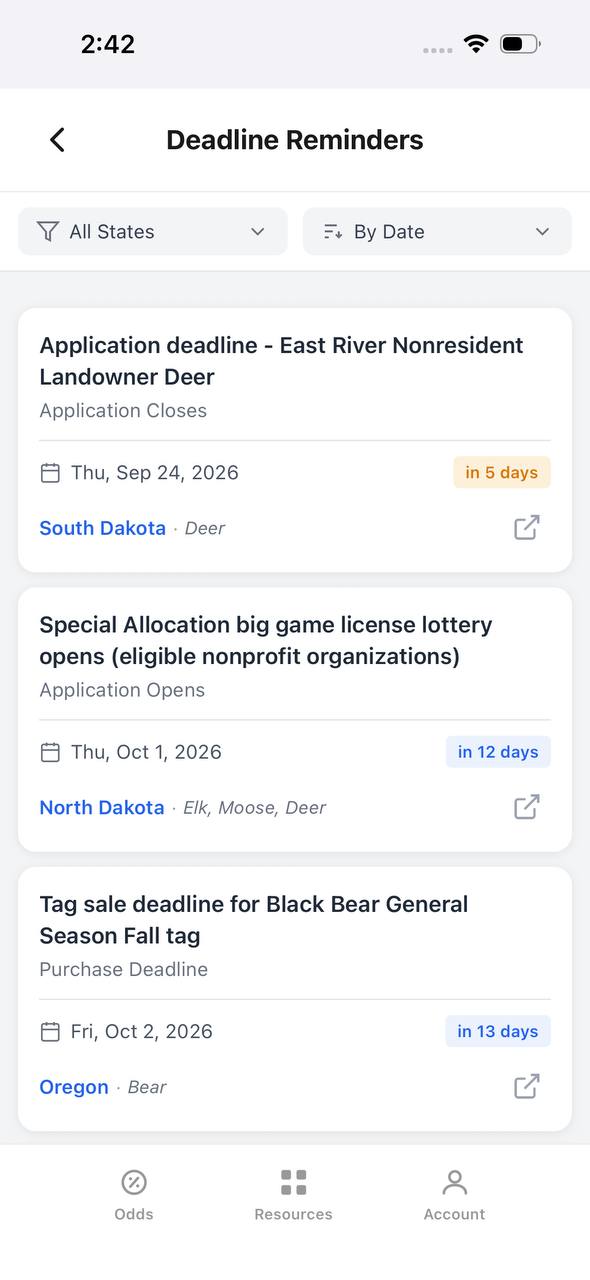
- Deadline reminders
- 18 states covered

Free to join
Download mobile app
- Detailed draw odds
- Point tracking
- Deadline reminders
- 18 states covered
Free to join
Download mobile app
- Detailed draw odds
- Point tracking
- Deadline reminders
- 18 states covered
Glassing Strategy: Finding Rams in Big Country
Successful sheep hunting centers on methodical glassing from strategic vantage points. Unlike spot-and-stalk hunting for deer or elk where you might cover miles daily, sheep hunters often spend entire days behind optics from a single location. Patience and systematic glassing technique find rams that running-and-gunning hunters miss.
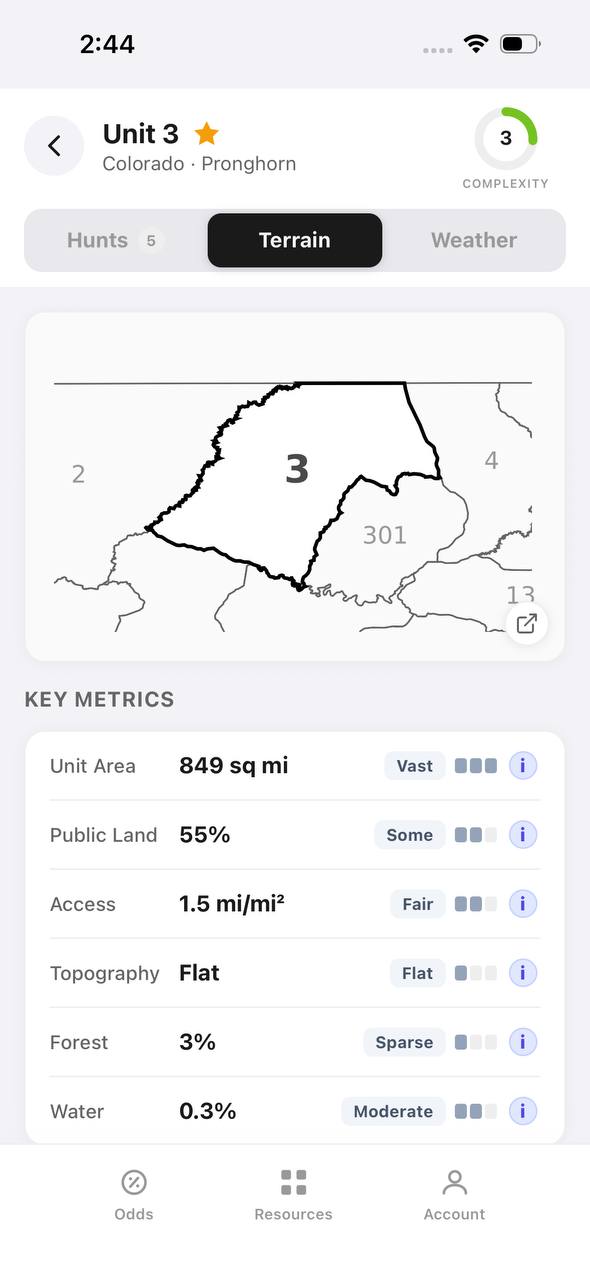
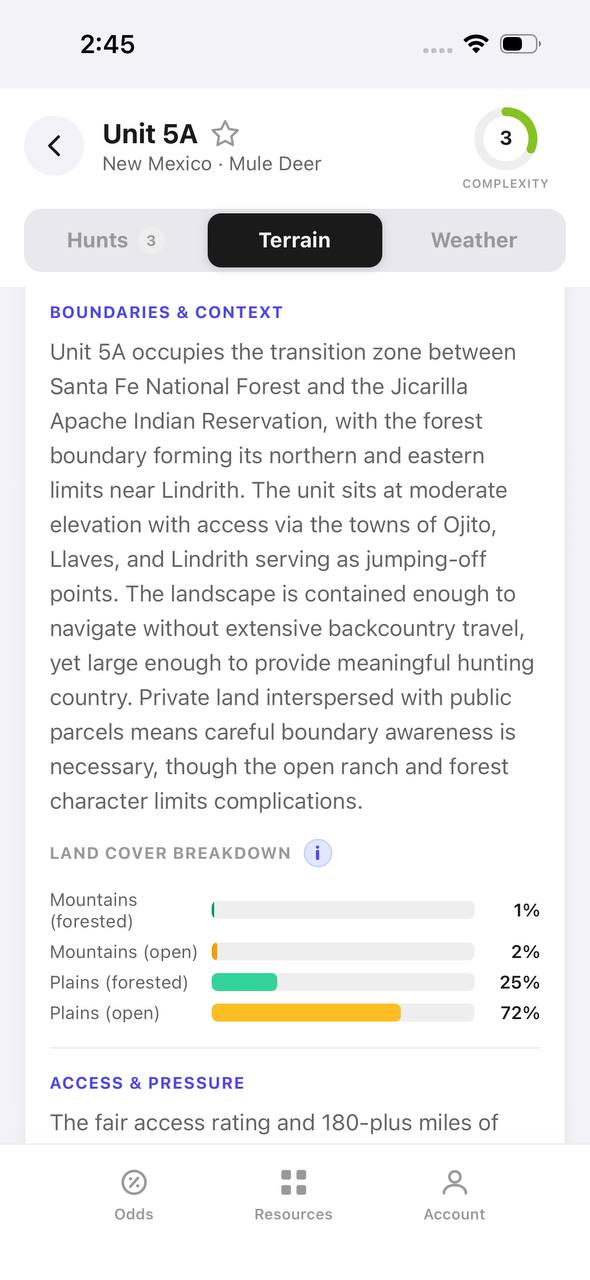
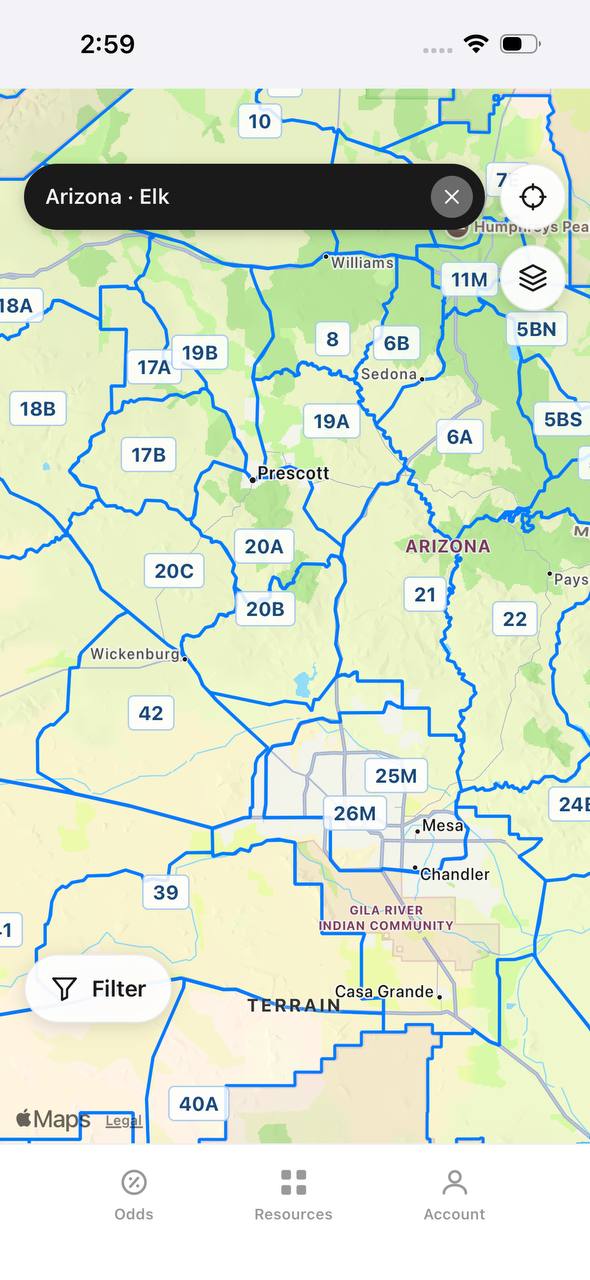
Start by identifying terrain features rams prefer. Look for alpine basins with a mix of feeding areas, escape terrain, and bedding sites. Rams feed in grassy benches and meadows during early morning and late evening. They bed on rocky outcrops, ridges, and cliffs where they can watch for danger while resting. Migration routes often follow saddles and benches connecting separate basins. TAGZ provides terrain maps and unit boundaries showing elevation contours, public land access, and geographic features that help you identify likely ram habitat before you ever leave home.
Set up glassing positions that overlook multiple basins and benches. Arrive before first light and glass methodically as the sun illuminates different aspects throughout the morning. Use your binoculars to cover broad areas, then switch to the spotting scope when you find sheep to determine sex, age class, and horn size. Rams often bed in shadow during midday, becoming nearly invisible until changing light reveals their position.
Glass every rock, cliff band, and scree slope thoroughly. Rams blend into their environment perfectly, especially when bedded. Focus on areas where shade meets sun or where terrain breaks create visual interest. Move your glassing pattern slowly and overlap your fields of view to avoid missing sections. Return to previously glassed areas periodically since rams move throughout the day and light changes reveal animals you missed earlier.
Shot Preparation and Accuracy Standards
Sheep hunting culminates in a single shot, often across a canyon at a ram that may never offer a second chance. Your rifle, load, and shooting skills must deliver first-round hits at extended range in awkward positions and unpredictable conditions. Preparation starts months before the hunt.
Zero your rifle at 200 yards and verify your trajectory to 600 yards. Know your exact drop at 100-yard increments and confirm these drops match your ballistic calculator. Environmental factors including altitude, temperature, and humidity affect trajectory significantly. Run your ballistics at the elevation and temperature you expect during the hunt, not at home range conditions.
Practice shooting from field positions you will encounter on the mountain. Steep uphill and downhill angles require different holds than flat range shooting. Sitting, kneeling, and prone positions over a pack all feel different than bench shooting. Set up targets at unknown distances and practice ranging, calculating holds, and making first-round hits without sighters. Build confidence executing 400-yard shots in 15-20 mph winds since sheep country is rarely calm.
Carry shooting sticks or trekking poles that convert into a shooting rest. Even experienced marksmen benefit from a solid rest in the moment of truth. Practice using your exact rest system during pre-hunt training so deploying it becomes automatic. Verify your zero with the rest system since adding contact points can shift point of impact slightly.
Understand your effective range and refuse shots beyond it. A 400-yard first-round hit beats a wounded ram at 600 yards every time. Most experienced sheep hunters limit shots to 400-500 yards regardless of their long-range practice capabilities. Conditions on the mountain—wind, angle, adrenaline, and altitude—degrade accuracy compared to controlled range sessions. Build margin into your decision-making.
Base Camp Location and Hunting Strategy
Sheep hunting strategies vary based on terrain, access, and ram distribution. Some hunts require mobile spike camps that you move every few days as you explore new basins. Other hunts work better from a fixed base camp that you use as a hub for day hunts into surrounding country. Your strategy depends on reconnaissance, physical capability, and what you learn during the first days of the hunt.
Establish base camp near water with good glassing potential into multiple basins. Avoid camping directly in prime sheep habitat since human presence pushes rams into different areas. Set up slightly below the alpine zone where you can glass up into sheep country without contaminating it with your scent and presence. Scout the area thoroughly during the first afternoon and evening to identify ram movement patterns, bedding areas, and feeding zones.
Day hunt from base camp if rams are visible and approachable within a reasonable radius. Pack light with only essentials for the day—water, food, extra layers, kill kit, and optics. Move efficiently to glassing positions before first light, spend the day behind optics, and return to camp at dark. This strategy works well when rams are concentrated in specific basins that you can reach and return from in a single day.
Shift to mobile spike camping if rams are distant or distributed across multiple areas that exceed day-hunt range. Pack several days of food and lightweight shelter, then push deeper into backcountry basins where less pressure and better genetics may exist. Accept the slower pace and heavier loads in exchange for access to areas other hunters avoid. Spike camping rewards hunters willing to suffer through harder logistics for potentially better opportunities.
Remain flexible and adapt your strategy based on what you observe. If glassing reveals no rams in your planned area, move rather than wasting time in empty country. Talk to other hunters you encounter to share information about ram locations and activity. Sheep hunting demands persistence but not stubbornness—smart hunters follow the sheep.
Pack-Out Logistics and Meat Care
After the shot, your work shifts to recovering the ram and preserving meat and cape in challenging conditions. Alpine environments often require navigating cliffs, scree fields, and steep terrain to reach a downed ram. Take your time and move carefully—injuries happen during the recovery, not the hunt.
Cape the ram carefully for a shoulder mount or full-body mount depending on your taxidermist's requirements. Sheep capes are relatively thin and tear easily, especially around the eyes, lips, and nose. Make relief cuts strategically to prevent tearing during skinning. Salt the cape immediately if temperatures are above freezing. Fold the cape flesh-to-flesh and pack it in a breathable game bag. Avoid plastic bags which trap moisture and promote bacterial growth.
Quarter the ram and remove all meat from the bone to save weight. Sheep are relatively small compared to elk, typically yielding 60-80 pounds of bone-out meat. Bag meat in breathable game bags and hang it in shade to cool if possible. Keep meat clean and dry during the pack-out. If you are multiple days from the trailhead, hang meat at night and monitor it for spoilage. Cooler temperatures at elevation help preservation, but September and early October hunts can still face warm afternoons.
Plan for multiple trips if hunting solo or accept that you will carry heavy loads if packing everything out in one trip. A full ram including cape, horns, meat, and your hunting gear can exceed 100 pounds. Most hunters opt for two trips—one load with meat and camp gear, a second load with cape and horns plus remaining items. Cache gear safely between loads and mark the location with GPS coordinates.
FAQ — DIY Sheep Hunting
How much does a DIY sheep hunt cost?
Alaska Dall sheep hunts cost $2,000-$5,000 total including the $850 non-resident tag, flights to Alaska, bush plane drop-off and pickup, and gear. Lower-48 bighorn tags cost $100-$300 per year in application fees building points, then $1,200-$2,000 for the actual tag when you draw. Factor in additional costs for travel, specialized gear, and physical training.
What is the success rate for DIY sheep hunters?
Alaska DIY Dall sheep hunts see success rates around 30-40% compared to 80-90% for guided hunts. Lower-48 bighorn success rates vary by unit but typically run 40-60% for archery and 60-80% for rifle hunts. Success depends heavily on physical conditioning, glassing skill, and willingness to hunt the entire season.
Can a first-time sheep hunter succeed on a DIY hunt?
Yes, but it requires extensive preparation. Hunt Alaska Dall sheep over-the-counter before applying years for bighorn tags. Build physical conditioning for 12 months before the hunt. Master long-range shooting, backcountry navigation, and glassing techniques. Partner with an experienced sheep hunter if possible. First-timers who prepare seriously can absolutely succeed, but the learning curve is steep.
What is the best rifle cartridge for sheep hunting?
The 6.5 Creedmoor, 6.5 PRC, 7mm Rem Mag, 280 Ackley Improved, and 300 WSM all excel for sheep. Prioritize accuracy over raw power since shots typically occur at 300-500 yards. Choose a cartridge you shoot confidently with moderate recoil that allows spotting your own impacts. Sheep are not particularly hard to kill, making shot placement far more important than magnum cartridges.
How long does it take to draw a bighorn sheep tag?
Montana, Wyoming, and Colorado bighorn units typically require 15-25 preference points for non-residents in quality areas. Some unlimited units and less-desirable areas draw with fewer points. Nevada and Arizona desert sheep operate on bonus point systems where even max-point holders face low single-digit draw odds. California conducts random draws with no points, offering equal odds regardless of application history.
Is sheep hunting harder than elk hunting?
Yes. Sheep hunting requires better physical conditioning, more advanced glassing skills, longer-range shooting ability, and greater backcountry competence than elk hunting. Sheep live in more remote, rugged terrain at higher elevations. The animals themselves are less common and more wary than elk. Success demands patience, persistence, and flawless preparation across all skill categories.
Continue Planning Your Hunt
DIY sheep hunting represents the ultimate challenge for serious western hunters. Whether you are building preference points for a once-in-a-lifetime bighorn tag or planning your first Alaska Dall hunt, success requires strategic planning, brutal physical preparation, and mastery of backcountry hunting skills.
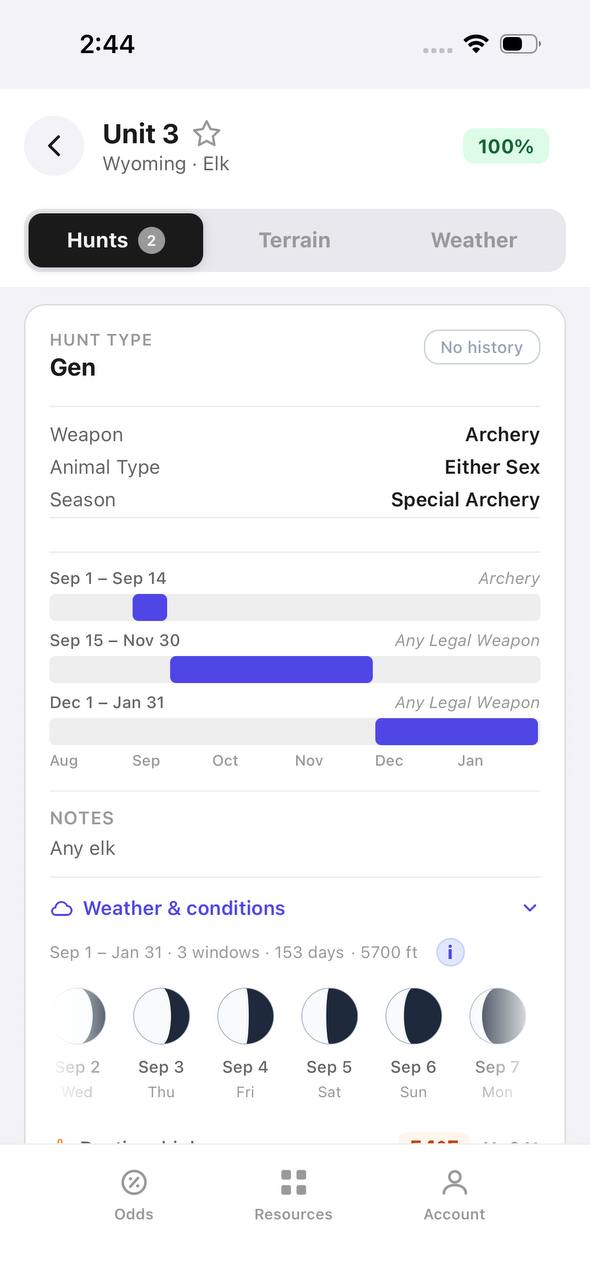
TAGZ helps you compare units side by side using terrain maps, unit boundaries, and historical draw data. Track your preference points and bonus points across multiple states so you never miss a draw deadline. Filter hunts by species, weapon type, and season dates to find opportunities that match your skill level and timeline. Whether you are chasing OTC Dall tags or planning a trophy bighorn hunt, TAGZ gives you the tools to make smarter decisions before you ever step into the field.
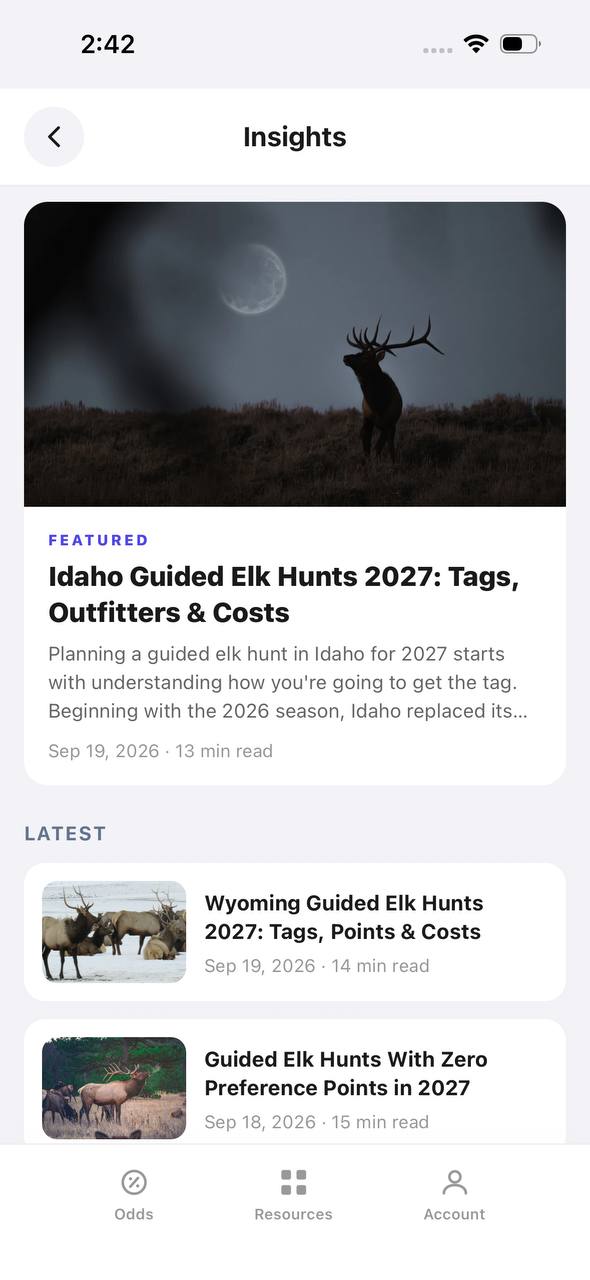
Explore more sheep hunting strategies, draw odds analysis, and unit breakdowns on the TAGZ Insights page. Ready to start building points and planning your hunt? Check out TAGZ pricing or explore the platform to see how it simplifies multi-state applications and hunt planning. Visit the TAGZ home page to create your free account and begin your sheep hunting journey today.
Was this article helpful?
Previous
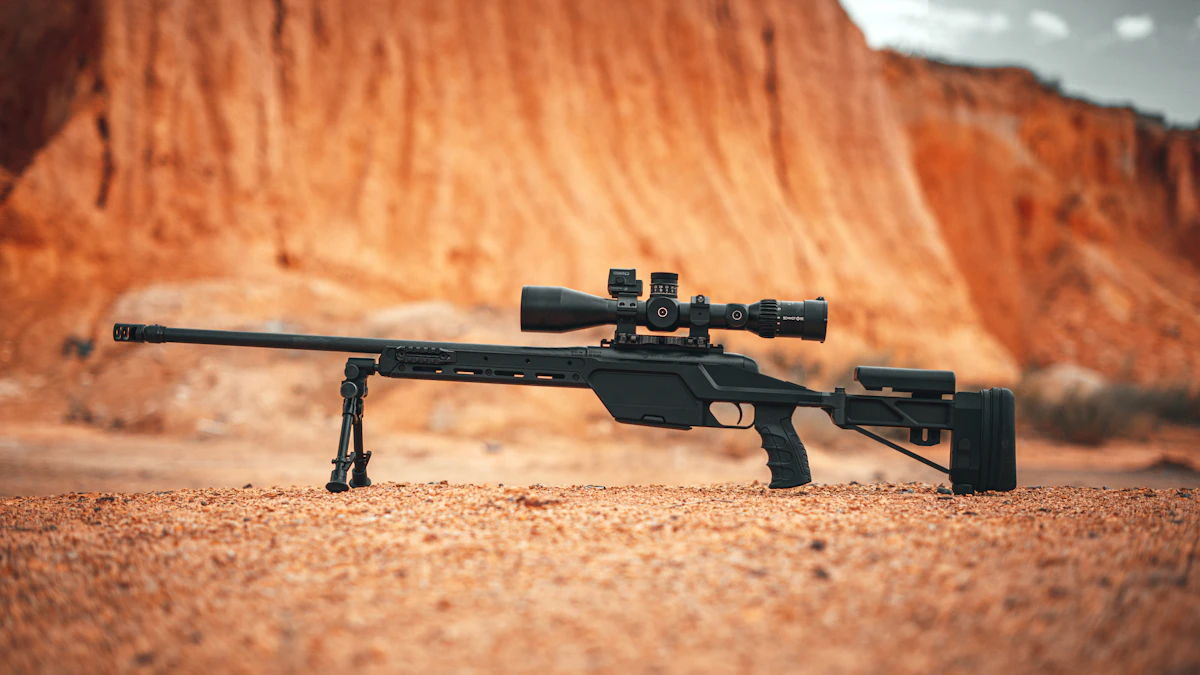
Browning Hells Canyon Rifle for Elk Hunting: Field-Tested Review
The Browning Hells Canyon Speed combines lightweight carbon fiber construction with proven accuracy for western elk hunting. Here's how it performs in the backcountry and whether it's worth the investment for serious elk hunters.
Related
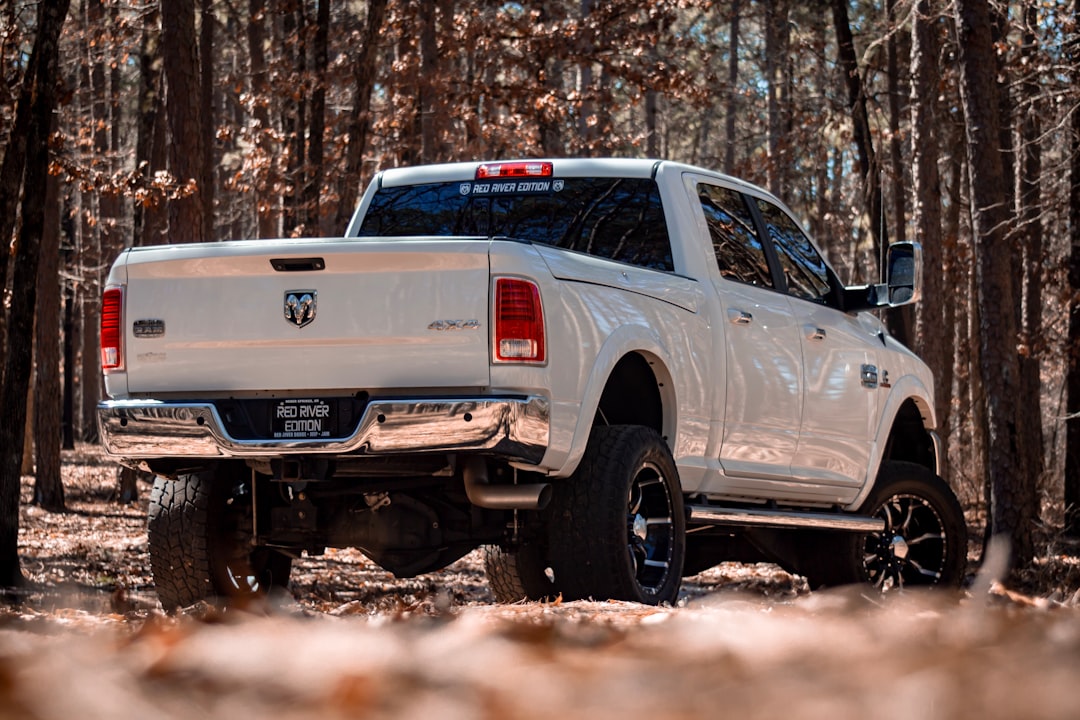
Must-Have Truck Accessories for Hunters: Essential Gear for Western Hunts
From tire repair kits to recovery gear, the right truck accessories can make or break a backcountry hunt. Here's what experienced hunters keep in their rigs for remote western terrain.
Next
Savage 110 Bear Hunter for Elk: Is This Budget Rifle Worth It?
The Savage 110 Bear Hunter offers serious accuracy and stopping power in a sub-$1,000 package. Here's how this rifle performs on elk hunts and whether it deserves a place in your truck.