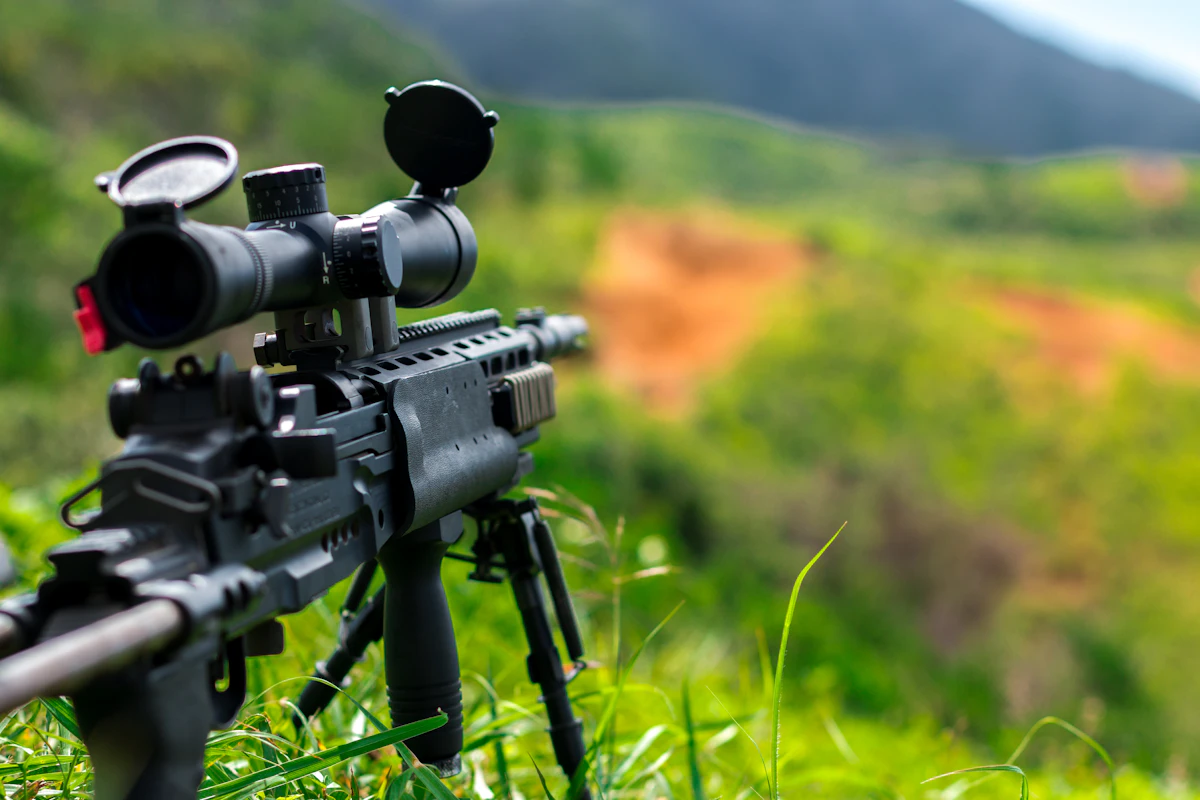
Browning Hells Canyon Rifle for Elk Hunting: Field-Tested Review
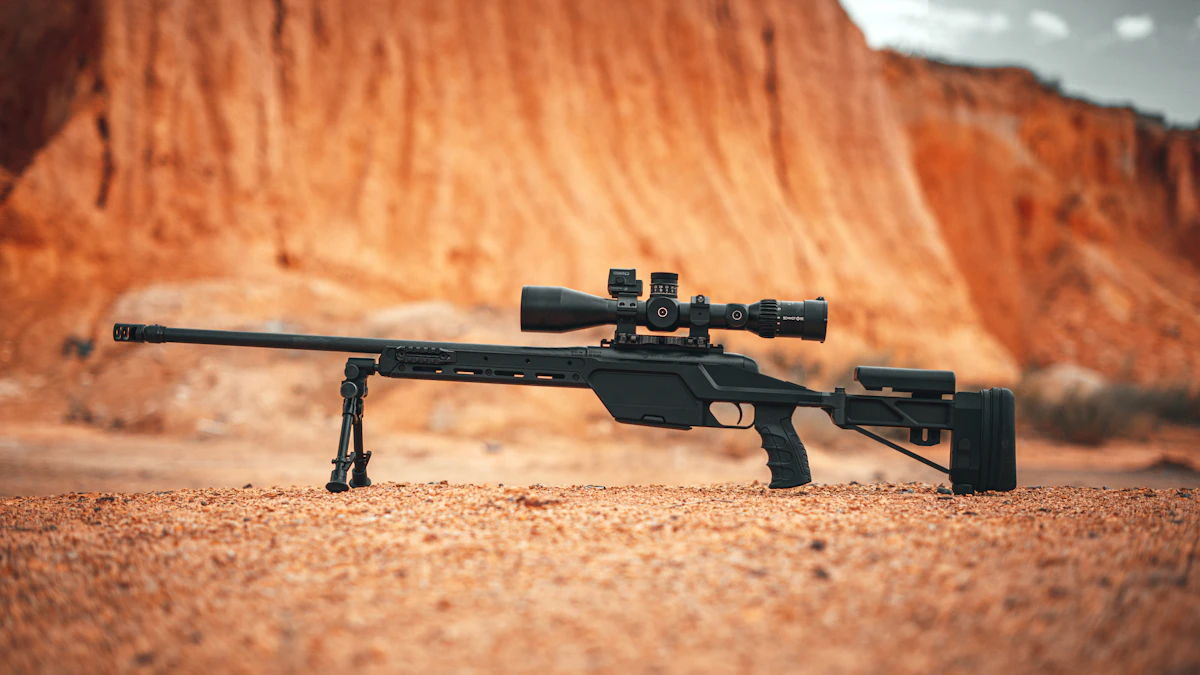
The Browning Hells Canyon Speed has earned its reputation as a serious backcountry elk rifle. Built around a carbon fiber wrapped barrel and featuring Cerakote Burnt Bronze finish, this rifle targets hunters who need to shave ounces without sacrificing accuracy. After multiple elk seasons carrying the Hells Canyon in Wyoming, Colorado, and Montana wilderness units, here's what works, what doesn't, and whether this rifle justifies its premium price point.
Why Lightweight Matters for Elk Hunting
Western elk hunting means vertical terrain. Most mature bulls live above 9,000 feet during September archery season and migrate through steep transitions during rifle seasons. A rifle that weighs 6.5 pounds bare saves over two pounds compared to traditional steel-barreled magnums. That difference compounds over 10-mile days and 3,000-foot elevation climbs.
The Hells Canyon Speed weighs 6 pounds 5 ounces in standard calibers before adding scope and rings. With a lightweight scope system, you can keep the complete package under 7.5 pounds. For comparison, a Remington 700 Long Range in 300 Win Mag weighs 9.5 pounds bare. That 3-pound difference feels like 10 pounds on day five of a backcountry hunt.
Caliber Options That Actually Work for Elk
Browning chambers the Hells Canyon Speed in 6.5 Creedmoor, 6.5 PRC, 7mm Rem Mag, 28 Nosler, 300 Win Mag, and 300 WSM. For elk, the 6.5 Creedmoor sits at the minimum threshold. It works with perfect shot placement inside 300 yards, but western hunting often demands more margin for error.
The 6.5 PRC represents the sweet spot for recoil-sensitive shooters who practice frequently. It delivers 2,700 foot-pounds of energy at 300 yards with a 143-grain ELD-X, matching what most hunters consider elk-adequate. Recoil stays manageable for accurate follow-up shots.
For traditional magnum performance, the 7mm Rem Mag and 300 Win Mag deliver serious downrange energy with factory ammunition widely available across the West. The 28 Nosler pushes velocities higher but burns barrels faster and costs more to feed. The 300 WSM splits the difference, offering magnum performance in a short action with slightly better barrel life than the 28 Nosler.
Most western guides recommend the 7mm Rem Mag or 300 Win Mag for clients. These calibers provide adequate energy out to 500 yards while remaining shootable for average-sized hunters.
Accuracy and Real-World Performance
Browning guarantees 1 MOA accuracy with the Hells Canyon Speed. Most examples shoot better. A 300 Win Mag test rifle consistently grouped five shots inside 0.75 inches at 100 yards using Hornady Precision Hunter 200-grain ELD-X ammunition. The carbon fiber barrel maintained accuracy through temperature swings from 20 degrees at dawn to 60 degrees by midday.
The composite stock features aluminum pillars and a full-length bedding block. Combined with the adjustable Feather Trigger set at 3.5 pounds, the rifle shoots predictably from field positions. The stock texture provides grip in wet conditions but doesn't snag on pack straps.
Barrel length runs 26 inches on magnum chamberings, maximizing velocity for long-range performance. Some hunters prefer 22-inch barrels for maneuverability in timber, but the velocity loss costs 100 feet per second or more. For open-country elk hunting where shots average 300 yards, the extra barrel length matters.
Features That Help and Features That Don't
The Cerakote Burnt Bronze finish resists scratches and weather better than blued steel. After three seasons of rock scrambles and rainstorms, the finish shows minimal wear. The muzzle brake reduces recoil by roughly 40 percent but adds noise and blast. Most hunters should replace it with a thread protector or suppressor mount.
The Inflex Technology recoil pad absorbs energy effectively, though the sharp drop in the comb can produce scope eye during rapid mounting. Hunters who shoot from unstable positions might add a cheek riser or select a scope with longer eye relief.
Magazine capacity holds four rounds in magnum calibers, three in standard calibers. For elk hunting, magazine capacity rarely matters. Reliable feeding matters more, and the Hells Canyon feeds smoothly with Hornady, Federal, and Nosler factory ammunition.
Free to join
Download mobile app
- Detailed draw odds
- Point tracking
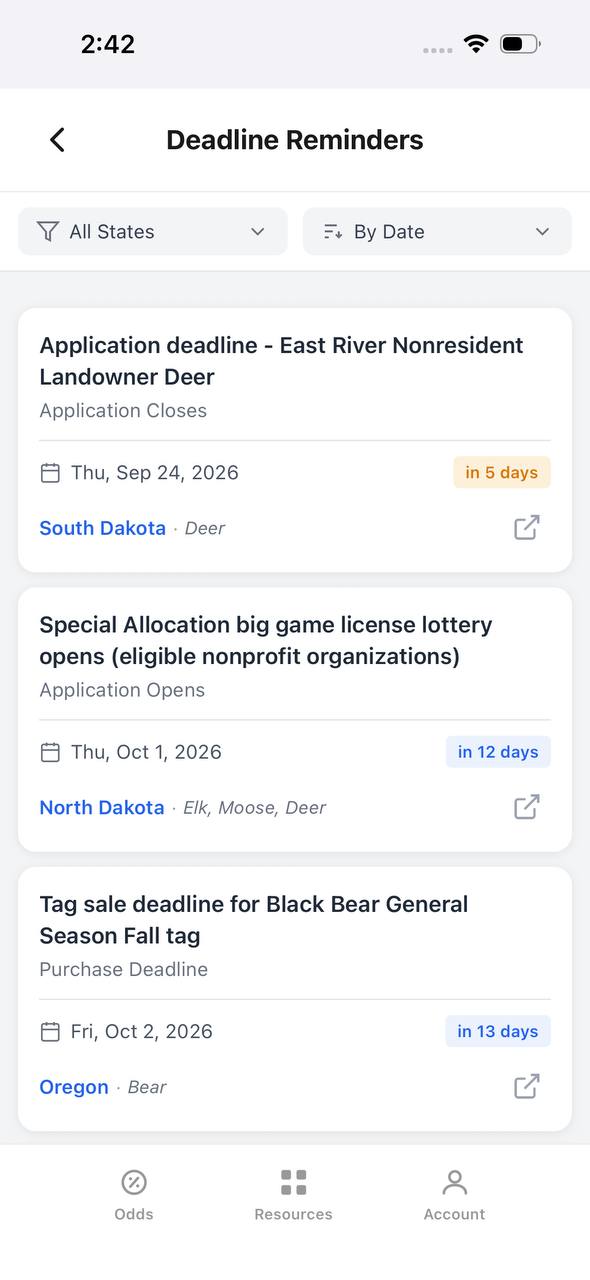
- Deadline reminders
- 18 states covered

Free to join
Download mobile app
- Detailed draw odds
- Point tracking
- Deadline reminders
- 18 states covered
Free to join
Download mobile app
- Detailed draw odds
- Point tracking
- Deadline reminders
- 18 states covered

What TAGZ Data Shows About Elk Unit Selection
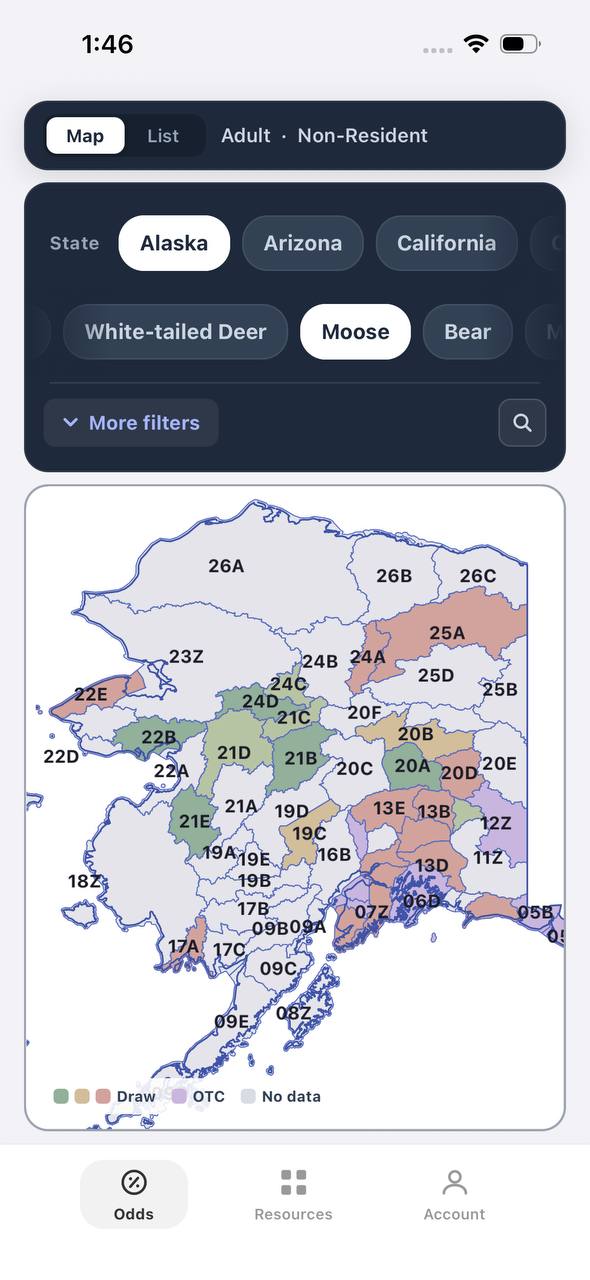
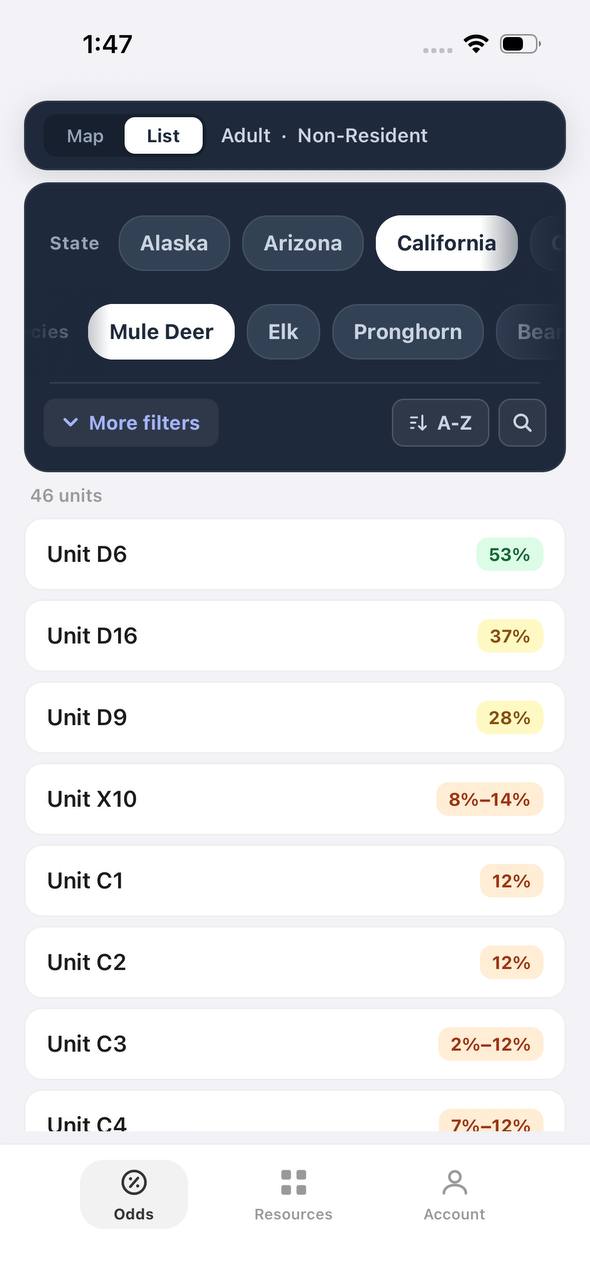
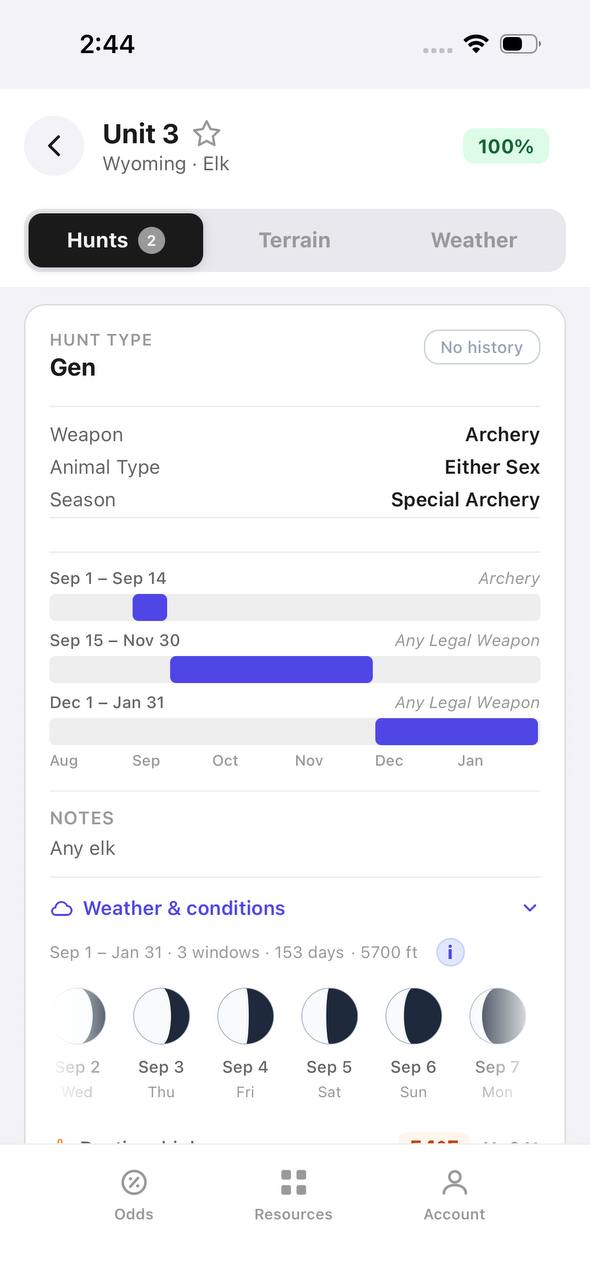
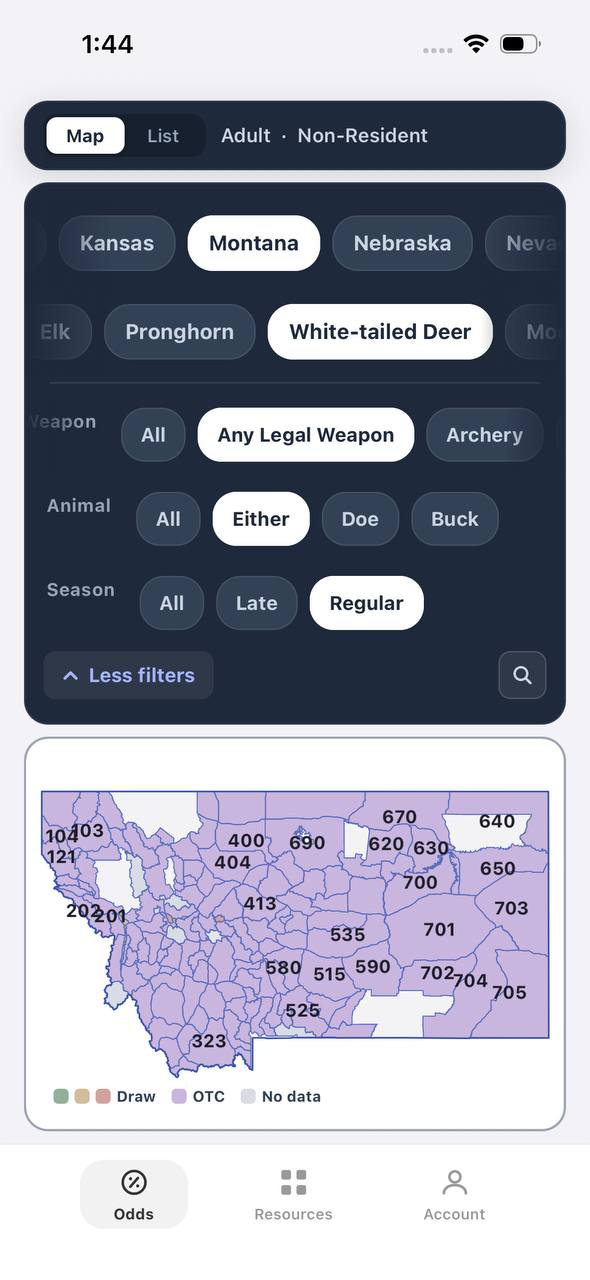
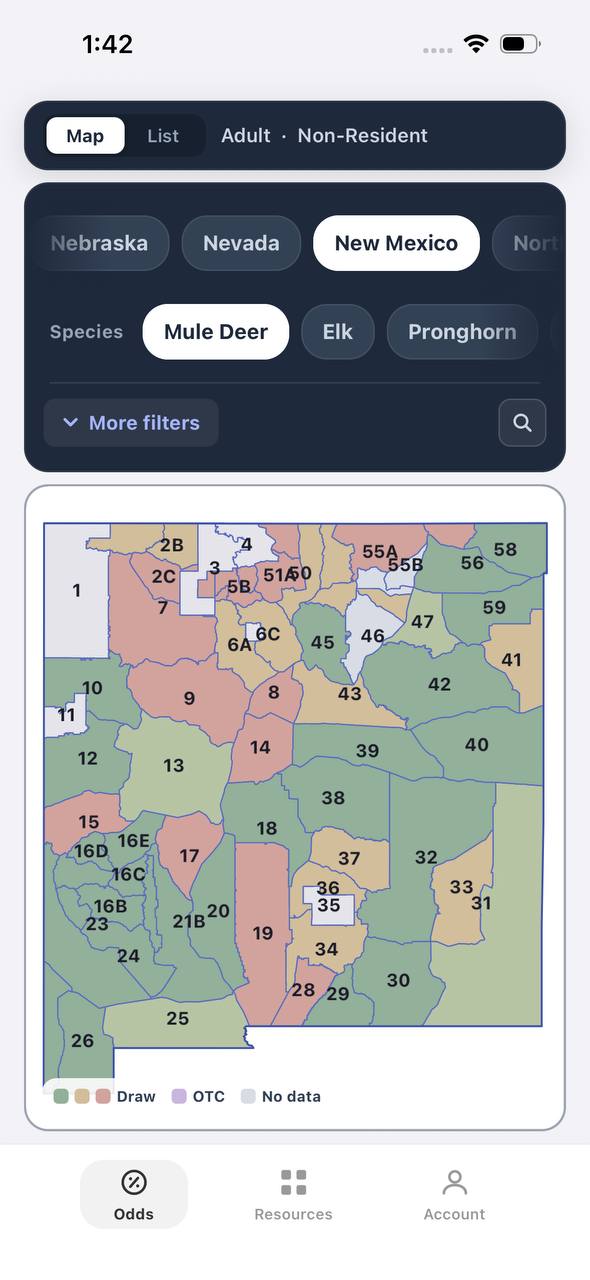
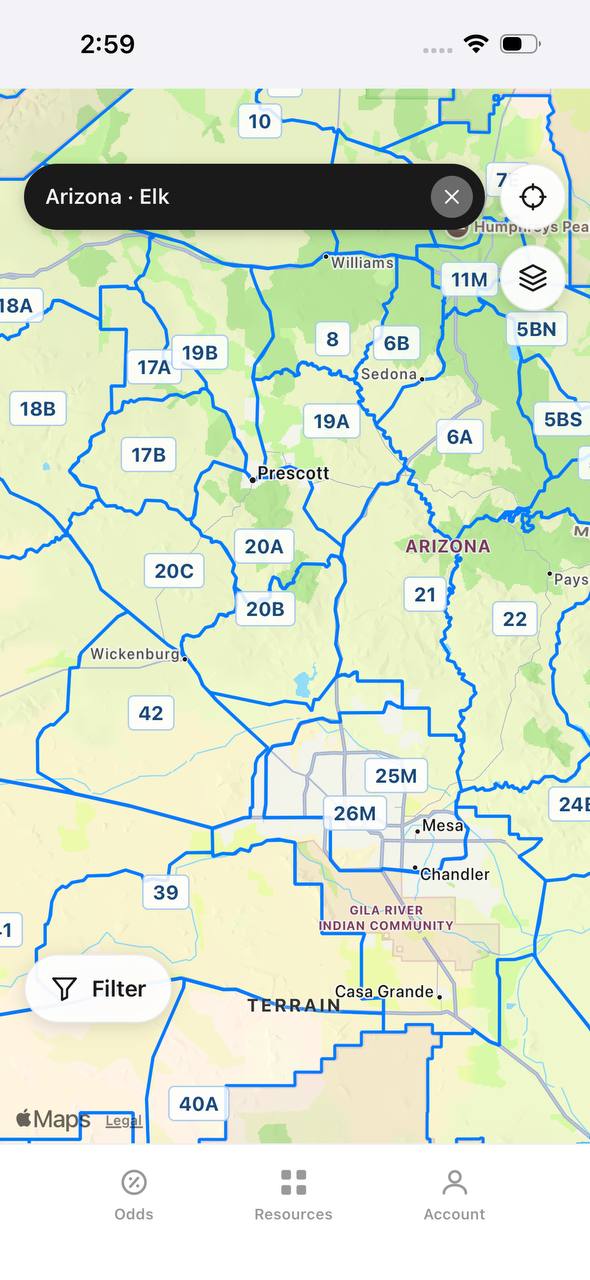
Choosing the right rifle matters, but choosing the right unit determines whether you find elk. TAGZ helps hunters compare draw odds, terrain, and success rates across western states. Colorado OTC units in the Gunnison Basin show 20-30 percent success rates for rifle hunters willing to hike past the crowds. Wyoming limited-entry units in the Bighorn Mountains require 3-5 preference points but offer 40-50 percent success rates with better age-class bulls.
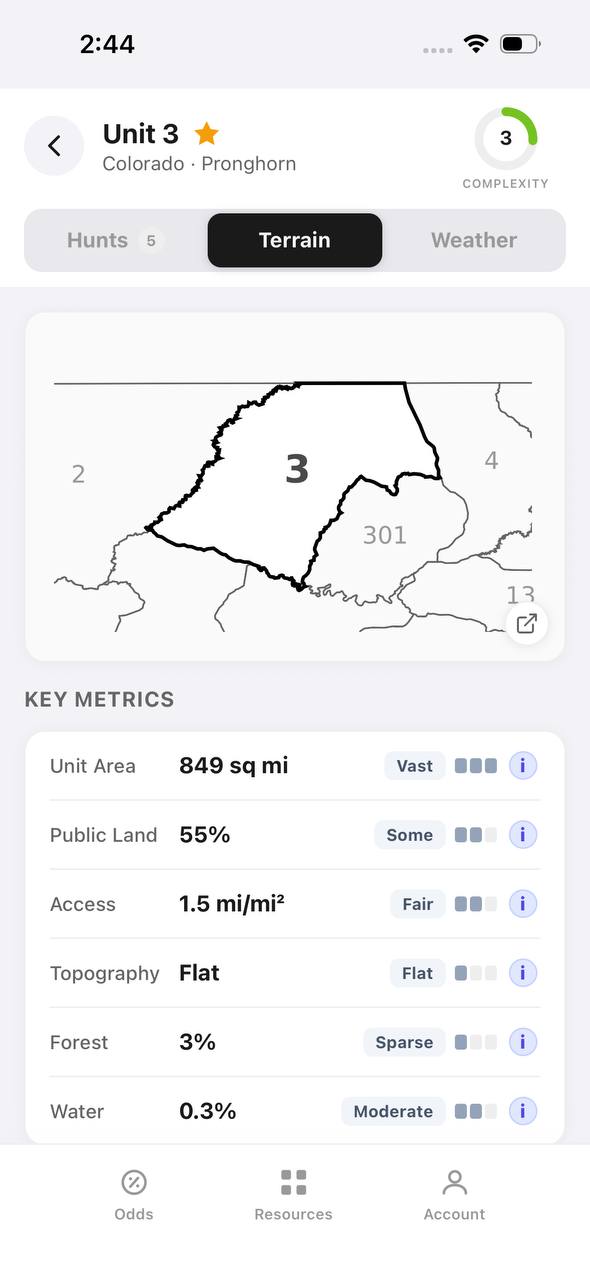
Montana general elk licenses provide opportunity in units like 270 and 280, where public land access and timber cover concentrate elk during November rifle season. TAGZ maps show public land boundaries, terrain elevation, and water sources that help identify where to focus scouting efforts.
Idaho over-the-counter general tags allow hunters to chase elk across massive wilderness units. Success rates run 10-15 percent, but hunters who cover ground and glass effectively find bulls every season. TAGZ filters units by weapon type, season dates, and draw odds so you can build a multi-state application strategy that maximizes opportunities.
How the Hells Canyon Compares to Competitors
The Browning Hells Canyon Speed competes directly with the Christensen Arms Ridgeline, Bergara Premier Highlander, and Fierce Firearms Rival. All four rifles feature carbon fiber barrels and lightweight construction aimed at mountain hunters.
The Christensen Ridgeline weighs slightly less at 6.2 pounds and offers more caliber options, including 6.5-300 Weatherby Mag. Build quality matches the Browning, but customer service experiences vary widely based on user reports. Street price runs $1,800-$2,200 depending on caliber.
The Bergara Premier Highlander weighs 6.6 pounds and uses Bergara's proven barrel manufacturing process. Accuracy guarantees run 0.75 MOA, tighter than Browning's 1 MOA standard. The stock design provides better ergonomics for prone shooting. Retail pricing sits around $2,100.
The Fierce Rival weighs 5.8 pounds and shoots sub-half-MOA groups with factory match ammunition. Custom options allow hunters to tailor stock dimensions and caliber chamberings. Price starts at $2,400 before upgrades. For hunters who demand the lightest possible rifle with custom features, Fierce delivers.
The Browning Hells Canyon Speed offers the best balance of weight, accuracy, and price. At $1,500-$1,700 street price, it costs less than competitors while delivering field-ready performance. Browning's warranty service and widespread dealer network provide peace of mind for hunters who need repairs or adjustments.
Scope Selection for Backcountry Elk
Pairing the Hells Canyon with the right scope matters as much as the rifle itself. For western elk hunting, choose scopes that balance weight, magnification range, and durability. A 3-15x44mm or 4-16x44mm scope provides adequate magnification for 500-yard shots while keeping weight under 20 ounces.
Leupold VX-5HD 3-15x44mm weighs 17.5 ounces and features Leupold's proven reliability in mountain conditions. Twilight Max Light Management System delivers usable clarity during low-light hours when elk move most. Street price runs $800-$900.
Vortex Razor LHT 3-15x42mm weighs 18 ounces and offers excellent glass quality for the price. The exposed elevation turret allows quick adjustments for long-range shots. Vortex's unlimited warranty covers any damage, including drops from cliffs. Retail pricing sits around $1,300.
Nightforce SHV 4-14x50mm weighs 20.8 ounces but delivers Nightforce's legendary tracking precision and impact resistance. For hunters who need absolute reliability in harsh weather, the extra weight justifies the confidence. Price starts at $1,200.
Mount scopes using Talley lightweight rings or Leupold BackCountry mounts. These direct-mount systems eliminate bases, saving ounces and reducing potential failure points.
Free to join
Download mobile app
- Detailed draw odds
- Point tracking
- Deadline reminders
- 18 states covered
Free to join
Download mobile app
- Detailed draw odds
- Point tracking
- Deadline reminders
- 18 states covered
Free to join
Download mobile app
- Detailed draw odds
- Point tracking
- Deadline reminders
- 18 states covered
Ammunition Selection and Handloading Considerations
Factory ammunition performs well in the Hells Canyon Speed. The rifle's free-floated carbon barrel maintains consistent point of impact across ammunition brands, though every rifle shows preferences. Test three to five factory loads before committing to bulk purchases.
For 300 Win Mag chamberings, Hornady Precision Hunter 200-grain ELD-X delivers excellent accuracy and terminal performance on elk. Federal Premium Terminal Ascent 200-grain also shoots well and provides controlled expansion at extended ranges. Both loads produce muzzle velocities around 2,850 feet per second from 26-inch barrels.
Handloaders can develop custom loads tailored to specific rifles. The Hells Canyon Speed responds well to H1000 and Retumbo powders in magnum calibers. Carbon fiber barrels heat up faster than steel, so limit strings to five shots during load development to avoid pressure spikes.
Barrel break-in follows standard procedures. Clean thoroughly after the first five shots, then every five shots for the next 15 rounds. After initial break-in, carbon barrels stay cleaner longer than steel barrels due to smoother bore surfaces.
Maintenance and Longevity in Field Conditions
Carbon fiber barrels require less maintenance than traditional steel barrels. Copper fouling builds up slower, and accuracy remains consistent for longer shot strings. Clean the barrel every 40-60 rounds during practice, more frequently during dusty hunting conditions.
The Cerakote finish resists corrosion but still requires basic care. Wipe down metal surfaces after exposure to rain or snow. Store the rifle in a climate-controlled environment during off-season. Avoid leaving the rifle in hot vehicles, as extreme temperature swings can affect zero.
Check stock bedding screws before each hunting season. Recoil can loosen action screws over time, affecting accuracy. Torque screws to 65 inch-pounds using a quality inch-pound torque wrench.
Free to join
Download mobile app
- Detailed draw odds
- Point tracking
- Deadline reminders
- 18 states covered
Free to join
Download mobile app
- Detailed draw odds
- Point tracking
- Deadline reminders
- 18 states covered
Free to join
Download mobile app
- Detailed draw odds
- Point tracking
- Deadline reminders
- 18 states covered
Real-World Hunting Scenarios Where the Hells Canyon Excels
The Browning Hells Canyon Speed shines in specific elk hunting scenarios. Backpack hunts that require 5-10 mile hikes into wilderness units benefit from the rifle's light weight. Colorado's Weminuche Wilderness, Montana's Bob Marshall Wilderness, and Wyoming's Teton Wilderness all demand rifles you can carry all day without fatigue.
Open-country hunting in Wyoming's Red Desert or Montana's Missouri Breaks rewards accurate long-range rifles. The Hells Canyon's 1 MOA guarantee ensures 5-inch groups at 500 yards, adequate for ethical elk shots when conditions allow.
Alpine hunting above treeline requires rifles that function in cold temperatures and sudden weather changes. The Hells Canyon's synthetic stock won't warp from moisture, and the Cerakote finish resists ice buildup better than blued steel.
The rifle works less well for timber hunting where shot distances average 75 yards. The 26-inch barrel catches on branches, and the lightweight design offers no advantage during short stalks. For dark timber hunting in Idaho or western Montana, shorter, heavier rifles handle better.
How TAGZ Helps You Apply for Better Elk Units
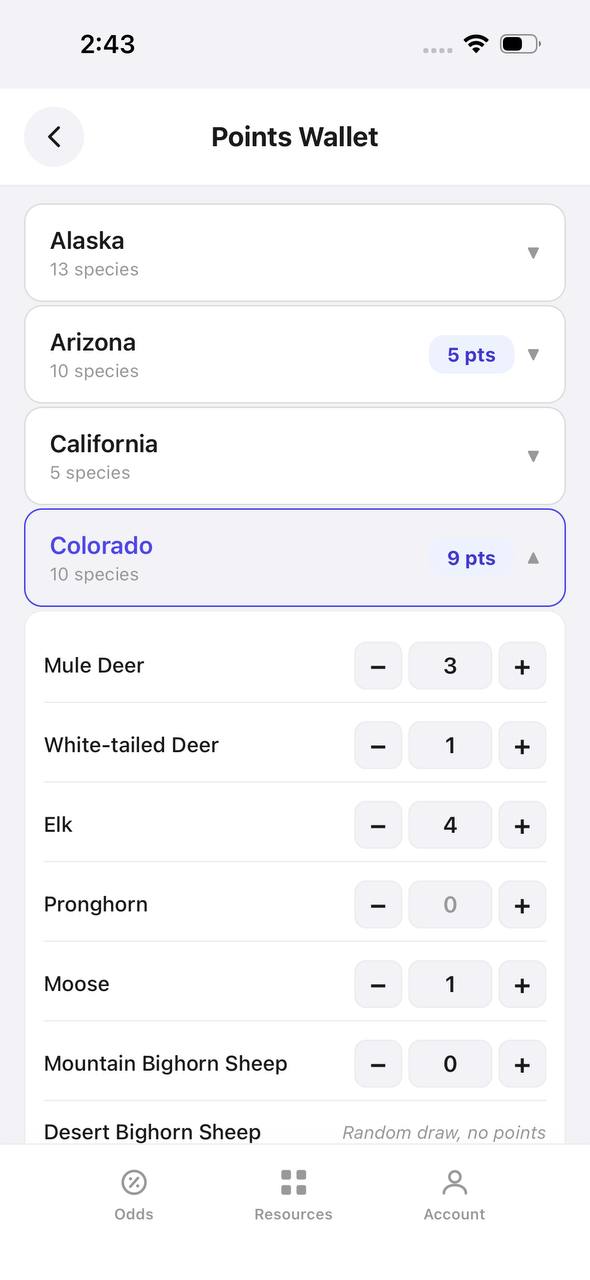
Drawing a quality elk tag requires understanding preference point systems, bonus point strategies, and unit-specific draw odds. TAGZ tracks your points across all western states and calculates realistic draw probabilities for units you're considering. The platform shows historical draw odds going back 10 years, revealing trends that indicate whether a unit is getting harder or easier to draw.
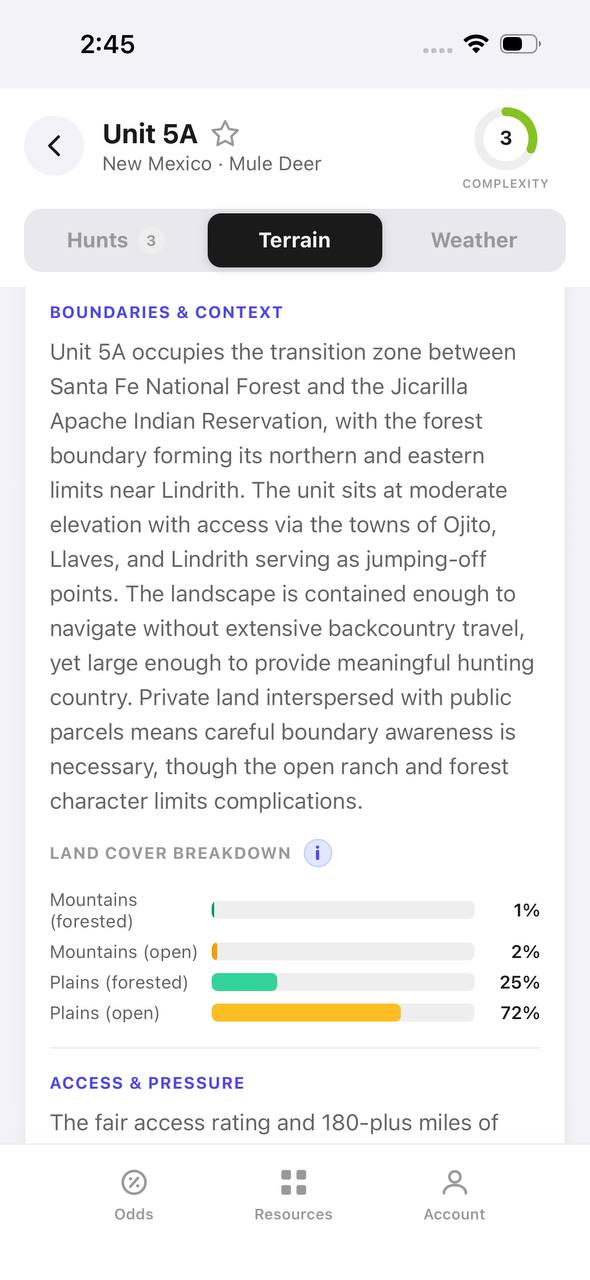
Colorado's preference point system for limited-entry elk units requires careful planning. TAGZ identifies units where your current point total gives you 50 percent or better draw odds, eliminating guesswork from application strategy. The unit comparison tool shows terrain maps, public land access, and harvest statistics side by side.
Wyoming's random bonus point system means hunters can draw premium units with zero points, but odds remain low. TAGZ calculates your actual draw probability factoring in bonus points, helping you decide whether to apply for dream units or build points for higher-odds tags.
Montana's combination license system limits nonresident general elk tags. TAGZ tracks application deadlines and preference point accrual so you never miss critical draw dates. The platform filters units by weapon type, season dates, and public land percentage, showing which general units offer the best opportunity for your hunting style.
Idaho's controlled hunt system uses a hybrid preference point model. TAGZ explains how Idaho's point system works and identifies units where applying with your current point total makes strategic sense. The platform also shows over-the-counter general season units where you can hunt elk without drawing a tag.
FAQ — Browning Hells Canyon Elk Rifle
Is the Browning Hells Canyon Speed accurate enough for 500-yard elk shots?
Yes. The 1 MOA accuracy guarantee means 5-inch groups at 500 yards, adequate for ethical elk shots. Most examples shoot better than the guarantee, often producing 0.75 MOA groups with quality ammunition.
What caliber should I choose in the Hells Canyon Speed for elk hunting?
The 7mm Rem Mag and 300 Win Mag offer the best balance of energy, ammunition availability, and manageable recoil for most elk hunters. The 6.5 PRC works for recoil-sensitive shooters who limit shots to 350 yards. Avoid 6.5 Creedmoor unless you practice extensively and limit shots to 300 yards.
How much does the Browning Hells Canyon Speed weigh with scope?
The rifle weighs 6 pounds 5 ounces bare. With a lightweight scope system and rings, complete weight runs 7.5-8 pounds depending on scope choice. This makes it 2-3 pounds lighter than traditional steel-barreled magnums.
Does the carbon fiber barrel on the Hells Canyon last as long as steel?
Carbon fiber barrels typically last 1,500-2,000 rounds in magnum calibers before accuracy degrades. Steel barrels last 1,000-1,500 rounds. Carbon barrels also stay cleaner longer and resist heat-related accuracy loss during rapid fire.
Should I remove the muzzle brake on the Browning Hells Canyon?
Yes, for hunting. The brake reduces recoil but increases noise and blast, potentially scaring game or damaging hearing. Replace it with a thread protector or suppressor mount. Most hunters find recoil manageable without the brake, especially in 6.5 PRC and 7mm Rem Mag chamberings.
How does the Hells Canyon Speed compare to the Christensen Arms Ridgeline?
Both rifles offer similar weight and carbon fiber barrel construction. The Hells Canyon costs $300-500 less while delivering comparable accuracy. The Christensen offers more caliber options and slightly lower weight but has inconsistent customer service based on user reports. For most hunters, the Browning provides better value.
Is the Browning Hells Canyon worth the price for elk hunting?
Yes, if you hunt backcountry units that require long hikes and elevation gain. The 2-3 pound weight savings over steel-barreled rifles makes a real difference during multi-day hunts. If you hunt from roads or short walks from camp, a traditional steel rifle costs half as much and performs just as well.
What scope should I pair with the Hells Canyon Speed?
Choose a 3-15x44mm or 4-16x44mm scope that weighs under 20 ounces. Leupold VX-5HD, Vortex Razor LHT, and Nightforce SHV all perform well in western elk hunting conditions. Prioritize durable tracking and low-light clarity over maximum magnification.
Continue Planning Your Hunt
Choosing the right rifle sets you up for success, but drawing the right tag determines whether you find elk. TAGZ helps western hunters track preference points, compare draw odds, and identify units where you have realistic chances at mature bulls. The platform maps public land boundaries, terrain features, and unit statistics so you can plan hunts with confidence.
Whether you're chasing Colorado OTC tags, building points for Wyoming limited-entry units, or navigating Montana's combination license system, TAGZ gives you the tools to make smarter application decisions. Track deadlines across multiple states, filter units by weapon and season, and compare historical draw data side by side.
Visit the TAGZ product page to see how the platform simplifies western big game applications. Read more hunting insights and unit breakdowns on the TAGZ blog. Check pricing options to find the plan that fits your hunting strategy, or explore the home page to learn how TAGZ helps you hunt smarter, not harder.
Was this article helpful?
Previous
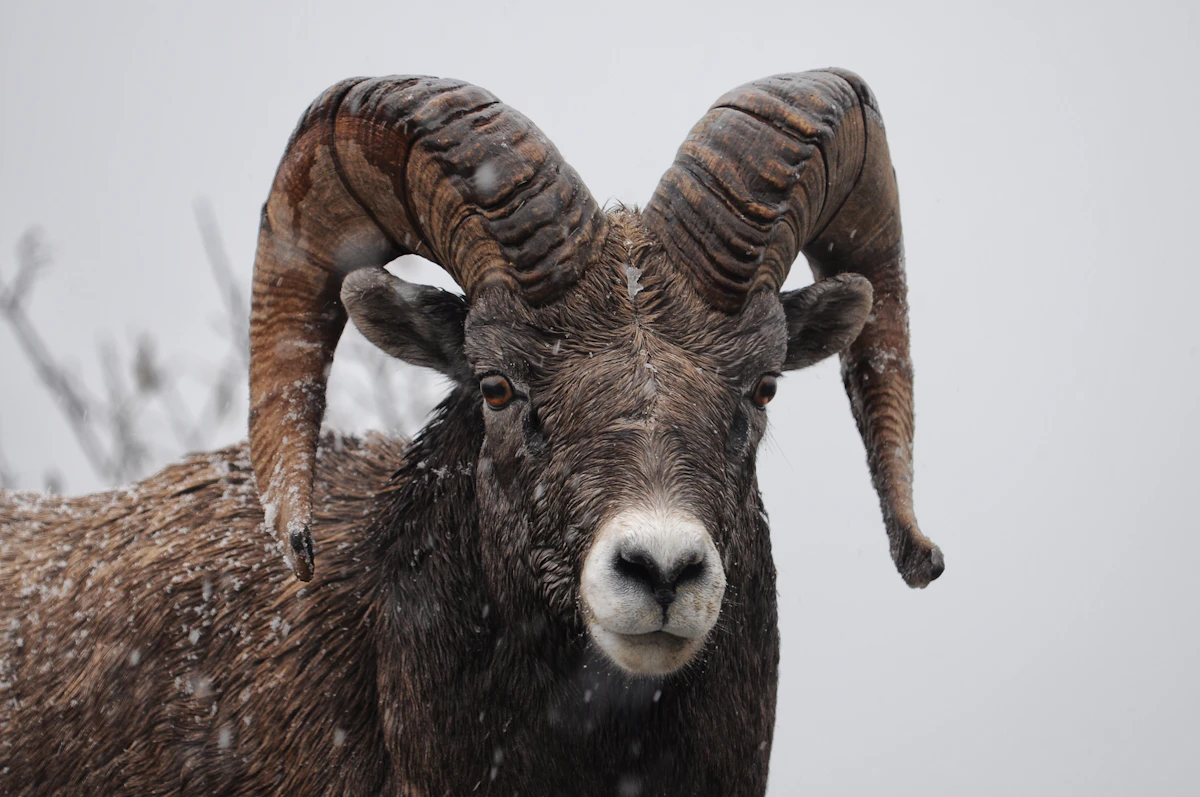
DIY Sheep Hunting: A Complete Guide to Planning Your First Backcountry Ram Hunt
DIY sheep hunting requires years of planning, serious physical conditioning, and mastery of backcountry skills. This guide breaks down everything from draw strategy and gear selection to glassing techniques and shot preparation for hunting North America's most challenging big-game species.
Related
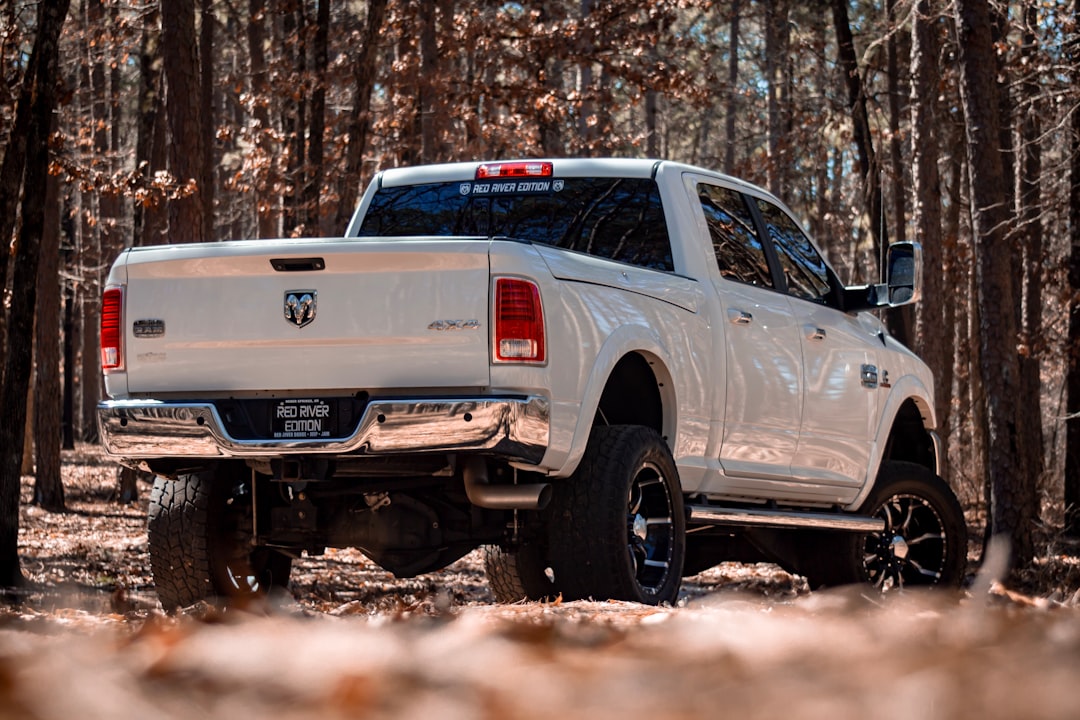
Must-Have Truck Accessories for Hunters: Essential Gear for Western Hunts
From tire repair kits to recovery gear, the right truck accessories can make or break a backcountry hunt. Here's what experienced hunters keep in their rigs for remote western terrain.
Next
Savage 110 Bear Hunter for Elk: Is This Budget Rifle Worth It?
The Savage 110 Bear Hunter offers serious accuracy and stopping power in a sub-$1,000 package. Here's how this rifle performs on elk hunts and whether it deserves a place in your truck.