Truck Maintenance Checklist Before Hunting Season: Don't Get Stranded
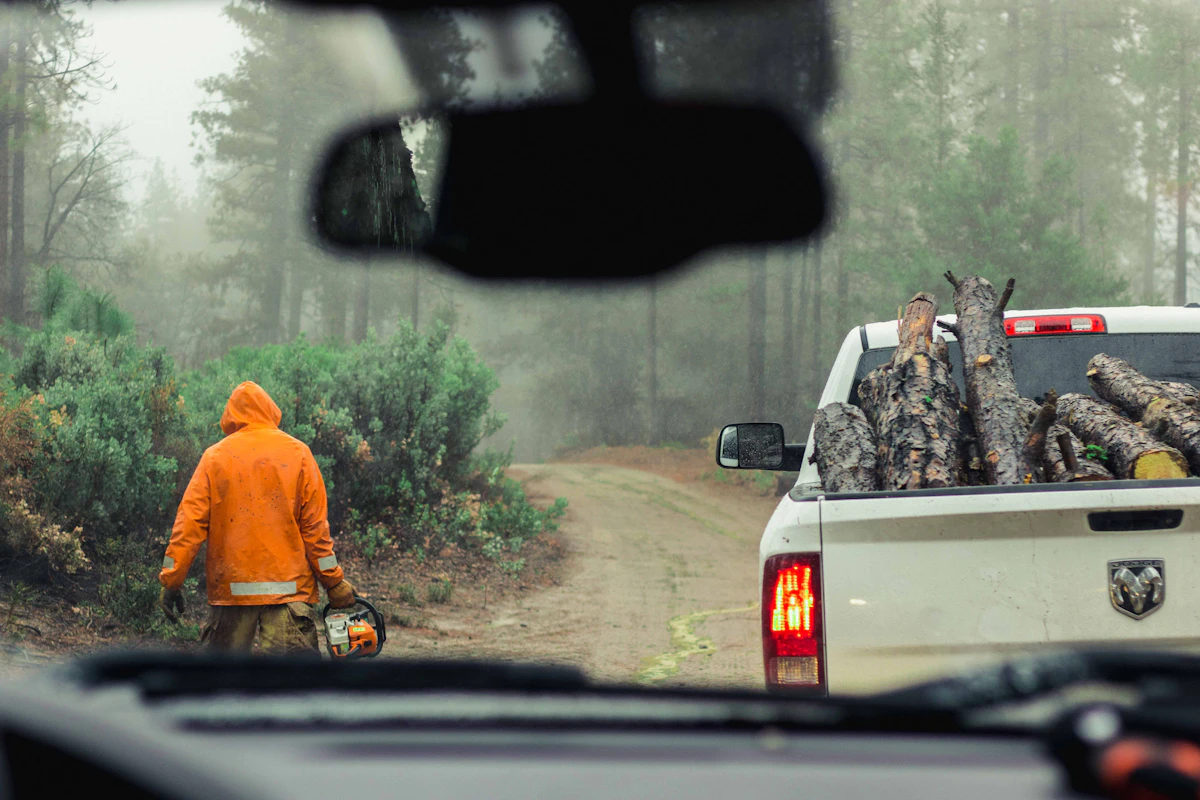
You've drawn a tag in a remote Colorado unit. Your research shows the best elk country sits eight miles past the last gate on a two-track that hasn't seen a grader in years. The hunt is three weeks out. Your truck needs attention now, not the night before you leave.
Backcountry hunting puts different stress on a vehicle than highway miles. Washboard roads, creek crossings, steep grades, and full loads test every system. A simple fluid leak or worn suspension component that's fine around town becomes a hunt-ender when you're 40 miles from pavement. This checklist walks through the critical maintenance tasks that keep your truck running when cell service and tow trucks don't exist.
Tires: Your First Line of Defense
Tires determine whether you reach camp or call for a winch. Start by checking tread depth across all four tires, including the spare. If any tire shows less than 6/32-inch remaining, replace it before hunting season. Uneven wear patterns indicate alignment issues that will only get worse on rough roads.
Check sidewalls for cracks, bulges, or cuts. Sidewall damage that looks minor in town becomes a blowout risk when you're airing down for traction on sand or rock. Inflate tires to the pressure listed on your door jamb, not the max pressure stamped on the tire sidewall.
Verify your spare is properly inflated and the jack and lug wrench actually work. If you run a full-size spare, rotate it into your regular tire rotation so it wears evenly. A spare that's been under your truck for five years may look fine but can fail when you need it most.
Fluids: The Simple Stuff That Strands Hunters
Engine oil, coolant, brake fluid, transmission fluid, differential fluid, and power steering fluid all deserve attention before you load the truck. Check oil level and condition. If you're within 1,000 miles of your next oil change, do it now. Dusty roads accelerate oil contamination, and you don't want to push an oil change interval while towing a trailer or running loaded on steep grades.
Coolant should be full and the correct color for your truck's system. If it looks rusty or murky, flush and refill the system. Check hoses for cracks or soft spots. A hose failure in the backcountry means you're walking out or waiting for rescue.
Transmission fluid often gets ignored until it's too late. If your truck has a dipstick, check the level and color. Dark or burnt-smelling fluid needs changing. If you tow a trailer or frequently run rough roads, consider changing transmission fluid every 30,000 miles regardless of manufacturer recommendations.
Differential fluid and transfer case fluid (on 4WD trucks) should be changed per your maintenance schedule. If you're overdue or approaching the interval, handle it before hunting season. These components work hard on steep, rutted roads.
Battery and Electrical: Cold Mornings and Accessories
A weak battery that cranks fine in September might fail on a 20-degree October morning in Montana. Load-test your battery at an auto parts store or use a multimeter to check voltage. A healthy battery shows 12.6 volts or higher when the engine is off. Below 12.4 volts indicates a weak charge or failing battery.
Clean battery terminals if you see corrosion. White or blue-green buildup creates resistance that prevents proper starting. A wire brush and baking soda solution removes corrosion quickly.
Inspect your alternator belt for cracks or glazing. If it squeals during cold starts, it's either loose or worn. Replace it now rather than on the side of a forest road. Check that all lights function: headlights, taillights, brake lights, turn signals, and reverse lights. If you run auxiliary lights or a light bar, verify wiring connections are secure and protected from moisture.
Brakes: Loaded Descents Demand Stopping Power
Brakes face serious work when you're loaded with gear and descending steep grades. If you hear grinding, squealing, or feel pulsing in the brake pedal, address it immediately. Remove wheels and inspect brake pads and rotors. Pads should have at least 4mm of material remaining. Rotors should be smooth without deep grooves or heat cracks.
Brake fluid attracts moisture over time, which lowers its boiling point and reduces stopping power on long descents. If your fluid is more than three years old or looks dark, flush and replace it. This is especially critical if you tow a trailer.
Test your parking brake on a steep incline. It should hold the truck solidly without the foot brake. A weak parking brake indicates worn cables or rear brake components that need attention.
Free to join
Download mobile app
- Detailed draw odds
- Point tracking
- Deadline reminders
- 18 states covered

Free to join
Download mobile app
- Detailed draw odds
- Point tracking
- Deadline reminders
- 18 states covered
Free to join
Download mobile app
- Detailed draw odds
- Point tracking
- Deadline reminders
- 18 states covered

Suspension and Steering: Washboard Roads and Ruts
Backcountry roads punish suspension components. Crawl under your truck and inspect ball joints, tie rod ends, and control arm bushings for excessive play or torn boots. Grab each front tire at 12 and 6 o'clock and try to rock it. Movement indicates worn ball joints or wheel bearings.
Shock absorbers should show no leaks and provide firm resistance when you bounce each corner of the truck. If the truck continues bouncing after you release it, shocks are worn. Leaking shocks have lost their damping fluid and need replacement.
Check steering components by having someone turn the steering wheel back and forth while you watch the tie rods and steering linkage from underneath. Excessive play or loose connections create wandering steering on rough roads.
If you run aftermarket suspension, verify all bolts are torqued to spec. Vibration loosens hardware over time.
Filters: Air and Fuel
Dusty roads clog air filters quickly. Pull your engine air filter and inspect it against a light source. If you can't see light through the pleats, replace it. A clogged air filter reduces power and fuel economy when you're already working the engine hard.
Cabin air filters trap dust before it reaches you. A dirty cabin filter reduces airflow from your vents and makes long drives miserable. These are cheap and easy to replace.
Fuel filters prevent contamination from reaching your engine. If your truck has a replaceable fuel filter (many modern trucks integrate it into the fuel pump), change it according to your maintenance schedule. This is especially important if you ever fuel up at remote stations where tank quality is questionable.
Free to join
Download mobile app
- Detailed draw odds
- Point tracking
- Deadline reminders
- 18 states covered
Free to join
Download mobile app
- Detailed draw odds
- Point tracking
- Deadline reminders
- 18 states covered
Free to join
Download mobile app
- Detailed draw odds
- Point tracking
- Deadline reminders
- 18 states covered
4WD System: Test Before You Need It
Don't discover your 4WD doesn't engage when you're already stuck. Find an empty parking lot and test each 4WD mode. Shift into 4-High and drive figure-eights at low speed. The system should engage smoothly without grinding or clunking. Test 4-Low by engaging it and confirming the low-range reduction works.
If your truck has automatic locking hubs, verify they engage by feeling for resistance when you turn the front wheels by hand with 4WD engaged. Manual locking hubs should turn freely and lock positively.
Check front and rear differential fluid levels while the truck is on level ground. Low fluid indicates a leak that needs fixing before it damages gears.
Recovery Gear and Emergency Kit
Even a well-maintained truck gets stuck. Pack a basic recovery kit: tow strap (not a ratchet strap), D-ring shackles, work gloves, shovel, traction boards or floor mats, tire pressure gauge, and a 12-volt air compressor for airing tires back up after running low pressure for traction.
Keep a basic tool kit, spare fluids (oil, coolant, brake fluid, power steering fluid), duct tape, zip ties, and a flashlight. Add jumper cables or a jump pack, especially for cold-weather hunts.
A jack and lug wrench are useless without a solid surface to set the jack on soft ground. Carry a piece of 2x8 lumber as a jack base.
Fuel System: Range and Reliability
Calculate your fuel range for the hunt area. If the nearest fuel is 80 miles from camp and you burn a quarter tank daily driving to glassing spots, you need 200-plus miles of range to avoid mid-hunt fuel runs. Consider carrying extra fuel in Jerry cans if your truck's range is marginal.
Clean fuel injectors improve performance and fuel economy. If your truck has over 75,000 miles and you've never cleaned injectors, add a quality fuel system cleaner to a full tank or have injectors professionally cleaned.
Free to join
Download mobile app
- Detailed draw odds
- Point tracking
- Deadline reminders
- 18 states covered
Free to join
Download mobile app
- Detailed draw odds
- Point tracking
- Deadline reminders
- 18 states covered
Free to join
Download mobile app
- Detailed draw odds
- Point tracking
- Deadline reminders
- 18 states covered
TAGZ Helps You Plan Hunts Where Your Truck Needs to Perform
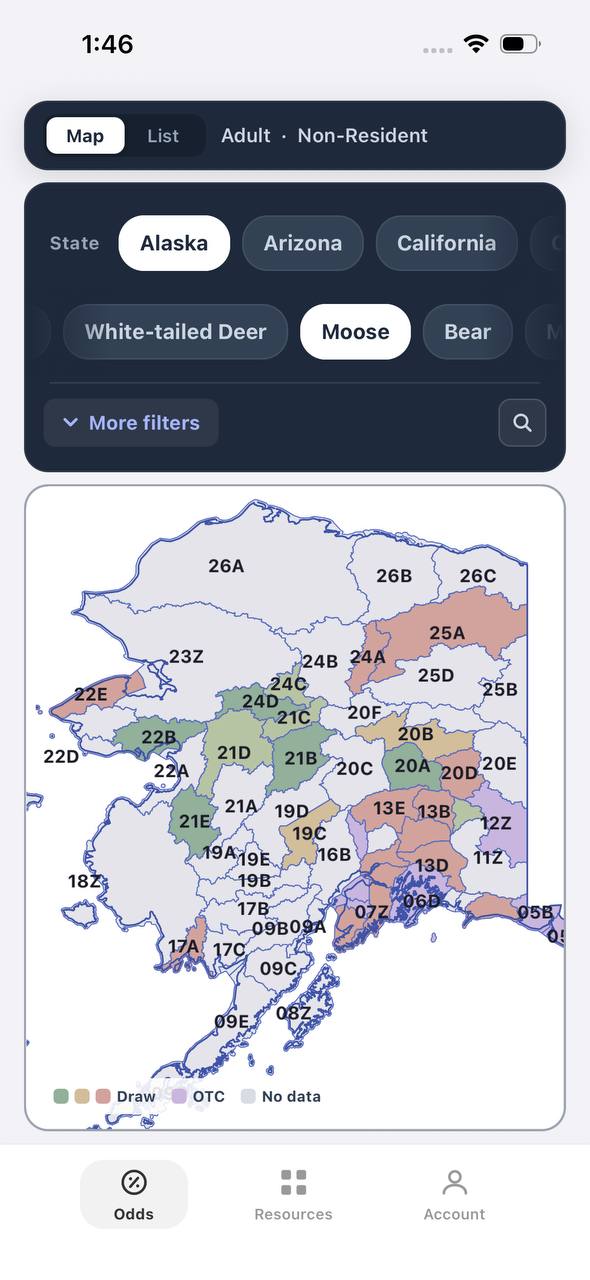
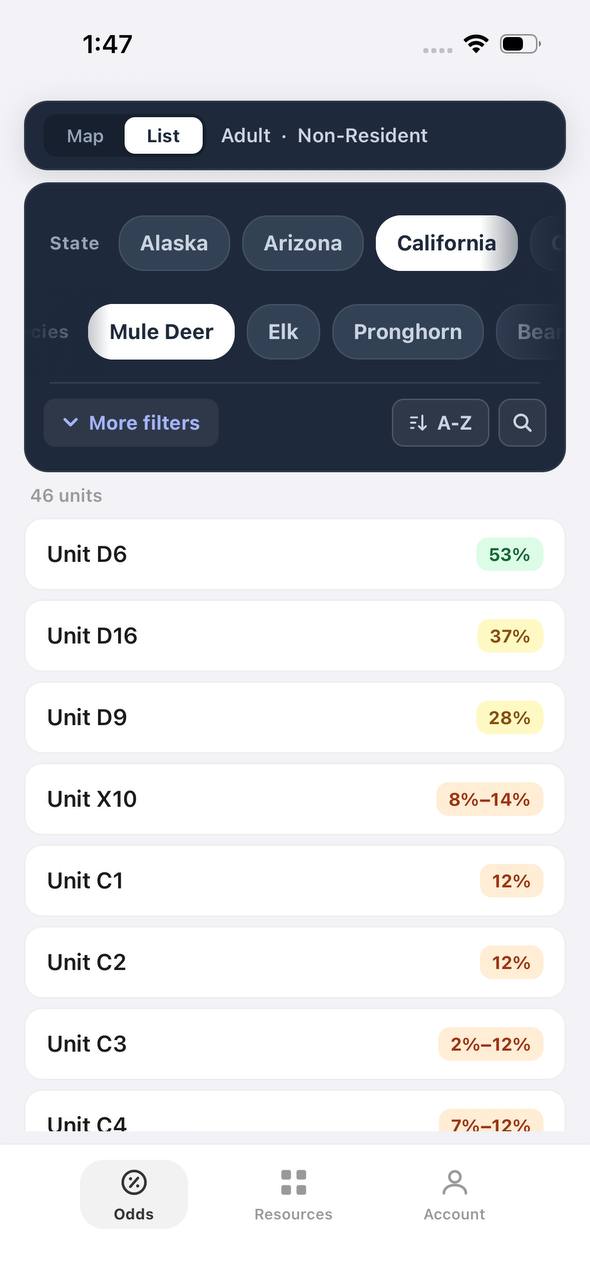
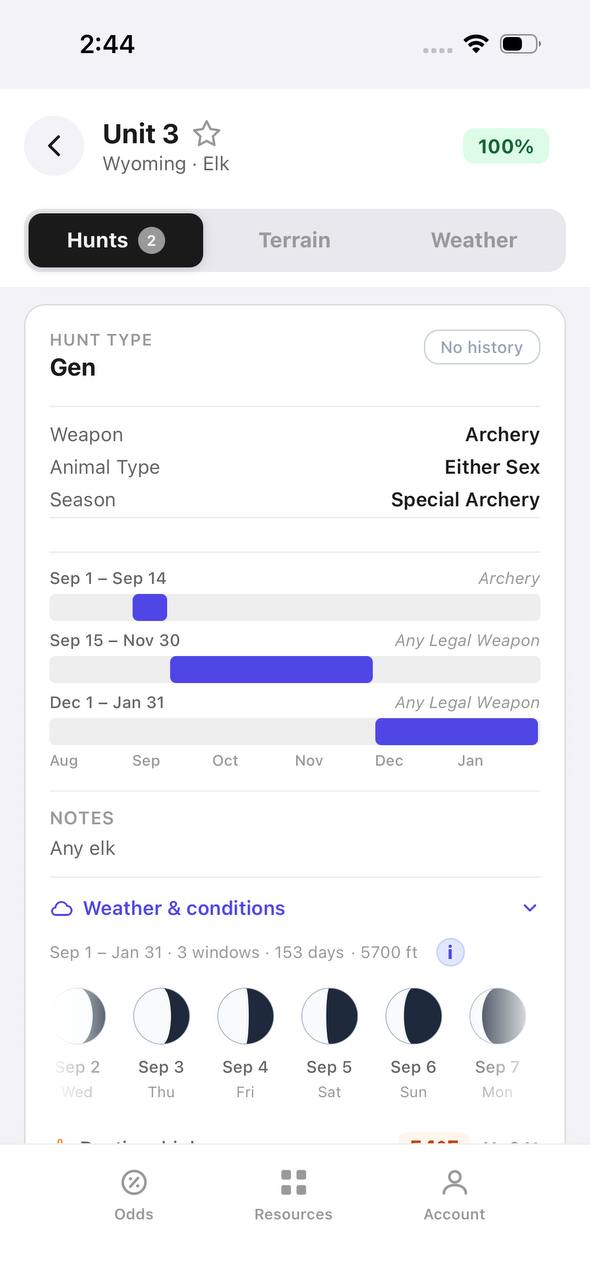
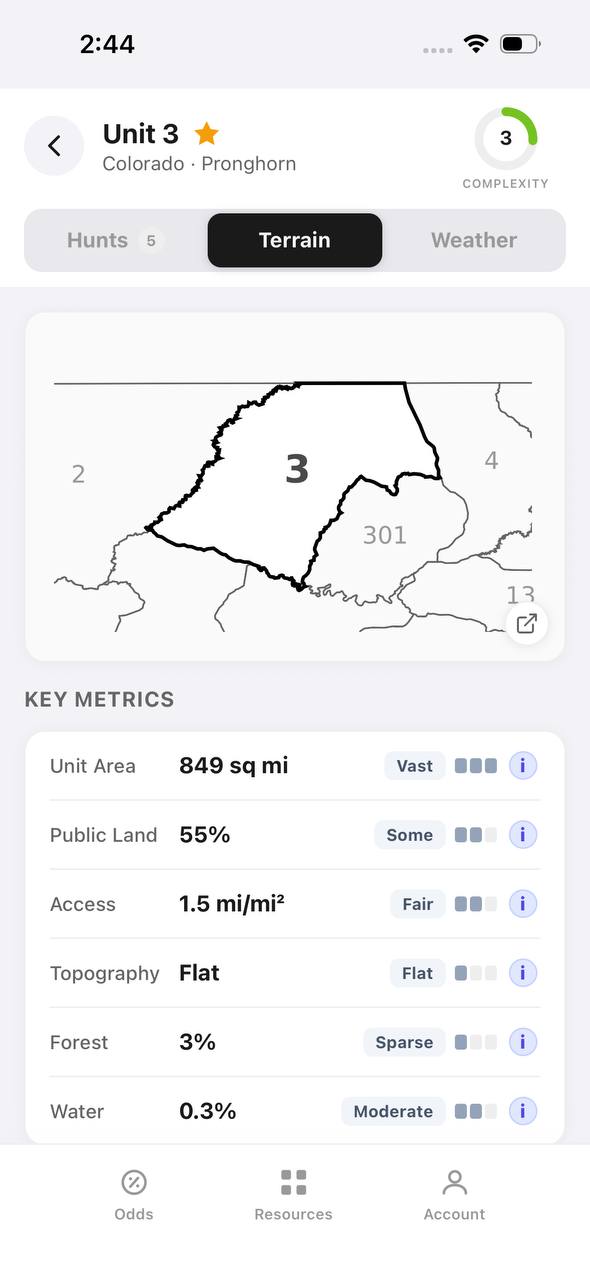
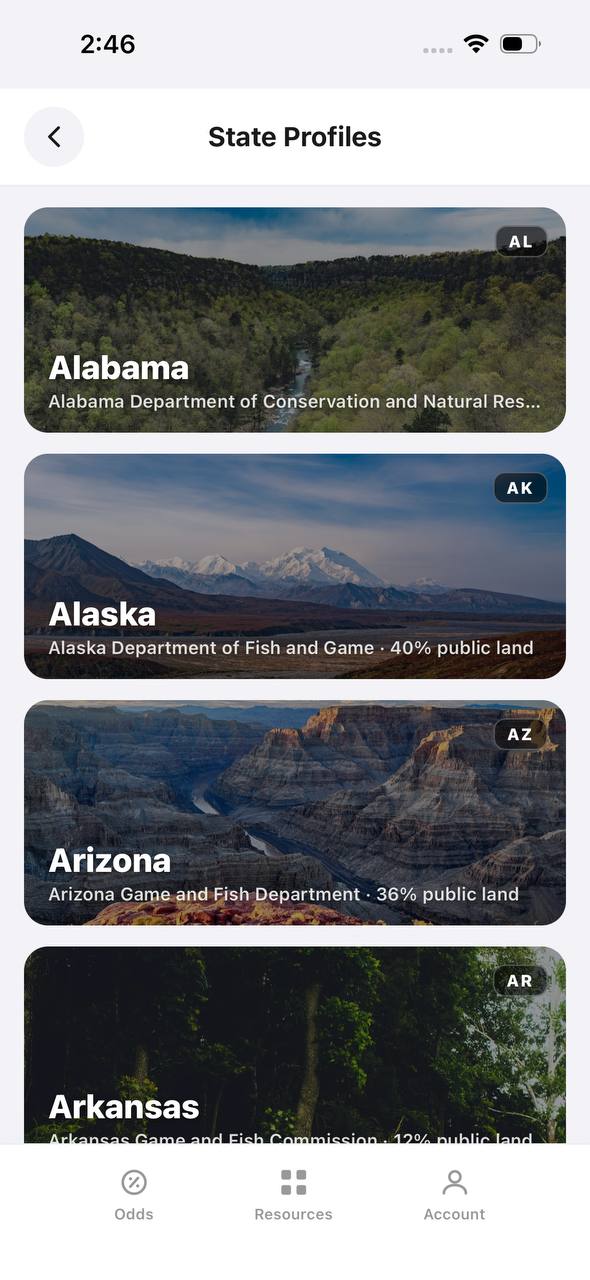
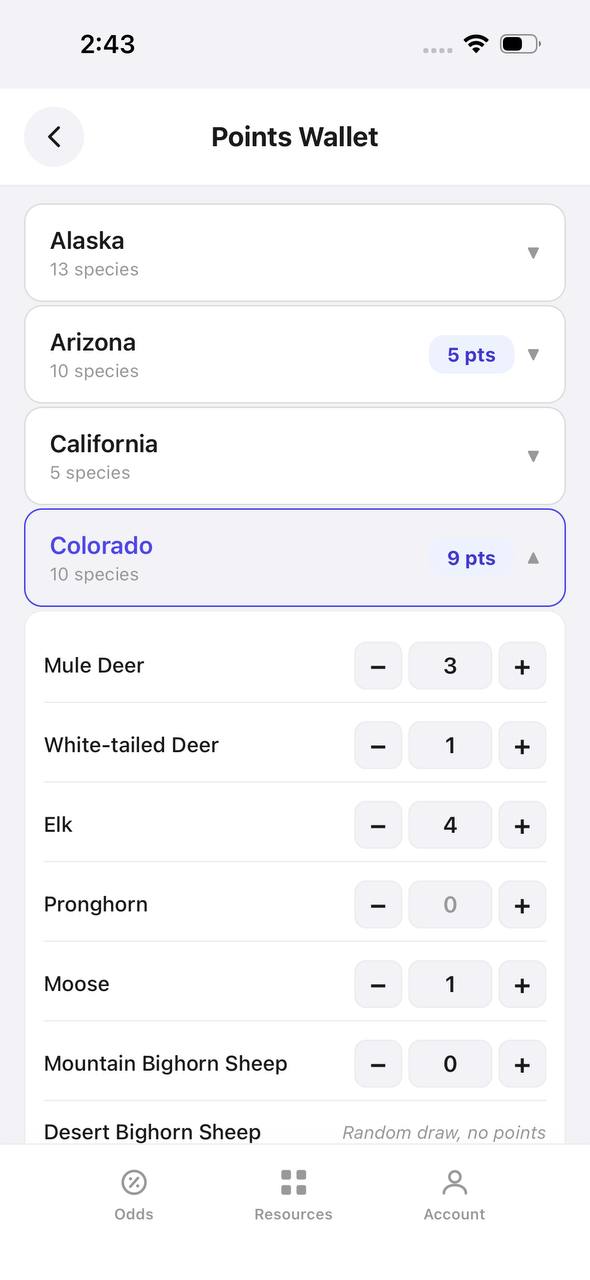
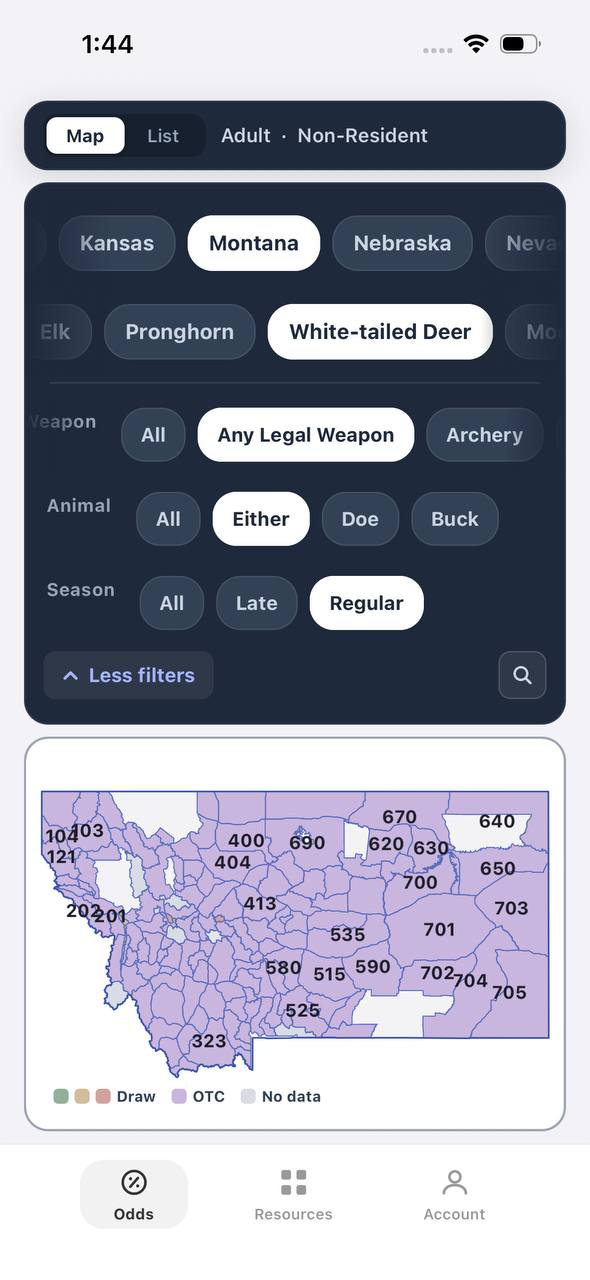
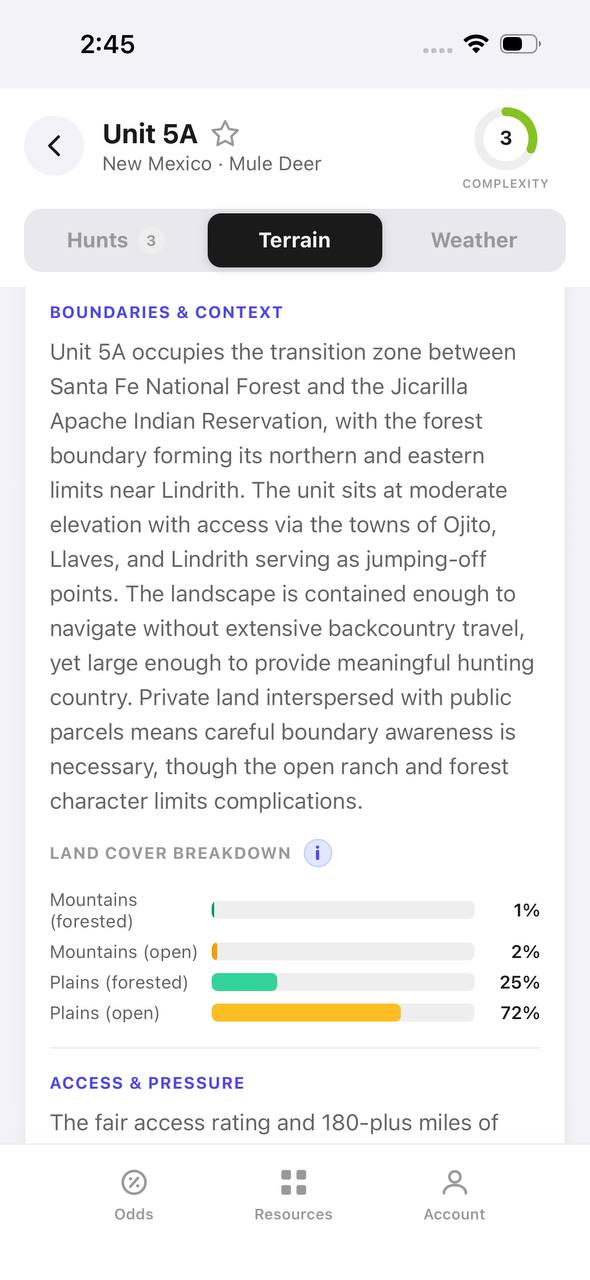
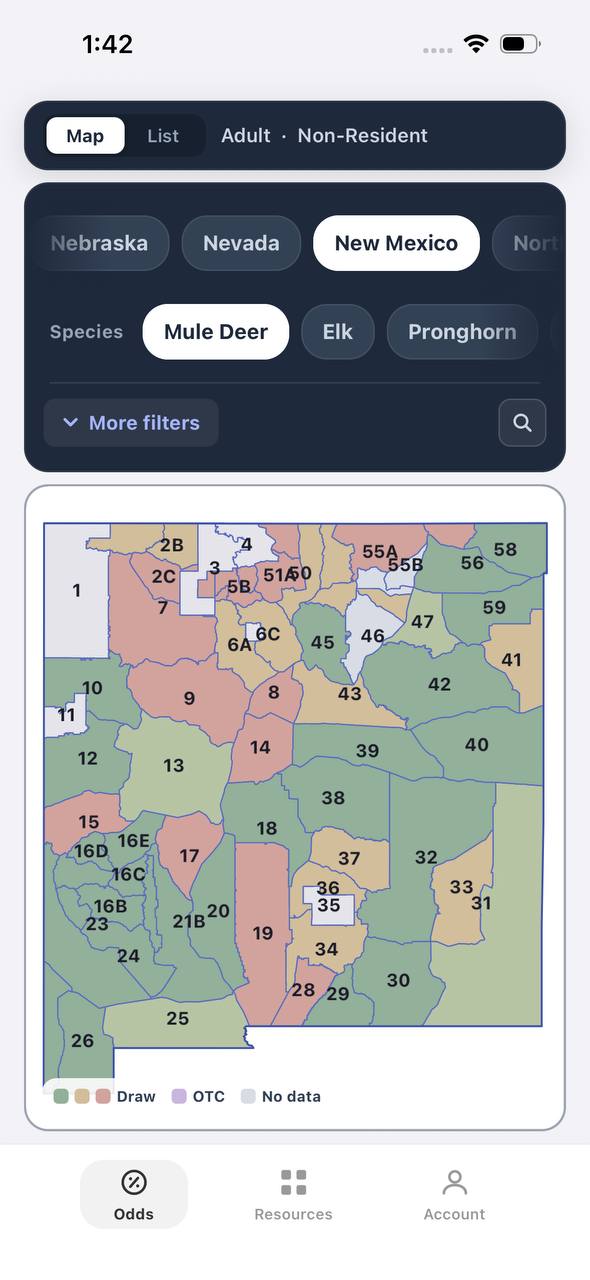
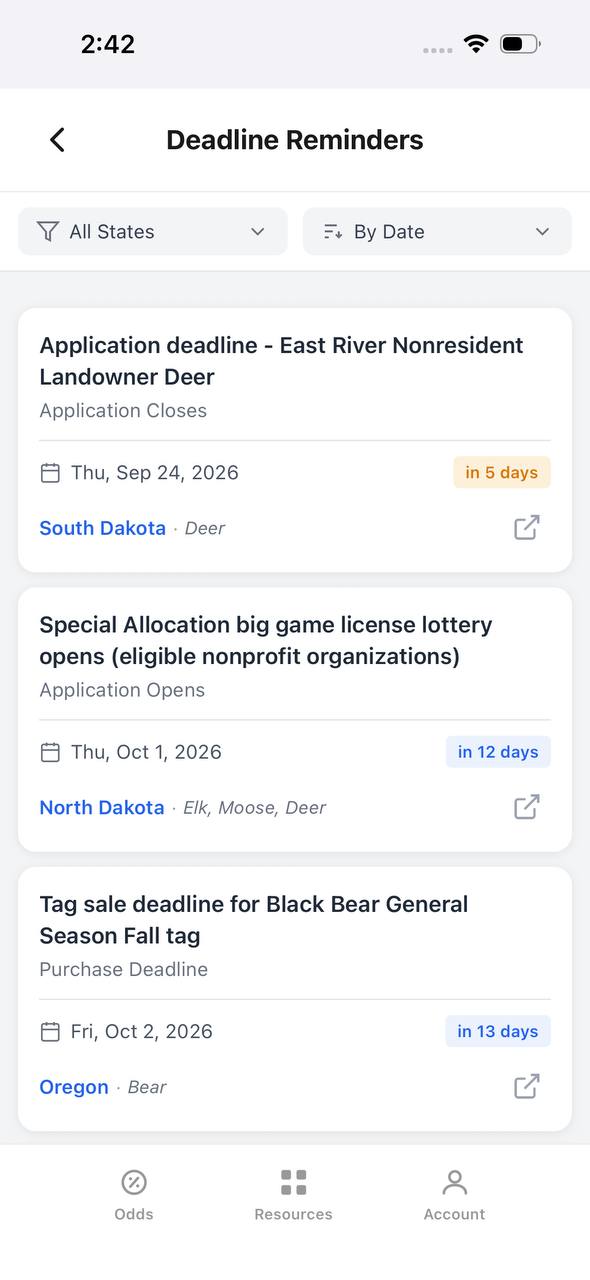
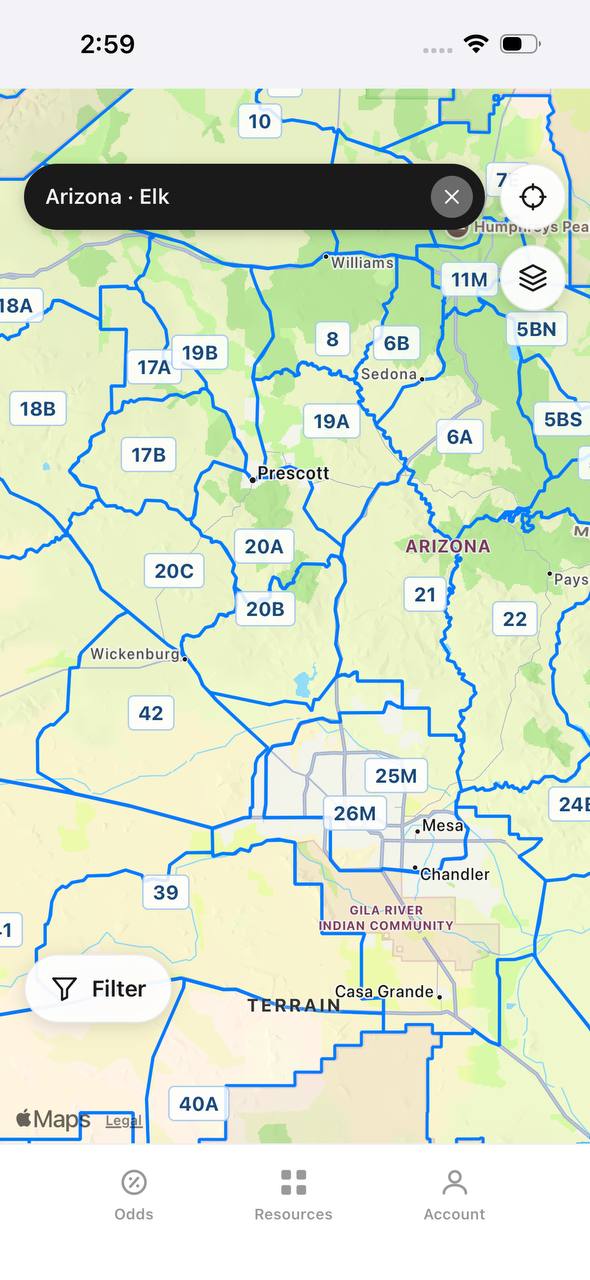
TAGZ provides detailed unit maps showing terrain, access roads, and public land boundaries so you know exactly what your truck will face before you commit to a hunt. Compare units side by side to find hunts that match your vehicle's capabilities. Track draw odds and preference points across multiple states, and use hunt filtering by weapon, season, and species to find the right tag for your truck's limitations or capabilities. Whether you're chasing OTC elk in Colorado's roadless wilderness or planning a rifle mule deer hunt in Nevada's high desert, TAGZ gives you the tools to make smarter decisions before you ever leave pavement.
Final Pre-Departure Check
Two days before you leave, do a final walk-around. Recheck all fluid levels. Verify tire pressure including the spare. Test lights, 4WD, brakes, and accessories. Load your truck with hunting gear and note how it handles the weight. If something feels off, you still have time to address it.
Clean your windshield inside and out. Dirty glass creates glare at dawn and dusk when you're most likely driving. Top off windshield washer fluid.
Know your truck's height with gear loaded on the roof or in the bed. Forest Service roads often have low-hanging branches or narrow rock outcrops that can damage a top-heavy rig.
FAQ — Truck Maintenance for Hunting Season
How far in advance should I start truck maintenance before a hunt?
Start at least four weeks before your hunt. This gives you time to identify problems, order parts, and handle repairs without rushing. Major items like transmission service or suspension work can take a week or more if shops are busy.
Do I really need to change transmission fluid if the manual says it's lifetime?
Yes, especially if you tow, haul heavy loads, or drive dusty roads. "Lifetime" fluid assumes normal driving conditions. Change it every 50,000 miles for hunting rigs that see hard use. Dark or burnt-smelling fluid needs immediate attention.
Should I air down my tires for better traction on dirt roads?
Airing down to 25-30 PSI improves traction on sand, mud, and rocky terrain by increasing your tire's contact patch. Always carry a 12-volt air compressor to reinflate before returning to pavement. Never air down below 20 PSI unless you have beadlock wheels.
What's the most common breakdown that strands hunters?
Flat tires and dead batteries top the list. Both are preventable with pre-season inspection. Coolant hose failures and alternator belt failures come next, especially on trucks with over 100,000 miles.
How do I know if my shocks need replacing?
Bounce each corner of your truck and release. If it bounces more than once, shocks are worn. Also look for oil leaks on the shock body. Worn shocks reduce handling and control on rough roads, making your truck wander and bottom out on dips.
Is a full-size spare necessary for backcountry hunting?
Yes. Temporary spare tires ("donuts") are speed-limited and won't handle rough roads or the weight of a loaded hunting truck. A full-size spare lets you continue hunting instead of limping to the nearest tire shop 80 miles away.
Was this article helpful?
Previous
Best Compound Bows for Hunting in 2026: Complete Buyer's Guide
Choosing the right compound bow can make or break your hunting season. This guide breaks down the top models for 2026, key specs that matter in the field, and how to match a bow to your hunting style and budget.

Related
Best Custom Mountain Rifles: Top Gunsmiths Building Ultralight Hunting Rifles
Custom mountain rifles from top gunsmiths deliver sub-6-pound precision for backcountry hunts. Learn which builders specialize in ultralight rifles, what features matter most, and how to choose the right rig for steep-country elk, sheep, and mule deer.

Next
Best Prime Bows for Hunting in 2026: Top Models Reviewed
Prime bows deliver tournament-level accuracy and field-proven reliability. We break down the top models for 2026, from the flagship Nexus to the budget-friendly Diverge, to help you choose the right rig for your next hunt.