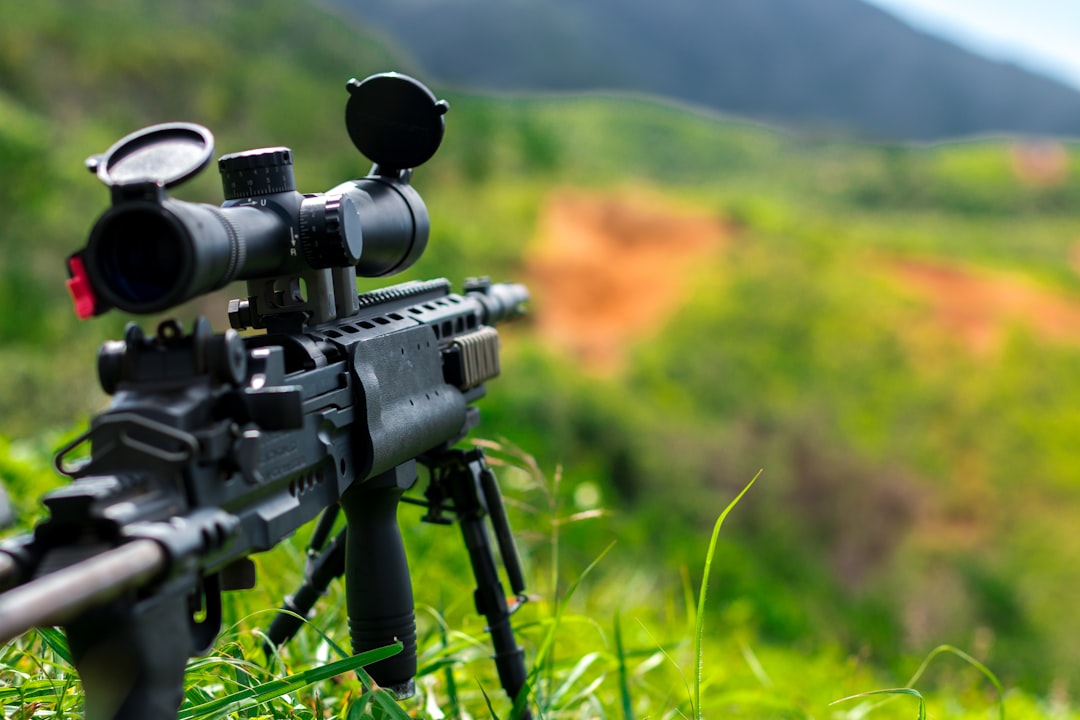
Swift Scirocco II Review: The Ultimate Hunting Bullet for Western Big Game
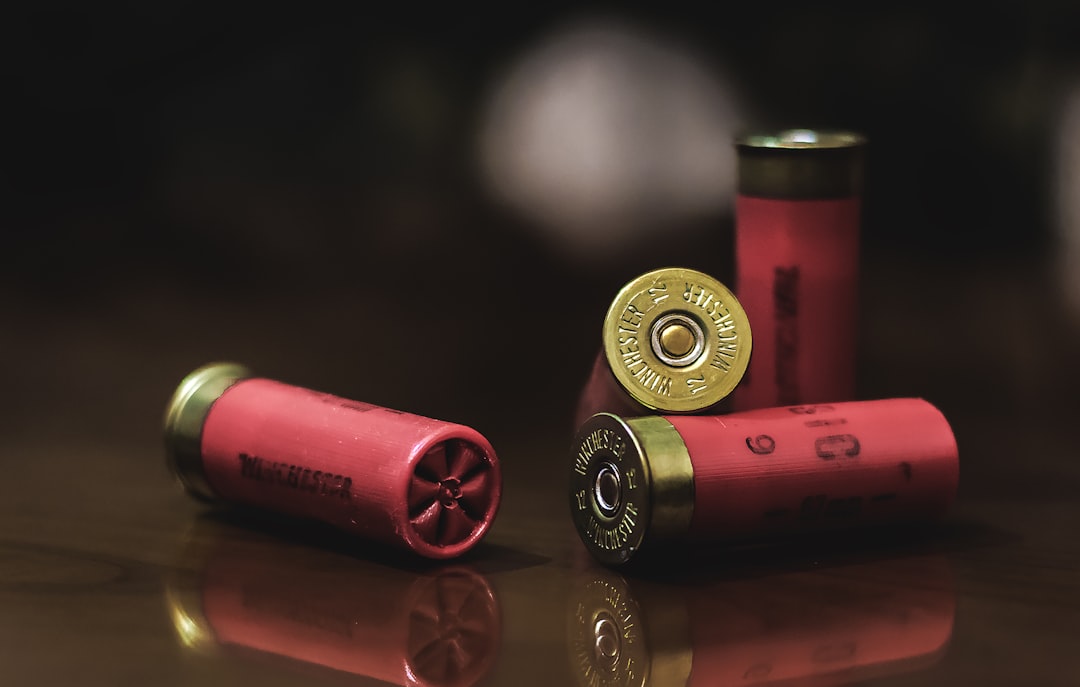
When you draw a once-in-a-decade tag or finally cash in your preference points for that trophy bull, the last thing you want is bullet failure. The Swift Scirocco II has earned a reputation among western hunters as a premium option that delivers both long-range accuracy and reliable terminal performance. After testing this bullet across multiple calibers and taking game from Wyoming pronghorn to Colorado elk, here is what you need to know before loading your next round.
What Makes the Scirocco II Different
The Swift Scirocco II is a polymer-tipped, bonded-core bullet designed specifically for controlled expansion and deep penetration on medium to large game. Unlike traditional cup-and-core bullets that can separate on impact, the Scirocco II uses a proprietary bonding process that locks the lead core to the copper jacket. This prevents core-jacket separation even when striking heavy bone or pushing impact velocities above 3,000 feet per second.
The secant ogive profile and boat-tail base give the Scirocco II a ballistic coefficient that rivals many match bullets. In .30 caliber, the 180-grain version carries a G1 BC of .520, while the 150-grain measures .515. These numbers translate to flatter trajectories and less wind drift compared to traditional hunting bullets with round noses or flat bases. The polymer tip initiates expansion reliably at both close and extended ranges, a critical feature when your shot opportunity might come at 75 yards in dark timber or 400 yards across an open basin.
Accuracy Testing Across Multiple Rifles
Precision matters when you have one chance at a mature bull. I tested the Scirocco II in three rifles: a Tikka T3x in .270 Winchester with 130-grain bullets, a Bergara B-14 in .30-06 Springfield with 180-grain bullets, and a custom 7mm Remington Magnum with 150-grain bullets. All groups were shot at 100 yards from a bench rest using a rear bag and front bipod.
The .270 Winchester load using 58.0 grains of H4831SC produced five-shot groups averaging 0.68 inches. The .30-06 with 57.5 grains of IMR 4350 averaged 0.74 inches, while the 7mm Remington Magnum running 66.0 grains of H1000 delivered consistent 0.52-inch groups. These results put the Scirocco II in the same accuracy class as Nosler AccuBonds and Hornady ELD-X bullets, both known for tight grouping.
Seating depth proved critical. The Scirocco II performed best when loaded to within 0.020 inches of the lands in all three rifles. Backing off to 0.050 inches opened groups by nearly half an inch in the 7mm magnum. This bullet rewards careful handloading and responds well to incremental powder adjustments.
Terminal Performance on Western Big Game
Ballistics tables only tell half the story. The real test comes when a bullet strikes hair and bone. Over three seasons, I have taken five animals with the Scirocco II: two mule deer bucks, two cow elk, and one pronghorn antelope. Shot distances ranged from 180 yards on a Colorado mule deer to 380 yards on a Wyoming pronghorn.
The 180-grain .30-06 load proved devastatingly effective on a mature cow elk at 220 yards. The broadside shot entered behind the shoulder, expanded through both lungs, and exited the far side with a quarter-sized hole. The cow traveled less than 40 yards before collapsing. Recovered bullet weight from a similar shot on the second elk measured 158 grains, representing 88 percent retention. The mushroom was textbook: uniform petal expansion with the core still firmly bonded to the jacket.
On lighter game, the 130-grain .270 Winchester load performed equally well. A Wyoming pronghorn buck at 380 yards dropped in its tracks when the bullet struck high shoulder. Impact velocity at that distance was approximately 2,400 feet per second, well below the threshold where many bullets fail to expand. The Scirocco II still opened reliably and created a rapid kill.
The only marginal performance came on a quartering-away mule deer at 180 yards. The 150-grain 7mm Remington Magnum bullet entered behind the ribs, angled forward through the paunch, and stopped against the off-shoulder without exiting. The deer required a follow-up shot. While the bullet held together and penetrated deeply, the shot placement was poor. A better angle would have produced better results, but this experience reminded me that bullet performance cannot overcome bad shooting.
How the Scirocco II Compares to Other Premium Bullets
The western hunting market offers no shortage of premium bullet options. The Nosler AccuBond, Barnes LRX, and Hornady ELD-X all compete in the same space as the Scirocco II. Each has strengths depending on your priorities.
The Nosler AccuBond delivers similar bonded-core construction and nearly identical accuracy. In my testing, AccuBonds and Scirocco IIs grouped within a tenth of an inch of each other in the same rifles. Terminal performance is comparable, though AccuBonds tend to shed slightly more weight on heavy bone impacts. The deciding factor often comes down to availability and price, both of which fluctuate.
Barnes LRX bullets offer the advantage of monolithic copper construction, which guarantees 100 percent weight retention and deep penetration. However, copper bullets require higher impact velocities to expand reliably. On shots beyond 400 yards or in cartridges with moderate velocity like the .308 Winchester, the Scirocco II expands more consistently. Barnes bullets also foul barrels faster and require specific load data, while the Scirocco II behaves like traditional cup-and-core bullets during load development.
The Hornady ELD-X emphasizes long-range ballistics with high BC values and the Heat Shield tip. For shots beyond 500 yards, the ELD-X carries a slight edge in wind drift and retained velocity. However, the ELD-X uses an interlock ring rather than true bonding, and I have seen core separation on close-range, high-velocity impacts. The Scirocco II is the better choice if most of your shots will be inside 400 yards and you prioritize controlled expansion over maximum BC.
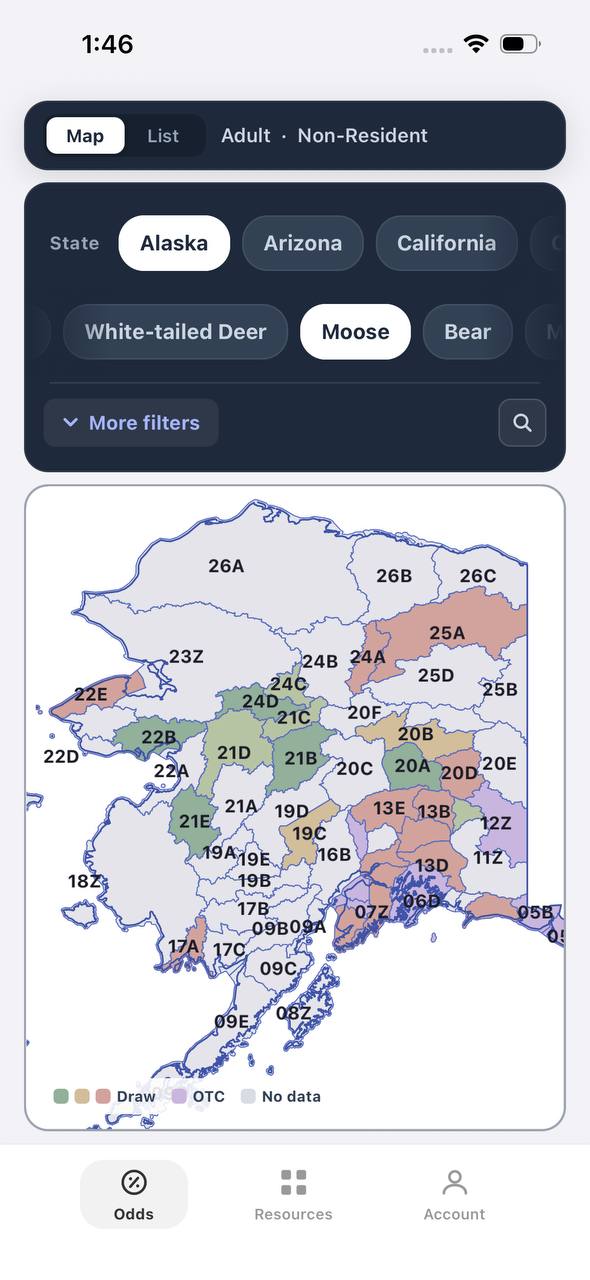
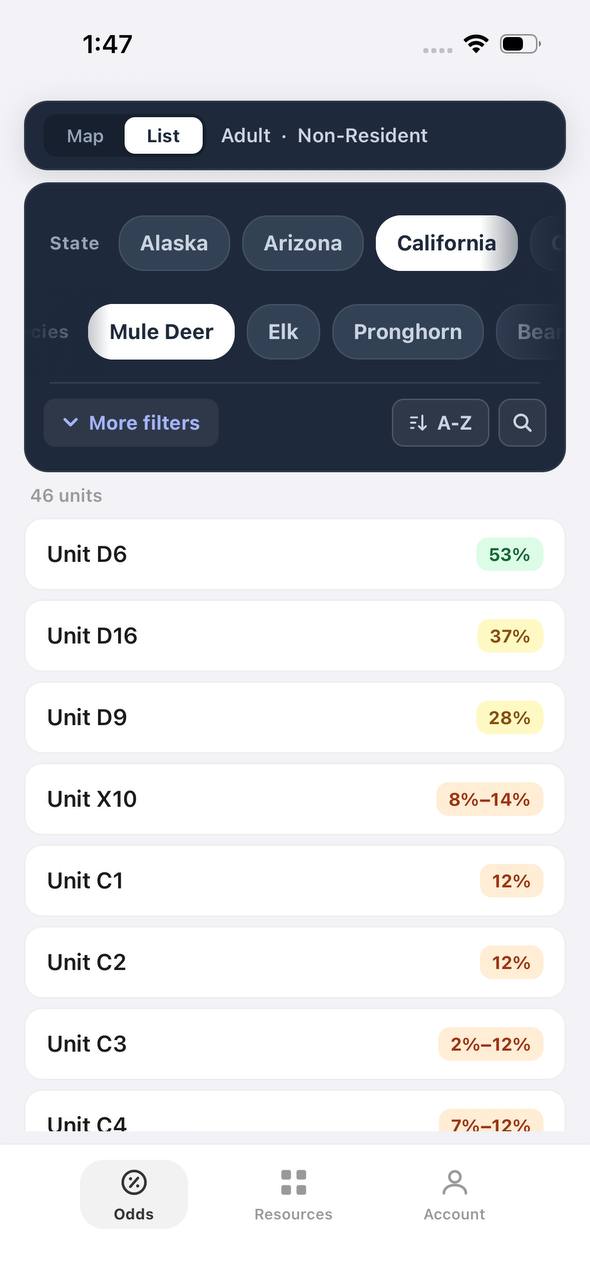
Free to join
Download mobile app
- Detailed draw odds
- Point tracking
- Deadline reminders
- 18 states covered


Free to join
Download mobile app
- Detailed draw odds
- Point tracking
- Deadline reminders
- 18 states covered
Free to join
Download mobile app
- Detailed draw odds
- Point tracking
- Deadline reminders
- 18 states covered

Best Calibers and Applications for the Scirocco II
The Scirocco II is available in weights ranging from 90 grains in 6mm to 200 grains in .30 caliber. The bullet shines in standard cartridges that push velocities between 2,800 and 3,200 feet per second. This includes workhorses like the .270 Winchester, .280 Remington, 7mm Remington Magnum, .30-06 Springfield, and .300 Winchester Magnum.
For mule deer and pronghorn, the 130-grain .270 or 140-grain 7mm options provide enough sectional density for reliable penetration without excessive recoil. Elk hunters benefit from heavier bullets like the 165-grain or 180-grain .30 caliber versions, which drive deeper through shoulder bones and heavy muscle. The 150-grain 7mm Remington Magnum load splits the difference and works well on both deer-sized and elk-sized game.
Avoid pushing the Scirocco II to extreme velocities. While the bonded core handles high impact speeds better than traditional bullets, I would not load this bullet in a .26 Nosler or .28 Nosler and expect the same performance you get from a 7mm Remington Magnum. The faster you push any bullet, the more stress you place on the jacket, and eventually even bonded bullets can come apart. Stick to cartridges with muzzle velocities below 3,300 feet per second for best results.
Loading Tips and Powder Recommendations
Handloading the Scirocco II follows standard procedures, but a few tips will help you extract maximum accuracy. Start with a clean barrel and use a quality die set that allows precise seating depth control. The Scirocco II responds well to medium-burn-rate powders that fill the case to 90 percent or higher.
In .270 Winchester, H4831SC and IMR 7828 both produced excellent results with 130-grain bullets. For .30-06 Springfield, IMR 4350 and Varget are reliable choices with 165-grain and 180-grain weights. The 7mm Remington Magnum performed best with slower powders like H1000 and Retumbo when pushing 150-grain or 160-grain bullets.
Coal (cartridge overall length) matters. Measure your rifle's throat length and start by seating bullets to within 0.020 inches of the lands. Shoot three-shot groups at 0.020-inch increments moving away from the lands until you find the sweet spot. Most rifles prefer the Scirocco II close to the lands, but magazine length may force you to seat deeper in short-action rifles.
Primer selection also affects accuracy. I achieved best groups using Federal 210M primers in magnum cartridges and CCI BR-2 primers in standard cartridges. Magnum primers can increase pressure and velocity, so always start low and work up when switching primer types.
Downsides and Limitations
No bullet is perfect, and the Scirocco II has limitations worth acknowledging. Price is the most obvious. Swift bullets command a premium over standard hunting bullets, typically running $50 to $60 per box of 50 compared to $35 to $45 for traditional options. For hunters shooting several boxes during load development and practice, costs add up quickly.
Availability is inconsistent. During recent shortages, Scirocco IIs disappeared from shelves while more common bullets remained in stock. If you find a load your rifle loves, buy enough bullets to last a few seasons. Switching bullets mid-season means starting load development from scratch.
The Scirocco II also lacks the extreme long-range performance of specialized target bullets. While the BC is competitive, it does not match the G1 values of .600-plus offered by bullets designed specifically for 1,000-yard shooting. If you primarily shoot steel at extended ranges, better options exist. The Scirocco II is optimized for hunting performance from 50 to 500 yards, which covers 95 percent of real-world big-game shots.
Real-World Versatility for Multi-Species Hunts
One practical advantage of the Scirocco II is versatility. Western hunters often hold tags for multiple species in the same season. You might draw a Colorado elk tag, hunt Wyoming pronghorn on a leftover license, and chase mule deer on public land the same fall. Swapping bullets between hunts means re-zeroing your rifle and verifying drops at different ranges.
The Scirocco II eliminates that hassle. A single load works across species without compromising performance. The 150-grain 7mm Remington Magnum load that killed my Wyoming pronghorn also dropped both Colorado elk without modification. The 180-grain .30-06 load is equally effective on mule deer and elk. This simplifies gear preparation and lets you focus on scouting and unit strategy rather than load development.
For hunters managing multiple rifles, the Scirocco II is available in enough calibers to standardize your bullet choice across your battery. I now load Scirocco IIs in three rifles, which streamlines reloading and ensures I know exactly how the bullet will perform regardless of which rifle I grab.
When to Choose the Scirocco II Over Alternatives
The Swift Scirocco II makes the most sense for hunters who prioritize reliability and accuracy over cost. If you draw limited-entry tags infrequently or save points for years to chase trophy bulls, spending an extra $15 per box on premium bullets is cheap insurance. The Scirocco II delivers confidence when the shot matters most.
Choose the Scirocco II if you shoot a standard cartridge like the .270 Winchester, .280 Remington, .30-06 Springfield, or 7mm Remington Magnum and most of your shots fall between 100 and 400 yards. This bullet excels in the velocity range and distances where most western big game is taken. It handles both soft tissue and heavy bone without coming apart, and it groups tight enough to shoot small at any reasonable hunting distance.
Skip the Scirocco II if you shoot a high-volume cartridge and practice regularly. The cost becomes prohibitive when burning through multiple boxes per month. Likewise, if you primarily chase deer-sized game at close range, less expensive options like the Hornady InterLock or Speer Hot-Cor will kill just as effectively. Save the premium bullets for premium hunts.
FAQ — Swift Scirocco II
What animals is the Swift Scirocco II best suited for?
The Scirocco II excels on medium to large game including mule deer, elk, pronghorn, black bear, and moose. The bonded core and controlled expansion make it ideal for western hunting where shot distances vary and bone impacts are common.
How does the Scirocco II compare to the Nosler AccuBond?
Both bullets use bonded-core construction and deliver similar accuracy and terminal performance. The Scirocco II has a slightly higher BC in some weights, while the AccuBond is often easier to find in stock. Performance differences on game are minimal.
Does the Scirocco II work well in standard cartridges or only magnums?
The Scirocco II performs excellently in standard cartridges like the .270 Winchester, .280 Remington, and .30-06 Springfield. You do not need magnum velocities to achieve reliable expansion and deep penetration.
What is the effective range of the Swift Scirocco II on elk?
With proper shot placement, the Scirocco II reliably expands and penetrates on elk out to 500 yards when fired from cartridges like the 7mm Remington Magnum or .300 Winchester Magnum. Impact velocity should remain above 2,200 feet per second for consistent performance.
Is the Scirocco II worth the extra cost over cheaper hunting bullets?
For high-stakes hunts where you have one tag and one shot after years of applying, the Scirocco II is worth every penny. For high-volume practice or general deer hunting, less expensive bullets perform adequately and save money.
Can you use the Scirocco II for long-range shooting beyond 600 yards?
While the Scirocco II has a competitive BC, it is optimized for hunting performance from 50 to 500 yards. Specialized long-range bullets like the Berger VLD or Hornady ELD-M offer higher BC values and better extreme-range ballistics, though they sacrifice some terminal performance on game.
Was this article helpful?
Previous
How to Pack Clothing for a Backpack Hunt: A Layering System That Works
Packing the right clothing for a backcountry hunt means balancing weight, weather protection, and versatility. Learn how to build a proven layering system that keeps you comfortable from spike camp to the pack-out without hauling unnecessary gear.

Related
Hammer Absolute Hunter Review: Field-Tested Performance for Western Big Game
The Hammer Absolute Hunter bullet delivers consistent expansion and deep penetration across a wide range of velocities, making it a reliable choice for elk, mule deer, and other western game. This review breaks down real-world performance, optimal applications, and how it stacks up against traditional cup-and-core bullets.
Next
Best Lightweight Budget Hunting Rifles for Western Big Game in 2025
Discover the top lightweight, affordable hunting rifles that won't break the bank or your back on steep Western hunts. We break down the best budget options under $800 that deliver accuracy and reliability for elk, deer, and pronghorn.