Best Lightweight Budget Hunting Rifles for Western Big Game in 2025
Western big-game hunting demands rifles that can handle rough country without weighing you down, but quality lightweight rifles often carry premium price tags. The good news is several manufacturers now offer sub-7-pound rifles under $800 that deliver the accuracy and reliability serious hunters need. Whether you're climbing Colorado elk timber or stalking pronghorn across Wyoming sagebrush, these budget-friendly lightweight rifles prove you don't need to spend $2,000 to hunt effectively.
What Makes a Hunting Rifle Lightweight
A true lightweight hunting rifle weighs 6.5 pounds or less without optics. This weight class shines on Western hunts where you might cover 5-10 miles daily through elevation changes of 2,000+ feet. Every pound matters when you're at 10,000 feet carrying a pack, water, and meat bags.
The sweet spot for most Western hunters is 6-7 pounds scoped. Anything lighter starts sacrificing recoil management and barrel stability. Rifles in this range remain manageable on long climbs while still dampening magnum recoil enough for accurate shot placement.
Modern manufacturing techniques like synthetic stocks, slim barrel profiles, and streamlined actions have brought lightweight rifle prices down significantly. Ten years ago, breaking the 7-pound barrier meant custom builds or $1,500+ factory rifles. Today's budget market offers genuine lightweight performance at half that cost.
Top Budget Lightweight Rifles Under $800
Savage 110 Ultralite
The Savage 110 Ultralite delivers premium features at a mid-tier price point around $750. Weighing just 6 pounds in standard calibers, this rifle uses a carbon-fiber-wrapped stock and spiral-fluted bolt to shed weight without compromising strength. The AccuTrigger breaks cleanly at 2-3 pounds and adjusts without gunsmithing.
Available in .308 Winchester, 6.5 Creedmoor, .280 Ackley Improved, and several magnum chamberings, the 110 Ultralite handles everything from mule deer to elk. The 22-inch barrel balances velocity with maneuverability in timber. Savage's renowned accuracy carries over — expect 1-MOA groups with quality ammunition.
The Melonite-finished barrel resists corrosion better than traditional bluing, critical for mountain hunts where rain and snow are common. The stock's textured grip panels provide solid purchase even with wet gloves.
Ruger American Rifle (Standard and Predator)
Ruger's American Rifle represents the best value in the lightweight budget category at $500-600. The standard model weighs 6.2 pounds bare, while the Predator variant with its heavier barrel comes in around 6.6 pounds. Both use Ruger's Marksman adjustable trigger and free-floating barrel for consistent accuracy.
The rotary magazine system proves more reliable than many rifles twice the price. Chamberings include .223 Remington through .30-06 Springfield, with the .308 Winchester and 6.5 Creedmoor being top choices for Western hunting. The synthetic stock handles weather abuse without warping.
Ruger includes scope mounting bases, eliminating an extra $50 expense. The rifle ships with a detachable rotary magazine and consistently shoots 1.5-MOA or better. For hunters prioritizing reliability and light weight over premium features, the American Rifle delivers exceptional performance per dollar spent.
Weatherby Vanguard Backcountry
Weatherby's Vanguard Backcountry sits at the upper end of the budget spectrum around $800 but justifies the cost with a 6.75-pound weight and guaranteed sub-MOA accuracy. The fluted barrel and skeletonized bolt handle reduce weight while the Monte Carlo carbon-fiber stock improves cheek weld.
Available in popular chamberings from .240 Weatherby Magnum to .300 Winchester Magnum, this rifle handles Western species from pronghorn to elk without switching platforms. The two-stage trigger breaks consistently at 3.5 pounds. Weatherby's Sub-MOA guarantee means if the rifle doesn't shoot three-shot groups under 1 inch at 100 yards with premium ammunition, they'll make it right.
The Cerakote finish on barrel and action resists scratches and corrosion better than competitors in this price range. The raised comb supports proper scope alignment without adding uncomfortable height.
Caliber Selection for Western Hunting
Choosing the right caliber matters as much as the rifle itself. For deer and pronghorn, the 6.5 Creedmoor offers flat trajectory, mild recoil, and excellent terminal performance out to 400 yards. The .308 Winchester remains the proven standard with heavier bullet options for elk.
Elk hunters should consider .270 Winchester, .280 Ackley Improved, or 7mm Remington Magnum for flatter shooting at extended ranges. The .30-06 Springfield bridges the gap effectively, handling both deer and elk with appropriate bullet selection. Magnum chamberings like .300 Winchester Magnum deliver maximum energy but increase recoil significantly in lightweight rifles.
Match your caliber to your realistic shooting distance and typical quarry size. A .308 Winchester shooting 165-grain bullets works perfectly for Colorado elk inside 300 yards. If you're hunting open Wyoming pronghorn country where 400-yard shots are common, the 6.5 Creedmoor's trajectory advantage becomes meaningful.
Weight Savings vs. Shootability
Every ounce removed from a rifle increases felt recoil. A 6-pound .300 Winchester Magnum punishes the shooter significantly more than an 8-pound version of the same chambering. For most hunters, the shootability sweet spot is 6.5-7 pounds scoped.
Lighter rifles also amplify shooter error. A 5.5-pound mountain rifle requires perfect fundamentals to shoot accurately from field positions. Heavier rifles dampen shakes and provide a more forgiving platform. New hunters should prioritize rifles in the 6.5-7 pound range over ultralight options under 6 pounds.
Consider your physical conditioning and typical shot distances. If you're hunting elk in steep Colorado GMUs where you'll cover 8 miles daily, a 6.5-pound rifle saves meaningful energy over a 7.5-pound model. If you're hunting whitetails from a ground blind with minimal hiking, the weight savings don't justify the recoil increase.
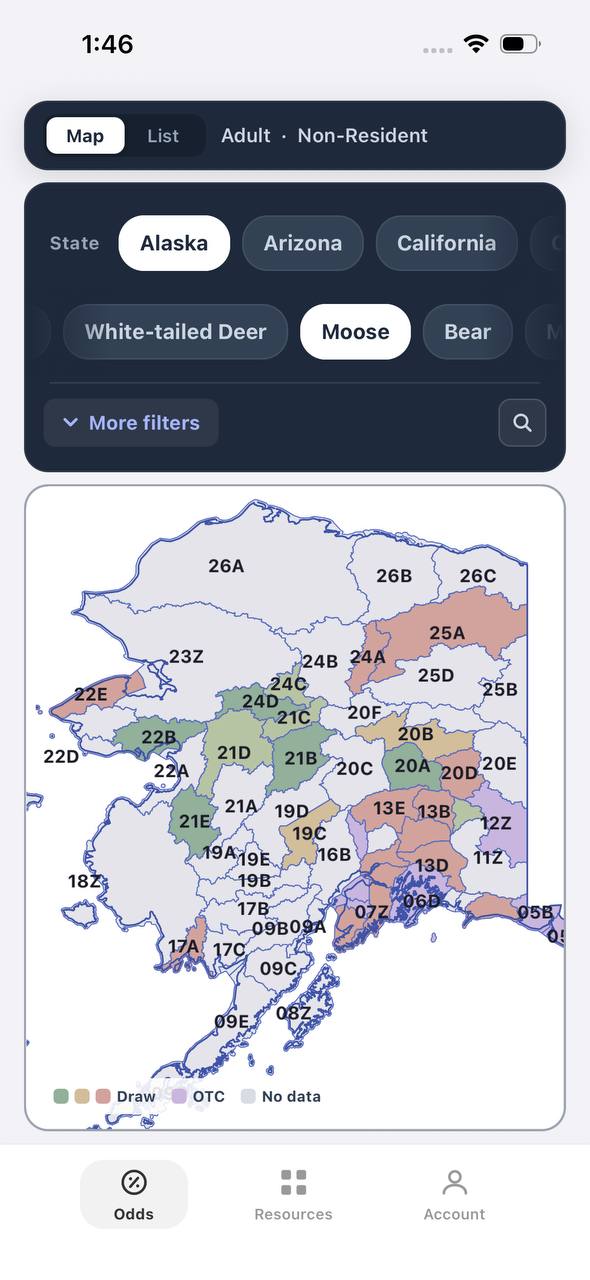
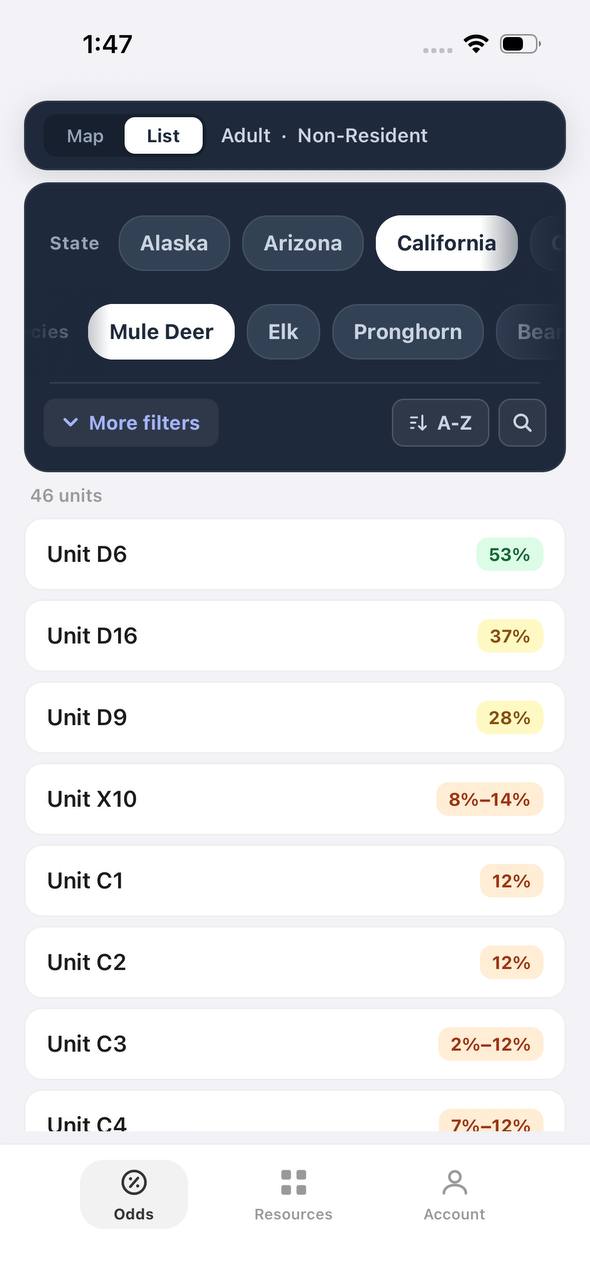
Free to join
Download mobile app
- Detailed draw odds
- Point tracking
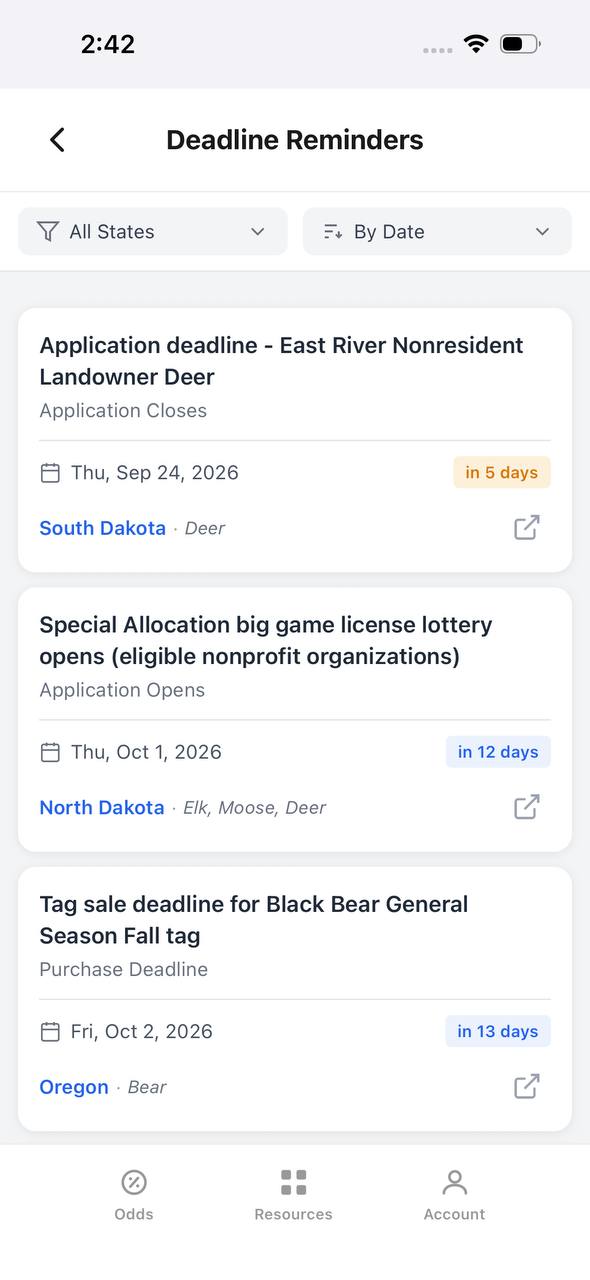
- Deadline reminders
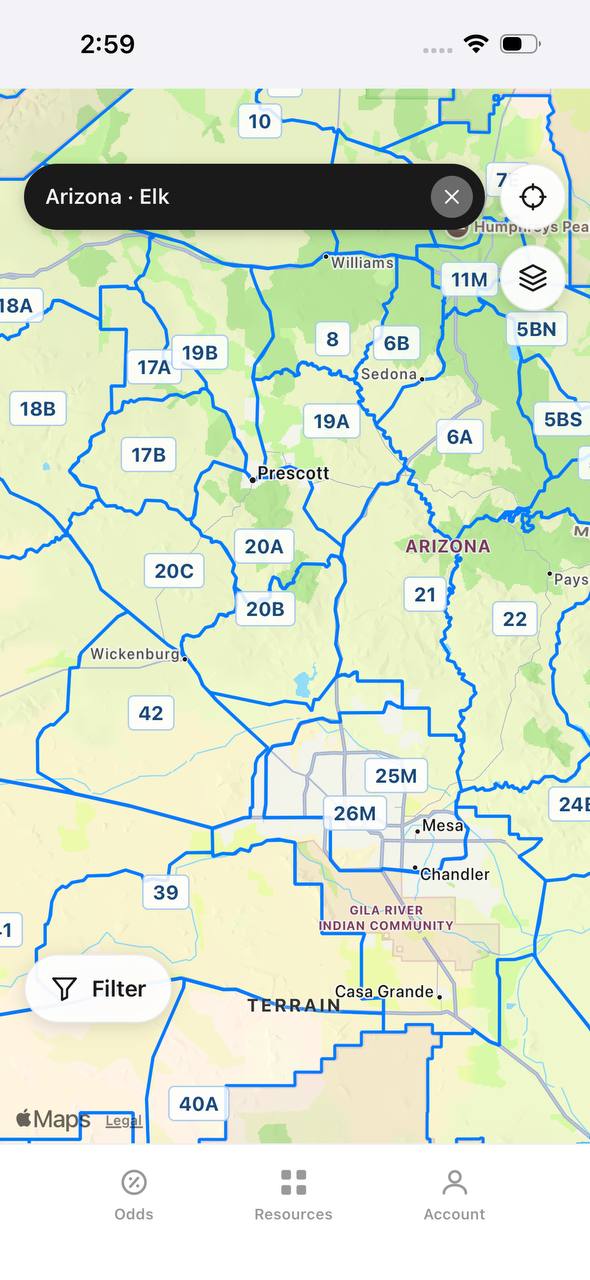
- 18 states covered

Free to join
Download mobile app
- Detailed draw odds
- Point tracking
- Deadline reminders
- 18 states covered
Free to join
Download mobile app
- Detailed draw odds
- Point tracking
- Deadline reminders
- 18 states covered

Essential Upgrades for Budget Rifles
Every budget lightweight rifle benefits from a quality scope and proper mounting system. Allocate $300-500 for optics — a Vortex Diamondback HD 4-12x40 or Leupold VX-Freedom 3-9x40 provides the clarity and durability Western hunting demands. Cheap scopes fail when you need them most.
Replace factory slings with adjustable models like the Vickers Sling or similar two-point designs. A proper sling transforms rifle carry on long approaches and provides shooting support from awkward positions. Budget $40-60 for a quality sling.
Consider a recoil pad upgrade if shooting magnums. Limbsaver and Pachmayr make slip-on pads that reduce felt recoil by 40-50% for under $30. This upgrade matters more on lightweight rifles where recoil is already amplified.
Break-In and Accuracy Testing
New rifles need proper break-in to achieve their accuracy potential. Fire one shot, clean the bore thoroughly, and repeat for the first 10 rounds. This process smooths the barrel and removes manufacturing residue that affects accuracy.
After break-in, test multiple ammunition types to find what your rifle prefers. Budget rifles often shoot factory ammunition as accurately as handloads. Federal Premium, Hornady Precision Hunter, and Barnes VOR-TX are proven performers. Buy three different loads and shoot three-shot groups at 100 yards.
Once you identify your rifle's preferred ammunition, verify zero at your maximum hunting distance. A rifle zeroed at 100 yards shoots significantly different at 300 yards. Know your drops at 200, 300, and 400 yards before the season.
Real-World Performance from Budget Lightweight Rifles
Budget lightweight rifles have accounted for countless successful Western hunts. The Ruger American has taken elk from Idaho to New Mexico in hands of hunters who spent rifle money on license applications instead. The Savage 110 Ultralite regularly appears in Montana sheep camps where guides trust their clients' equipment.
The key is realistic expectations and proper preparation. These rifles won't out-shoot custom builds, but they'll consistently place bullets in 8-inch vitals at 300 yards — more than sufficient for 95% of Western hunting situations. Shot placement matters far more than rifle cost when an elk steps out at 250 yards.
Reliability separates quality budget rifles from cheap ones. The models listed here function in rain, snow, and dust without failures. When you're 5 miles from the trailhead with a bull at 200 yards, your rifle needs to fire without hesitation. These proven designs deliver that confidence.
Maintenance for Backcountry Reliability
Lightweight budget rifles need proper maintenance to perform season after season. After each hunt, wipe down the barrel and action with a silicone cloth to prevent rust. Clean the bore every 20-30 rounds or after exposure to moisture. Use quality bore solvent and copper remover — cheap solvents leave residue that affects accuracy.
Check stock bedding screws before each season. Lightweight rifles with synthetic stocks can loosen from recoil. Torque action screws to manufacturer specifications, typically 40-65 inch-pounds. Loose bedding destroys accuracy.
Store rifles in a climate-controlled space, not damp garages or sheds. Temperature swings and humidity cause rust and stock warping. A $50 gun safe protects a $700 investment better than a closet corner.
FAQ — Budget Lightweight Hunting Rifles
What is the best budget lightweight rifle for elk hunting?
The Savage 110 Ultralite in .280 Ackley Improved or .300 Winchester Magnum offers the best combination of weight, accuracy, and power for elk at the $750 price point. The Weatherby Vanguard Backcountry in .300 Winchester Magnum is also excellent if you can stretch to $800.
How light is too light for a hunting rifle?
Rifles under 6 pounds scoped become difficult to shoot accurately from field positions and deliver punishing recoil in elk-capable calibers. For most Western hunters, 6.5-7 pounds scoped balances packability with shootability. Only experienced shooters should consider rifles under 6 pounds.
Do budget rifles shoot as accurately as expensive ones?
Modern budget rifles from Savage, Ruger, and Weatherby consistently shoot 1-1.5 MOA with quality ammunition, which is more than adequate for Western big game. Premium rifles offer better triggers, smoother actions, and superior fit and finish, but accuracy differences are minimal in field conditions.
What caliber works best in a lightweight rifle?
The 6.5 Creedmoor and .308 Winchester deliver excellent performance with manageable recoil in lightweight platforms. For elk, the .280 Ackley Improved balances flat trajectory with moderate recoil. Avoid magnum calibers in rifles under 6.5 pounds unless you're experienced with heavy recoil.
Should I buy a used lightweight rifle to save money?
Used rifles can save $100-200, but verify they haven't been damaged or had barrels shot out. Lightweight rifles take more abuse from recoil than heavier models. Unless you can test-fire before buying, new rifles with warranties provide better value and peace of mind.
How much should I budget for optics on a budget rifle?
Allocate $300-500 for a quality scope. A $600 rifle with a $400 Vortex or Leupold scope outperforms a $1,000 rifle with a $200 optic. Glass quality matters more than rifle cost when identifying animals at 400 yards in low light.
Continue Planning Your Hunt
Choosing the right rifle is just the first step in Western hunt planning. Once you've selected your lightweight budget rifle and zeroed it for your hunting caliber, you need to identify units where you can actually draw tags.
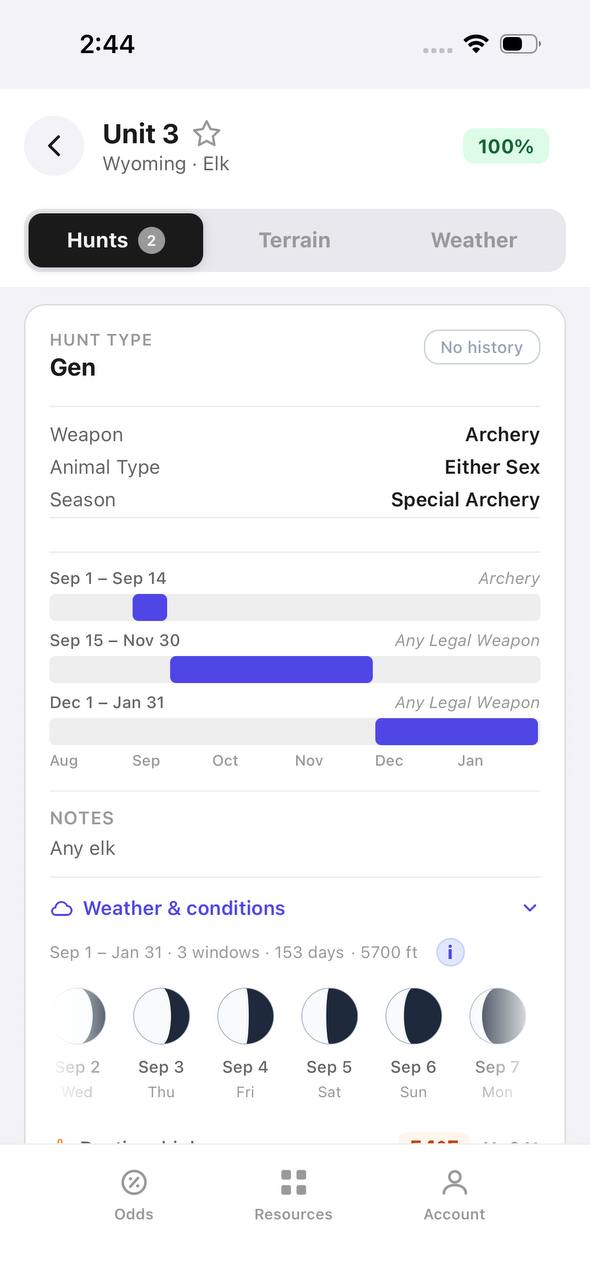
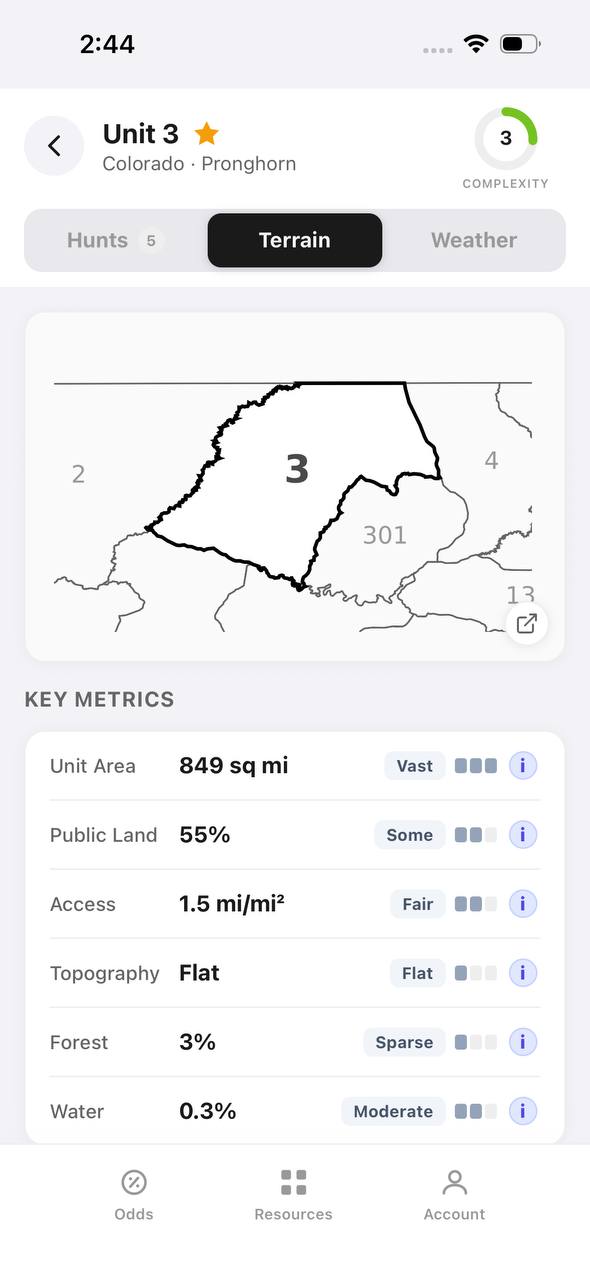
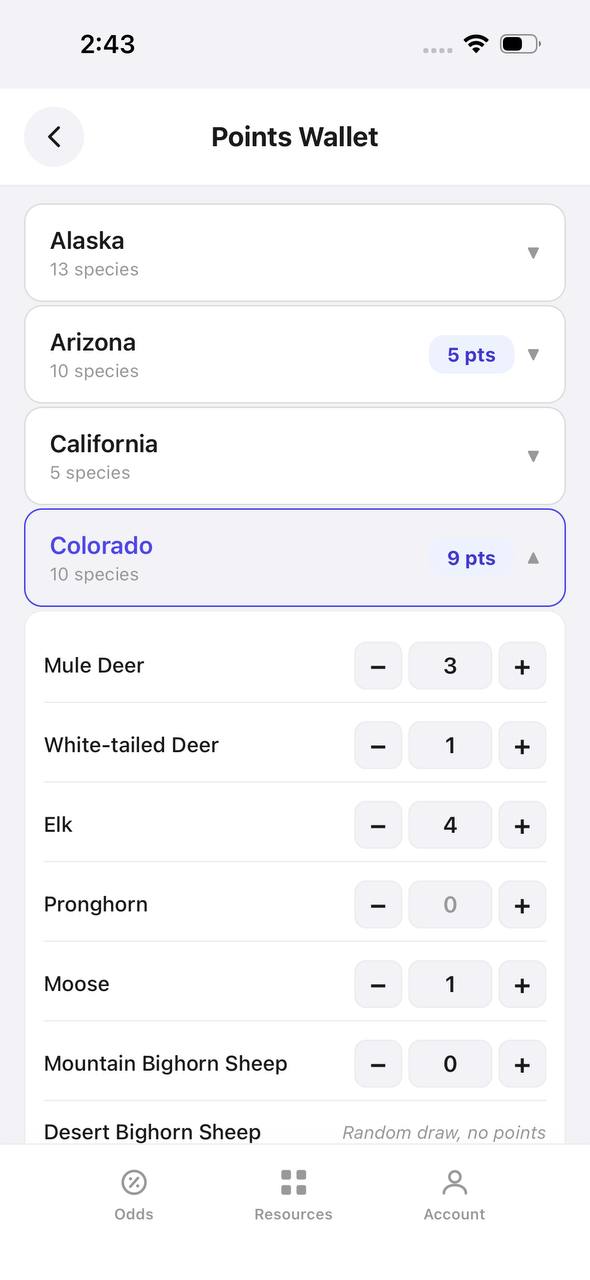
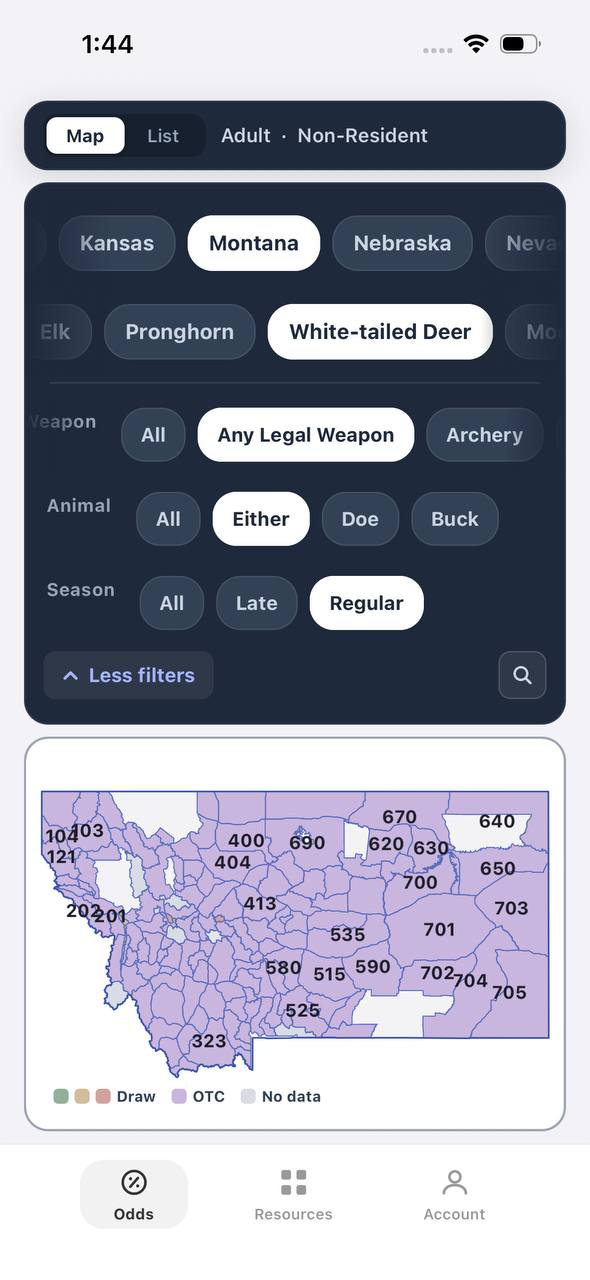
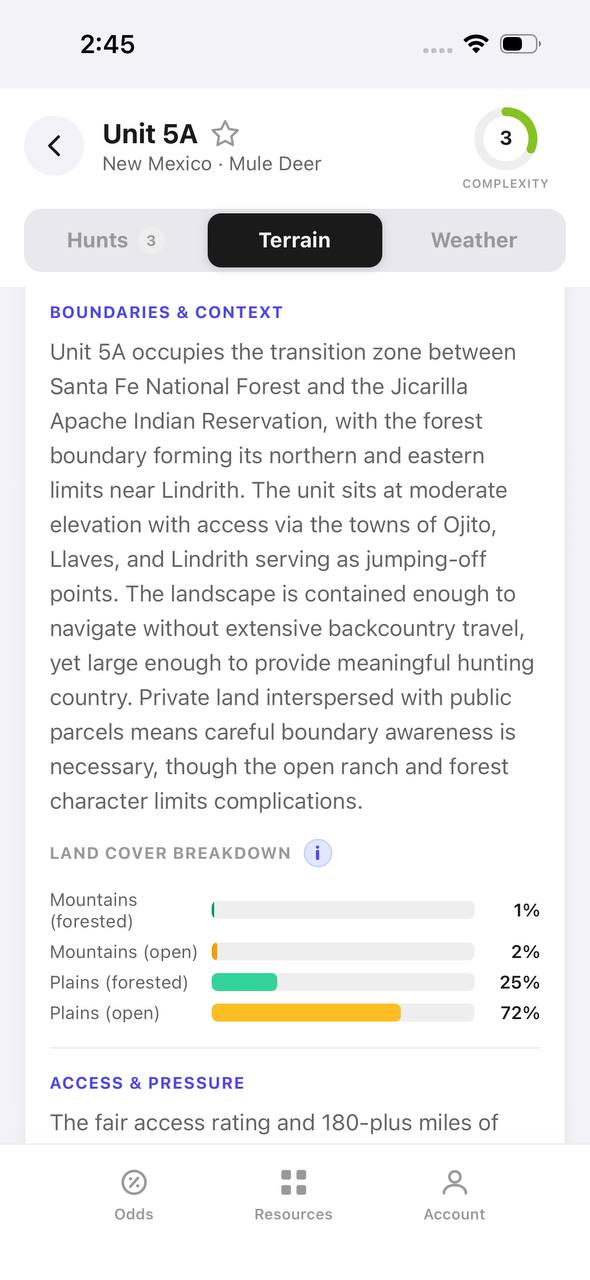
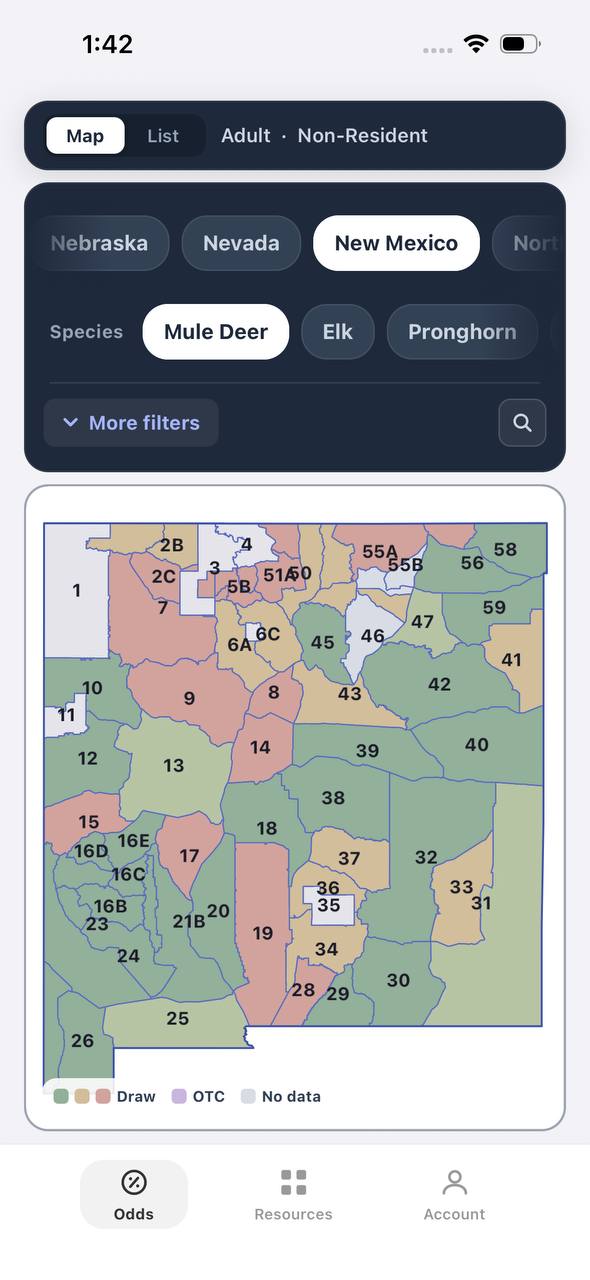
TAGZ helps you compare draw odds across multiple states and species so you're applying strategically instead of guessing. Track your preference points and bonus points in one platform, filter units by weapon type and season, and study terrain maps before you ever apply. Whether you're chasing OTC Colorado elk or planning a limited-entry mule deer hunt, TAGZ gives you the research tools to make smarter decisions.
Explore proven hunt strategies and unit breakdowns on the TAGZ Insights blog, where we cover everything from draw deadline tracking to public land access tips. When you're ready to dive deeper into unit selection and draw strategy, check out our pricing options and see how the TAGZ platform simplifies Western hunting applications from research through the draw.
Was this article helpful?
Previous
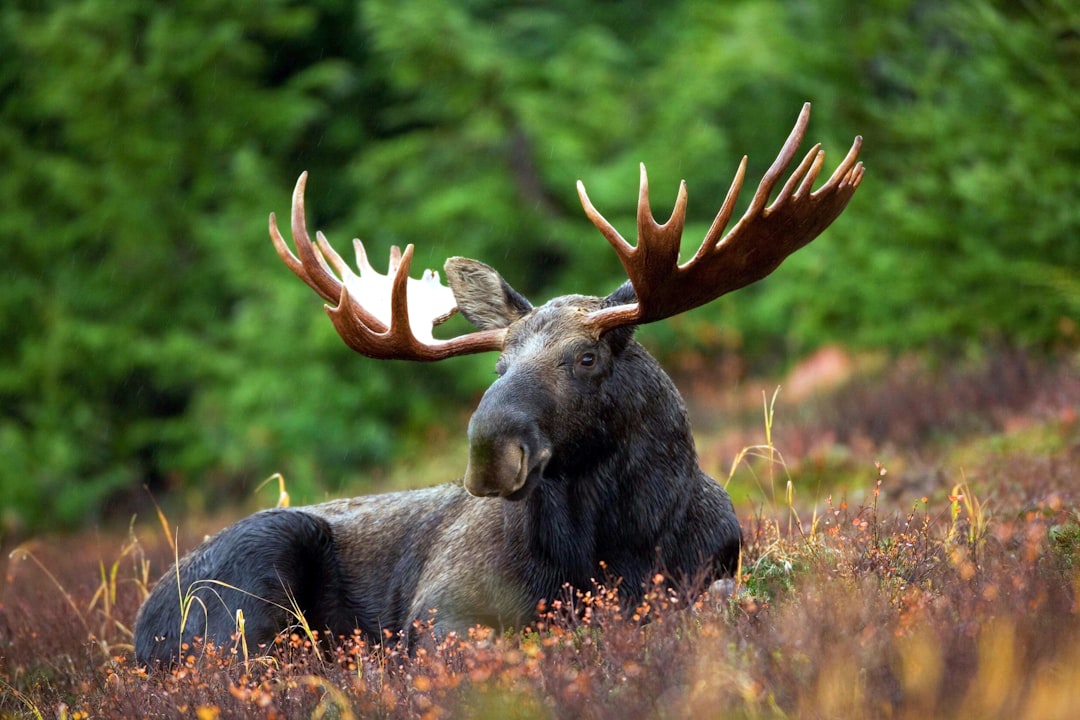
7 Moose Calling Mistakes That Cost Hunters Close Encounters
Most moose hunters call too often, too loud, or at the wrong time. Learn the subtle mistakes that spook bulls during the rut and how to adjust your approach for closer shots.
Related
How to Pack Clothing for a Backpack Hunt: A Layering System That Works
Packing the right clothing for a backcountry hunt means balancing weight, weather protection, and versatility. Learn how to build a proven layering system that keeps you comfortable from spike camp to the pack-out without hauling unnecessary gear.

Next
Best Portable Fuel Storage for Hunting Camps and Remote Hunts
Reliable fuel storage is essential for backcountry hunting camps. We break down the best portable fuel containers for different hunt scenarios, from weeklong elk camps to remote scouting trips.