How to Pack Clothing for a Backpack Hunt: A Layering System That Works
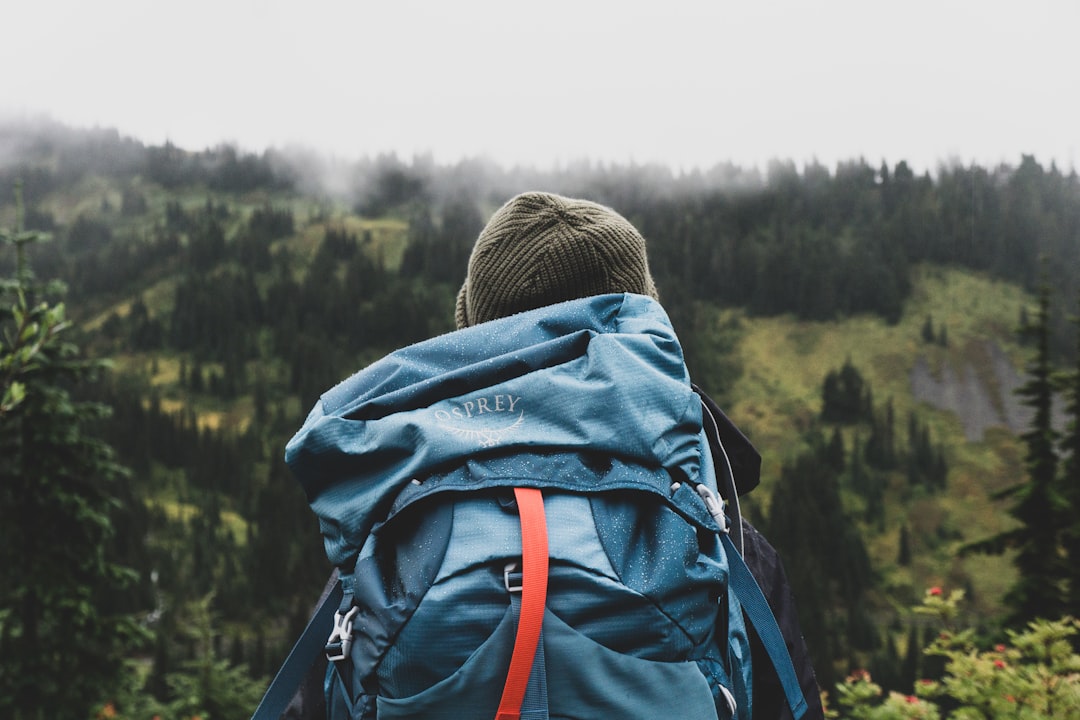
The difference between a miserable backcountry hunt and a comfortable one often comes down to what you packed in the clothing department. Pack too much and you are hauling dead weight up the mountain. Pack too little and you are shivering through glassing sessions or soaked after the first afternoon thunderstorm.
The key is building a layering system that adapts to swings in temperature, exertion level, and weather without requiring a different outfit for every scenario. This approach keeps your pack weight manageable while ensuring you have what you need when conditions turn.
Start with the Base Layer
Your base layer sits against your skin and manages moisture. This is not the place to cheap out or bring cotton.
Merino wool is the gold standard for backcountry hunts. It regulates temperature better than synthetics, resists odor even after multiple days of wear, and stays warm when damp. Pack one lightweight merino top and bottom for active hunting, plus one midweight set for camp and cold mornings. Two sets let you rotate while one dries or airs out.
Synthetic base layers dry faster and cost less, but they hold odor and feel clammy in cool weather. If you go synthetic, bring an extra top because you will want to change it more often.
For early-season or warm-weather hunts, a single lightweight merino set may be enough. For late-season elk or high-country mule deer, the midweight set becomes your primary layer and the lightweight becomes your backup.
Build Your Insulation Layer
Insulation is what you throw on during glassing sessions, in camp, or anytime you stop moving. The goal is packable warmth that compresses small and deploys fast.
A puffy jacket is non-negotiable. Down insulates better per ounce than synthetic and compresses smaller, but it loses all insulating value when wet. Synthetic fill stays warm when damp and dries faster. For September elk in Colorado or October mule deer in Nevada, down works. For coastal blacktail in Oregon or late-season anything, synthetic is the safer bet.
Pack a puffy jacket with a hood. The hood adds negligible weight and becomes critical when temperatures drop or wind picks up. Look for jackets in the 10-14 ounce range that pack into their own pocket.
A puffy vest or lightweight insulated jacket can serve as your active mid-layer for cool mornings, then layer under your puffy when you stop moving. This gives you more temperature range without adding a dedicated fleece. If you are hunting September archery elk and expect warm afternoons, skip the vest and rely on your base layer and shell.
Choose the Right Shell Layers
Your shell is your insurance policy against rain, snow, and wind. It needs to be waterproof, breathable, and durable enough to handle brush and pack straps.
A waterproof rain jacket with a hood is mandatory. Look for jackets with pit zips for ventilation and a design that layers over your puffy without binding. Three-layer Gore-Tex or similar laminates breathe better than coated nylon and hold up longer under a pack. Weight matters, but durability matters more when you are five miles from the trailhead.
Rain pants are often debated, but they earn their weight. Even if you hunt in dry country, afternoon thunderstorms happen, and wet pants sap body heat fast. Packable rain pants weigh 6-10 ounces and compress to the size of a water bottle. Full-zip sides make them easy to pull on over boots without removing your pack.
For early-season hunts in stable weather, you can skip the rain pants if you are disciplined about weight. For anything after mid-September or above treeline, bring them.
Pack Versatile Mid-Layers
Mid-layers fill the gap between base layers and insulation. A lightweight fleece or synthetic hoody gives you warmth during active hunting without the bulk of a puffy.
A grid-fleece hoody in the 8-12 ounce range works for most backcountry hunts. It breathes well during climbs, dries fast, and layers cleanly under a shell. The hood adds warmth without requiring a separate hat during marginal weather.
Some hunters skip the fleece entirely and rely on a lightweight puffy as their only insulation layer. This works if you run warm and hunt early season. For late-season hunts or cold-natured hunters, the fleece gives you a mid-range option that a puffy cannot replicate.
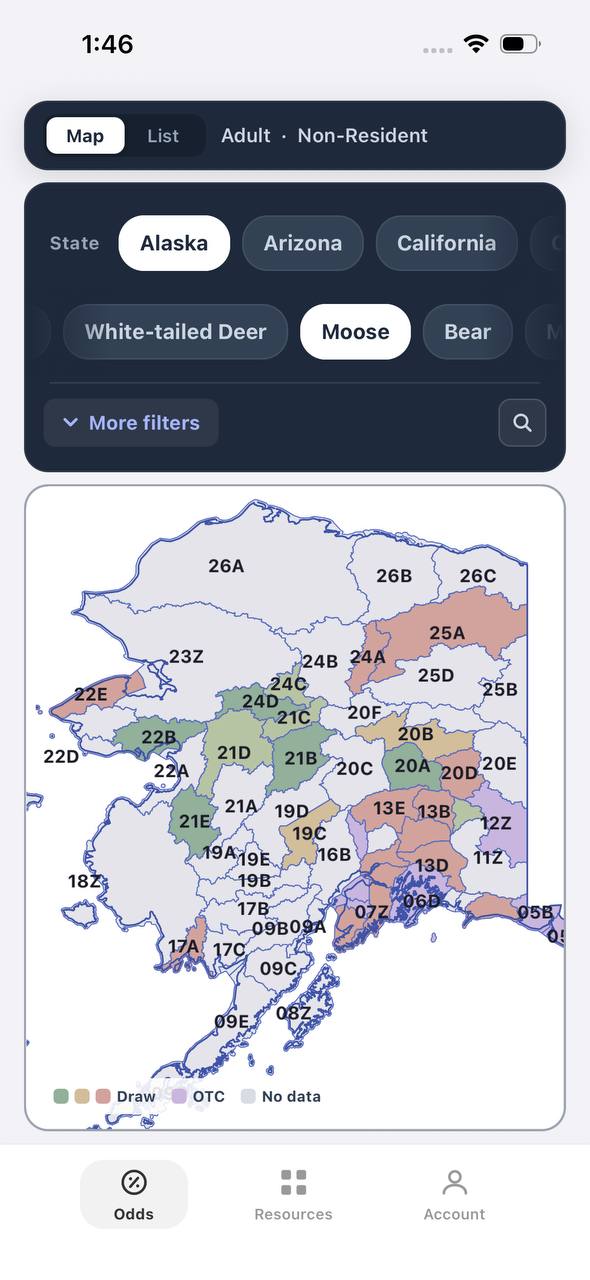
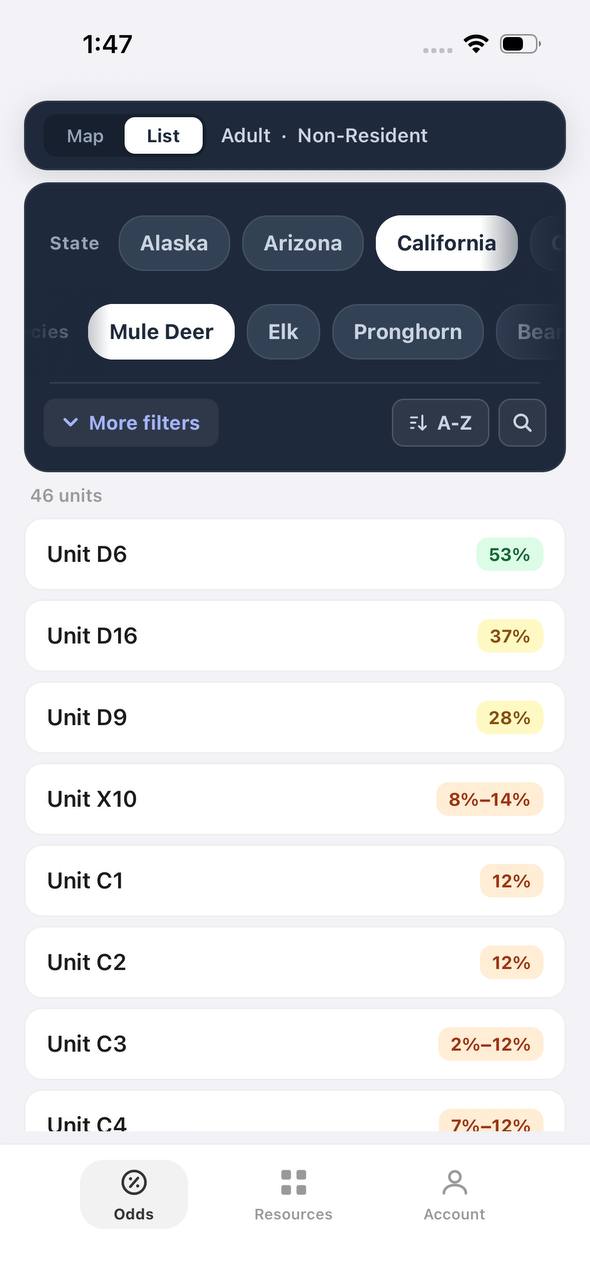
Free to join
Download mobile app
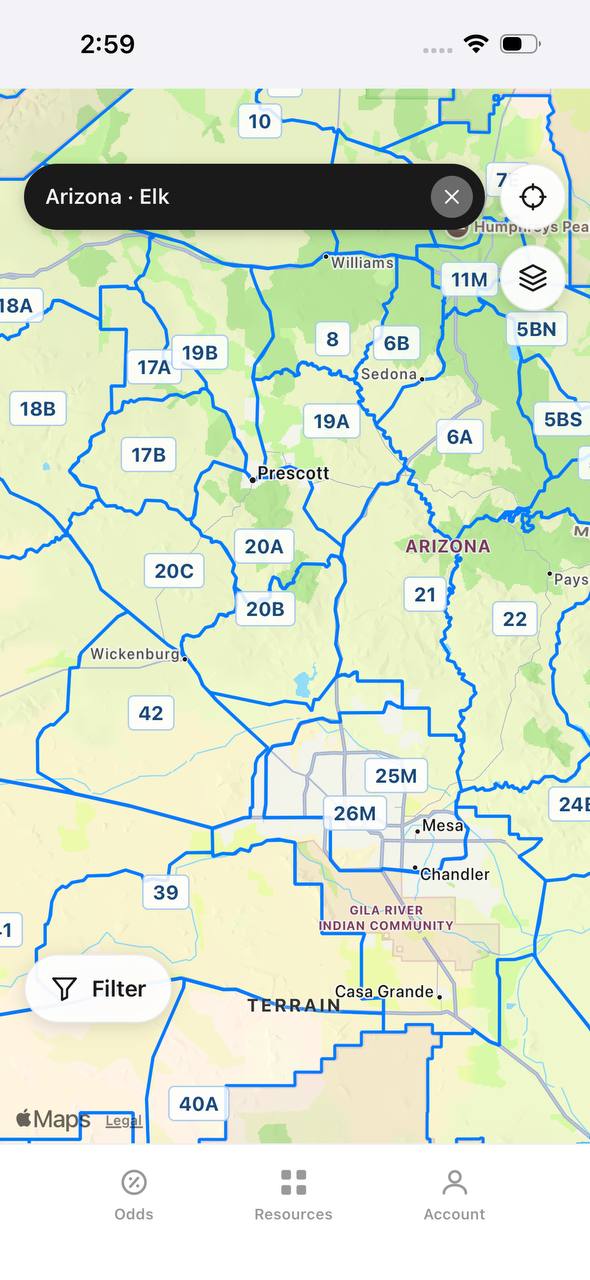
- Detailed draw odds
- Point tracking
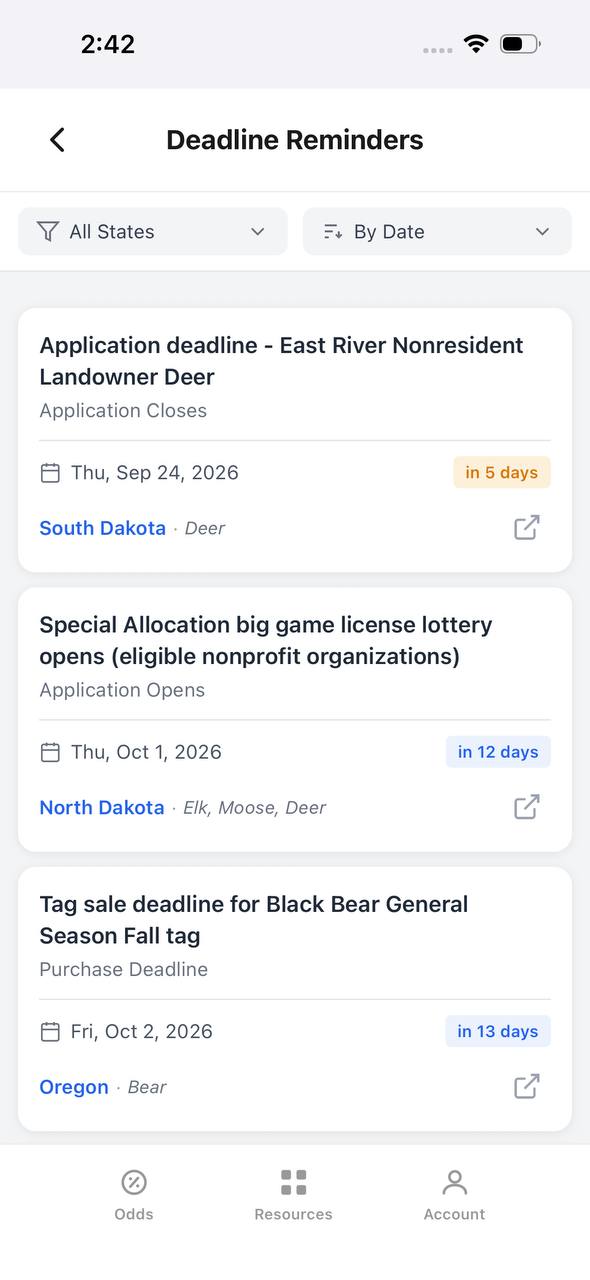
- Deadline reminders
- 18 states covered

Free to join
Download mobile app
- Detailed draw odds
- Point tracking
- Deadline reminders
- 18 states covered
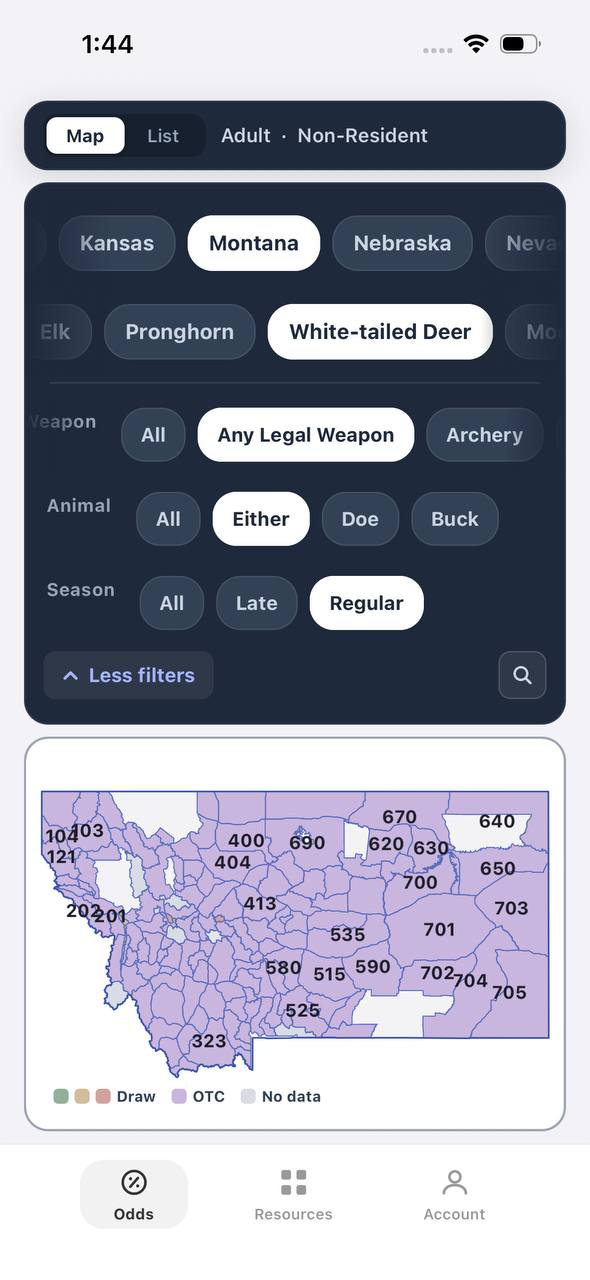
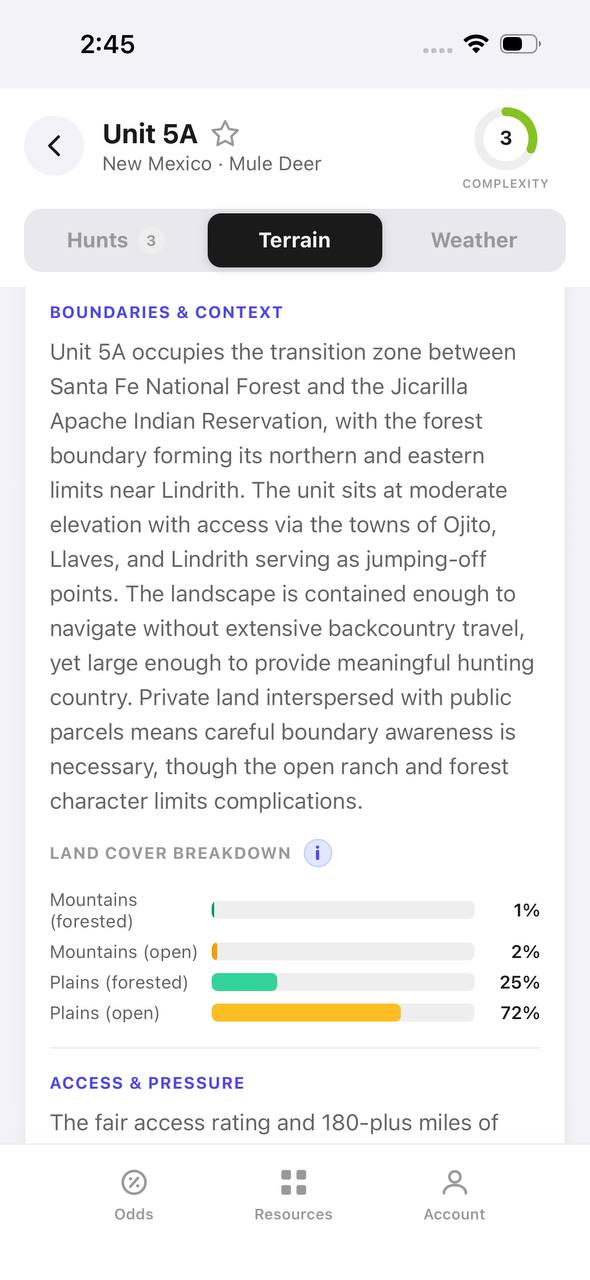
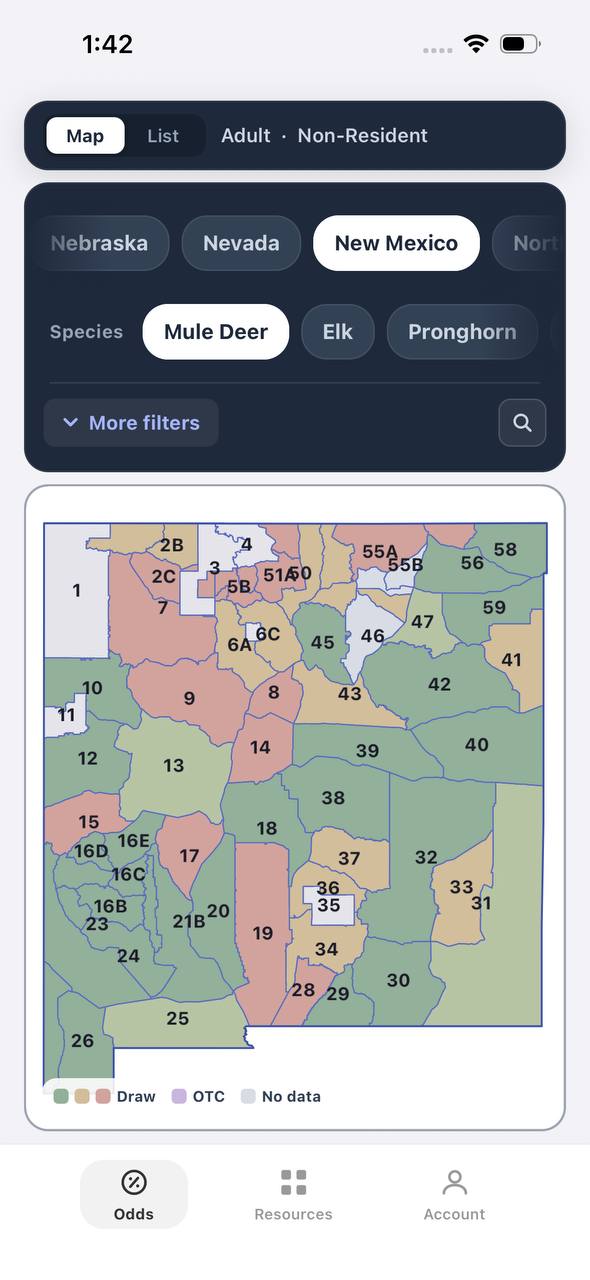
Free to join
Download mobile app
- Detailed draw odds
- Point tracking
- Deadline reminders
- 18 states covered
Bring the Right Pants
Pants take more abuse than any other clothing item on a backpack hunt. They need to shed water, resist snags, and dry quickly.
Synthetic hiking pants with some stretch and a DWR finish handle most backcountry conditions. Look for reinforced knees and seat, zippered pockets that secure small items, and a fit that layers over base layers without binding.
Lightweight softshell pants add wind and water resistance without the weight of hardshells. They work well for high-country hunts where weather changes fast and you need more protection than standard hiking pants provide.
Avoid cotton or heavy canvas. They soak up water, dry slowly, and add unnecessary weight. Merino or synthetic blend pants work for mild weather, but they wear through faster on rough terrain.
Pack one primary pant and consider a backup lightweight option if the hunt runs longer than five days or you expect wet conditions. Having a dry pair to change into at camp makes a difference on morale.
Do Not Forget Extremities
Hands, feet, and head lose heat fast and take longer to warm back up.
Bring a lightweight beanie that fits under your jacket hood. Merino or synthetic blend beanies weigh almost nothing and pack flat. A brimmed hat for sun protection during midday glassing adds comfort on exposed ridges.
Gloves should include a lightweight pair for active hunting and a warmer insulated pair for glassing or camp. Merino glove liners add warmth, dry fast, and work as your primary glove during September hunts. For late-season, add insulated gloves or mittens that fit over the liners.
Socks matter more than most hunters realize. Merino hiking socks in midweight or heavyweight keep your feet warm, wick moisture, and resist blisters. Pack at least three pairs so you can rotate daily and keep one pair dry for camp. Wet feet lead to blisters, and blisters end hunts.
Organize and Compress
How you pack clothing affects both accessibility and pack volume.
Use stuff sacks or dry bags to compress puffy layers and keep clothing dry. Color-coded or labeled sacks make it easy to find what you need without dumping your pack. Keep your rain jacket and puffy in the top of your pack or an external pocket so you can access them quickly when weather changes.
Pack your extra base layer and socks in a waterproof bag. Even with a pack cover, moisture works its way in during hard rain or creek crossings. A gallon freezer bag weighs nothing and keeps your dry clothes actually dry.
Wear your heaviest clothing items during the hike in — usually your primary pants and boots. This keeps them out of your pack and spreads the weight across your body instead of on your back.
Adjust for Season and Elevation
September archery elk in low country requires less clothing than October rifle mule deer at 10,000 feet. Adjust your packing list based on expected temperatures and elevation.
For early-season hunts, prioritize moisture management and sun protection. Lightweight base layers, a sun hoody, and a packable puffy cover most scenarios. Rain gear is still essential, but you can get away with a lighter jacket and skip insulated gloves.
For late-season hunts, prioritize warmth and weather protection. Add a midweight base layer, heavier puffy, insulated gloves, and rain pants. A lightweight balaclava or neck gaiter adds face protection during windy glassing sessions.
High-elevation hunts mean bigger temperature swings. Even in September, mornings near treeline can dip into the 20s and afternoons can push 70. Layer flexibility matters more than raw warmth.
Test Your System Before the Hunt
The worst time to discover your rain jacket does not fit over your puffy is five miles into the backcountry during a storm.
Do a full dress rehearsal with your complete layering system before your hunt. Put on your base layer, add your mid-layer, pull on your puffy, and throw your rain jacket over the top. Make sure everything layers cleanly, zippers do not snag, and you have full range of motion for drawing your bow or shouldering your rifle.
Wear your system on training hikes under your loaded pack. This reveals pressure points, chafing, or mobility issues you will not catch in your living room. Adjust or replace items that do not work before you are committed to them in the field.
What to Leave Home
Every ounce counts on a backpack hunt. Here is what experienced hunters leave behind.
Skip the cotton anything. Cotton holds moisture, dries slowly, and loses all insulating value when wet. If it is cotton, it stays home.
Avoid redundant layers. You do not need a fleece AND a softshell AND a puffy vest. Pick the layers that give you the most temperature range with the least overlap.
Leave jeans, sweatshirts, and casual clothing in the truck. Everything in your pack should serve a specific purpose tied to hunting performance or safety.
Do not pack clothing for every possible scenario. Build a system that adapts instead. Three versatile layers beat six specialized ones.
FAQ — Packing Clothing for Backpack Hunts
How many base layers should I bring on a week-long hunt?
Two complete sets. One lightweight for active hunting and one midweight for camp and cold mornings. This lets you rotate while one dries and gives you a backup if something gets wet.
Is merino wool worth the extra cost over synthetic base layers?
Yes for multi-day hunts. Merino resists odor, regulates temperature better, and stays warm when damp. Synthetics dry faster but smell bad after one hard day and feel clammy in cool weather.
Should I pack rain pants if the forecast looks dry?
Yes. Weather changes fast in the mountains and afternoon thunderstorms happen even during dry spells. Rain pants weigh less than a water bottle and keep you functional when conditions turn.
What is the best insulation for a backcountry puffy jacket?
Down for dry, cold hunts. Synthetic for wet climates or late-season. Down compresses smaller and insulates better per ounce, but synthetic keeps you warm when damp and dries faster.
How do I keep my clothing dry in my pack?
Use stuff sacks or dry bags for base layers and insulation. A waterproof compression sack for your puffy and a gallon freezer bag for socks and extra base layers keeps critical items dry even if your pack takes on water.
Can I get away with one pair of pants on a five-day hunt?
Yes if they are synthetic or softshell and you expect dry weather. Bring a backup lightweight pair if conditions will be wet or the hunt runs longer than five days. Having dry pants at camp improves morale and keeps you warmer overnight.
Was this article helpful?
Previous
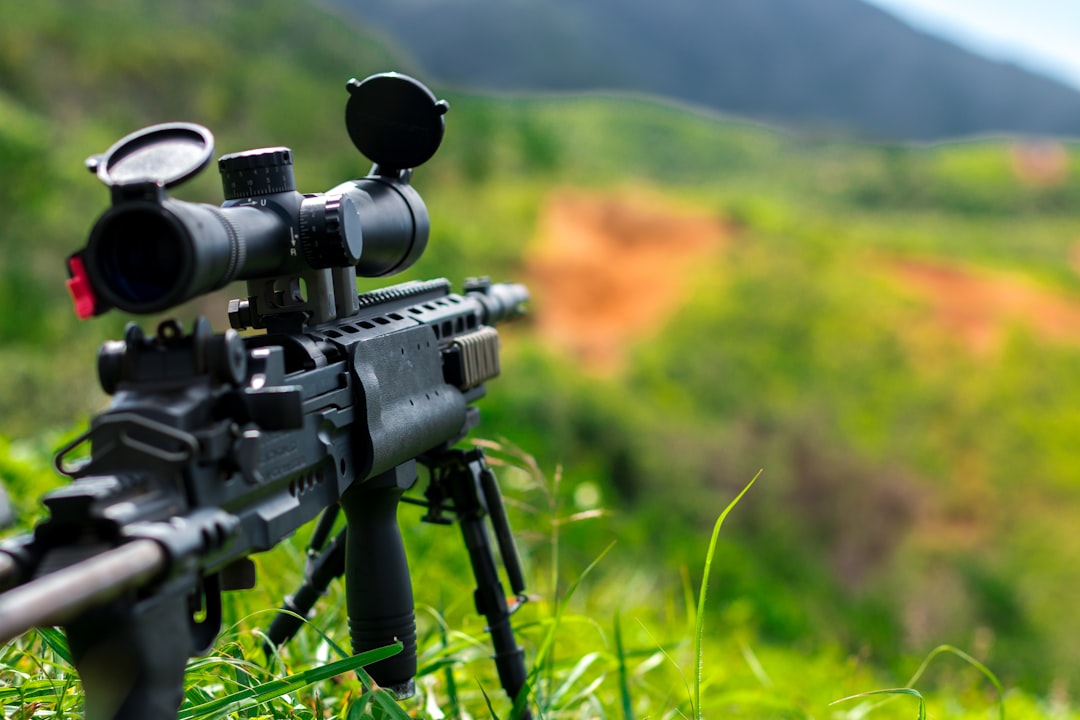
Best Lightweight Budget Hunting Rifles for Western Big Game in 2025
Discover the top lightweight, affordable hunting rifles that won't break the bank or your back on steep Western hunts. We break down the best budget options under $800 that deliver accuracy and reliability for elk, deer, and pronghorn.
Related
Swift Scirocco II Review: The Ultimate Hunting Bullet for Western Big Game
The Swift Scirocco II delivers exceptional accuracy and devastating terminal performance on elk, mule deer, and pronghorn across western terrain. This bonded-core bullet bridges the gap between match-grade precision and controlled expansion for serious hunters who demand both.
Next
7 Moose Calling Mistakes That Cost Hunters Close Encounters
Most moose hunters call too often, too loud, or at the wrong time. Learn the subtle mistakes that spook bulls during the rut and how to adjust your approach for closer shots.