Swift A-Frame vs Nosler Partition: Which Bullet for Western Big Game?

Both the Swift A-Frame and Nosler Partition have earned reputations as go-to controlled-expansion bullets for western big game. If you are loading for elk in timber, mule deer at distance, or bear country backup, choosing between these two comes down to understanding how each bullet performs when it matters.
The Partition has been around since 1948 and remains a standard for good reason. The A-Frame arrived in 1984 with a different approach to the same problem: keeping a bullet together through heavy bone while still opening reliably. Both work. The question is which one fits your hunt better.
How Each Bullet Is Built
The Nosler Partition uses a dual-core design with a solid partition wall between the front and rear cores. The front core expands and sheds some weight on impact. The rear core stays intact and drives deep. That partition wall is the signature feature — it prevents the cores from separating and guarantees penetration even if the front half comes apart.
The Swift A-Frame bonds both cores to a thick copper jacket using a proprietary process. The bullet has an internal wall similar to the Partition, but the bonding keeps more of the original weight together. A-Frames routinely retain 95 percent or more of their starting weight, even after hitting heavy shoulder bone. The trade-off is a slightly smaller expanded diameter compared to the Partition's aggressive front-end mushroom.
Both bullets use a flat base rather than a boat tail. Neither is designed for extreme long range, though both shoot accurately enough for realistic western hunting distances.
Penetration and Weight Retention
If you need maximum penetration through heavy bone or dense muscle, the A-Frame has the edge. Bonded cores and thick jackets mean the bullet holds together better on quartering shots or when you hit a bull elk's shoulder at close range. Recovered A-Frames often look like textbook mushrooms with nearly all their weight intact.
The Partition penetrates plenty for broadside shots and most quartering angles, but it sheds more weight in the process. That is by design — the front core does its job by expanding aggressively, and the rear core handles the deep driving. For elk and moose, the Partition has accounted for thousands of clean kills, so the weight loss is not a problem in practice. It just means you will find less bullet in the hide on the far side.
For dangerous game or close-range situations where you might hit heavy bone at steep angles, the A-Frame is the safer choice. For standard broadside and quartering-away shots on deer and elk, both bullets deliver reliable results.
Expansion Characteristics
The Partition opens faster and creates a wider wound channel in the first few inches of penetration. That front core expands aggressively, especially at higher velocities. If you are hunting mule deer or pronghorn where quick expansion matters more than deep penetration, the Partition gives you a larger initial wound and faster energy dump.
The A-Frame expands more conservatively. It still opens reliably, but the bonded construction limits how much the petals peel back. The result is a narrower wound channel but deeper penetration. On elk-sized game, that deeper wound often means better blood trails and quicker kills, especially if you are punching through ribs or shoulder blade.
At close range with magnum velocities, both bullets handle the impact without blowing up. At longer distances where velocity drops, the Partition's faster expansion can be an advantage. The A-Frame still opens, but it needs more resistance to mushroom fully.
Accuracy and Ballistic Performance
Both bullets shoot accurately in quality rifles with proper load development. Neither is a match-grade long-range projectile, but both are capable of sub-MOA groups if your rifle likes them. The flat base design simplifies loading — you do not need to worry about seating depth as much as you would with a boat tail.
The Partition has a slight edge in availability across different bullet weights and calibers. Nosler produces Partitions in nearly every popular hunting caliber from 6mm to .375, with multiple weight options in each. Swift offers A-Frames in fewer weights, though the most common elk and deer calibers are well covered.
Ballistic coefficients are similar and modest for both bullets. Neither is designed for shooting past 400 yards. If you are hunting open country where 500-plus-yard shots are common, a higher-BC bullet like the Nosler AccuBond Long Range or a polymer-tipped option will serve you better. For shots inside 300 yards, the A-Frame and Partition both perform predictably.
Free to join
Download mobile app
- Detailed draw odds
- Point tracking
- Deadline reminders
- 18 states covered

Free to join
Download mobile app
- Detailed draw odds
- Point tracking
- Deadline reminders
- 18 states covered
Free to join
Download mobile app
- Detailed draw odds
- Point tracking
- Deadline reminders
- 18 states covered
Cost and Availability
The Nosler Partition typically costs less per bullet than the Swift A-Frame. Exact prices fluctuate, but expect to pay 20 to 30 percent more for A-Frames. If you are shooting a lot of practice rounds or loading for multiple rifles, that difference adds up.
Partitions are easier to find on store shelves and online. A-Frames have become more available in recent years, but Nosler's broader distribution network means you are more likely to walk into a shop and find Partitions in stock. If you handload and like to experiment with different bullet weights, the Partition's wider selection makes load development easier.
Both bullets have proven track records, so the cost difference comes down to whether you need the A-Frame's extra toughness. For most western hunting, the Partition delivers everything you need at a lower price. For tougher game or situations where penetration is critical, the A-Frame is worth the premium.
Which Bullet for Your Hunt
Choose the Swift A-Frame if you are hunting elk in heavy timber where close shots and steep angles are common, if you are heading into bear country and want a bullet that will not quit, or if you are using a lighter caliber and need maximum penetration to compensate. The A-Frame excels when the shot is not perfect and you need a bullet that holds together no matter what.
Choose the Nosler Partition if you are hunting mule deer or pronghorn where fast expansion matters, if you want a proven bullet at a lower cost, or if you are shooting a standard caliber like .270 or .30-06 at typical western hunting distances. The Partition has been killing elk, deer, and moose cleanly for 75 years. It works.
Both bullets are controlled-expansion designs that prioritize deep penetration over extreme expansion. Neither will blow up on a shoulder shot, and both will punch through to the vitals. The A-Frame is tougher and holds together better. The Partition expands faster and costs less. Your hunting situation determines which trade-off makes sense.
Using TAGZ to Plan Your Hunt
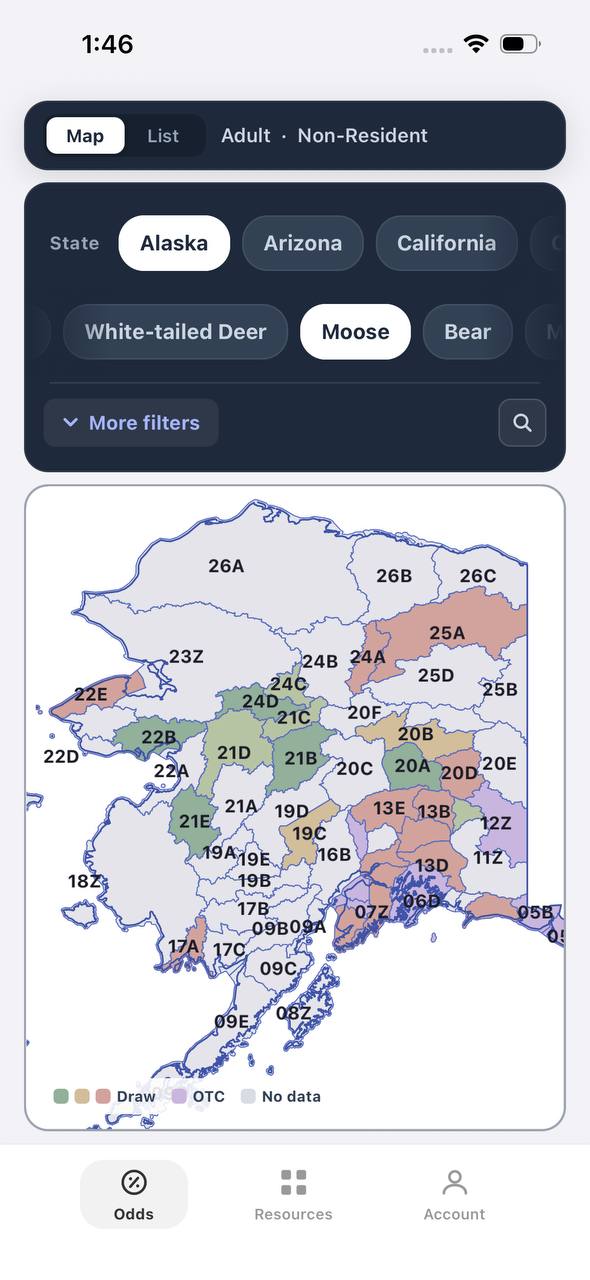
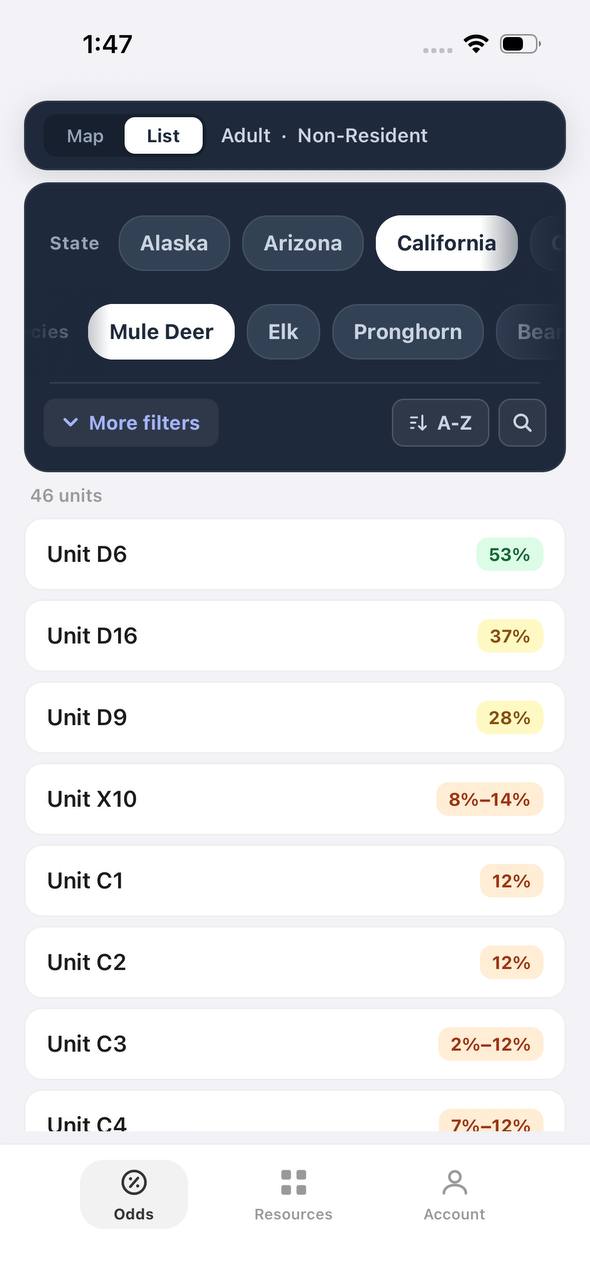
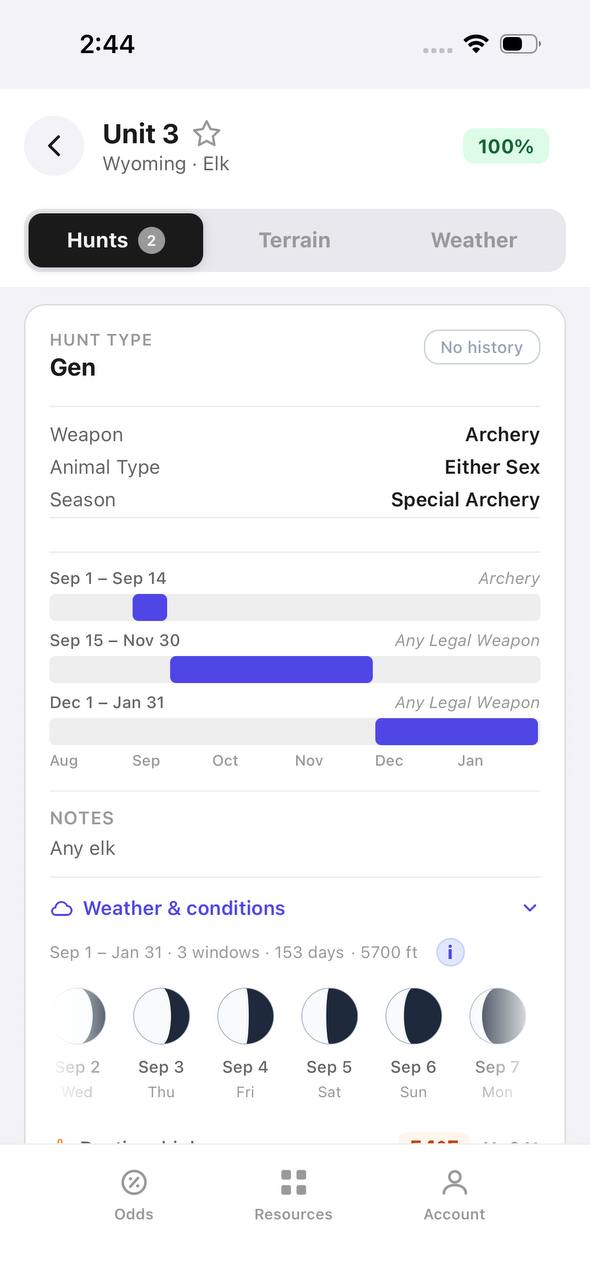
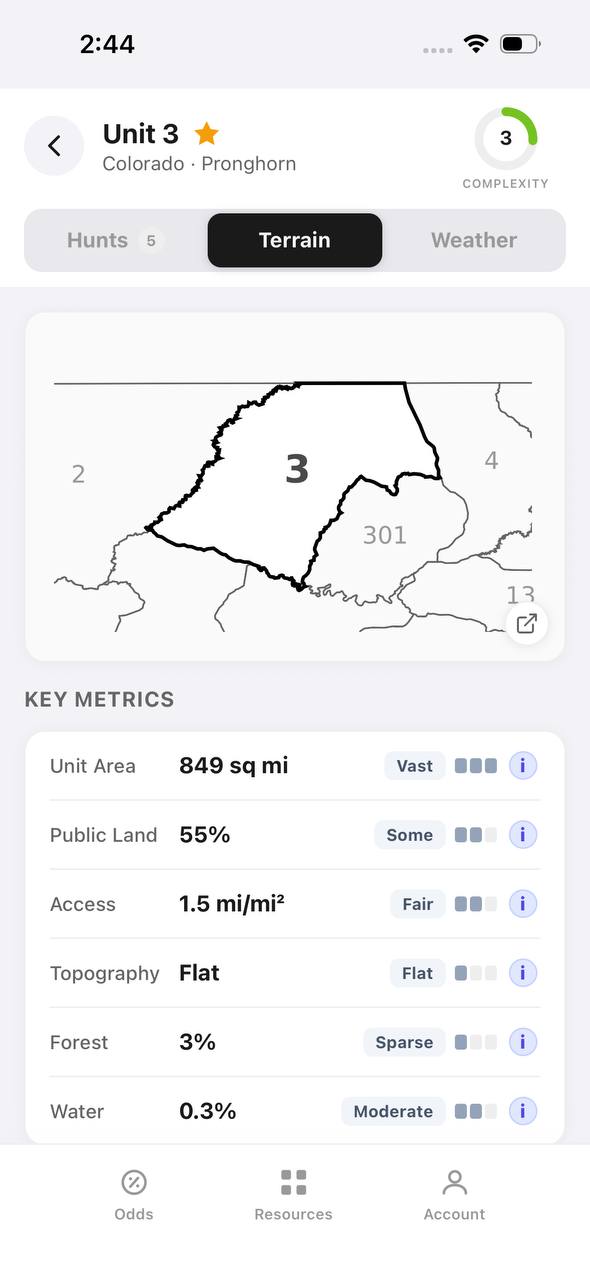
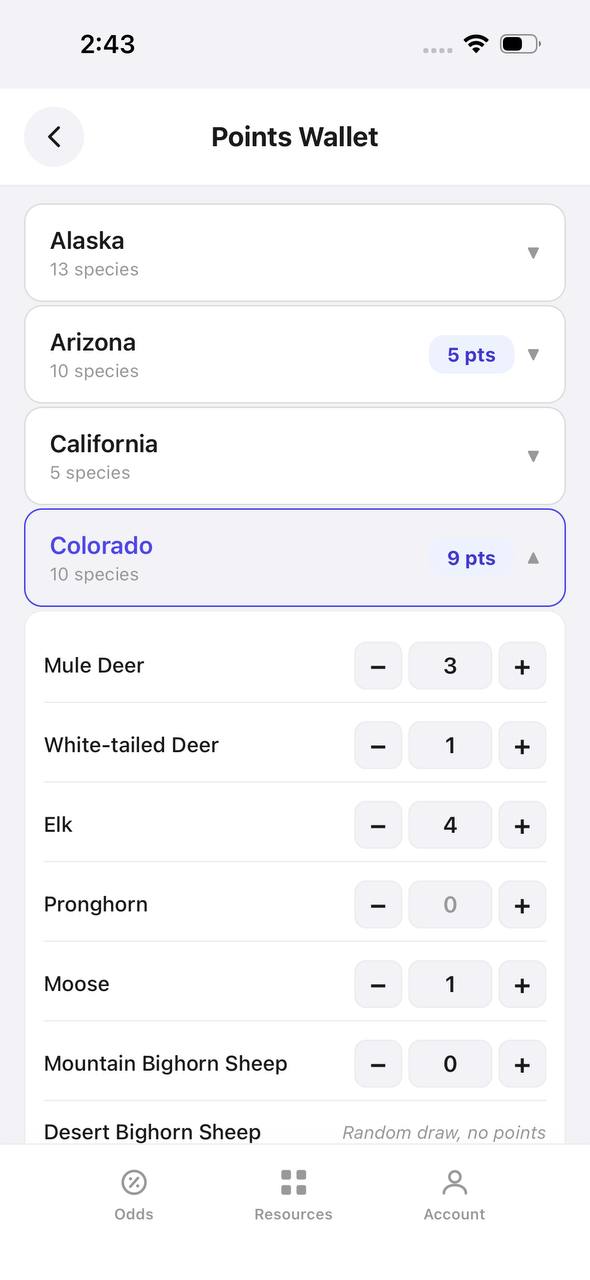
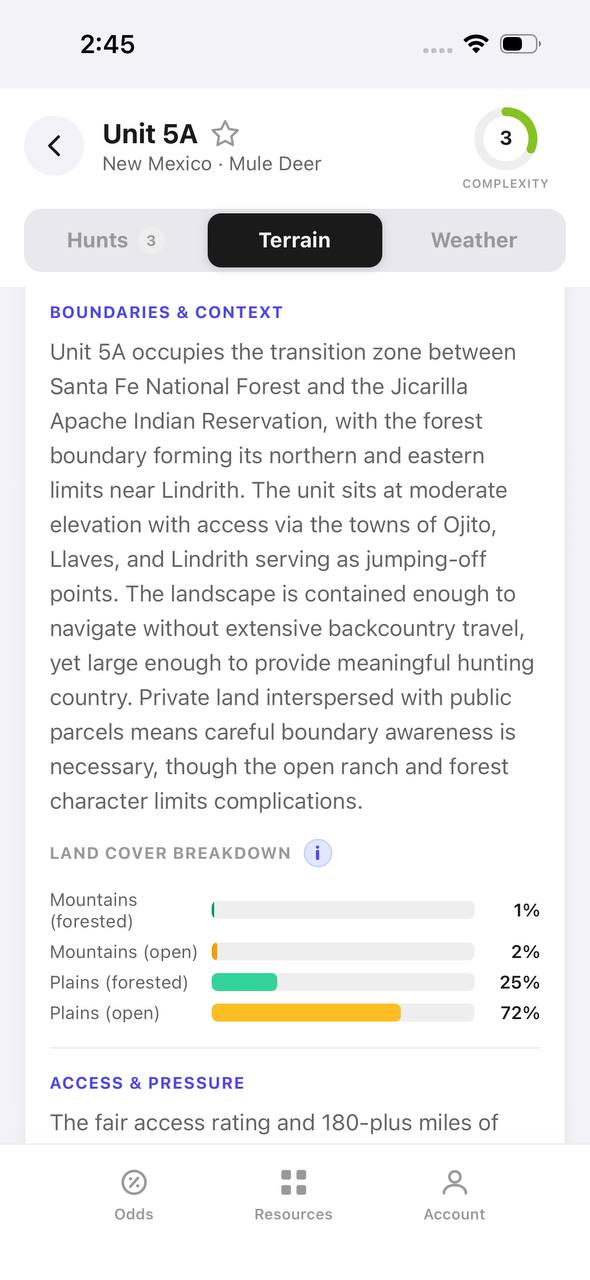
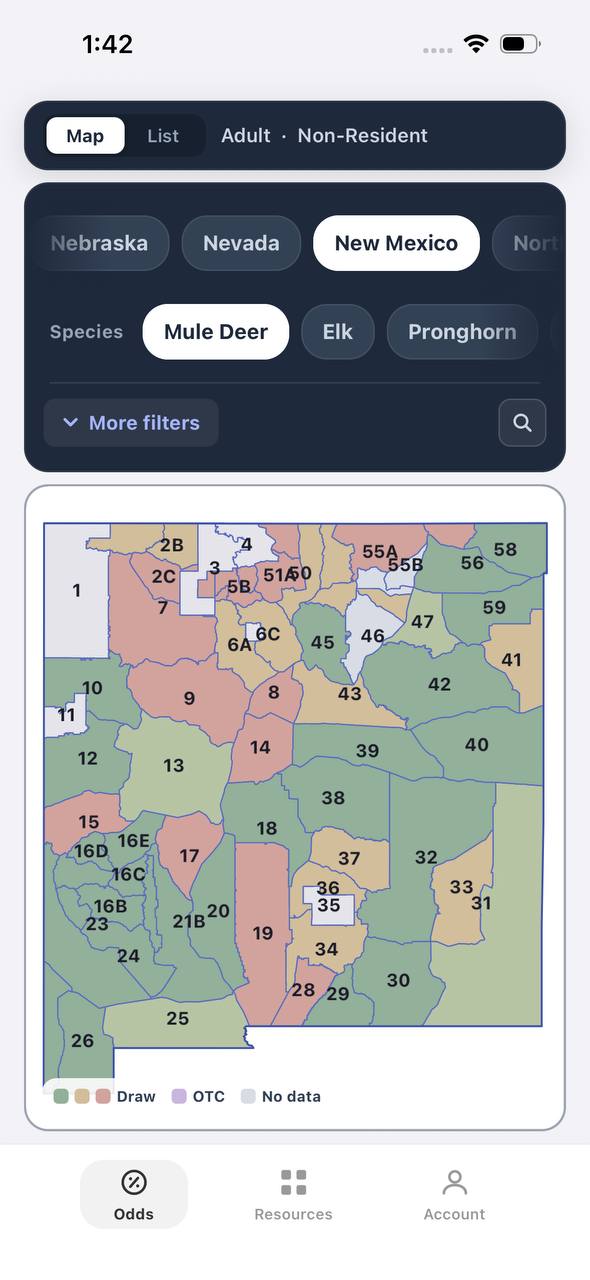
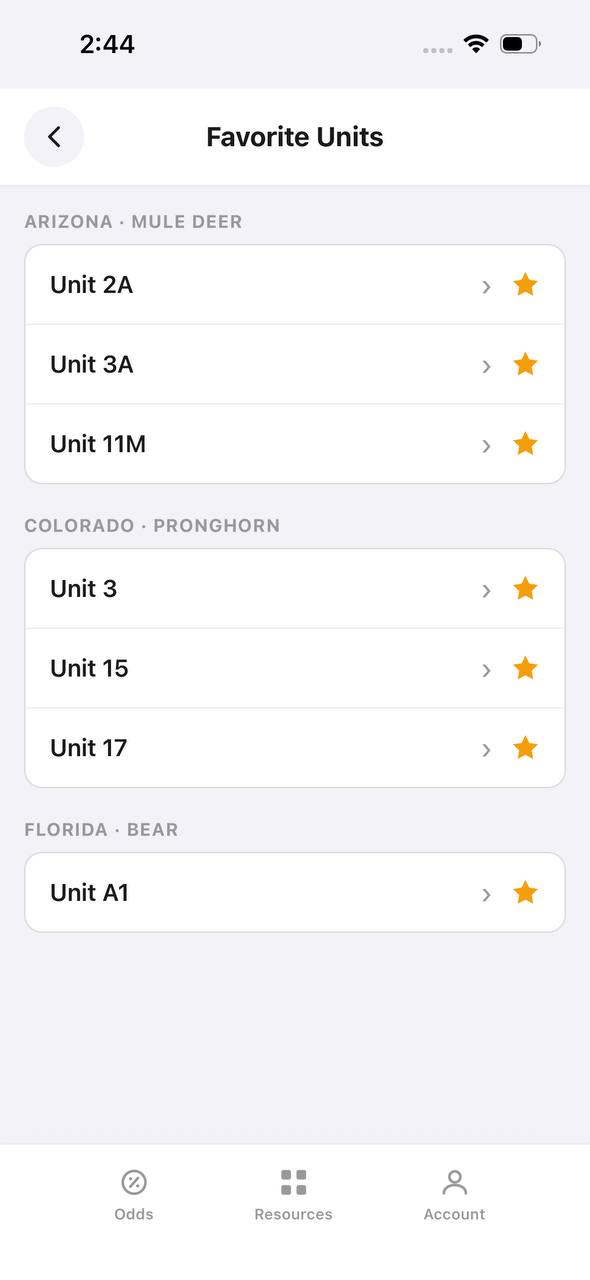
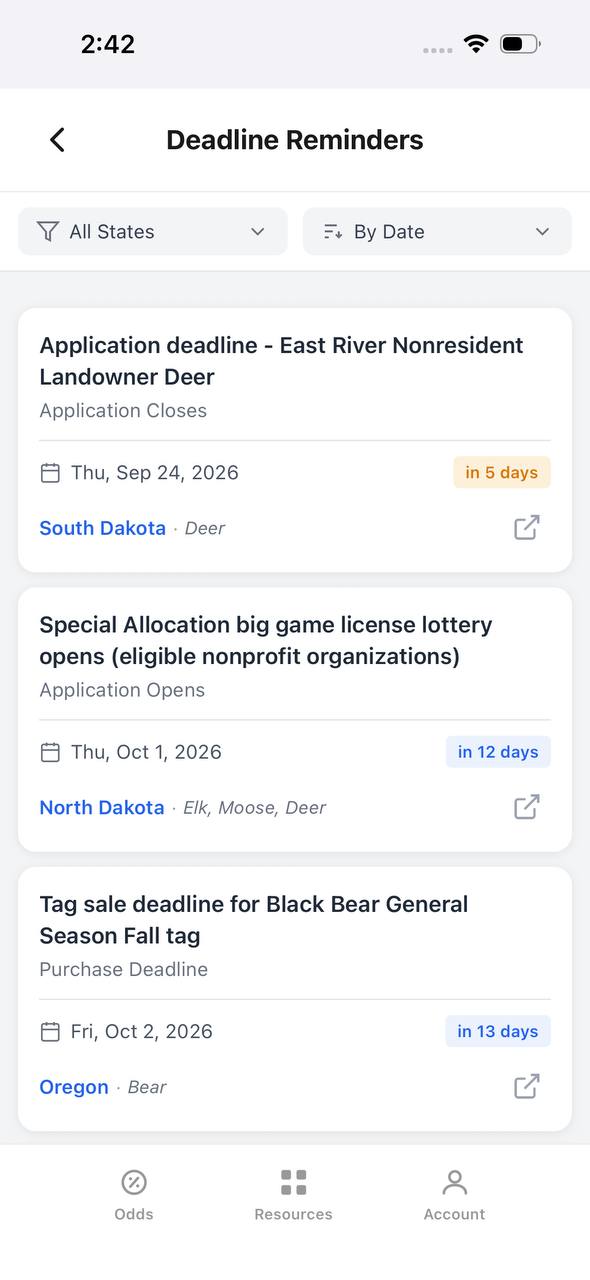
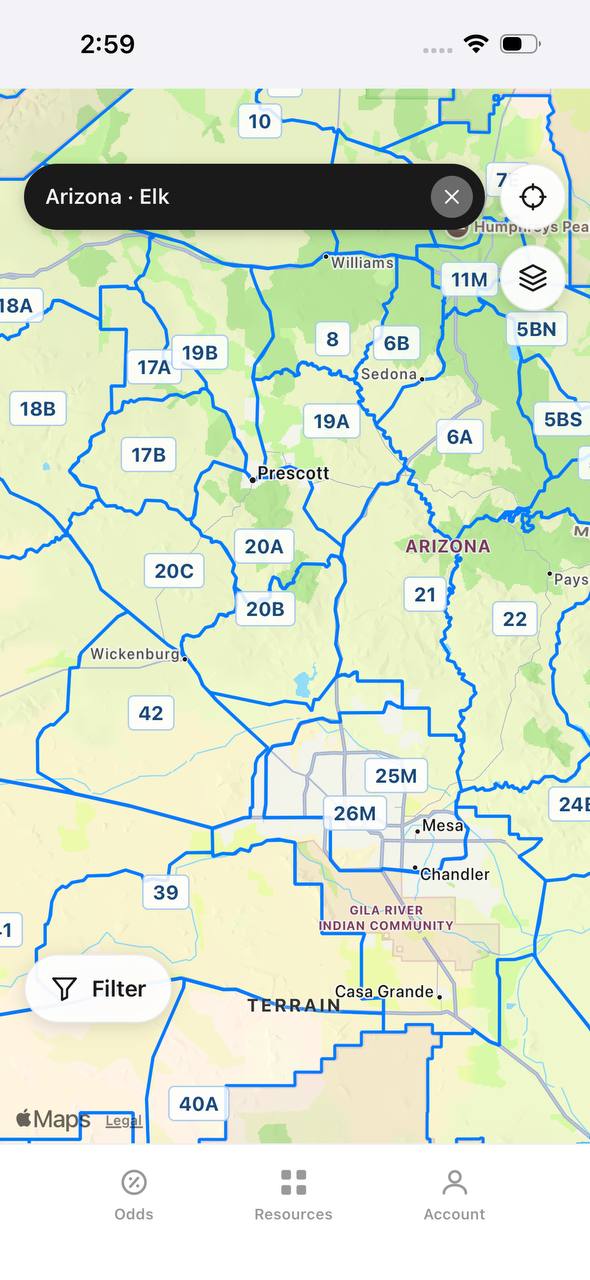
Once you have chosen your bullet, the next step is finding the right unit. TAGZ helps you compare western hunting units side by side using terrain maps, unit boundaries, and historical draw data. Track your preference points and bonus points across multiple states so you never miss a draw deadline. Whether you are chasing OTC tags or planning a trophy limited-entry hunt, TAGZ gives you the tools to make smarter decisions before you ever step into the field.
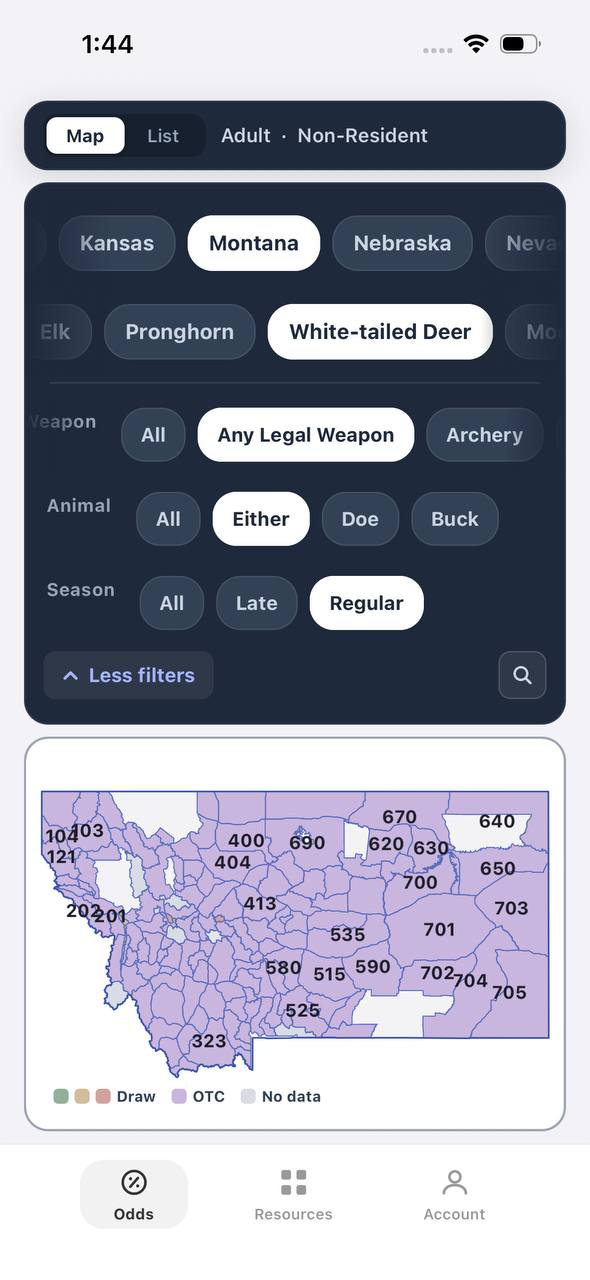
Filter hunts by weapon type, season, and species to find units that match your hunting style. See which units require the most points and which ones you can draw this year. TAGZ simplifies the draw process so you spend less time researching and more time preparing for the hunt.
FAQ — Swift A-Frame vs Nosler Partition
Which bullet penetrates deeper on elk?
The Swift A-Frame penetrates deeper due to bonded cores and higher weight retention. It holds together better on heavy bone and steep angles.
Does the Nosler Partition blow up on close shots?
No. The Partition's dual-core design with an internal partition wall prevents blowup even at magnum velocities. The front core expands aggressively, but the rear core stays intact and drives deep.
Which bullet is more accurate?
Both bullets shoot accurately in quality rifles. Accuracy depends more on your rifle and load development than the bullet itself. Neither has a significant edge.
Is the Swift A-Frame worth the extra cost?
If you are hunting elk in heavy timber, using a lighter caliber, or need maximum penetration on tough game, yes. For standard deer and elk hunting, the Partition delivers similar results at lower cost.
Can I use these bullets for long-range hunting?
Both bullets have modest ballistic coefficients and are designed for shots inside 400 yards. For longer distances, consider a higher-BC bullet like the Nosler AccuBond Long Range.
Which bullet expands faster on deer?
The Nosler Partition expands faster and creates a wider initial wound channel, making it a better choice for deer-sized game where rapid expansion is more important than extreme penetration.
Continue Planning Your Hunt
Ready to apply for your next western hunt? Visit the TAGZ homepage to create an account and start comparing units. Explore the TAGZ Insights blog for more gear reviews, draw strategy guides, and unit breakdowns. Check out pricing options to unlock advanced features like multi-state point tracking and draw deadline alerts. See how the TAGZ platform simplifies western hunt planning from application season through the hunt itself.
Was this article helpful?
Previous
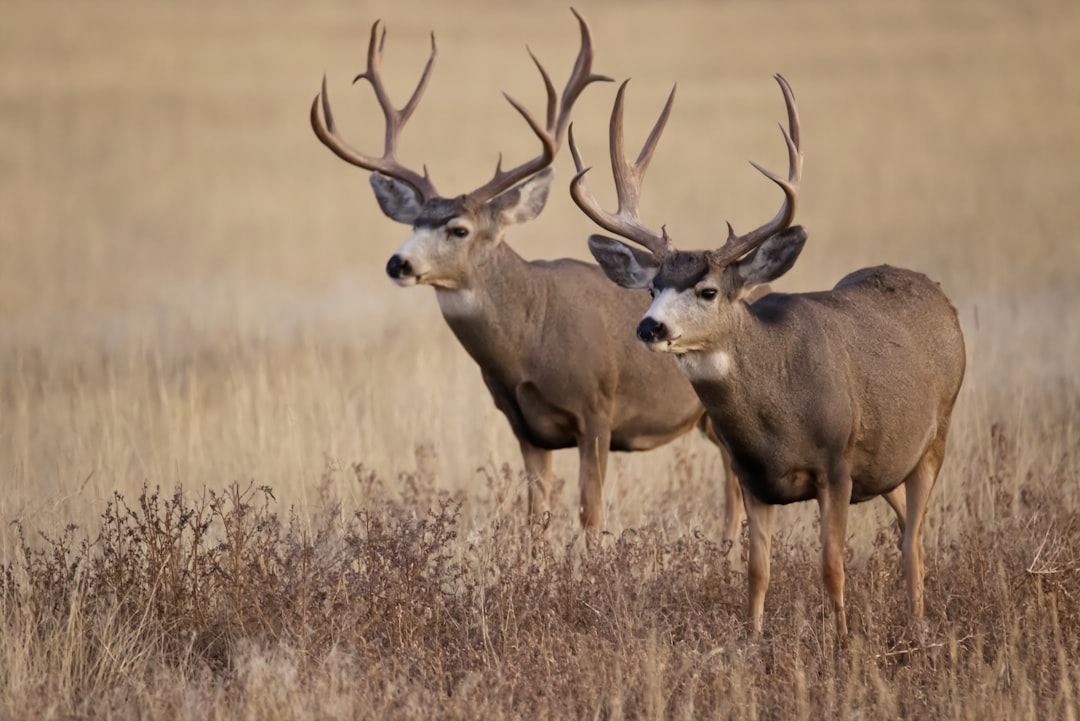
Early Season Mule Deer: Hunt Strategies for Velvet Bucks and Hot Weather
Early season mule deer hunts offer velvet bucks and predictable patterns, but success requires adapting to hot weather and shifting behavior. Learn how to hunt water sources, glass effectively in heat, and maximize your August or September archery tag.
Related
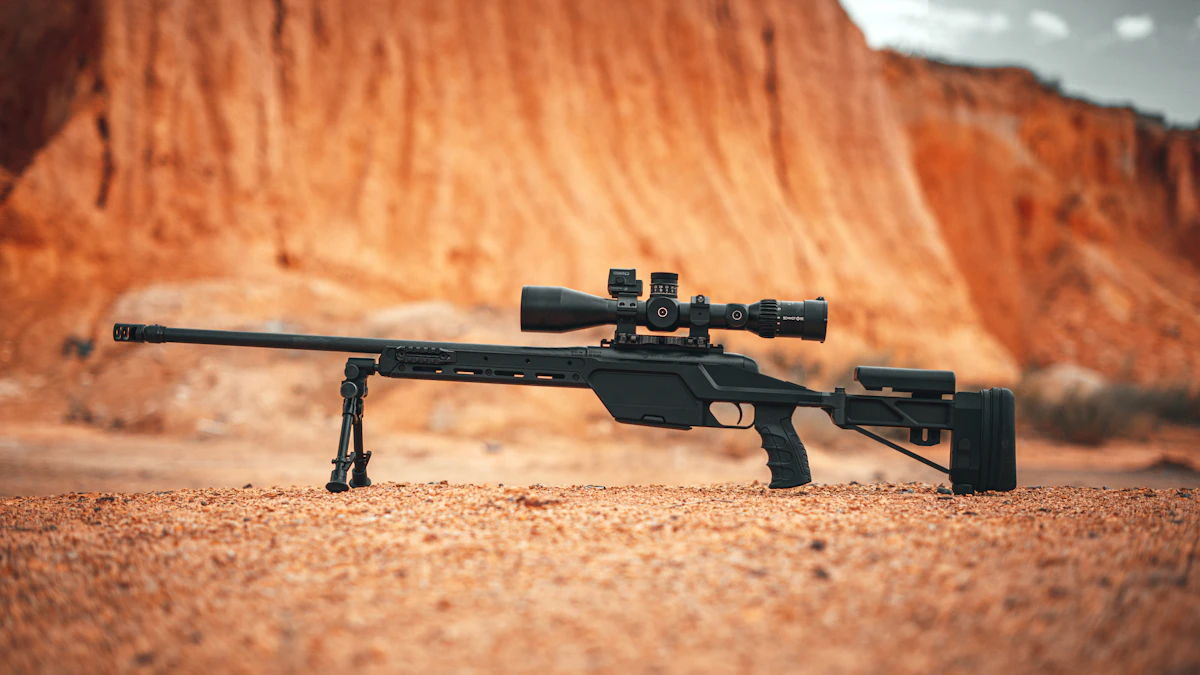
Browning Hells Canyon Rifle for Elk Hunting: Field-Tested Review
The Browning Hells Canyon Speed combines lightweight carbon fiber construction with proven accuracy for western elk hunting. Here's how it performs in the backcountry and whether it's worth the investment for serious elk hunters.
Next
Best Hunting Rifles Under $1,000 for Western Big Game in 2025
Quality hunting rifles under $1,000 have never been better. From backcountry elk to mule deer, these proven rifles deliver accuracy and reliability without breaking the bank.