Early Season Mule Deer: Hunt Strategies for Velvet Bucks and Hot Weather
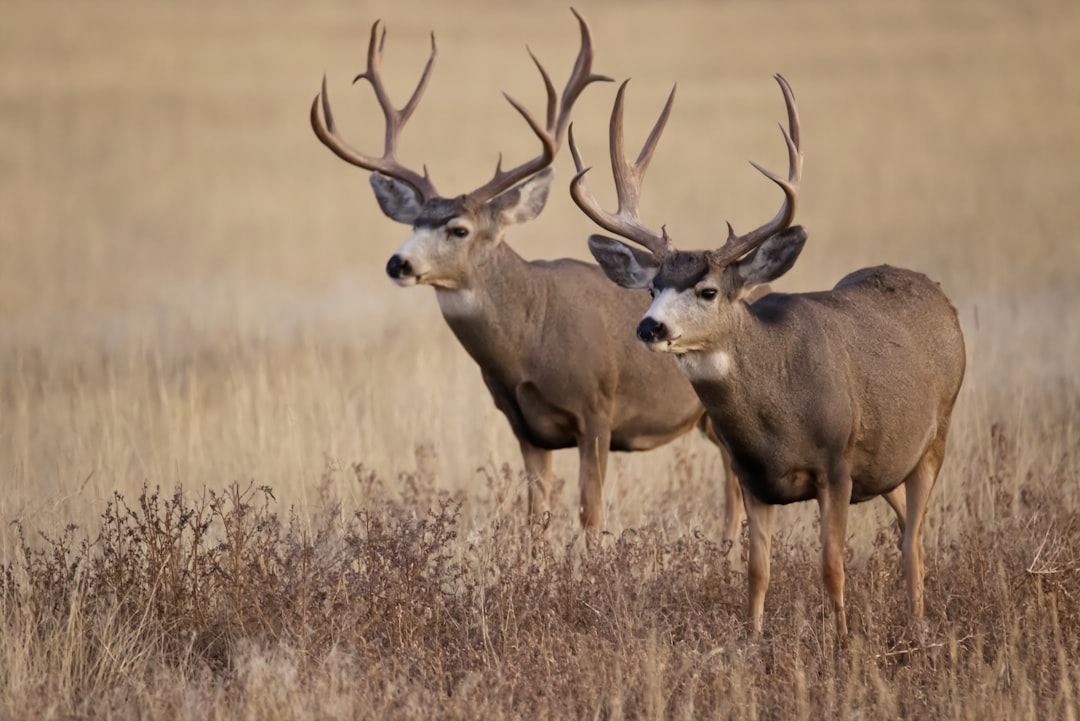
Early season mule deer hunts in August and September offer a unique opportunity that many hunters overlook. While most are waiting for the rut or rifle seasons, archers and early rifle hunters can capitalize on predictable buck behavior, velvet antlers, and less hunting pressure. The tradeoff is heat, limited water, and bucks that have not yet started their fall patterns. Success comes down to understanding how mule deer behave in summer conditions and adjusting your tactics accordingly.
Why Early Season Mule Deer Hunting Works
Early season tags are often easier to draw than late-season rifle permits, especially in high-demand units. States like Colorado, Utah, Nevada, and Arizona offer archery seasons that open in late August, while some rifle hunts start in early September. Draw odds for these hunts are typically better because many hunters assume early season means poor hunting. That assumption is wrong if you know where to look.
Mule deer are still in their summer feeding patterns during early season. Bucks are predictable, sticking to core areas they have used all summer. They have not been pressured yet, so they move more openly during daylight. Velvet bucks are highly visible, especially in open basins and high country meadows. The challenge is not finding deer — it is dealing with heat, locating water, and covering enough ground to glass effectively.
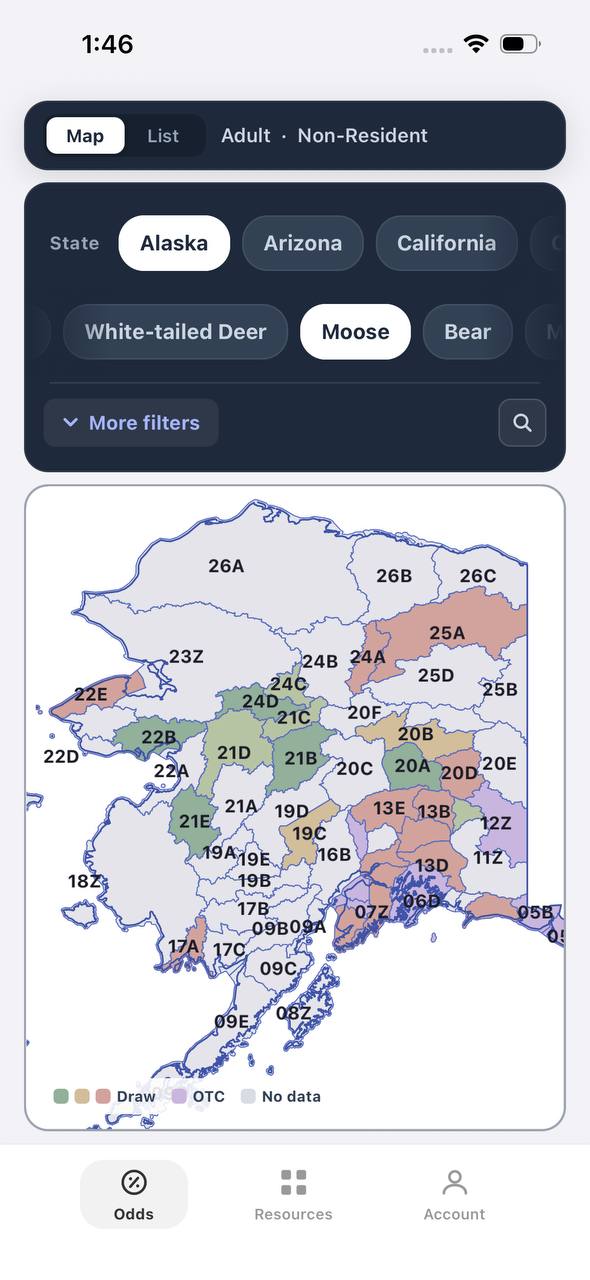
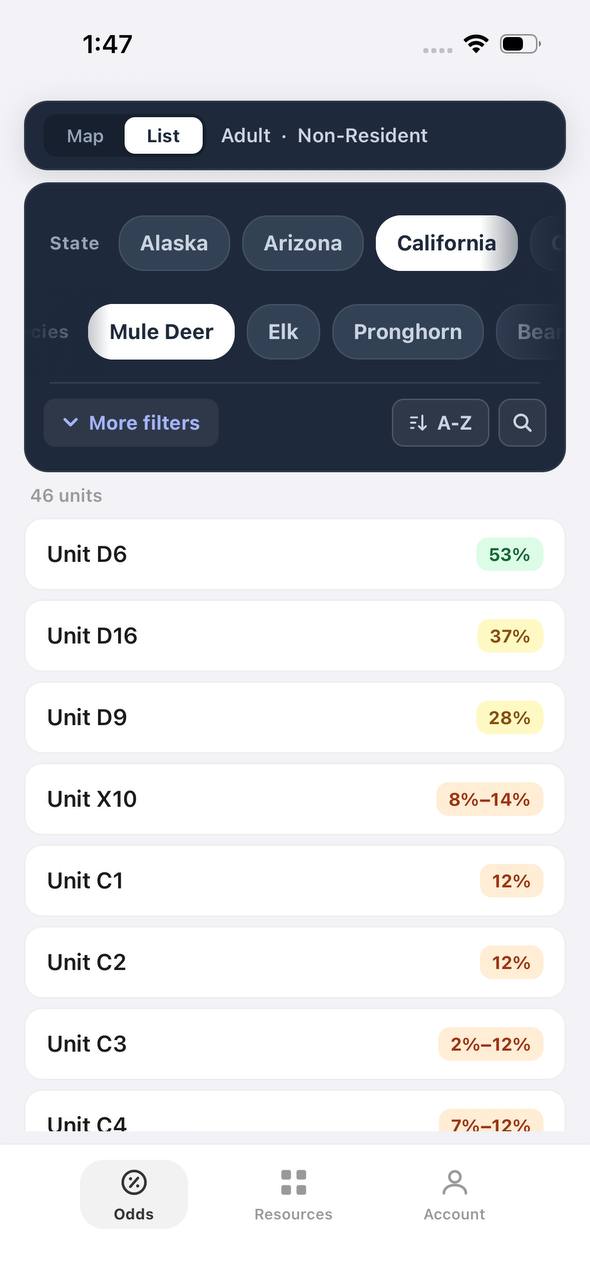
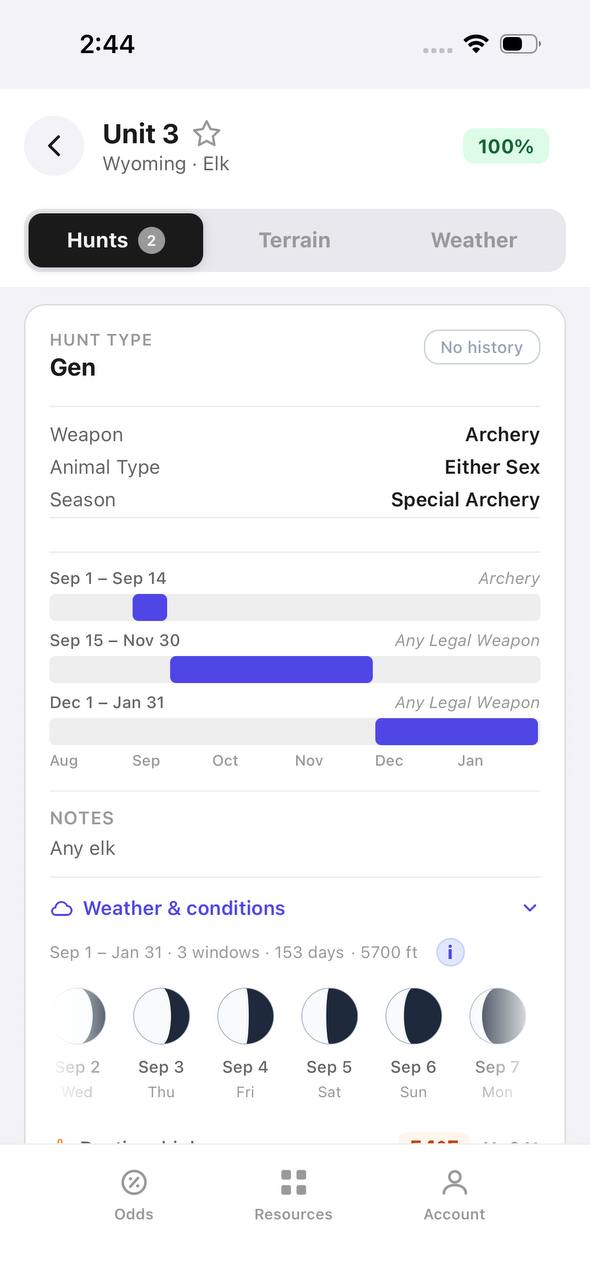
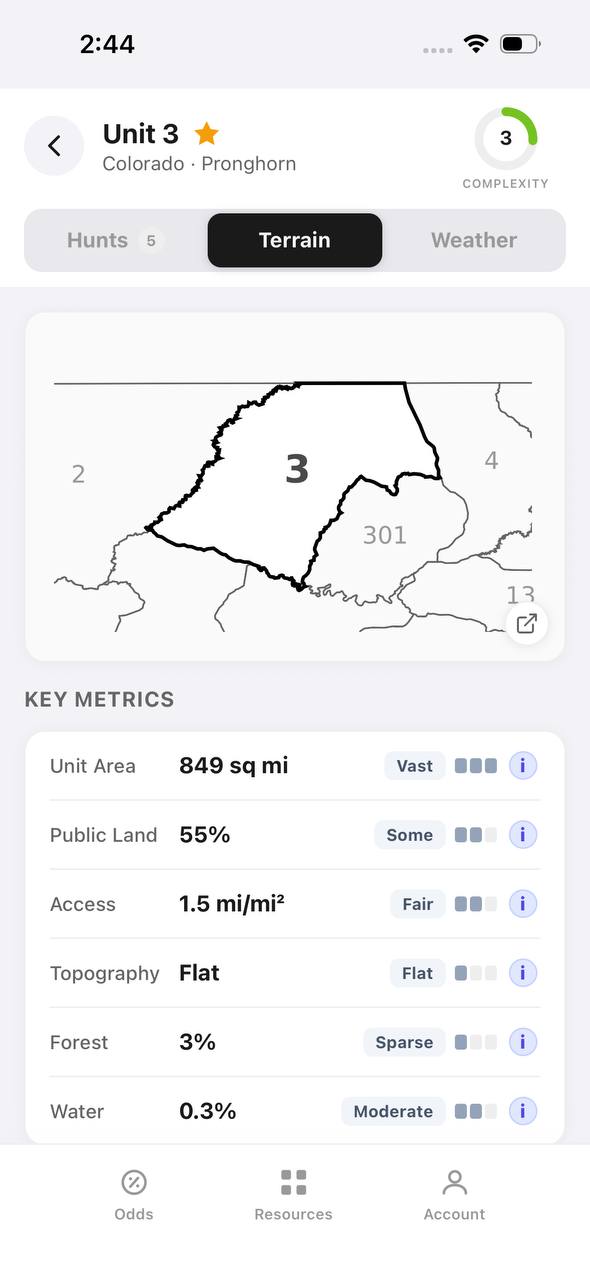
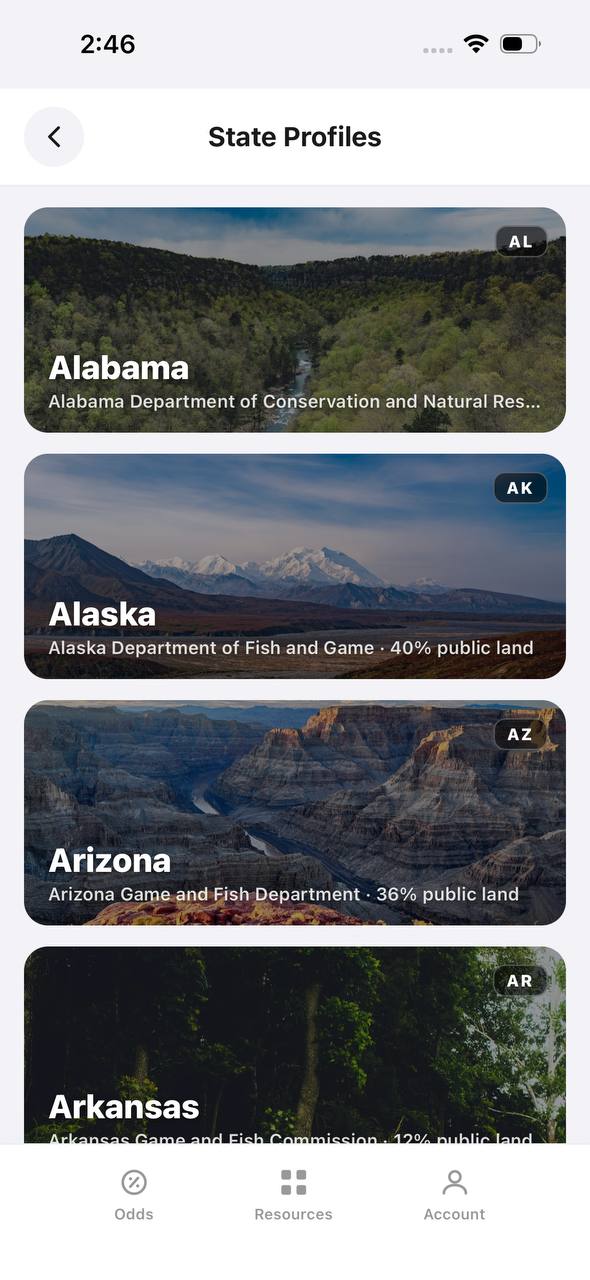
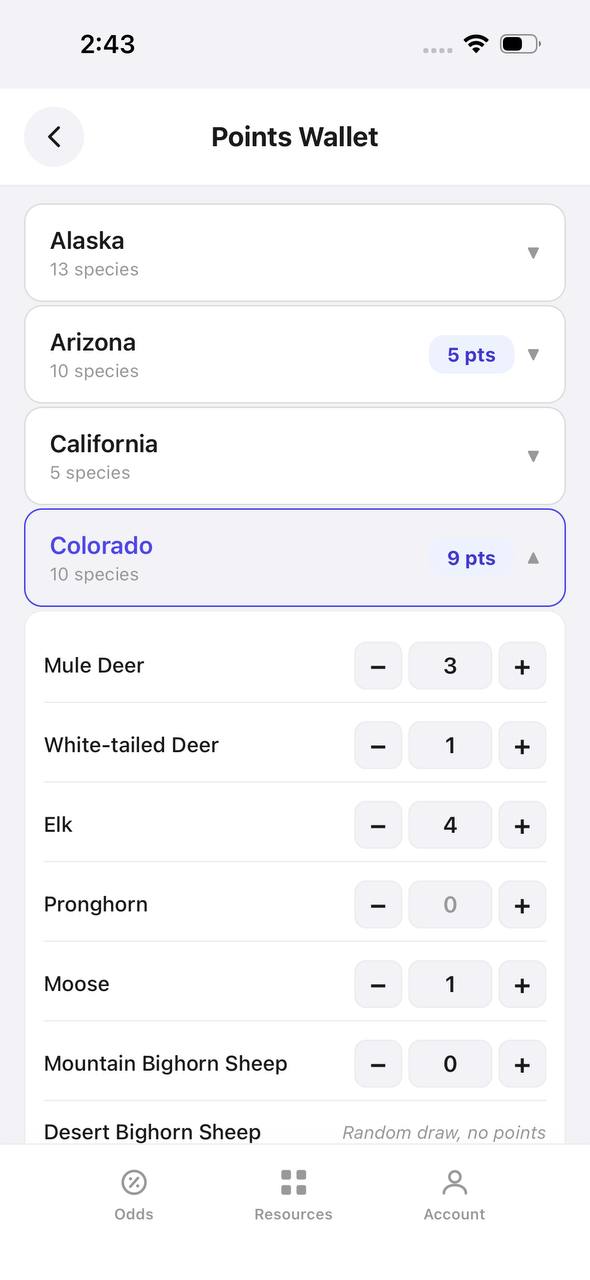
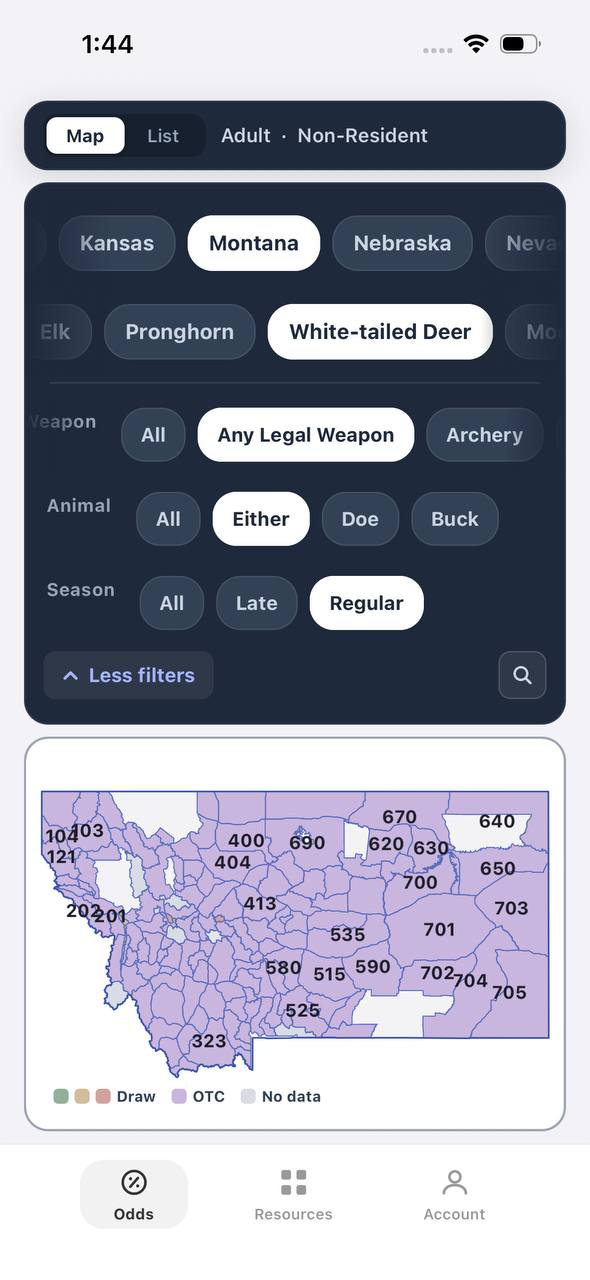
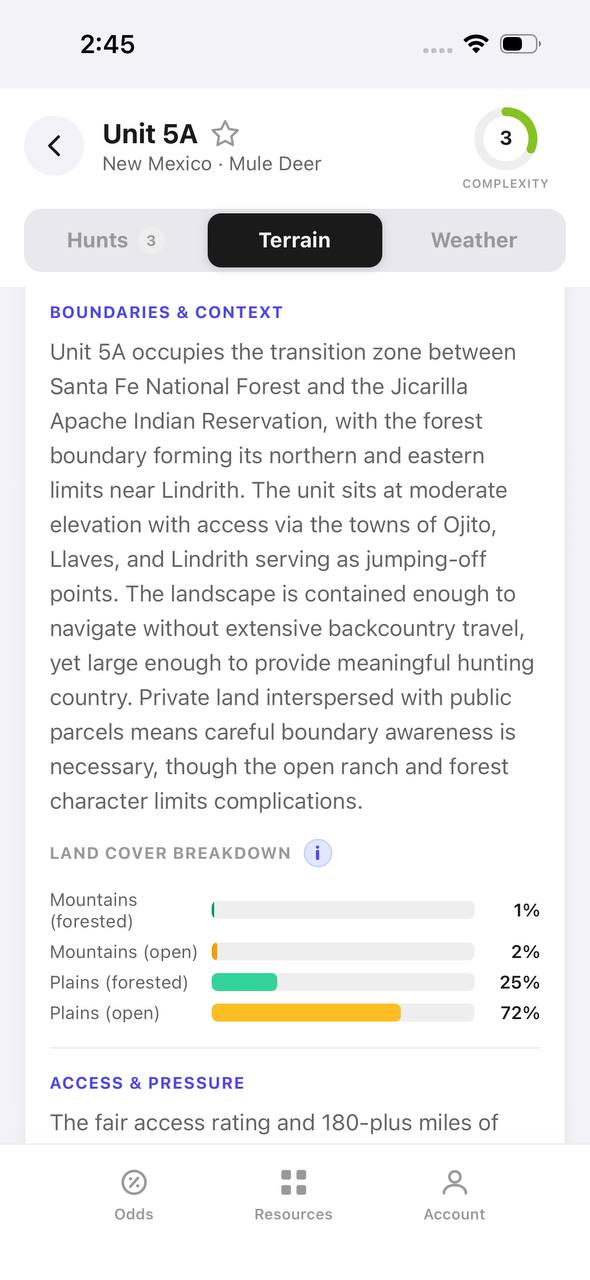
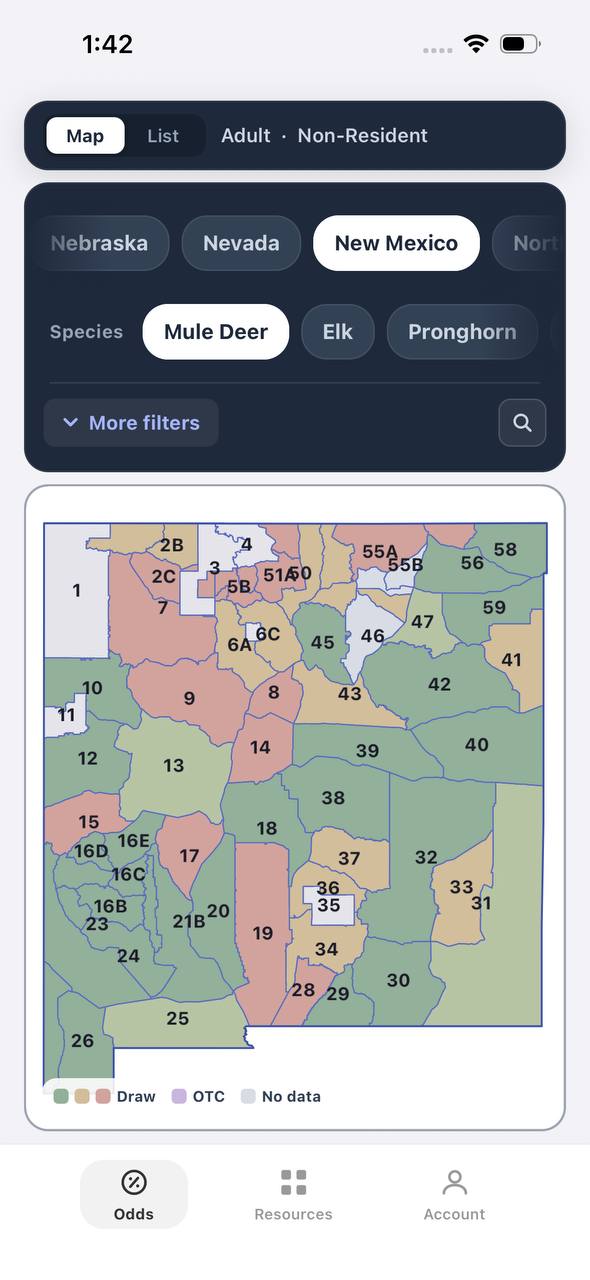
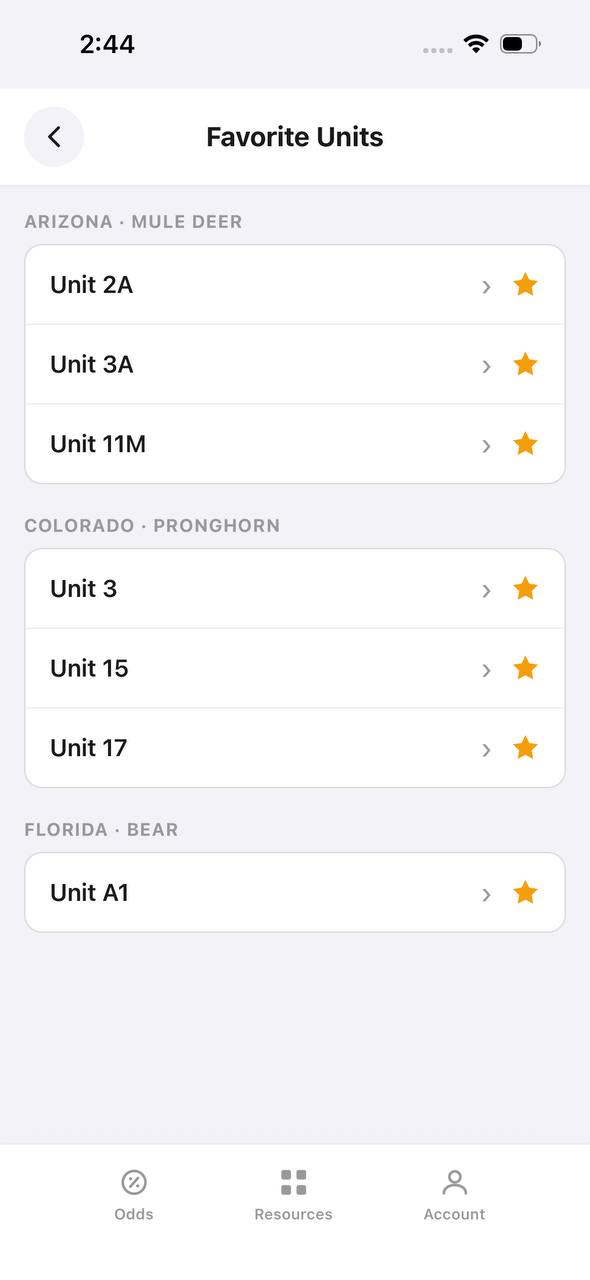
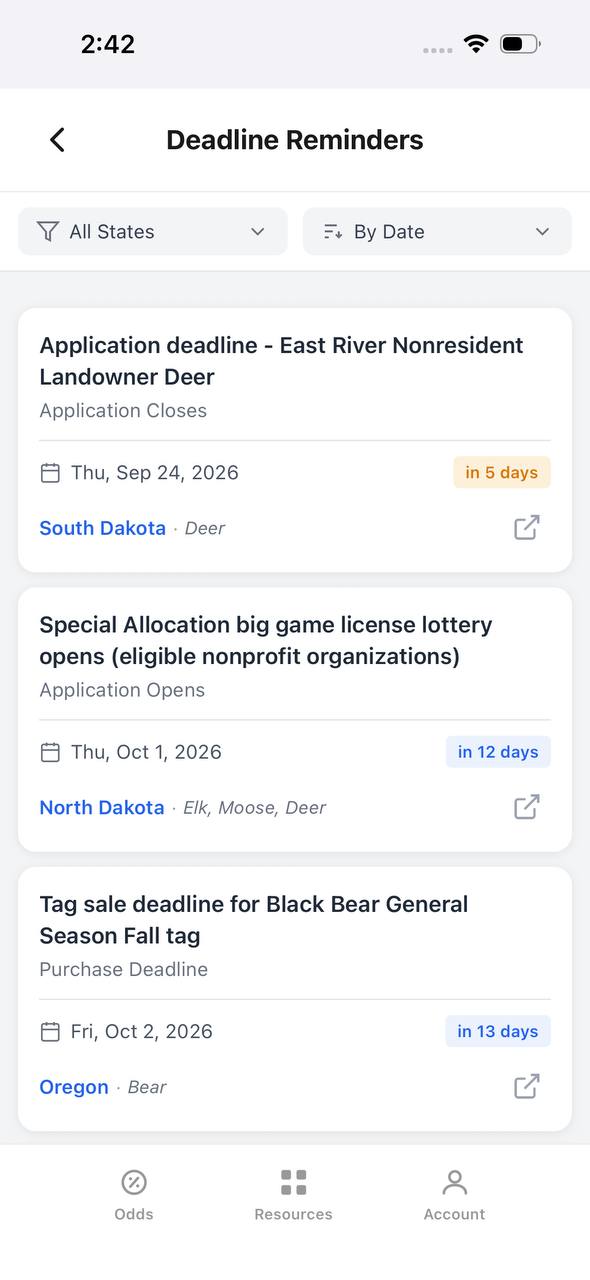
TAGZ helps you compare early season units side by side using terrain maps, historical draw data, and public land boundaries. Track your preference points across multiple states so you can apply strategically for tags with better odds and earlier season dates. Whether you are chasing velvet bucks in Colorado or planning an Arizona archery hunt, TAGZ gives you the research tools to make smarter decisions before you ever step into the field.
Glassing Strategy for Hot Weather Conditions
Early season mule deer hunting is a glassing game, but the heat changes when and where bucks move. Midday movement is rare unless deer are moving between bedding and water. Focus your glassing during the first and last two hours of daylight, when bucks leave bedding areas to feed or move toward water sources.
Set up on high vantage points that allow you to glass multiple basins or drainages at once. North-facing slopes hold more vegetation and stay cooler, making them prime bedding areas during hot afternoons. Glass these slopes carefully in the morning as bucks return from feeding areas. Look for antler tips, ear flicks, and horizontal lines that break up the landscape. Velvet antlers catch morning and evening light differently than bare antlers, making them easier to spot at distance.
Carry a quality spotting scope and tripod. Early season bucks often bed in thick timber or shaded pockets where you cannot see them without magnification. Spend more time behind the glass than hiking. Mule deer in August are comfortable and unpressured, so they bed in the same areas day after day. Once you locate a bachelor group or a single mature buck, you can plan a stalk or return the next morning with a better approach.
Water Sources Are Everything in Dry Years
Water is the single most important factor in early season mule deer hunting. In dry years or during drought conditions, bucks are forced to visit water sources daily. Find the water, and you find the deer. In wet years with abundant natural water, deer are more spread out and less predictable.
Scout water sources before the season using maps, satellite imagery, and boots on the ground. Look for springs, stock tanks, small creeks, and seeps. Mule deer prefer isolated water sources away from roads and livestock activity. Glass water sources from a distance during morning and evening hours. Bucks often approach water cautiously, circling downwind before committing.
Setting up near water can work, but it requires patience and wind discipline. Arrive well before first light and set up 60 to 100 yards downwind of the water source. Bucks often water in the morning after feeding or in the evening before heading to feed. Avoid sitting directly on the water — deer will scent you or see movement. Use natural terrain features like ridges or timber edges to stay concealed.
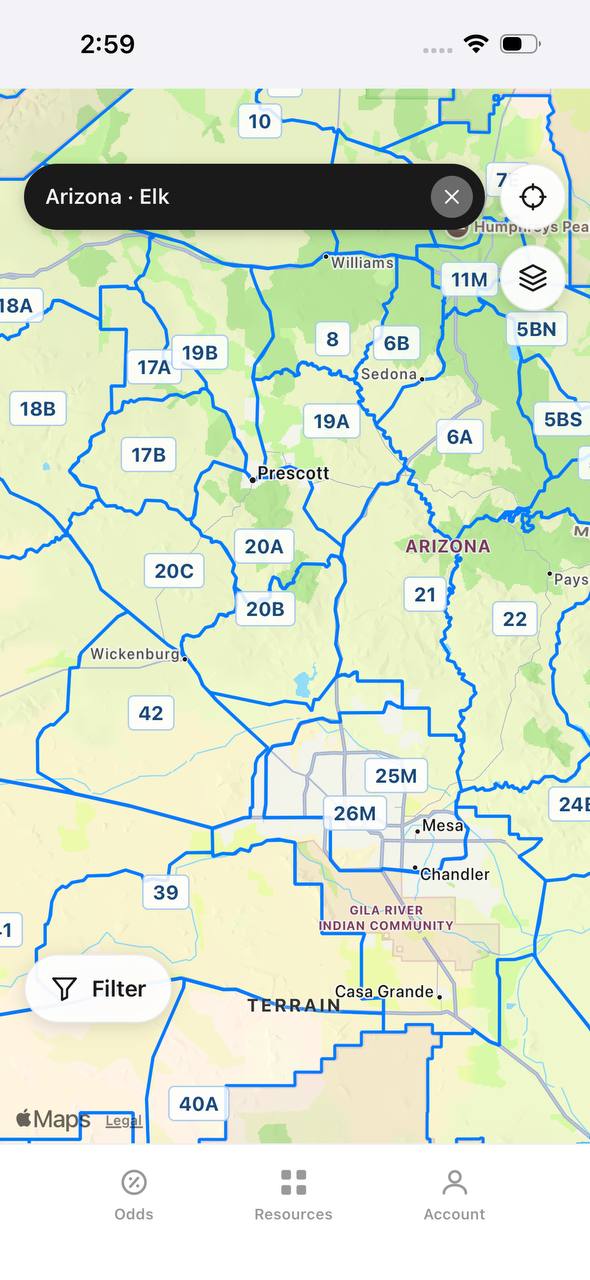
TAGZ provides unit maps that show terrain features, public land boundaries, and access points. Research units with limited water sources and higher buck-to-doe ratios. Compare draw odds for early season tags across multiple states and filter by weapon type, season dates, and species. The more water-limited the unit, the more concentrated the deer — and the better your odds of tagging a mature buck.
Where Early Season Bucks Bed and Feed
Early season mule deer are still following summer feeding patterns. They bed high during the day in cool, shaded areas and move to feed in open basins, meadows, and sagebrush flats during morning and evening. Bucks are often in bachelor groups, making them easier to locate but also more cautious as multiple sets of eyes and ears work together.
Bedding areas are typically on north-facing slopes, in dense timber pockets, or near ridge tops where bucks can monitor approaches from below. Mature bucks bed alone or on the edge of bachelor groups, often choosing spots with escape routes in multiple directions. Once a buck beds, he may stay put for hours unless pressured. Glassing these areas requires patience and attention to detail — a single antler tip or ear flick is often all you see.
Feeding areas are more open and easier to identify. Look for fresh tracks, droppings, and feeding sign in meadows, alfalfa fields near public land boundaries, and sagebrush flats. Bucks feed heavily in the morning and evening, often moving from bedding to feeding areas along the same trails. Identify these travel routes and set up for an ambush during peak movement times.
Free to join
Download mobile app
- Detailed draw odds
- Point tracking
- Deadline reminders
- 18 states covered

Free to join
Download mobile app
- Detailed draw odds
- Point tracking
- Deadline reminders
- 18 states covered
Free to join
Download mobile app
- Detailed draw odds
- Point tracking
- Deadline reminders
- 18 states covered
Bow Hunting Tactics for Early Season Bucks
Archery hunting early season mule deer requires different tactics than rifle hunting. Shots are close, often under 50 yards, and bucks are still alert despite limited pressure. Spot-and-stalk is the most effective method, but it demands patience, wind discipline, and careful route planning.
Once you glass a buck, take time to study his behavior before committing to a stalk. Watch where he feeds, how often he looks up, and what terrain features he uses for security. Plan your stalk using terrain to stay hidden — use ridges, drainages, and timber to close distance without being seen. Move only when the buck is feeding or looking away. Stop and glass frequently to confirm his location and adjust your approach.
Wind is everything. Even in calm morning conditions, thermals shift as the sun rises. Approach from above when possible, letting gravity pull your scent downhill away from the buck. If thermals are rising, adjust your route or wait until evening when thermals drop. One wind mistake and the stalk is over.
Tree stand and ground blind setups work near water sources, feeding areas, and known travel routes. Arrive early, stay scent-free, and commit to sitting for multiple hours. Early season bucks may not show up until late morning or midday when moving between feeding and bedding areas. Patience pays off more often than aggressive stalking in open country.
Early Rifle Season Adjustments
Early rifle seasons in September offer longer shooting distances and higher success rates, but they also push deer into bedding areas faster. Rifle pressure, even light pressure, changes deer behavior within days. Bucks that were feeding openly in meadows at sunrise on opening day are bedded by mid-morning by the third day.
Glass harder and longer during early rifle hunts. Bucks are still in the area, but they are bedded earlier and moving less during daylight. Focus on glassing bedding areas on north-facing slopes, thick timber pockets, and areas with limited access. Mature bucks often bed alone in the nastiest terrain they can find — dense brush, blow-downs, or rocky outcrops that most hunters avoid.
Longer shots are common in early rifle hunts, especially in open basin units. Practice shooting from field positions at distances beyond 300 yards before the season. Bring a solid shooting rest, quality rangefinder, and ballistic data for your rifle and load. Wind is often calm in the morning, making it the best time for long-range shots across open basins.
TAGZ helps you research rifle units by filtering for season dates, weapon type, and historical success rates. Compare units with higher buck harvest numbers and lower hunter density. Track your preference points and plan multi-year strategies for limited-entry rifle tags that offer better trophy potential and fewer hunters in the field.
Gear and Preparation for Hot Weather Hunts
Early season mule deer hunting demands gear choices that account for heat, long glassing sessions, and variable terrain. Lightweight clothing, hydration systems, and quality optics are non-negotiable.
Wear lightweight, breathable layers in neutral or earth-tone colors. Early season temperatures can swing from 40 degrees at sunrise to 80 degrees by midday. Merino wool base layers, lightweight synthetic pants, and a sun hoodie work better than heavy camo designed for cold weather. A wide-brimmed hat and quality sunglasses reduce glare and eye fatigue during long glassing sessions.
Carry more water than you think you need. A 3-liter hydration bladder plus a backup water bottle is standard for full-day hunts in dry country. Water sources are limited, and dehydration kills your ability to glass effectively and make good decisions. Electrolyte tablets or powder help maintain performance in extreme heat.
Quality optics are essential. Bring binoculars in the 10x42 or 12x50 range for general glassing, plus a spotting scope in the 20-60x range for identifying bucks at distance. A sturdy tripod makes long glassing sessions more effective and less fatiguing. Cheap optics fail in heat shimmer and low light — invest in glass that performs when it matters.
How TAGZ Helps You Plan Smarter Early Season Hunts
TAGZ simplifies early season mule deer hunt planning by giving you the tools to compare units, track draw odds, and manage preference points across multiple states. Filter units by weapon type, season dates, and buck-to-doe ratios. Research terrain features, public land access, and water availability using interactive maps and unit boundaries.
Track your preference points and bonus points across Colorado, Utah, Nevada, Arizona, and other western states so you never miss a draw deadline. TAGZ shows you which early season tags have better draw odds and where you can hunt sooner instead of waiting years for a limited-entry rifle tag. Whether you are chasing velvet bucks in Colorado's high country or planning an Arizona archery hunt, TAGZ gives you the research platform to make confident decisions before you apply.
Compare units side by side using historical draw data, success rates, and hunter density. Identify units with limited water sources and higher buck concentrations. Filter by season dates to find hunts that align with your schedule and hunting style. The more informed your application strategy, the better your chances of drawing a tag that matches your goals.
FAQ — Early Season Mule Deer
When is early season for mule deer hunting? Early season typically runs from late August through mid-September, depending on the state. Archery seasons open first, followed by early rifle hunts in some units.
Are mule deer harder to hunt in early season? No. Bucks are more predictable and less pressured in early season, but heat and limited water create different challenges than fall rifle hunts. Success depends on glassing skills and locating water sources.
Do mule deer bucks stay in bachelor groups during early season? Yes. Bucks remain in bachelor groups through August and into early September. These groups break up as the rut approaches in October and November.
What is the best time of day to hunt early season mule deer? The first two hours after sunrise and the last two hours before sunset are most productive. Midday movement is rare unless deer are traveling between bedding areas and water.
How important is water during early season hunts? Extremely important, especially in dry years. Mule deer visit water sources daily when natural water is limited. Glassing water sources during morning and evening often reveals mature bucks.
Can you hunt early season mule deer without a spotter? Yes, but a hunting partner improves glassing efficiency and allows one person to watch while the other rests. Solo hunters can succeed with disciplined glassing routines and careful planning.
Continue Planning Your Hunt
Early season mule deer hunting rewards preparation and patience. Bucks are visible, unpressured, and following predictable patterns — but only if you know where to look and how to adapt to hot weather conditions. The hunters who succeed are the ones who glass longer, locate water, and commit to sitting in the right spots during peak movement times.
TAGZ helps you research units, compare draw odds, and track preference points across multiple states so you can apply strategically for early season tags with better odds and less competition. Explore terrain maps, filter units by weapon type and season dates, and build a multi-year application strategy that gets you in the field sooner. Whether you are planning your first early season hunt or refining your approach after years of experience, TAGZ gives you the tools to hunt smarter.
Start planning your next early season mule deer hunt at TAGZ. Compare units, track your points, and never miss a draw deadline. For more western hunting insights, visit TAGZ Insights. If you are ready to simplify your application strategy and maximize your draw opportunities, explore TAGZ pricing and see how the platform works at TAGZ Product.
Was this article helpful?
Previous
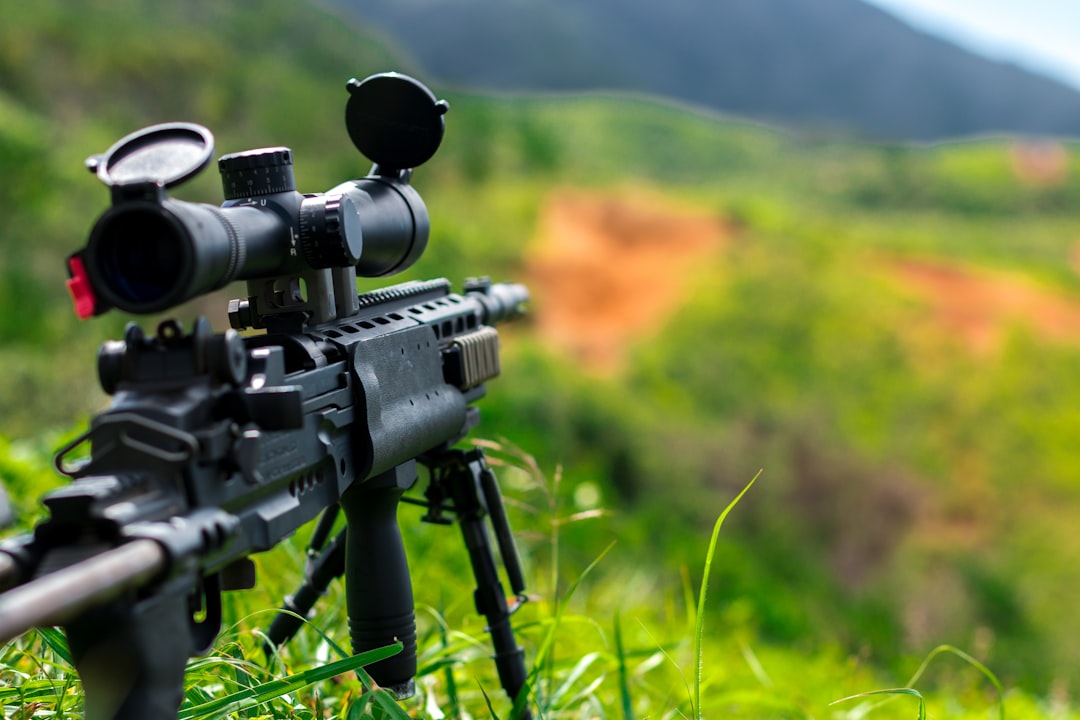
Best Hunting Rifles Under $1,000 for Western Big Game in 2025
Quality hunting rifles under $1,000 have never been better. From backcountry elk to mule deer, these proven rifles deliver accuracy and reliability without breaking the bank.
Related
Swift A-Frame vs Nosler Partition: Which Bullet for Western Big Game?
The Swift A-Frame and Nosler Partition are both proven controlled-expansion bullets, but they excel in different hunting scenarios. This comparison breaks down penetration, expansion, accuracy, and cost so you can choose the right bullet for elk, deer, and larger game.
Next
Garmin inReach vs ZOLEO: Which Satellite Communicator Should Hunters Choose?
Garmin inReach and ZOLEO both deliver two-way satellite messaging and SOS for backcountry hunters, but they differ in hardware durability, subscription flexibility, and message handling. This breakdown helps you choose the device that fits your hunt style and budget.