Spring vs Fall Bear Hunting: Which Season Is Right for You?
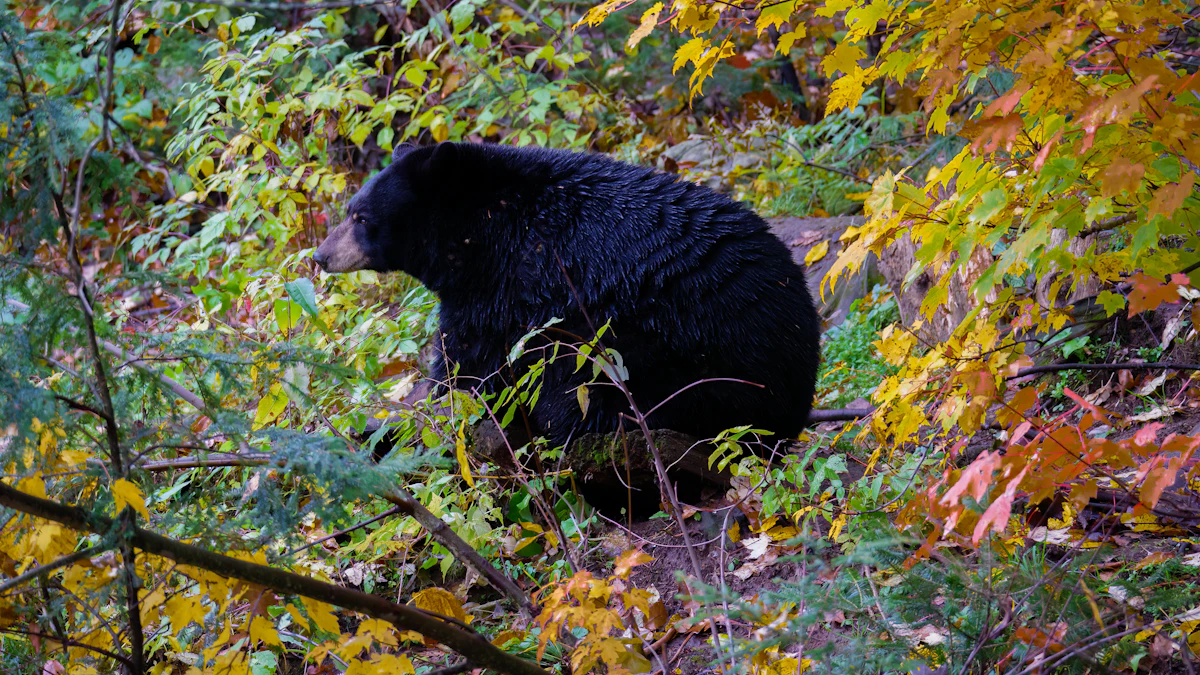
Spring vs. Fall Bear Hunting: Which Season Is Better?
Western black bear hunting can look completely different depending on whether you're hunting in spring or fall.
Spring hunters may spend hours glassing newly green slopes, avalanche chutes, burns, and other feeding habitat.
Fall hunters may focus on berries, mast, agricultural foods, or other locally abundant food sources while bears increase their food intake ahead of winter.
Both seasons can produce excellent hunts.
But there's an important catch:
Not every western state offers both spring and fall black bear seasons.
Season structures, quotas, licenses, hunting methods, and application requirements vary substantially by state and sometimes by individual hunt area.
Before planning around spring or fall, verify that the opportunity actually exists where you intend to hunt.
Spring Bear Hunting
Where spring seasons are available, hunters can encounter bears after they emerge from winter dens and begin using spring food sources.
Exact timing varies.
Not every bear emerges on the same date, and elevation, snowpack, sex, reproductive status, weather, and geography can all influence spring activity.
That makes spring bear hunting less about a universal calendar date and more about watching conditions.
Spring Bear Advantage: Finding Seasonal Food
One of the biggest advantages of spring bear hunting is that changing snow and vegetation can help hunters narrow their search.
Depending on the area, bears may use:
- Newly emerging vegetation
- Grassy slopes
- Avalanche paths
- Burns
- Clearcuts
- Riparian habitat
- Carcasses when available
- Other locally available food
South-facing slopes can green earlier in some mountain environments because they receive greater solar exposure.
That can make them useful places to investigate.
But don't assume every spring bear will be on a south-facing slope.
Elevation, vegetation, snow, local food availability, disturbance, and individual bear behavior all matter.
Are Spring Bears Easier to Pattern?
Sometimes.
But "predictable" can easily become an overstatement.
A productive food source can attract bears repeatedly, but black bears can also cover considerable areas and shift their activity.
A bear you glass one evening isn't guaranteed to appear on the same hillside the following evening.
Think of food as a way to increase your probability of locating a bear, not as a guaranteed pattern.
Spring Bear Hide Quality
Spring is popular with hunters interested in bear hides because animals may still carry substantial winter coats after emerging from dens.
But don't assume every spring bear has a perfect hide.
Hide condition can vary with:
- Individual animal
- Time of season
- Elevation
- Geography
- Rubbing
- Hair shedding
- Physical condition
If hide quality matters to you, evaluate the individual bear carefully before making a harvest decision.
Spring Bear Challenge: Snow and Access
Access can be one of the biggest challenges of spring bear hunting.
Mountain roads and trails may still be affected by:
- Snow
- Mud
- Seasonal closures
- Washouts
- Runoff
- Downed trees
- Other spring conditions
A road shown on your map doesn't guarantee you'll be able—or legally allowed—to drive it during your hunt.
Check current land-management information and road conditions before heading into the field.
Spring Weather Can Change Quickly
Mountain spring weather can be unpredictable.
Hunters should be prepared for combinations of:
- Rain
- Snow
- Wind
- Warm afternoons
- Cold mornings
- Reduced visibility
- Muddy roads
Those conditions can affect access and glassing.
They can also make seemingly simple routes much more difficult than expected.
Build backup access points and glassing locations into your plan.
Fall Bear Hunting
Fall bear hunting revolves heavily around food.
As bears prepare for winter, food availability can become an important influence on where they're spending time.
But fall food sources vary dramatically across the West.
Depending on the region, bears may use:
- Berries
- Acorns or other mast
- Fruit
- Agricultural foods where available
- Insects
- Other plant and animal foods
Instead of asking:
Where do fall bears usually feed?
Ask:
What's producing food in this specific area right now?
That's a much more useful question.
Understanding Fall Hyperphagia
Black bears can substantially increase food intake as they prepare for winter.
This period is commonly associated with hyperphagia.
For hunters, the important takeaway isn't a specific calorie number.
It's that productive food can become extremely important to fall bear distribution.
Find current food.
Then look for current bear sign.
Fall Bear Advantage: Multi-Species Opportunity
One advantage of some fall bear seasons is their potential to overlap other big-game hunting opportunities.
Depending on the state, season, licenses, and regulations, hunters may be able to legally carry a bear license while hunting another species.
That can create an additional opportunity.
But always verify:
- Season dates
- License requirements
- Legal weapons
- Unit boundaries
- Species-specific regulations
Don't assume a bear season automatically overlaps your elk or deer hunt simply because both occur during fall.
Fall Bear Hide Condition
Fall hide quality varies.
Some bears may have hides a hunter considers excellent.
Others may show rubbing, patchiness, or other coat conditions.
That means it's too broad to say fall bear hides are universally poor or that they're unsuitable for taxidermy.
If hide quality is one of your priorities, judge the individual bear rather than the season alone.
Is Fall Bear Hunting Less Predictable?
Not necessarily.
Fall bears can sometimes become highly associated with productive food sources.
A heavy berry crop or mast-producing area may concentrate bear activity.
In another year, those same foods may be scarce and bears may be distributed differently.
That's why fall bear hunting often rewards current food scouting.
Don't hunt last year's food source without confirming it's producing this year.
Spring vs. Fall Bear Hunting Weather
It's tempting to say fall weather is always easier.
That's not necessarily true.
Early fall can bring warm temperatures.
Mountain storms can occur during fall.
Late seasons can involve snow and difficult road conditions.
Likewise, some spring hunts can have relatively mild weather.
Prepare for the actual elevation, location, and forecast you're hunting rather than assuming one season guarantees better conditions.
Spot-and-Stalk Bear Hunting
Spot-and-stalk can be effective during either season when terrain and vegetation allow hunters to glass large areas.
Useful glassing locations may include:
- Open slopes
- Burns
- Avalanche chutes
- Clearcuts
- Open timber
- Feeding areas
Spring conditions may provide good visibility in some landscapes before vegetation becomes dense.
Fall can also provide excellent glassing where productive food sources occur in visible terrain.
Habitat determines the tactic.
Bait and Hound Hunting
Rules governing bait and hounds vary substantially by jurisdiction.
Some states allow one or both methods under specific regulations.
Others prohibit or restrict them.
Rules can also vary by season, hunt area, residency, permit, or quota.
Never assume a method is legal because it's allowed in another western state.
Verify the current regulations for the exact jurisdiction and hunt you're considering.
Bear Tag Availability Varies by State
One of the biggest problems with broad western bear-hunting advice is treating every state the same.
They're not.
Some black bear opportunities are available over the counter.
Others involve limited licenses, permits, quotas, mortality limits, or other restrictions.
For example, Montana currently offers an over-the-counter black bear license while certain bear permits are allocated through a drawing. Wyoming manages black bear hunting through hunt areas and mortality limits. Colorado offers several types of bear licenses, including limited and over-the-counter opportunities.
Application strategy should therefore be based on the specific state and hunt—not a blanket assumption that western bear tags are OTC.
Don't Assume Colorado Has a Spring Bear Season
This is an important distinction for hunters comparing western states.
Colorado's current black bear hunting structure is centered on fall seasons rather than a general spring bear hunt.
That makes it fundamentally different from states that offer spring black bear opportunities.
Always check the current regulations before building a spring bear plan around a particular state.
Montana Spring and Fall Bear Hunting
Montana provides both spring and fall black bear opportunities.
Season structures and restrictions can vary by Bear Management Unit, and some areas are subject to harvest quotas or other requirements.
That means hunters need to check the specific BMU they're planning to hunt rather than relying solely on statewide season dates.
Wyoming Spring and Fall Bear Hunting
Wyoming also provides both spring and fall black bear hunting opportunities.
Black bear management includes hunt areas, season dates, and female mortality limits.
Hunters need to verify whether their chosen area remains open and understand the regulations that apply to that specific hunt.
Choosing a Spring Bear Area
When evaluating a potential spring bear hunt, consider:
- Legal season availability
- Snowpack
- Road access
- Elevation
- Spring green-up
- Glassing opportunities
- Habitat
- Current bear sign
- Legal hunting methods
- Grizzly-bear considerations where applicable
Terrain with several elevations can give you options as snow melts and vegetation changes.
But no single terrain feature guarantees bears.
Choosing a Fall Bear Area
For fall hunts, food should be one of your major research priorities.
Look at:
- Current berry production
- Mast crops
- Fruit where available
- Agricultural food sources where relevant
- Water
- Security cover
- Current bear sign
Food production can change significantly from year to year.
A drainage that was excellent last fall might be much less productive this season.
Don't Use Fixed Mileage Rules for Bear Hunting
There's no standard number of miles a bear hunter needs to hike each day.
Some successful hunts involve long backcountry travel.
Others involve hours of glassing from one productive location.
Your daily movement should depend on:
- Terrain
- Hunting method
- Access
- Food distribution
- Bear sign
- Visibility
Miles aren't the goal.
Finding bears is.
Choosing Optics for Bear Hunting
There's also no universal binocular magnification required for spring or fall bear hunting.
Choose optics based on:
- Terrain
- Glassing distance
- Weight
- Hunting style
- Personal preference
A spotting scope can be extremely useful when evaluating distant bears.
Good optics can help hunters assess size, behavior, hide condition, and whether other bears—particularly cubs—are nearby.
Spring vs. Fall Bear Hunting Success Rates
Avoid using one universal success-rate number for western bear hunting.
Harvest success can vary substantially by:
- State
- Hunt area
- Season
- Hunting method
- Hunter effort
- Weather
- Food conditions
- Access
- Bear population
- Regulations
If you're comparing specific hunts, use current state wildlife-agency harvest statistics whenever they're available.
That's much more useful than applying one western average to every bear hunt.
Which Season Is Better for Bear Hunting?
Neither season wins universally.
Spring May Fit You Better If:
You want a dedicated bear hunt, your target state offers a spring season, and you enjoy glassing changing spring habitat.
Fall May Fit You Better If:
Your target state primarily offers fall opportunities, you're already planning another western hunt, or you want to focus on bears using productive fall food sources.
Either Season Can Work If:
You research the current regulations, understand local food and habitat, verify access, and adapt to current bear activity.
The best bear season is the one that gives you a legal opportunity matching your hunting goals.
How TAGZ Fits Into Bear Hunt Planning
TAGZ helps hunters research the hunt-selection and application side of western hunting.
Depending on available coverage, use TAGZ to research information such as:
- Hunting opportunities
- Units
- Season dates
- Draw information
- Application deadlines
- Weapon and season options
Then use current wildlife-agency regulations, dedicated mapping resources, land-management information, and field scouting for the detailed planning required once you've selected a hunt.
Don't rely on any planning platform as a substitute for the current official regulations.
FAQ — Spring vs. Fall Bear Hunting
Is spring or fall better for bear hunting?
Neither is universally better. Spring and fall provide different food conditions, access considerations, weather, hunting methods, and regulatory opportunities. Your target state and hunting goals should determine which fits you better.
Are spring bear hides better than fall hides?
Spring bears may retain substantial winter coats, which makes spring attractive to hunters interested in hide quality. But individual hide condition varies during both seasons, so evaluate the bear rather than assuming every spring hide is perfect or every fall hide is poor.
Are bears easier to find in spring?
They can be easier to locate in some environments where emerging vegetation or other food sources concentrate activity. That's not universal, and bears can still move widely.
Are bears easier to find in fall?
Productive fall foods can concentrate bear activity, but food availability varies by region and year. Current scouting is important.
Can I hunt bears and elk during the same trip?
Potentially, depending on the state, season dates, licenses, unit boundaries, and legal weapons. Verify the regulations for both species before planning a combination hunt.
Do I need preference or bonus points to hunt black bears?
It depends on the state and specific opportunity. Some bear licenses are available over the counter, while other hunts or permits may involve drawings, quotas, or other restrictions.
Does Colorado have spring bear hunting?
Colorado's current black bear seasons are fall seasons. Hunters should check Colorado Parks and Wildlife's current regulations for available bear license types and dates.
Does Montana have spring bear hunting?
Yes. Montana currently provides spring black bear hunting opportunities, along with fall seasons. Specific restrictions and quota provisions can vary by Bear Management Unit.
Does Wyoming have spring bear hunting?
Yes. Wyoming provides spring and fall black bear opportunities, with hunt-area-specific seasons and mortality limits.
Is baiting legal for western black bear hunting?
It depends on the jurisdiction. Baiting laws vary by state and may include additional hunt-area, registration, or site requirements. Always verify current regulations.
Can you hunt black bears with hounds?
Some jurisdictions allow hound hunting under specific conditions while others prohibit or restrict it. Check the current regulations for your exact hunt.
What should I look for when choosing a bear hunting area?
Start with a legal hunting opportunity, then evaluate seasonal food, habitat, access, terrain, current bear sign, hunting method, and any special regulations affecting the area.
Continue Planning Your Hunt
Spring vs. fall bear hunting isn't as simple as saying one season has better bears.
The better question is:
Which legal season gives you the type of bear hunt you're looking for?
Start with current regulations.
Then evaluate seasonal food, access, weather, habitat, and current bear activity.
Use TAGZ to research available western hunting opportunities, units, season timing, draw information, and application strategy.
Once you've identified a hunt, verify the details with the appropriate state wildlife agency and combine that information with mapping, access research, and scouting.
TAGZ helps you research the opportunity. Current conditions help you hunt it.
For more western hunting and application strategy content, visit TAGZ Insights.
Was this article helpful?
Previous
Best Portable Fuel Storage for Hunting Camps and Remote Hunts
Reliable fuel storage is essential for backcountry hunting camps. We break down the best portable fuel containers for different hunt scenarios, from weeklong elk camps to remote scouting trips.
Related
Sig Sauer vs Leupold Rangefinders: Which Brand Wins for Western Hunters?
Sig Sauer and Leupold both make excellent rangefinders, but they excel in different areas. This head-to-head comparison breaks down performance, features, and value to help you choose the right optic for your next hunt.
Next
7 Moose Calling Mistakes That Cost Hunters Close Encounters
Most moose hunters call too often, too loud, or at the wrong time. Learn the subtle mistakes that spook bulls during the rut and how to adjust your approach for closer shots.