7 Moose Calling Mistakes That Cost Hunters Close Encounters
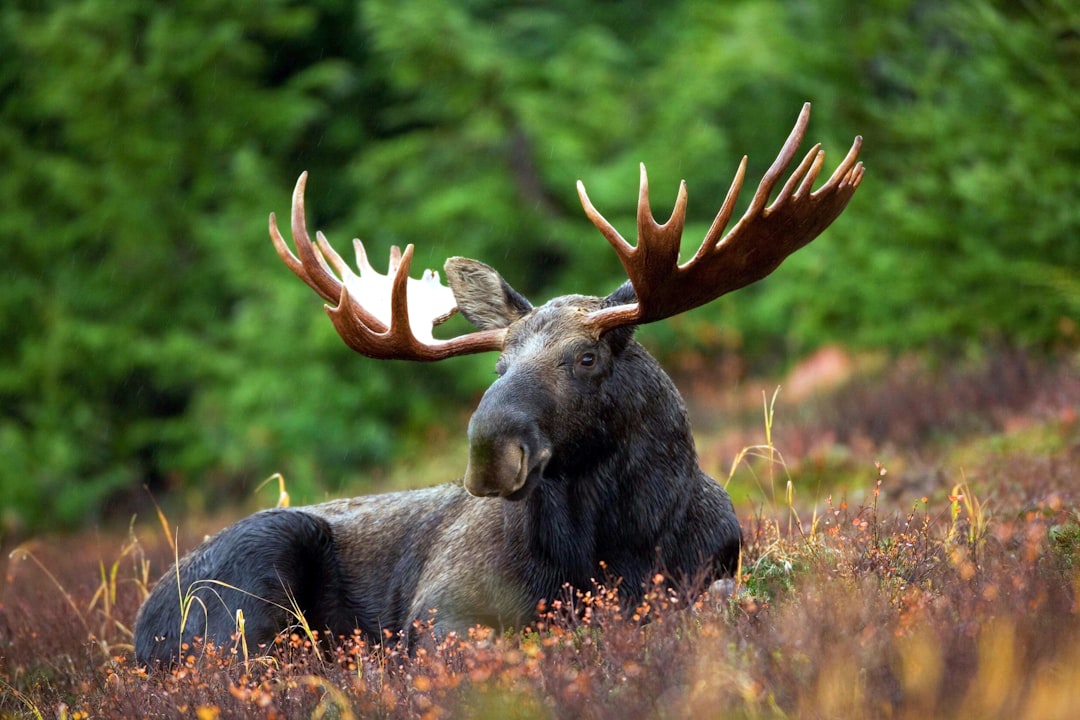
You glass a mature bull feeding in willows 400 yards out. You cow call once. He lifts his head, stares in your direction, then turns and walks the other direction. What went wrong?
Most moose calling failures happen before you ever put a call to your lips. Bulls respond to subtle cues — timing, volume, cadence, and realism — that separate an experienced cow from a clumsy imitation. A single mistake can shut down a mature bull or worse, send him into the next drainage. Understanding what not to do matters as much as perfecting your technique.
Calling Too Often
The most common mistake is overcalling. Hunters who bugle elk or rattle whitetails often assume moose require the same aggressive approach. They do not. A receptive cow moose vocalizes sparingly during the rut. She may moan once or twice over thirty minutes, then go silent while feeding or bedding. Bulls know this pattern.
When you call every five minutes, you sound frantic or unnatural. Bulls approaching your position expect to hear confirmation calls as they close distance. If you keep hammering away, they stop, circle downwind, or leave entirely. Mature bulls are especially wary of this pattern because it mimics hunters they have encountered before.
Call once, wait twenty to thirty minutes, then call again only if the bull has not responded or needs redirection. Silence is your most effective tool between sequences.
Using the Wrong Cadence
Cow moose do not scream. Their estrous moan is a low, guttural sound that rises and falls over three to five seconds. Many hunters rush the call or clip it short, creating a noise that sounds like a wounded animal rather than a breeding cow.
The correct cadence starts low, swells to peak volume midway through, then trails off. Think of it as a long, lazy sigh rather than a sharp bark. Bulls are highly attuned to this rhythm. A call that ends abruptly or fluctuates in pitch sounds wrong and triggers caution.
Practice on your call at home until the moan feels natural. Record yourself and compare it to actual cow vocalizations. The difference between a mature bull coming in and hanging up at 200 yards often comes down to cadence.
Calling at the Wrong Time of Day
Moose are most vocal at dawn and dusk, but the best calling windows are not the same as peak movement times. Bulls vocalize and respond most aggressively in the first hour after sunrise and the last hour before dark. Midday calling rarely works unless you are in thick cover near known bedding areas.
Calling during the middle of the day in open basins or meadows wastes energy and educates bulls. They are bedded, ruminating, and unwilling to cover ground in daylight unless they hear something exceptional. Save your sequences for morning and evening when bulls are already on their feet and actively seeking cows.
If you are hunting all day, focus on glassing and still-hunting during midday rather than calling blind.
Ignoring Wind Direction
Moose have poor eyesight but exceptional noses. A bull will circle downwind of your calling position almost every time, especially in open terrain. If you set up without considering wind, the bull will scent you long before you see him.
Always position yourself so prevailing wind blows from the direction you expect the bull to approach toward an area where you can see him coming. In heavy timber, this means setting up on the downwind edge of a clearing or along a ridge where thermals work in your favor.
If the wind is swirling or inconsistent, do not call. Move to a different location or wait until conditions stabilize. One whiff of human scent and the bull is gone.
Free to join
Download mobile app
- Detailed draw odds
- Point tracking
- Deadline reminders
- 18 states covered

Free to join
Download mobile app
- Detailed draw odds
- Point tracking
- Deadline reminders
- 18 states covered
Free to join
Download mobile app
- Detailed draw odds
- Point tracking
- Deadline reminders
- 18 states covered
Calling Without a Setup
Calling blind from a hiking trail or random spot rarely produces results. Bulls approach calling with caution. They expect to see the cow before committing fully. If your position offers no shooting lanes, no cover for the bull to approach through, or no backstop to prevent the bull from circling behind you, the encounter will fail.
Choose calling locations with clear sightlines in multiple directions. Look for natural funnels — saddles, creek crossings, edges of meadows — where a bull will feel comfortable approaching. Avoid calling from ridgetops or exposed flats where bulls can see for hundreds of yards and spot the absence of a cow immediately.
Set up like you are ambushing the bull, not hoping he walks into the open by accident.
Using Only Cow Calls
Most hunters rely exclusively on cow moans, but bulls also respond to bull grunts, especially during peak rut. A mature bull walking through timber may ignore a cow call if he assumes another bull is already tending her. Adding a few guttural bull grunts to your sequence can trigger a territorial response.
Bull grunts are short, deep, and repetitive — think "ugh-ugh-ugh" in quick succession. Use them sparingly after a cow moan to suggest competition. This works especially well in areas with high moose density where multiple bulls are competing for the same cows.
Do not overdo it. One or two grunt sequences per setup is enough. Too much bull vocalization can intimidate younger bulls or make a mature bull assume the fight is not worth the effort.
Calling in the Wrong Phase of the Rut
Moose calling works best during the peak breeding phase, which varies by latitude and region. In Alaska, peak rut typically runs mid-September through early October. In Wyoming and Montana, it peaks late September through mid-October. Calling too early or too late in the season reduces success rates dramatically.
Early in the rut, bulls are still in bachelor groups and less responsive to cow calls. Late in the rut, most cows are bred, and bulls are exhausted or have already moved to winter range. The window when calling is most effective is narrow — usually two to three weeks.
Pay attention to local rut timing reports, track moon phases, and watch for bull behavior in the field. When you see bulls actively shadowing cows or sparring, calling will work. Outside that window, focus on glassing and still-hunting instead.
FAQ — Moose Calling Mistakes
How often should I call for moose?
Call once every twenty to thirty minutes. Overcalling sounds unnatural and educates bulls. Silence between sequences is critical.
What is the biggest mistake moose hunters make when calling?
Calling too often. Bulls expect cows to vocalize sparingly. Frequent calling sounds like a hunter, not a breeding cow.
Should I use bull grunts or just cow calls?
Use both. Cow moans are primary, but adding a few bull grunts can trigger territorial responses in competitive bulls.
Does calling work outside the peak rut?
Rarely. Calling is most effective during the two-to-three-week peak breeding phase. Outside that window, bulls are less responsive.
Why do bulls hang up and not come all the way in?
They expect to see the cow before committing. Poor setup, overcalling, or wrong wind direction cause bulls to stop short or circle.
Can you call moose in the middle of the day?
Yes, but success is low. Bulls are bedded midday and less willing to move. Focus calling efforts at dawn and dusk when bulls are active.
Continue Planning Your Hunt
Moose calling is a skill that improves with practice and patience. Understanding what not to do — overcalling, poor timing, ignoring wind — is often more valuable than perfecting your technique. Focus on realism, setup, and reading bull behavior, and your close encounters will increase.
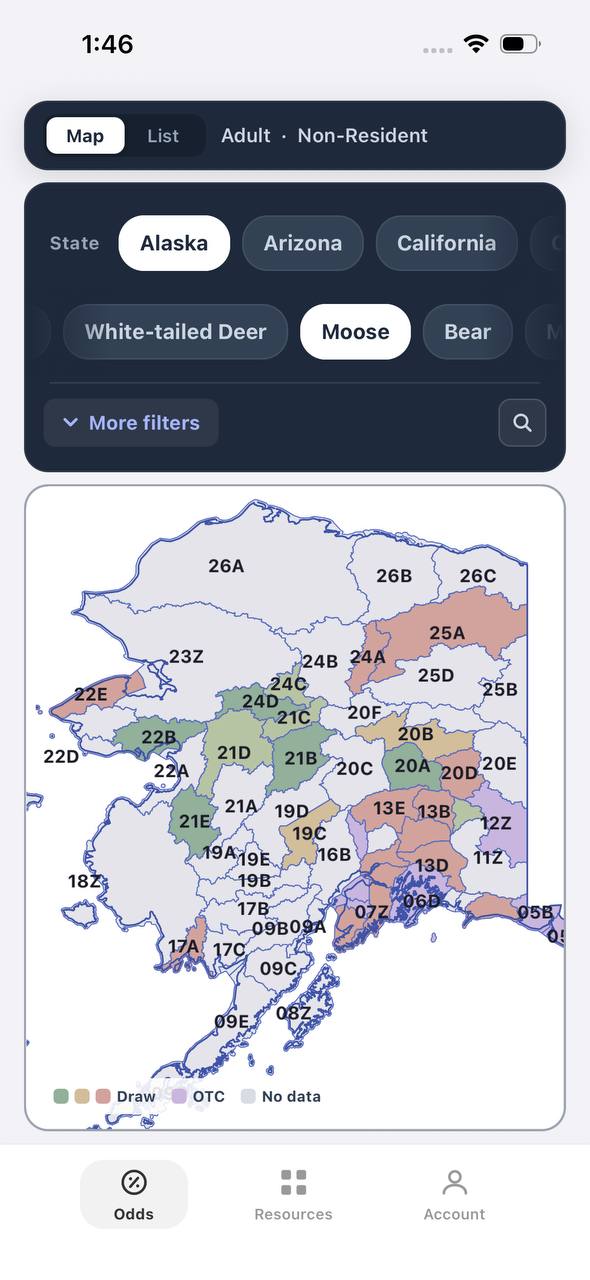
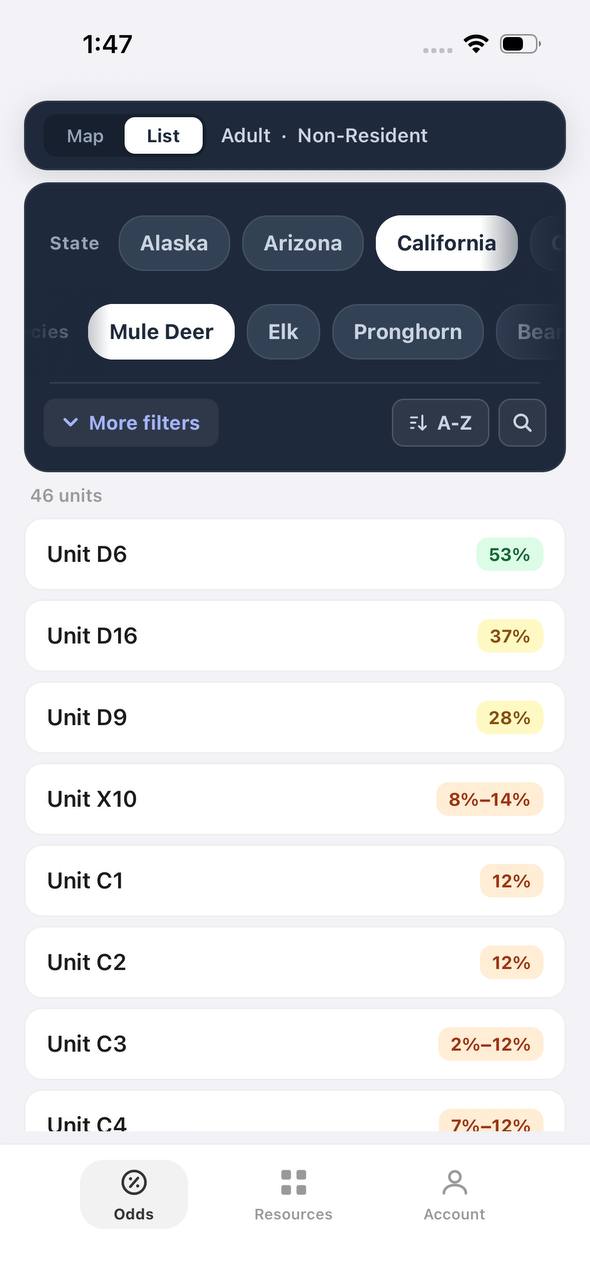
TAGZ helps you research moose units across Alaska, Wyoming, Montana, and other western states using terrain maps, draw odds, and hunt filtering by weapon and season. Track your preference points and bonus points so you never miss a draw deadline. Whether you are planning your first moose hunt or applying for a trophy limited-entry tag, TAGZ gives you the tools to make smarter decisions before you ever step into the field.
Explore more strategies and insights on the TAGZ Insights page, compare units side by side on the TAGZ platform, or check current pricing and membership options to start planning your next hunt.
Was this article helpful?
Previous
Best Portable Fuel Storage for Hunting Camps and Remote Hunts
Reliable fuel storage is essential for backcountry hunting camps. We break down the best portable fuel containers for different hunt scenarios, from weeklong elk camps to remote scouting trips.
Related
Best Lightweight Budget Hunting Rifles for Western Big Game in 2025
Discover the top lightweight, affordable hunting rifles that won't break the bank or your back on steep Western hunts. We break down the best budget options under $800 that deliver accuracy and reliability for elk, deer, and pronghorn.
Next
Spring vs Fall Bear Hunting: Which Season Is Right for You?
Spring and fall bear seasons offer vastly different hunting experiences. Spring hunts feature predictable feeding patterns and quality hides, while fall hunts align with archery elk seasons but mean less predictable bears and rubbed fur.