Sig Sauer vs Leupold Rangefinders: Which Brand Wins for Western Hunters?
You're glassing a heavy-beamed bull at first light across a canyon. You need an accurate range to decide whether you're taking the shot or letting him walk. Your rangefinder is not just a piece of gear — it's the difference between a clean kill and a blown opportunity.
Sig Sauer and Leupold dominate the western hunting rangefinder market, but they take different approaches. Sig focuses on ballistics integration and budget-friendly performance. Leupold emphasizes optical clarity and rugged reliability. Both work, but the best choice depends on how you hunt and what features you actually need in the field.
Optical Quality and Glass
Leupold has a long-standing reputation for optical clarity, and their rangefinders reflect that heritage. The RX-2800 TBR/W and RX-5000 TBR/W deliver crisp, high-contrast images even in low light. Leupold uses fully multi-coated lenses and proprietary coatings that reduce glare and improve resolution. If you're ranging game at dawn or dusk in heavy timber, Leupold glass gives you a clearer view of what you're aiming at.
Sig Sauer rangefinders, particularly the Kilo BDX series, offer solid optical performance but typically don't match Leupold's edge-to-edge clarity. The Kilo 3000 BDX and Kilo 10K ABS HD provide sharp center images and good light transmission, but the glass is a step below Leupold's premium models. For most western hunting scenarios — open country, mid-morning shots, clear weather — Sig's optics are more than adequate. But if you're hunting heavy cover or counting tine tips at 800 yards, Leupold's glass is noticeably better.
Both brands offer models with 6x to 7x magnification. Leupold tends toward 6x, which is easier to hold steady without a tripod. Sig offers 7x on some models, which helps with target acquisition at extreme range but can amplify hand shake.
Ranging Performance and Accuracy
Both Sig and Leupold deliver accurate ranging out to distances that exceed what most hunters will ever shoot. The difference is in how they handle edge cases — reflective targets, brush, and atmospheric conditions.
Sig Sauer's Kilo 10K ABS HD is the standout performer, ranging out to 10,000 yards on reflective targets and reliably hitting deer-sized game past 2,000 yards. The Kilo 3000 BDX ranges to 3,000 yards on reflective targets and 1,600 yards on game. Sig uses HyperScan technology, which updates range readings multiple times per second — useful when tracking moving animals or ranging through shifting brush.
Leupold's RX-5000 TBR/W ranges to 5,000 yards reflective and 1,600 yards on game. The RX-2800 TBR/W hits 2,800 yards reflective and 1,300 yards on game. Leupold's DNA (Digitally Enhanced Accuracy) engine compensates for angle, temperature, and barometric pressure. In practice, both brands are accurate within a yard at hunting distances under 800 yards. Beyond that, Sig's higher-end models edge ahead in maximum range capability, but Leupold's mid-tier models are more than enough for 99 percent of western hunters.
Brush and foliage can confuse any rangefinder. Sig's scan mode is faster and tends to lock onto the farthest target in cluttered environments, which is usually the animal behind the brush. Leupold's Last Target mode does the same but updates slightly slower. Both work well — it's a matter of personal preference.
Ballistics Integration and Smart Features
This is where Sig Sauer pulls ahead. The BDX (Ballistic Data Xchange) system pairs Sig rangefinders with Sig riflescopes and the BDX app. When you range a target, the rangefinder sends ballistic data to your scope, and the scope illuminates the correct holdover dot. It's fast, accurate, and eliminates the need to dial elevation or consult a drop chart in the field.
The BDX system accounts for angle, temperature, barometric pressure, and even spin drift. You can load custom ballistic profiles for multiple rifles and cartridges. For hunters who shoot long range regularly — especially in varied terrain like Colorado's high country or Nevada's open basins — BDX is a legitimate advantage.
Leupold does not offer wireless integration between rangefinders and scopes. Their TBR/W (True Ballistic Range/Wind) system provides holdover solutions on the rangefinder display itself, accounting for angle and environmental factors. You get a corrected range or MOA/MIL holdover, but you still have to manually dial your scope or use your reticle. It works, but it's slower than Sig's integrated system.
Leupold's advantage is simplicity. The TBR system requires no app, no Bluetooth pairing, and no batteries dying mid-hunt because you forgot to turn off your phone. You range the animal, get a holdover, and shoot. For hunters who don't want to manage technology in the field, Leupold's approach is more foolproof.
Build Quality and Durability
Both brands build rangefinders tough enough for backcountry abuse. Leupold's aluminum housings are famously rugged, and their units are waterproof, fogproof, and backed by Leupold's lifetime guarantee. The RX-2800 and RX-5000 have survived drops, rain, snow, and being stuffed into backpacks for years without issue.
Sig Sauer rangefinders use a mix of aluminum and reinforced polymer housings. The Kilo 10K ABS HD is overbuilt and feels bombproof. The Kilo 3000 BDX is lighter and slightly less robust but still handles rough use without problems. Sig units are also waterproof and fogproof, and Sig's electronics warranty covers most issues, though it's not lifetime like Leupold's.
Leupold edges ahead in long-term durability and warranty confidence. Sig's units are reliable, but if you're the type who keeps gear for a decade or more, Leupold's lifetime guarantee is hard to beat.
Free to join
Download mobile app
- Detailed draw odds
- Point tracking
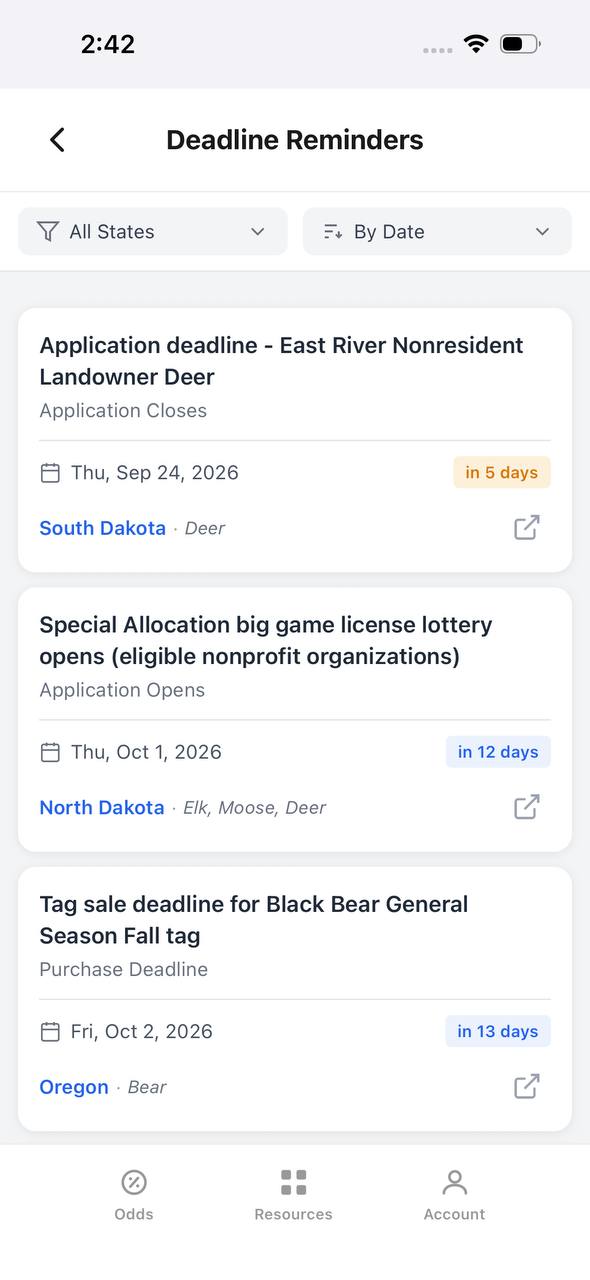
- Deadline reminders
- 18 states covered

Free to join
Download mobile app
- Detailed draw odds
- Point tracking
- Deadline reminders
- 18 states covered
Free to join
Download mobile app
- Detailed draw odds
- Point tracking
- Deadline reminders
- 18 states covered

Battery Life and Power Management
Leupold rangefinders use a single CR123 battery and deliver impressive battery life — often 1,000+ ranges per battery depending on use. The RX-2800 and RX-5000 are known for going multiple seasons on a single battery if you're disciplined about turning them off between uses.
Sig's BDX models use CR123 or CR2 batteries depending on the model. Battery life is solid but slightly shorter than Leupold, especially if you're using Bluetooth and the BDX app regularly. The Kilo 10K ABS HD, with its powerful laser and large display, drains batteries faster than Leupold's mid-tier models. Sig compensates with an auto-shutoff feature, but if you're hunting remote areas for a week, bring spare batteries.
Neither brand has a rechargeable option, which is a missed opportunity. But CR123 batteries are widely available and perform well in cold weather, so it's not a major drawback.
Price and Value
Sig Sauer offers better value at the entry and mid-tier levels. The Kilo 1400 BDX retails around 300 dollars and delivers solid performance for most hunting scenarios. The Kilo 3000 BDX, at roughly 500 to 600 dollars, is a feature-packed option that competes with Leupold units costing 100 to 200 dollars more.
Leupold's RX-2800 TBR/W starts around 550 to 650 dollars, and the RX-5000 TBR/W runs 750 to 850 dollars. You're paying a premium for Leupold's optical quality, warranty, and brand reputation. If you're not using the BDX system and just want a reliable, high-quality rangefinder that will last 20 years, Leupold justifies the cost.
Sig's Kilo 10K ABS HD is the outlier, priced around 1,800 to 2,000 dollars. It's overkill for most hunters, but for serious long-range shooters or guides who need the best ranging performance and ballistics integration, it's worth considering.
Which Rangefinder is Right for You?
Choose Sig Sauer if you shoot long range, want ballistics integration, and appreciate modern technology. The BDX system is a genuine advantage for hunters who take shots past 400 yards regularly. Sig also wins on value — you get more features for less money at every price point except the ultra-premium tier.
Choose Leupold if you prioritize optical clarity, simplicity, and long-term durability. Leupold rangefinders are straightforward, reliable, and backed by a lifetime warranty. If you hunt dense timber, low light, or just want a rangefinder that works the same way every time without managing apps or Bluetooth, Leupold is the better pick.
Both brands make excellent rangefinders. The right choice depends on whether you value cutting-edge features and value (Sig) or optical quality and bombproof simplicity (Leupold). Either way, you're getting a rangefinder that will serve you well across the West.
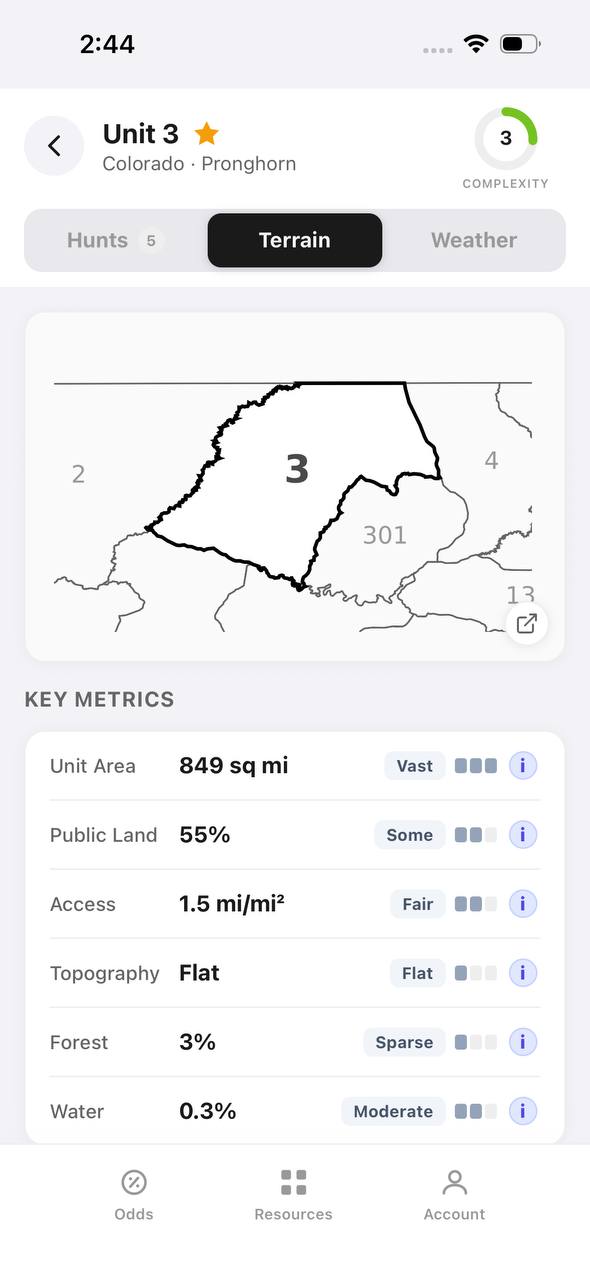
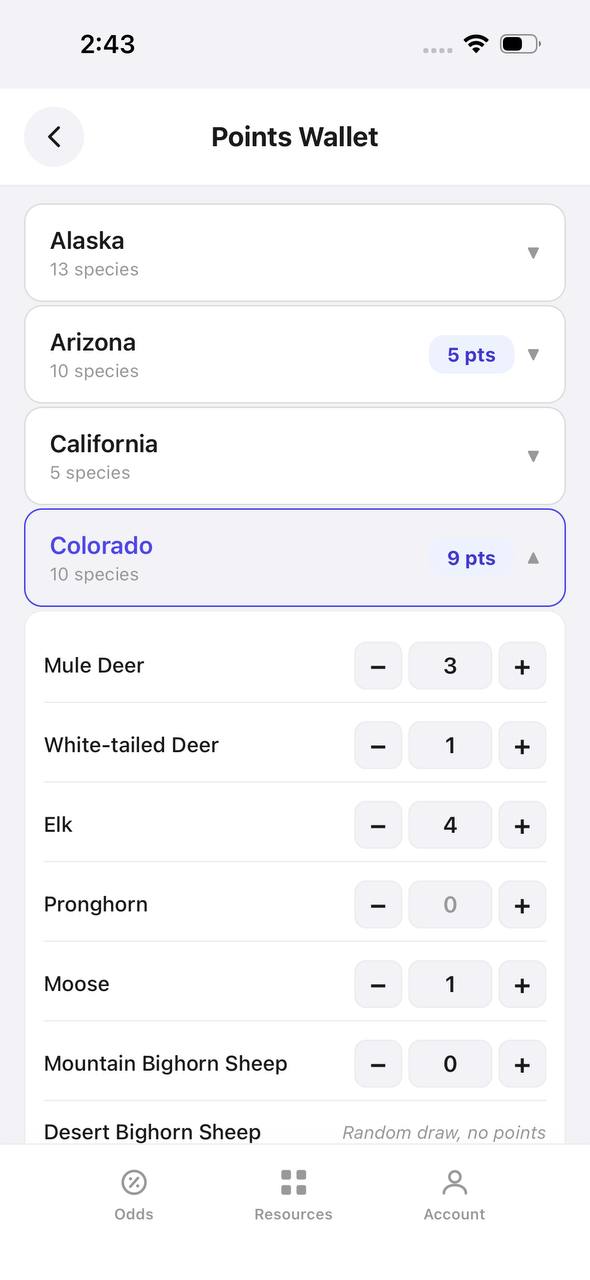
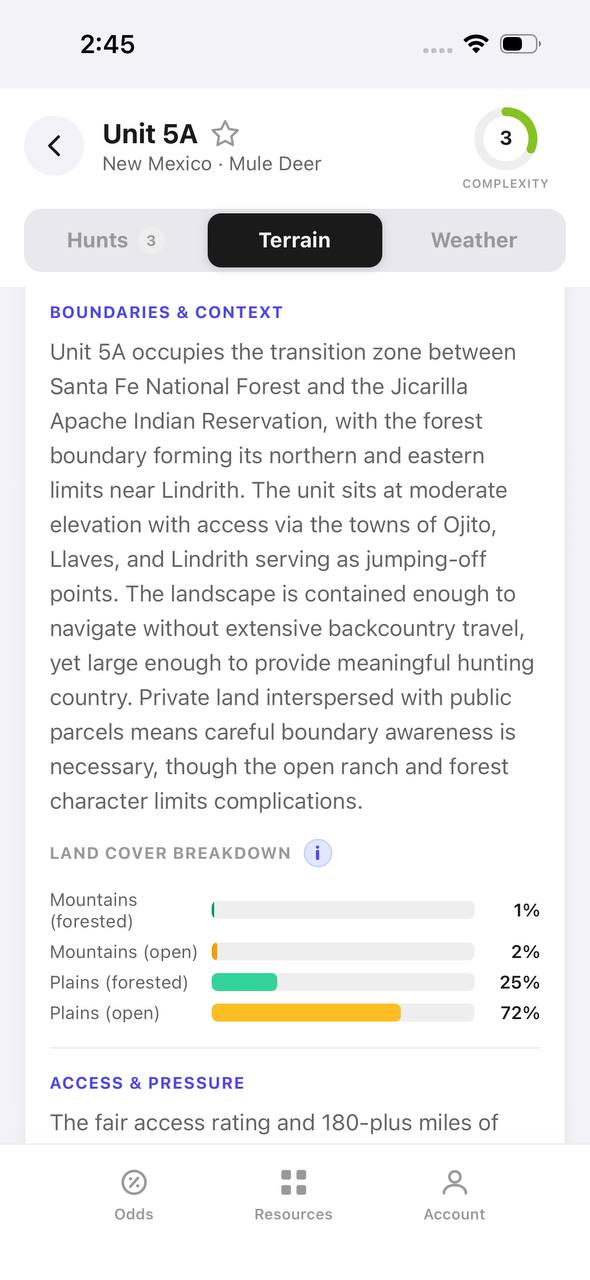
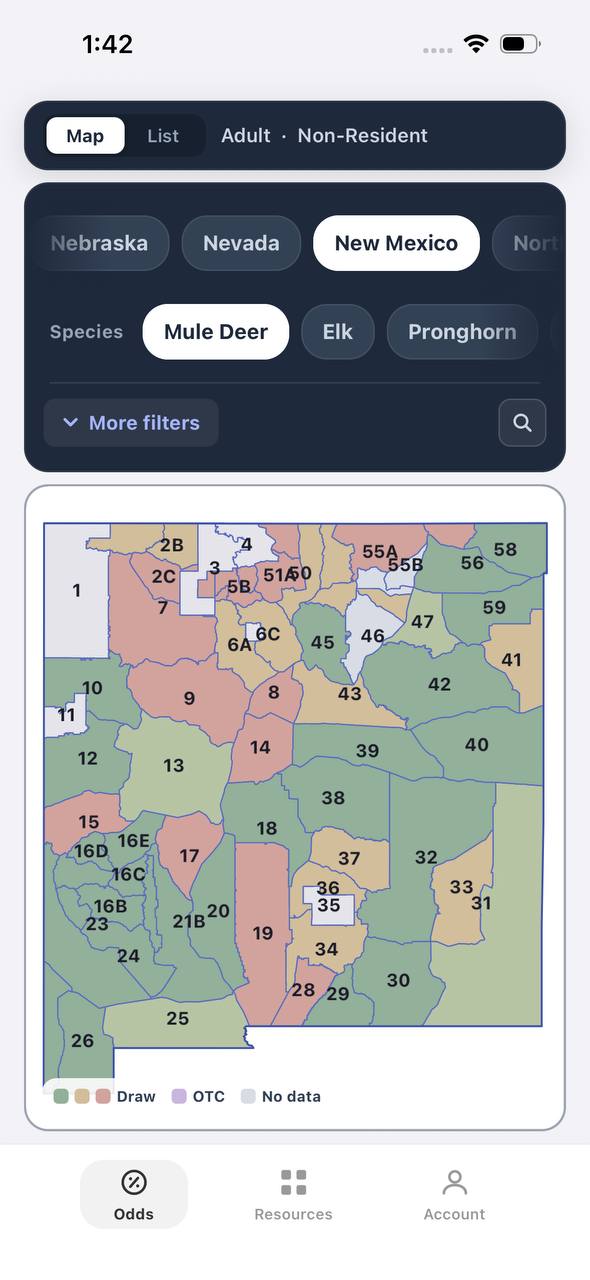
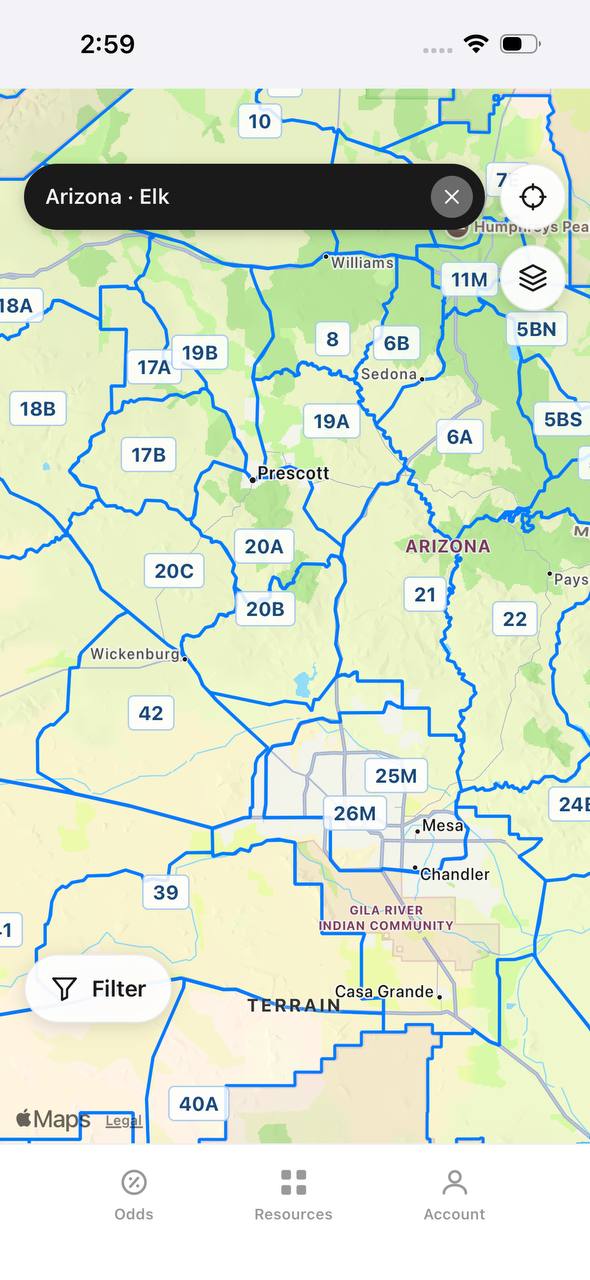
TAGZ helps you research units with detailed terrain maps, public land boundaries, and historical draw data so you can plan hunts where your rangefinder matters most. Track preference points and bonus points across multiple states, compare unit boundaries side by side, and never miss a draw deadline. Whether you are chasing high-country bulls or planning a long-range mule deer hunt, TAGZ gives you the tools to make smarter decisions before you ever step into the field.
FAQ — Sig Sauer vs Leupold Rangefinders
Which brand is more accurate?
Both are accurate within a yard at typical hunting distances. Sig's higher-end models (Kilo 10K) have slight edge in extreme-range performance, but Leupold is equally precise for shots under 800 yards.
Does Sig's BDX system actually help in the field?
Yes, especially for long-range shots. BDX wirelessly sends ballistic data to compatible scopes, eliminating manual dialing or holdover calculations. It's faster and more accurate than referencing a drop chart.
Are Leupold rangefinders worth the extra cost?
If you value optical clarity, durability, and a lifetime warranty, yes. Leupold's glass is noticeably better in low light and heavy cover. Sig offers better value for feature-packed performance.
Which rangefinder has better battery life?
Leupold typically outlasts Sig, especially models without Bluetooth. Sig's BDX units drain batteries faster when using wireless features. Both use CR123 batteries and perform well in cold weather.
Can Leupold rangefinders integrate with riflescopes?
No. Leupold provides ballistic corrections on the rangefinder display, but you must manually dial your scope or use holdover. Sig's BDX system is the only wireless integration option between these brands.
Which brand is tougher for backcountry hunting?
Leupold has a slight edge in long-term durability and warranty confidence. Sig units are rugged and reliable, but Leupold's lifetime guarantee and aluminum construction inspire more confidence for multi-decade use.
Continue Planning Your Hunt
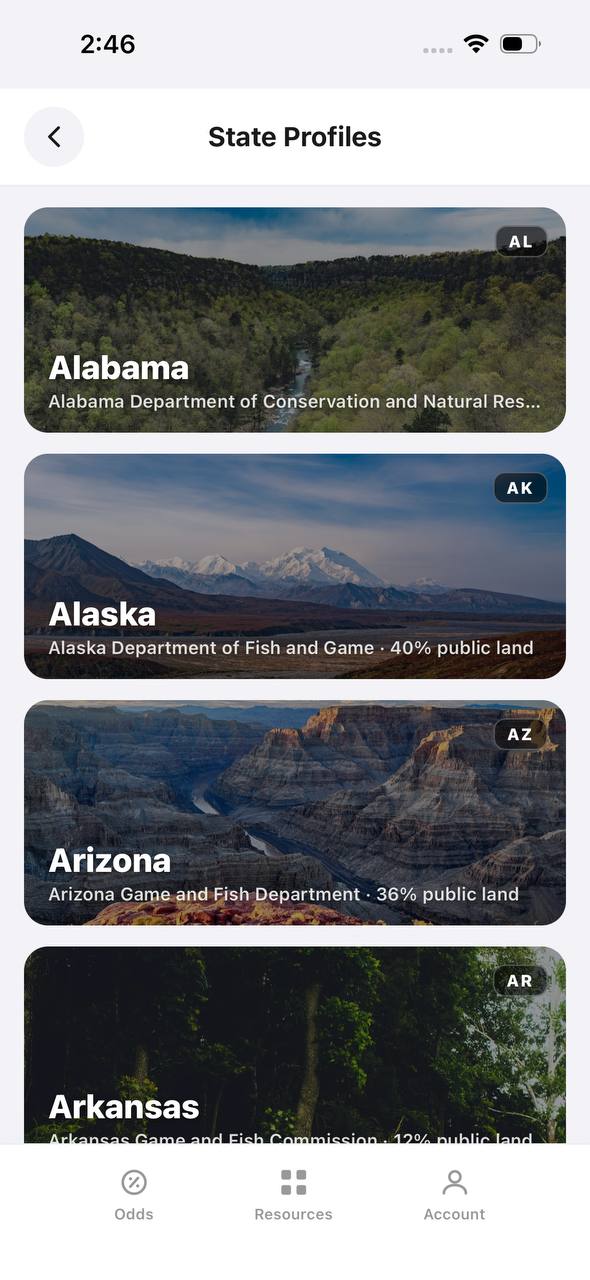
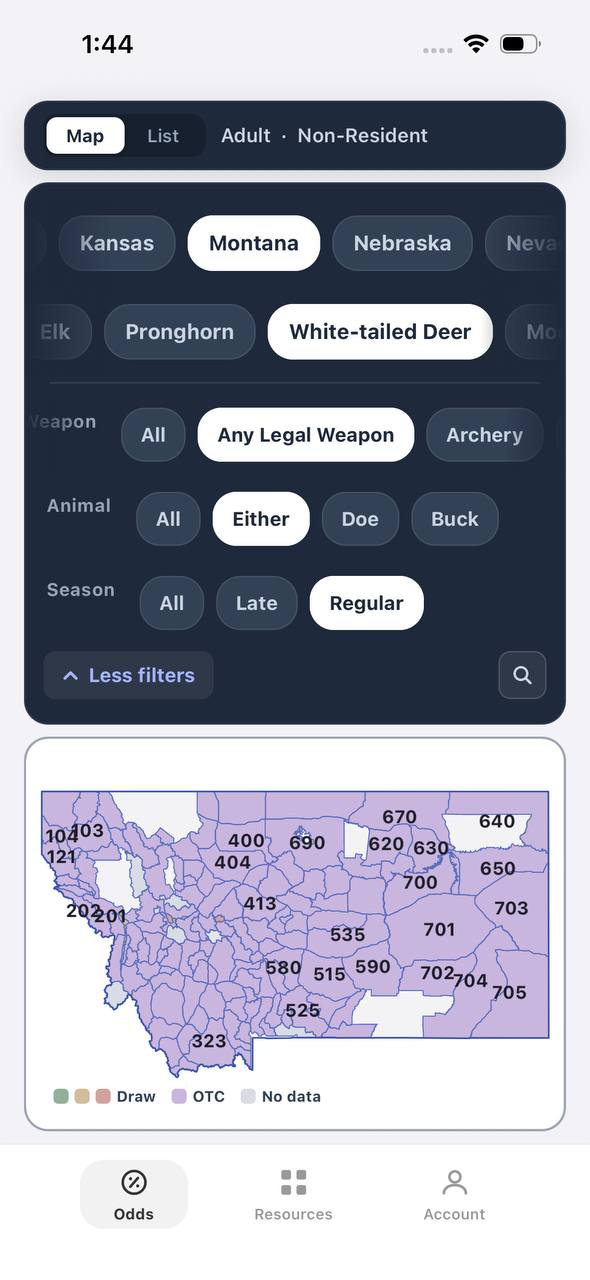
A quality rangefinder is just one piece of successful western hunting. TAGZ helps you make smarter draw decisions by comparing units side by side using terrain maps, unit boundaries, and historical draw odds. Track your preference points and bonus points across multiple states so you never miss a draw deadline. Whether you are planning an OTC archery elk hunt or researching limited-entry mule deer units, TAGZ simplifies the application process and helps you maximize your draw opportunities.
Explore more hunting strategies, gear reviews, and unit breakdowns on the TAGZ Insights page. Ready to start planning your next hunt? Check out TAGZ pricing options and see how the platform helps western hunters research units, track points, and plan hunts with confidence. Learn more about how TAGZ works on the product page, or visit the home page to get started.
Was this article helpful?
Previous
7 Costly Mistakes New Alligator Hunters Make (And How to Avoid Them)
First-time gator hunters often underestimate how different alligator hunting is from big game. From choosing the wrong equipment to misreading water conditions, these common mistakes can turn your hunt from exciting to dangerous—or leave you going home empty-handed.

Related
Best Portable Fuel Storage for Hunting Camps and Remote Hunts
Reliable fuel storage is essential for backcountry hunting camps. We break down the best portable fuel containers for different hunt scenarios, from weeklong elk camps to remote scouting trips.
Next
Aging Moose: Field Techniques Every Hunter Should Know
Aging moose accurately in the field requires evaluating antler characteristics, body confirmation, and behavior patterns. Understanding these visual cues helps hunters make ethical harvest decisions and comply with age-restricted regulations in states like Alaska and Idaho.