Running out of fuel 40 miles from the nearest gas station can end a hunt before it starts. Whether you are powering a generator at elk camp, keeping UTVs running in Montana's backcountry, or hauling fuel to a remote spike camp, the right portable fuel storage makes the difference between staying in the field and cutting a hunt short.
The best fuel container for hunting depends on your setup. Truck-based hunters prioritize capacity and durability. UTV hunters need low-profile tanks that mount securely on rough terrain. Backcountry packouts require lightweight options that survive hard use. This guide covers the top portable fuel storage systems for western hunters, what to look for, and how to match your container to your hunt style.
Why Standard Gas Cans Fall Short in the Backcountry
Most big-box gas cans are not built for hunting conditions. Cheap plastic cracks in freezing temps. Flimsy spouts leak when strapped to a UTV rack bouncing across sagebrush. Vented caps let water seep in during rainstorms, contaminating fuel and killing small engines when you need them most.
Hunting fuel storage needs to handle temperature swings, rough roads, and weeks in the field without leaking or degrading. Military-spec containers and purpose-built outdoor tanks solve these problems, but not every option fits every hunt. A 20-gallon jerry can is overkill for a solo archery scout. A collapsible bladder works for packable emergency reserves but cannot handle daily generator refills at a 10-day camp.
Metal Jerry Cans for High-Capacity Base Camps
Metal NATO-style jerry cans are the gold standard for truck-based hunting camps. The 5-gallon Wavian and Scepter military cans use thick steel construction with a three-handle design that makes pouring easy even when full. These cans survived decades of military use in deserts and arctic conditions, which translates to reliability during Colorado October snowstorms or Arizona September heat.
Jerry cans excel when you need 10-20 gallons on hand for generators, chainsaws, and UTVs over a weeklong hunt. The sealed cam-lever cap prevents evaporation and keeps water out. Internal baffles reduce sloshing on rough roads. The main downside is weight — a full 5-gallon steel can weighs 45 pounds, making them impractical for anything beyond vehicle-based camps.
For hunters running wall tents with heaters and lights, two or three jerry cans provide enough fuel for a full season without weekly town runs. Stack them in a truck bed with ratchet straps or bolt a custom rack to your camper. Just ensure they are DOT-approved for transport and clearly marked as fuel.
RotopaX Modular Fuel Packs for UTV and ATV Hunters
RotopaX changed portable fuel storage by creating low-profile, stackable packs that mount flush to vehicles. The 2-gallon RotopaX fuel pack is the most popular size among western hunters — small enough to mount on a UTV roll cage or ATV rack without adding bulk, but large enough to extend your range by 40-60 miles depending on terrain.
The rotomolded plastic construction is tougher than jerry cans in some ways. It will not dent or rust, and the modular mounting system lets you stack fuel, water, and gear packs side by side using the same mounts. Spout design is better than most competitors — the RX-Spout pours fast without glugging or spilling.
UTV hunters running all day in Utah's West Desert or Wyoming's Red Desert use RotopaX packs to avoid mid-day fuel runs back to camp. Mount a 2-gallon pack on each side of the bed and you have enough reserve fuel to chase herds across an entire unit without worrying about range. The packs also work well strapped to truck bed racks or roof racks for additional capacity on long hauls.
Kolpin and Moose Utility UTV Fuel Packs
If you are not ready to invest in RotopaX, Kolpin and Moose Utility make solid budget UTV fuel packs. The Kolpin Fuel Pack Plus holds 1.5 gallons and mounts to most UTV racks without drilling. It is lighter and cheaper than RotopaX but less durable over years of hard use.
Moose Utility's 2-gallon pack is another middle-ground option. The mounting system is not as refined as RotopaX, but it holds up fine for weekend hunters who are not putting hundreds of miles on a machine every season. Both brands are available at most powersports shops, making them easy to pick up last-minute if you are gearing up for a hunt.
These packs work best for hunters who run shorter day trips from a base camp. If you are regularly putting 50-plus miles on a UTV in a day or hunting in remote units where breakdowns mean long walks, spend the extra money on a more robust system.
Free to join
Download mobile app
- Detailed draw odds
- Point tracking
- Deadline reminders
- 18 states covered

Free to join
Download mobile app
- Detailed draw odds
- Point tracking
- Deadline reminders
- 18 states covered
Free to join
Download mobile app
- Detailed draw odds
- Point tracking
- Deadline reminders
- 18 states covered
Collapsible Fuel Bladders for Packable Reserve Fuel
Collapsible fuel bladders are niche but useful for specific hunting scenarios. The MSR DromLite Bag and Reliance Fold-A-Carrier hold 2-4 gallons and pack down to almost nothing when empty. They are not replacements for hard tanks, but they work well as emergency reserves on long backcountry trips where you might need an extra gallon to get a UTV or generator running.
Bladders also make sense for hunters who fly into remote areas and need to cache fuel at a spike camp location before the season. Pack in a 4-gallon bladder on a scouting trip, stash it near your planned camp, and have fuel waiting when you return with heavier gear during the hunt.
The main limitation is durability. Bladders puncture easily on sharp rocks or brush. They also do not pour as cleanly as rigid containers, and the flexible material makes them harder to handle when full. Use them as backup fuel, not your primary supply.
No-Spill Gas Cans for In-Town Refueling and Small Engines
No-Spill gas cans are not sexy, but they solve a specific problem — clean, compliant refueling of small engines like chainsaws, stoves, and generators. The push-button spout only flows when pressed against the tank opening, which prevents overfills and spills that contaminate camp and waste fuel.
The 2.5-gallon and 5-gallon sizes work well as secondary containers kept in the truck for quick generator top-offs without hauling a heavy jerry can across camp every time you need a quart of gas. The plastic is not as tough as military cans, but it meets EPA and CARB emissions standards, which matters if you are traveling through California or other states with strict fuel container laws.
Keep a No-Spill can in your truck for mixing two-stroke fuel or fueling small equipment. Use jerry cans or RotopaX for bulk storage and long-range vehicle fuel.
How to Choose the Right Fuel Storage for Your Hunt
Match your fuel storage to your hunt style and daily fuel needs. Calculate how much fuel you burn per day — generators, UTVs, heaters, stoves — and add 25% for buffer. A typical 3,000-watt generator burns roughly 0.5 gallons per hour at half load, so an 8-hour overnight run uses 4 gallons. Add UTV fuel and you might need 8-10 gallons per day at a remote camp.
Truck-based hunters hauling trailers and running full camps should prioritize capacity and durability. Metal jerry cans in 5-gallon sizes give you the best long-term value. Plan on one can per 3-4 days in the field, or more if you are running power-hungry equipment.
UTV and ATV hunters need compact, mountable options that do not interfere with gear or game loads. RotopaX 2-gallon packs are the industry standard for a reason — they mount anywhere, stack with other gear, and survive years of abuse. Budget options like Kolpin work for casual hunters, but serious backcountry hunters should invest in proven systems.
Backcountry and spike camp hunters have different needs. If you are packing everything on horses or backpacking, collapsible bladders let you cache small fuel reserves without adding permanent weight. For horse-based hunts where you can haul panniers, a single 5-gallon jerry can might make sense for a generator or stove fuel at a multi-day spike camp.
Free to join
Download mobile app
- Detailed draw odds
- Point tracking
- Deadline reminders
- 18 states covered
Free to join
Download mobile app
- Detailed draw odds
- Point tracking
- Deadline reminders
- 18 states covered
Free to join
Download mobile app
- Detailed draw odds
- Point tracking
- Deadline reminders
- 18 states covered
Fuel Storage Safety and Compliance for Hunters
Transporting fuel on public roads requires DOT-approved containers. Most metal jerry cans and quality plastic containers meet these standards, but cheap no-name gas cans might not. Check for a DOT stamp on the container or packaging. Some states also require color coding — red for gasoline, blue for kerosene, yellow for diesel — to prevent accidental misfueling.
Never transport fuel inside a vehicle cabin. Mount containers in truck beds, trailers, or exterior racks where vapors can vent safely. Even sealed containers release fumes that build up in enclosed spaces, creating fire and health risks.
Avoid overfilling containers in cold weather. Gasoline expands as it warms, and a can filled to the brim at 30 degrees can overflow when temps hit 70. Leave a few inches of headspace, especially in plastic containers that flex more than metal.
Store fuel away from tents, heaters, and open flames. At hunting camps, designate a fuel area downwind from sleeping areas and cooking zones. If you are hunting in fire-prone states like California, Nevada, or Arizona during dry seasons, be extra cautious with fuel storage and refueling — spilled gas on hot dirt can ignite.
Fuel Stabilizers and Long-Term Storage for Hunters
Fuel degrades over time, especially ethanol-blended pump gas common across the West. If you are pre-positioning fuel at a camp weeks before a hunt, add a fuel stabilizer like STA-BIL or PRI-G to prevent gum and varnish buildup that clogs carburetors and fuel injectors.
Non-ethanol fuel is worth the premium for hunting equipment. It stores longer, burns cleaner, and causes fewer small engine problems. Many rural gas stations in hunting country sell ethanol-free gas specifically for outdoor equipment — look for signs at the pump or ask inside. The extra dollar per gallon is cheap insurance compared to a dead generator on the third night of a hunt.
If you are caching fuel for fall hunts during summer scouting trips, mark containers with the date and add stabilizer before storing. Fuel kept cool and sealed can last 6-12 months with treatment, but check it before your hunt. Old gas smells sour and looks darker than fresh fuel — if it is questionable, dump it and refill.
Free to join
Download mobile app
- Detailed draw odds
- Point tracking
- Deadline reminders
- 18 states covered
Free to join
Download mobile app
- Detailed draw odds
- Point tracking
- Deadline reminders
- 18 states covered
Free to join
Download mobile app
- Detailed draw odds
- Point tracking
- Deadline reminders
- 18 states covered
Multi-Fuel Strategies for Extended Hunts
Some hunters run diesel trucks and gas UTVs, creating a two-fuel logistics challenge. The simplest solution is color-coded jerry cans — yellow diesel cans stored separately from red gas cans — and clearly labeled spouts. Mix-ups are rare but catastrophic, especially dieseling a gas engine.
For hunts longer than a week, consider a mid-hunt resupply. Coordinate with another hunter, a family member, or a local outfitter to deliver fresh fuel to a predetermined location halfway through the trip. This cuts the amount of fuel you need to haul in and reduces fire risk at camp.
Some western states allow fuel caches on public land with proper permits, but rules vary by agency and district. Check with the Forest Service or BLM office managing your hunt unit before stashing fuel on public land. Private land caches require landowner permission.
What Sets TAGZ Apart for Hunt Planning
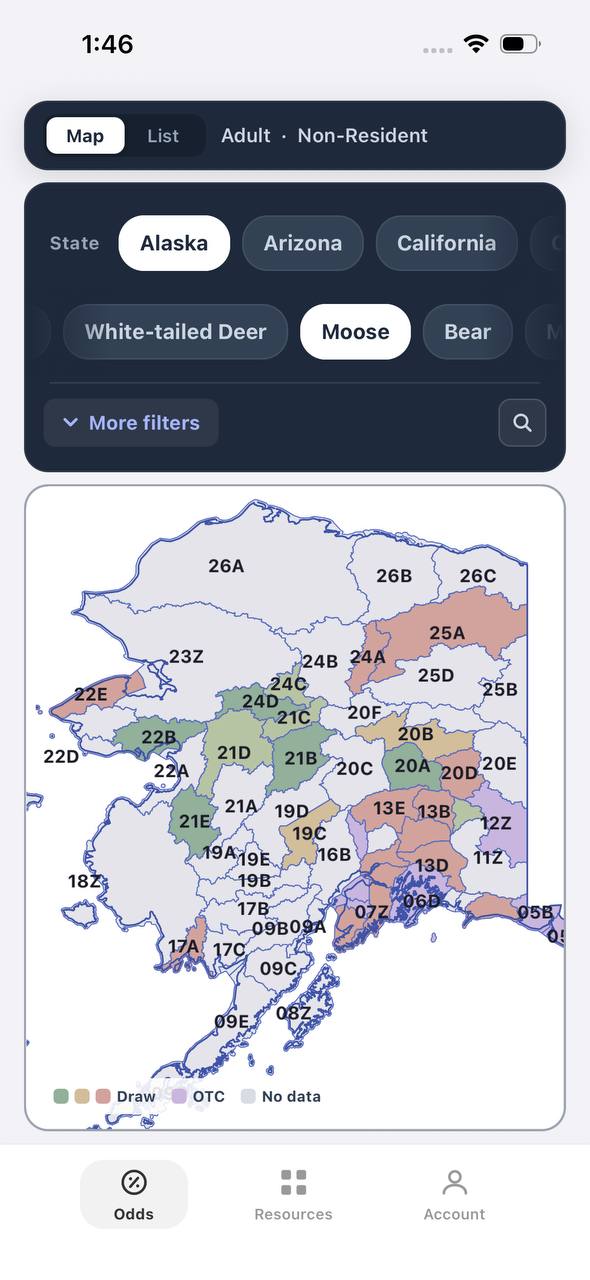
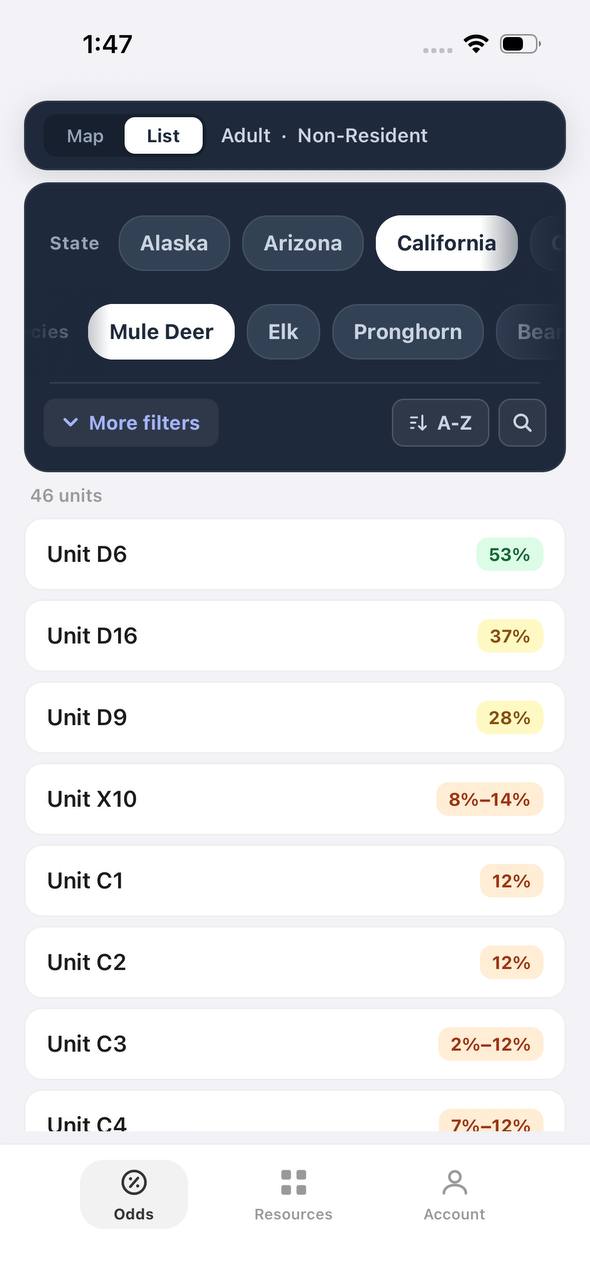
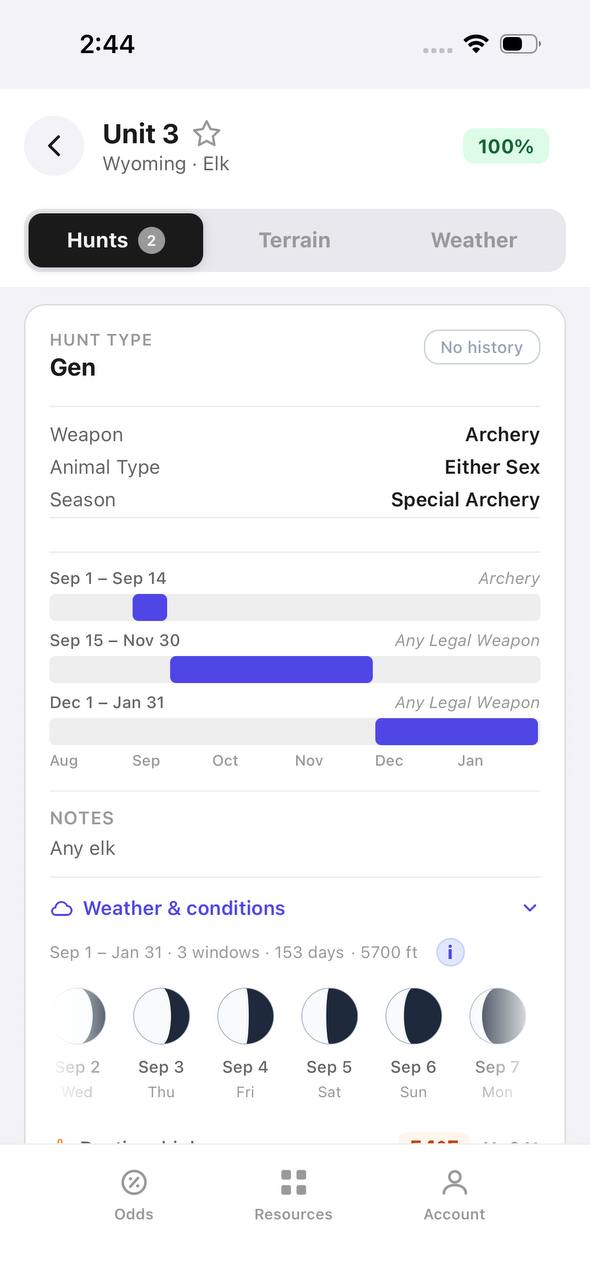
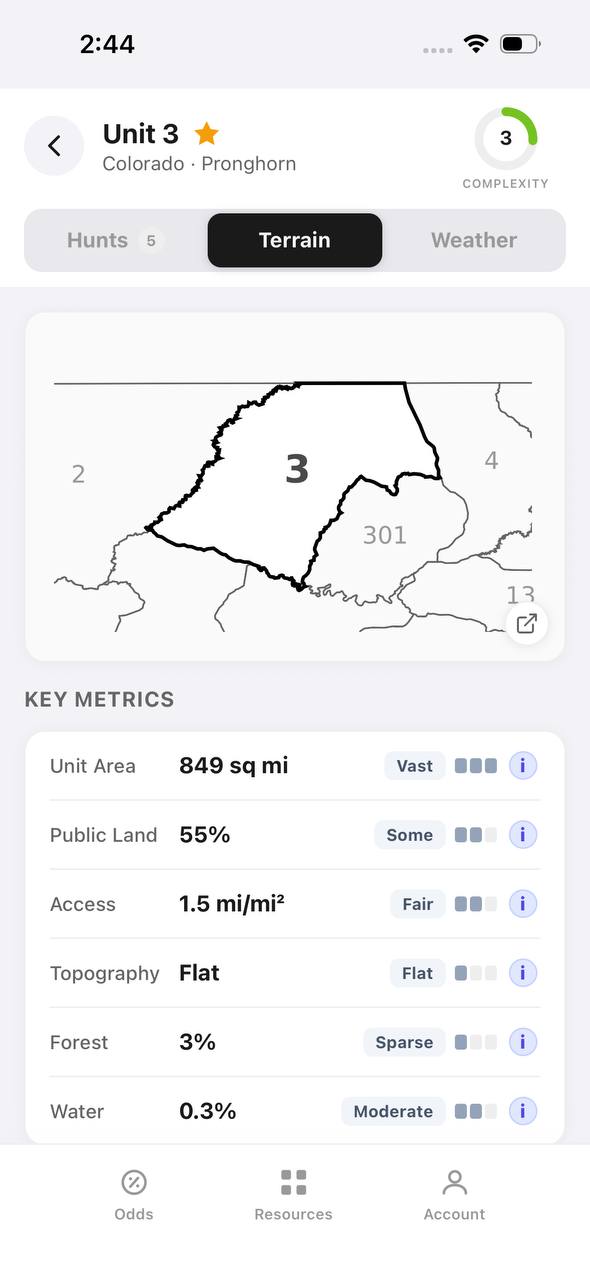
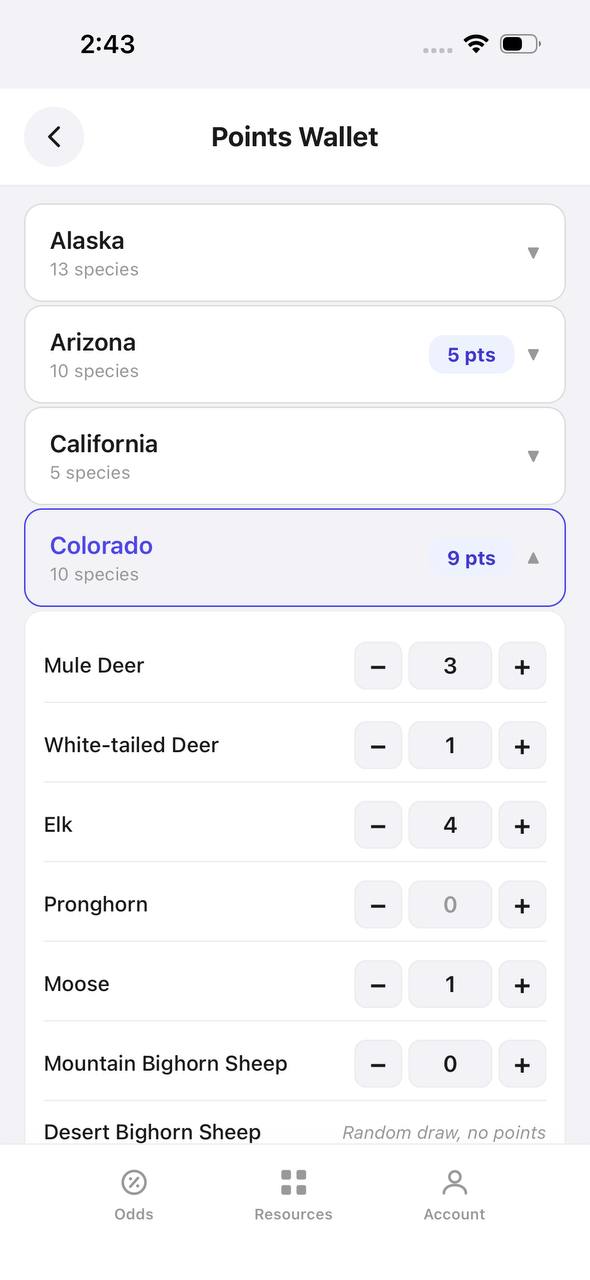
Planning a remote hunt means more than fuel storage. TAGZ helps western hunters compare units side by side using terrain maps, public land boundaries, and historical draw data. Track your preference points and bonus points across multiple states so you never miss a draw deadline. Whether you are chasing OTC tags in Colorado or planning a limited-entry Montana elk hunt, TAGZ gives you the tools to make smarter decisions before you ever step into the field. Filter hunts by weapon, season, and species to find the opportunities that match your hunt style and fuel logistics.
FAQ — Portable Fuel Storage for Hunting
What is the best portable fuel container for hunting? Metal NATO jerry cans are the most durable for truck-based camps, while RotopaX modular packs are best for UTV hunters. Your choice depends on capacity needs and transport method.
How much fuel should I bring for a week-long elk hunt? Plan for 8-10 gallons per day if running a generator, UTV, and camp stove. A week-long hunt typically requires 50-70 gallons depending on equipment and daily mileage.
Are plastic gas cans safe for long-term fuel storage? Quality rotomolded plastic like RotopaX is safe for months. Cheap thin-walled plastic degrades faster. Add fuel stabilizer for storage longer than 30 days and keep containers out of direct sunlight.
Can I transport fuel in my truck bed during hunting season? Yes, if containers are DOT-approved and secured properly. Never transport fuel inside the cabin, and ensure containers are sealed and upright to prevent spills or vapor buildup.
What size fuel container is best for UTV hunting? The 2-gallon RotopaX pack is the most versatile for UTV hunters. It adds 40-60 miles of range without taking up much space or adding excessive weight to your rig.
Do I need ethanol-free gas for hunting equipment? Ethanol-free fuel is highly recommended for generators, chainsaws, and small engines. It stores longer, burns cleaner, and prevents carburetor problems common with ethanol-blended pump gas.
Continue Planning Your Hunt
Reliable fuel storage keeps you in the field longer and eliminates the stress of running low in the backcountry. Once your fuel logistics are dialed, focus on the hunt itself. Visit TAGZ Insights for unit breakdowns, draw strategy articles, and gear recommendations that help western hunters make smarter decisions. Ready to start planning your next hunt? Explore TAGZ pricing to unlock draw odds, unit maps, and preference point tracking tools that simplify western big-game applications. Whether you are targeting elk in Colorado or pronghorn in Wyoming, TAGZ gives you the research platform to confidently plan multi-state hunts from application season through your time in the field.
Was this article helpful?
Previous
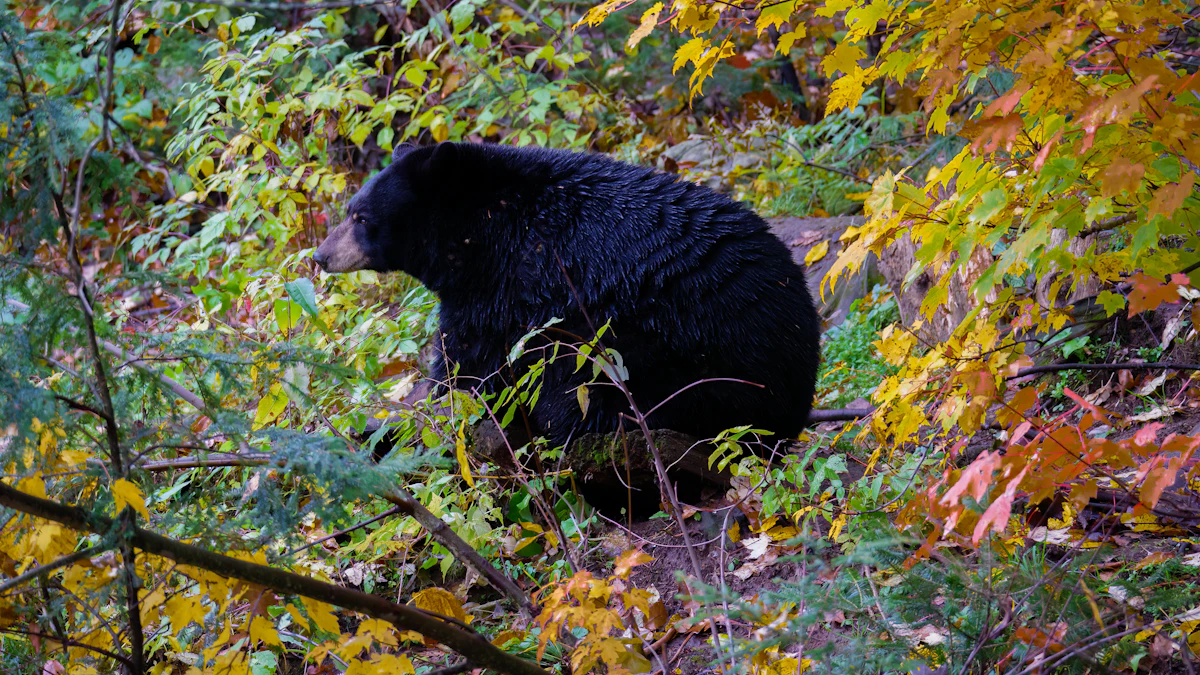
Spring vs Fall Bear Hunting: Which Season Is Right for You?
Spring and fall bear seasons offer vastly different hunting experiences. Spring hunts feature predictable feeding patterns and quality hides, while fall hunts align with archery elk seasons but mean less predictable bears and rubbed fur.
Related
Sig Sauer vs Leupold Rangefinders: Which Brand Wins for Western Hunters?
Sig Sauer and Leupold both make excellent rangefinders, but they excel in different areas. This head-to-head comparison breaks down performance, features, and value to help you choose the right optic for your next hunt.
Next
7 Moose Calling Mistakes That Cost Hunters Close Encounters
Most moose hunters call too often, too loud, or at the wrong time. Learn the subtle mistakes that spook bulls during the rut and how to adjust your approach for closer shots.