Spring Bear Hunting in the West: 2027 State-by-State Guide
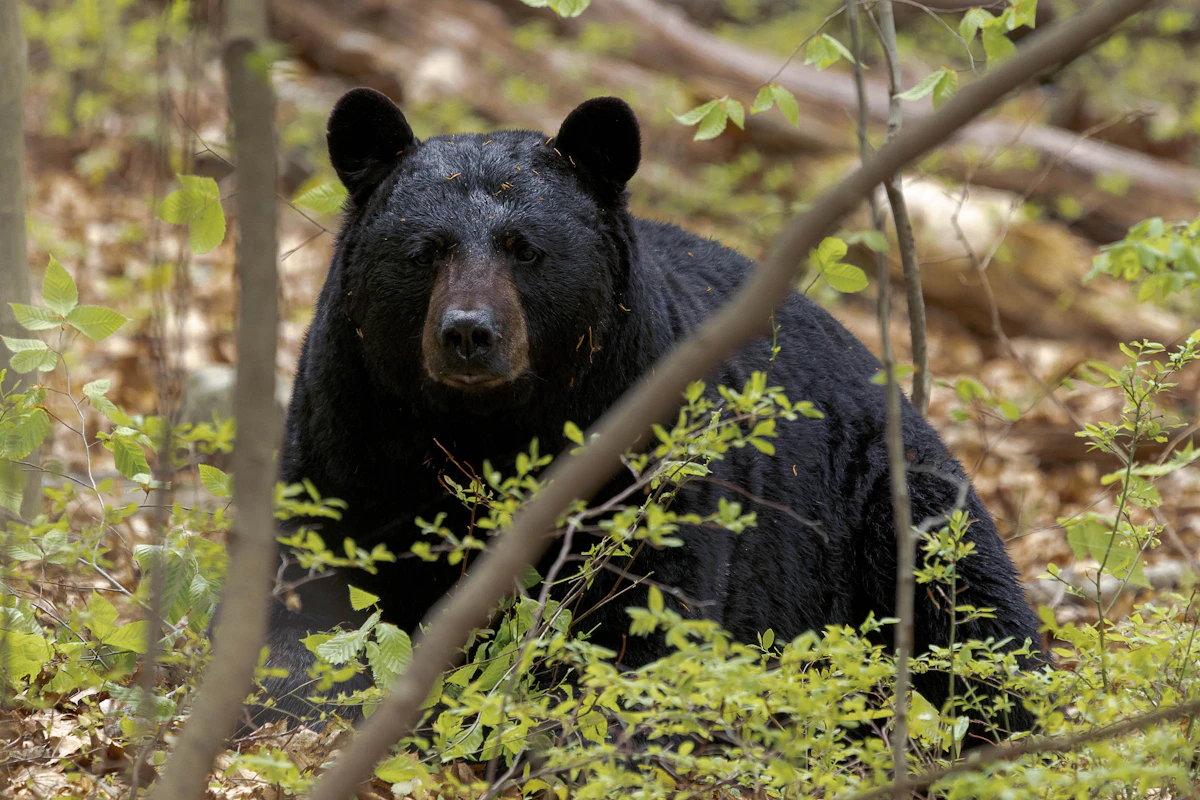
Spring bear hunting delivers some of the most exciting spot-and-stalk opportunities in western big game. Bears emerge from dens hungry and visible on open hillsides, making May and early June prime time for glassing. Seven western states offer spring seasons in 2027, and the application landscape varies dramatically from OTC tags available at sporting goods stores to limited-entry draws requiring years of preference points.
Most hunters planning a 2027 spring bear hunt face a simple fork in the road: chase an OTC tag in Montana, Idaho, or Wyoming where you can hunt this spring without drawing, or invest in the draw systems of Colorado, Oregon, Washington, and Utah where controlled hunts offer better bear densities and less pressure. Understanding which path matches your timeline and expectations determines whether you are glassing hillsides this May or waiting until 2028.
Montana Spring Bear: OTC Freedom with District Strategy
Montana sells nonresident spring black bear licenses over the counter for $350. No draw, no points, no waiting. You can buy your license in March and be hunting in April. The season runs April 15 through May 19 statewide, though specific districts have variations.
The best spring bear districts concentrate in western Montana where timbered slopes meet open avalanche chutes. Districts 150, 280, and 291 consistently produce glassing opportunities on south-facing slopes. Northwestern units like 101 and 130 hold excellent bear numbers but require more patience due to heavy timber. Eastern Montana offers fewer bears but easier access on public land blocks.
Montana allows baiting in some districts, which changes the game completely. Districts east of the Continental Divide permit baiting, while western units remain spot-and-stalk only. Check the regulations carefully because baiting requires a separate permit and 30-day pre-season registration. Most nonresidents focus on western Montana spot-and-stalk hunts where glassing beats dragging bait barrels.
Idaho Spring Bear: The Most Accessible Western Option
Idaho wins the accessibility contest for nonresident spring bear hunters. A nonresident spring black bear tag costs $301.50 and sells over the counter with no quota limits. Idaho also allows nonresidents to buy a second bear tag for fall, making it the only state where you can legally harvest two bears in one year.
The spring season runs statewide with most units opening April 1 and closing June 30, though some northern units close earlier to protect grizzly habitat. Units 1 through 10 in the Panhandle hold excellent bear densities and public land access. Central Idaho units like 27, 28, and 36 offer rugged backcountry opportunities with lower hunter pressure.
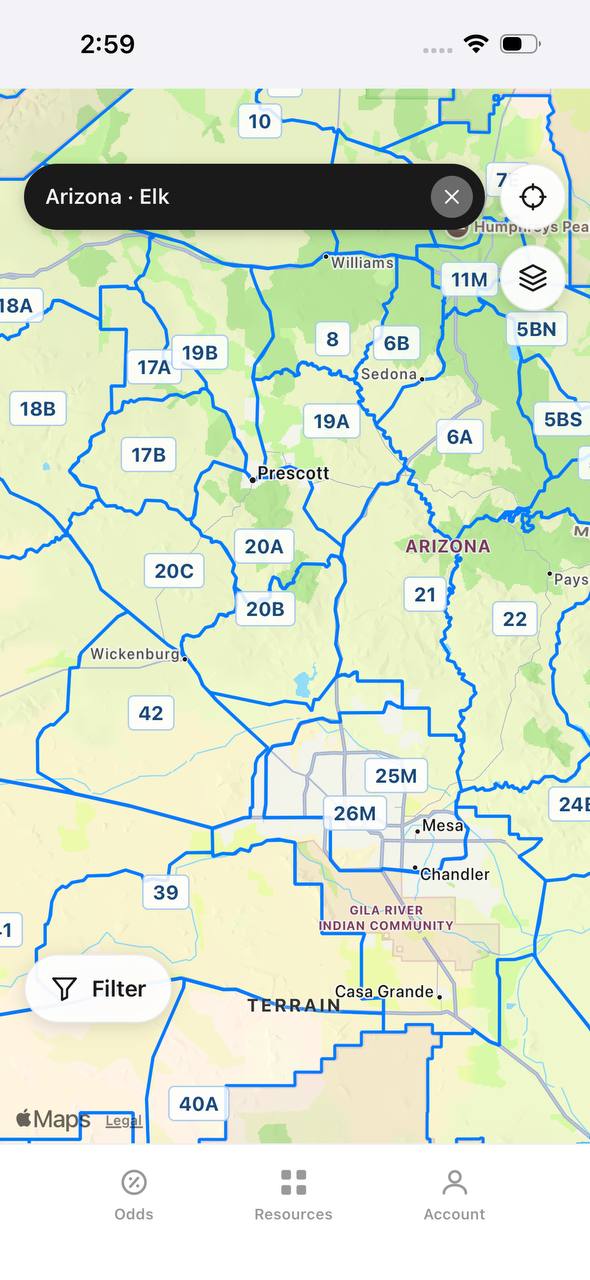
Idaho permits baiting and hound hunting statewide, which concentrates most resident hunting effort around bait sites. Nonresident spot-and-stalk hunters willing to glass avalanche chutes and burn scars find less competition. The Clearwater drainage and Salmon River country provide classic spring glassing terrain. TAGZ maps show public land boundaries and elevation breaks that help you identify southern exposures where bears feed earliest.
Wyoming Spring Bear: Limited But Quality
Wyoming restricts spring bear hunting to a handful of areas, mostly in the northwestern corner near Yellowstone. The season structure splits between general areas open to anyone with a license and limited quota areas requiring a draw.
General black bear licenses cost $336 for nonresidents and sell over the counter. These cover fall hunting but also unlock spring opportunities in areas 1 through 6 and several other scattered units. The season typically runs April 1 through May 31, though dates shift slightly by area. Most spring bear action concentrates in the Absaroka and Wind River ranges where snowmelt exposes green-up on steep slopes.
Limited quota spring bear areas like the Cody region close quickly once harvest limits are reached. Wyoming Game and Fish posts closure notices online, so check daily if you are hunting a quota area. The drawing for limited quota spring bear licenses happens in January with results posted in February. Draw odds remain reasonable at 50 to 80 percent for most units, but creep worse each year as spring bear hunting gains popularity.
Colorado Spring Bear Draw: Preference Points Matter
Colorado eliminated spring bear hunting from 1992 until 2021, then reinstated limited seasons in specific Data Analysis Units. The 2027 season runs mid-April through mid-May in select DAUs, primarily in southwestern Colorado. This is a preference point draw, not an OTC opportunity.
Nonresident spring bear applicants need roughly 3 to 5 preference points for reasonable draw odds in most units. Units S-43 and S-44 near Durango draw slightly better odds at 40 to 50 percent with three points. Northwestern units require more points due to proximity to Front Range population centers. First-time applicants draw tags occasionally but plan on building points for two to three years.
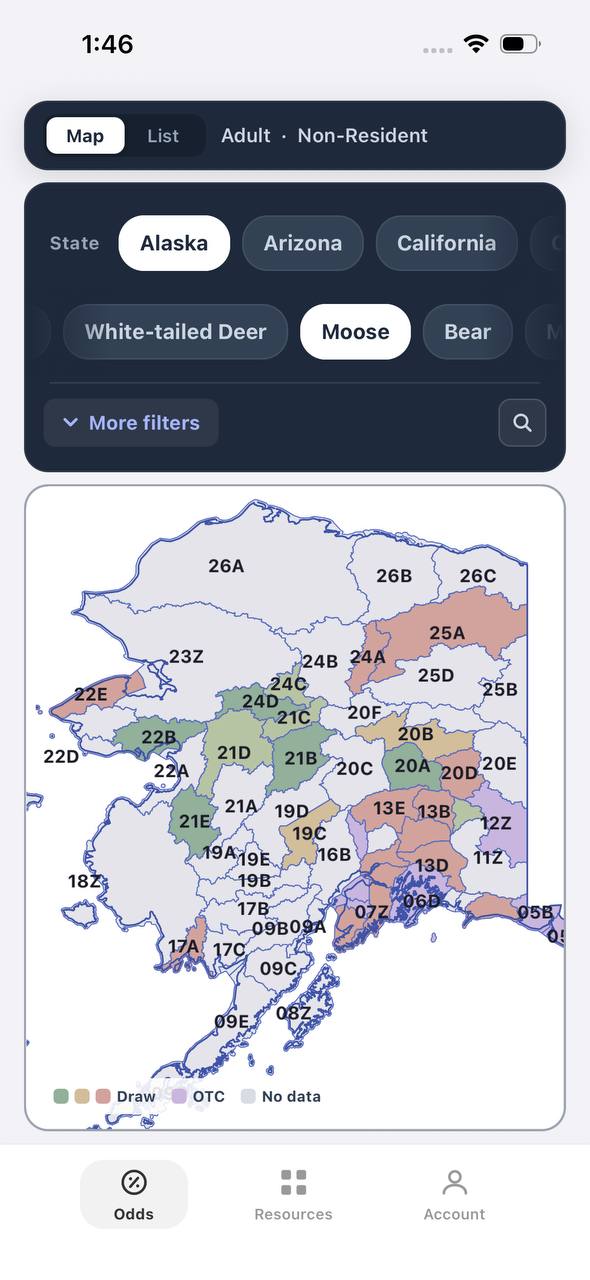
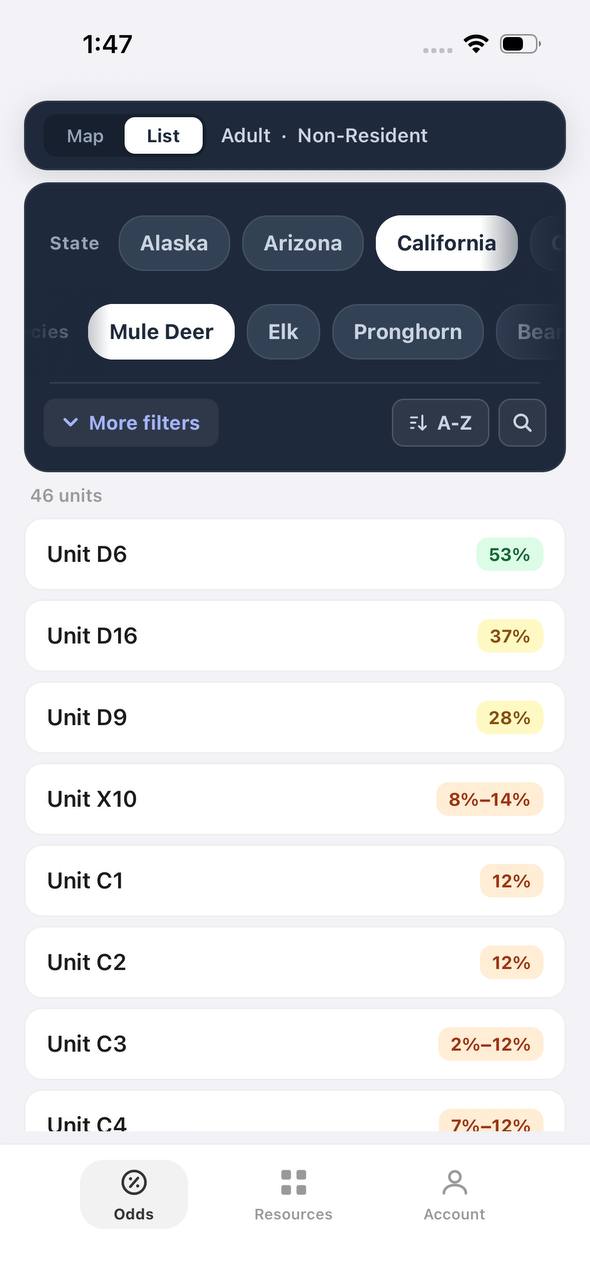
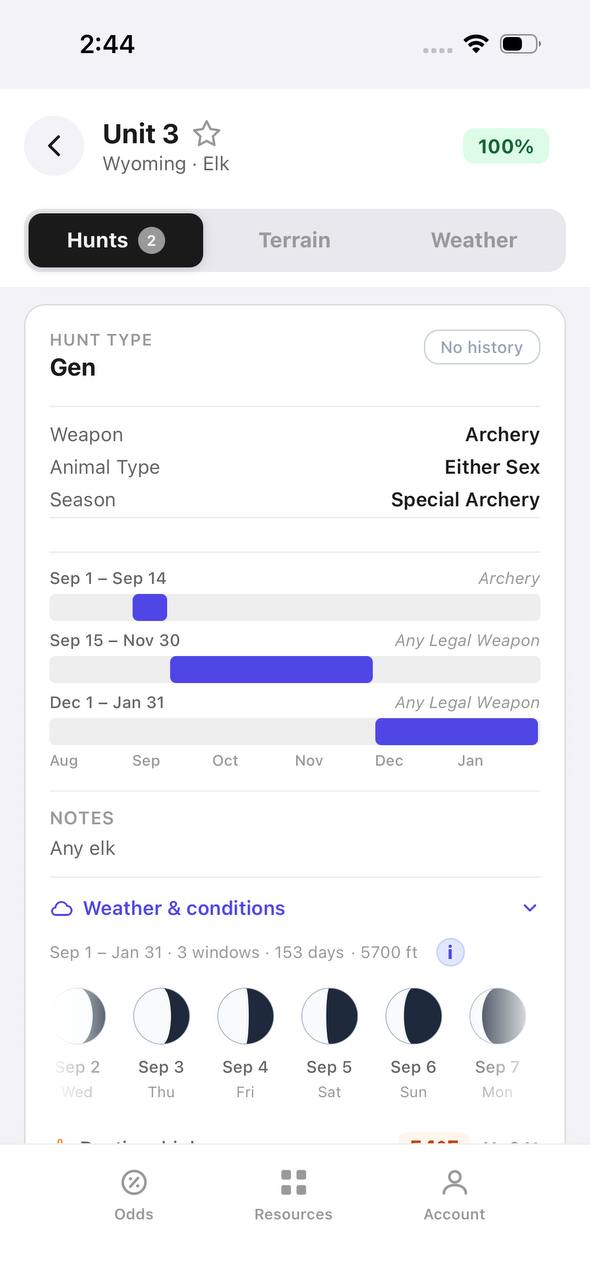
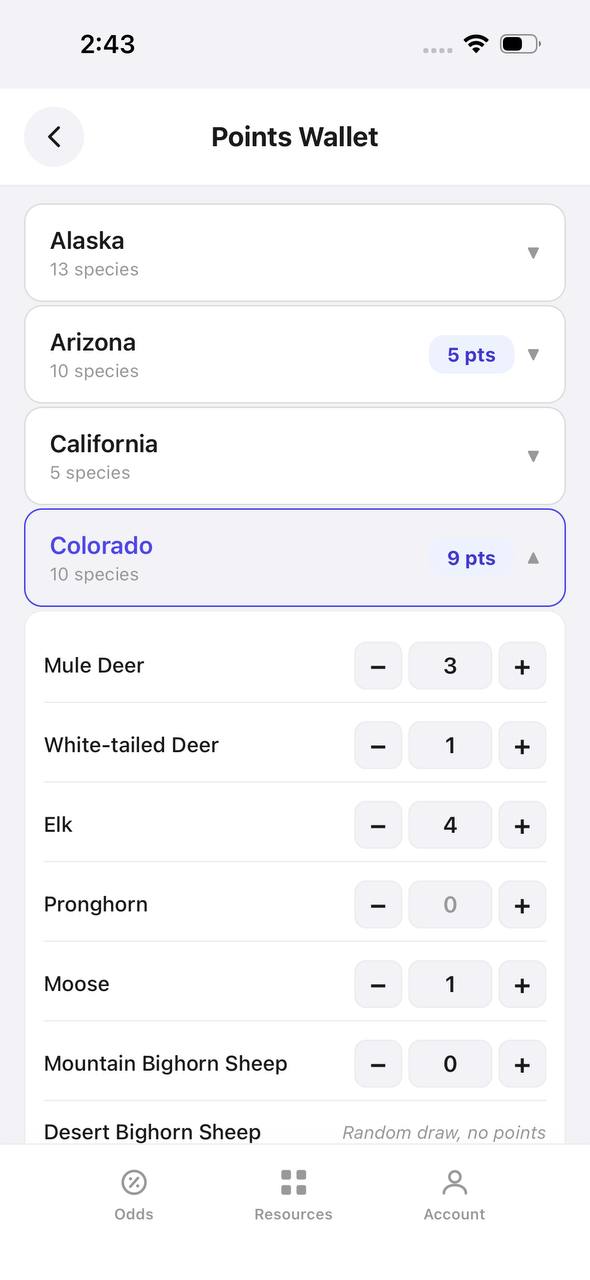
Colorado spring bear tags cost $351.13 for nonresidents after adding the habitat stamp and application fees. The application deadline falls in early April with draw results posted in mid-April—less than two weeks before the season opens in some units. This compressed timeline means you need your logistics planned before you know if you drew. TAGZ tracks your Colorado preference points across all species and sends draw deadline reminders so you never miss an application window.
Free to join
Download mobile app
- Detailed draw odds
- Point tracking
- Deadline reminders
- 18 states covered

Free to join
Download mobile app
- Detailed draw odds
- Point tracking
- Deadline reminders
- 18 states covered
Free to join
Download mobile app
- Detailed draw odds
- Point tracking
- Deadline reminders
- 18 states covered
Oregon Spring Bear: Controlled Hunt vs General Season
Oregon splits spring bear hunting between controlled hunts requiring a draw and general season units open to anyone with a tag. The general spring black bear tag costs $161.50 for nonresidents and allows hunting in most eastern Oregon units from April 1 through May 31.
General season spring bear hunting succeeds best in the Blue Mountains and Ochoco units where open timber and canyon systems create glassing opportunities. Units like Sled Springs, Desolation, and Northside produce consistent sightings. The coast range holds bears but thick vegetation makes spot-and-stalk hunting difficult.
Controlled spring bear hunts offer better draw odds than trophy elk or deer but still require planning. Popular units near Bend and in the Cascades draw at 20 to 40 percent odds. Northeastern Oregon controlled hunts draw better at 60 to 80 percent. Oregon uses a preference point system for controlled hunts, so your odds improve each year you apply. Most controlled spring bear hunts allow harvest of both black bears and cinnamon color phases, but read regulations carefully about sow identification.
Washington Spring Bear: Limited Opportunity, High Demand
Washington offers the most restrictive spring bear hunting in the West. Only a handful of Game Management Units remain open for spring season, concentrated in northeastern Washington and a few scattered units in the Cascades. The season typically runs April 1 through May 31, but specific units vary.
Nonresident spring bear tags cost $250 and require a separate $160.40 general hunting license. Total investment tops $410 before you factor in transportation and lodging. Washington sells spring bear licenses over the counter with no draw requirement, but available units shrink every year due to political pressure. Units like 117 Aladdin and 121 Huckleberry draw the most pressure because they remain accessible.
Washington prohibits baiting and hound hunting, making this a pure spot-and-stalk game. Success rates run lower than other western states due to habitat density and limited open glassing terrain. Most successful hunters concentrate effort on clear-cuts and avalanche chutes where green-up starts earliest. Late-season hunts in mid-May increase success odds as bears move higher following snowmelt.
Utah Spring Bear: Dedicated Hunter Program Bonus
Utah restricts spring bear hunting to participants in the Dedicated Hunter Program and a small number of limited-entry permits. The program requires completion of conservation projects and education courses, making it impractical for most nonresidents focused on a single spring hunt.
The limited-entry spring bear drawing offers roughly 50 to 100 permits statewide split across units. Draw odds vary from 5 to 30 percent depending on unit and weapon choice. The Book Cliffs, LaSal, and San Juan units produce the best trophy potential but draw the longest odds. Central Utah units draw better but hold fewer bears.
Utah spring bear season runs late March through mid-May in most units. Nonresident limited-entry bear tags cost $320 plus the $65 hunting license. Utah does not use preference points for bear, making every applicant equal in the random draw. This levels the playing field for first-time applicants but also means you might apply for five years without drawing. For serious bear hunters, Utah makes more sense as a backup application while you chase OTC or better-odds opportunities in other states.
Free to join
Download mobile app
- Detailed draw odds
- Point tracking
- Deadline reminders
- 18 states covered
Free to join
Download mobile app
- Detailed draw odds
- Point tracking
- Deadline reminders
- 18 states covered
Free to join
Download mobile app
- Detailed draw odds
- Point tracking
- Deadline reminders
- 18 states covered
Unit Selection Strategy Across States
Choosing which western state and which unit to hunt depends on three factors: your timeline, your preference point situation, and whether you value flexibility over trophy potential. OTC states like Montana and Idaho deliver immediate opportunity but require more scouting legwork and acceptance of lower bear densities on public land. Draw states like Colorado and Oregon offer better success rates but demand point investment and advance planning.
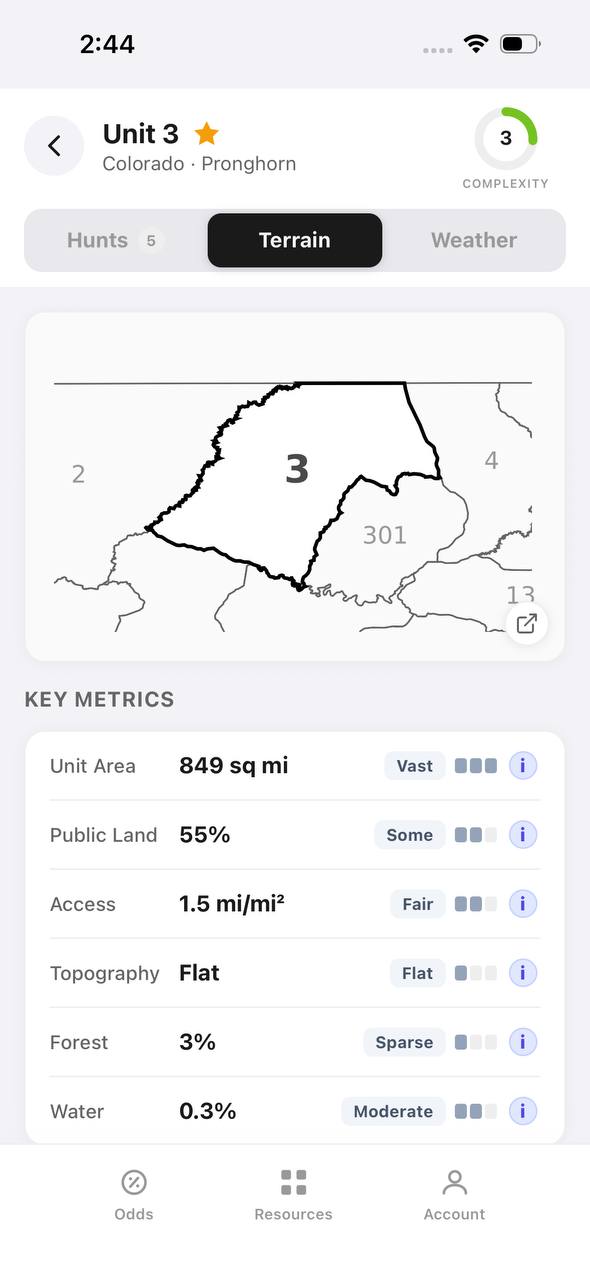
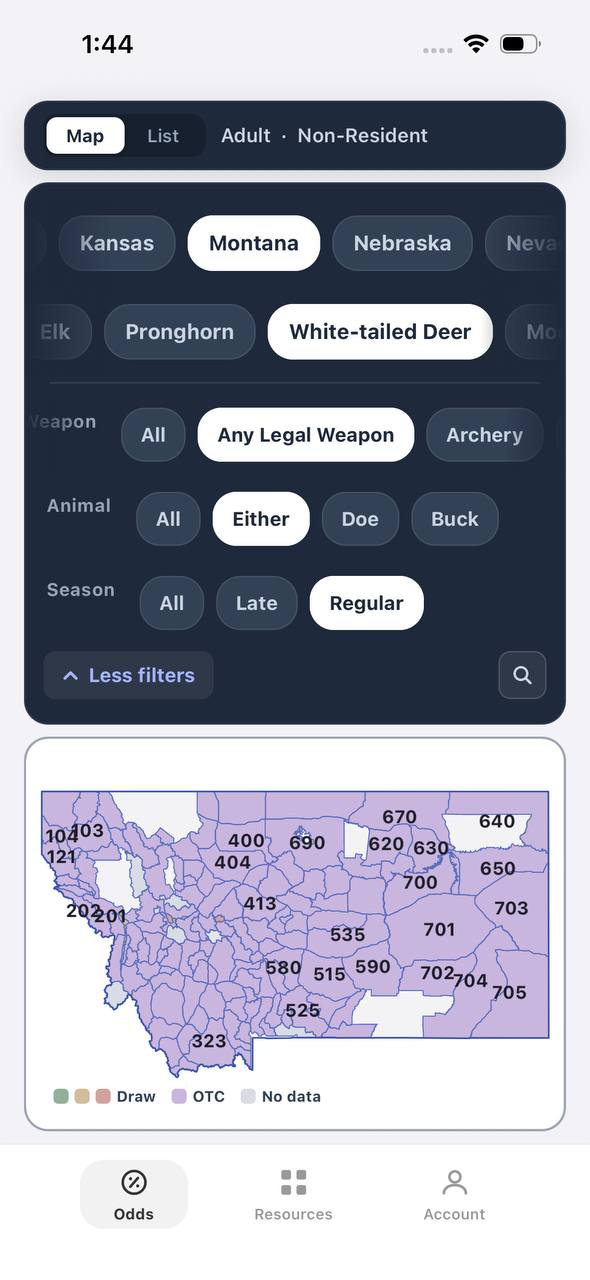
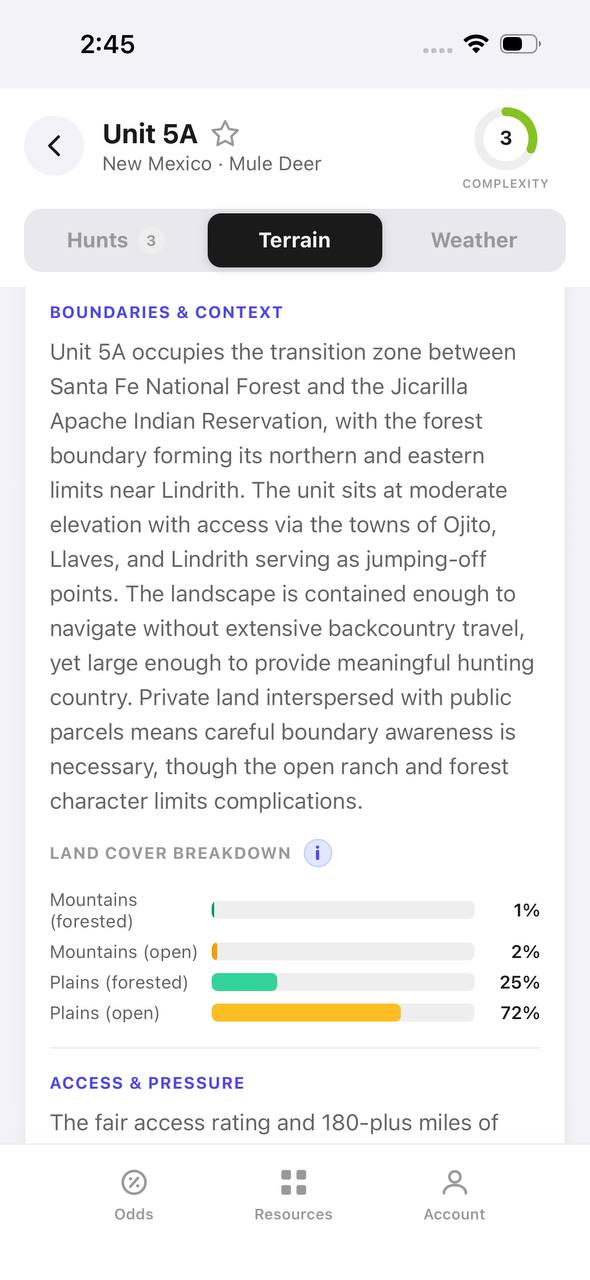
Every western spring bear unit shares one critical variable: elevation and aspect. South-facing slopes between 5,000 and 7,000 feet green up first, pulling bears out of thick timber to feed on emerging grass and forbs. Units with extensive avalanche chutes or burn scars provide the best glassing. TAGZ unit maps overlay terrain, public land boundaries, and elevation zones so you can identify these high-percentage areas before you drive 800 miles.
The weapon choice affects unit selection more than most hunters realize. Rifle hunters need long glassing lanes and open shots across canyons, which favors Montana's Rocky Mountain Front or Idaho's Salmon River breaks. Archery hunters benefit from units with established bait site traditions where other hunters do the work of patterning bears. Muzzleloader hunters split the difference, needing moderate shooting distances in semi-open terrain.
Draw Deadlines and Application Timeline
Missing a draw deadline costs you a full year of opportunity. Western states spread spring bear application deadlines from January through April, and several states post results less than 30 days before season opens.
Colorado's spring bear application deadline lands in early April with results by mid-April. Oregon's controlled hunt deadline falls in mid-January with results in March. Wyoming's limited quota draws close in early January. Washington and Montana sell licenses over the counter year-round with no deadline, but Idaho's season opens April 1, so buying your license in March keeps life simple.
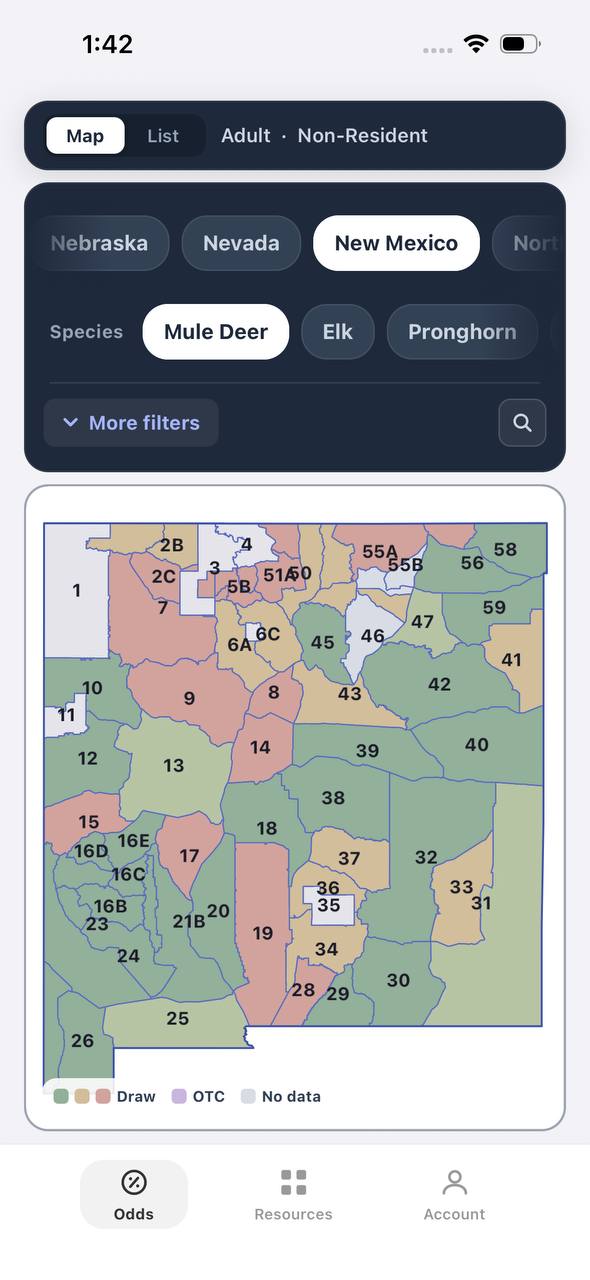
TAGZ tracks draw deadlines across all western states and species, sending reminders 30 days before applications close. The platform shows your accumulated preference points in each state so you can calculate realistic draw odds before deciding where to apply. Many hunters burn Colorado bear points at three or four years to secure a spring tag, then pivot back to building points for elk. That strategy only works if you track deadlines accurately and understand current draw statistics.
Free to join
Download mobile app
- Detailed draw odds
- Point tracking
- Deadline reminders
- 18 states covered
Free to join
Download mobile app
- Detailed draw odds
- Point tracking
- Deadline reminders
- 18 states covered
Free to join
Download mobile app
- Detailed draw odds
- Point tracking
- Deadline reminders
- 18 states covered
Success Rates and What They Really Mean
Published success rates for spring bear hunting vary from 5 to 25 percent depending on state and unit. These numbers mislead because they lump serious hunters glassing 12 hours a day with casual shed hunters who bought a bear tag as an afterthought. Your actual success rate depends on effort level, glassing skill, and terrain knowledge.
Montana posts district-level harvest statistics showing 10 to 15 percent average success rates for nonresidents. The best districts push 20 to 25 percent for archery hunters focusing on bait sites and rifle hunters working avalanche chutes. Idaho publishes zone-level data showing 8 to 12 percent success rates, but these numbers include thousands of tags sold to residents who never hunt. Colorado's reintroduced spring season shows 18 to 22 percent success in southwestern units, likely due to lower bear numbers and hunter densities.
The metric that matters more than success rate is opportunity rate—how many bears you actually see. Montana's western districts produce multiple sightings per day during peak green-up in late April. Idaho's backcountry units might show one bear every two days. Colorado's limited units fall somewhere in between. TAGZ helps you filter units by historical harvest data and public land percentage so you can compare opportunity levels across states before you commit to an application strategy.
Planning Your First Spring Bear Hunt
First-time spring bear hunters should target OTC opportunities in Montana or Idaho to build experience before investing points in draw states. The learning curve for glassing bears differs from elk or deer hunting because bears move less predictably and blend into terrain better than most hunters expect. A Montana or Idaho hunt gives you reps without the pressure of burning points.
Your first spring bear hunt needs three components: quality optics, patience, and terrain homework. Quality binos in the 10x42 or 12x50 range make the difference between spotting a feeding bear at 800 yards and missing it entirely. Patience means glassing the same hillside for 45 minutes instead of 10 because bears bed in thick cover and emerge unpredictably. Terrain homework means studying TAGZ maps to identify southern exposures and avalanche paths before you arrive.
Most first-time spring bear hunters fail because they expect elk-style hunting where animals feed in predictable meadows at dawn and dusk. Bears feed whenever they feel like it and bed wherever cover exists. Success requires covering more terrain with optics and less with boot leather. Set up on vantage points overlooking multiple drainages and glass methodically through each opening. A bear that was not visible at 8 a.m. might feed into view at 10 a.m. or 2 p.m. or never. The only way to know is to keep glassing.
Continue Planning Your Hunt
Western spring bear hunting rewards preparation and strategic application planning more than any other big game season. Whether you chase an OTC tag this April or build points for a Colorado controlled hunt, understanding each state's system and deadline prevents missed opportunities. TAGZ helps you track preference points across all western states, compare draw odds side by side, and filter units by terrain, public land access, and historical harvest data. Create your free account at getmytagz.com to start mapping your 2027 spring bear strategy. Browse additional hunt planning articles and state-specific guides on the TAGZ Insights page to maximize your draw chances across all species. Review pricing options to unlock advanced filtering and multi-state application tracking tools.
FAQ — Spring Bear Hunting
Which western states offer OTC spring bear tags in 2027?
Montana, Idaho, and Wyoming sell over-the-counter nonresident spring bear licenses with no draw requirement. Washington also sells OTC tags but restricts hunting to very few units.
Do I need preference points to draw a Colorado spring bear tag?
Yes. Most Colorado spring bear units require 3 to 5 preference points for reasonable draw odds. First-time applicants occasionally draw but odds typically fall below 20 percent with zero points.
When do spring bear seasons open in most western states?
Most western spring bear seasons open in early April and close in late May or early June. Montana runs April 15 to May 19, Idaho opens April 1, and Wyoming starts April 1 in most areas.
Can nonresidents hunt spring bear in Oregon without applying for a controlled hunt?
Yes. Oregon sells general season spring bear tags over the counter for most eastern Oregon units. Controlled hunts offer better densities but general season provides immediate opportunity.
What is the best western state for a first-time spring bear hunter?
Idaho offers the best combination of OTC availability, affordable tags, and public land access for first-time hunters. Montana runs a close second with excellent glassing terrain in western districts.
Is baiting allowed for spring bear hunting in western states?
Montana, Idaho, and Oregon allow baiting in most units. Wyoming permits baiting in some areas. Colorado, Washington, and Utah prohibit baiting statewide. Always verify current regulations before hunting.
Was this article helpful?
Previous
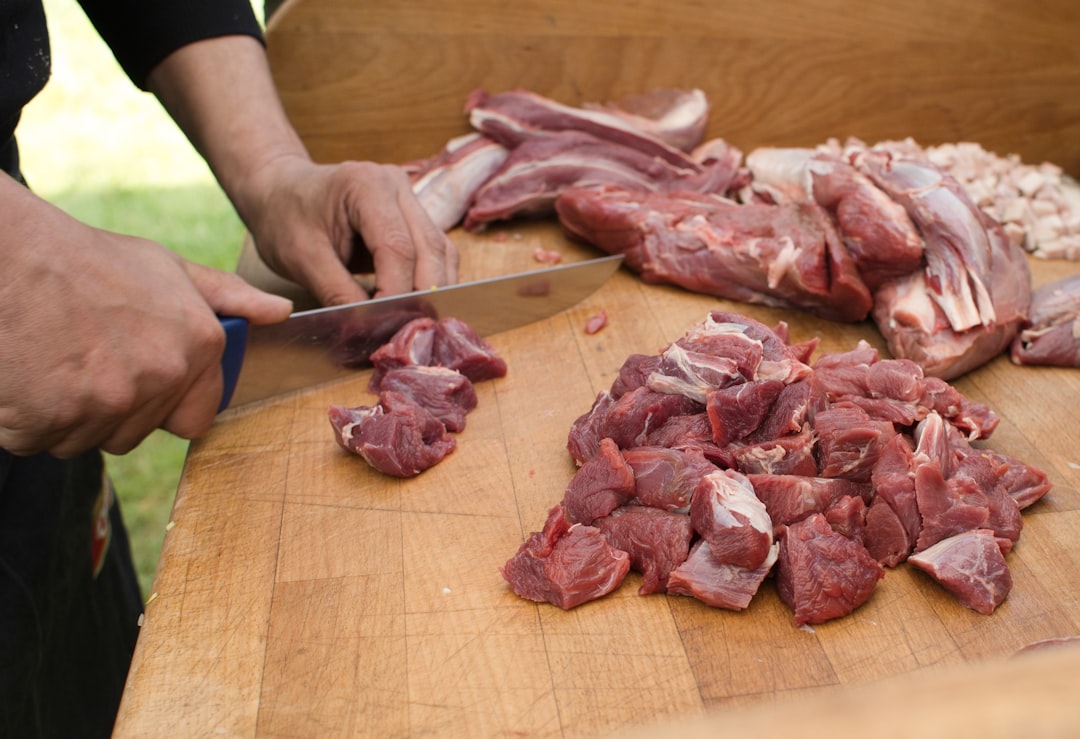
Alligator Meat Processing and Cooking Guide for Hunters
Learn how to properly field dress, butcher, and cook alligator meat after a successful hunt. This complete guide covers processing techniques, cut selection, preparation methods, and proven recipes that turn gator into table-ready meals.
Related
Best Rifle Calibers for Sheep Hunting: What Works in Alpine Terrain
Sheep hunting demands precise long-range shooting at altitude. This guide breaks down the best rifle calibers for sheep hunting in 2026, from lightweight mountain rifles to long-range precision setups, with real-world performance data and ballistics comparisons.
Next
Best Side-by-Sides for Elk Hunting 2026: Top UTVs for Backcountry Access
From steep mountain trails to rugged forest roads, the right side-by-side makes all the difference when accessing elk country. We break down the best UTVs for 2026 based on payload, ground clearance, reliability, and real-world performance in western terrain.