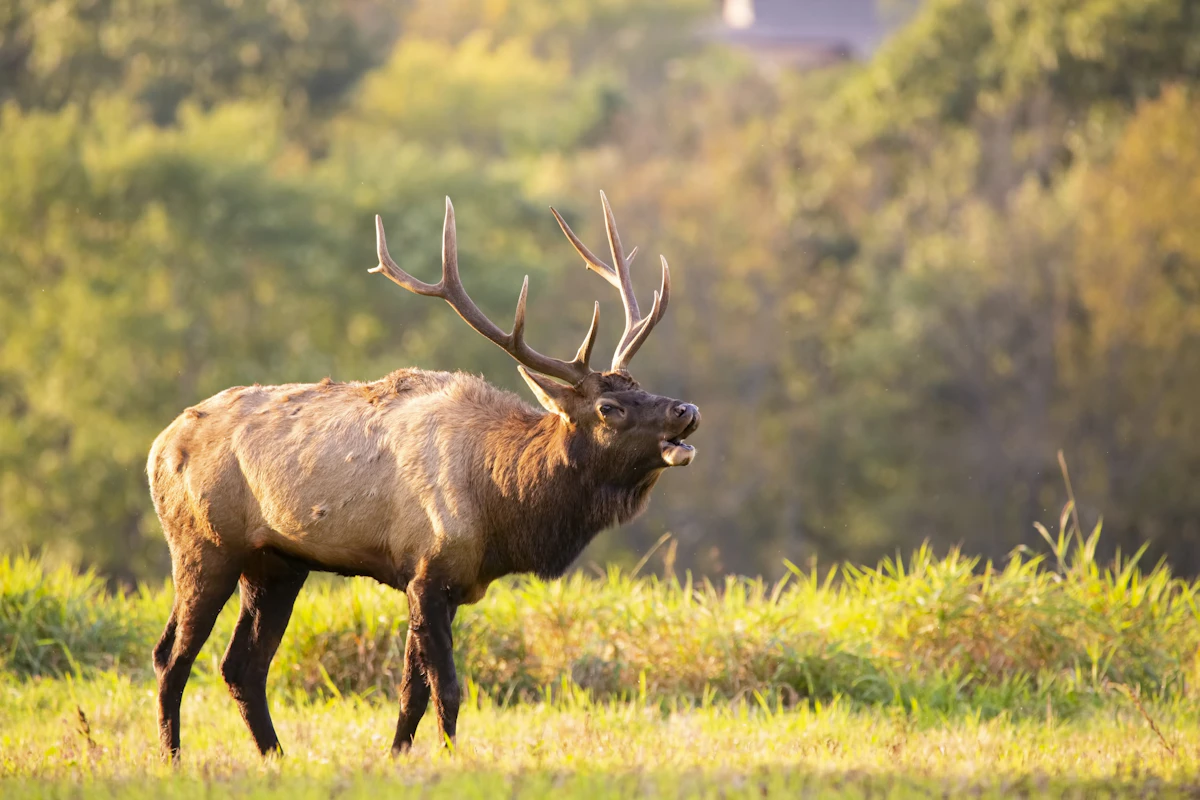
Best Side-by-Sides for Elk Hunting 2026: Top UTVs for Backcountry Access
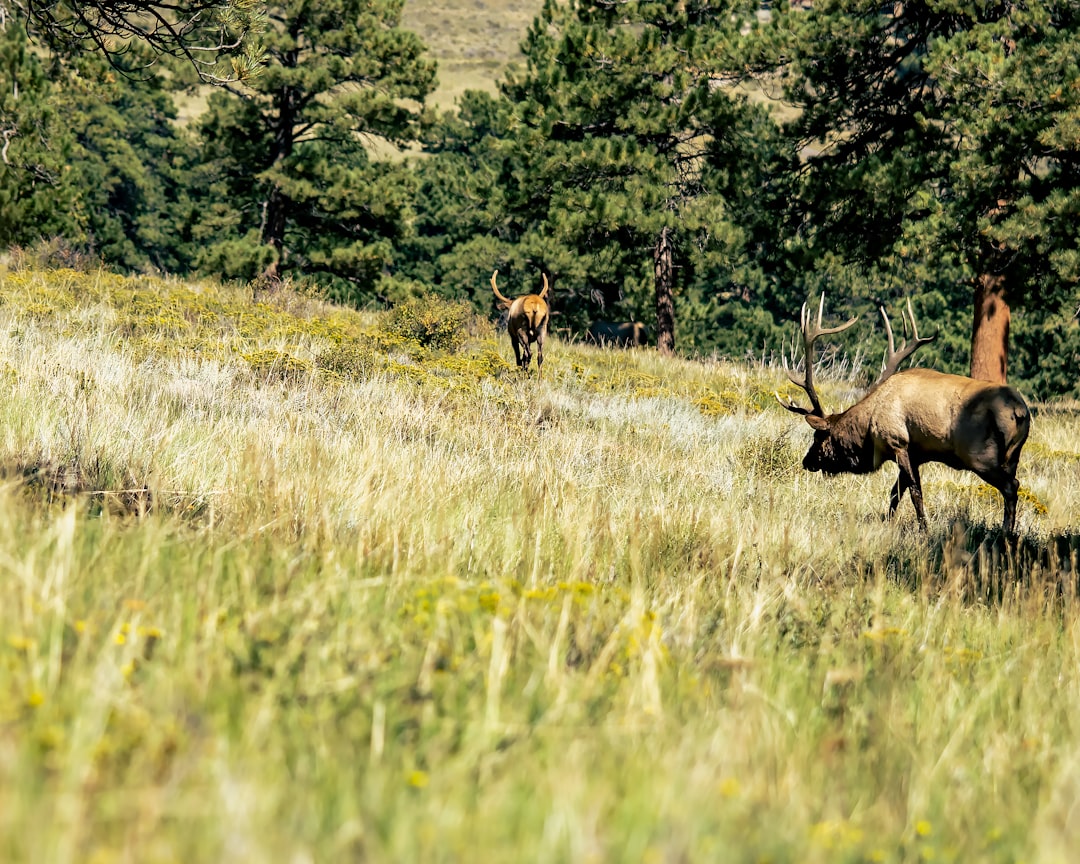
Elk hunting often means covering serious ground in rough terrain, and a capable side-by-side can be the difference between reaching prime hunting areas and turning around miles short. Whether you are hauling gear into a spike camp, retrieving a quartered bull, or navigating Forest Service roads that turn into rocky creek beds, the right UTV opens up country that would otherwise require horses or days of backpacking.
The best side-by-sides for elk hunting balance payload capacity, ground clearance, reliability, and comfort over long distances. A machine that excels on groomed trails may struggle when you are crawling over boulder fields at 10,000 feet or loading 400 pounds of elk meat in the bed. Here is how the top UTVs for 2026 stack up for western big-game hunters.
What Makes a Side-by-Side Good for Elk Hunting
Elk hunters need more from a UTV than weekend trail riders. Payload capacity matters most — a full-size bull elk can yield 300 to 400 pounds of boned-out meat, and you will likely be hauling camp gear, water, and hunting packs on the same trip. Look for a machine with at least 1,000 pounds of payload and a bed designed to handle uneven, heavy loads.
Ground clearance and suspension travel determine whether you can clear rocks, downed timber, and ruts without bottoming out. Twelve inches of clearance is the minimum for serious backcountry work, and long-travel suspension smooths out the pounding your body takes on washboard roads. Four-wheel drive and a true locking differential are non-negotiable — momentum only gets you so far when you are climbing loose scree or crossing muddy two-tracks after a storm.
Reliability and serviceability separate machines that get you home from those that leave you stranded. Electronic fuel injection, sealed CVT systems, and simple maintenance schedules matter more in elk country than flashy touchscreens. The best UTVs are built to take a beating and still start on cold October mornings at elevation.
Polaris Ranger XP 1000 NorthStar Ultimate — Best Overall
The Polaris Ranger XP 1000 NorthStar Ultimate remains the benchmark for elk hunters who need maximum capability without stepping into full side-by-side racing territory. The 82-horsepower ProStar engine delivers strong low-end torque for steep climbs, and the on-demand all-wheel drive with electronic rear differential lock handles loose terrain and sidehills confidently.
Payload capacity hits 1,250 pounds, and the dump bed makes unloading meat or firewood simple. Thirteen inches of ground clearance and 11.25 inches of suspension travel smooth out rough roads without beating you up. The cab comes with a fixed roof, tip-out windshield, and heated seats — features that matter during early-season hunts in high country or late-season cold snaps.
The NorthStar package adds premium shocks, upgraded seating, and better sound insulation, which reduces fatigue on long access roads. Parts and service are widely available across the West, and the Ranger platform has a proven track record in hunting and ranch work. If you are covering serious miles in varied terrain and need a machine that can haul a quartered elk without drama, the Ranger XP 1000 NorthStar is hard to beat.
Can-Am Defender Limited HD10 — Best for Heavy Hauling
When payload capacity is the top priority, the Can-Am Defender Limited HD10 delivers. This machine is built for work, with 1,500 pounds of cargo capacity and a reinforced rear bed designed to handle heavy, uneven loads. The Rotax HD10 V-twin engine produces 82 horsepower and prioritizes torque over top speed, making it ideal for slow crawls up steep trails with a full load.
Ground clearance sits at 12 inches, and the Tri-Mode Dynamic Power Steering adjusts steering effort based on speed and terrain. The Visco-Lok front differential engages automatically when it detects wheel slip, and the rear differential locks manually for maximum traction. The cab includes a full windshield, roof, and rear panel, plus heated grips and a defogger — practical features for cold-weather hunts.
The Defender excels in situations where you are moving heavy loads over moderate terrain. If your elk hunting involves shorter access roads and frequent trips hauling meat, camp supplies, or water, the Defender's cargo capacity and stable platform make it a top choice. It is less aggressive than sport-oriented UTVs but more capable than a basic utility machine.
Honda Talon 1000X-4 — Best for Technical Terrain
The Honda Talon 1000X-4 bridges the gap between sport performance and hunting utility. This four-seater offers 999cc of naturally aspirated power, 20 inches of suspension travel, and 12.6 inches of ground clearance, making it the best choice for navigating technical trails with tight switchbacks, steep descents, and rocky obstacles.
Payload capacity is lower at 600 pounds, which limits meat-hauling compared to work-focused machines, but the Talon shines in situations where access is the primary challenge. If you are hunting units with gnarly Forest Service roads, narrow ridge trails, or terrain that requires aggressive driving, the Talon goes places heavier UTVs cannot. The quick-ratio steering and paddle shifters give you precise control on exposed sidehills and loose downhills.
The four-seat configuration works well for hunting partners or families, and the rear seats fold flat to create additional cargo space. Honda reliability and low maintenance requirements are significant advantages for hunters who run their machines hard and do not want to spend weekends wrenching. The Talon is the right call if terrain difficulty outweighs pure hauling needs.
Free to join
Download mobile app
- Detailed draw odds
- Point tracking
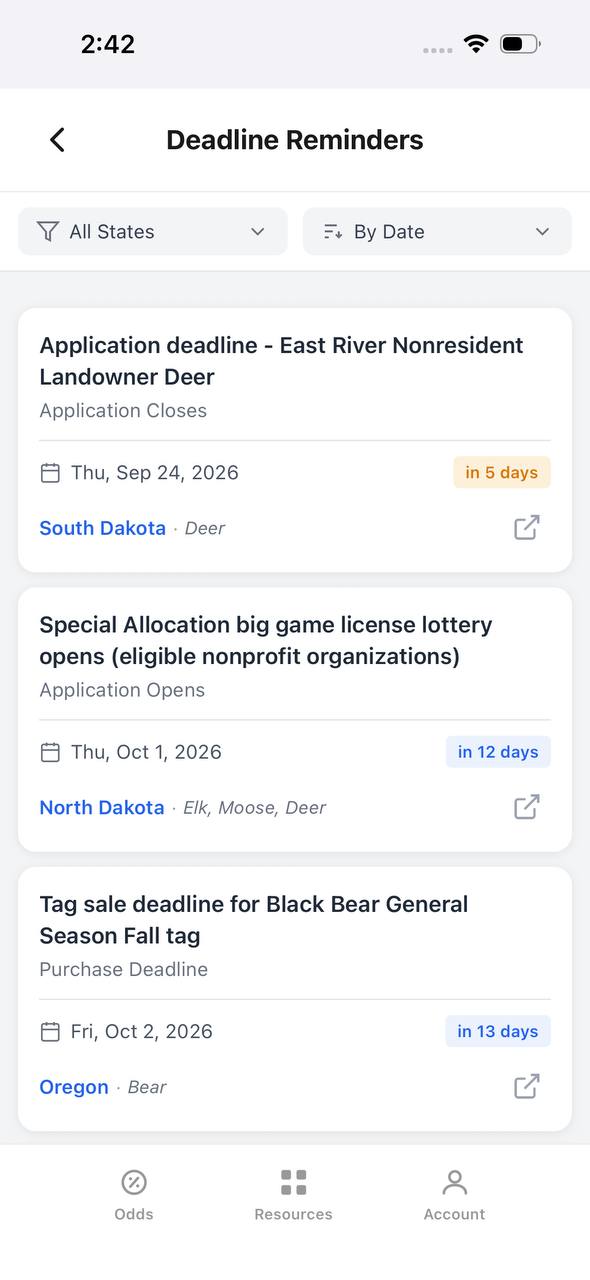
- Deadline reminders
- 18 states covered

Free to join
Download mobile app
- Detailed draw odds
- Point tracking
- Deadline reminders
- 18 states covered
Free to join
Download mobile app
- Detailed draw odds
- Point tracking
- Deadline reminders
- 18 states covered

Yamaha Wolverine RMAX4 1000 XT-R — Best Balanced Option
The Yamaha Wolverine RMAX4 1000 XT-R strikes a balance between sport performance and utility capability. The 999cc engine produces smooth, predictable power, and the fully independent suspension with adjustable Fox QS3 shocks handles everything from highway-speed gravel roads to slow technical climbs. Thirteen inches of ground clearance and a tight 158-inch wheelbase make it maneuverable in tight timber and rocky terrain.
Payload capacity reaches 600 pounds, and the tilt bed includes multiple tie-down points and a smooth dump operation. The XT-R trim adds upgraded shocks, aluminum skid plates, and heavy-duty drivetrain components designed for serious off-road use. The electronic power steering adjusts effort based on speed, and the on-command four-wheel drive system with differential lock engages quickly.
The four-seat layout works well for hunting groups, and the rear seats can be removed to increase cargo space. Yamaha builds reliable machines with long service intervals, and the RMAX4 platform has quickly earned a strong reputation among hunters and ranchers. If you want a versatile machine that handles both access and hauling without leaning too far into either category, the Wolverine RMAX4 is a strong contender.
Kawasaki Mule PRO-FXT EPS LE — Best Value for Serious Haulers
The Kawasaki Mule PRO-FXT EPS LE prioritizes function over flash, delivering serious hauling capability at a lower price point than premium sport UTVs. The 812cc three-cylinder engine is tuned for torque and fuel efficiency, and the continuously variable transmission with dual-mode rear differential handles loaded climbs confidently. Payload capacity hits 1,000 pounds, and the convertible rear seat folds into a six-foot bed for hauling quarters or camp gear.
Ground clearance measures 10.8 inches, which is adequate for maintained Forest Service roads and moderate trails but less capable in technical rock gardens or deep ruts. The Mule excels in situations where access roads are rough but not extreme, and hauling capacity matters more than suspension travel. Electronic power steering reduces fatigue on long drives, and the cab includes a full windshield and roof.
The Mule platform has a decades-long reputation for reliability and low operating costs. Parts are inexpensive, and maintenance is straightforward. If your elk hunting involves well-established access roads and frequent heavy hauling, the Mule PRO-FXT delivers excellent value without the premium price of sport-oriented machines.
Free to join
Download mobile app
- Detailed draw odds
- Point tracking
- Deadline reminders
- 18 states covered
Free to join
Download mobile app
- Detailed draw odds
- Point tracking
- Deadline reminders
- 18 states covered
Free to join
Download mobile app
- Detailed draw odds
- Point tracking
- Deadline reminders
- 18 states covered
Features That Matter in Elk Country
Beyond the basics of power and payload, certain features make a side-by-side more effective in elk hunting scenarios. A winch is essential — not just for self-recovery, but for pulling downed timber off trails, repositioning camp supplies, or dragging heavy loads short distances. A 4,500-pound winch with synthetic rope handles most situations without adding excessive weight.
Skid plates and rock sliders protect the undercarriage and body panels from trail damage. Stock skid plates often cover only the engine and differential, leaving critical components like the CVT and fuel tank exposed. Aftermarket full skid plate kits are worth the investment if you are running aggressive trails regularly.
A roof and windshield improve comfort and reduce fatigue on long access drives, but they also add weight and reduce airflow in warm weather. Tip-out windshields and removable roofs offer flexibility. Hard doors with weather sealing matter for early-season hunts above treeline or late-season cold, but they can feel claustrophobic in dense timber during warmer months.
Storage and tie-down points determine how well you can organize gear and secure loads. Integrated cooler compartments, under-seat storage, and bed-mounted gun racks keep rifles protected and accessible. Quality ratchet straps and cargo nets prevent gear from shifting on rough roads, and aftermarket bed extenders increase capacity for oversized loads like camp stoves or extra water jugs.
How to Choose the Right UTV for Your Hunt
Start by evaluating the terrain and access conditions in the units you hunt most often. If you are chasing elk in Colorado high country with long, rough Forest Service roads, prioritize payload capacity and comfort over extreme suspension travel. If you are hunting Idaho backcountry with tight, technical trails, a nimbler sport UTV with serious ground clearance makes more sense.
Consider how far you are traveling from the trailhead and how much gear you need to haul. Spike camps and multi-day hunts require more cargo capacity than day hunts from a truck camper. If you are hunting solo or with one partner, a two-seat machine with a larger bed may be more practical than a four-seater with fold-down rear seats.
Reliability and service availability matter more than spec-sheet horsepower. A UTV that leaves you stranded 15 miles from the trailhead ruins a hunt faster than slightly less suspension travel. Stick with proven platforms from manufacturers with strong dealer networks in the West, and avoid first-year models with unproven drivetrains.
Budget for accessories and maintenance. A $20,000 UTV becomes a $25,000 investment once you add a winch, skid plates, spare tire, bed extender, and weatherproof storage. Set aside money for regular oil changes, belt replacements, and tire repairs. UTVs that see serious backcountry use require consistent maintenance to stay reliable.
Using TAGZ to Plan Your Elk Hunt
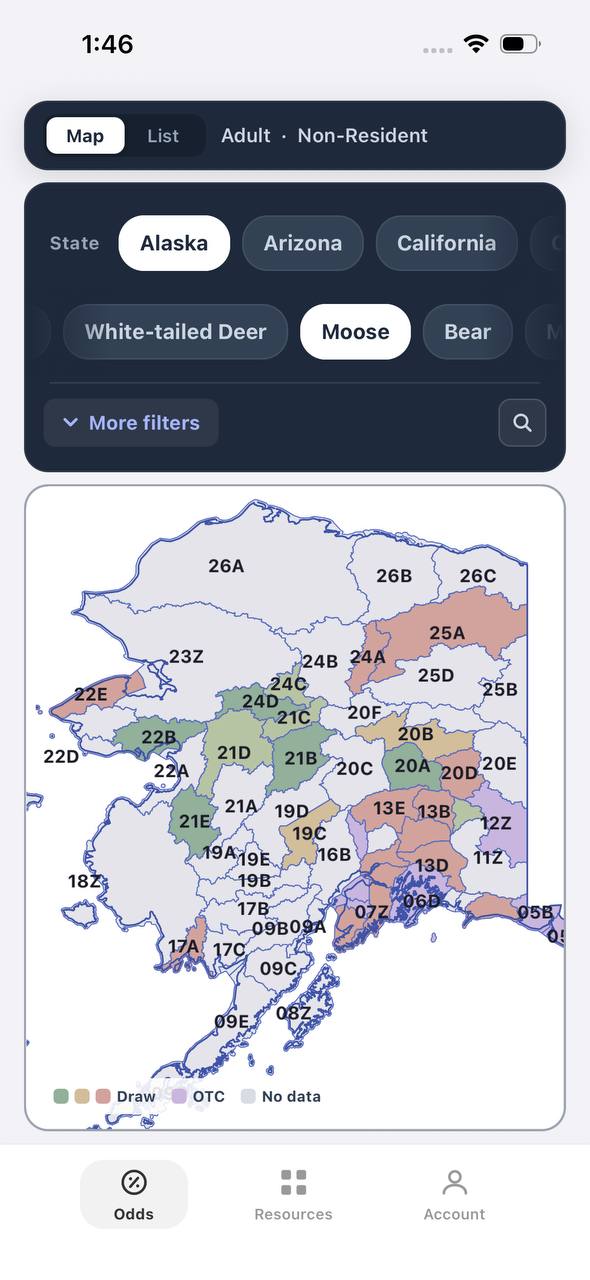
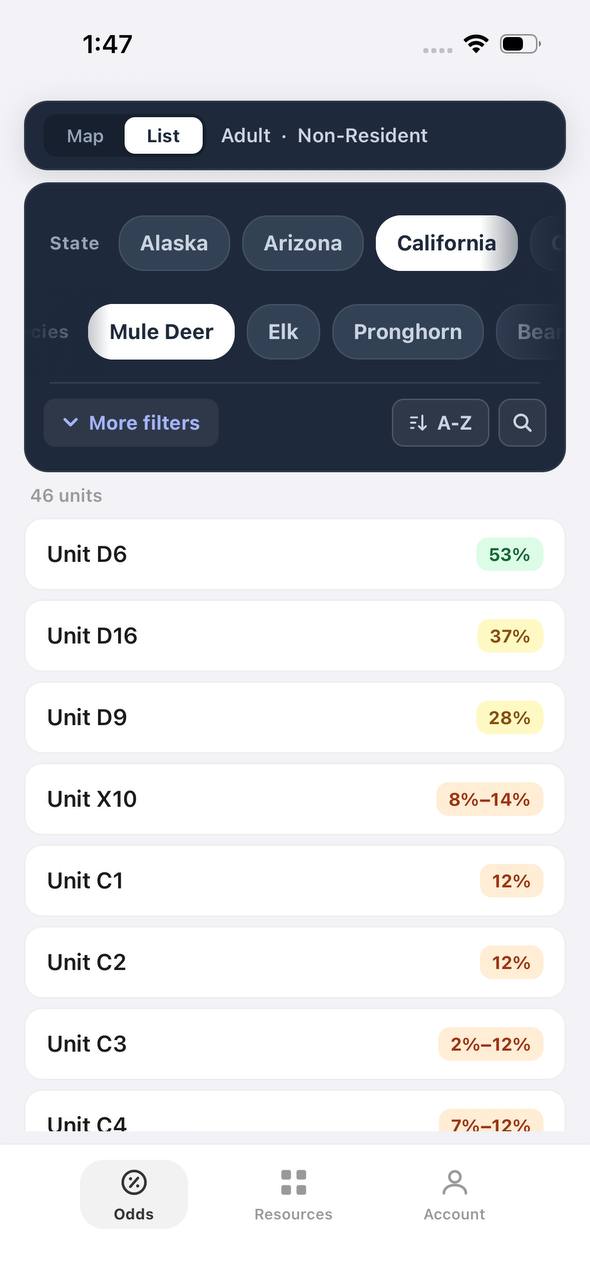
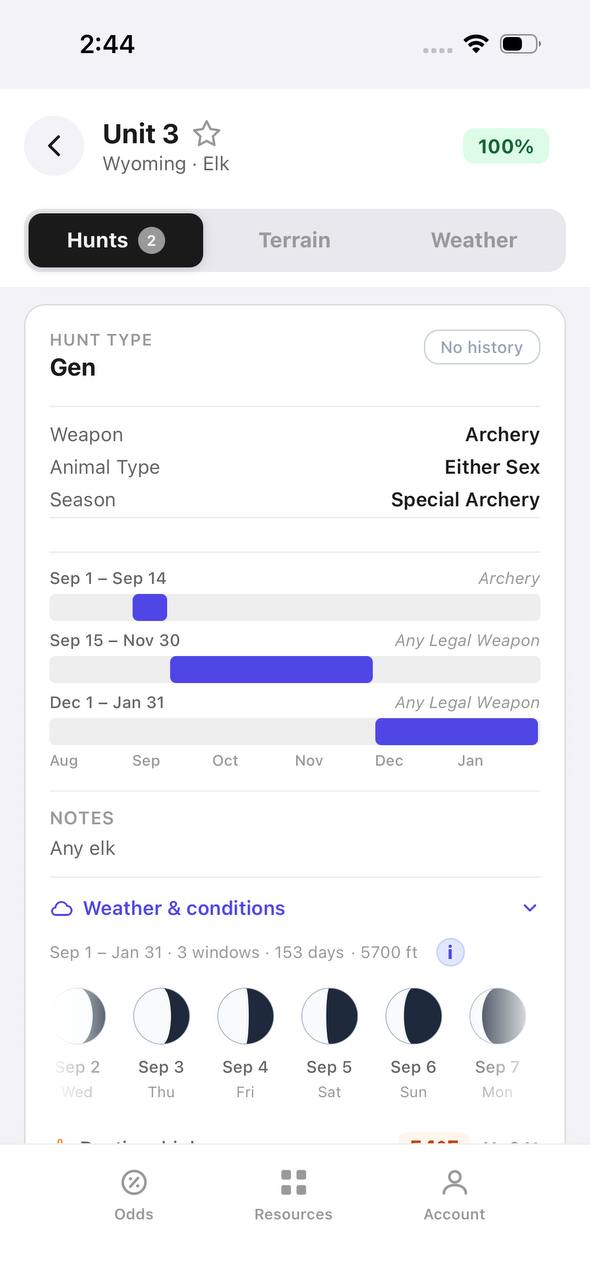
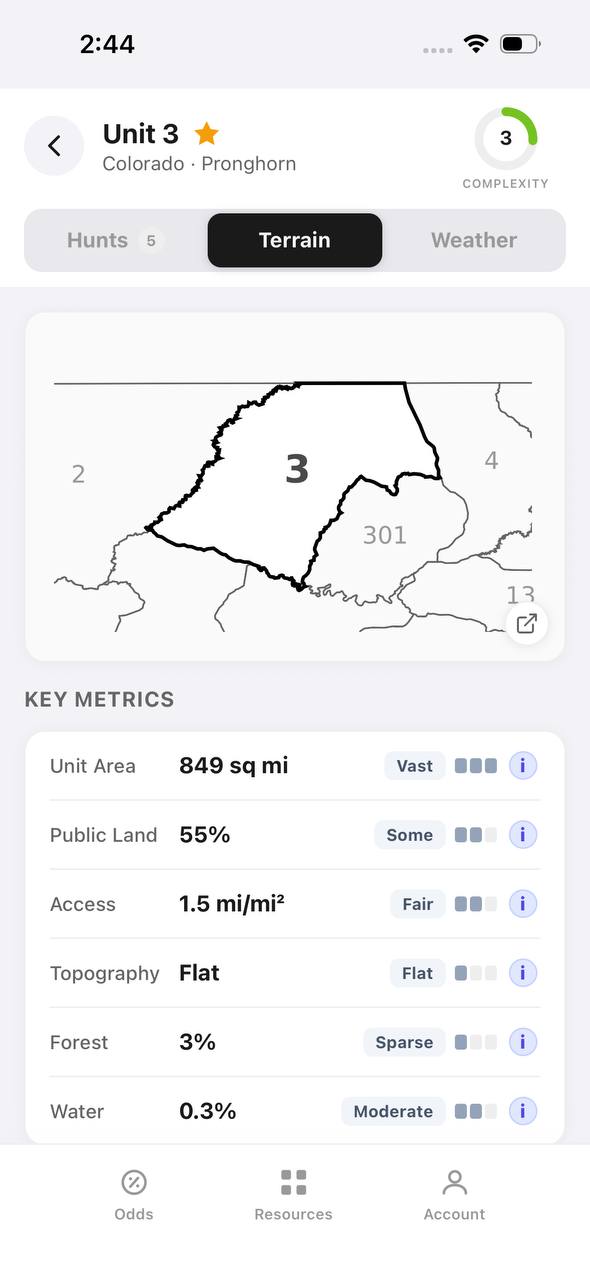
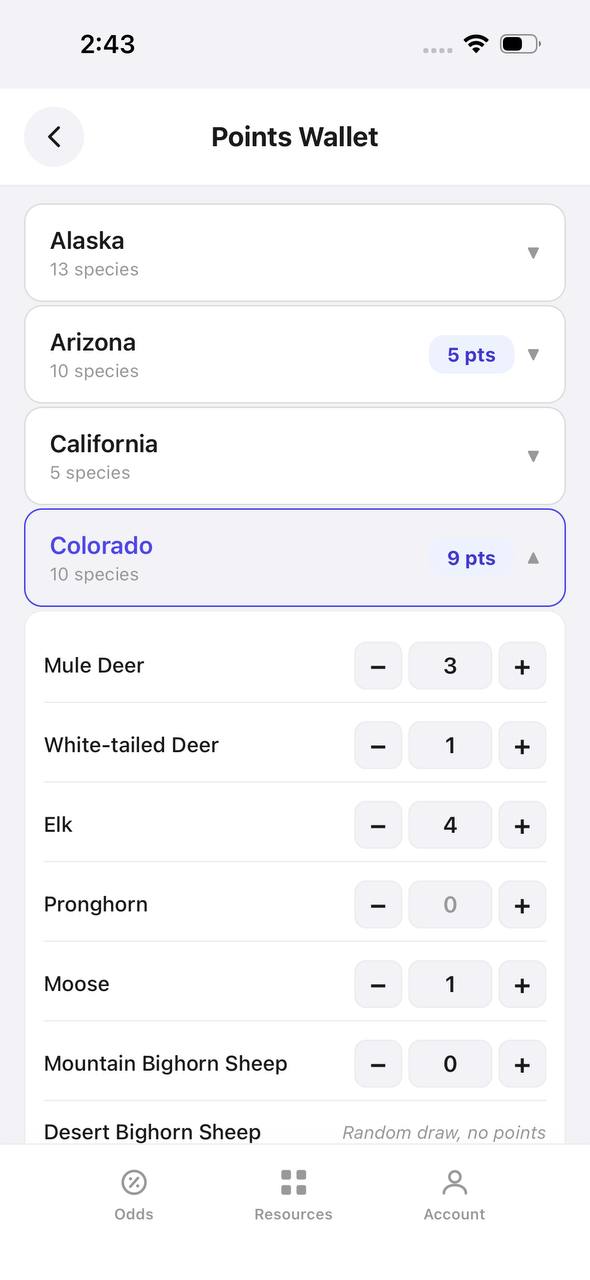
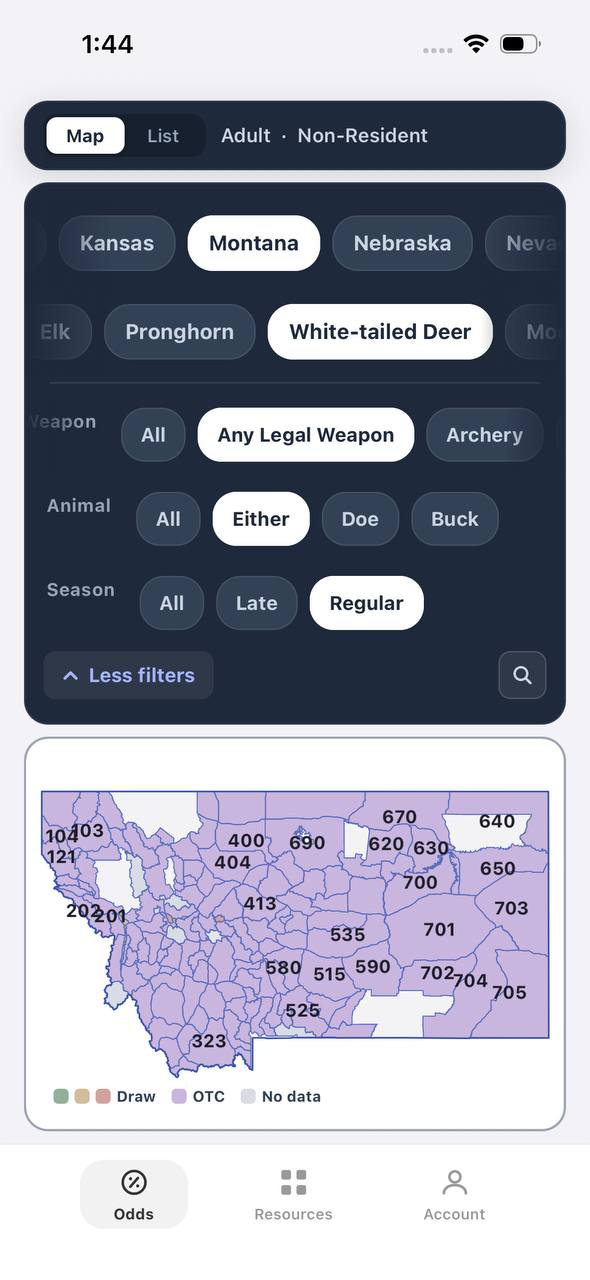
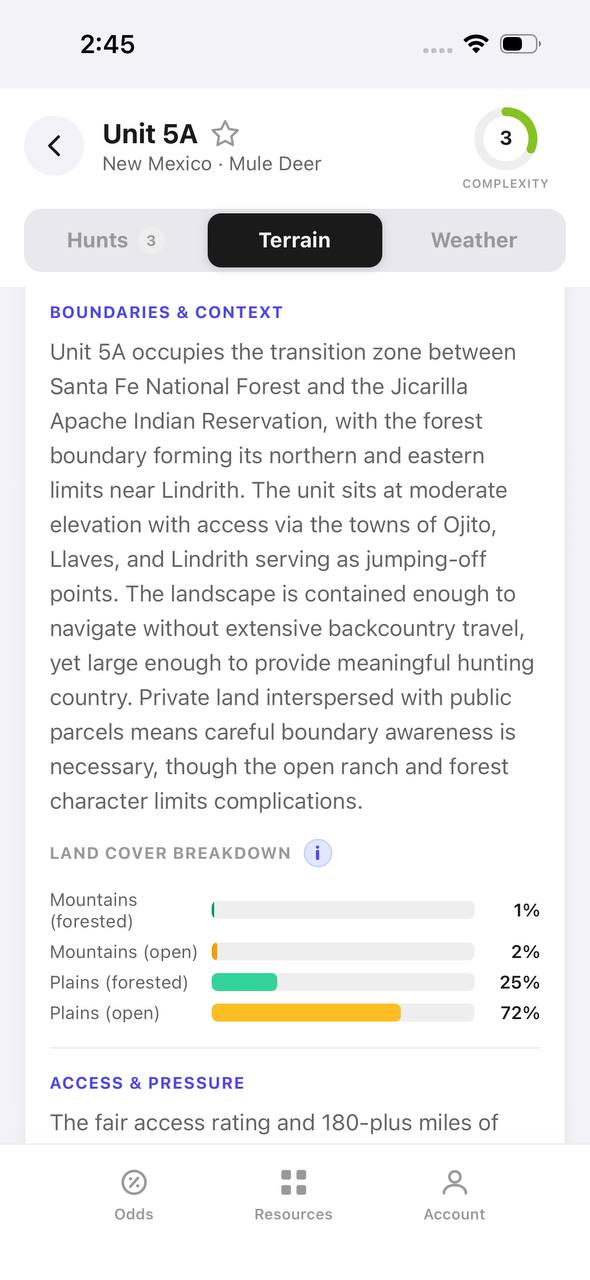
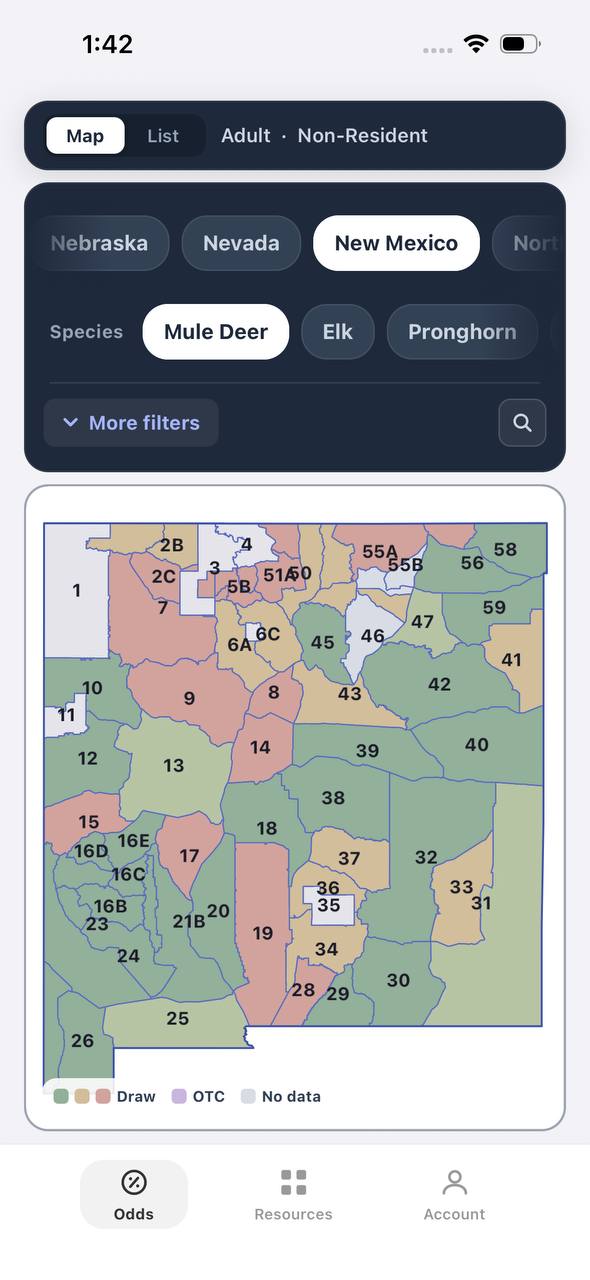
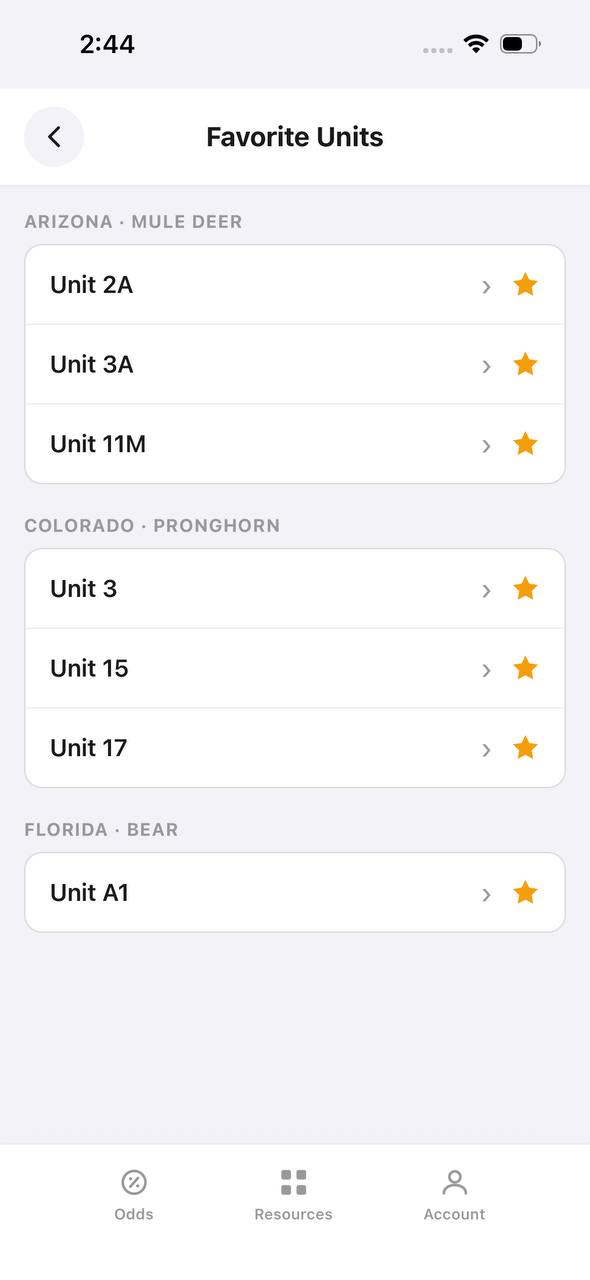
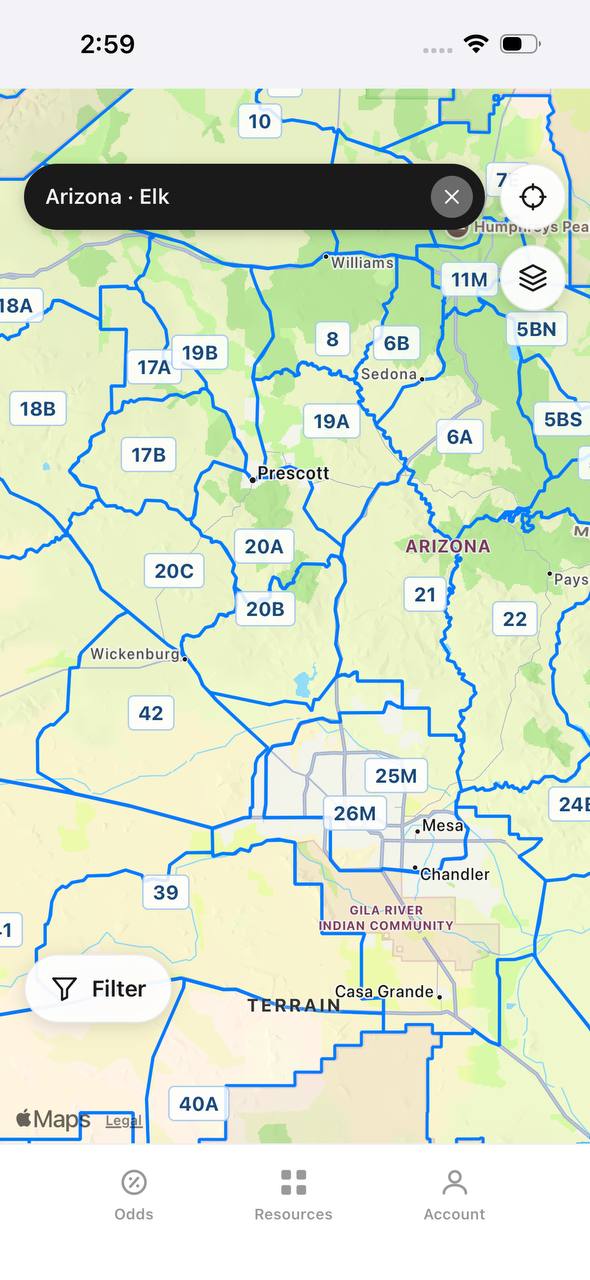
Once you have the right side-by-side for accessing elk country, the next step is choosing where to hunt. TAGZ helps you compare units side by side using terrain maps, unit boundaries, and historical draw data. Track your preference points and bonus points across multiple states so you never miss a draw deadline. Whether you are chasing OTC tags or planning a trophy limited-entry hunt, TAGZ gives you the tools to make smarter decisions before you ever step into the field.
You can filter hunts by weapon type, season dates, and species, then overlay motorized access data to see which units offer the best combination of draw odds and UTV-friendly terrain. Understanding where roads end and foot travel begins helps you plan realistic camp locations and meat-hauling strategies before you arrive.
Free to join
Download mobile app
- Detailed draw odds
- Point tracking
- Deadline reminders
- 18 states covered
Free to join
Download mobile app
- Detailed draw odds
- Point tracking
- Deadline reminders
- 18 states covered
Free to join
Download mobile app
- Detailed draw odds
- Point tracking
- Deadline reminders
- 18 states covered
Common Mistakes When Buying a Hunting UTV
Many hunters prioritize top speed and horsepower over payload and ground clearance, then discover their sport UTV cannot handle a full load of elk meat on steep trails. Speed matters far less than torque and gearing when you are crawling over rocks at idle or climbing loose switchbacks with 800 pounds in the bed. Focus on low-end power and transmission durability over straight-line acceleration.
Skimping on protection and recovery gear costs more in the long run. A cracked oil pan or damaged CVT 20 miles from the trailhead turns a successful hunt into an expensive tow bill. Quality skid plates, rock sliders, and a reliable winch prevent damage and enable self-recovery in remote areas.
Ignoring maintenance schedules leads to breakdowns. CVT belts, differential oil, and air filters require regular service, especially in dusty, high-elevation conditions. Carry a spare belt, basic tools, and zip ties on every backcountry trip. A UTV that is well-maintained rarely leaves you stranded, but deferred service catches up fast when you are miles from help.
Overloading the machine beyond its rated payload capacity damages suspension components and reduces stability on sidehills. A 1,000-pound payload rating means 1,000 pounds total, including passengers, gear, coolers, and meat. Distribute weight evenly and secure loads with quality straps to prevent shifting on steep descents.
FAQ — Best Side-by-Sides for Elk Hunting
What is the best side-by-side for hauling elk meat? The Can-Am Defender Limited HD10 leads in payload capacity at 1,500 pounds, followed by the Polaris Ranger XP 1000 NorthStar at 1,250 pounds. Both handle heavy, uneven loads and offer stable platforms for transporting quartered elk over rough terrain.
How much ground clearance do I need for backcountry elk hunting? Twelve inches is the minimum for serious backcountry work. Thirteen inches or more provides better clearance over rocks, downed timber, and ruts. Ground clearance matters more than suspension travel for navigating technical trails loaded with gear.
Are sport UTVs good for elk hunting? Sport UTVs like the Honda Talon 1000X-4 excel in technical terrain with tight trails and steep obstacles but offer lower payload capacity. They work best when access difficulty outweighs hauling needs, such as in units with gnarly Forest Service roads and limited motorized trails.
Do I need four-wheel drive for elk hunting? Yes. Four-wheel drive with a locking rear differential is essential for navigating loose scree, muddy two-tracks, and steep sidehills. Two-wheel drive UTVs lack the traction needed for serious backcountry access and recovery situations.
What accessories should I add to a hunting UTV? A 4,500-pound winch with synthetic rope, full skid plate kit, rock sliders, spare tire, bed extender, and weatherproof storage are essential. Add a roof and windshield for long-distance comfort, and carry a spare CVT belt, basic tools, and zip ties for field repairs.
How much does a good elk hunting side-by-side cost? Entry-level utility UTVs like the Kawasaki Mule PRO-FXT start around $16,000. Premium work machines like the Polaris Ranger XP 1000 NorthStar run $22,000 to $28,000. Budget an additional $3,000 to $5,000 for essential accessories and protection upgrades.
Can I use a side-by-side to access wilderness areas? No. Wilderness areas prohibit all motorized and mechanized equipment, including UTVs, motorcycles, and bicycles. Side-by-sides can only access areas where motorized travel is permitted, typically Forest Service roads and designated OHV trails. Check unit-specific regulations before planning access routes.
How often should I service my UTV for backcountry hunting? Follow the manufacturer's maintenance schedule, typically every 50 to 100 hours of operation. Change the CVT belt, differential oil, and air filter before hunting season, and inspect tires, brakes, and suspension components after every backcountry trip. Dusty, high-elevation conditions accelerate wear.
Continue Planning Your Hunt
The right side-by-side opens up elk country that would otherwise require horses or days of backpacking, but the machine is only part of the equation. Choosing the right unit, understanding draw odds, and planning your application strategy determine whether you are hunting at all. TAGZ helps you compare units side by side, track preference points across multiple states, and filter hunts by weapon, season, and terrain. Whether you are chasing OTC tags in Colorado or planning a limited-entry hunt in Wyoming, TAGZ gives you the tools to make smarter decisions before you ever load your UTV onto the trailer.
Explore more hunting strategies, unit breakdowns, and application tips on the TAGZ Insights page. Ready to start planning your next hunt? Check out TAGZ pricing and see how the platform simplifies western big-game applications. Learn more about how TAGZ works on the product page, or head to the homepage to create an account and start comparing draw odds today.
Was this article helpful?
Previous
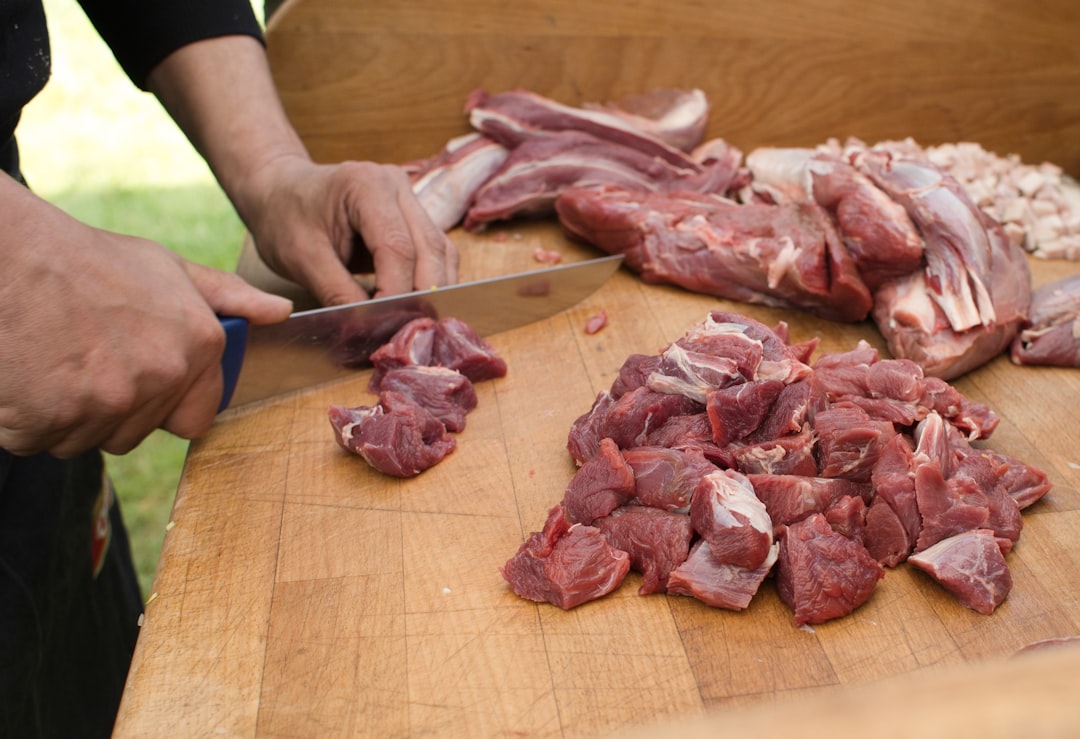
Alligator Meat Processing and Cooking Guide for Hunters
Learn how to properly field dress, butcher, and cook alligator meat after a successful hunt. This complete guide covers processing techniques, cut selection, preparation methods, and proven recipes that turn gator into table-ready meals.
Related
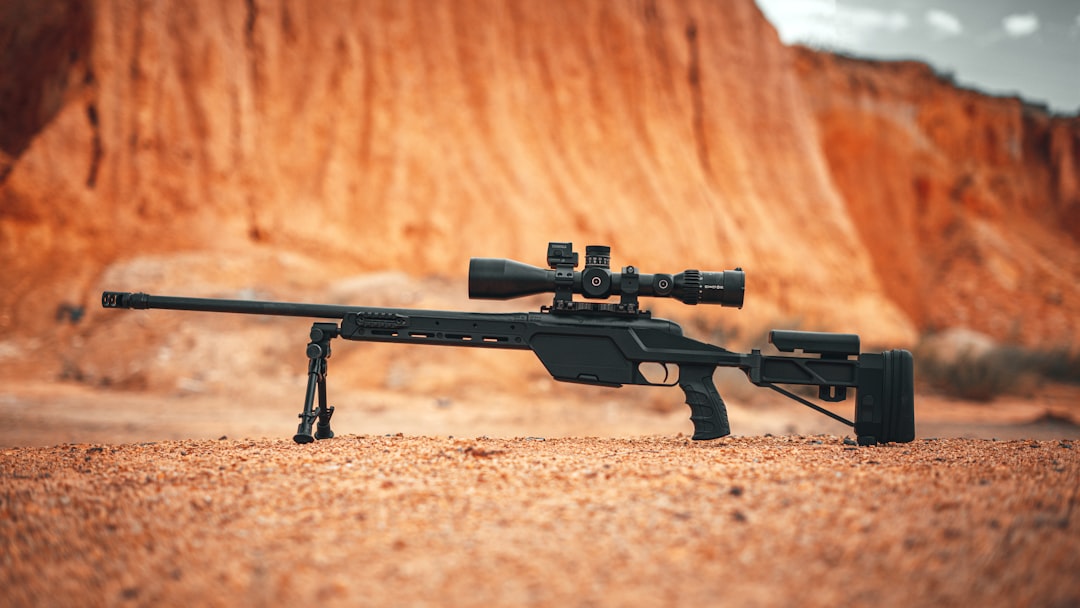
Best Rifle Calibers for Sheep Hunting: What Works in Alpine Terrain
Sheep hunting demands precise long-range shooting at altitude. This guide breaks down the best rifle calibers for sheep hunting in 2026, from lightweight mountain rifles to long-range precision setups, with real-world performance data and ballistics comparisons.
Next
How to Glass for Elk: Proven Techniques for Spotting Bulls in 2026
Master the art of glassing for elk with proven techniques for optics selection, terrain reading, and timing. Learn where to position yourself, what to look for, and how to use TAGZ unit maps to identify prime glassing locations before your hunt.