You dropped a solid gator during your hunt, and now you are standing over 200 pounds of prehistoric reptile wondering where to start. Alligator meat is lean, mild, and surprisingly versatile in the kitchen, but it requires specific processing techniques to maximize quality. This guide walks you through field care, butchering, and cooking methods that turn your harvest into meals worth remembering.
Field Care After the Shot
Proper field care starts the moment your gator is secured. Alligators have thick hides and dense muscle tissue that holds heat, so cooling the meat quickly prevents spoilage. Get the animal to a shaded area or onto ice as soon as possible.
Begin by bleeding the gator. Make a deep cut behind the head to sever major blood vessels. This step improves meat quality by reducing blood content in the muscle tissue. Once bled, keep the carcass cool and out of direct sunlight until you can begin processing.
Most hunters prefer to skin and gut alligators within a few hours of harvest. If you cannot process immediately, store the whole carcass on ice with the belly cavity opened to allow airflow. Bacteria multiply rapidly in warm conditions, and gator meat turns quickly without proper cooling.
Skinning and Initial Breakdown
Skinning an alligator requires a sharp knife and patience. The hide is toughest along the back and softer on the belly. Start by making a centerline cut from the throat to the tail along the belly. Carefully work your knife between the skin and meat, using short strokes to avoid cutting into the muscle.
The tail and jaw muscles contain the majority of usable meat. Once skinned, remove the head and separate the tail from the body. The body cavity contains organs and very little usable meat, so focus your efforts on the tail, jaw, and legs.
Rinse all meat thoroughly with cold water to remove blood, scales, and debris. Pat dry with paper towels before continuing with butchering. Clean meat is easier to work with and results in better-tasting final products.
Butchering Cuts and Meat Selection
Alligator meat breaks down into three primary cuts: tail, jaw, and legs. Each section has different textures and best uses in the kitchen.
Tail Meat
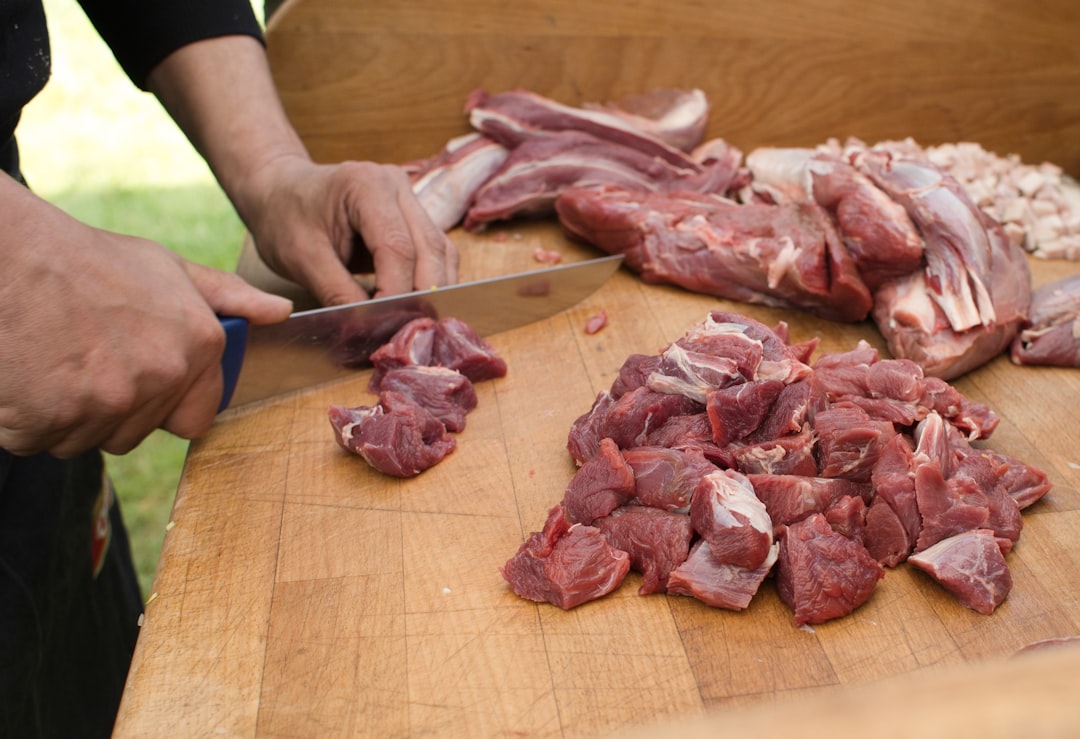
The tail contains the most prized meat. It is tender, mild, and has a texture similar to chicken or pork loin. Remove the tail from the body at the base, then fillet the meat away from the vertebrae on both sides. You will end up with two long loins that can be cut into steaks, cubed for frying, or left whole for grilling.
Tail meat is lean with very little fat. It works well for frying, grilling, or sautéing. Cut tail steaks about one inch thick for grilling or cube into bite-sized pieces for nuggets and stir-fry.
Jaw Meat
Jaw meat is darker and slightly tougher than tail meat. It requires longer cooking times or moist-heat methods to break down connective tissue. Remove the jaw meat by cutting along the bone structure and pulling away muscle groups.
Jaw meat works best in stews, gumbos, or slow-cooked dishes. The flavor is richer and gamier than tail meat. Some hunters grind jaw meat for sausage or burger, mixing it with pork fat to add moisture.
Leg Meat
Alligator legs contain small amounts of meat surrounded by bone and cartilage. The effort required to extract leg meat often outweighs the yield, but it can be worth salvaging on larger gators. Leg meat is similar in texture to jaw meat and works well in ground applications or slow-cooked recipes.
Preparation and Tenderizing Techniques
Alligator meat benefits from brining or marinating before cooking. The lean muscle tissue dries out easily, and acidic marinades help tenderize tougher cuts.
Brining
A simple saltwater brine improves moisture retention and adds subtle flavor. Mix one cup of salt per gallon of cold water and submerge meat for 2-4 hours. Rinse thoroughly after brining and pat dry before cooking.
Brining is especially useful for tail steaks destined for the grill. The added moisture prevents the meat from drying out over high heat.
Marinating
Acidic marinades tenderize tougher cuts like jaw and leg meat. Combine citrus juice, vinegar, or buttermilk with herbs and spices. Marinate for at least two hours or overnight in the refrigerator.
Popular marinade bases include Italian dressing, hot sauce and buttermilk, or lime juice with Cajun seasoning. Avoid over-marinating, which can turn the meat mushy.
Free to join
Download mobile app
- Detailed draw odds
- Point tracking
- Deadline reminders
- 18 states covered

Free to join
Download mobile app
- Detailed draw odds
- Point tracking
- Deadline reminders
- 18 states covered

Free to join
Download mobile app
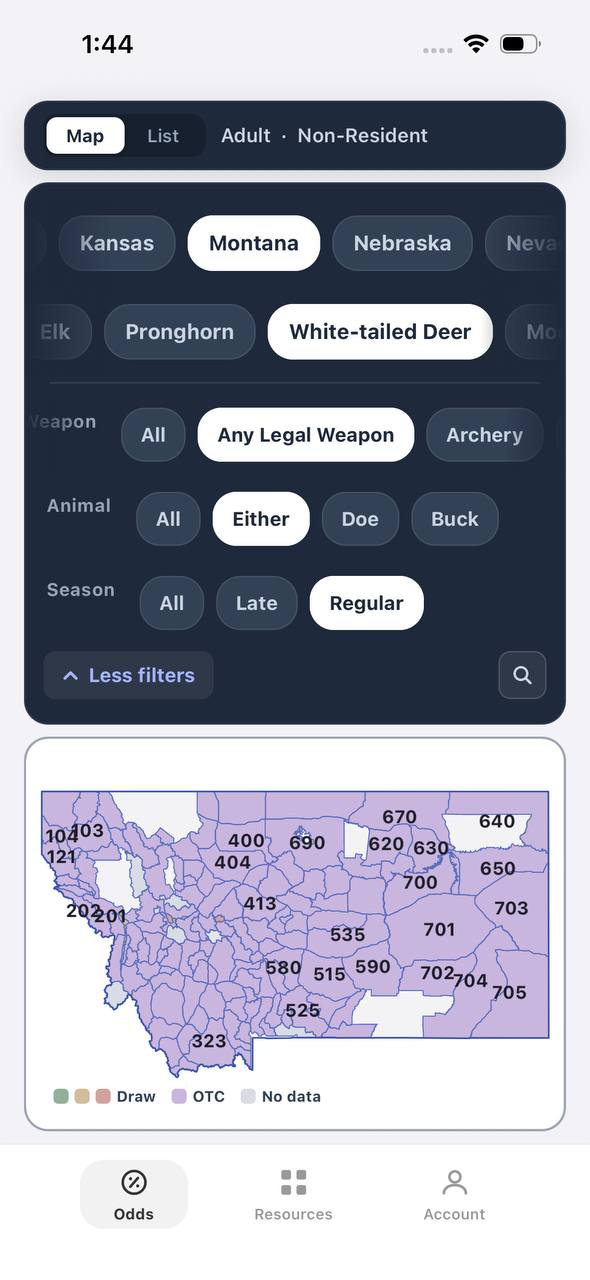
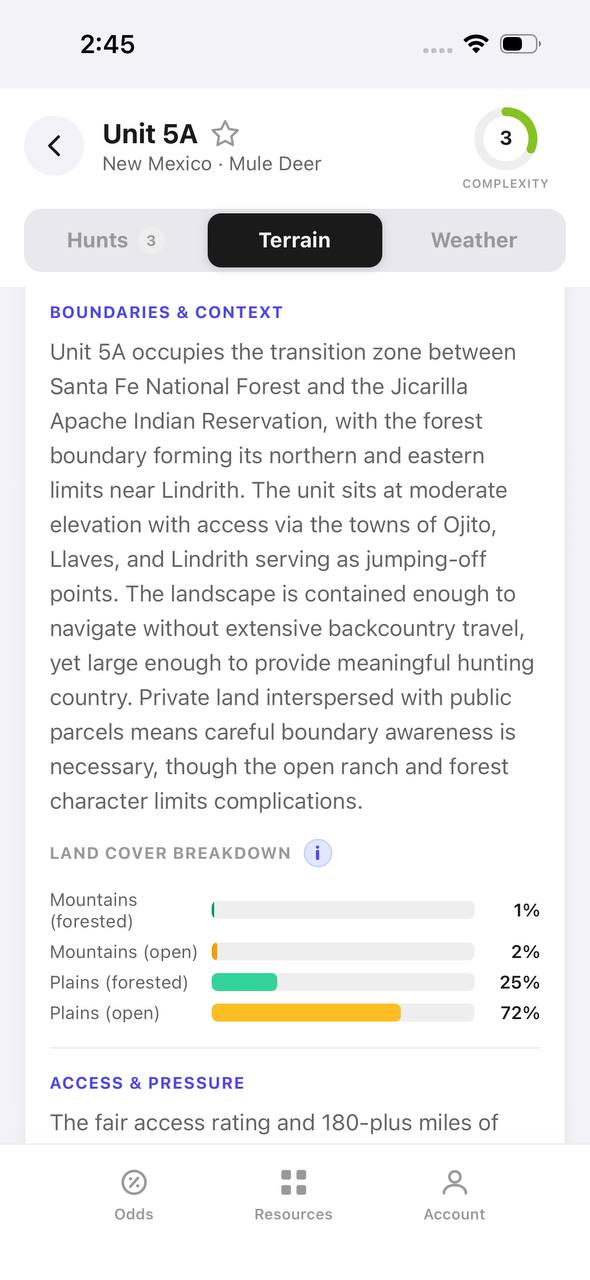
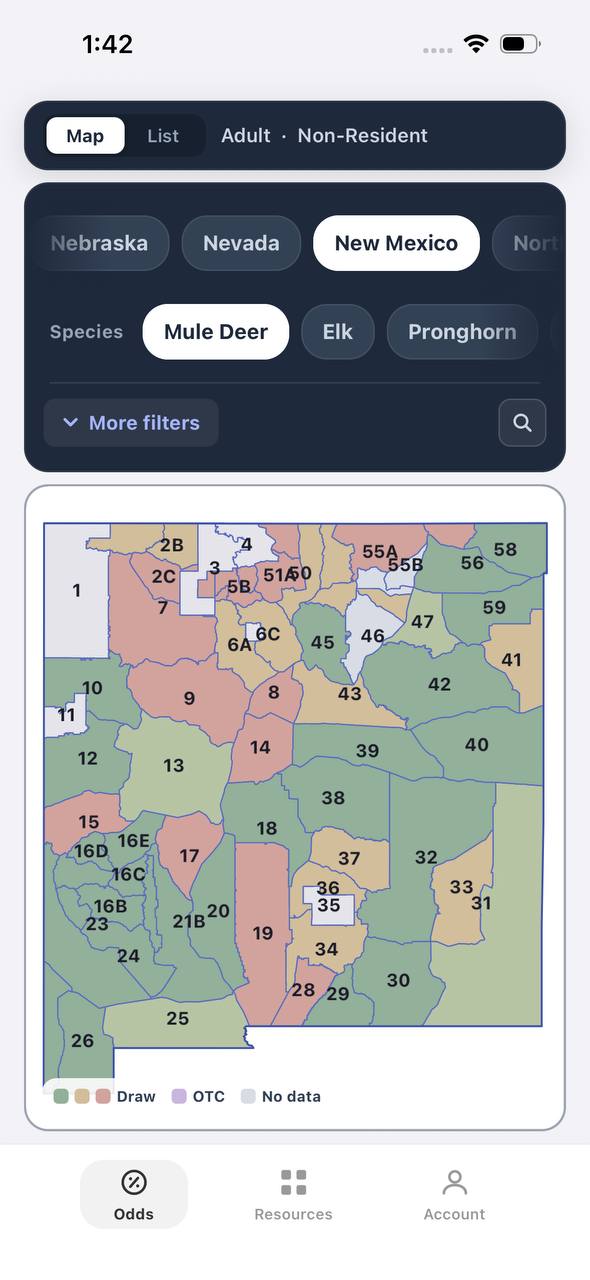
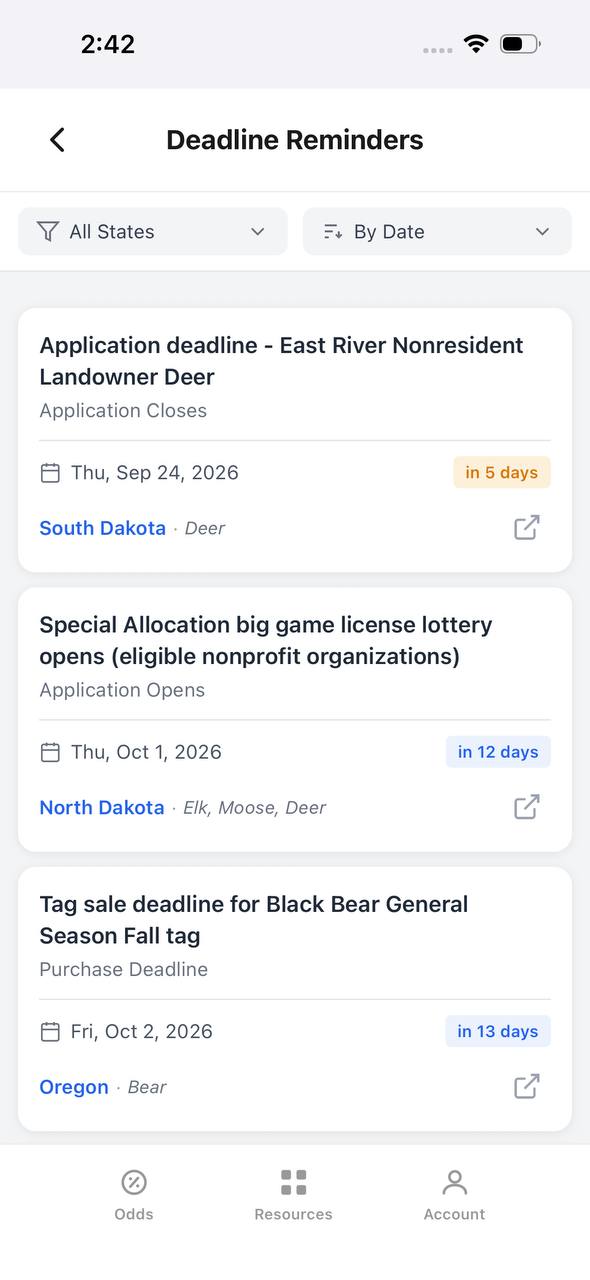
- Detailed draw odds
- Point tracking
- Deadline reminders
- 18 states covered

Cooking Methods That Work
Alligator meat adapts to multiple cooking styles. The key is matching the cut to the method. Tender tail meat handles high heat well, while tougher cuts require slow cooking or moist heat.
Deep Frying
Fried alligator is the most popular preparation method across the South. Cut tail meat into nugget-sized pieces, season with salt and pepper, then dredge in seasoned flour or cornmeal. Fry in 350-degree oil until golden brown, about 3-4 minutes.
Serve with remoulade, cocktail sauce, or ranch dressing. Fried gator has a mild flavor and tender texture that appeals to skeptics trying it for the first time.
Grilling
Tail steaks grill beautifully over direct heat. Season with salt, pepper, and garlic powder or use your favorite dry rub. Grill over medium-high heat for 3-4 minutes per side. Alligator meat cooks quickly and becomes tough when overdone. Pull steaks off the grill when they reach 145-150 degrees internal temperature.
Baste with butter or oil during cooking to prevent drying. Let steaks rest for five minutes before serving.
Slow Cooking
Jaw and leg meat shine in slow-cooked applications. Cut meat into chunks and brown in a heavy pot with oil. Add vegetables, stock, and seasonings, then simmer for 2-3 hours until tender. Alligator gumbo, jambalaya, and chili are regional favorites that showcase this method.
The long cooking time breaks down connective tissue and infuses the meat with rich flavors from the braising liquid.
Blackening
Blackened alligator combines high heat with bold Cajun spices. Coat tail steaks or fillets in melted butter, then press into a blackening spice blend. Sear in a screaming-hot cast iron skillet for 2-3 minutes per side until a dark crust forms.
Blackening works best in a well-ventilated area or outdoors. The high heat creates smoke and a charred exterior that contrasts with the tender interior.
Recipe: Classic Fried Alligator Nuggets
This straightforward recipe highlights the natural flavor of gator tail meat without overwhelming it.
Ingredients:
- 1 pound alligator tail meat, cut into 1-inch cubes
- 1 cup buttermilk
- 1 cup all-purpose flour
- 1 tablespoon Cajun seasoning
- 1 teaspoon salt
- 1/2 teaspoon black pepper
- Vegetable oil for frying
Instructions:
Soak meat in buttermilk for at least one hour. Combine flour, Cajun seasoning, salt, and pepper in a shallow dish. Heat oil to 350 degrees in a deep fryer or heavy pot. Remove meat from buttermilk and dredge in seasoned flour, shaking off excess. Fry in batches for 3-4 minutes until golden brown. Drain on paper towels and serve immediately with dipping sauce.
Free to join
Download mobile app
- Detailed draw odds
- Point tracking
- Deadline reminders
- 18 states covered
Free to join
Download mobile app
- Detailed draw odds
- Point tracking
- Deadline reminders
- 18 states covered
Free to join
Download mobile app
- Detailed draw odds
- Point tracking
- Deadline reminders
- 18 states covered
Recipe: Alligator Gumbo
This slow-cooked gumbo transforms tougher cuts into a hearty meal.
Ingredients:
- 2 pounds alligator jaw meat, cubed
- 1/2 cup vegetable oil
- 1/2 cup all-purpose flour
- 1 large onion, diced
- 1 bell pepper, diced
- 3 celery stalks, diced
- 4 cloves garlic, minced
- 1 pound andouille sausage, sliced
- 6 cups chicken stock
- 2 bay leaves
- 2 tablespoons Cajun seasoning
- Salt and pepper to taste
- Cooked rice for serving
- Sliced green onions and filé powder for garnish
Instructions:
Make a dark roux by heating oil in a heavy pot over medium heat. Gradually whisk in flour and cook, stirring constantly, until the mixture turns the color of chocolate, about 20-30 minutes. Add onion, bell pepper, celery, and garlic. Cook until vegetables soften, about 5 minutes. Add alligator meat and sausage, stirring to coat with roux. Pour in chicken stock and add bay leaves and Cajun seasoning. Bring to a boil, then reduce heat and simmer for 2-3 hours until meat is tender. Season with salt and pepper. Serve over rice with green onions and a pinch of filé powder.
Storage and Freezing
Fresh alligator meat keeps in the refrigerator for 2-3 days. For longer storage, vacuum seal and freeze. Properly frozen gator meat maintains quality for up to six months.
Label packages with the cut type and date. Thaw frozen meat in the refrigerator overnight before cooking. Avoid refreezing thawed meat, which degrades texture and moisture content.
Alternatively, process meat into sausage, jerky, or ground products for variety. Alligator sausage mixed with pork fat rivals traditional venison sausage in flavor and texture.
Common Mistakes to Avoid
Overcooking is the most common error with alligator meat. The lean tissue dries out and becomes rubbery when cooked past medium. Use a meat thermometer and pull the meat at 145-150 degrees for tail cuts.
Skipping the brine or marinade results in dry, bland meat. Even a short saltwater brine dramatically improves moisture and flavor.
Using dull knives during butchering tears meat and creates ragged cuts. Sharp knives produce clean cuts that look better and cook more evenly.
Neglecting proper cooling in the field leads to spoiled meat. Alligators retain heat longer than most game animals, so prioritize cooling immediately after harvest.
Free to join
Download mobile app
- Detailed draw odds
- Point tracking
- Deadline reminders
- 18 states covered
Free to join
Download mobile app
- Detailed draw odds
- Point tracking
- Deadline reminders
- 18 states covered
Free to join
Download mobile app
- Detailed draw odds
- Point tracking
- Deadline reminders
- 18 states covered
How TAGZ Helps Plan Your Alligator Hunt
Planning an alligator hunt requires understanding draw systems, season dates, and unit-specific regulations across multiple states. TAGZ tracks draw odds, application deadlines, and preference points for Louisiana, Florida, Georgia, and other gator-hunting states.
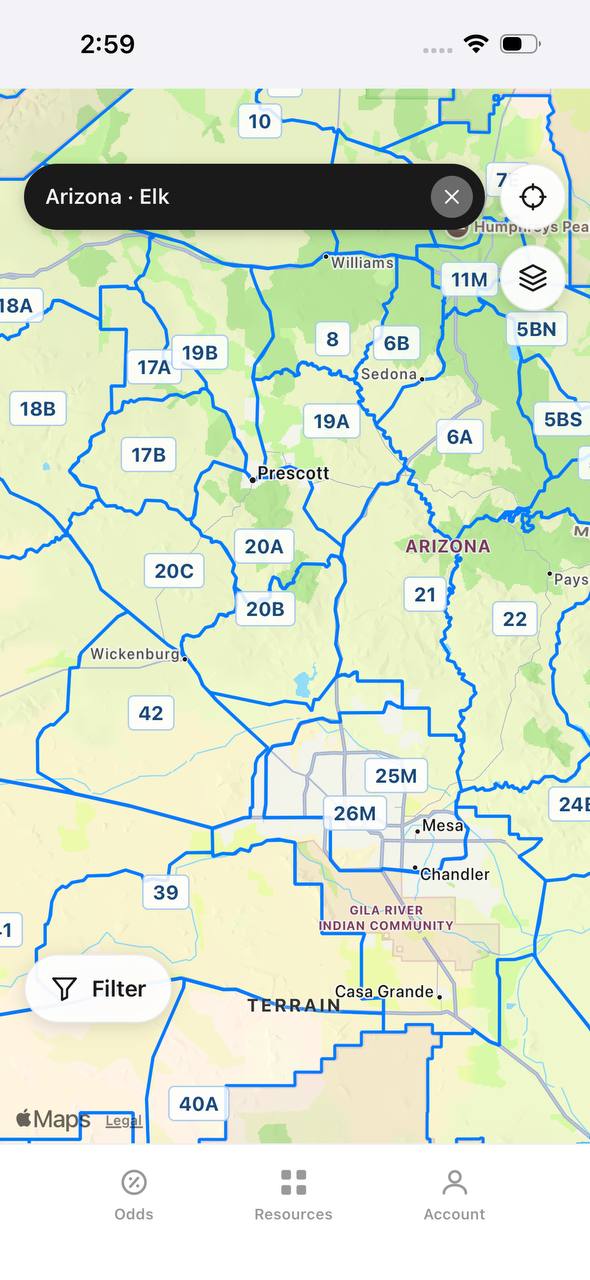
Compare units side by side using terrain maps and historical harvest data. TAGZ filters hunts by weapon type, season length, and harvest success rates so you can identify the best opportunities before applying. Whether you are chasing your first gator or planning a trophy hunt, TAGZ simplifies the research process and helps you make informed decisions about where and when to hunt.
FAQ — Alligator Meat Processing
What does alligator meat taste like?
Alligator tail meat is mild, tender, and similar to chicken or pork loin. Jaw meat is darker with a stronger flavor closer to wild duck or dark turkey meat.
How long can you wait to process an alligator after harvest?
Process within 4-6 hours for best quality. If you cannot process immediately, gut the animal and pack the body cavity with ice to keep meat cool.
Is alligator meat healthy to eat?
Yes. Alligator is lean, high in protein, and low in fat. A 3-ounce serving contains about 100 calories and 20 grams of protein with minimal saturated fat.
Can you eat the whole alligator?
No. The tail, jaw, and legs contain most usable meat. The body cavity holds organs and very little muscle tissue worth salvaging.
What is the best cut of alligator for first-timers?
Tail meat is the most tender and mild. Fried tail nuggets are the best introduction for people new to eating alligator.
How do you know when alligator meat is fully cooked?
Alligator is fully cooked at 145 degrees internal temperature. The meat turns white and opaque, similar to cooked chicken breast.
Can you grind alligator meat for sausage?
Yes. Jaw and leg meat work well ground and mixed with pork fat for sausage, burgers, or chili. Add 20-30% pork fat for moisture.
Does alligator meat freeze well?
Yes. Vacuum-sealed alligator meat freezes well for up to six months. Thaw in the refrigerator before cooking.
Continue Planning Your Hunt
Alligator hunting offers a unique challenge and exceptional table fare when processed correctly. If you are ready to plan your next hunt, explore draw odds and unit details on TAGZ to find the best opportunities in your target state. Track application deadlines and compare harvest data across multiple units so you never miss a draw window. Visit the TAGZ Insights blog for more processing guides, hunt planning strategies, and species-specific tips. For full access to draw analytics, preference point tracking, and interactive unit maps, check out TAGZ pricing options and start making smarter hunting decisions today.
Was this article helpful?
Previous
Best Rifle Calibers for Sheep Hunting: What Works in Alpine Terrain
Sheep hunting demands precise long-range shooting at altitude. This guide breaks down the best rifle calibers for sheep hunting in 2026, from lightweight mountain rifles to long-range precision setups, with real-world performance data and ballistics comparisons.

Related
Best Side-by-Sides for Elk Hunting 2026: Top UTVs for Backcountry Access
From steep mountain trails to rugged forest roads, the right side-by-side makes all the difference when accessing elk country. We break down the best UTVs for 2026 based on payload, ground clearance, reliability, and real-world performance in western terrain.
Next
How to Glass for Elk: Proven Techniques for Spotting Bulls in 2026
Master the art of glassing for elk with proven techniques for optics selection, terrain reading, and timing. Learn where to position yourself, what to look for, and how to use TAGZ unit maps to identify prime glassing locations before your hunt.