Best Rifle Calibers for Sheep Hunting: What Works in Alpine Terrain
Sheep hunting puts your rifle through tests no other North American big game hunt can match. You are climbing above treeline, glassing rams across canyons, and making precise shots at distances that turn whitetail hunters pale. The rifle caliber you choose matters more here than anywhere else.
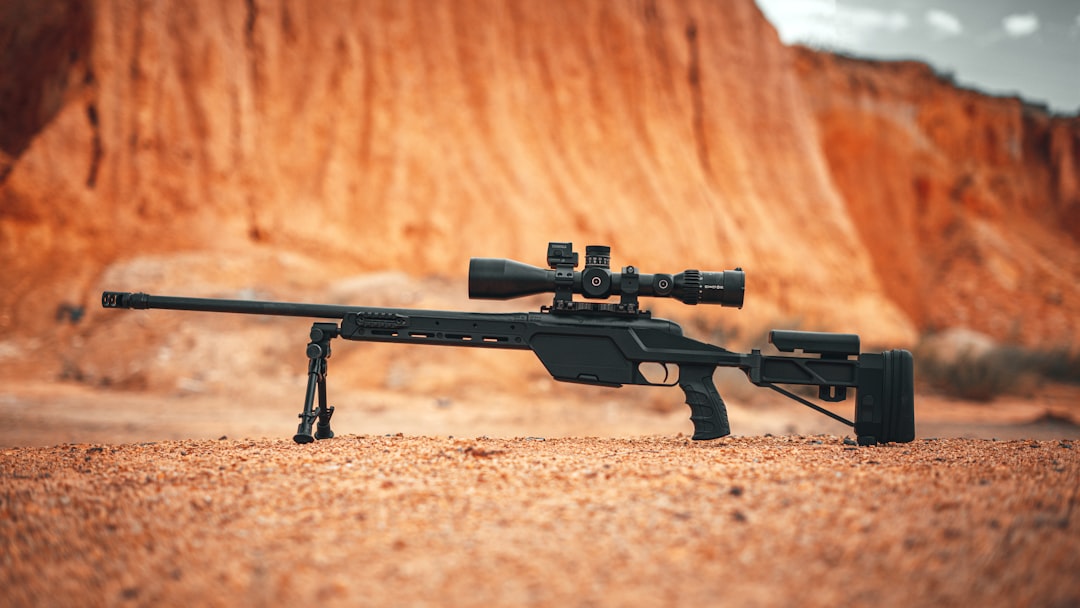
The right caliber balances three demands: enough knockdown power for a 200-pound ram, flat trajectory for steep-angle shots at 300-plus yards, and light enough weight that you can carry it up 3,000 vertical feet without cursing your gunsmith. Get one wrong and you will either miss your only chance at a legal ram or pack a rifle so heavy it ruins the hunt before you ever squeeze the trigger.
Why sheep hunting changes the caliber equation
Sheep country is unforgiving. Rams bed on cliffsides where wind gusts to 40 mph. Shot opportunities come once, often at last light when you have been climbing for eight hours. The average shot distance on Dall sheep runs 250-350 yards. Stone sheep and desert bighorns often push that past 400.
Your rifle needs to shoot flat enough that a 50-yard ranging error does not put you in the guts. It needs to buck wind better than your typical deer rifle. And it needs to do all this while weighing under 7.5 pounds scoped, because every ounce over that threshold makes the climb exponentially harder.
Most sheep hunters shoot once during a 10-day hunt. That single bullet needs to anchor a ram on terrain where a wounded animal disappears into country you cannot reach. This is not the place for marginal calibers or ego-driven magnum overkill.
The gold standard: .270 Winchester
The .270 Win remains the most popular sheep caliber for one reason: it works. Jack O'Connor shot it for 50 years across four continents and never found it lacking. Modern 130-grain and 140-grain bullets have only made it better.
A 130-grain Barnes TTSX leaves the muzzle at 3,100 fps and retains 1,500 ft-lbs of energy at 400 yards. Recoil stays under 17 ft-lbs in a 7-pound rifle, which means you can shoot it accurately off a pack or trekking poles without flinching. Wind drift at 300 yards runs about 6 inches in a 10 mph crosswind — manageable with good range estimation.
The real advantage is rifle weight. Kimber, Weatherby, and Bergara all build .270 mountain rifles that come in under 6 pounds bare. Add a 3-9x scope and you are still under 7 pounds total. After five days at altitude, that two-pound difference from a magnum feels like ten.
Downside: barrel life tops out around 2,500 rounds with hot handloads, and factory ammo selection has narrowed as newer calibers grab shelf space. But for a sheep rifle that might fire 20 rounds per year, barrel life means nothing.
The modern alternative: 6.5 PRC
The 6.5 PRC has become the darling of Western precision shooters, and for good reason. It outperforms the .270 Win in wind and drops less at distance, all while producing similar recoil.
A 143-grain ELD-X at 2,960 fps drifts only 5.2 inches at 300 yards in that same 10 mph wind — nearly an inch less than the .270. Drop at 400 yards runs 24 inches compared to 27 for the .270 with similar loads. Those differences sound small until you are holding on the spine of a ram quartering away at 380 yards.
The 6.5 PRC also feeds from short actions, which saves 4-6 ounces in action length and allows for stiffer, lighter barrels. Rifles from Christensen Arms and Fierce come in at 5.8 pounds without sacrificing accuracy. The cartridge shoots half-MOA groups in factory rifles with factory ammo — something the .270 rarely does without handloading.
The catch: brass costs 30% more than .270 brass, and barrel life drops to around 1,500 rounds with the higher chamber pressures. Most sheep hunters will never notice. If you are building a custom mountain rifle in 2026, the 6.5 PRC makes more sense than it did even two years ago.
The long-range specialist: .280 Ackley Improved
The .280 AI splits the difference between standard cartridges and true magnums. It pushes 160-grain bullets to 3,000 fps, giving you .270 Win trajectory with 7mm bullet selection and sectional density.
Sectional density matters on sheep more than most hunters think. Rams are not huge animals, but their bone structure is dense. A quartering shot through the shoulder into the vitals requires a bullet that holds together and penetrates deep. The 160-grain Nosler AccuBond out of a .280 AI carries 0.283 SD compared to 0.242 for a 130-grain .270 bullet. That difference shows up in terminal performance on angled shots.
The .280 AI also offers better brass availability than wildcat cartridges and can be loaded down to .280 Remington velocities for practice without beating up your shoulder. Recoil runs about 20 ft-lbs in a 7-pound rifle — noticeable but manageable for a once-per-hunt shot.
Downside: you are adding 8-10 ounces compared to a 6.5 PRC or .270 Win build, and most factory rifles chamber it in standard-weight barrels that push the scale over 8 pounds scoped. This is a rifle for sheep hunters who prioritize terminal performance over packability.
Free to join
Download mobile app
- Detailed draw odds
- Point tracking
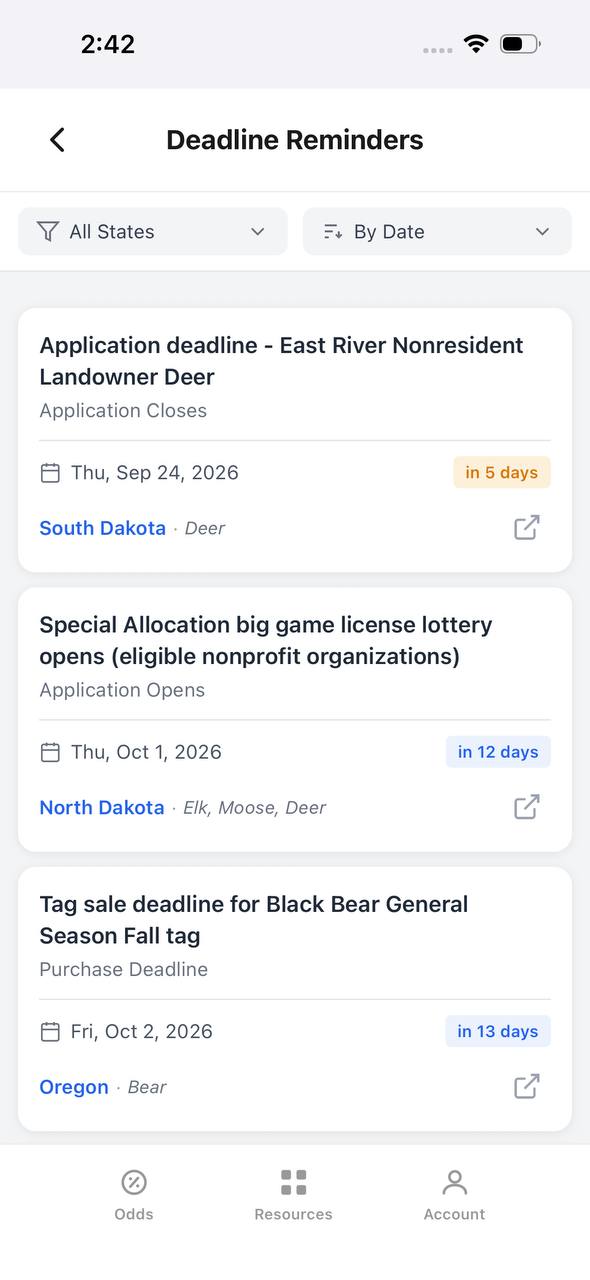
- Deadline reminders
- 18 states covered

Free to join
Download mobile app
- Detailed draw odds
- Point tracking
- Deadline reminders
- 18 states covered
Free to join
Download mobile app
- Detailed draw odds
- Point tracking
- Deadline reminders
- 18 states covered

The magnum question: when 300 Win Mag makes sense
Most sheep hunters do not need a .300 Win Mag. But if you are hunting desert bighorns in open country where 500-yard shots are common, or you are on a combination hunt where you might also shoot elk or brown bear, the extra horsepower makes sense.
A 180-grain bullet at 2,960 fps retains 2,000 ft-lbs at 400 yards and drops only 21 inches at that distance. Wind drift stays under 5 inches in a 10 mph crosswind. You gain 300-400 yards of effective range compared to standard cartridges, which matters when you are glassing rams you cannot get closer to.
The cost is recoil. A 7.5-pound .300 Win Mag generates 26 ft-lbs of recoil — enough that most shooters develop a flinch after 20 rounds at the range. Muzzle brakes help but add noise that spooks game in tight basins. Suppressors solve both problems but add 12-16 ounces and 6-8 inches of length.
If you choose a .300 Win Mag for sheep, budget for a good recoil pad and plan to shoot it enough that the recoil becomes automatic rather than anticipated. A rifle you are afraid to shoot is worse than a rifle that lacks 100 yards of range.
Lightweight wildcats worth considering
Several wildcat and semi-custom cartridges have gained traction among serious sheep hunters who want maximum performance in minimum weight.
The 6.5-284 Norma pushes 140-grain bullets to 3,000 fps from a short action, giving you 6.5 PRC ballistics with less powder and slightly better barrel life. Brass is expensive but Lapua makes it, which means consistency.
The 7mm-08 Ackley Improved offers .280 AI performance in a short action with 15% less recoil. You can build a rifle that weighs 6.2 pounds scoped and still shoot half-MOA groups at 300 yards.
The .257 Weatherby Mag used to be a sheep standard before the 6.5 PRC arrived. It still shoots flatter than anything short of a .264 Win Mag, but factory rifle options have dried up and barrel life tops out around 1,200 rounds.
None of these are necessary. But if you are building a custom rifle and want every advantage, they are worth researching.
Bullet selection matters more than caliber
Once you pick a caliber, bullet choice becomes the difference between a clean kill and a long night glassing for blood. Sheep hunting demands controlled-expansion bullets that penetrate deep on angled shots but still open reliably at lower impact velocities.
Barnes TTSX and LRX bullets work across every caliber listed here. They retain 95% of their weight, penetrate through shoulders, and open at impact velocities as low as 1,800 fps. The all-copper construction means you can use them in California condor zones where lead is banned.
Nosler AccuBond and Hornady ELD-X bullets offer better long-range ballistics with slightly less penetration. They work well for broadside lung shots but can come apart on heavy bone at close range.
Avoid match bullets and lightweight varmint bullets. A Berger VLD might shoot smaller groups at the range, but it can grenade on a shoulder blade and ruin meat you worked 10 days to earn.
Rifle weight vs. shooting stability
The lightest rifle is not always the best sheep rifle. A 5.5-pound ultralight in .270 Win sounds perfect until you try to hold it steady at 300 yards after climbing 2,000 feet. Your crosshairs will circle like you are on a boat.
The sweet spot for most sheep hunters is 6.5-7.5 pounds scoped. That is light enough to carry all day without hating life but heavy enough to shoot accurately from field positions. A carbon-fiber barrel saves 12-16 ounces over steel without sacrificing accuracy. A lightweight scope like a Leupold VX-5HD 3-15x44 weighs 17 ounces compared to 25 for a similar Nightforce.
Skip the ultralight stocks that flex under sling pressure. A good McMillan or AG Composites stock weighs 24-28 ounces and provides a stable shooting platform. The four ounces you save with a Proof Research carbon stock is not worth the extra $400 unless you are counting every gram.
How TAGZ helps you plan the hunt before you buy the rifle
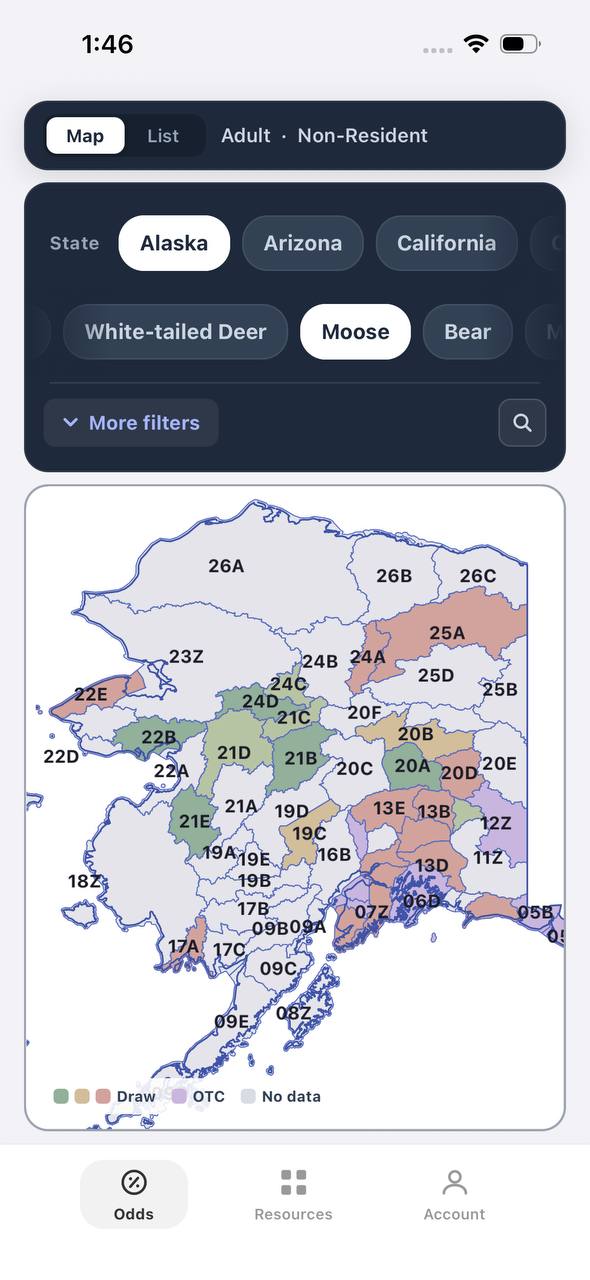
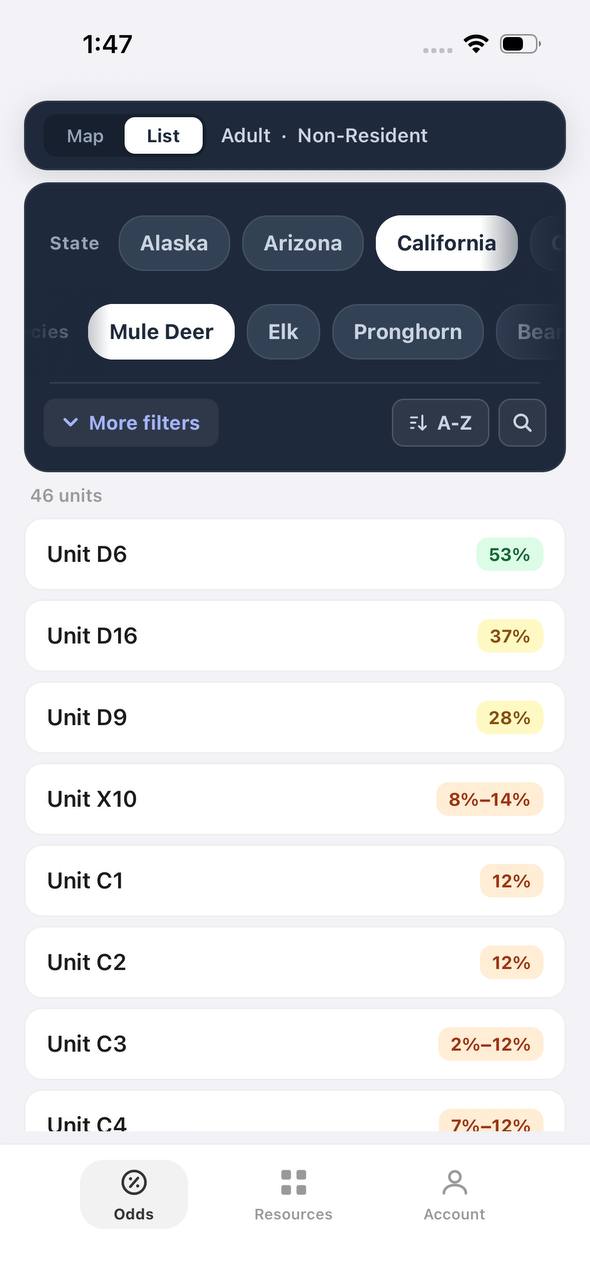
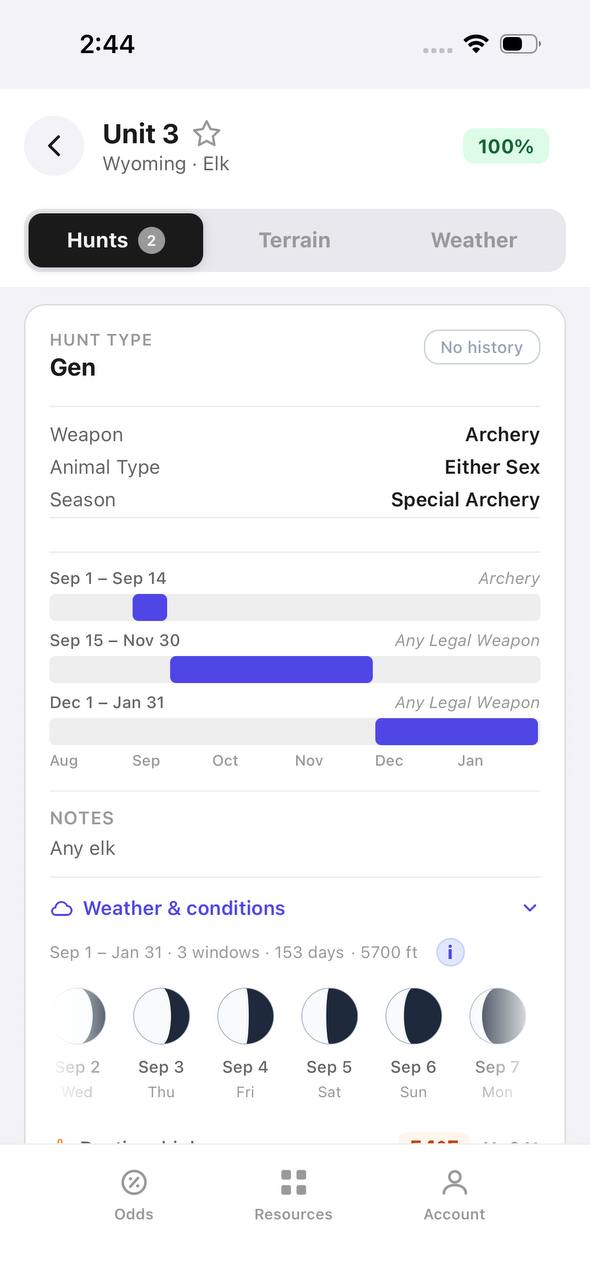
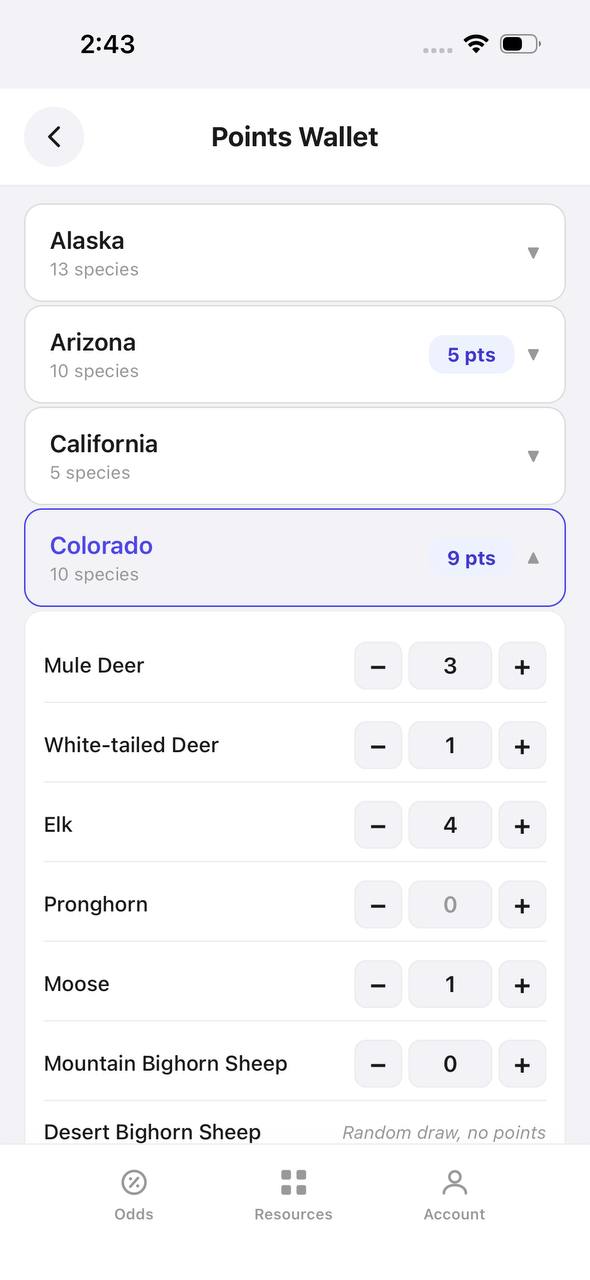
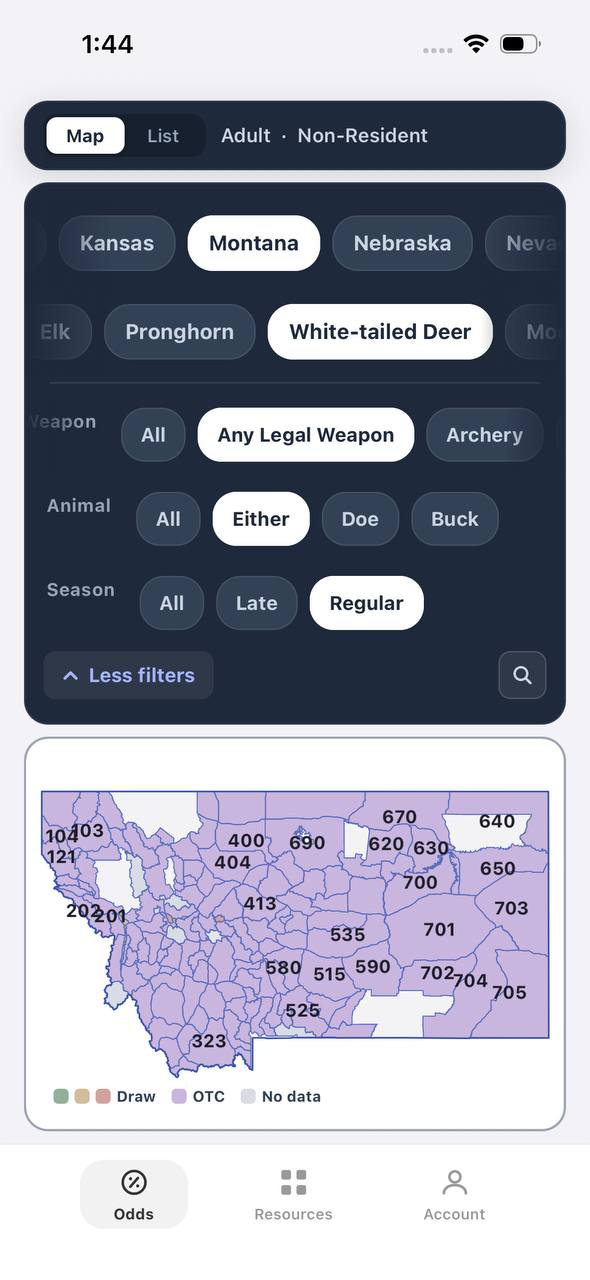
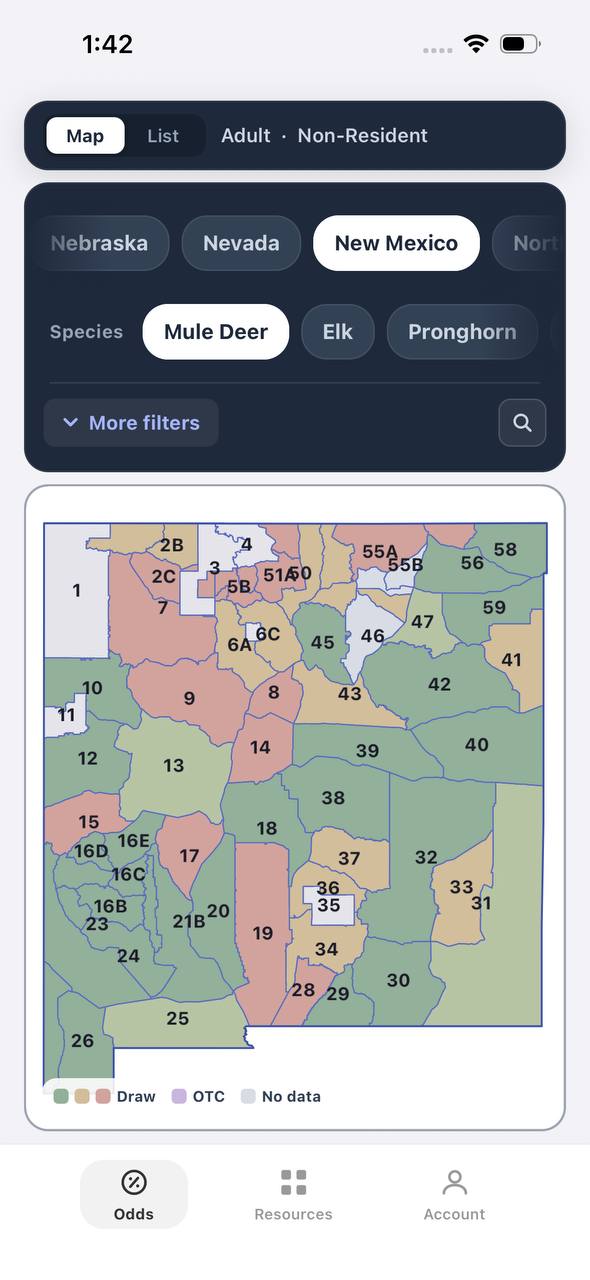
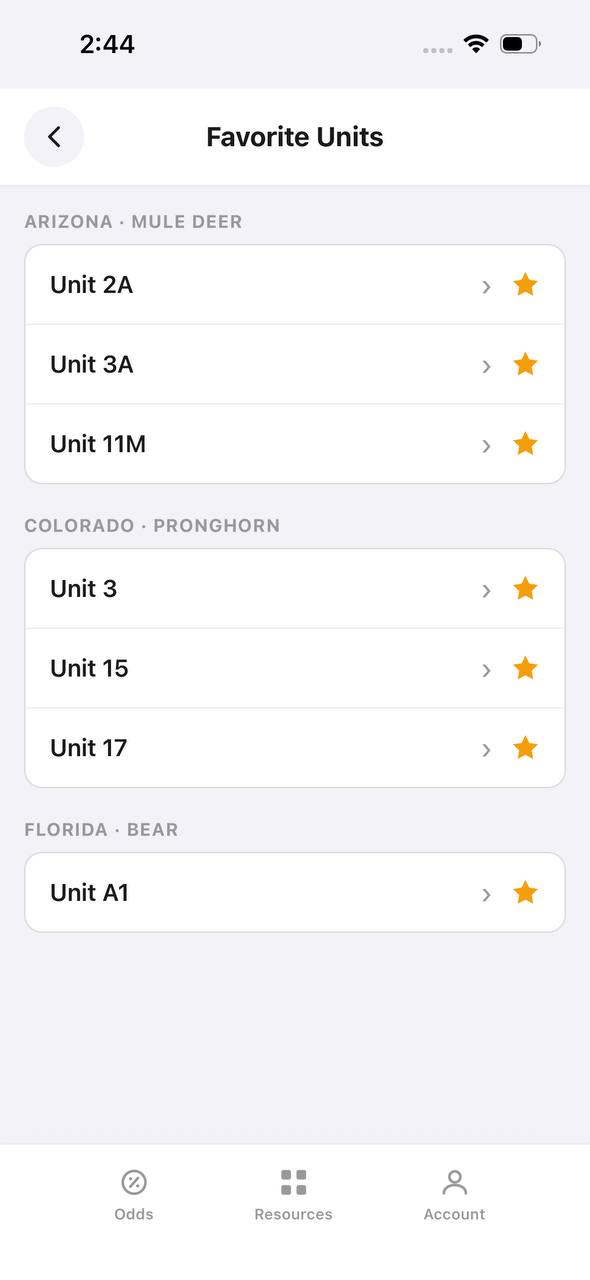
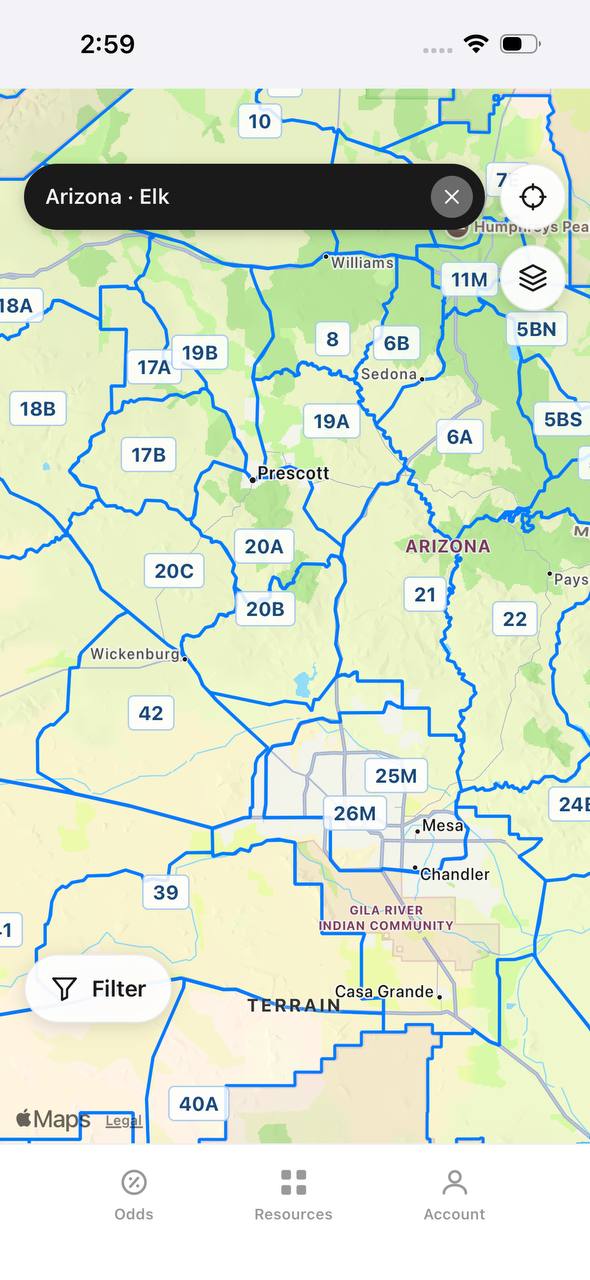
Picking the right caliber matters, but drawing the tag comes first. TAGZ helps you compare draw odds for Dall sheep in Alaska, desert bighorns in Nevada, and Rocky Mountain bighorns across Montana, Wyoming, and Colorado. You can track your preference points and bonus points across multiple states so you know when you have a realistic chance at a once-in-a-lifetime tag.
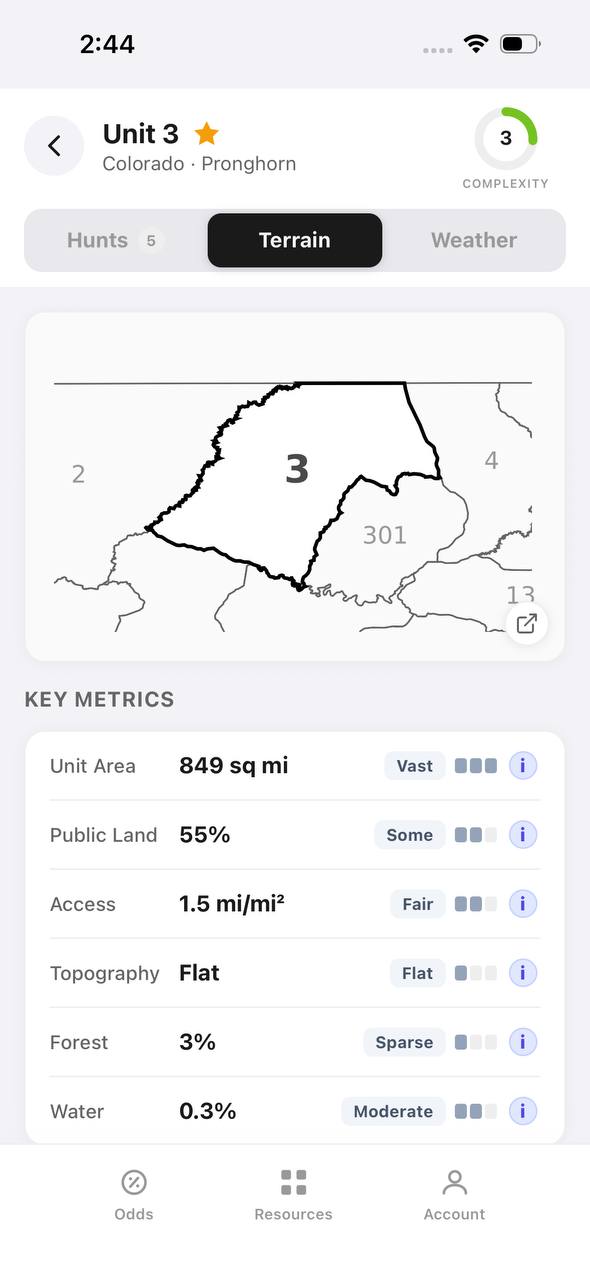
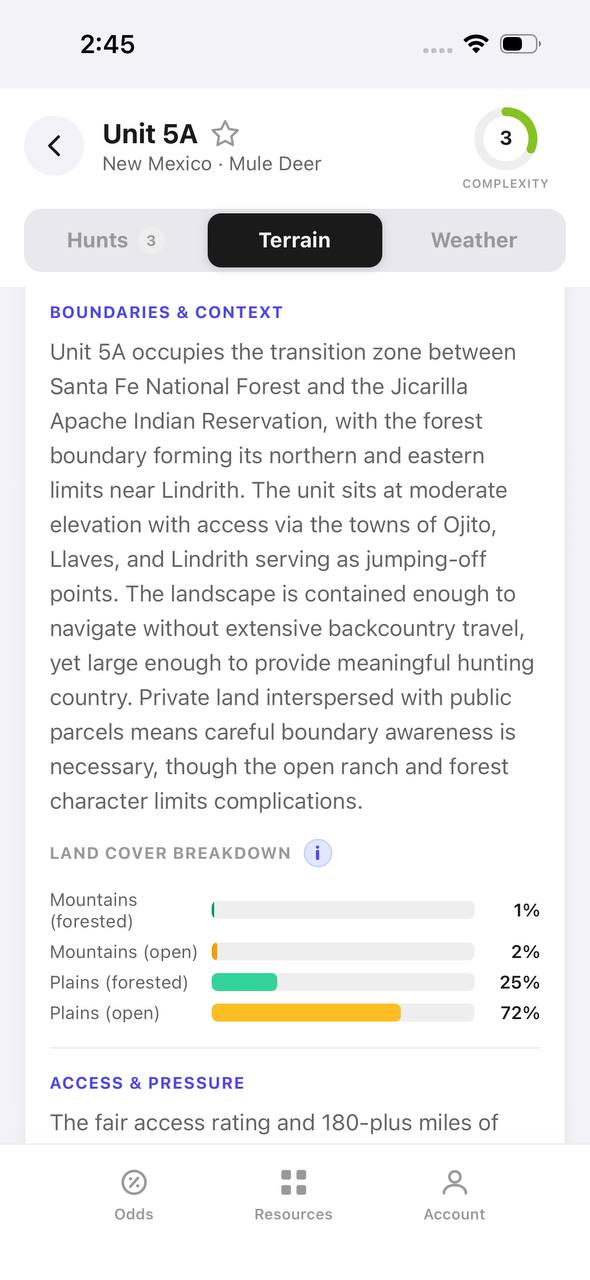
The platform shows you unit-level terrain breakdowns and public land access so you can match your rifle setup to the actual hunt conditions. Some units feature close-range timber hunting where a 7-08 makes more sense than a long-range magnum. Others demand 400-yard capability across open basins.
Whether you are chasing your first ram or planning a Grand Slam, TAGZ gives you the unit research and draw deadline tracking to turn preference points into tags. Compare units side by side using historical draw data and terrain maps before you ever chamber a round.
Final caliber recommendations by sheep species
Dall sheep (Alaska): .270 Win or 6.5 PRC. Lightweight is king. Shots average 250 yards.
Stone sheep (British Columbia, Yukon): 6.5 PRC or .280 AI. Longer shots, rougher country. Extra ballistic performance helps.
Desert bighorn (Nevada, Arizona, California): .280 AI or .300 Win Mag. Open terrain pushes shot distances past 350 yards regularly. Lead-free bullets required in most units.
Rocky Mountain bighorn (Montana, Wyoming, Colorado): .270 Win or 6.5 PRC. Balanced approach. Some hunts are close-range, some are not. Rifle weight matters more than caliber.
The best sheep caliber is the one you shoot accurately from weird positions at altitude while exhausted. That is usually not the one with the flattest trajectory or the most foot-pounds on paper. It is the one that fits your shooting style, your physical capability to carry it, and the terrain where you drew your tag.
FAQ — Sheep Hunting Rifle Calibers
What is the best all-around caliber for sheep hunting?
The .270 Winchester and 6.5 PRC dominate for good reason — both shoot flat, recoil lightly, and work across all sheep species. Choose the .270 if you want lighter rifle options and proven performance. Choose the 6.5 PRC if you prioritize wind performance and modern bullet selection.
Is a 6.5 Creedmoor powerful enough for sheep?
Yes, but it is not ideal. The 6.5 Creedmoor works fine inside 300 yards with proper bullet placement, but it runs out of energy faster than a .270 Win or 6.5 PRC. Most sheep hunters prefer the extra 200 fps and flatter trajectory of faster cartridges.
Do I need a magnum cartridge for desert bighorn sheep?
No, but it helps. Desert bighorn hunts often feature longer shots across open basins where 400-500 yards is common. A .300 Win Mag or 7mm Rem Mag extends your effective range and provides more margin for error in wind. A 6.5 PRC or .280 AI will also work if you are confident at distance.
What is the maximum effective range for sheep hunting?
Most ethical sheep hunters limit shots to 400 yards or less. At that distance, bullet energy drops below 1,500 ft-lbs in most standard calibers, and wind becomes harder to call accurately. If you practice regularly at 500-600 yards and shoot a magnum cartridge, you can extend that range — but most rams are killed inside 300 yards.
Should I choose a short action or long action rifle for sheep hunting?
Short actions save 4-6 ounces and allow for stiffer barrels in lighter profiles. Cartridges like the 6.5 PRC, 7mm-08, and .280 Rem work in short actions with minimal performance penalty. Long actions are only necessary for magnums or if you want a .270 Win or .280 AI with maximum coal for handloading.
What bullet weight should I use for sheep?
For .270 Win, use 130-140 grain bullets. For 6.5mm cartridges, use 140-143 grain bullets. For 7mm cartridges, use 150-160 grain bullets. For .30 caliber magnums, use 165-180 grain bullets. Heavier bullets penetrate better on angled shots but drop faster at distance. Match bullet weight to your expected shot distance and terrain.
Was this article helpful?
Previous
Alligator Meat Processing and Cooking Guide for Hunters
Learn how to properly field dress, butcher, and cook alligator meat after a successful hunt. This complete guide covers processing techniques, cut selection, preparation methods, and proven recipes that turn gator into table-ready meals.
Related
Best Side-by-Sides for Elk Hunting 2026: Top UTVs for Backcountry Access
From steep mountain trails to rugged forest roads, the right side-by-side makes all the difference when accessing elk country. We break down the best UTVs for 2026 based on payload, ground clearance, reliability, and real-world performance in western terrain.
Next
How to Glass for Elk: Proven Techniques for Spotting Bulls in 2026
Master the art of glassing for elk with proven techniques for optics selection, terrain reading, and timing. Learn where to position yourself, what to look for, and how to use TAGZ unit maps to identify prime glassing locations before your hunt.