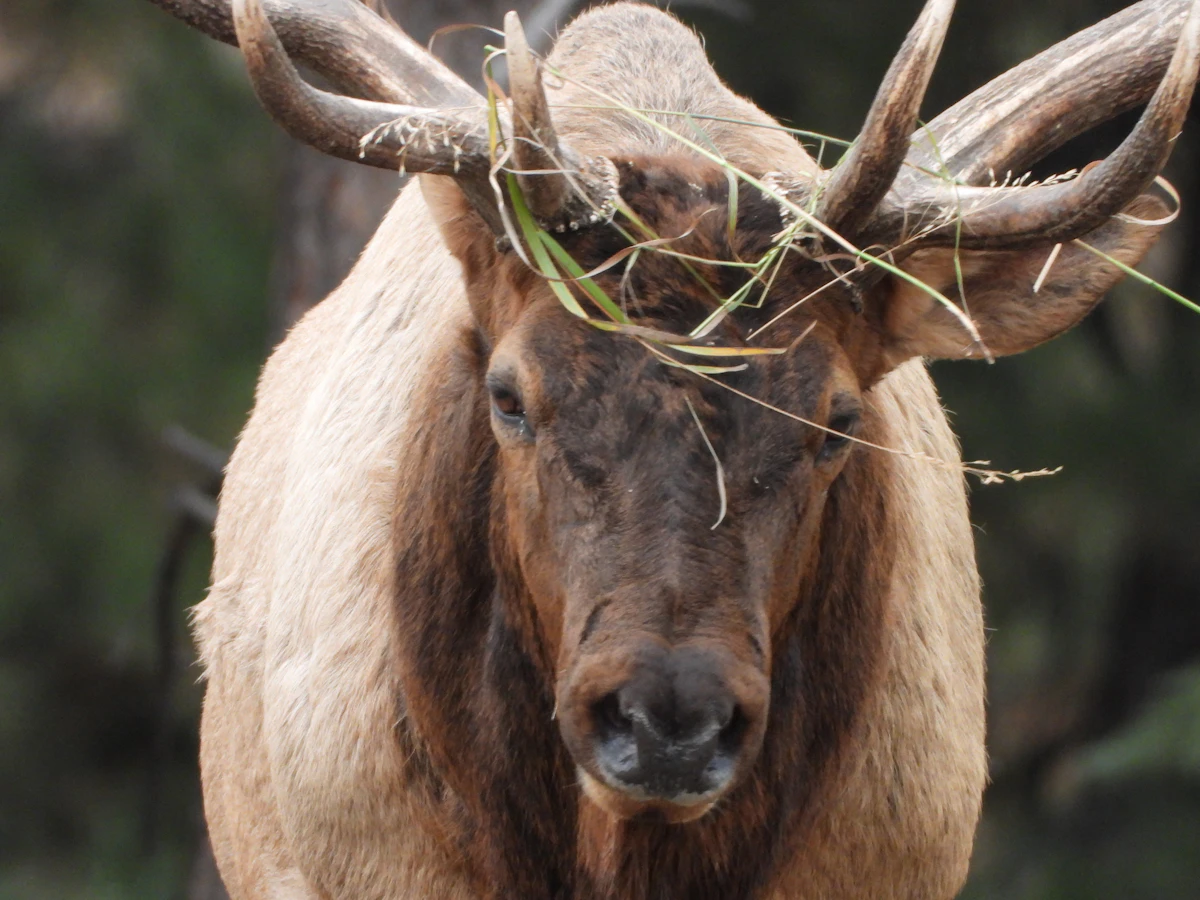
Spot-and-Stalk Elk Hunting vs. Elk Calling: When to Use Each Strategy
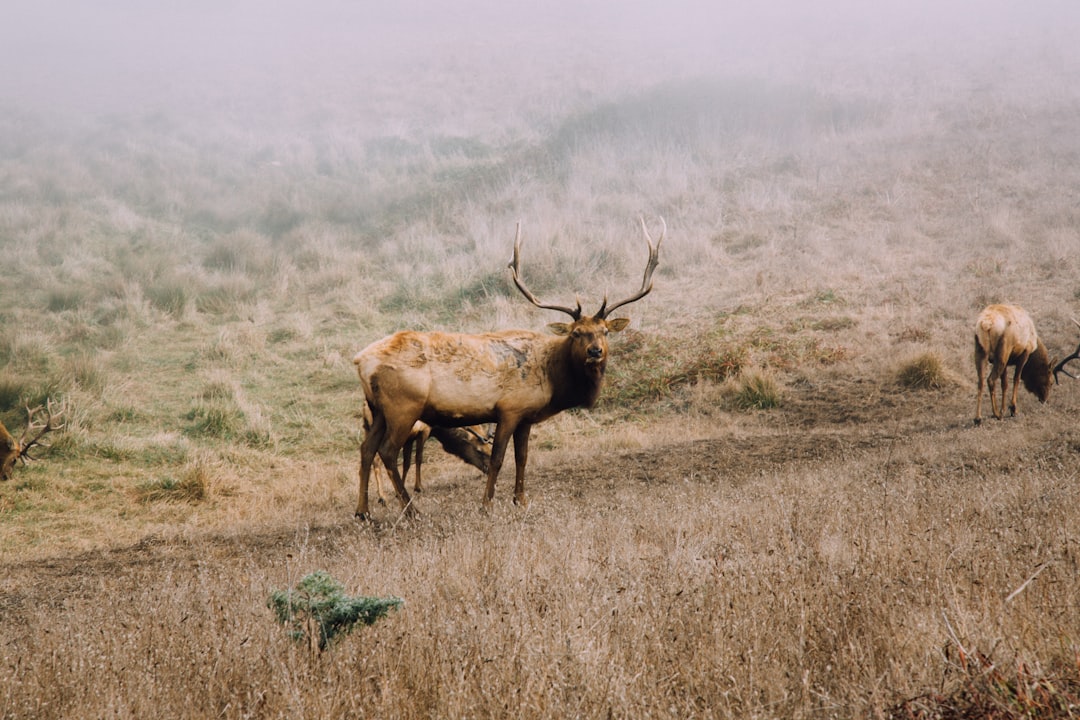
Elk hunters face a fundamental choice every season: call them in or stalk them down. Both spot-and-stalk and calling produce results, but neither works everywhere or all the time. The hunters who consistently fill tags understand that elk behavior, terrain, and hunting pressure determine which approach wins on any given day.
The difference between spotting a herd at 800 yards and deciding whether to close the distance or set up and bugle comes down to reading conditions correctly. Make the wrong call, and you spook bulls that were otherwise killable. Make the right one, and you create opportunities that would not exist with a one-dimensional approach.
When Spot-and-Stalk Elk Hunting Works Best
Spot-and-stalk shines in open country where you can glass elk from a distance and plan a stalk before they know you exist. This means alpine basins, sagebrush parks, burned timber with good sightlines, and high ridges where elk feed in the open during early morning and late evening.
Pressured elk that have heard every cow call and bugle in the drainage respond better to silence. If you are hunting public land during peak season or an area with heavy outfitter activity, glassing and stalking often outperforms calling because bulls have already been educated. They know what a bad bugle sounds like, and they know hunters use calls.
Early-season hunts, especially in September before the rut intensifies, favor spot-and-stalk because bulls are not yet vocal or aggressive. They are focused on feeding, and they tend to be in bachelor groups or alone. Calling to a bull that is not rutting yet rarely works. Spotting him feeding in a meadow at first light and planning a stalk based on wind and terrain does.
Rifle hunters and muzzleloader hunters often default to spot-and-stalk because engagement ranges allow shots from 200 to 400 yards or more. If you can kill an elk from a ridgetop without descending into his bedroom, the stalk becomes about positioning for the shot rather than closing to bow range. You control more variables when you are above the elk glassing down rather than working through dense timber hoping for a bugle response.
When Elk Calling Dominates
Calling works when bulls are rutting hard, vocal, and willing to fight or breed. Peak rut, typically mid-September through early October depending on the state, is when calling becomes the most effective approach. Bulls are bugling on their own, herding cows, and responding aggressively to challenges. A well-placed bugle or estrous cow call can pull a herd bull away from his cows or bring a satellite bull running.
Thick timber, dark timber, and dense cover make spot-and-stalk nearly impossible. If you cannot see more than 50 yards and the terrain does not allow glassing from a distance, calling becomes the only realistic way to locate elk and create shot opportunities. You are not going to spot-and-stalk elk you cannot see, and trying to still-hunt through blowdown or lodgepole without calling is a low-percentage gamble.
Archery hunters rely on calling more than rifle hunters because effective bow range is 40 yards or less for most hunters. You cannot shoot an elk at 300 yards with a bow, so you need a way to bring him into range. Calling, when done correctly, manipulates elk movement and pulls them toward you instead of requiring you to close distance on animals with better senses than yours.
Calling also works in the post-rut and late season if you switch from aggressive bugles to soft cow calls and location bugles. Bulls that survived the rut are not looking for fights, but they are still listening for cows. A subtle mew or soft chirp can stop a bull at 30 yards or pull him out of a wallow without the aggression that would spook him in October.
How Terrain Dictates Your Approach
Terrain is the single biggest factor in deciding whether to call or stalk. Open alpine country, sage parks, and grassy benches above treeline favor spot-and-stalk because visibility is high and stalking routes are obvious. You can glass a basin from a mile away, identify a shooter bull, and plan a stalk that uses terrain folds, ridges, and wind direction to close distance without being detected.
Dense timber, beetle-kill forests, and thick drainages favor calling because you cannot see far enough to plan a stalk. If the terrain does not allow you to spot elk before they spot you, calling is how you locate them and bring them into range. Timber also dampens sound, so a bugle or cow call does not carry as far as it would in open country, which reduces the risk of alerting every elk in the drainage.
Edge habitat, where open parks meet timber, allows you to combine both tactics. You can glass elk feeding in a meadow at first light, watch them move toward timber, and then set up along their escape route with calls ready. If they bed before you close distance, you switch to calling to pull a bull out of his bed. If they keep feeding and offer a stalk, you stay silent and close the gap.
TAGZ unit maps and terrain overlays show you which units have open glassing country versus dense timber before you ever apply. You can filter by terrain type and see which units match your preferred hunting style. If you are a spot-and-stalk hunter, you want units with alpine basins and open ridges. If you are a caller, look for units with dense timber and limited visibility.
Weather and Wind Considerations
Wind kills more elk stalks than any other factor. Spot-and-stalk only works if you can approach elk from downwind or cross-wind, which means you need predictable wind direction and terrain that allows you to stay below or beside the elk. Morning thermals pull uphill, evening thermals drop downhill, and midday winds swirl unpredictably. If the wind is not cooperating, calling from a fixed position where you control your scent cone becomes the better option.
Calling in windy conditions is harder because elk cannot hear as well, and your calls do not carry as far. If the wind is howling, spot-and-stalk becomes more effective because elk rely more on their eyes than their ears, and the wind covers the sound of your movement. You can close distance faster in wind than you can in dead calm because elk are less likely to hear a boot scrape or a branch snap.
Rain and snow both favor calling because precipitation dampens sound and limits elk visibility. Elk are more vocal in wet conditions, and they are less likely to hear your approach if you are stalking. However, wet ground also makes still-hunting quieter, so you can combine calling with slow, deliberate movement through timber without making noise.
Hot, dry early-season conditions favor spot-and-stalk because elk are not rutting yet, and dry ground makes quiet movement nearly impossible. You are better off glassing them from a distance and planning a stalk during low-light hours when they are feeding and less alert. Once the rut kicks in and temperatures drop, calling becomes more effective because bulls are more responsive and less focused on feeding.
Combining Both Tactics for Maximum Success
The best elk hunters do not pick one tactic and stick with it all season. They read conditions every day and switch approaches based on what the elk are doing. You might start the morning glassing from a high ridge, spot a herd bull with cows feeding in a park, and decide to stalk him before he beds. If he disappears into timber before you close distance, you switch to calling and try to pull him back out.
You can also use calling to locate elk and then switch to spot-and-stalk once you know where they are. A bugle sequence at first light might get a response from a bull 400 yards away in thick timber. Instead of calling him in, you circle downwind, glass him from above, and plan a stalk based on his bedding location. You used calling as a locator tool, not as the primary tactic.
Late-season hunts often require a hybrid approach where you glass elk during the day, track their movement patterns, and then set up with calls along their travel routes during low-light hours. Elk are more predictable in November because they are feeding heavily and moving between bedding and feeding areas on consistent trails. You can spot them from a distance, identify their pattern, and then use soft cow calls to stop a bull in bow range as he moves through.
TAGZ helps you track historical draw odds and unit performance across multiple states so you can apply for units that match your preferred tactics. If you are a spot-and-stalk hunter, you want units with good glassing opportunities and moderate elk density. If you are a caller, look for units with high bull-to-cow ratios and dense cover where calling gives you an edge over rifle hunters who rely on long-range shots.
Pressure and Elk Behavior
Hunting pressure changes elk behavior faster than any other variable. Opening weekend of rifle season pushes elk into dark timber, private land, and high-elevation sanctuaries where they avoid hunters. In heavily pressured units, spot-and-stalk works better because elk are quiet, nocturnal, and reluctant to respond to calls. They have heard every bugle, cow call, and lip-bawl in the woods, and they associate calling with danger.
Unpressured elk, especially in limited-entry units or wilderness areas with low hunter density, respond aggressively to calling because they have not been educated yet. A bull in a backcountry drainage that has not heard a call all season will often charge a bugle or run to a cow call because he has no reason to associate it with hunters. If you draw a tag in a low-pressure unit, calling should be your primary tactic during the rut.
Late-season elk that survived September and October pressure are call-shy but not unkillable. Spot-and-stalk becomes the primary approach because elk are grouped up, feeding predictably, and not responding to calls. You can glass them from a distance, pattern their movement, and plan a stalk based on feeding times and travel routes. Calling still works as a stopping technique if you need to freeze a bull for a shot, but aggressive calling will spook them.
TAGZ shows you hunter density and pressure levels for each unit based on tag allocations and historical draw data. Units with 500+ rifle tags and high point creep tend to be more pressured than limited-entry archery units with 50 tags. You can compare units side by side and see which ones offer lower pressure and better calling opportunities or higher pressure where spot-and-stalk becomes the smarter play.
FAQ — Spot-and-Stalk vs. Calling
Is spot-and-stalk better than calling for rifle elk hunting?
Yes, in most cases. Rifle hunters can engage elk at longer ranges, which makes glassing and stalking more effective than calling them into close range. Calling still works for stopping a moving bull or locating elk in thick timber.
Can you call elk successfully in heavily pressured units?
Yes, but you need to be conservative. Soft cow calls and subtle mews work better than aggressive bugles in pressured areas. Elk that have heard every bugle in the woods will still respond to realistic, quiet calling if you do not overcall.
Does calling work during early archery season before the rut?
Rarely. Early-season bulls are not vocal or aggressive yet. Spot-and-stalk is more effective because elk are feeding predictably and grouped in bachelor herds. Save calling for mid-September when the rut intensifies.
What is the biggest mistake hunters make when combining calling and stalking?
Calling too much while trying to stalk. Once you locate an elk with a call, you need to commit to the stalk and stay silent. Overcalling while moving spooks elk because they hear you but cannot see you, which triggers their flight response.
Is spot-and-stalk effective in thick timber?
No. Thick timber limits visibility to 50 yards or less, which makes glassing impossible. Calling is the only realistic way to locate and engage elk in dense cover unless you are still-hunting slowly and hoping for a chance encounter.
Do weather conditions favor one tactic over the other?
Yes. Wind favors spot-and-stalk because it covers movement noise but makes calling harder. Rain and snow favor calling because elk are more vocal and less alert. Hot, dry conditions favor spot-and-stalk because elk are not rutting and dry ground makes quiet movement difficult.
Continue Planning Your Hunt
TAGZ helps you compare units side by side using terrain maps, unit boundaries, and historical draw data. Track your preference points and bonus points across multiple states so you never miss a draw deadline. Whether you are chasing OTC tags or planning a trophy limited-entry hunt, TAGZ gives you the tools to make smarter decisions before you ever step into the field.
Explore more elk hunting strategies and unit breakdowns on the TAGZ Insights page, compare draw odds and terrain for your next hunt at getmytagz.com, or see how TAGZ simplifies multi-state applications on the Product page.
Was this article helpful?
Previous
Best Bow Stabilizers for Hunting: Top Picks for 2025
The right bow stabilizer improves accuracy, reduces hand shock, and balances your bow for steadier shooting in the field. We break down the best stabilizers for tree stand hunters, spot-and-stalk pursuits, and backcountry bowhunters who need lightweight reliability.
Next
How to Hunt Elk Near Roads Without Hunting the Crowd
Most hunters assume roadside elk hunting means competing with orange armies. The truth is smarter — targeting micro-terrain features, timing pressure waves, and using access points others ignore can put you on unpressured bulls within a quarter-mile of your truck.