Choosing the Right Harpoon, Bang Stick, and Snare for Big-Game Hunting
Harpoons, bang sticks, and snares occupy a unique — and often misunderstood — place in the hunting world. Most western big-game hunters will never carry a harpoon or bang stick into elk country, but understanding these specialized tools helps clarify what's legal, what's practical, and how modern hunters approach ethical game recovery.
These tools trace their roots to survival situations, commercial harvesting, and niche hunting methods that have largely been replaced by firearms and archery equipment. For the serious hunter building a well-rounded knowledge base, knowing when and where these tools apply matters more than actually using them.
What Is a Harpoon and Where Is It Legal?
A harpoon is a barbed spear designed to penetrate and hold onto an animal, historically used for whaling and large fish. In modern hunting contexts, harpoons are almost exclusively limited to bowfishing, spearfishing, and certain underwater hunting scenarios — not terrestrial big game.
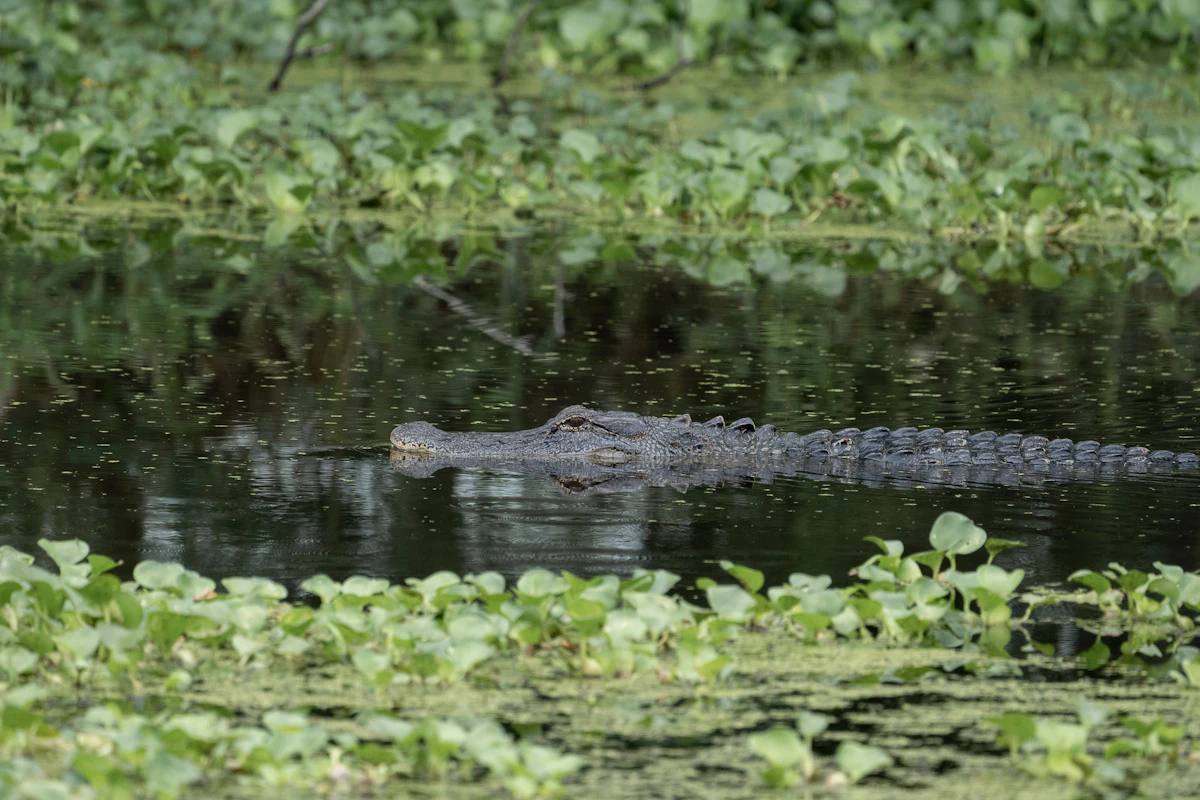
Most western states prohibit harpoons for big-game hunting. You cannot legally harpoon an elk, deer, or pronghorn. A few states allow harpoons for specific species like feral hogs or alligators under tightly controlled conditions, but these are rare exceptions.
Before considering a harpoon for any hunting application, check your state's regulations. What's legal for feral hog control in Texas may be a felony in Colorado. TAGZ tracks regulations state by state, helping you identify what methods are allowed for the species and units you're targeting.
Bang Sticks — What They Are and Why They're Restricted
A bang stick (also called a powerhead) is a pole-mounted firearm cartridge that detonates on contact with an animal. Originally developed for underwater shark defense and commercial fishing, bang sticks deliver a point-blank shot without the range limitations of a traditional firearm.
Bang sticks are illegal for big-game hunting in virtually every western state. They're classified as a method of take that doesn't meet fair chase standards. Even in states where they're legal for certain species (typically alligators or feral hogs), strict permitting and documentation requirements apply.
The ethical objection is straightforward: a bang stick requires you to touch the animal with the device, meaning you've already restrained or cornered it. That eliminates the pursuit element central to hunting and crosses into harvest methods used in agriculture or commercial operations.
If you're planning a hog hunt in a state where bang sticks are theoretically legal, verify the current regulations and understand that outfitters rarely use them. Modern hog hunting relies on firearms, archery, or tracking dogs — methods that maintain the challenge and skill required for fair chase.
Snares — Legality, Ethics, and Practical Concerns
A snare is a wire or cable loop designed to capture an animal by the neck, body, or leg. Snares are widely used in trapping and predator management but are illegal for big-game hunting in most western states.
The problem with snares for hunting is control. A well-set snare might restrain a deer, but it can also injure the animal without killing it quickly, capture non-target species, or create a dangerous situation when you return to check it. Fair chase regulations prohibit restraining devices that remove the animal's ability to escape.
Some states allow snares for predator control (coyotes, foxes) or fur trapping under specific trapping licenses, but these permits are separate from big-game hunting tags. If you're interested in predator management or trapping, check your state's trapping season regulations — these often have different application deadlines, reporting requirements, and equipment standards than hunting seasons.
TAGZ doesn't track trapping seasons, but it does help you identify predator hunting opportunities that overlap with big-game seasons. If you're planning a combo hunt (elk in the morning, coyotes in the afternoon), TAGZ filters units by season dates and weapon types so you know what's open when you're in the field.
Why Modern Hunters Rarely Use These Tools
Firearms, archery equipment, and muzzleloaders dominate western big-game hunting because they're effective, humane, and legal. A well-placed rifle shot or arrow delivers a quick, ethical kill at range, which aligns with fair chase principles and state regulations.
Harpoons, bang sticks, and snares solve problems that modern hunters don't face. You're not hunting whales. You're not defending yourself underwater. You're not running a commercial trapping operation. The scenarios where these tools make sense are so niche that most hunters will never encounter them.
That said, understanding these tools helps you recognize the difference between hunting methods and animal control methods. If you're watching a hog hunting video where someone uses a knife or a catch dog, you're seeing a method that's legal in some states but wouldn't qualify as fair chase in a big-game context. Knowing the boundaries keeps you compliant and focused on methods that improve your skills rather than bypass them.
Free to join
Download mobile app
- Detailed draw odds
- Point tracking
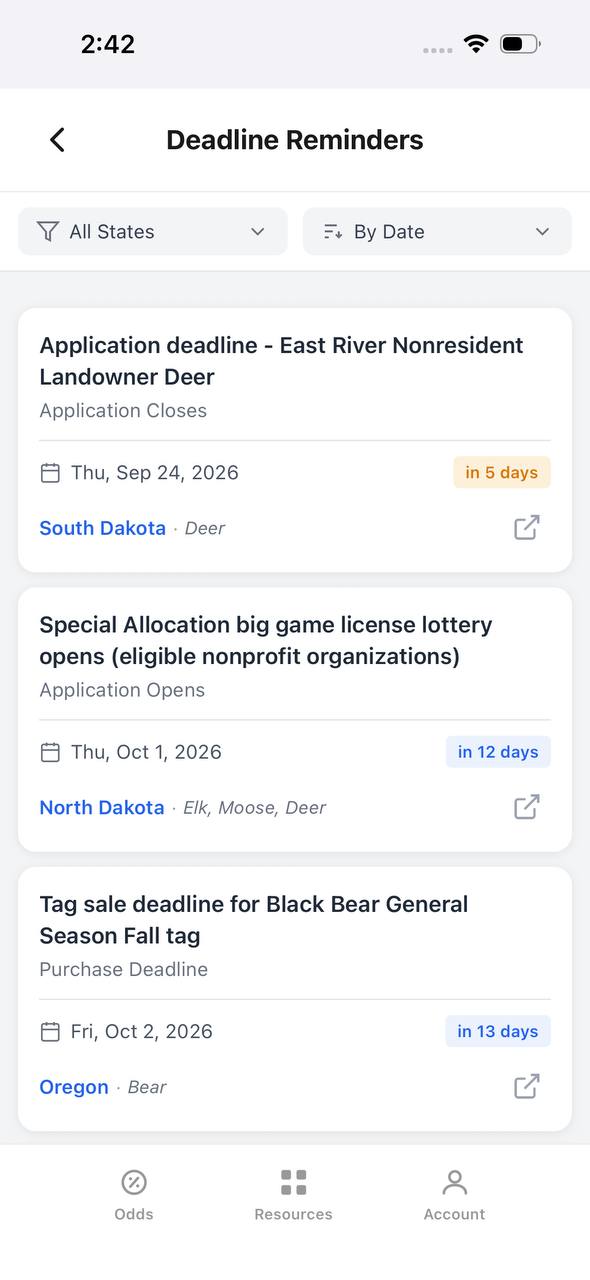
- Deadline reminders
- 18 states covered

Free to join
Download mobile app
- Detailed draw odds
- Point tracking
- Deadline reminders
- 18 states covered
Free to join
Download mobile app
- Detailed draw odds
- Point tracking
- Deadline reminders
- 18 states covered
What to Focus on Instead — Effective Hunt Planning
If you're researching harpoons, bang sticks, or snares, you're probably trying to solve a problem: how to increase your success rate or prepare for an unusual hunting scenario. The better solution is to focus on tools and strategies that are legal, effective, and widely accepted.
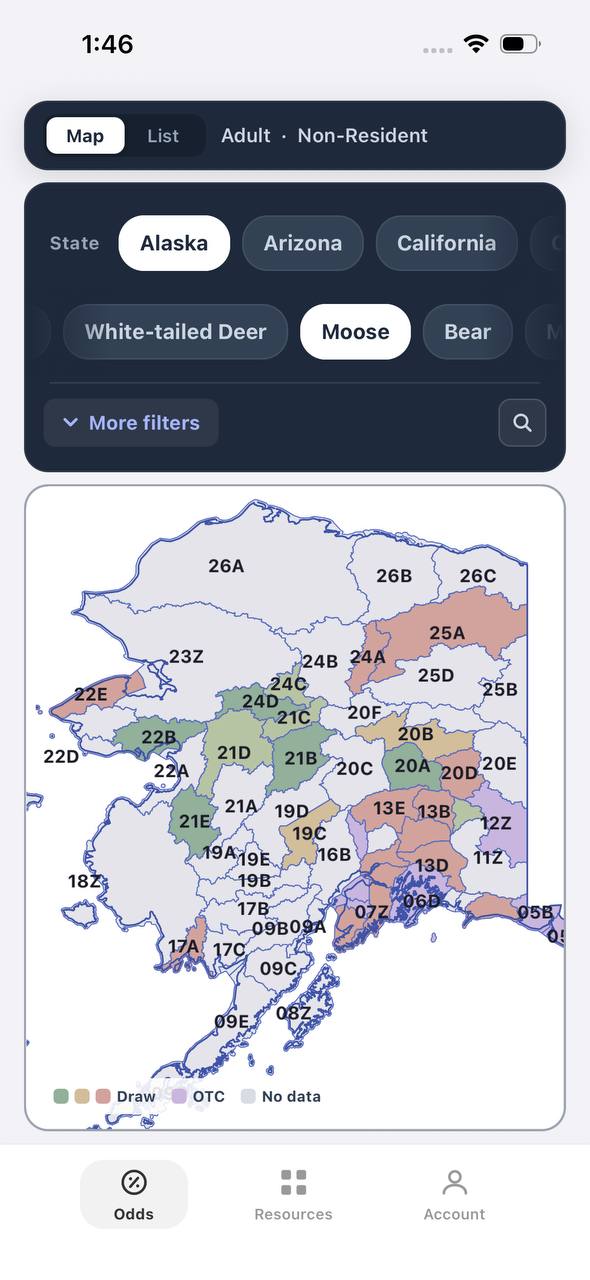
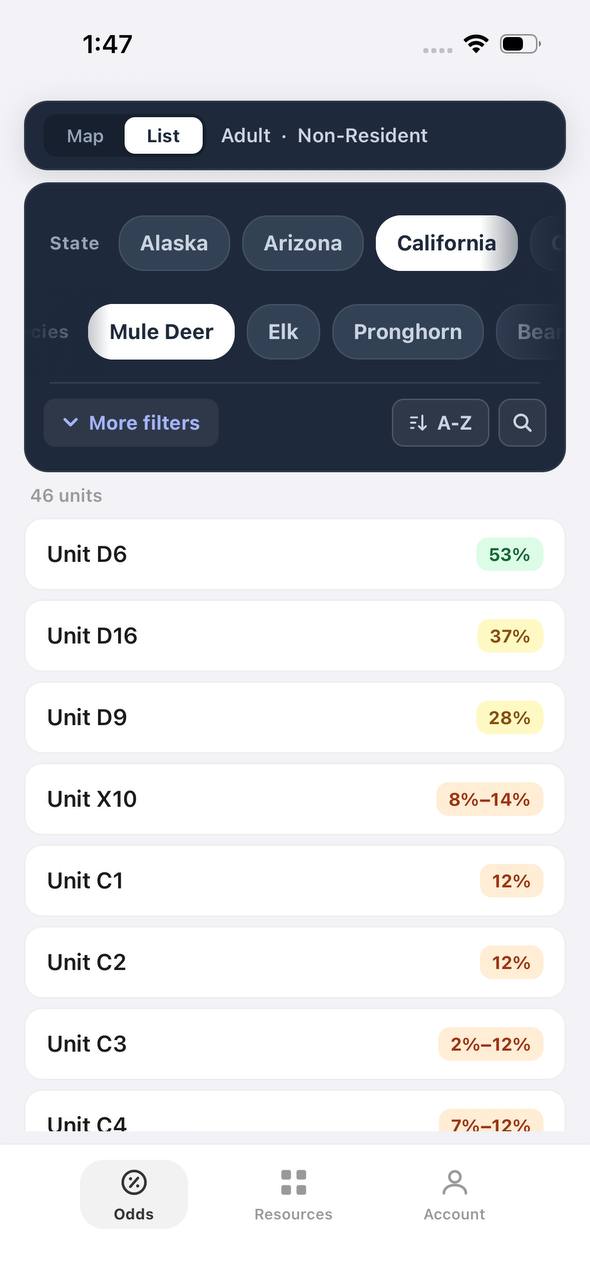
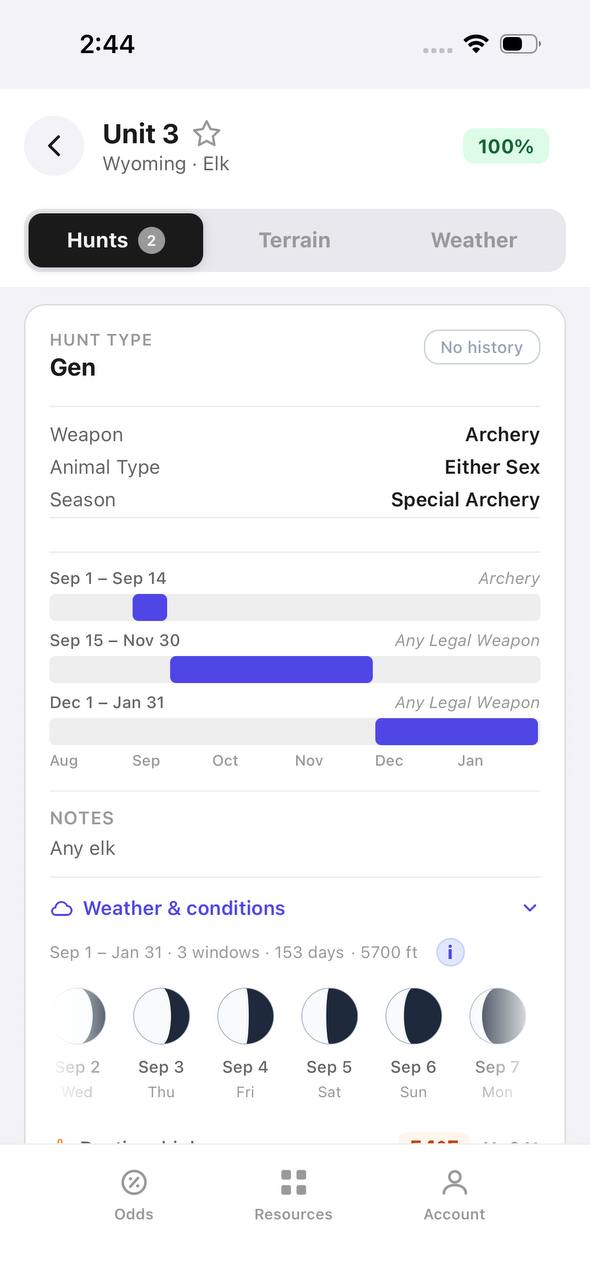
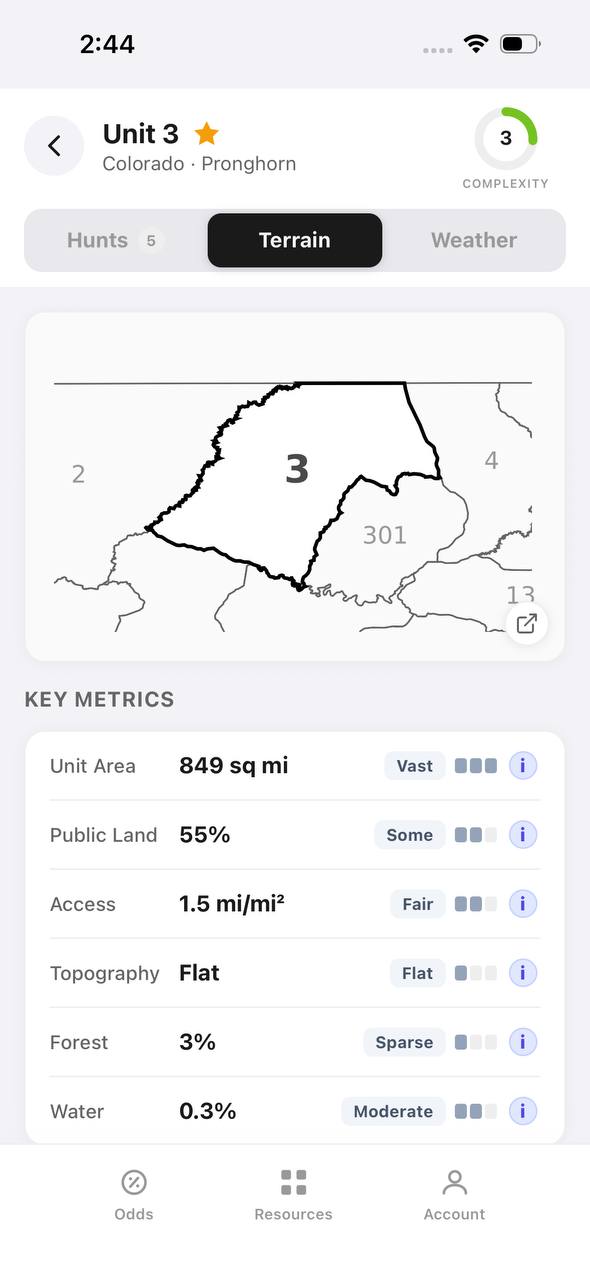
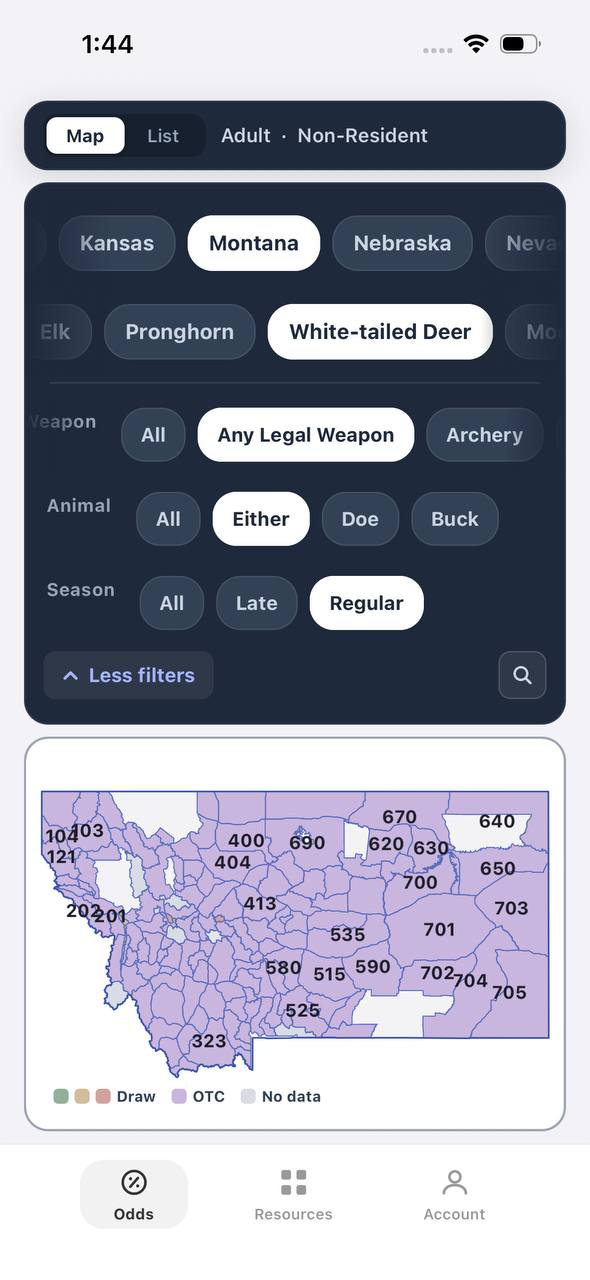
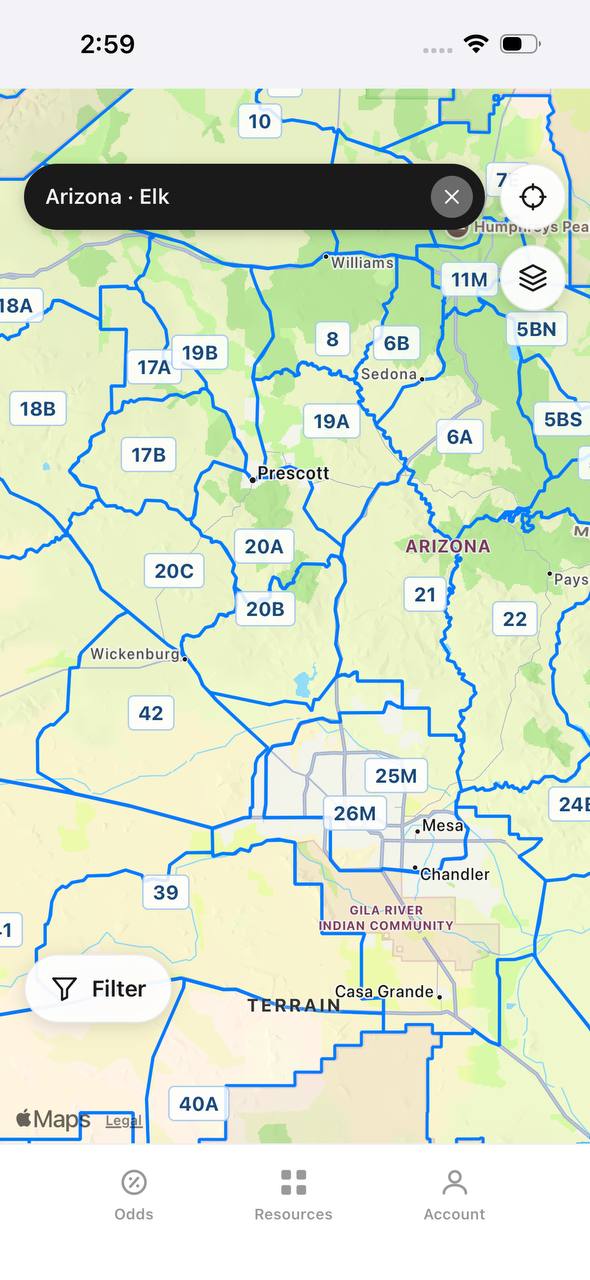
TAGZ helps you plan hunts using conventional methods by showing you which units have the best draw odds for your preference point total, which seasons align with migration patterns, and which weapon types give you the most opportunities. Whether you're applying for a limited-entry rifle tag or planning an OTC archery hunt, TAGZ filters units by terrain, public land access, and historical harvest data so you can make smarter decisions before you ever apply.
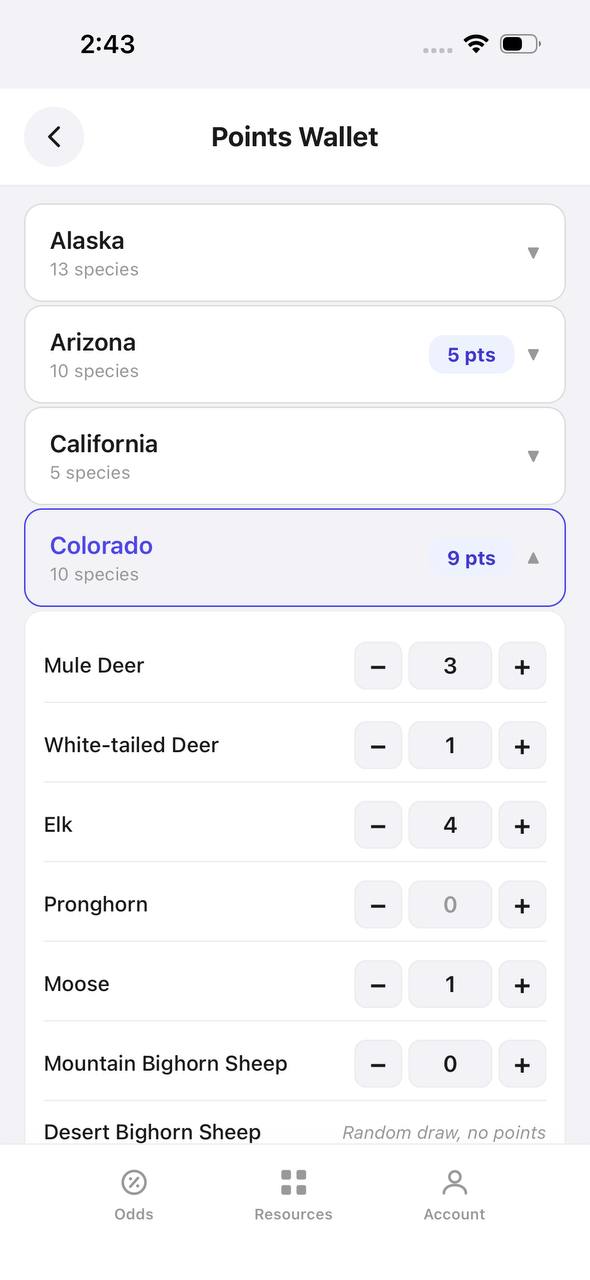
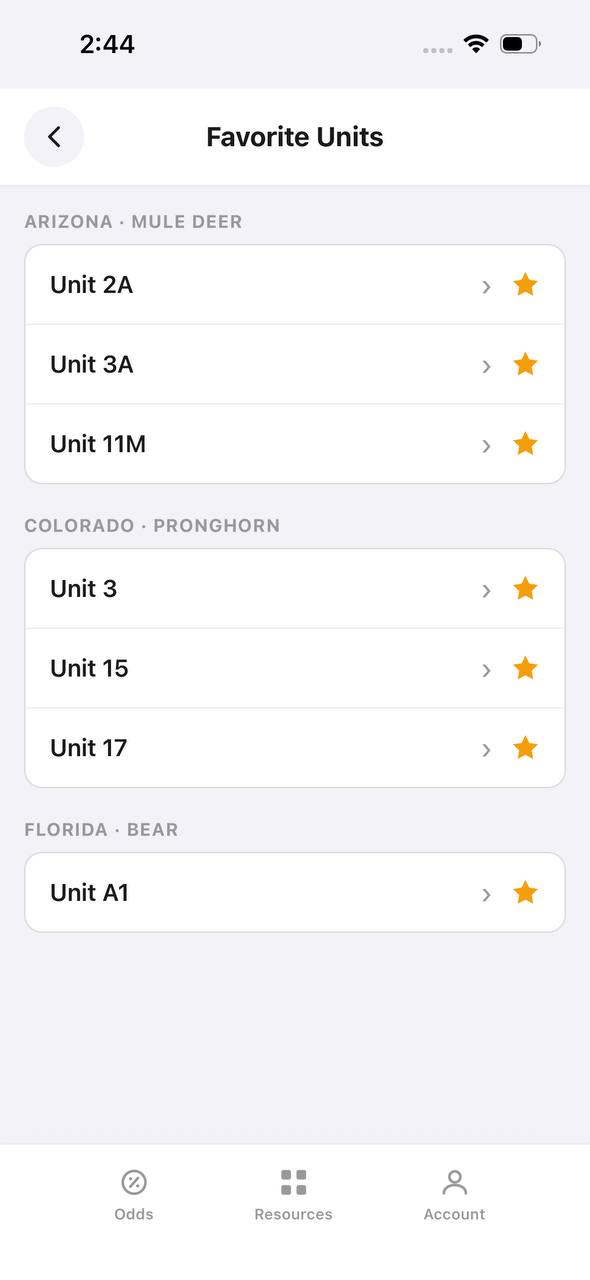
Instead of worrying about fringe equipment, spend your time researching units, tracking point creep, and planning multi-state applications. TAGZ tracks your preference points and bonus points across every western state, so you never miss a draw deadline or waste points on a unit that's out of reach.
FAQ — Harpoons, Bang Sticks, and Snares
Are harpoons legal for big-game hunting in any western state?
No. Harpoons are illegal for deer, elk, pronghorn, and other big game in all western states. They're occasionally legal for specific species like feral hogs or alligators under tightly controlled conditions, but these are rare exceptions.
Can I use a bang stick for hog hunting?
Bang sticks are illegal for big-game hunting in virtually every state. A few states allow them for alligators or feral hogs under specific permits, but you must verify current regulations. Most hog hunts use firearms or archery.
Are snares legal for predator hunting?
Some states allow snares for coyotes and foxes under trapping licenses, but these permits are separate from hunting tags. Snares are illegal for big-game hunting in all western states.
Why are these tools restricted if they work?
They violate fair chase principles. Harpoons require point-blank contact, bang sticks eliminate pursuit, and snares restrain animals without giving them a chance to escape. Modern hunting regulations require methods that test skill and give the animal a fair chance.
What should I use instead for ethical big-game hunting?
Firearms, archery equipment, and muzzleloaders are legal, effective, and humane. Focus on marksmanship, scouting, and unit research rather than fringe equipment.
How does TAGZ help me plan a legal hunt?
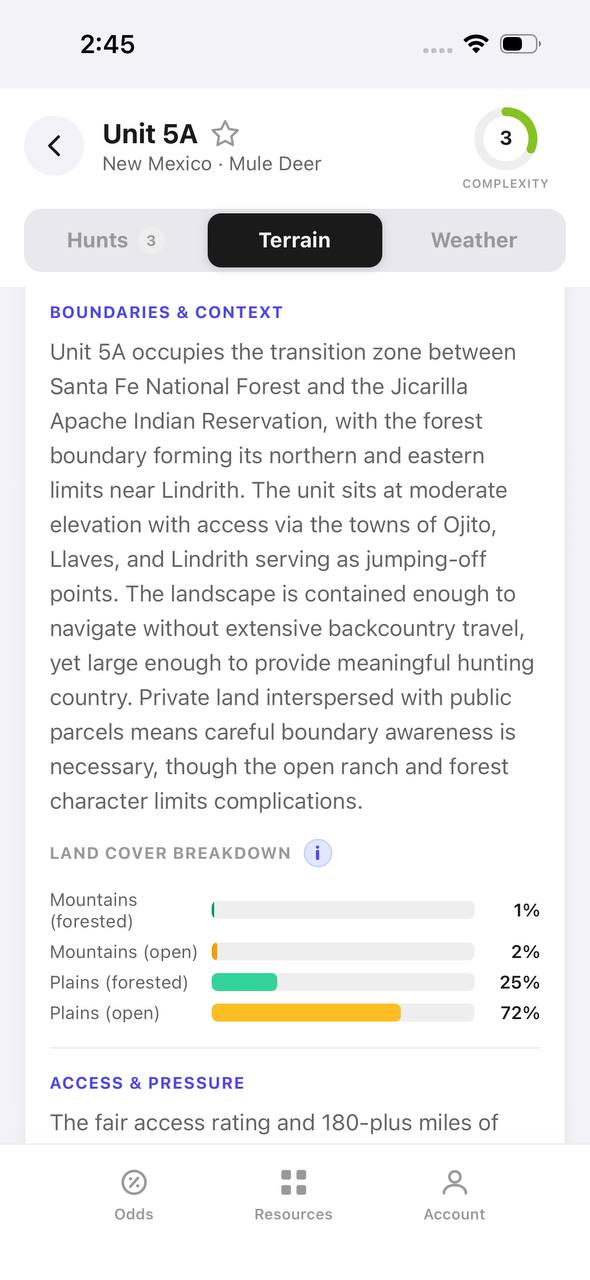
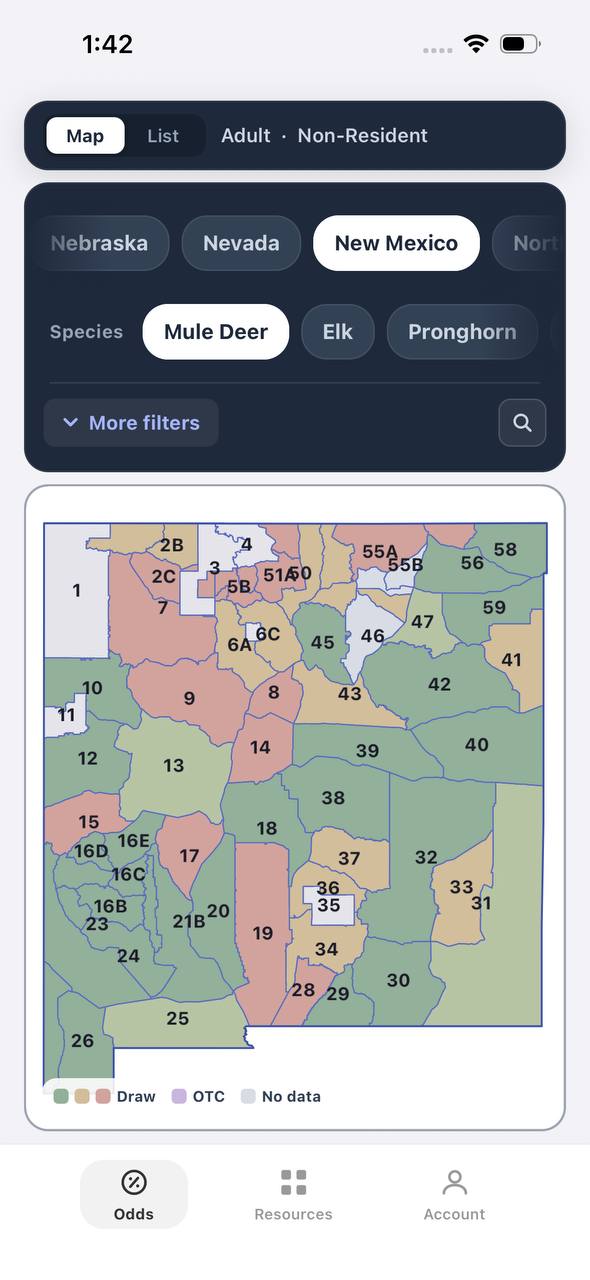
TAGZ filters units by weapon type, season dates, and species so you only see legal opportunities. It tracks preference points, compares draw odds, and shows unit boundaries with terrain maps so you can plan a hunt using conventional methods that maximize your success rate.
Continue Planning Your Hunt
The best hunting strategies focus on preparation, research, and legal methods that improve your skills. TAGZ helps you compare units side by side using terrain maps, unit boundaries, and historical draw data. Track your preference points and bonus points across multiple states so you never miss a draw deadline. Whether you're chasing OTC tags or planning a trophy limited-entry hunt, TAGZ gives you the tools to make smarter decisions before you ever step into the field.
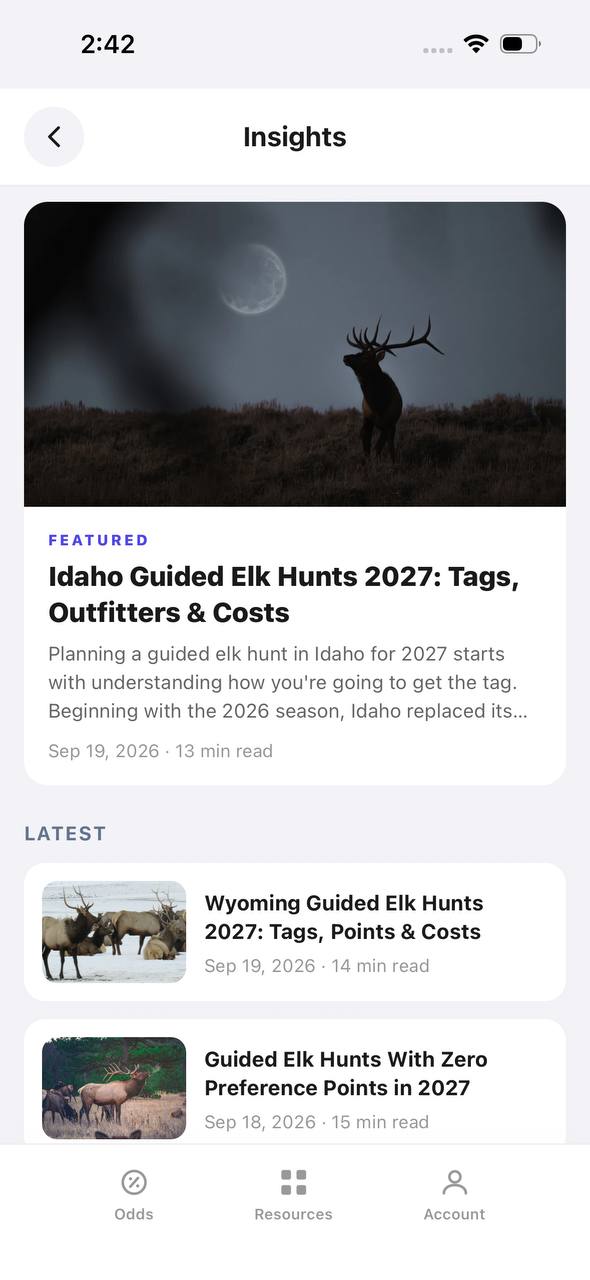
Explore more hunt planning strategies on the TAGZ Insights blog, compare draw odds and units with the TAGZ platform, or review pricing options to start tracking your points and planning your next application season.
Was this article helpful?
Previous
Best Bow Stabilizers for Hunting: Top Picks for 2025
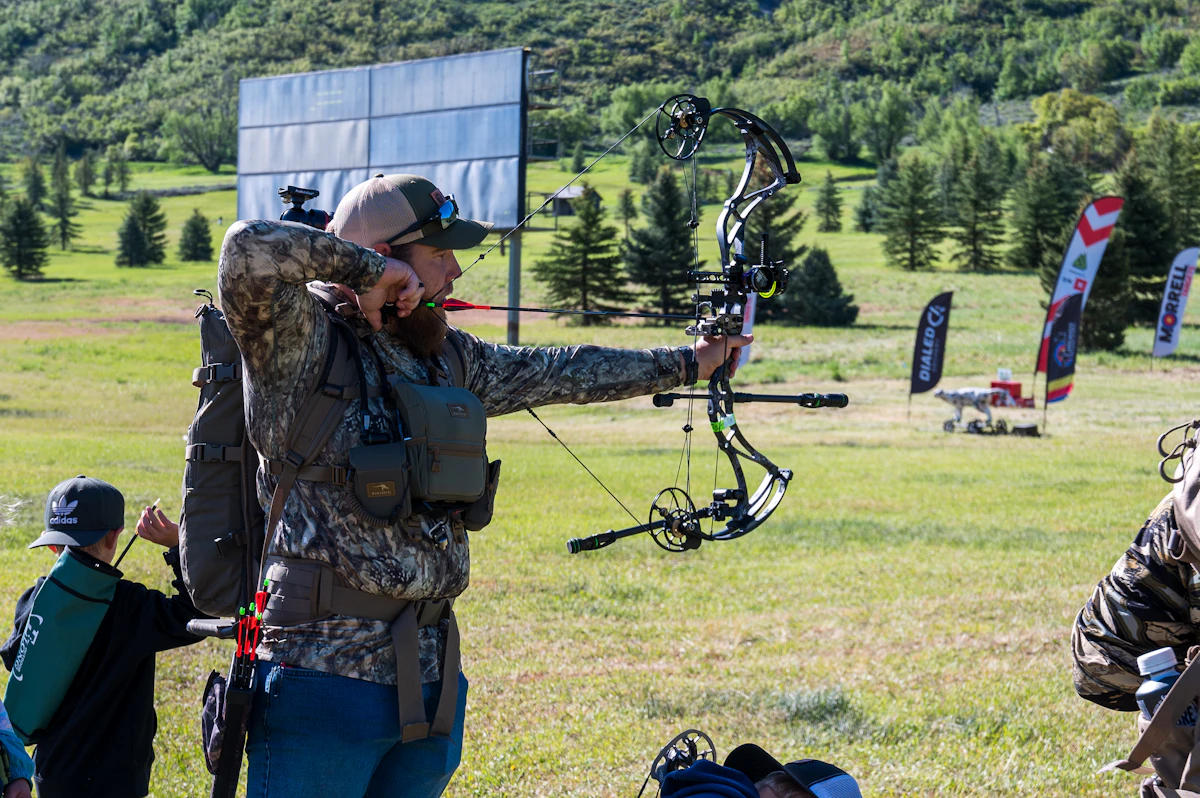
The right bow stabilizer improves accuracy, reduces hand shock, and balances your bow for steadier shooting in the field. We break down the best stabilizers for tree stand hunters, spot-and-stalk pursuits, and backcountry bowhunters who need lightweight reliability.
Related
Best GPS Devices for Western Big Game Hunters in 2026
Modern GPS units have become essential navigation tools for backcountry hunters. From preloaded public land boundaries to real-time tracking, the right device keeps you legal, safe, and oriented in unfamiliar country.
Next
Best Hunting Pants for Every Condition and Style in 2026
Discover the top hunting pants for 2026 that combine durability, comfort, and concealment. Find the perfect pair for your hunting style and terrain.