Spot and Stalk Bear Hunting: Complete 2026 Guide for Western Hunters
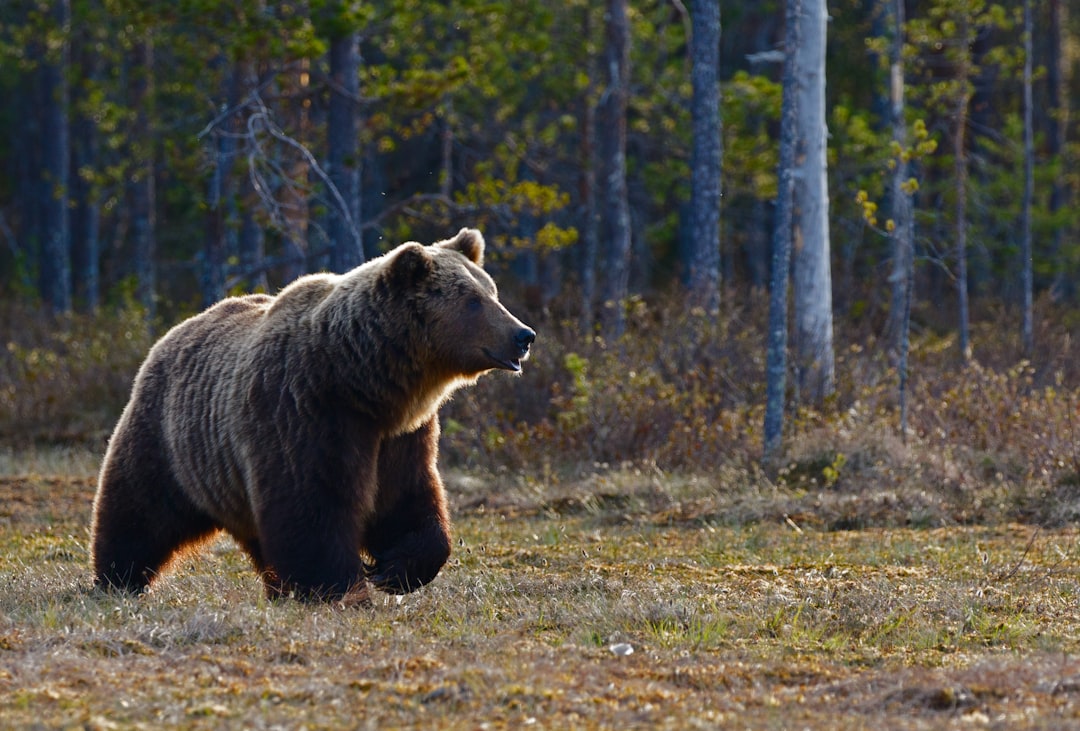
Spot and stalk bear hunting is one of the most rewarding challenges in Western big game. Unlike baiting or hound hunting, spotting requires you to locate bears visually across vast landscapes, then close the distance on your own terms. Success depends on glassing skills, reading terrain, understanding bear behavior during different seasons, and choosing units with good populations and accessible public land. Whether you are planning a spring hunt during the breeding season or targeting fall bears putting on fat before hibernation, the strategies remain consistent: find good glass, cover country systematically, and be ready when opportunity appears.
Why Spot and Stalk is the Premier Bear Method
Spot and stalk hunting lets you hunt bears the way you would hunt elk or mule deer. You glass from vantage points, identify bears feeding or moving, judge size and quality, then plan a stalk based on wind, terrain, and cover. This method works across multiple Western states and gives you complete control over the hunt without relying on bait stations or guides with hounds. It also builds skills that transfer directly to other species.
The downside is the physical demand and time commitment. You might glass for days before spotting a mature boar, and successful stalks require patience, athleticism, and the ability to close distance on an animal with exceptional hearing and smell. But the reward is a self-reliant hunt where you earn every opportunity.
Spring vs. Fall Bear Seasons
Spring bear seasons typically run April through June across most Western states. Bears emerge from dens hungry and target high-protein foods like winter-killed elk and deer, fresh grasses, and emerging vegetation on south-facing slopes. They are active during daylight hours, especially mornings and evenings, making them easier to spot. Fur quality is prime in spring, with thick winter coats still intact. The trade-off is unpredictable weather, snow at higher elevations, and the need to avoid sows with cubs.
Fall bear seasons generally open in late August or September and run through October or November depending on the state. Bears are hyperphagia mode, feeding aggressively on berries, acorns, and other high-calorie foods to build fat reserves. They are often concentrated near food sources, which can make them easier to pattern but also more nocturnal. Fur quality is lower in early fall as bears shed their summer coats, improving as temperatures drop. Fall hunts often overlap with elk or deer seasons, letting you target multiple species on the same trip.
Best States and Units for Spot and Stalk Bears in 2026
Colorado, Montana, Wyoming, Idaho, and Utah offer strong spot and stalk opportunities with accessible public land and healthy bear populations. In Colorado, units in the San Juan and Gunnison regions provide excellent spring glassing on south-facing slopes. Montana's Region 1 and 2 offer black bear OTC tags with vast Flathead and Kootenai National Forest acreage. Wyoming's northwest corner near Yellowstone holds good bear densities, though drawing nonresident tags requires applying through the limited quota system.
Idaho is one of the best values for nonresident bear hunters. OTC tags are available, seasons are long, and the northern Panhandle and central mountains hold dense populations. Utah requires a draw for most bear permits, but success rates are high in limited-entry units like the Book Cliffs and La Sal. Arizona and New Mexico offer spring-only seasons with draw tags, while Washington and Oregon provide OTC options with varying regulations on methods.
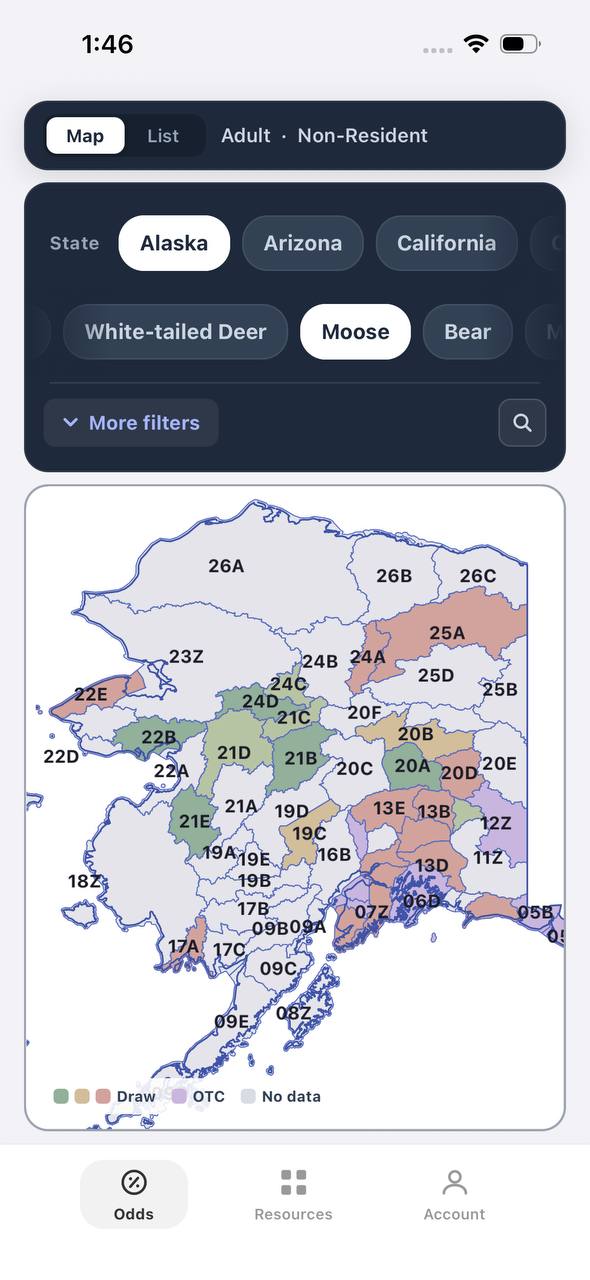
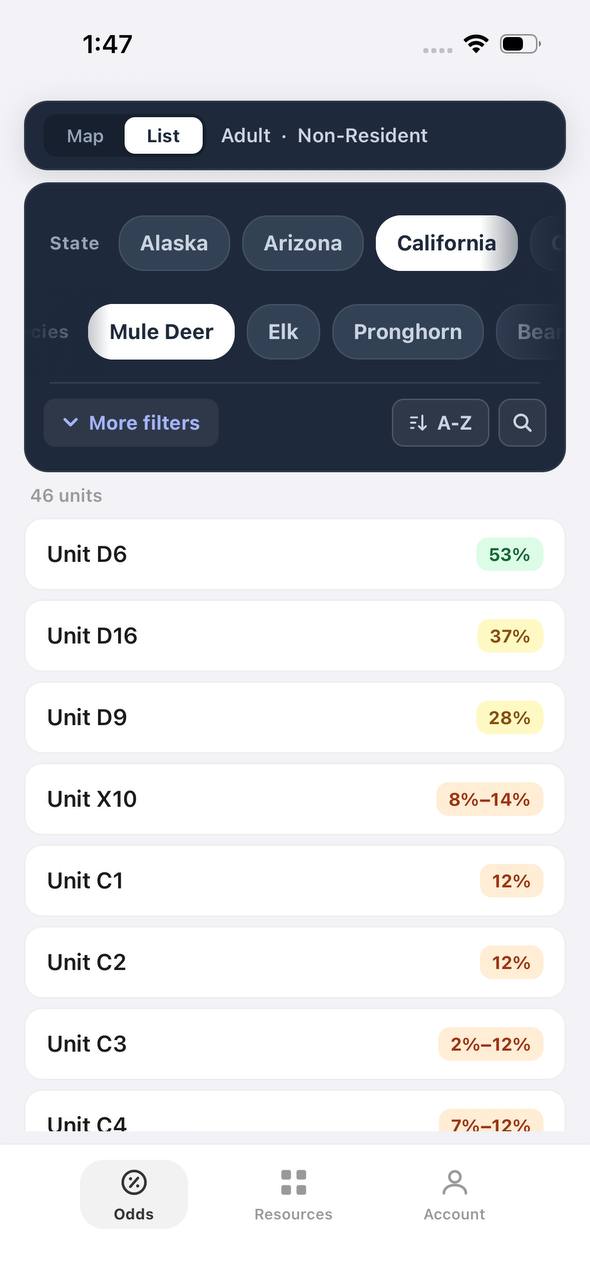
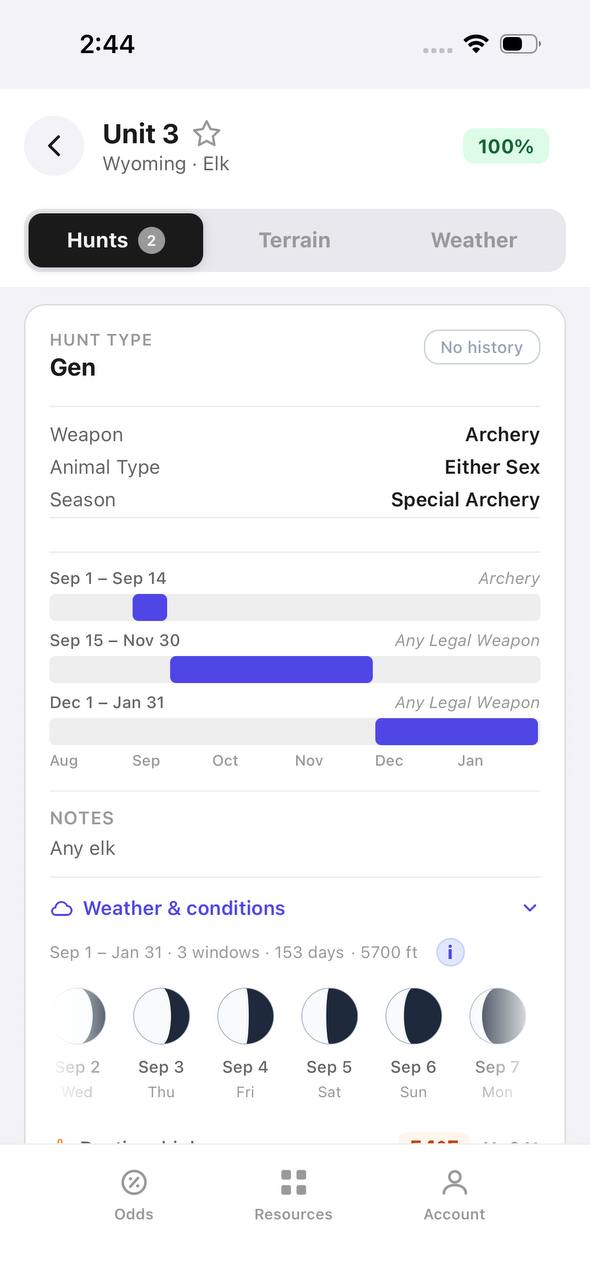
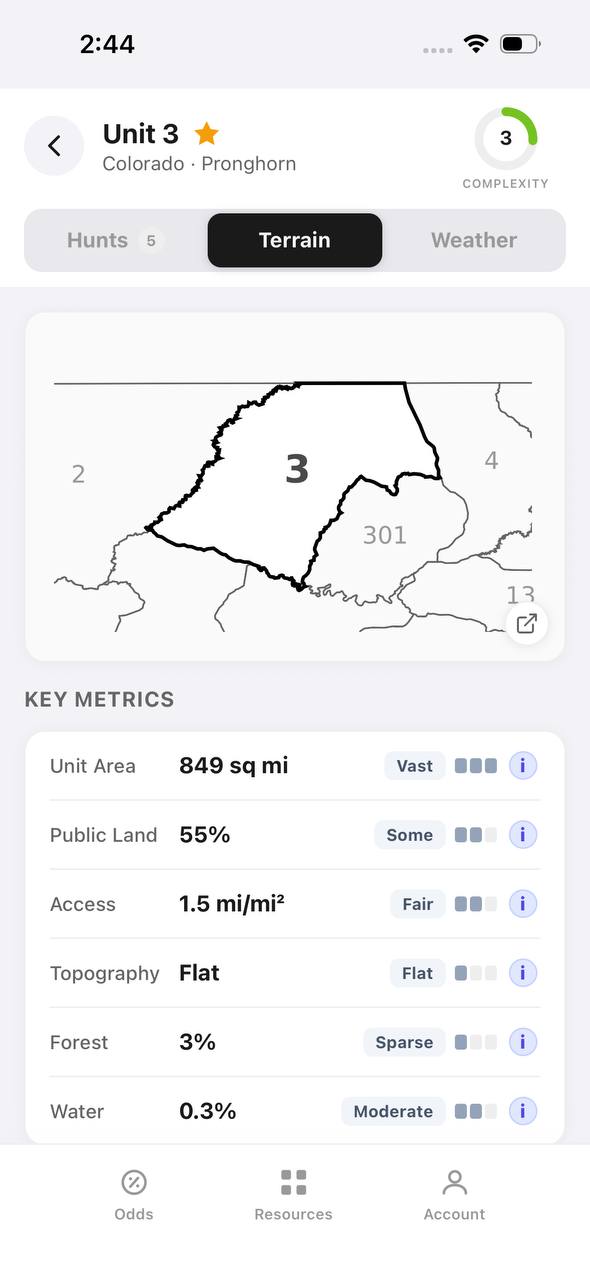
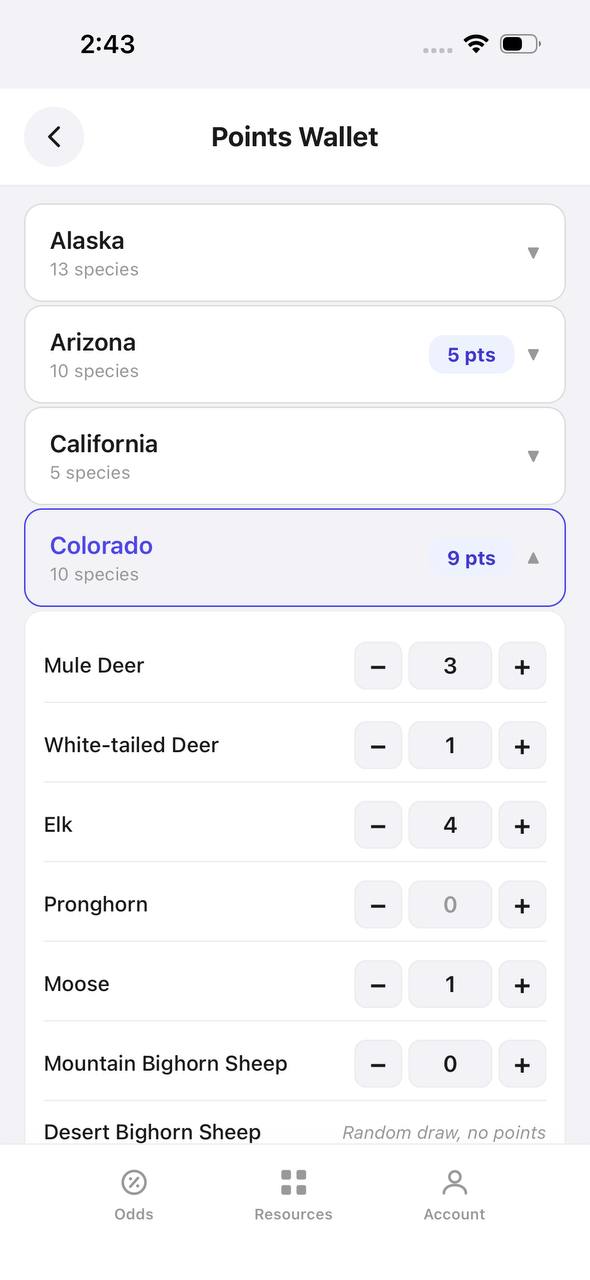
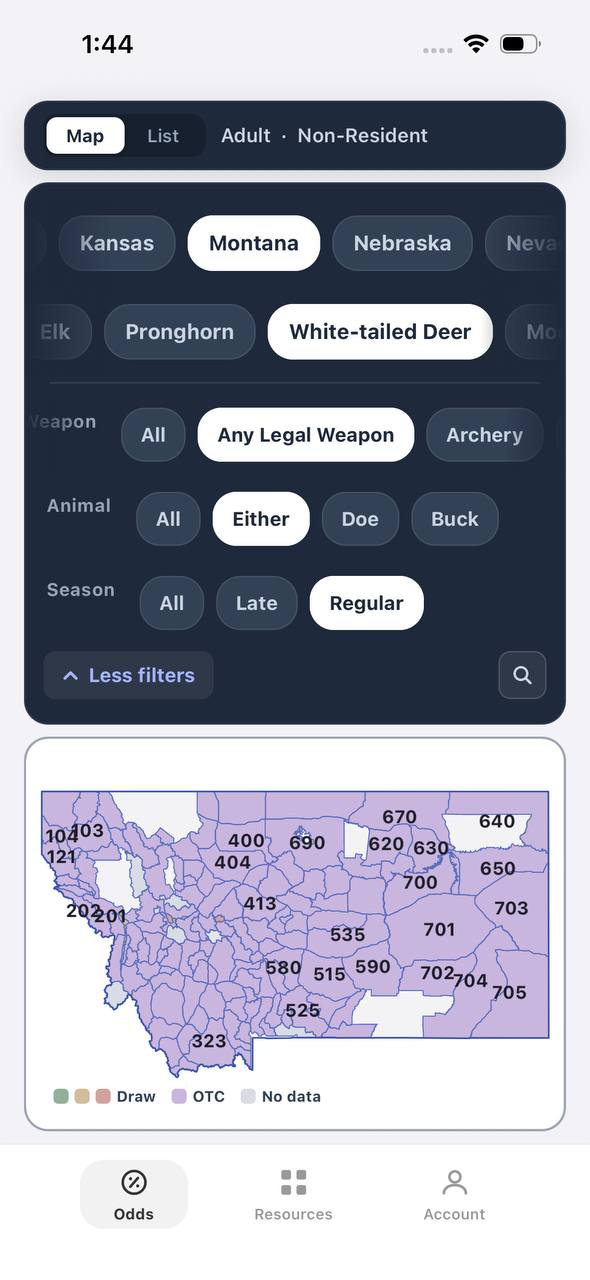
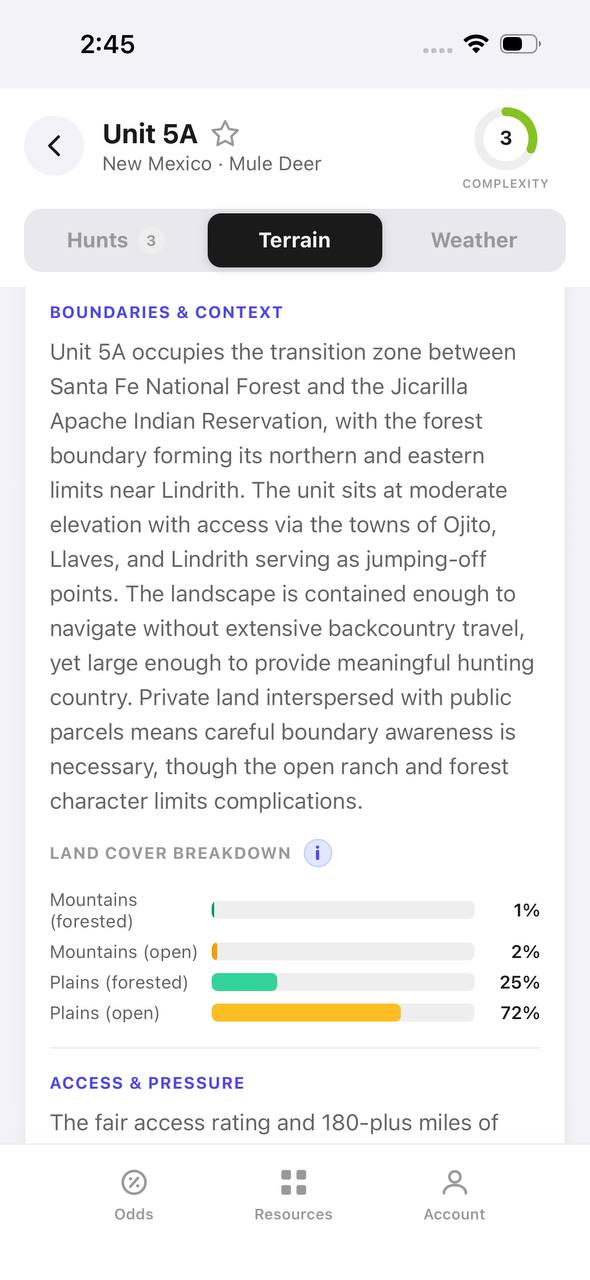
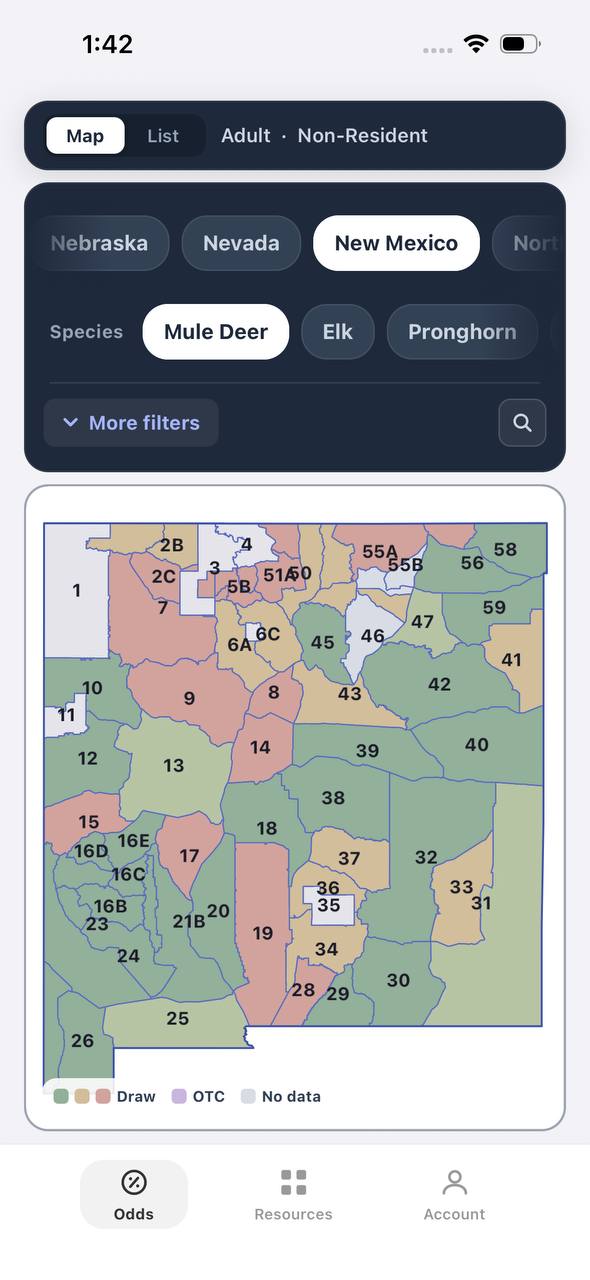
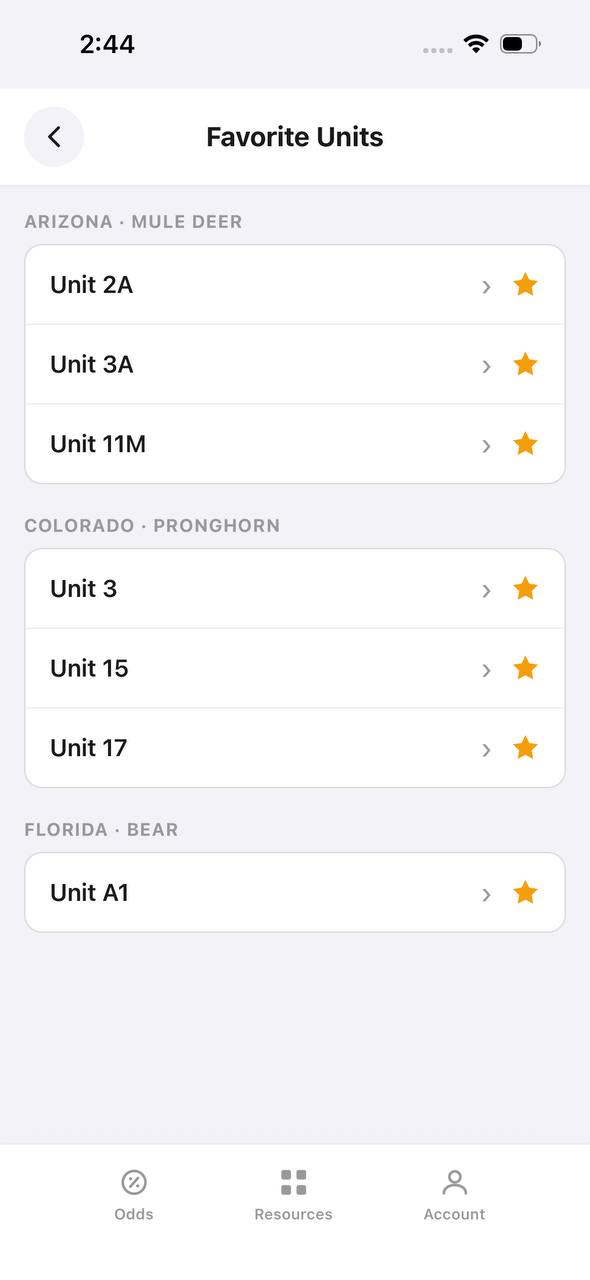
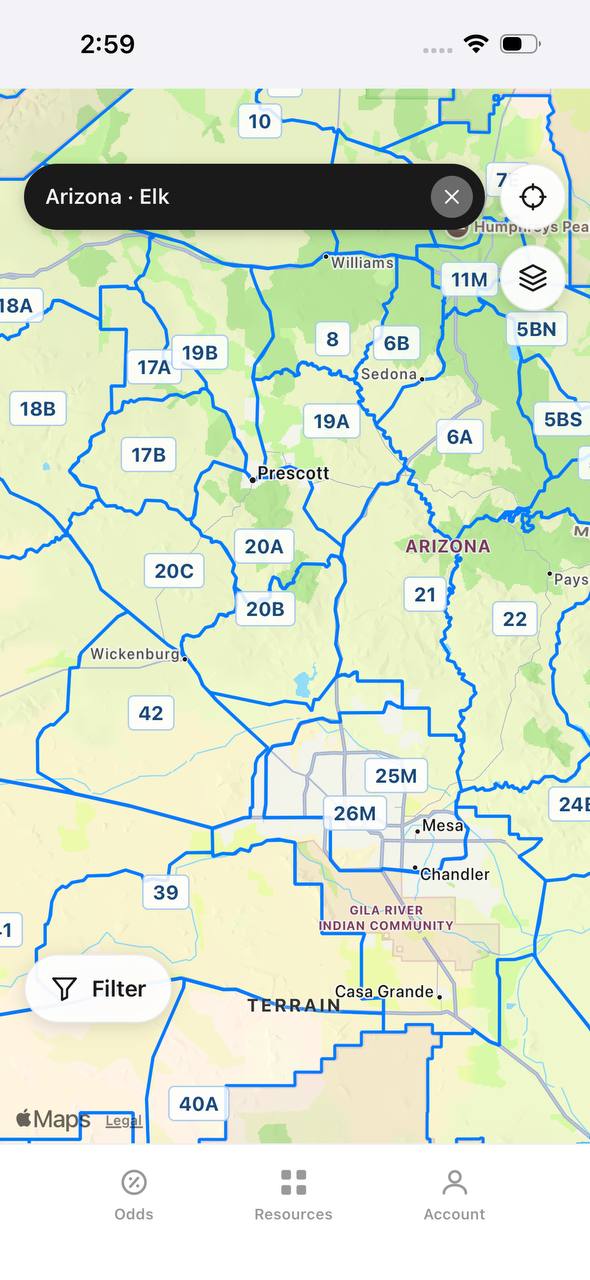
TAGZ helps you compare bear units side by side using terrain maps, unit boundaries, and historical draw data. Track your preference points and bonus points across multiple states so you never miss a draw deadline. Whether you are chasing OTC tags or planning a trophy limited-entry hunt, TAGZ gives you the tools to make smarter decisions before you ever step into the field.
Glassing Tactics and Terrain Selection
Successful spot and stalk bear hunting starts with choosing the right glassing locations. In spring, focus on south and southwest-facing slopes where snow melts first and green-up begins early. Bears concentrate here to feed on fresh grasses and forbs. Look for avalanche chutes, recent burns, and edge habitat where timber meets open meadows. In fall, shift focus to berry patches, oak brush, and mast-producing areas depending on the region.
Set up your optics on high vantage points that let you glass multiple drainages or basins. Use a quality spotting scope on a tripod for distant glassing and binoculars for closer work and scanning. Start glassing at first light and continue through mid-morning, then resume in late afternoon through dark. Bears often bed in thick timber during midday heat, making them nearly impossible to spot until they move to feed.
Glass systematically, breaking the landscape into grids and covering each section thoroughly before moving on. Look for movement first, then color contrast. Black bears are not always black—color phases include brown, cinnamon, blonde, and even white in some regions. Focus on feeding areas, game trails connecting bedding and food sources, and water sources during dry periods.
Free to join
Download mobile app
- Detailed draw odds
- Point tracking
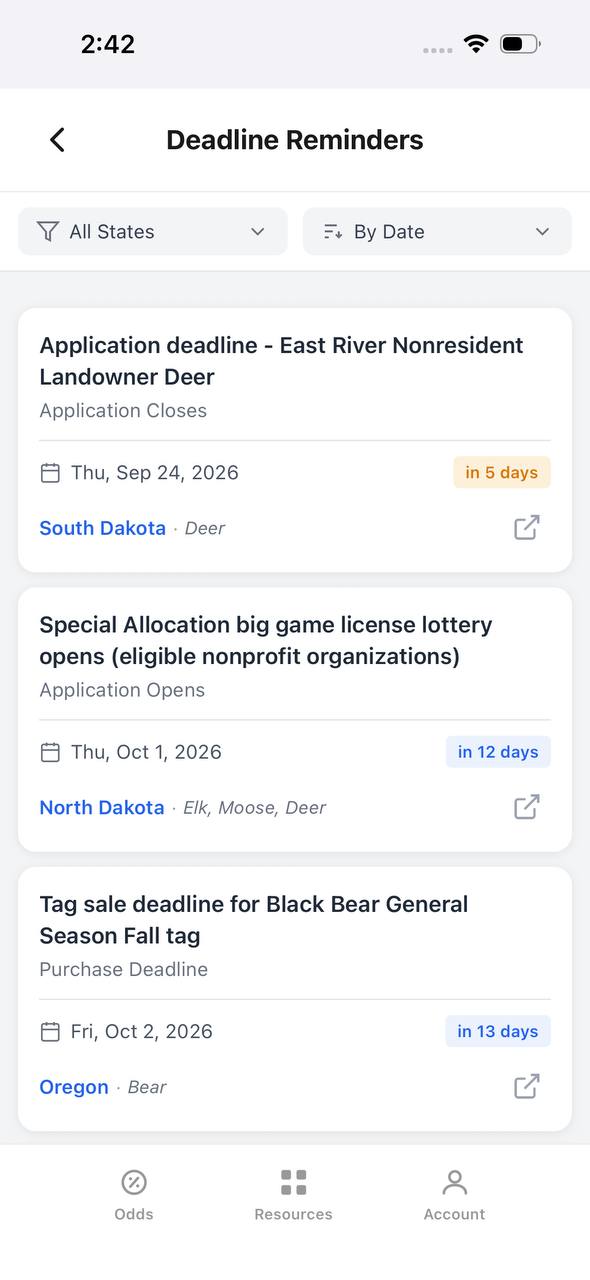
- Deadline reminders
- 18 states covered

Free to join
Download mobile app
- Detailed draw odds
- Point tracking
- Deadline reminders
- 18 states covered
Free to join
Download mobile app
- Detailed draw odds
- Point tracking
- Deadline reminders
- 18 states covered
Stalking and Shot Placement
Once you spot a bear you want to pursue, plan your stalk carefully. Wind is everything. Bears have poor eyesight but exceptional noses and good hearing. Always approach from downwind, even if it means a longer stalk or waiting for wind direction to change. Move slowly and use terrain features like ridges, drainages, and timber to stay out of sight.
Bears often feed in consistent patterns, moving along contours or following trails. If you can predict their direction, you can set up ahead rather than chasing from behind. Patience wins. Wait for the bear to feed into cover or move behind terrain, then close distance quickly and quietly. Ranged stalks are ideal—elk hunters who glass and stalk regularly often transition to bears easily.
Shot placement on bears differs from ungulates. The vital zone is smaller and located farther forward than on deer or elk. Aim for the crease behind the front shoulder, one-third up from the chest floor. Broadside shots are ideal. Avoid quartering-to shots unless you can thread the arrow or bullet through the front shoulder into the chest cavity. Bears are tough and can cover ground quickly even when mortally hit, so good shot placement and tracking skills are critical.
Gear Essentials for Spot and Stalk Bear Hunts
Optics are your most important tool. Invest in quality binoculars in the 10x42 or 12x50 range and a spotting scope with at least 20-60x magnification. Glassing for hours requires comfortable, sharp glass. A solid tripod for your spotter and a binocular adapter or chest harness for your binos make long sessions manageable.
For archery hunters, a 50-pound draw weight or higher is recommended. Fixed-blade broadheads with cut-on-contact designs penetrate heavy bone and muscle better than mechanicals. Practice shooting from unconventional positions—kneeling, sitting, uphill, downhill—since stalks rarely end with a perfect standing shot. Rifle hunters should use controlled-expansion bullets in calibers adequate for the size of bear you expect. A 6.5 Creedmoor or .308 is plenty for black bears, though larger calibers provide more margin.
Layered clothing is essential for spring hunts when temperatures swing from freezing mornings to warm afternoons. Quality rain gear, insulated gloves, and a solid day pack with water, snacks, and field dressing tools round out the essentials. Trekking poles help on steep terrain, and a headlamp with red light preserves night vision during early morning hikes to glassing points.
Draw Strategies and Application Timing
Bear tag draw strategies vary widely by state. Colorado and Montana offer OTC options for residents and nonresidents, making them accessible without applying. Idaho also provides OTC tags with generous seasons. Wyoming requires nonresidents to draw limited quota tags, but with bonus points most applicants draw within one or two years. Utah uses a bonus point system for limited-entry bear permits, with higher point holders seeing better odds but random draws still possible for first-time applicants.
Arizona and New Mexico operate true preference or bonus point systems with competitive draws for spring bear tags. Success rates are lower, and building points over multiple years is common for premium units. Washington and Oregon offer a mix of OTC and draw hunts depending on the Game Management Unit. California prohibits bear hunting, so focus applications on neighboring states instead.
Application deadlines typically fall in late winter or early spring for spring seasons and mid-summer for fall seasons. TAGZ tracks draw deadlines across all Western states and helps you build a multi-state application strategy to maximize your odds of drawing quality bear tags. Whether you are applying for limited-entry trophy units or planning OTC hunts, understanding the draw systems ensures you never miss an opportunity.
Physical Preparation and Conditioning
Spot and stalk bear hunting is physically demanding. You will hike miles to reach glassing points, often at high elevations with significant vertical gain. Stalks can cover steep, brushy terrain quickly, and if you are successful, packing out a bear from remote country is hard work. A mature black bear can weigh 200 to 400 pounds or more, and even quartering the animal leaves heavy loads.
Start conditioning months before your hunt. Focus on cardiovascular endurance through hiking, trail running, or stair climbing with a weighted pack. Build leg and core strength to handle steep ascents and descents. Practice with your weapon from realistic field positions and distances. If you are archery hunting, practice shooting with an elevated heart rate to simulate the physical demand of a stalk.
Mental preparation is equally important. Long days of glassing without seeing bears test patience. Stalks that fail because of wind shifts or unexpected terrain require resilience. Success in spot and stalk hunting comes from persistence, adaptability, and the ability to stay focused even when conditions are tough.
Processing and Utilizing Bear Meat
Bear meat is underrated and delicious when handled properly. The key is fast cooling and careful trimming. Bears carry trichinosis, a parasite killed by cooking to 165 degrees Fahrenheit or freezing at zero degrees for 30 days. Field dress the bear immediately, remove the hide to speed cooling, and quarter the carcass. Pack meat out in game bags and get it into a cooler or refrigerator as soon as possible.
Trim all fat aggressively. Bear fat carries strong flavors that can overpower the meat if left on. The meat itself is dark, rich, and similar to pork or beef depending on the bear's diet. Bears feeding on berries and vegetation taste mild and sweet. Those feeding on carrion or fish can taste stronger. Roasts, stews, sausage, and ground meat are all excellent options. Marinating tougher cuts helps tenderize and adds flavor.
The hide and skull make excellent trophies. Many hunters choose to have the hide tanned as a rug or wall mount. If you want a full mount, cape the bear carefully and consult your taxidermist beforehand for specific instructions. Skull preparation involves boiling or using beetles to clean the bone, then bleaching for a clean euro mount.
FAQ — Spot and Stalk Bear Hunting
What states allow spot and stalk bear hunting in 2026?
Colorado, Montana, Idaho, Wyoming, Utah, Arizona, New Mexico, Washington, Oregon, and Alaska all allow spot and stalk methods. California prohibits bear hunting entirely.
Is spring or fall better for spot and stalk bear hunting?
Spring offers better visibility as bears feed actively on south-facing slopes after emerging from dens. Fall bears are often more nocturnal and focused on high-calorie foods like berries. Both seasons can be productive with the right tactics.
Do I need preference points to draw a bear tag?
It depends on the state. Colorado, Montana, and Idaho offer OTC tags with no draw required. Wyoming, Utah, Arizona, and New Mexico use point systems, but many hunters draw within a few years depending on the unit.
What is the best caliber for spot and stalk bear hunting?
A 6.5 Creedmoor, .308, .30-06, or 7mm Rem Mag all work well for black bears. Use controlled-expansion bullets for deep penetration. Archery setups should have at least 50 pounds of draw weight with fixed-blade broadheads.
How far should I be able to shoot for a bear stalk?
Most successful stalks end at 40 yards or closer for archery and 100 to 300 yards for rifle. Practice at realistic field distances and positions. Closer is always better.
Can I hunt bears on public land in the West?
Yes. National Forests, BLM land, and state trust lands across the West provide millions of acres of accessible bear habitat. TAGZ helps you identify public land boundaries and unit-specific terrain to plan your hunt.
Continue Planning Your Hunt
Ready to start building your 2026 bear hunting strategy? Explore the full library of Western hunting insights on the TAGZ Insights page, where you will find unit breakdowns, draw odds analysis, and species-specific tactics. Create a free account on the TAGZ platform to compare bear units side by side, track your points across states, and never miss another application deadline. Whether you are targeting OTC hunts or trophy limited-entry units, TAGZ gives you the research tools to hunt smarter and maximize your time in the field.
Was this article helpful?
Previous
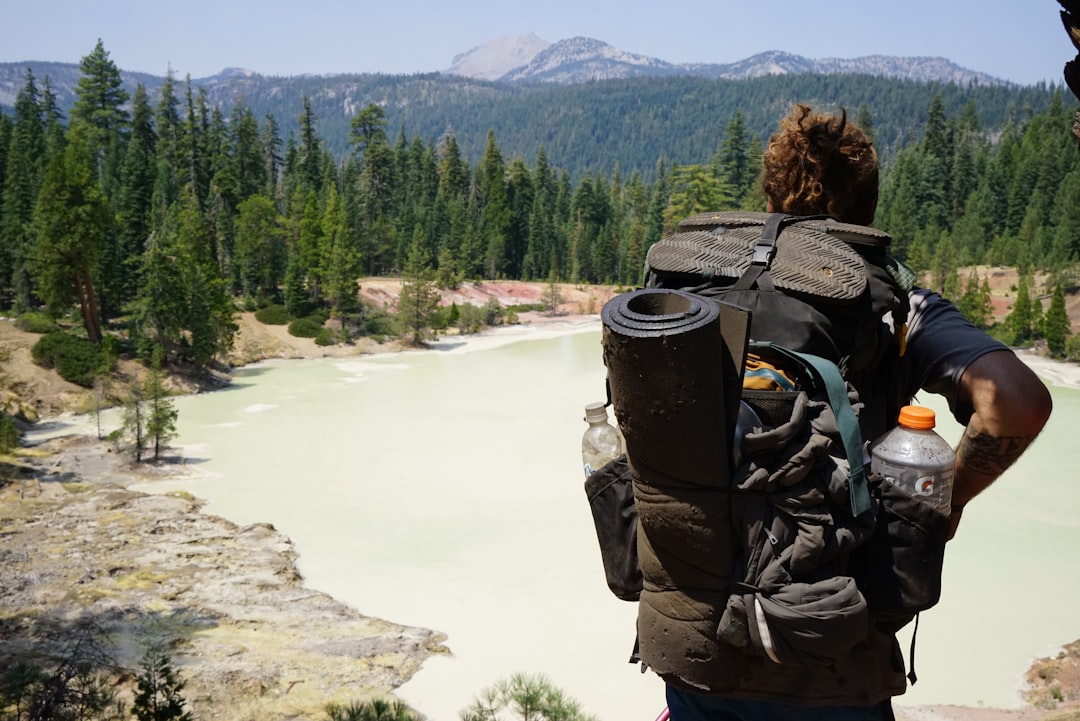
Elk Hunting Backpack Checklist 2026 — Essential Gear for Backcountry Success
A complete elk hunting backpack checklist covering the essentials for multi-day backcountry hunts, from survival gear to meat-care systems. Organized by category so you pack smart and hunt confident.
Related
Ruger American Gen II Review — Worth the Upgrade for Western Hunters?
The Ruger American Gen II brings meaningful improvements to an already proven platform. This review breaks down accuracy, ergonomics, and field performance for elk, mule deer, and pronghorn hunters.
Next
Ultimate Sheep Hunting Guide: Draw Strategy, Scouting, and Field Tactics
North American sheep hunting requires strategic draw applications, intensive scouting, and specialized high-country skills. This comprehensive guide covers bighorn sheep draw odds, physical preparation, glassing techniques, and field tactics for the hunt of a lifetime.