Advertising Bugles Explained: What Elk Are Really Saying
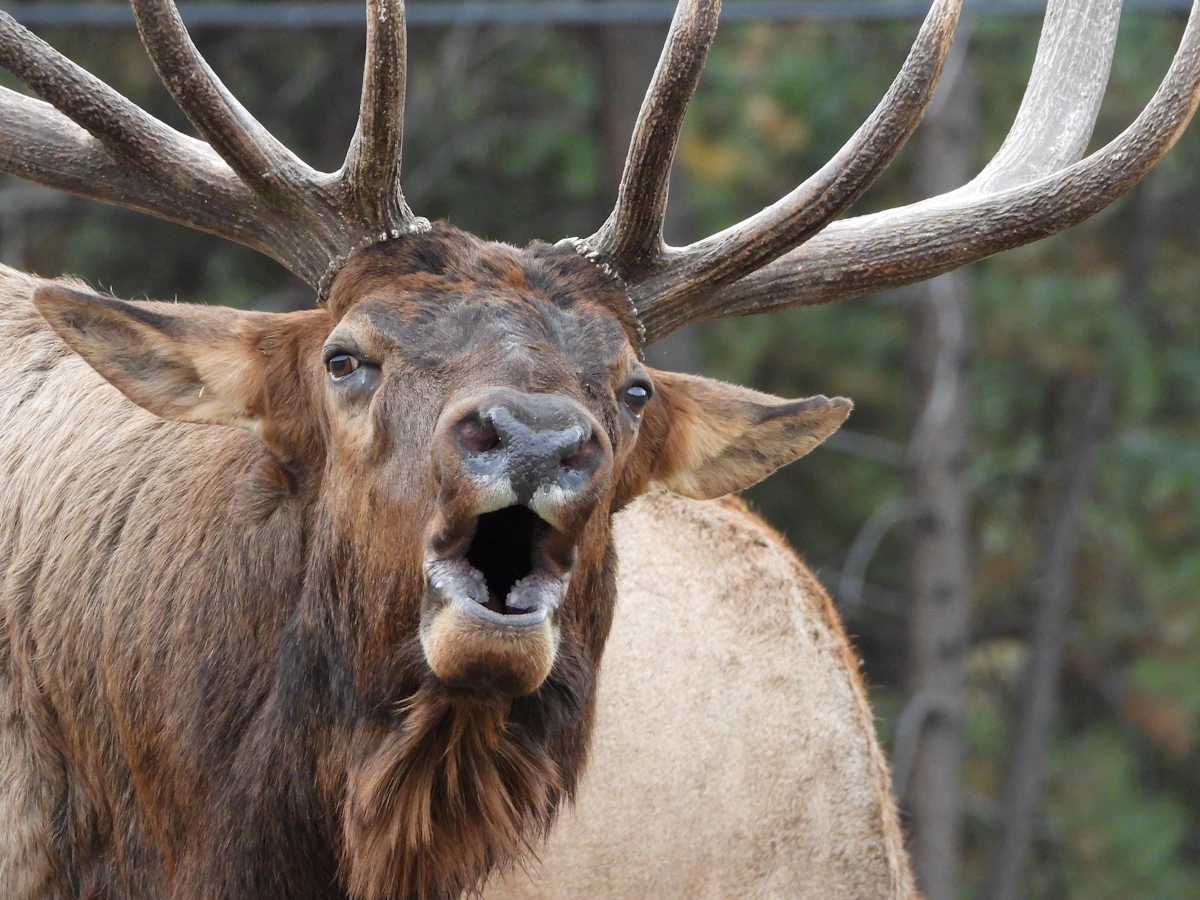
That spine-tingling bugle echoing across a September basin isn't random noise. It's a bull elk broadcasting his presence, fitness, and intentions to every elk within earshot. For hunters, understanding advertising bugles transforms a thrilling sound into actionable intelligence.
What Is an Advertising Bugle?
An advertising bugle is a bull elk's primary long-range vocalization during the rut. Unlike location bugles or challenge bugles, advertising bugles serve as a general broadcast. The bull is announcing himself to cows and rival bulls simultaneously, essentially saying: "I'm here, I'm strong, and this is my territory."
These bugles typically follow a classic structure. They start with a low growl or grunt, rise into the distinctive high-pitched scream, and often finish with a series of grunts or chuckles. Mature bulls with larger body mass produce deeper tones and longer sequences. Younger satellite bulls tend toward higher-pitched, shorter bugles that lack the resonance of a herd bull.
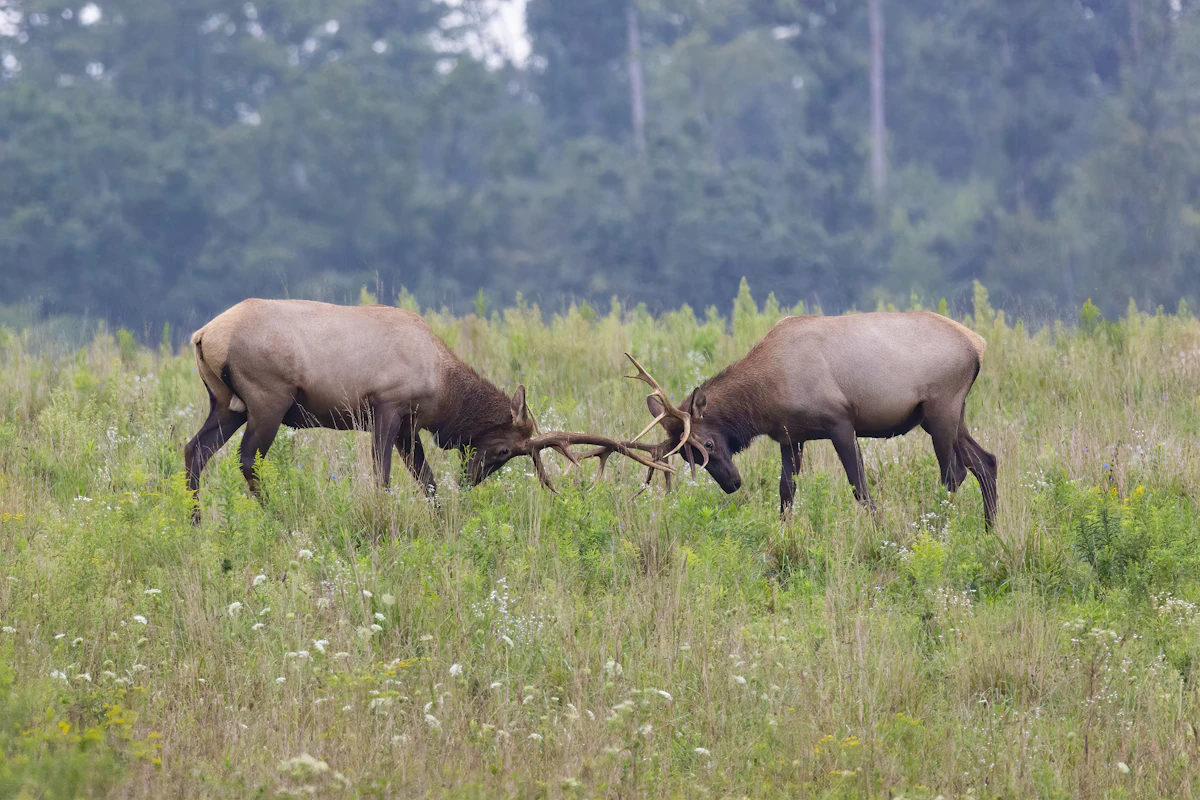
The advertising bugle differs from a challenge bugle in intensity and context. A challenge bugle is directed at a specific rival, often accompanied by aggressive body language. Advertising bugles are more general, fired off while the bull is feeding, moving between bedding and feeding areas, or tending his harem. Think of it as the difference between shouting into a crowded room versus confronting someone directly.
When Bulls Advertise Most
Timing matters. Bulls bugle most heavily during the pre-rut and peak rut, roughly early September through early October in most Western states. During the pre-rut, bulls are establishing dominance hierarchies and searching for receptive cows. Advertising bugles peak during morning and evening hours when elk are most active, though a hot bull will sound off at midday too.
Weather plays a role. Cool, crisp mornings with little wind are prime bugling conditions. Barometric pressure drops before storms can trigger increased vocal activity. Hot afternoons typically quiet things down as bulls conserve energy in thick timber.
As the rut wanes in mid-October, advertising bugles decrease sharply. Bulls become call-shy after weeks of pressure, and cows are mostly bred. Post-rut bulls still vocalize occasionally, but the intensity and frequency drop dramatically. Hunters working late-season archery or early rifle seasons should adjust expectations accordingly.
Reading Information from the Bugle
Experienced hunters extract surprising detail from a single bugle sequence. Pitch and tone indicate maturity. Deep, raspy bugles with extended chuckles suggest a mature bull, often six years or older. Higher-pitched screams without much depth typically come from raghorns or younger bulls.
Bugle frequency tells you about competition and cow presence. A bull bugling every few minutes is likely being challenged or is actively herding cows. A bull that bugles once and goes silent may be alone, call-shy, or moving away. Multiple bulls trading bugles indicates an active drainage worth investigating.
Volume and projection reveal terrain and distance. A bugle that starts loud and trails off was likely aimed away from you. One that builds and sustains volume was directed your way. Sound bounces unpredictably in canyon country, so always triangulate with a second listen before committing to a stalk.
Calling Strategies That Work
Matching your calling to what bulls expect is critical. When a bull fires an advertising bugle, he's not necessarily looking for a fight. Responding with an aggressive challenge bugle can work, but it can also push a smart bull away. A better opening move is often a cow call or a softer location bugle that piques curiosity without triggering retreat.
If you're working a herd bull, patience pays. Let him bugle multiple times to confirm his location and direction of travel. Many hunters blow their setup by calling too soon and revealing their position before they're ready. Once you're within 150 yards, a single cow mew or estrus whine can pull him off his cows to investigate.
For satellite bulls orbiting a herd, aggressive tactics work better. These bulls are eager and often reckless. A challenge bugle followed by raking brush can bring them charging in. Satellite bulls represent some of the best calling opportunities, even though they're often younger.
The TAGZ product suite helps you identify units with higher bull-to-cow ratios, which typically correlates with more vocal activity during the rut. Planning your hunt around draw odds and unit quality sets the stage before you ever hit the trailhead.
Common Mistakes Hunters Make
Over-calling kills more hunts than under-calling. Bulls that hear constant bugling often hang up out of range or circle downwind. If a bull responds once and goes quiet, resist the urge to hammer him with calls. He may be coming in silently, and your next bugle could stop his approach.
Calling from exposed positions is another frequent error. Always set up with shooting lanes established before you make a sound. Bulls often appear faster than expected, especially early in the season before they've been pressured.
Ignoring wind direction dooms even perfect calling sequences. A bull circling downwind will bust you every time. Position yourself so his likely approach keeps your scent blowing away from his path. This often means setting up below ridgelines rather than on top of them.
For hunters new to Western elk, our Insights blog covers everything from unit selection to field tactics that complement your calling strategy.
Pressure Changes Everything
Public-land bulls in popular units learn fast. By the second week of September, heavily hunted bulls often go nearly silent, bugling only at first light or after dark. This doesn't mean they've left. It means your tactics need to shift.
In high-pressure scenarios, focus on cow calling rather than bugling. Soft mews and chirps are less threatening and can pull in bulls that refuse to answer a bugle. Still-hunting through known bedding areas during midday can also produce encounters when bulls are resting and less alert.
Unit selection matters here. The TAGZ draw odds tools help you find units with lower hunter density, which directly impacts how vocal bulls remain through the season. A bull that's never heard a bugle tube is far more likely to charge in than one that's been called to and bumped three times.
Putting It All Together
Advertising bugles are invitations. They tell you where bulls are, roughly how mature they are, and what they're doing. Your job is to interpret that information, close the distance without detection, and present a calling sequence that fits the situation.
Start the season practicing your bugles and cow calls until they're second nature. Record bulls if you can and compare your sounds to theirs. Elk have heard the real thing their whole lives, and they notice when something sounds off.
Most importantly, trust the process. Not every bugle leads to a filled tag, but every encounter teaches you something. The hunters who consistently kill bulls are the ones who've listened to thousands of bugles and learned what each one means.
FAQ — Advertising Bugles
What's the difference between an advertising bugle and a challenge bugle?
Advertising bugles are general broadcasts aimed at cows and rivals alike, while challenge bugles are directed aggressively at a specific bull during a confrontation. Advertising bugles are more common and less intense.
Do cow elk ever bugle?
No. Cow elk vocalize with mews, chirps, and barks, but bugling is exclusively a bull behavior tied to rutting activity and dominance display.
Why did a bull stop bugling after I called back?
He may be approaching silently, may have detected something wrong, or may have simply moved off. Wait at least 15 minutes before calling again or changing position.
When is the best time of day to hear advertising bugles?
The first two hours after dawn and the last hour before dark produce the most vocal activity. Cool, calm mornings are ideal. Midday bugling happens but is less reliable.
Should beginners use a bugle tube or diaphragm call?
Bugle tubes are easier to learn and produce consistent volume. Diaphragm calls allow hands-free calling but require more practice. Many hunters carry both and use tubes for locating, diaphragms for close work.
Is it worth hunting areas where I don't hear bugles?
Yes. Pressured bulls often go silent but remain in the area. Focus on sign like fresh rubs, wallows, and tracks. Cow calling and still-hunting can produce in quiet zones.
Ready to find units where bulls still answer the call? Start your research at TAGZ and build your application strategy around data, not guesswork.
Was this article helpful?
Previous
Calling Elk Post-Rut: Strategies for Late-Season Success
Post-rut elk abandon bugling but still respond to strategic calling. Learn which vocalizations work after the rut, when to stay silent, and how to capitalize on feeding patterns and herd dynamics when bulls have gone quiet.
Next
Challenge Bugles Explained: What Bulls Are Really Saying and How to Respond
Challenge bugles signal a bull elk's willingness to fight for breeding rights. Understanding the context, cadence, and proper response tactics can put aggressive bulls within bow range during the rut.