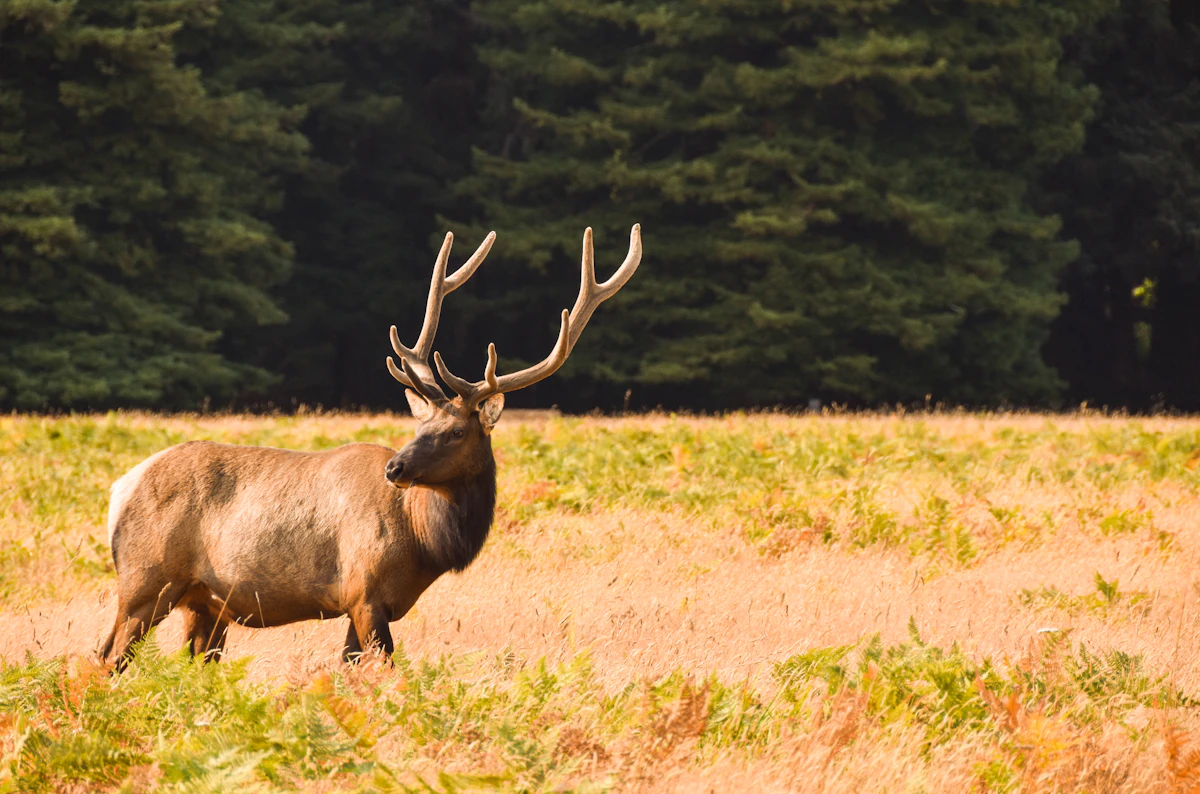
Soft Calling vs Aggressive Calling for Elk: When to Use Each Strategy
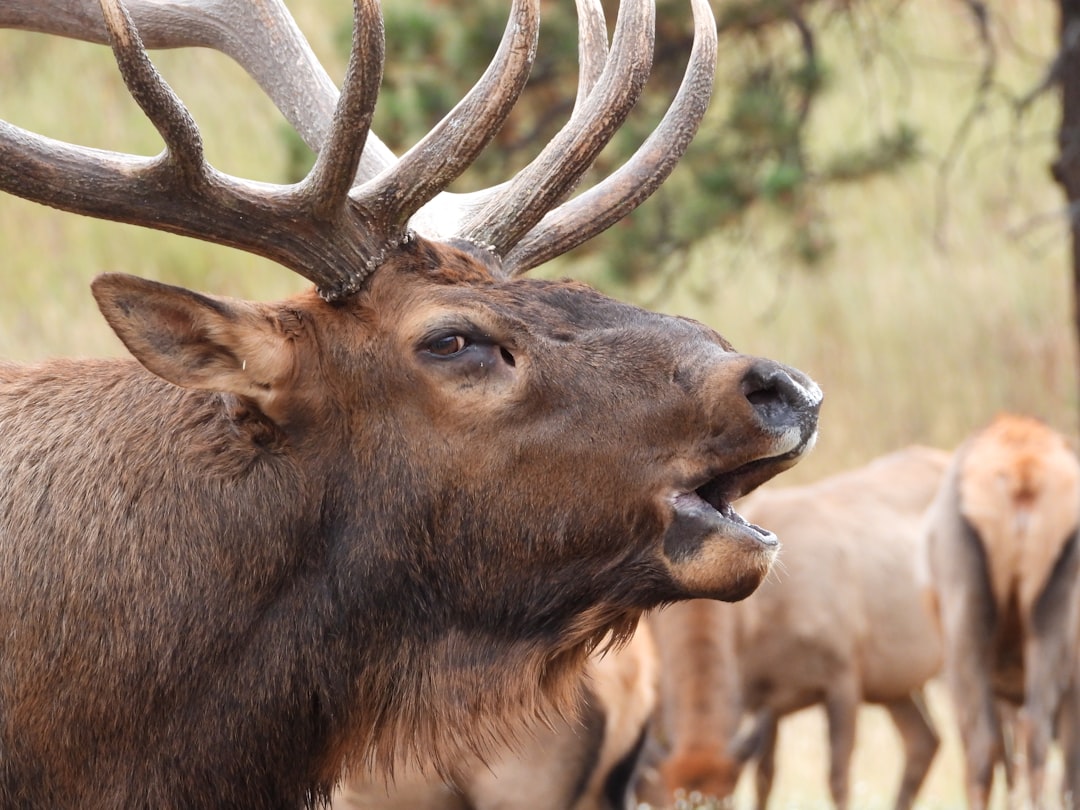
The sound of a bugle echoing across a dark timber ridge gets every elk hunter's blood pumping. But knowing when to answer with aggressive bugles versus soft cow calls separates productive encounters from spooked bulls. The calling strategy that works in one scenario can completely backfire in another, and understanding the difference comes down to reading the situation, the bull, and the hunting pressure.
Understanding Soft Calling for Elk
Soft calling mimics the everyday communication sounds elk make when they feel secure and relaxed. This approach uses quiet cow calls, light mews, and occasional soft chirps that suggest contentment rather than alarm or challenge. The volume stays conversational, barely audible beyond 100 yards in timber.
Soft calling works exceptionally well on pressured public land where bulls have heard every aggressive sequence in the playbook. A mature bull that has survived multiple seasons learns to associate loud bugles with danger. Presenting yourself as a lone cow or small group of feeding cows removes the threat.
This strategy excels during three specific windows: early September before bulls are fired up, mid-rut when herd bulls are locked down with cows, and late season when exhausted bulls avoid confrontation. In each scenario, the bull either isn't aggressive yet, is already committed to his herd, or is too worn out to fight. Soft calling offers an opportunity without demanding a response he's unwilling to give.
When to Deploy Aggressive Calling
Aggressive calling announces your presence as a rival bull looking for a fight or attempting to steal cows. This means loud bugles, raking trees and brush, and following up with aggressive chuckles that suggest confidence and dominance. The goal is to trigger a territorial response or lure a satellite bull away from the herd.
This approach shines during the peak rut, roughly mid-September through early October in most Western states, when testosterone drives bulls to defend their cows aggressively. A mature herd bull will often charge straight toward aggressive calling if he believes another bull is challenging his dominance.
Aggressive calling also works on bulls that are already fired up and bugling on their own. If you locate a vocal bull at first light, matching his energy often keeps him engaged and moving in your direction. Satellite bulls orbiting a herd are particularly susceptible because they want to steal cows but lack the confidence to challenge the herd bull directly. Your aggressive calling gives them a target they believe they can dominate.
The risk is overcalling or calling to bulls that have been pressured. On heavily hunted units, aggressive sequences can send educated bulls in the opposite direction. Once a bull associates bugles with hunters rather than rival elk, aggressive calling becomes a liability.
Reading the Situation and Adjusting
Successful elk hunters treat calling as a conversation, not a script. Start soft unless the bull is already bugling aggressively. A few soft cow calls let you gauge his mood without committing to a strategy. If he responds with interest, stay soft and draw him in. If he bugles aggressively or cuts you off, match his energy.
Pay attention to whether the bull is alone or with cows. A lone bull, especially a young satellite, often responds better to soft cow calls because he's looking for company, not a fight. A herd bull surrounded by cows may ignore soft calling entirely because he already has what he wants. Aggressive calling suggests a threat to his herd and can pull him away.
Hunting pressure changes everything. On opening weekend of archery season in Colorado or Idaho, bulls often respond to aggressive calling because they haven't been conditioned to avoid it yet. By the second or third week, those same bulls may only respond to soft, patient calling sequences that sound like real elk rather than hunters.
Wind, terrain, and distance also dictate your approach. If you're calling across a canyon or open park, aggressive bugles carry farther and cut through ambient noise. In thick timber at close range, soft calling prevents spooking bulls that might be within 50 yards without you realizing it.
Common Mistakes with Both Strategies
The biggest mistake with soft calling is giving up too soon. Soft sequences require patience because you're waiting for curiosity rather than aggression to bring the bull in. Hunters often switch to aggressive calling after 10 minutes of silence, which can blow the setup if a bull was already sneaking in quietly.
With aggressive calling, overcalling destroys more setups than anything else. Constant bugles sound unnatural because real bulls don't bugle nonstop. Once you get a response, shut up and let the bull close the distance. If he stops responding, wait 15 to 20 minutes before calling again. Silence creates doubt and curiosity, which often pulls a hesitant bull the final distance.
Another common error is using the wrong call for the situation. Aggressive bugles work when a bull is alone or with just a few cows, but if he has a harem of 15 or 20, he's unlikely to leave them. Soft calling works better because it suggests an opportunity to add another cow without risking his current herd.
Hunters also misjudge vocal bulls. A bull that bugles every few minutes isn't necessarily aggressive or willing to come to a call. He may be announcing his location to keep his cows together or warning other bulls to stay away. Reading his tone, frequency, and movement pattern helps determine whether soft or aggressive calling will work.
How TAGZ Helps You Plan Better Elk Hunts
Choosing the right calling strategy matters most when you're hunting quality units during the right phase of the rut. TAGZ gives you the tools to identify which units have the best draw odds for peak rut dates and lowest hunting pressure. You can filter hunts by weapon type, season dates, and terrain to find areas where your calling strategies are most likely to work.
The platform tracks your preference points and bonus points across multiple states, so you know exactly when to apply for premium limited-entry units versus hunting general or over-the-counter tags. Unit maps and terrain breakdowns show you where bulls are likely to be during different phases of September, helping you position yourself in the right drainage at the right time.
Public land information and draw deadline tracking ensure you never miss an application window. Whether you're chasing Colorado OTC elk or waiting to draw a premium Montana or Wyoming tag, TAGZ simplifies the decision-making process so you spend more time hunting and less time researching.
FAQ — Soft Calling vs Aggressive Calling for Elk
When should I use soft calling instead of aggressive calling?
Use soft calling on pressured bulls, during early or late season when bulls aren't aggressive, or when targeting herd bulls that are locked down with cows. Soft calling works best when you want to draw in a bull without triggering his alarm response.
Does aggressive calling work on public land?
Yes, but timing matters. Aggressive calling works best during the first few days of a season or on less-pressured units. By the second or third week of archery season, bulls on heavily hunted public land often avoid aggressive sequences.
How long should I wait between calling sequences?
Wait at least 15 to 20 minutes between sequences, especially with aggressive calling. Overcalling sounds unnatural and educates bulls quickly. Silence creates curiosity and often pulls hesitant bulls the final distance.
Can I switch from soft calling to aggressive calling mid-setup?
Yes, but read the bull's response first. If he answers your soft calling with aggressive bugles, match his energy. If he stays quiet, stick with soft calling and give him time to sneak in. Switching strategies too quickly can spook bulls.
What's the biggest mistake hunters make with elk calling?
Overcalling. Whether soft or aggressive, calling too often sounds unnatural and educates bulls. Once you get a response, be patient and let the bull close the distance on his terms.
Do satellite bulls respond better to soft or aggressive calling?
Satellite bulls often respond to both, but soft cow calls work better if they're already nervous around the herd bull. Aggressive calling can work if the satellite is confident and looking for a fight, but soft calling usually draws them in with less risk of spooking them.
How does hunting pressure change my calling strategy?
Heavy pressure teaches bulls to avoid aggressive calling because they associate it with hunters. On pressured units, soft calling and long periods of silence work better. On low-pressure units or early in the season, aggressive calling still triggers territorial responses.
Should I call differently in timber versus open country?
Yes. In thick timber, soft calling prevents spooking bulls at close range. In open parks or across canyons, aggressive bugles carry farther and get a bull's attention from a distance. Adjust your volume and intensity based on terrain and visibility.
Continue Planning Your Hunt
Building a successful elk hunting strategy starts with choosing the right unit and season. TAGZ helps you compare draw odds, track your points, and identify the best hunts across multiple states. Explore the TAGZ platform to filter units by season dates, terrain, and public land access, or visit our pricing page to see which plan fits your hunting goals. For more expert strategies and insights, check out the full library of articles on the TAGZ Insights blog.
Was this article helpful?
Previous
Calling Satellite Bull Elk: How to Target Second-Tier Bulls During the Rut
Satellite bulls circle the edges of herd bull territories during the rut, offering bowhunters accessible opportunities without the pressure of competing with dominant bulls. Learn how to identify, locate, and call in these overlooked elk for consistent September success.
Next
The Biggest Mistakes DIY Elk Hunters Make (And How to Avoid Them)
DIY elk hunters often fail because of poor unit selection, inadequate physical preparation, and unrealistic expectations. Learn the most common mistakes that sabotage elk hunts and how to avoid them before your next application.