Single Bevel vs Double Bevel Broadheads: Which One Should You Choose?
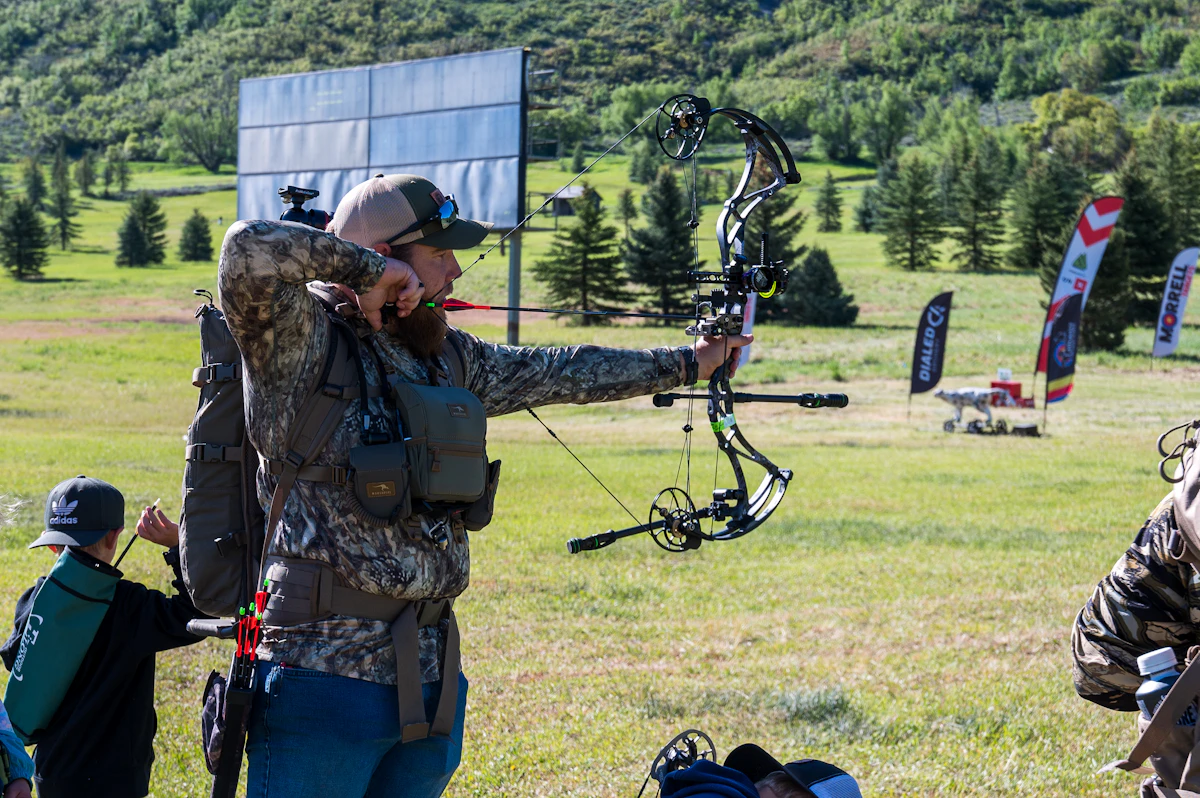
Walk into any archery shop and you will hear strong opinions about single bevel versus double bevel broadheads. Some hunters swear single bevels punch through shoulder blades like paper. Others argue double bevels fly better and kill just as effectively. The truth is both designs work, but they excel in different situations.
The choice between single and double bevel broadheads comes down to how you hunt, what species you chase, and how much time you invest in arrow tuning. Single bevels require more setup work but offer advantages on angled shots and heavy bone. Double bevels tune faster and perform predictably across a wider range of setups.
How Single Bevel Broadheads Work
Single bevel broadheads feature a blade ground on one side only, creating an asymmetrical edge. This design causes the broadhead to rotate as it penetrates tissue and bone. The rotation generates what advocates call a "bone-splitting" effect rather than trying to punch straight through.
The rotational force helps the broadhead find gaps between ribs and work around dense bone structures. On quartering shots where the arrow meets the shoulder blade at an angle, single bevels can slide along bone and penetrate rather than deflecting off course.
Most single bevel designs use thick, cut-on-contact blades made from high-carbon steel. The heavier construction adds weight forward in the arrow, which increases momentum but requires careful spine tuning. Weights typically range from 125 to 300 grains.
Double Bevel Broadhead Design
Double bevel broadheads feature symmetrical grinds on both sides of each blade, creating a centered edge. This balanced design flies similar to field points and requires less tuning effort. The straight-line penetration works well for broadside and slightly quartering shots.
Double bevels include both replaceable blade and cut-on-contact fixed blade models. Replaceable blade heads like Rage and Grim Reaper mechanicals offer massive cutting diameters but rely on perfect shot placement. Fixed blade double bevels like Muzzy and Slick Trick provide durability and consistent performance across different shot angles.
The symmetrical design produces less wind planing in flight, which helps maintain accuracy at longer distances. Hunters shooting 40 yards and beyond often prefer double bevels for this reason. Tuning typically involves basic paper tuning and broadhead-to-field-point matching.
Flight Characteristics and Tuning
Single bevels demand precise arrow setup. The asymmetrical blade design makes them more sensitive to poor arrow flight. Even slight nock or rest issues that you might not notice with field points show up immediately when you screw on a single bevel head.
You need stiff spine, proper FOC (front of center weight), and clean arrow flight before single bevels will group consistently. Many single bevel shooters run 150-grain or heavier heads with matched inserts to push FOC above 15 percent. This setup hits hard but requires you to retune every time you change components.
Double bevels forgive more setup mistakes. The balanced blade design flies closer to field points even with average arrow builds. Most hunters can shoot double bevels accurately with standard 100-grain heads and basic tuning. This makes them the better choice if you switch between multiple bows or change setups frequently.
Both designs require sharp blades and proper shot placement. A dull single bevel will not split bone any better than a dull double bevel. Keep replacement blades or a quality sharpener in your pack.
Bone Performance and Penetration
Single bevels excel on heavy bone contact. The rotation helps them work through scapulas, ribs, and leg bones rather than stopping or deflecting. Hunters chasing elk, moose, and big-bodied mule deer in timber often choose single bevels specifically for their bone-splitting reputation.
The rotational penetration means single bevels can succeed on quartering-to shots that would challenge other head designs. If you hunt thick cover where broadside shots are rare, single bevels give you more margin on angled presentations.
Double bevels penetrate well on broadside and quartering-away shots where you avoid heavy bone. The straight-line cutting path produces large wound channels and quick blood loss when you hit vitals cleanly. The key is shot selection—double bevels work best when you can slip between ribs.
Mechanical double bevels open massive entrance and exit holes but sacrifice some penetration for cutting diameter. They work well on whitetails and pronghorn but struggle on elk-sized animals when bone contact happens. Fixed blade double bevels like Montec or Magnus Stinger push through better but cut smaller holes.
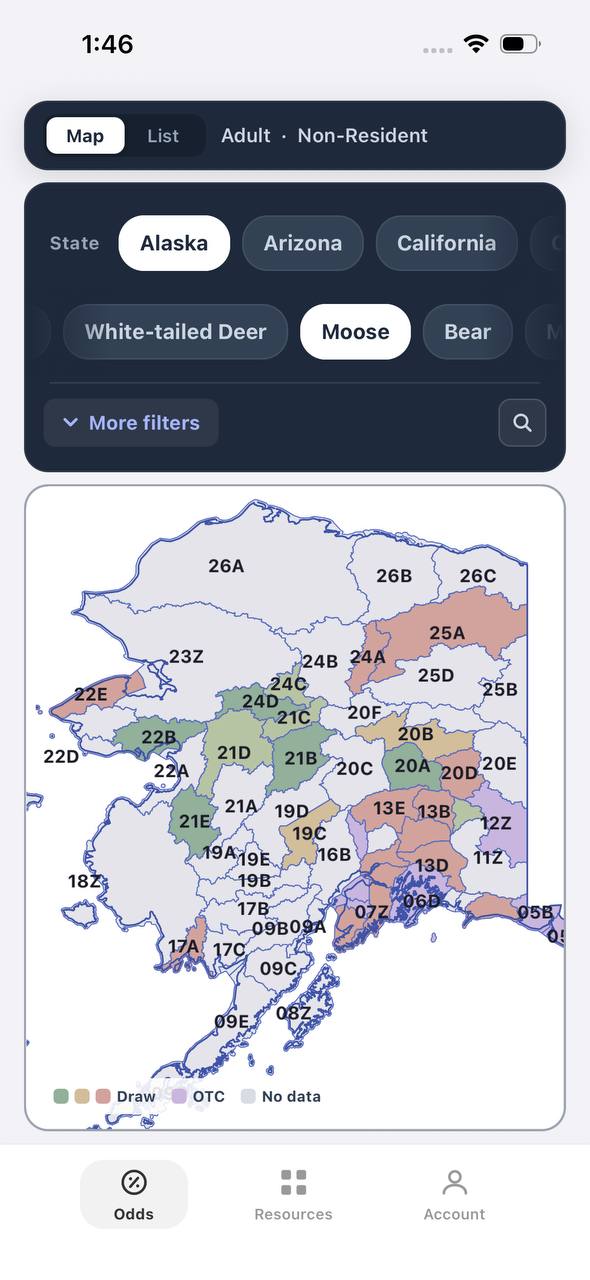
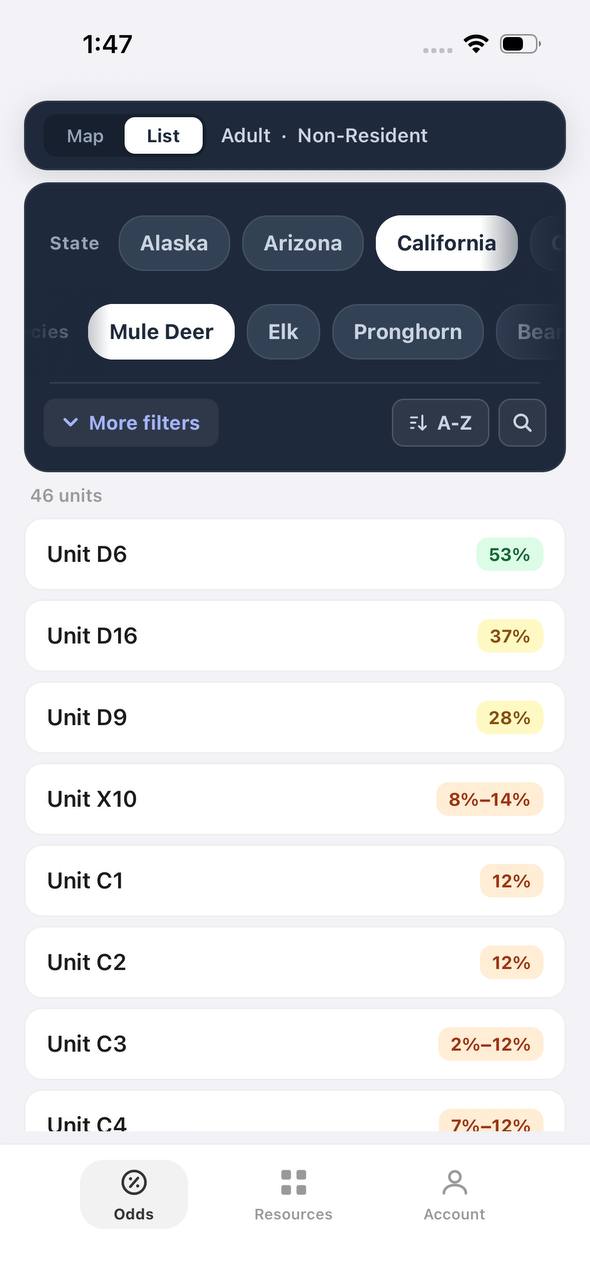
Free to join
Download mobile app
- Detailed draw odds
- Point tracking
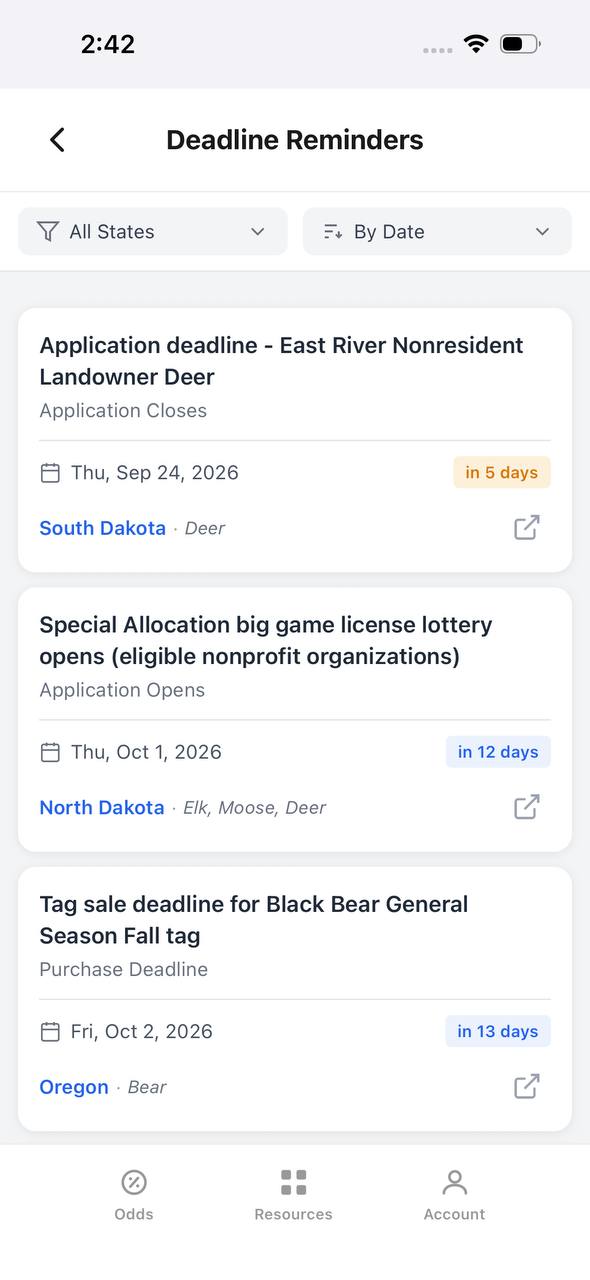
- Deadline reminders
- 18 states covered

Free to join
Download mobile app
- Detailed draw odds
- Point tracking
- Deadline reminders
- 18 states covered

Free to join
Download mobile app
- Detailed draw odds
- Point tracking
- Deadline reminders
- 18 states covered

Arrow Setup Requirements
Single bevels work best with heavy, stiff arrows. A 500-grain arrow with 18 percent FOC carries enough momentum to drive a single bevel through an elk shoulder. Lighter setups under 450 grains total weight may not provide the mass needed to maximize single bevel performance.
You also need right-wing or left-wing fletching matched to your broadhead rotation. Right bevel heads require right-wing helical fletching. Left bevel needs left-wing. Mixing them creates flight problems. This matters when you buy arrows—make sure your fletching matches your broadhead choice before you order.
Double bevels work across a wider arrow weight range. You can shoot them effectively from 400 grains up to 600-plus grains. The symmetrical design does not demand specific fletching orientation, which simplifies arrow building. Standard 3-fletch or 4-fletch configurations both work fine.
If you already have arrows built and do not want to refletch or rebuild, double bevels offer plug-and-play simplicity. Screw them on, tune to field points, and go hunt.
Cost and Availability
Double bevel broadheads cost less and offer more variety. You can find quality fixed blade double bevels for under $40 per three-pack. Mechanicals range from $35 to $50 for three heads. Replacement blades cost $10 to $20.
Single bevels typically run $50 to $70 for a three-pack, with some premium models pushing $80 or more. The thicker, heavier construction and specialized grinding increase manufacturing costs. Replacement blades and sharpening services add to the long-term expense.
Most archery shops stock dozens of double bevel options but may only carry one or two single bevel models. If you hunt remote areas or travel for western hunts, finding replacement single bevels on short notice can be difficult. Double bevels are available everywhere.
Which Design Fits Your Hunting
Choose single bevels if you hunt elk and moose in thick timber, take quartering shots regularly, or want maximum bone-breaking performance. They reward shooters who invest time in arrow tuning and setup. Single bevels make the most sense for spot-and-stalk hunters who get close and need penetration on less-than-perfect shot angles.
Double bevels fit hunters who prioritize shot placement over extreme penetration. If you hunt from treestands, wait for broadside shots, and prefer simpler arrow setups, double bevels deliver reliable performance. They work well for multiple species and hunting styles without requiring specialized tuning.
Whitetail hunters shooting from stands rarely need the bone-splitting power of single bevels. Most shots are broadside or quartering away at 30 yards or less. A quality fixed blade double bevel like a Slick Trick or Muzzy will pass completely through and leave a blood trail you can follow in the dark.
Western elk hunters face tougher decisions. If you hunt wallows and timber during September, single bevels give you options on close-range quartering shots. If you hunt open parks and meadows where you can be selective, double bevels work fine and fly better at 40-plus yards.
TAGZ Helps You Plan Western Hunts
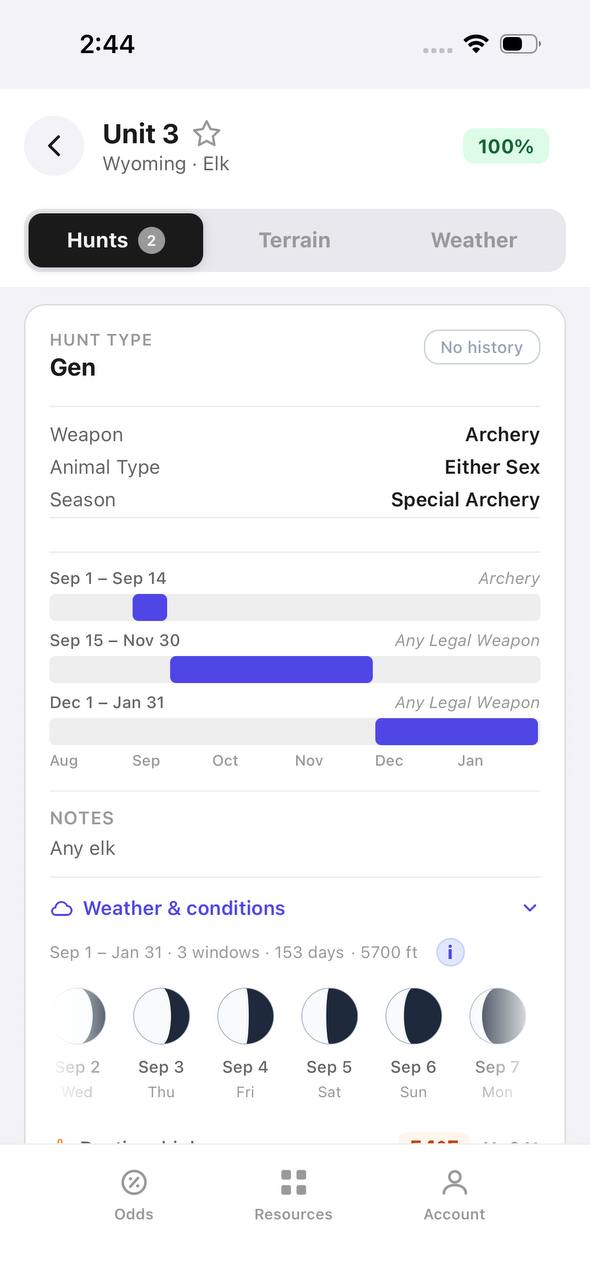
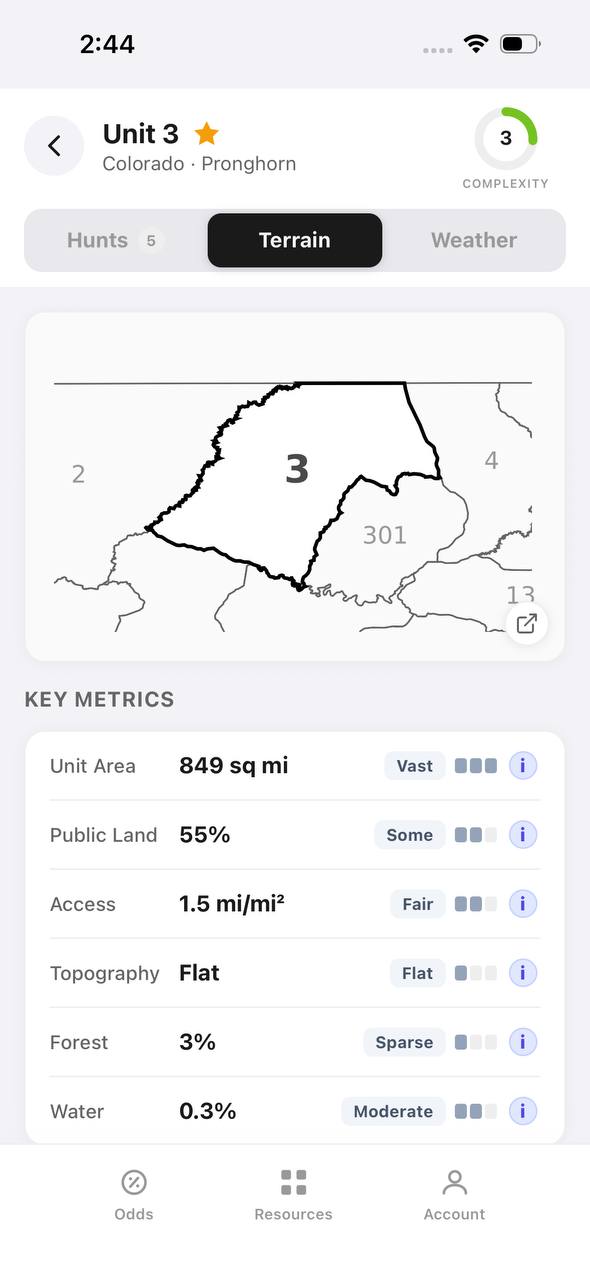
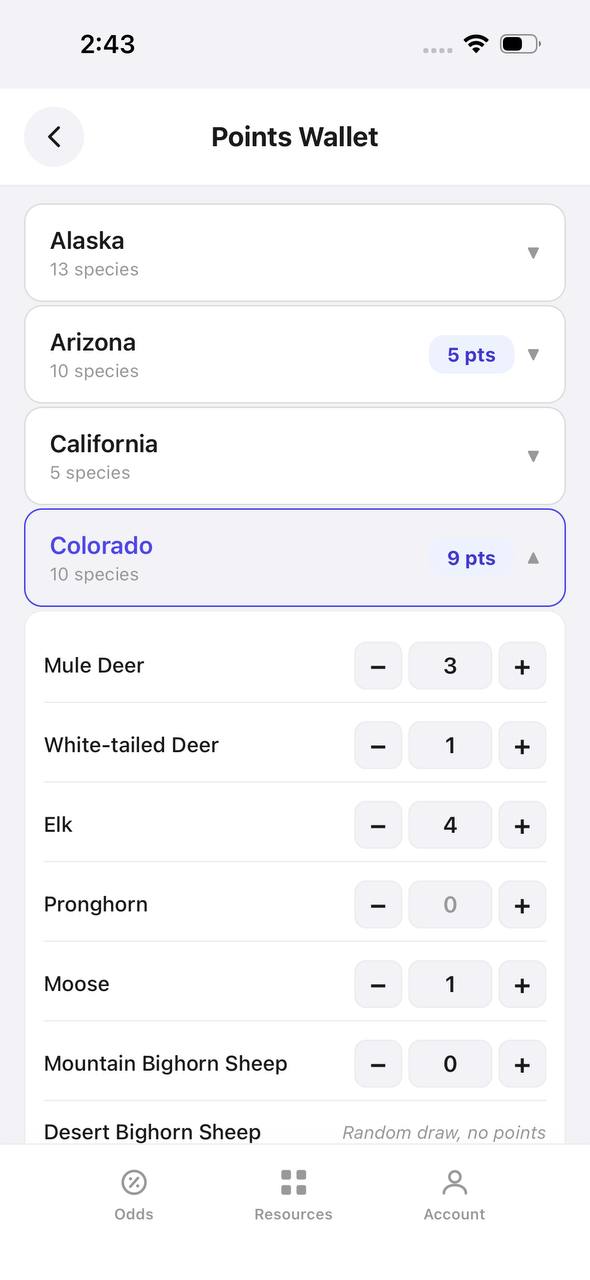
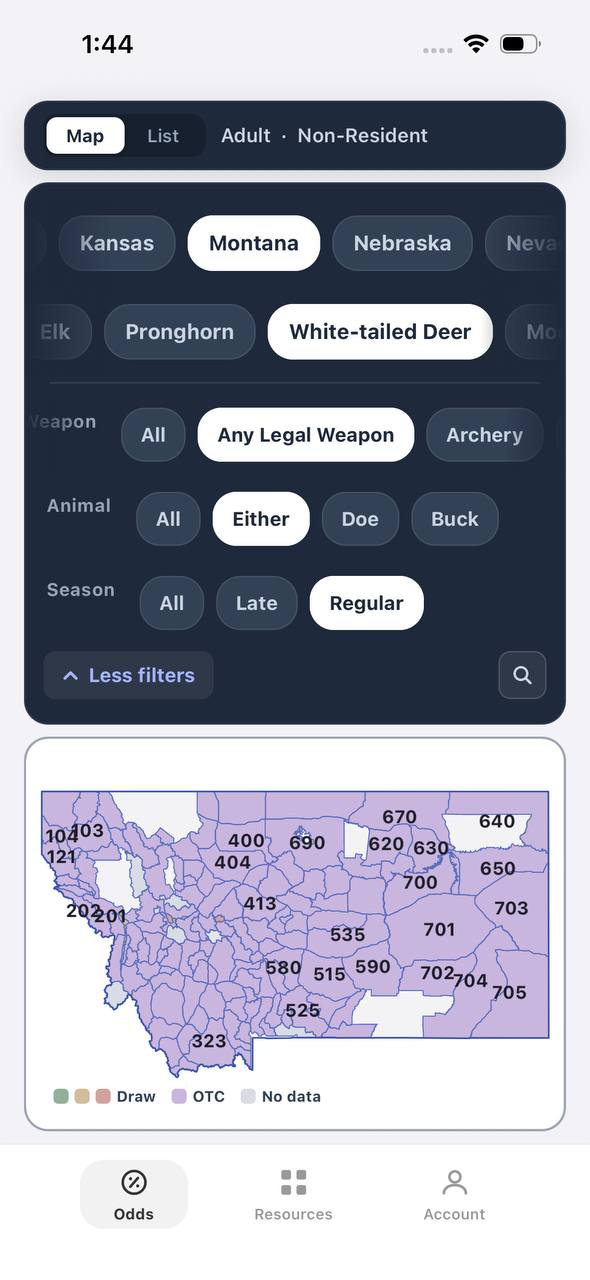
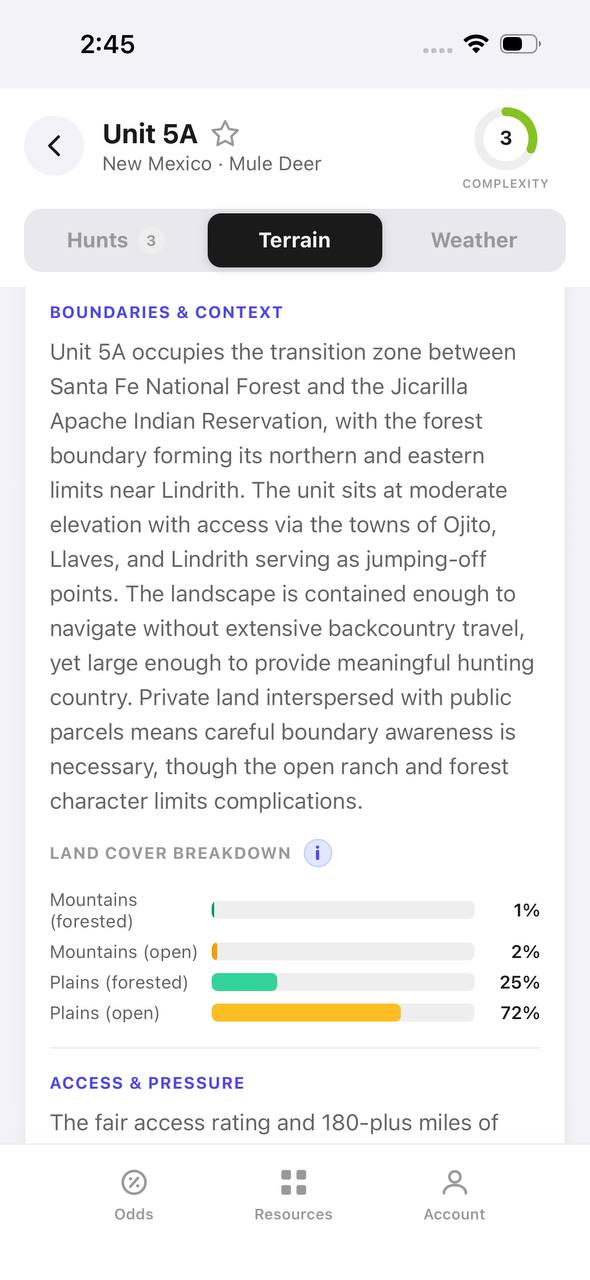
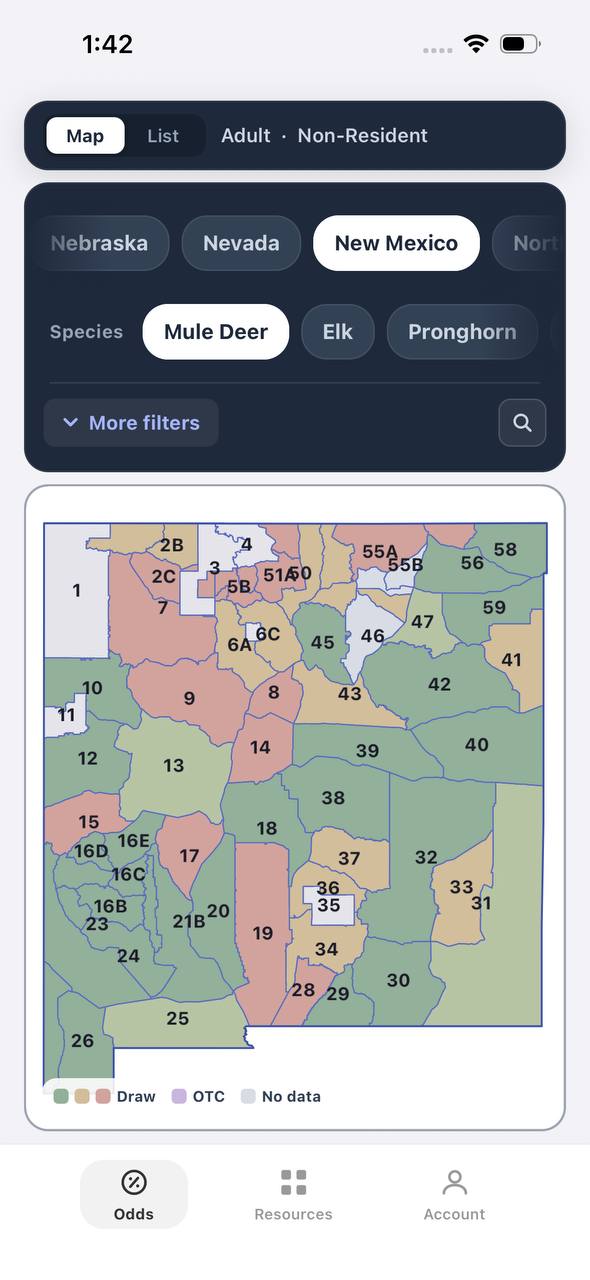
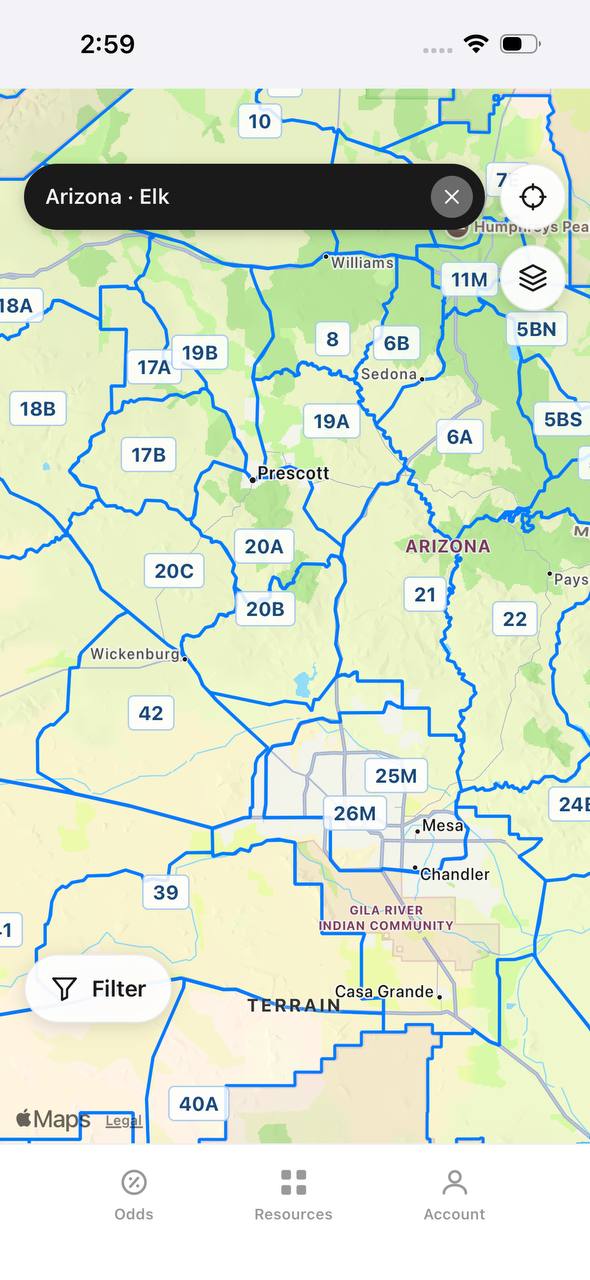
Choosing broadheads is just one piece of planning a western hunt. TAGZ helps you compare units side by side using terrain maps, unit boundaries, and historical draw data. Track your preference points and bonus points across multiple states so you never miss a draw deadline.
Whether you are chasing OTC tags or planning a trophy limited-entry hunt, TAGZ gives you the tools to make smarter decisions before you ever step into the field. Filter hunts by weapon type, season dates, and species to find opportunities that match your gear and schedule.
Real-World Testing Matters
Do not trust marketing claims or internet arguments. Buy a few heads of each design and test them yourself. Shoot both single and double bevels into foam targets, then through plywood or old phone books to see how they penetrate.
Practice shooting from your treestand or ground blind at the angles you will see during hunting season. If you hunt elk in dark timber, set up 3D targets in thick cover and take 20-yard quartering shots. You will learn quickly which broadhead design you trust.
Sharp blades matter more than bevel design. A razor-sharp double bevel will outperform a dull single bevel every time. Check your blades before every hunt and replace them if you see any nicks or rolled edges.
FAQ — Single Bevel vs Double Bevel Broadheads
Do single bevel broadheads really split bone better than double bevels?
Yes, the rotational force helps single bevels work through bone rather than trying to punch straight through. This advantage shows up most on quartering shots where the arrow contacts heavy shoulder bones at an angle.
Can I shoot single bevel broadheads from a fast, lightweight arrow setup?
You can, but you will not get the full benefit. Single bevels work best with heavy arrows above 500 grains total weight and high FOC percentages. Lighter setups under 450 grains sacrifice the momentum needed for maximum bone-splitting performance.
Do I need to match my fletching to single bevel broadheads?
Yes. Right bevel heads require right-wing helical fletching, and left bevel heads need left-wing. Mismatched combinations create flight problems and hurt accuracy. Double bevels work with any fletching orientation.
Which broadhead type is more accurate at longer distances?
Double bevels typically fly straighter past 40 yards because the symmetrical blade design produces less wind planing. Single bevels can shoot accurately at distance but require more precise tuning and heavier arrow setups.
Are mechanical broadheads single or double bevel?
Most mechanicals use double bevel blade designs. The symmetrical grind helps them fly like field points before the blades deploy. Some manufacturers offer single bevel mechanicals, but they are less common.
Should whitetail hunters use single bevel broadheads?
Most whitetail hunters do not need single bevels. Double bevels provide plenty of penetration on deer-sized game and require less tuning effort. Save single bevels for larger game where bone-breaking performance matters more.
Continue Planning Your Hunt
Broadhead selection is part of the preparation that separates successful hunts from tag soup. Once you know what you are shooting, focus on finding the right unit and timing your application.
TAGZ simplifies western hunt planning by tracking draw odds, mapping public land access, and helping you build a multi-state application strategy. Compare elk units in Colorado, Montana, and Wyoming side by side to see which offers the best chance at your target tag.
Visit the TAGZ Insights blog for more articles on gear selection, unit research, and draw strategy. When you are ready to plan your next hunt, explore the TAGZ product to see how unit filtering, terrain analysis, and point tracking can improve your odds. Check pricing options that fit your hunting schedule and budget.
Broadheads only matter if you draw a tag and get into the field. Start planning your next western hunt at getmytagz.com.
Was this article helpful?
Previous
Browning Hells Canyon Rifle for Elk Hunting: Field-Tested Review
The Browning Hells Canyon Speed combines lightweight carbon fiber construction with proven accuracy for western elk hunting. Here's how it performs in the backcountry and whether it's worth the investment for serious elk hunters.
Related
DIY Sheep Hunting: A Complete Guide to Planning Your First Backcountry Ram Hunt
DIY sheep hunting requires years of planning, serious physical conditioning, and mastery of backcountry skills. This guide breaks down everything from draw strategy and gear selection to glassing techniques and shot preparation for hunting North America's most challenging big-game species.
Next
Must-Have Truck Accessories for Hunters: Essential Gear for Western Hunts
From tire repair kits to recovery gear, the right truck accessories can make or break a backcountry hunt. Here's what experienced hunters keep in their rigs for remote western terrain.