Aging Moose: Field Techniques Every Hunter Should Know
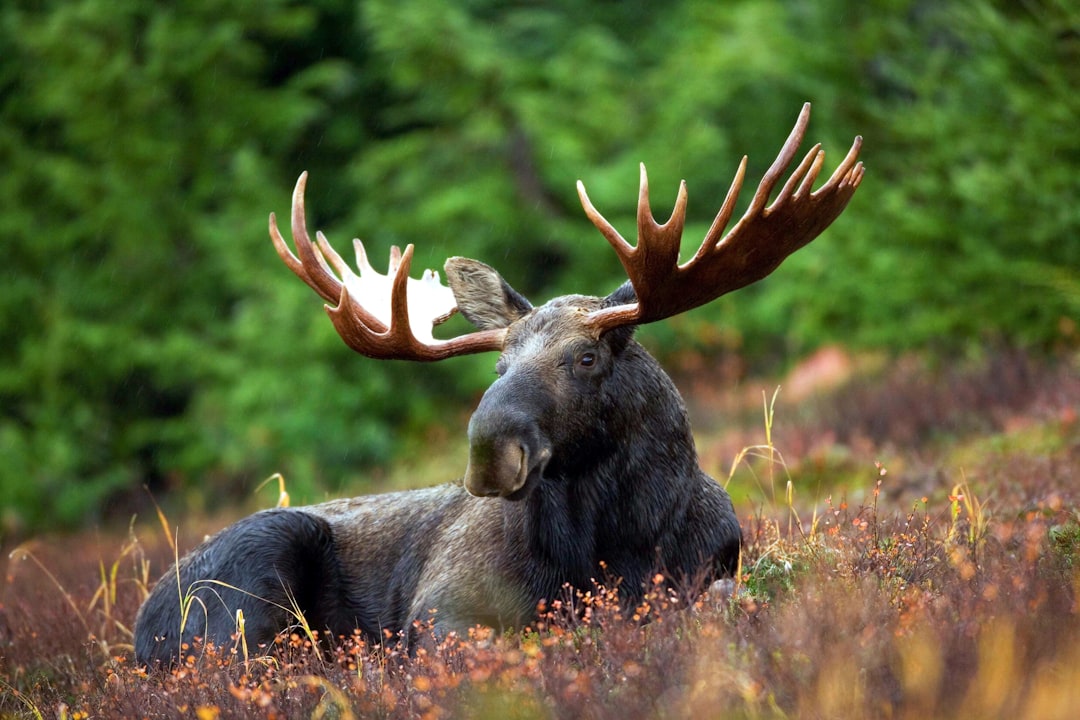
Accurately aging a bull moose in the field is one of the most challenging yet critical skills for hunters in North America. Unlike whitetails with countable antler points or elk with predictable body characteristics, bull moose show extreme individual variation that makes visual age assessment difficult. In states and provinces with age-restricted regulations—Alaska's "50-inch or 4-brow-tine" rule, Idaho's three-brow-tine requirement, or British Columbia's mature bull mandates—the ability to judge age before you shoot is not just helpful, it is legally required.
The consequences of misjudging age range from tag violations and fines to the ethical weight of harvesting an immature animal. Yet even experienced guides sometimes disagree on a bull's age class when evaluating him at distance. This guide breaks down the anatomical markers, antler characteristics, and behavioral cues that separate young bulls from mature monarchs, giving you the field knowledge to make confident, legal decisions when a bull steps into view.
Understanding Moose Antler Development by Age
Moose antlers follow a predictable—though highly variable—growth pattern tied to age and nutrition. Bulls typically begin growing antlers at 10–12 months, producing small "spike" or "paddle" formations in their first set. These yearling antlers rarely exceed 20 inches in spread and lack the palmation and brow tines that define mature bulls.
Two- and three-year-old bulls show dramatic antler growth, developing recognizable palms with limited brow tines. A two-year-old bull might sport 30–40 inch antlers with one or two brow tines per side, while three-year-olds often reach 40–50 inches with developing palms. These bulls look impressive to inexperienced hunters but are considered immature by management standards in most jurisdictions.
Prime bulls aged 5–10 years produce the largest antlers, with spreads commonly exceeding 50 inches and reaching 60–70 inches in exceptional genetics and habitat. Antler mass increases substantially during these years—palms widen, brow tines multiply, and overall thickness becomes pronounced. After age 10, antler size typically plateaus or declines as bulls age into their teens, though body size remains large.
Antler Characteristics That Reveal Age
Brow tine development is the single most reliable antler indicator of maturity in areas where regulations hinge on this feature. Young bulls aged 2–3 years typically show one to two brow tines per side, often short and thin. Mature bulls aged 5 and older consistently display three or more brow tines per side, with greater length, thickness, and irregular branching. In Alaska, the "four-brow-tine" threshold specifically targets bulls aged 6 and older.
Palm width and mass provide secondary age cues. Young bulls grow tall, narrow palms that look vertically stretched, while mature bulls develop wider, thicker palms with pronounced cupping. The palm-to-antler-spread ratio shifts with age—immature bulls show palms that account for less of the total spread, while prime bulls feature palms that dominate the antler structure. Run your eyes down the palm edges: smooth, clean edges suggest youth, while irregular, gnarly edges with multiple points indicate maturity.
Antler spread alone is deceptive. A well-fed three-year-old in prime moose habitat can push 50 inches, while a mature bull in poor habitat might never exceed 45 inches. Always cross-reference spread with brow tines, palm mass, and body characteristics before making a judgment call.
Body Confirmation and Size Indicators
Body characteristics provide critical context for age assessment, especially when antler development is ambiguous. Mature bulls aged 6 and older carry substantially more body mass than younger animals, with pronounced shoulder humps, thick necks, and deep chest cavities. When broadside, a mature bull's body appears blocky and rectangular, with the shoulder hump rising noticeably above the back line.
Young bulls aged 2–4 years look lean and rangy, with less shoulder definition and smoother body lines. Their legs appear longer relative to body depth, creating a leggy, athletic profile rather than the heavy, front-loaded appearance of mature bulls. Neck thickness is a giveaway—young bulls have relatively thin necks even during the rut, while mature bulls develop massive neck girth that swells dramatically in September.
The dewlap (bell) hanging from the throat also correlates with age, though individual variation makes it less reliable. Mature bulls often sport longer, fuller dewlaps, while young bulls show shorter, less-developed bells. Some hunters place too much weight on dewlap size; focus instead on the combination of shoulder mass, neck thickness, and overall body depth.
Behavioral Cues During the Rut
Behavior during September's rut offers supplemental age information. Mature bulls actively seek and defend estrous cows, thrashing vegetation, wallowing in scent pits, and vocalizing aggressively. They move with purpose and confidence, often appearing less cautious than younger bulls. When calling, mature bulls typically respond quickly and approach directly, while young bulls tend to circle downwind or hang back.
Young bulls often travel in bachelor groups outside the rut and may be subordinate during breeding season, avoiding confrontation with larger bulls. If you glass multiple bulls together in late August or early September, the smaller-bodied, less-aggressive animals are likely immature. During peak rut, a bull standing near a cow in open cover without competitors nearby is almost always mature—young bulls rarely get uncontested breeding opportunities.
Bulls aged 10 and older sometimes show different behavior patterns, moving less during daylight and relying on experience rather than aggression. These "wise old bulls" may ignore calling or respond cautiously, especially in heavily hunted areas. If a bull with heavy body mass and worn antler tips refuses to commit after repeated calling sequences, he is likely an old, experienced animal.
Free to join
Download mobile app
- Detailed draw odds
- Point tracking
- Deadline reminders
- 18 states covered

Free to join
Download mobile app
- Detailed draw odds
- Point tracking
- Deadline reminders
- 18 states covered
Free to join
Download mobile app
- Detailed draw odds
- Point tracking
- Deadline reminders
- 18 states covered
Legal Requirements by State and Province
Age-restricted moose regulations vary significantly across North America, and hunters must know the specific rules for their hunt area. In Alaska, most moose management units require bulls to have either a minimum 50-inch antler spread or at least four brow tines on one antler (the "50-inch or 4-brow-tine" rule). Some units have even stricter requirements, such as 50-inch spread and three or more brow tines.
Idaho requires bulls to have at least three brow tines on one antler in most moose units, targeting bulls typically aged 5 and older. Montana uses antler spread minimums ranging from 36 to 42 inches depending on the unit, while Wyoming has no statewide age restrictions but enforces unit-specific regulations. Canadian provinces like British Columbia and Alberta often define legal bulls as "mature" without specific measurements, placing the burden of judgment entirely on the hunter.
Before your hunt, verify the exact legal requirements for your unit. Download the current regulations PDF, not just online summaries. Bring a field guide with antler measurement diagrams, and if possible, study reference photos of legal versus illegal bulls from your specific area. When in doubt, do not shoot—many hunters pass bulls they later realize were legal, but regret over an illegal harvest is far worse.
Field Judging Techniques and Common Mistakes
The most common mistake hunters make is fixating on antler spread while ignoring brow tines and body characteristics. A bull with an impressive 52-inch spread might only sport two brow tines per side, making him illegal in Alaska and immature by most standards. Train yourself to count brow tines first, then evaluate palm mass and body size before estimating spread.
Use your rifle scope only for final verification, not initial assessment. Binoculars or a spotting scope provide better field of view for evaluating the whole animal. When judging antler spread, reference the bull's ear width (approximately 10–12 inches) and body width at the shoulders (24–30 inches in mature bulls). A bull whose antler spread clearly exceeds twice his body width is approaching or exceeding 50 inches.
Distance distorts perception. Bulls appear larger at close range and smaller at long range. Whenever possible, glass bulls from multiple angles before shooting. A bull quartering toward you may hide one antler's brow tines entirely, and a frontal view compresses antler spread, making a 50-inch bull look 45 inches. Wait for a broadside or slight quartering presentation to make your final judgment.
Using Technology to Improve Accuracy
Modern rangefinders with angle compensation help you estimate antler measurements more accurately. Once you range a bull, use the reticle or a mental reference (like ear width) to calculate antler spread. Some hunters photograph bulls through their spotting scope or binoculars, then zoom in on the image to count brow tines and evaluate palm characteristics without the pressure of a live shooting decision.
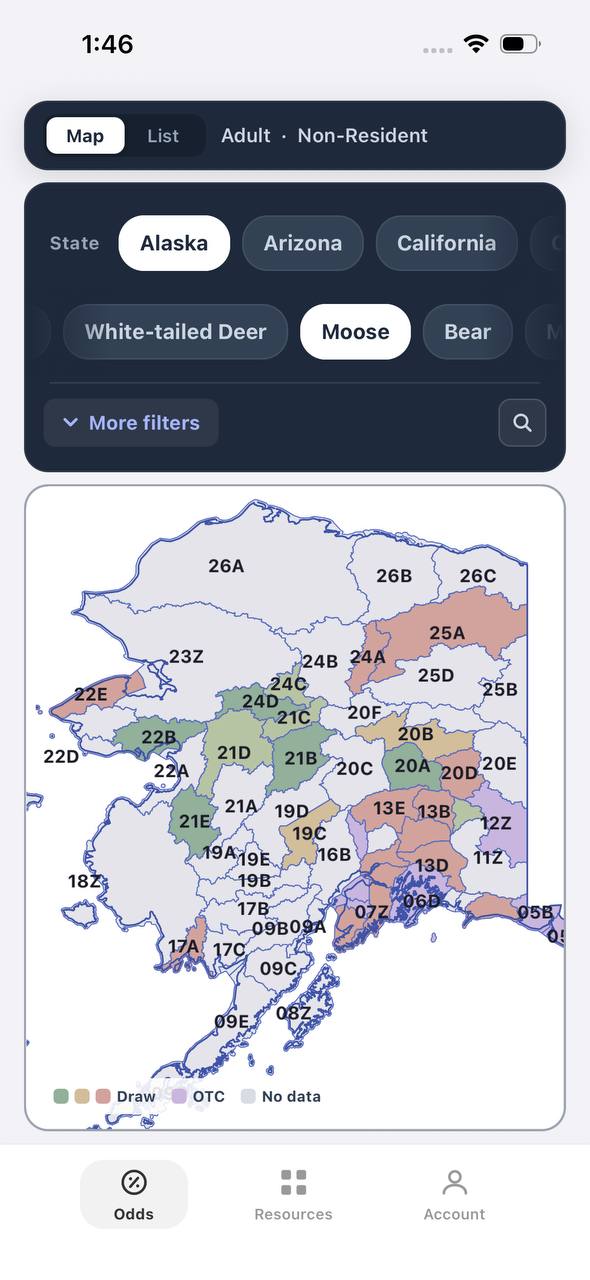
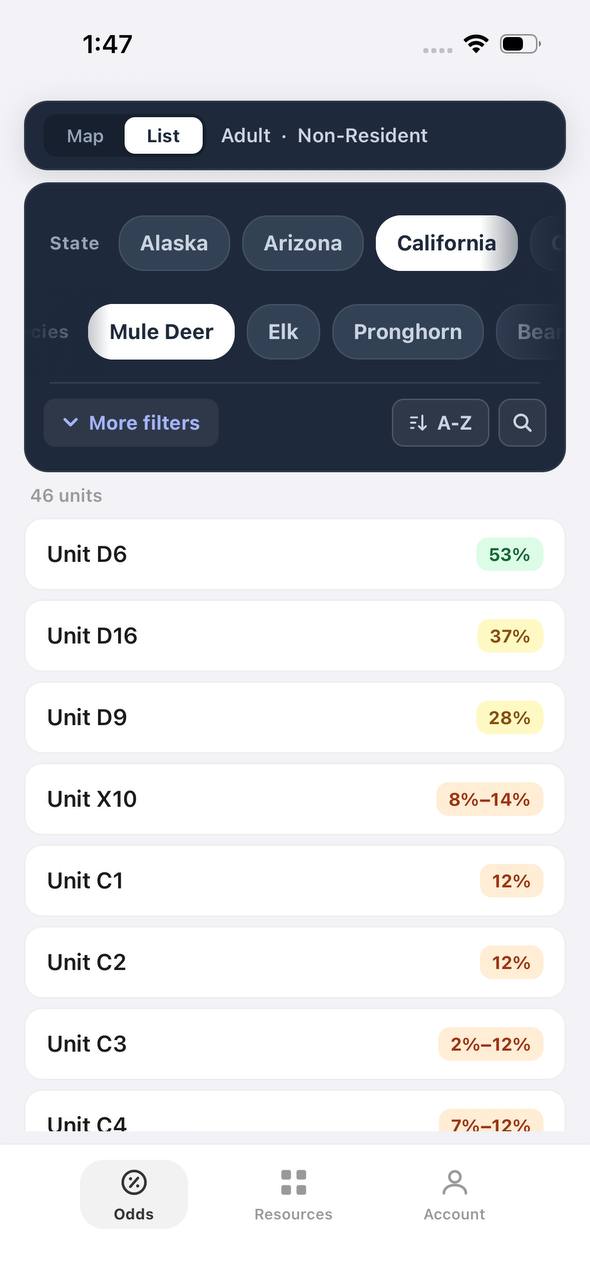
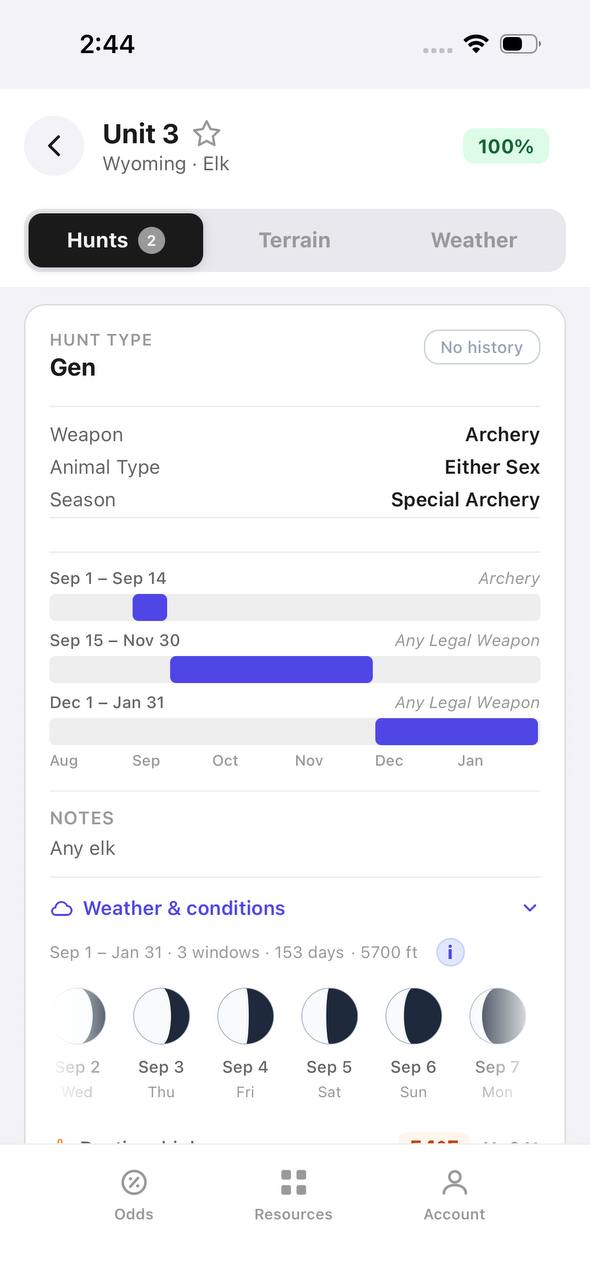
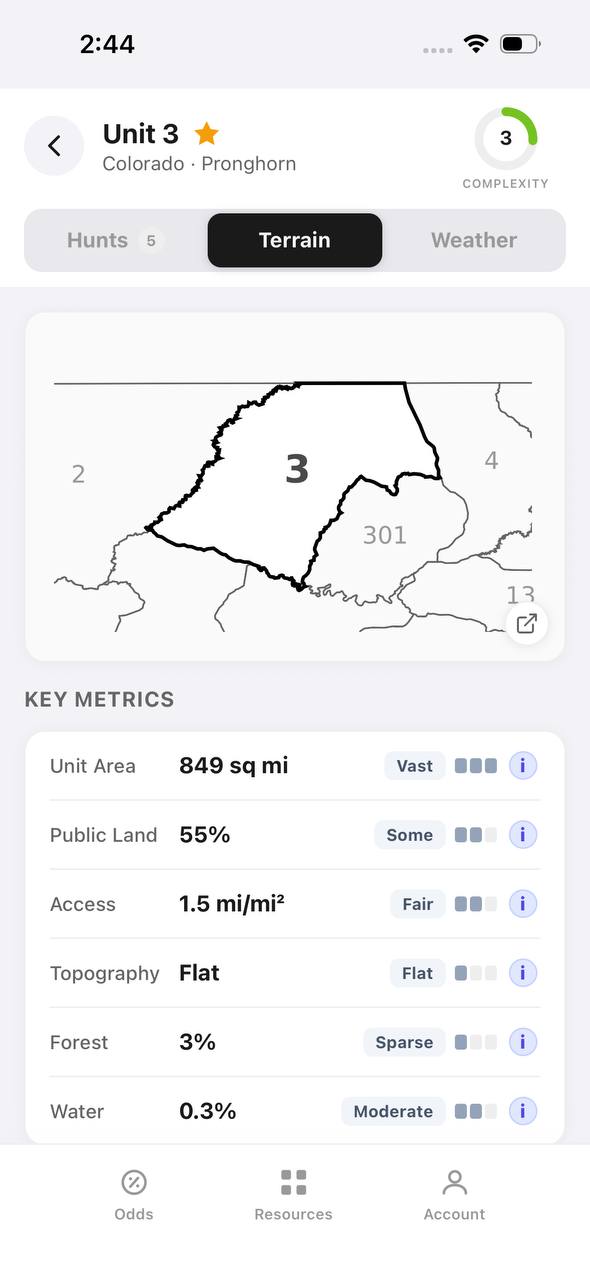
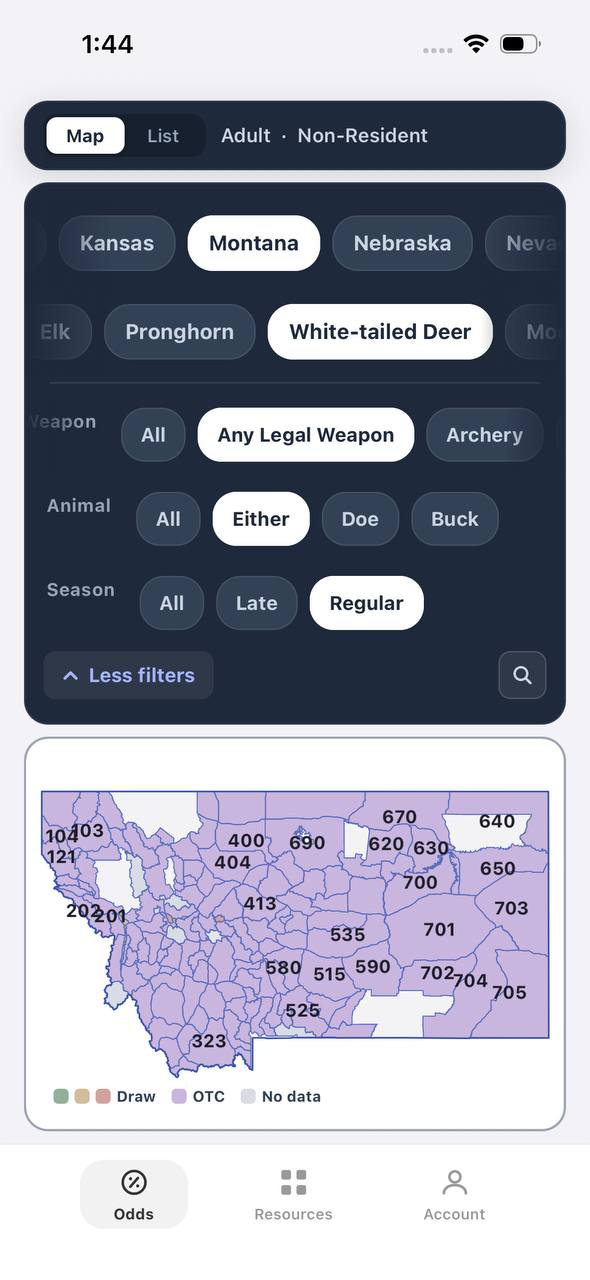
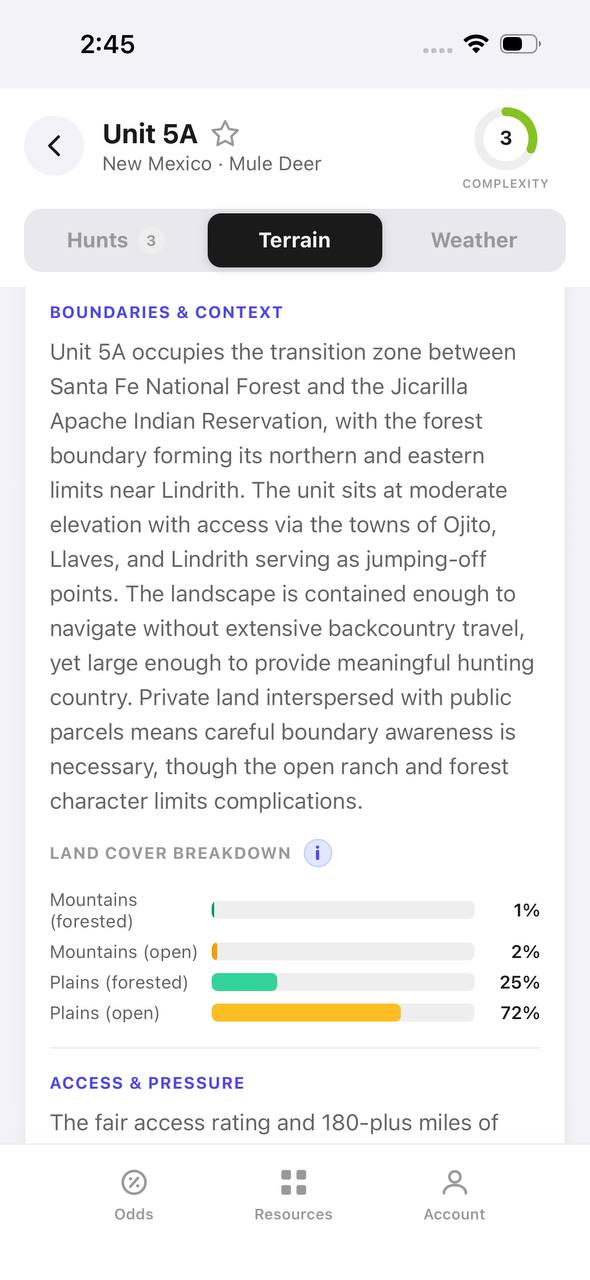
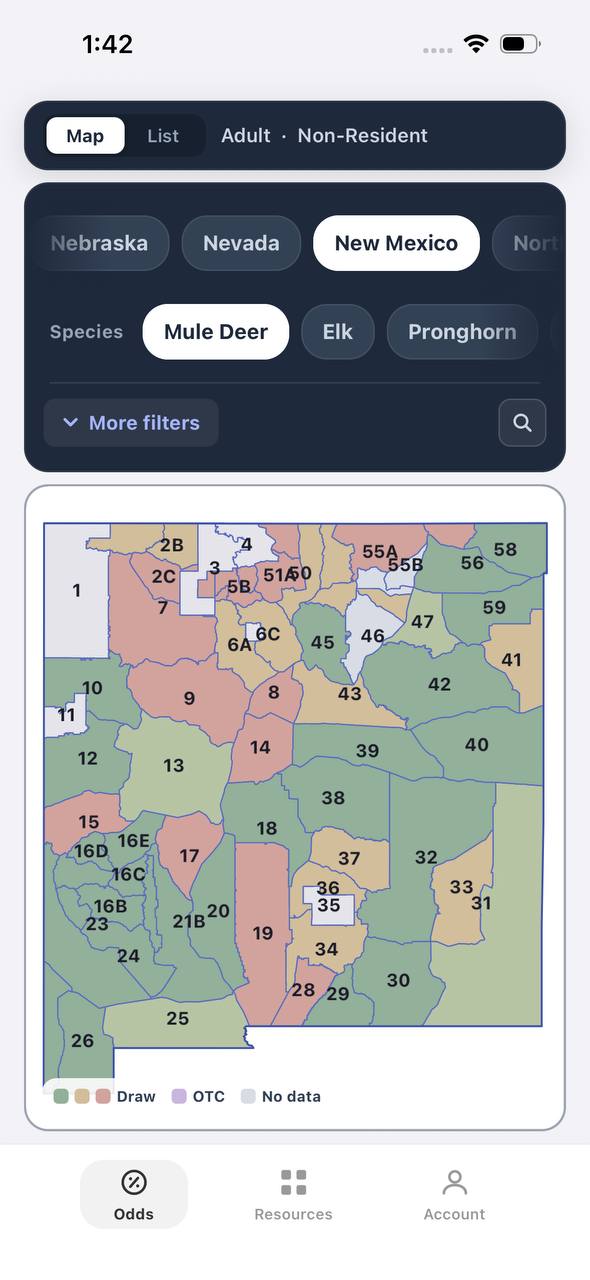
TAGZ helps you research moose unit regulations before you apply, comparing draw odds and harvest data across states. Track which units have age restrictions versus open regulations, and filter by weapon season to align your hunt timing with rut behavior patterns. Once you draw a tag, use TAGZ's unit maps and public land layers to identify glassing points where you can evaluate bulls at distance before committing to a stalk.
Trail cameras placed on wallows or trails in August can help you inventory bulls and practice aging from photos. Compare your field assessments with jawbone aging data if you harvest a bull—many states collect biological samples and can provide actual age, giving you feedback to refine your skills for future hunts.
What to Do When You Are Uncertain
If you cannot definitively determine a bull's legality after glassing him from multiple angles, do not shoot. The legal and ethical burden is on you, not the wildlife officer who checks your animal. In Alaska, illegal bull violations result in fines exceeding $2,000, loss of hunting privileges, and mandatory forfeiture of meat and trophy. Even in units without strict age regulations, shooting an immature bull contributes to poor herd genetics and robs you of the satisfaction of taking a mature animal.
When hunting with a guide or outfitter, verify the bull's legality yourself rather than relying solely on their judgment. Guides make mistakes, and the legal consequences fall on you as the tag holder. Politely ask to verify brow tines and antler spread before shooting, and if the guide pressures you to shoot a questionable bull, refuse. Reputable guides respect clients who hold out for legal, mature animals.
Many veteran moose hunters deliberately set personal standards above minimum legal requirements—passing any bull under 55 inches or with fewer than four brow tines per side, even in units where three-brow-tine bulls are legal. This self-imposed selectivity improves herd quality and ensures you harvest a truly mature animal you will be proud of for life.
FAQ — Aging Moose
Can you accurately age a bull moose by counting antler points?
No. Unlike deer or elk, moose antler point counts do not correlate reliably with age. Brow tines, palm mass, body size, and spread together provide better age indicators than points alone.
What is the minimum age for a legal bull in Alaska's 50-inch-or-4-brow-tine units?
Bulls meeting either threshold are typically 5–6 years old or older, though individual variation exists. Most bulls reach four brow tines per side by age 6, and 50-inch spreads by age 5 in good habitat.
How do you count brow tines in the field?
Brow tines are the points growing forward from the antler base near the skull, distinct from the main palm. Use binoculars or a spotting scope to count each separate tine on both antlers. Look for 3–4 distinct, separated points rather than small bumps or palm edges.
Does a big body always mean a mature bull?
Mostly, yes. Bulls do not reach full body size until age 5–7, so heavy shoulder mass, thick necks, and deep chests reliably indicate maturity. However, antler development should still be verified to confirm legality.
What is the most common mistake when aging moose?
Overestimating antler spread while ignoring brow tines. Many hunters shoot young bulls with wide spreads that lack legal brow tine counts. Always verify tines and body size before judging spread.
Can you age a moose from tracks or scat?
Not reliably. Track size increases with body size, but overlap between age classes is too great for accurate aging. Tracks tell you a bull is present but provide no age verification for legal decisions.
Continue Planning Your Moose Hunt
Aging moose in the field separates confident, legal hunters from those who gamble with regulations and ethics. The ability to quickly evaluate brow tines, palm mass, body confirmation, and spread gives you the knowledge to make sound decisions under pressure, whether you are staring at a giant in the alders or glassing a questionable bull across a willow flat.
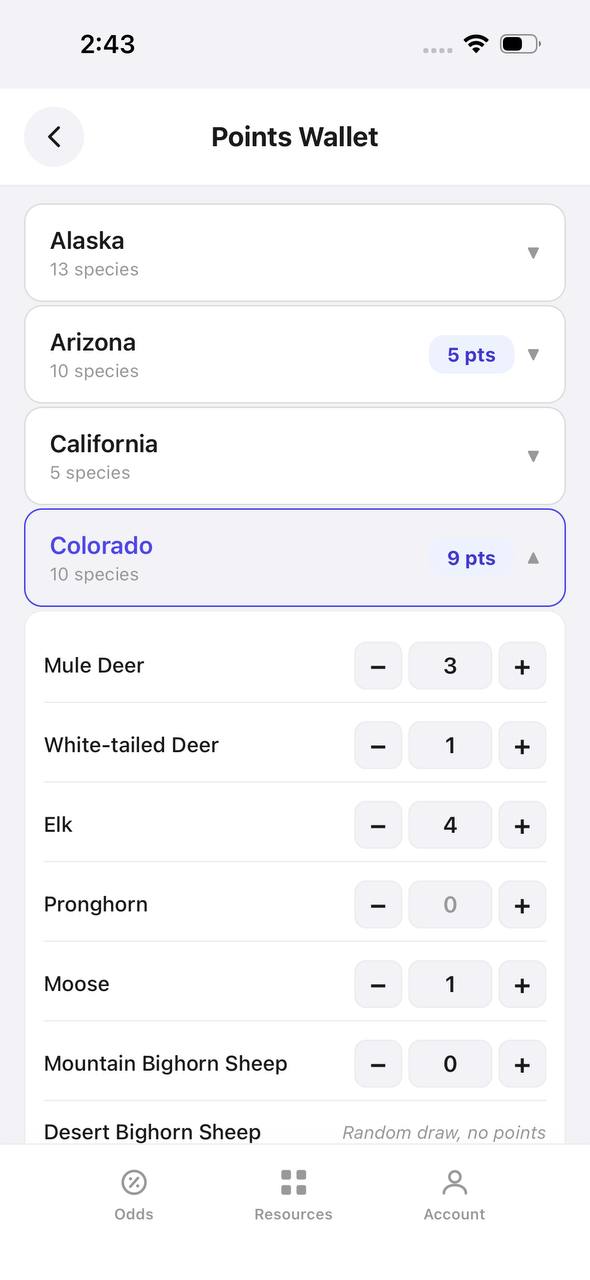
Once you have refined your aging skills, the next step is drawing a moose tag. TAGZ simplifies multi-state moose applications by tracking draw odds, preference points, and unit-specific regulations in one platform. Compare Alaska, Idaho, Montana, and Wyoming units side by side, filtering by weapon type, season dates, and harvest success rates. Track your preference points across states so you never miss a draw deadline, and use unit maps to identify glassing areas and public land access before you ever arrive.
Whether you are chasing your first bull or planning a trophy hunt in a limited-entry unit, TAGZ gives you the research tools to maximize draw opportunities and confidently plan western hunts from application season through the moment you slip into moose country each September. Explore more moose hunting strategies, draw odds breakdowns, and unit comparisons at TAGZ Insights, or start planning your next application at getmytagz.com.
Was this article helpful?
Previous
Florida Bear Hunting vs. North Carolina Bear — Which State Offers Better Opportunities?
Florida and North Carolina both offer black bear hunting, but the terrain, regulations, draw odds, and hunting experience differ dramatically. This comparison breaks down success rates, hunt structure, public land access, and which state fits your hunting style.
Related
7 Costly Mistakes New Alligator Hunters Make (And How to Avoid Them)
First-time gator hunters often underestimate how different alligator hunting is from big game. From choosing the wrong equipment to misreading water conditions, these common mistakes can turn your hunt from exciting to dangerous—or leave you going home empty-handed.
Next
Best Compound Bows for Hunting in 2026: Complete Buyer's Guide
Choosing the right compound bow can make or break your hunting season. This guide breaks down the top models for 2026, key specs that matter in the field, and how to match a bow to your hunting style and budget.