7 Costly Mistakes New Alligator Hunters Make (And How to Avoid Them)
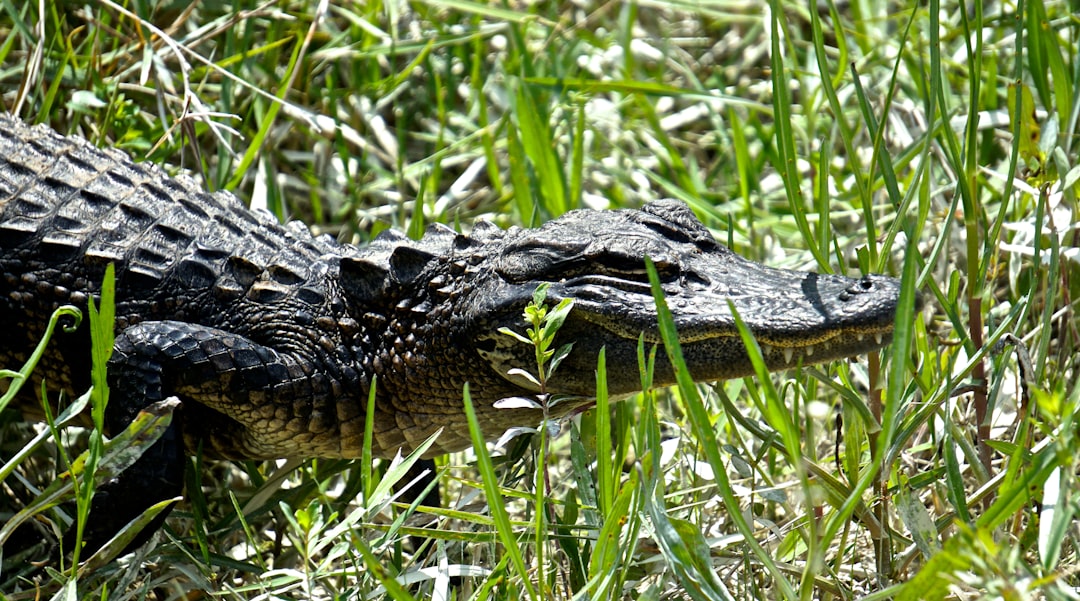
Alligator hunting looks deceptively simple until you are sitting in a boat at 2 AM watching eyes glow red in your spotlight, realizing your harpoon line is tangled and you forgot the bang stick. Unlike deer or elk hunting where you can learn from a few seasons of trial and error, alligator hunting demands you get it right the first time—for safety reasons as much as success.
I have guided enough first-time gator hunters in Florida and Louisiana to see the same mistakes repeated season after season. Most are fixable with proper preparation. A few can end your hunt before it starts or put you in genuine danger. Here are the seven most common errors new alligator hunters make and how to avoid them.
Mistake 1: Not Understanding Your State's Permit and Harvest Rules
Every state with alligator seasons—Florida, Louisiana, Georgia, South Carolina, Texas, Mississippi, Alabama, and Arkansas—runs different permit systems. Florida uses a random lottery for most zones. Louisiana offers landowner tags and public draw tags with varying quotas. Some states allow harvest assistants; others require the permit holder to make the kill shot.
New hunters often assume they can buy a tag over the counter like a deer license. In reality, most gator tags are limited-entry permits issued through drawings held months before the season. Application deadlines typically fall in late spring for fall hunts. Miss the deadline and you are done for the year.
Just as critical are size and sex restrictions. Some zones in Florida have minimum and maximum size limits. Louisiana prohibits harvesting alligators under four feet. Certain management units in Texas restrict harvest to males only during specific weeks. Violating these rules means forfeiting your tag and facing hefty fines.
Read your state's alligator management plan cover to cover. Call the wildlife agency if anything is unclear. The regulations change annually based on population surveys, so last year's rules may not apply.
Mistake 2: Bringing the Wrong Equipment (Or Not Enough of It)
Alligator hunting requires specialized gear that most big-game hunters do not own. The biggest mistake is showing up with inadequate restraint equipment. You need a harpoon or snatch hook to secure the gator, heavy braided line rated for the size class you are hunting, and a reliable method to dispatch the animal once it is controlled.
Many first-timers underestimate line strength. A six-foot gator can generate shocking power when hooked. I have seen 200-pound test line snap on thrashing eight-footers. For gators over seven feet, use 400-pound test minimum. Bring at least 100 feet of line per harpoon—gators will dive and run, and you need room to let them tire.
Bang sticks are the most common dispatch tool, but beginners often buy cheap models that jam or misfire. A quality bang stick with .357 or .44 Magnum powerheads is non-negotiable. Keep backup powerheads dry and accessible. Some hunters prefer firearms for the kill shot, which is legal in most states but requires precise shot placement on a moving target in the dark.
Other commonly forgotten items: heavy-duty gloves to handle line, a gaff hook for controlling the head once subdued, measuring tape for verifying legal size, CITES tags (provided with your permit but easy to leave at home), and a cooler large enough for your harvest. A headlamp with red and white light modes keeps your hands free and preserves night vision.
Mistake 3: Poor Shot Placement and Dispatch Technique
Alligators have small, armored brains protected by thick bone. A poorly placed shot—even with a firearm—will wound the animal without killing it, creating a dangerous situation. The kill zone is roughly the size of a quarter, located at the intersection of imaginary lines drawn from the back of each eye to the opposite nostril.
New hunters often aim too high or too far forward. Shooting into the snout or upper skull bone wastes the shot and alerts the gator. With a bang stick, you must make direct contact with the kill zone, which means getting close to the head of a thrashing, tail-whipping reptile. Hesitation or tentative movements increase risk.
The safest sequence is to secure the gator with a harpoon, tire it out until movement slows significantly, control the head with a catch rope or snare pole, then make the dispatch shot. Rushing this process causes injuries. A guide in Louisiana showed me scars on his forearm from a badly timed bang stick attempt—the gator rolled and his hand went into the mouth instead.
Practice with your bang stick on dry land so you know the trigger pressure and reach. If using a firearm, confirm your point of aim with an experienced hunter before the season. One accurate shot is safer and more humane than multiple attempts.
Mistake 4: Hunting Alone or With Inexperienced Partners
Alligator hunting is not a solo sport. Unlike deer hunting where you can safely hunt alone from a stand, gator hunting involves working at night on the water with a powerful predator. You need at least one capable partner—preferably two.
Beginners often bring friends who have never hunted gators either. This creates a boat full of people learning on the fly, and nobody with the experience to recognize danger or solve problems quickly. When a big gator surfaces next to the boat and someone panics, experience matters.
Your partner should know how to handle line, operate the spotlight, control the boat, and assist with dispatch if needed. Clear communication is critical. Establish hand signals for "gator spotted," "prepare to shoot," "reel in line," and "back off." In the chaos of a hooked gator rolling under the boat, shouted instructions get lost.
If possible, spend your first hunt with a licensed guide or experienced hunter who can walk you through the process. Many states allow harvest assistants to help under the permit holder's tag. A single guided hunt teaches you more than a dozen YouTube videos. After that, you can mentor your own crew.
Free to join
Download mobile app
- Detailed draw odds
- Point tracking
- Deadline reminders
- 18 states covered

Free to join
Download mobile app
- Detailed draw odds
- Point tracking
- Deadline reminders
- 18 states covered
Free to join
Download mobile app
- Detailed draw odds
- Point tracking
- Deadline reminders
- 18 states covered
Mistake 5: Ignoring Water Conditions and Weather
Alligators are highly sensitive to temperature, barometric pressure, and water levels. Hunting during a cold front when water temperatures drop below 70 degrees often means seeing very few gators. They become lethargic and stop moving to the surface.
New hunters also underestimate how weather affects boat safety. Thunderstorms develop rapidly in southern states during late summer and early fall when most gator seasons run. Being caught in a squall on an open lake in a small aluminum boat is terrifying. Lightning is a serious risk when you are the tallest object on flat water.
Water levels matter too. Drought conditions concentrate gators in deeper holes, which can be good for hunting but creates crowded competition with other hunters. High water from recent rain spreads gators across flooded marshes and makes them harder to locate. Understanding your hunting area's hydrology helps you adjust tactics.
Check the forecast before every hunt. If severe weather is predicted, reschedule. The best gator hunting happens on warm, calm, humid nights after several days of stable weather. Moon phase also influences activity—many experienced hunters prefer darker nights when gators are more active, though this makes spotting eyes harder.
Mistake 6: Mismanaging the Line and Losing Control
Once you harpoon a gator, the real work begins. Beginners often make one of two errors: they either hold the line too tight and risk being pulled overboard, or they give too much slack and the gator throws the hook.
The correct technique is controlled tension. Let the gator run while maintaining enough pressure to keep the hook set. As it tires, gradually work it back toward the boat. This might take 20 minutes for a large gator. Trying to horse it in immediately exhausts you and risks breaking the line or ripping the harpoon free.
Line management also means keeping coils organized. Tangled line is the fastest way to lose a gator. Use a large bucket or tub to store your harpoon line so it feeds out smoothly. When reeling in, coil it neatly in the same container. One knot can jam at the worst moment.
Never wrap line around your hand or any body part. If the gator surges, you could suffer severe lacerations or be yanked into the water. Some hunters wear line gloves with reinforced palms, but even then, hold the line loosely enough to release if needed.
Mistake 7: Not Planning for the Harvest and Transport
Killing the gator is only half the job. A seven-foot alligator weighs 150 to 200 pounds of dead weight, covered in mud and water. Getting it into the boat without capsizing requires technique. New hunters often struggle with this step and risk injury or losing the carcass.
Bring a boat with enough freeboard to haul your expected harvest size. A 14-foot jon boat works for gators up to six feet. Anything larger requires a bigger, more stable platform. Have a plan for lifting the animal—either dragging it over the stern, using a come-along and straps, or beaching the boat to load from shore.
Alligator meat spoils quickly in warm weather. If you plan to eat the harvest, you need ice and coolers immediately. The meat is in the tail and along the back. Some hunters bring a fillet knife and clean the gator streamside to reduce weight and preserve meat quality. Others haul it whole to a processor.
Know your state's tagging and reporting requirements. Most states require you to attach a CITES tag to the carcass immediately after harvest and report the kill within 24 to 48 hours. Some require you to bring the carcass to a check station. Missing these steps can cost you the hide and meat, plus result in citations.
If you are selling the hide, research tanneries and pricing before the hunt. Demand for gator leather fluctuates, and buyers often require specific skinning techniques. Botching the hide prep can cost you hundreds of dollars on a quality harvest.
FAQ — Alligator Hunting for Beginners
Do I need a boat to hunt alligators?
Most alligator hunting requires a boat because gators inhabit lakes, rivers, swamps, and marshes. A few states allow bank fishing with lines and hooks, but spot-and-stalk hunting from shore is difficult and often prohibited. A stable boat with a quiet motor or paddle propulsion works best.
Can I use a crossbow or regular bow for alligators?
Crossbows and bows are legal in most states for the initial capture shot (harpoon), but not for dispatching the gator. You still need a bang stick or firearm for the kill shot. Arrows are not powerful enough to penetrate the skull and brain of an alligator reliably.
How dangerous is alligator hunting compared to other big game?
Alligator hunting is more dangerous than deer or elk hunting because you are working at night on water with an animal that can inflict serious injury even after being hooked. Drowning risk, boat accidents, and bites are real concerns. Proper equipment, experienced partners, and following safety protocols minimize danger.
What time of night is best for hunting alligators?
Most successful hunts occur between 9 PM and 2 AM when gators are actively feeding and moving. They are easier to spot with lights during full darkness. Early evening and pre-dawn can also be productive, especially in areas with hunting pressure where gators learn to avoid peak activity times.
Do alligators really taste good, or is it just the novelty?
Alligator tail meat is lean, white, and mild-flavored with a texture similar to chicken or firm fish. When prepared correctly, it is genuinely good eating—not just a novelty. The meat along the back is darker and tougher. Younger, smaller gators tend to be more tender than large, older animals.
How long does it take to process an alligator after harvest?
Field dressing and skinning a six to seven-foot gator takes 45 minutes to an hour for an experienced hunter. Beginners should budget two hours. If you are keeping the hide for tanning, careful skinning is critical and adds time. Many hunters use professional processors for their first few harvests to learn proper technique.
Was this article helpful?
Previous
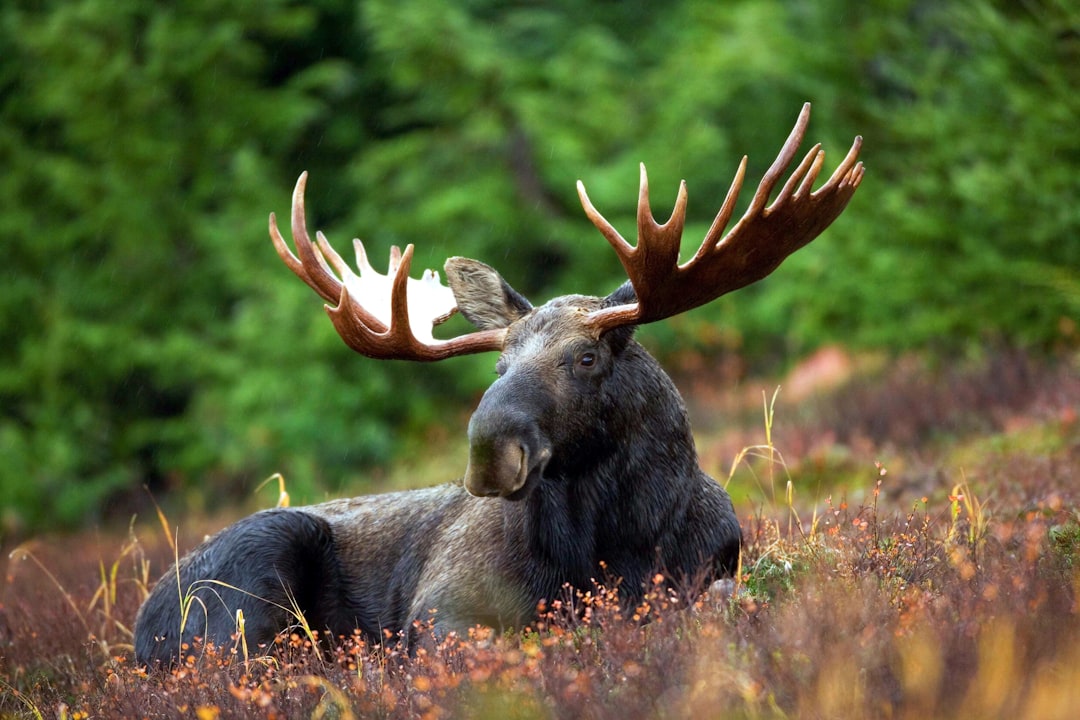
Aging Moose: Field Techniques Every Hunter Should Know
Aging moose accurately in the field requires evaluating antler characteristics, body confirmation, and behavior patterns. Understanding these visual cues helps hunters make ethical harvest decisions and comply with age-restricted regulations in states like Alaska and Idaho.
Related
Sig Sauer vs Leupold Rangefinders: Which Brand Wins for Western Hunters?
Sig Sauer and Leupold both make excellent rangefinders, but they excel in different areas. This head-to-head comparison breaks down performance, features, and value to help you choose the right optic for your next hunt.
Next
Florida Bear Hunting vs. North Carolina Bear — Which State Offers Better Opportunities?
Florida and North Carolina both offer black bear hunting, but the terrain, regulations, draw odds, and hunting experience differ dramatically. This comparison breaks down success rates, hunt structure, public land access, and which state fits your hunting style.