Sheep Hunting Gear: Complete Equipment List for Alpine Success
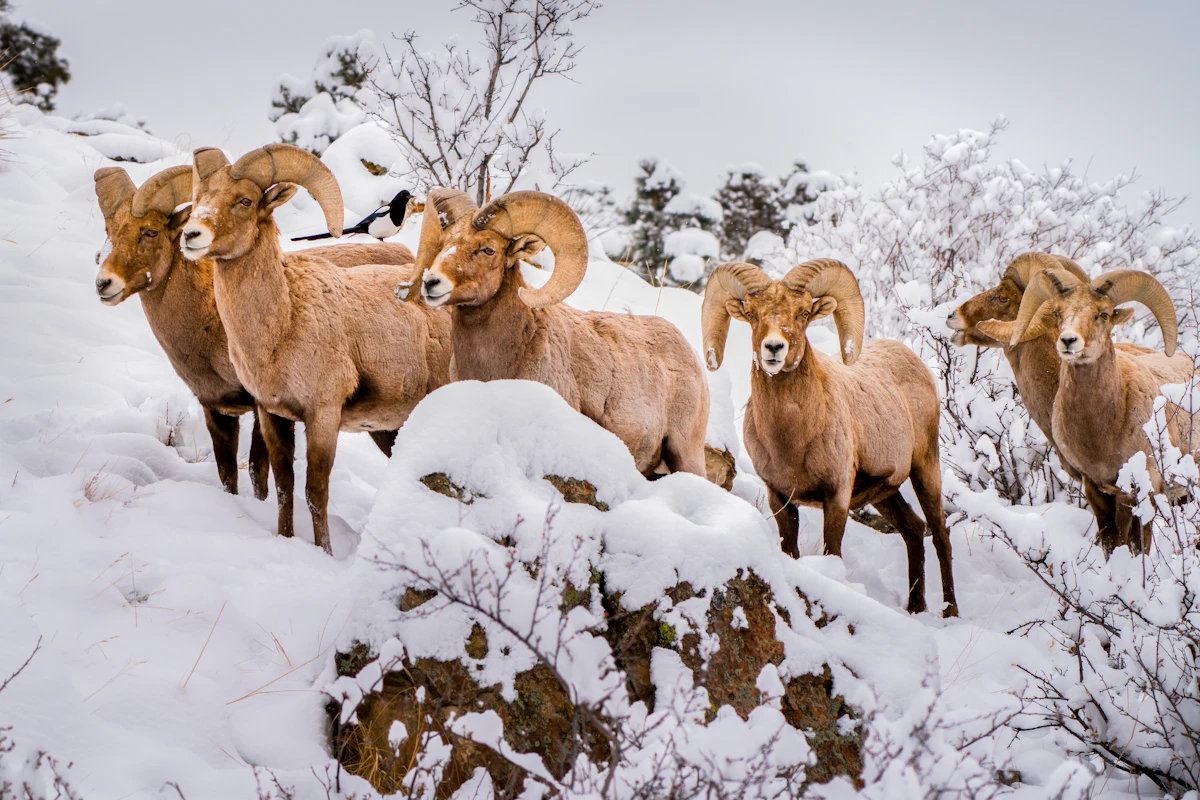
Sheep hunting sits at the top of the difficulty pyramid in North American hunting. You will cover brutal vertical terrain, glass for hours in freezing wind, and carry everything you need on your back for days at a time. The gear that works for elk or mule deer will fail you here. Sheep country demands equipment built for a different level of punishment.
The challenge is not just picking quality gear. It is building a system light enough to climb with but complete enough to survive sudden weather shifts at 11,000 feet. Every ounce matters when you are grinding up scree slopes, but cutting the wrong corner can end your hunt or put you in real danger.
Footwear: Where Most Sheep Hunts Succeed or Fail
Your boots will make or break your sheep hunt before you ever see a ram. Expect to cover 8-15 miles per day over talus, scree, and knife-edge ridges. You need ankle support for sidehilling with a heavy pack, aggressive tread for loose rock, and enough stiffness to edge on steep faces without your feet cramping.
Full leather mountaineering boots are the gold standard. Brands like Crispi, Kenetrek, Schnee's, and Scarpa dominate sheep country because they handle the abuse. Look for boots rated for backpacking or mountaineering, not just day hiking. A stiffer sole gives you better purchase on rock and reduces foot fatigue when you are climbing for hours.
Break them in completely before the hunt. Wear them on training hikes with a weighted pack until the leather conforms to your foot. Blisters at 10,000 feet can end a hunt you have waited years to draw.
Optics: Glass Finds Rams Before Your Legs Do
Sheep hunting is a glassing game. You will spend more time behind your optics than walking. Quality glass saves your eyes during long sessions and reveals rams on distant faces that cheaper optics blur into the background.
Carry 10x42 or 12x50 binoculars as your primary glassing tool. The extra magnification matters in sheep country where rams bed in places that look empty to the naked eye. Brands like Swarovski, Leica, Maven, and Vortex Razor build binos that hold up to constant use in rough conditions.
A spotting scope is non-negotiable for judging rams at distance. You need to confirm full curl and brooming before committing to a stalk that might take all day. An angled 65mm or 85mm scope balances weight against optical performance. Pair it with a lightweight carbon fiber tripod.
Do not cheap out on your tripod. A flimsy tripod that vibrates in wind makes glassing miserable and causes you to miss details. Budget $200-400 for a tripod that stays steady when you need it.
Backpack: Your Mobile Base Camp
Your pack needs to carry 50-70 pounds comfortably while staying mobile enough for steep, off-trail scrambling. Most sheep hunts run 5-10 days, and you are hauling everything from the trailhead.
Look for packs in the 5,000-6,500 cubic inch range with load-bearing frames designed for heavy loads. Exo Mountain Gear, Kifaru, Stone Glacier, Mystery Ranch, and Kuiu all make packs built specifically for mountain hunting. Adjustable frames let you dial in the fit, and load lifter straps transfer weight to your hips where it belongs.
Test your pack on training hikes before the hunt. A pack that feels fine with 30 pounds will destroy your shoulders at 60. Make sure the hip belt sits on your iliac crest and the shoulder straps do not dig in after miles of climbing.
Organization matters when you are living out of your pack for a week. Use dry bags or stuff sacks to separate gear by category. Keep your rain gear and puffy jacket accessible at the top because weather changes fast above treeline.
Layering System: Managing Temperature Swings in Alpine Terrain
Sheep country sees 40-degree temperature swings between dawn glassing sessions and midday climbs. You need a layering system that handles freezing wind on ridges and overheating on steep ascents without forcing you to stop and reorganize your pack every hour.
Start with merino wool or synthetic base layers. Merino regulates temperature better and does not stink after days of hard use. Bring a lightweight base layer for warm days and a midweight layer for cold mornings.
Your mid layer should insulate without adding bulk. A grid fleece or lightweight down jacket works for active movement. Save the heavy puffy for glassing sessions and bivy camps. Sitka, KUIU, First Lite, and Stone Glacier all make mid layers designed for mountain hunters who push hard.
Your outer shell is your insurance policy against sudden storms. A waterproof, breathable jacket and pants keep you functional when weather rolls in. Gore-Tex or similar membranes work, but do not skimp on venting. Pit zips and thigh zips let you dump heat during climbs without taking layers off.
Pack an insulated puffy jacket rated to at least 20 degrees. You will wear it every morning and evening while glassing. Down packs smaller than synthetic, but synthetic insulates when wet. Your choice depends on whether you prioritize weight or weather resistance.
Free to join
Download mobile app
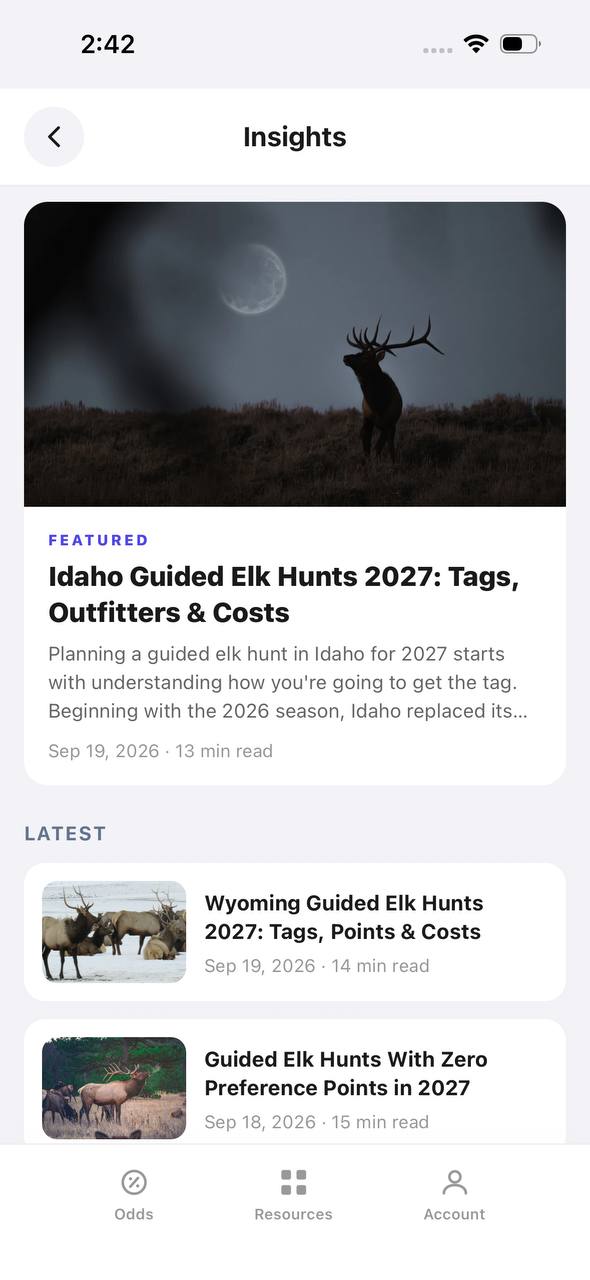
- Detailed draw odds
- Point tracking
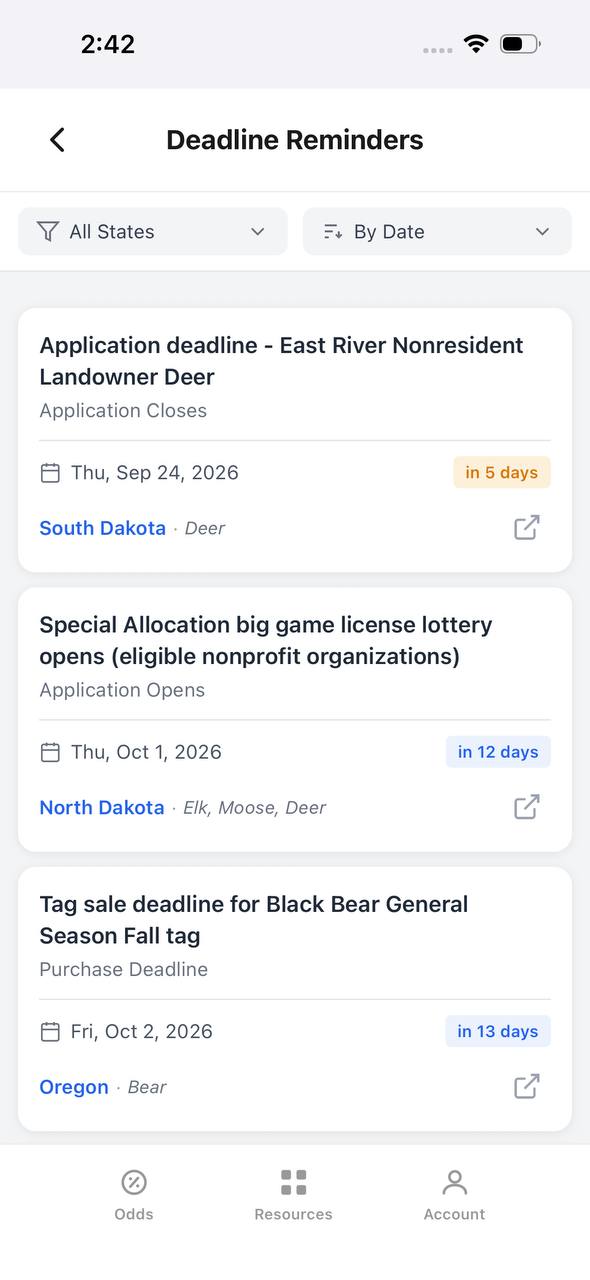
- Deadline reminders
- 18 states covered

Free to join
Download mobile app
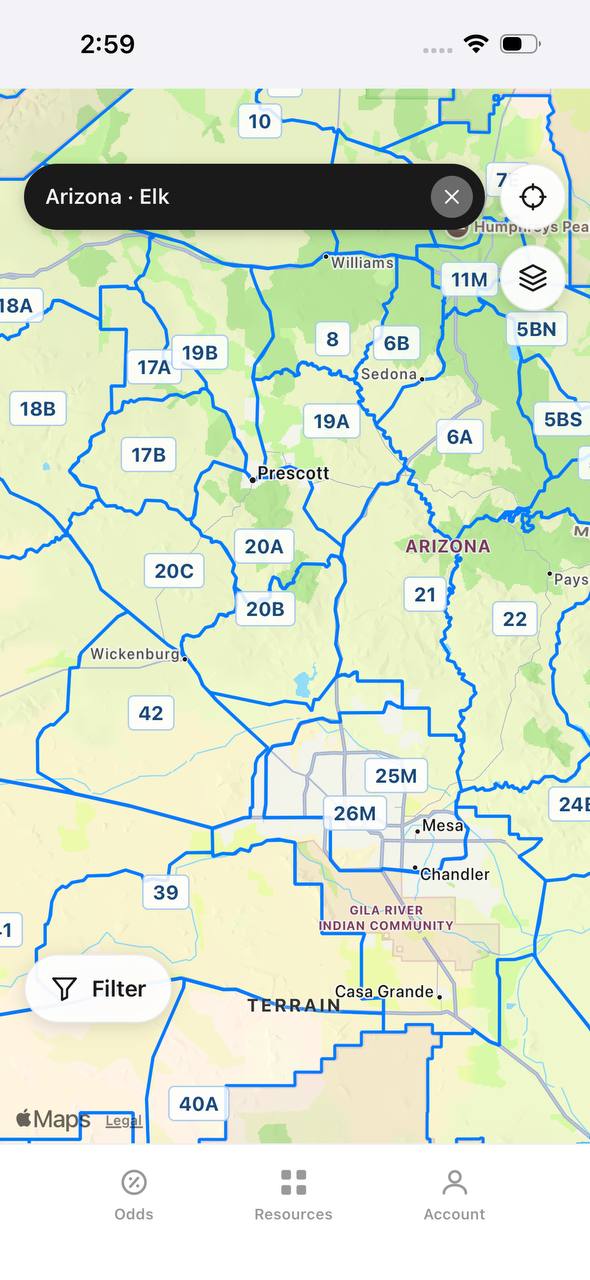
- Detailed draw odds
- Point tracking
- Deadline reminders
- 18 states covered
Free to join
Download mobile app
- Detailed draw odds
- Point tracking
- Deadline reminders
- 18 states covered
Weapon: Rifles Built for Long Shots and Rough Handling
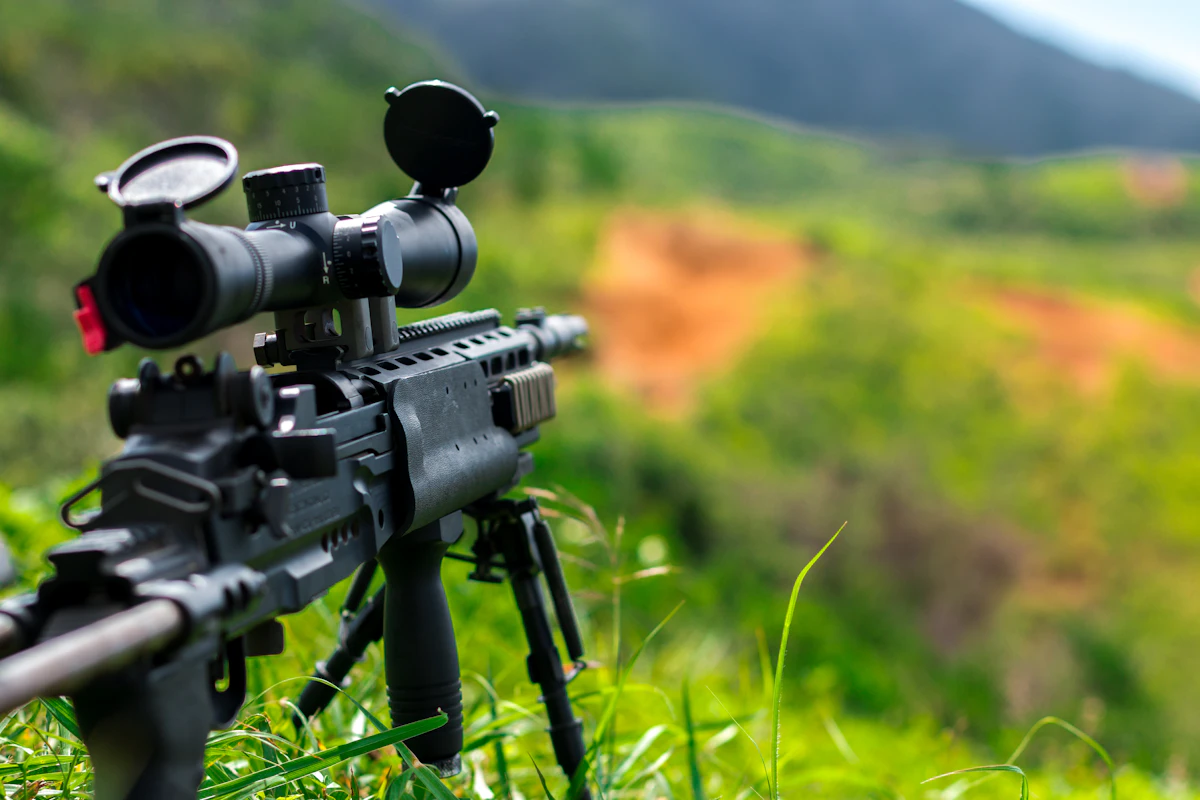
Sheep live in country where 400-yard shots are common and 600-yard opportunities happen more than you expect. Your rifle needs to shoot accurately at distance after being strapped to a pack and hauled up mountains for days.
Most sheep hunters carry bolt-action rifles in 6.5mm, 7mm, or .30 caliber cartridges. The 6.5 PRC, 7mm Rem Mag, .280 Ackley Improved, and .300 Win Mag all have the ballistics for long-range mountain work. Match your cartridge to your shooting ability. A lighter recoiling 6.5 PRC you shoot well beats a .300 magnum you flinch behind.
Carbon fiber stocks and fluted barrels save weight without sacrificing accuracy. A sheep rifle should weigh 7-9 pounds scoped and ready. Lighter rifles are harder to shoot accurately in wind. Heavier rifles wear you down on long climbs.
A quality scope makes long shots possible. Look for 3-15x, 4-16x, or 5-25x magnification ranges with reliable turrets and a reticle designed for holdovers. Zero at 200 yards and know your drops out to 600. Practice shooting from improvised positions because flat ground does not exist in sheep country.
Carry a lightweight bipod or shooting sticks. Trekking poles that convert into shooting sticks save weight and pull double duty on climbs.
Shelter: Bivy, Tent, or Tarp
Sheep hunts often involve spike camps where you push deeper into the backcountry and establish a base for several days. Your shelter choice depends on weather exposure, hunt duration, and how much weight you are willing to carry.
A two-person ultralight tent gives you the most weather protection and room to organize gear. Budget 3-4 pounds for a tent that handles wind and rain. Brands like Big Agnes, Nemo, and Hyperlite Mountain Gear make tents that survive alpine conditions.
Bivy sacks drop weight to 1-2 pounds but offer minimal storm protection and tight quarters. They work for short hunts in stable weather or as emergency backup shelter. A bivy paired with a small tarp gives you flexibility without adding much weight.
Your sleeping bag should be rated 10-15 degrees colder than the lowest temperature you expect. Down bags pack smaller and weigh less than synthetic, but wet down loses insulating power. Pair your bag with an insulated sleeping pad rated for three-season or winter use. The ground sucks heat faster than air, and a cheap pad will leave you shivering at night.
Free to join
Download mobile app
- Detailed draw odds
- Point tracking
- Deadline reminders
- 18 states covered
Free to join
Download mobile app
- Detailed draw odds
- Point tracking
- Deadline reminders
- 18 states covered
Free to join
Download mobile app
- Detailed draw odds
- Point tracking
- Deadline reminders
- 18 states covered
Navigation and Communication: Tools That Get You Home
Sheep country lacks trails, and terrain features that look distinct on a map blur together when you are standing in them. Carry a GPS unit loaded with detailed maps and waypoints marking camp, water sources, and glassing spots.
A handheld GPS like a Garmin InReach provides both navigation and satellite communication. The two-way texting keeps you connected to your hunting partner and provides emergency SOS if something goes wrong. Cell service does not exist where sheep live.
Download offline maps to your phone as backup. Apps like onX Hunt show land ownership, unit boundaries, and terrain in detail that helps you plan routes and identify glassing points. Your phone GPS works without cell signal as long as you have the maps downloaded.
Carry a compass and paper map as final backup. Electronics fail, and knowing how to navigate with analog tools can save your hunt when batteries die.
Weight Management: Every Ounce You Cut Stays in the Valley
Sheep hunters obsess over pack weight because climbing with 60 pounds breaks you down faster than you think. The goal is not to go ultralight. It is to carry everything you need and nothing you do not.
Weigh every piece of gear before your hunt. Swap heavy items for lighter versions where it makes sense. Replace your steel knife with titanium. Use a compact stove instead of a full cook system. Cut your toothbrush handle in half. Small savings add up.
Do not cut weight on the Big Four: pack, shelter, sleeping bag, and boots. Cheap or ultralight versions of these items fail when you need them most. Cut weight everywhere else first.
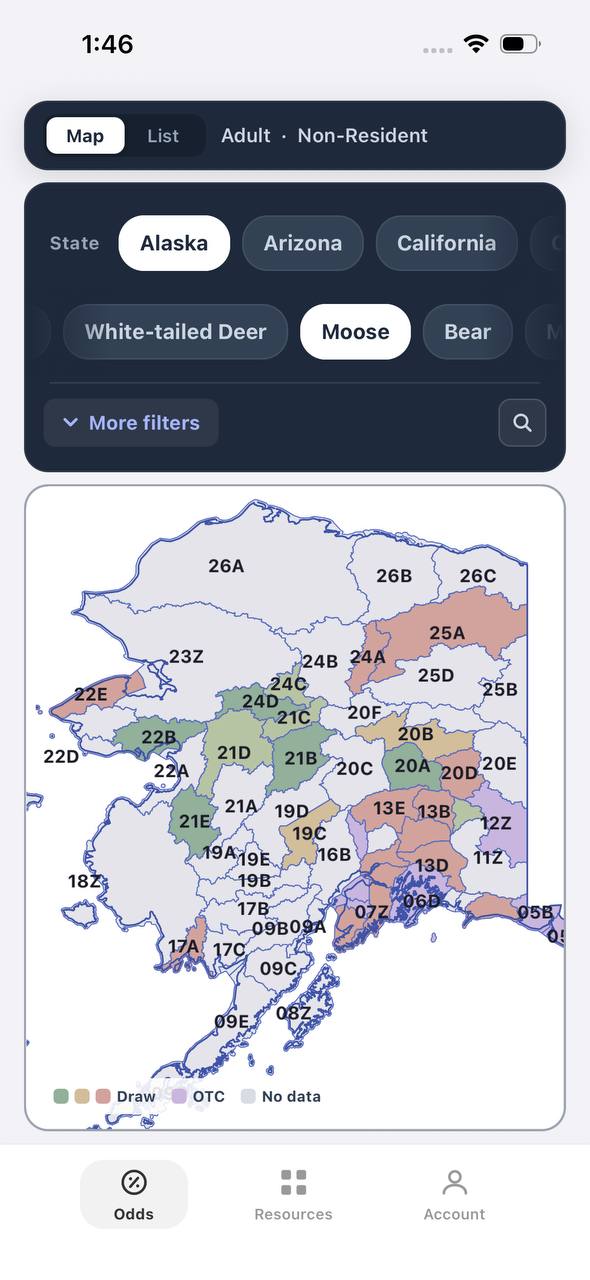
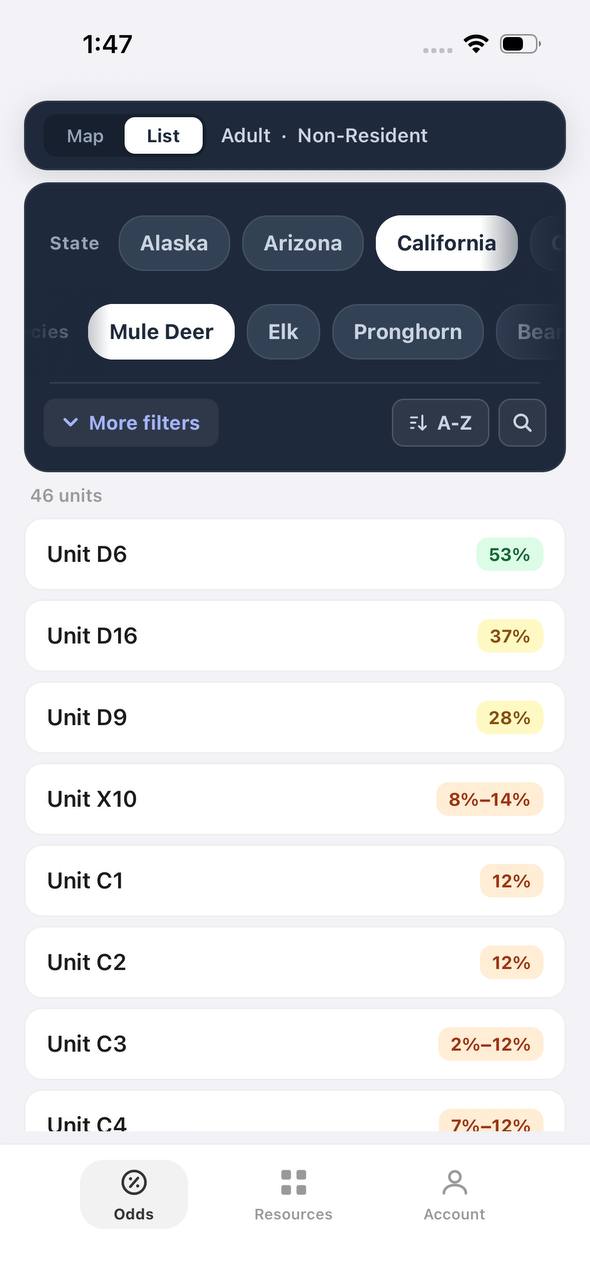
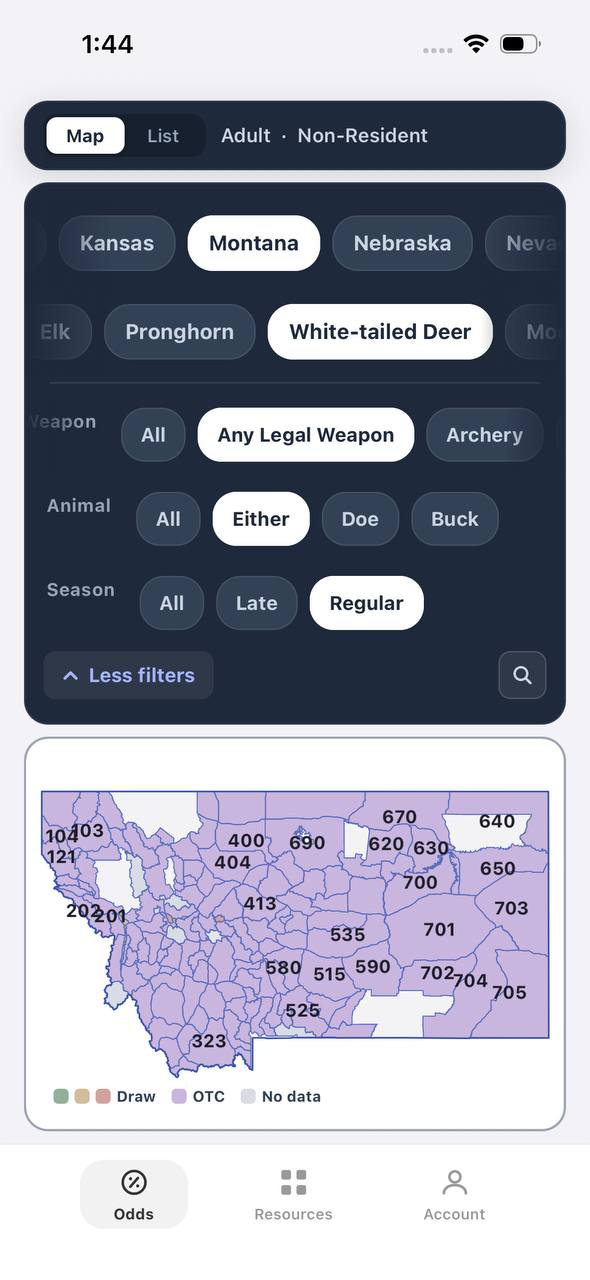
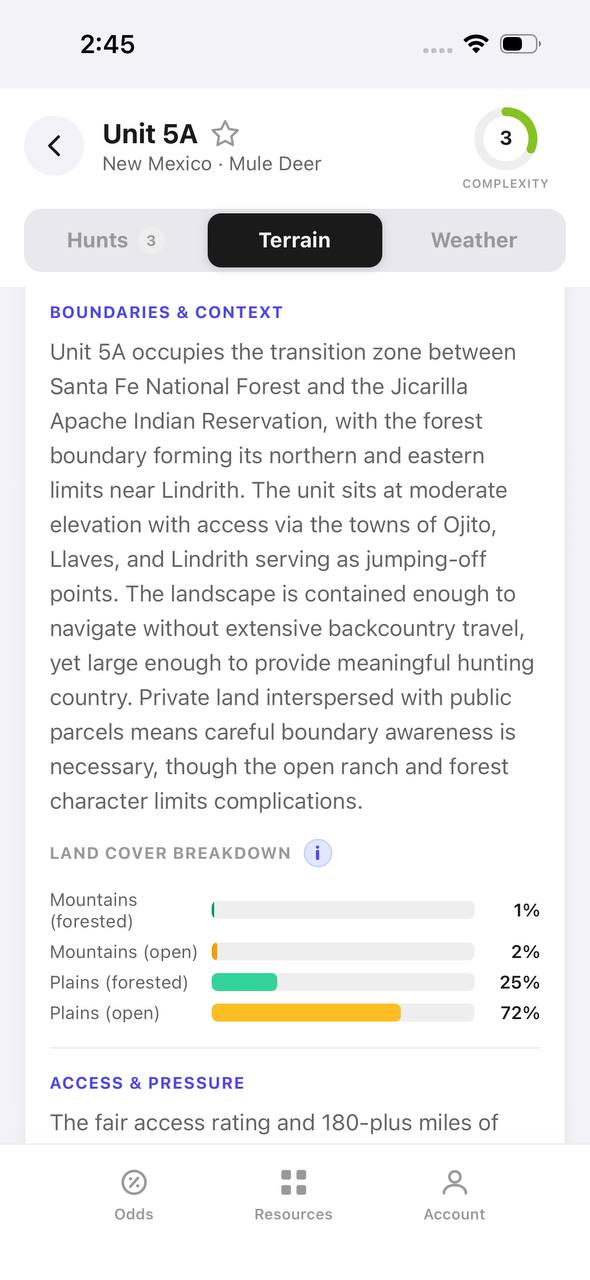
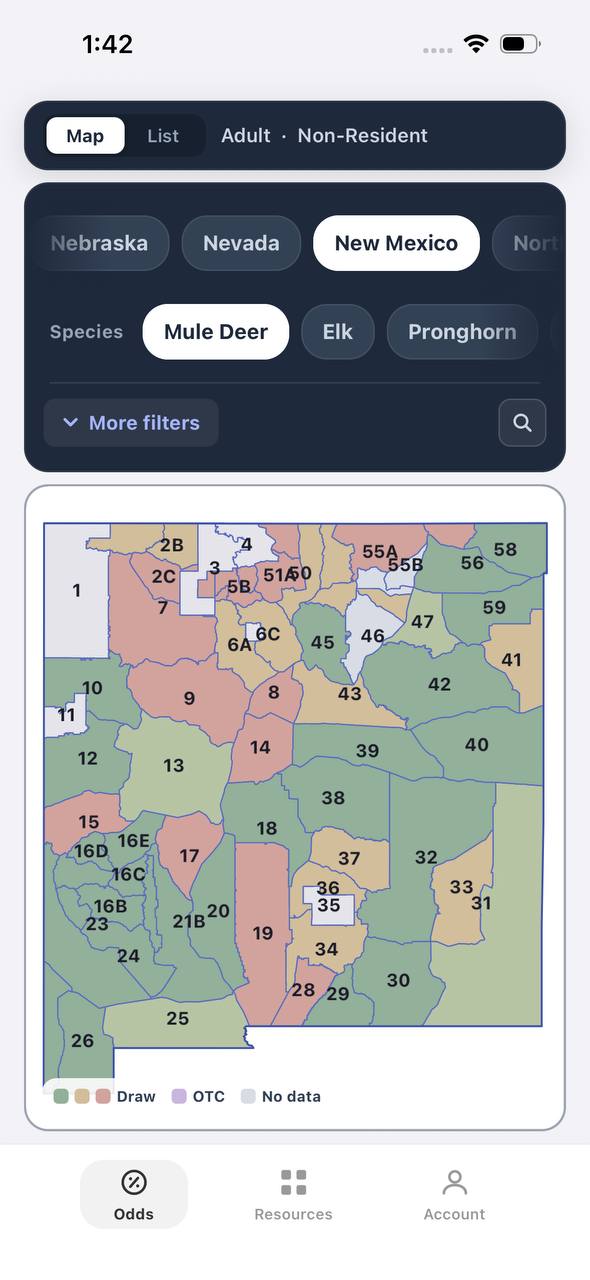
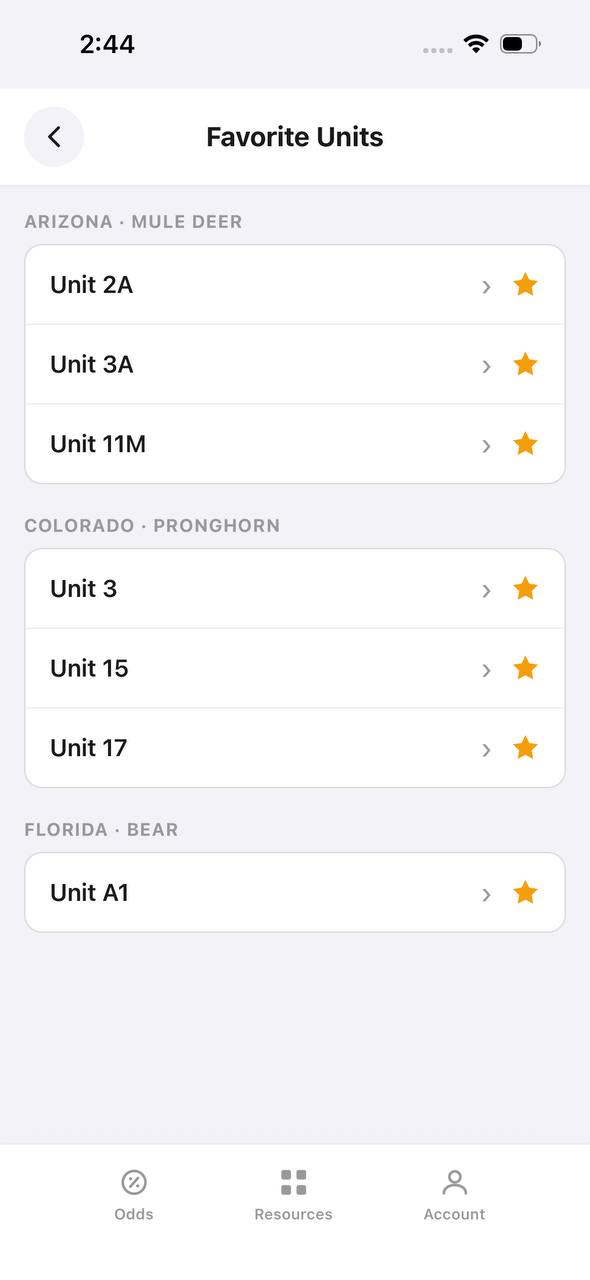
TRAGZ helps you plan the hunt itself—tracking draw odds, filtering units by terrain and access, and managing preference points across states so you maximize your chances of drawing the tag that gets you into sheep country in the first place. Once you draw, the gear you carry determines whether you capitalize on that opportunity or suffer through it.
Training: Gear Works Only If Your Body Does
The best gear in the world will not save you if your conditioning falls apart on day three. Sheep hunting demands cardiovascular fitness and leg strength that goes beyond weekend hiking.
Train with a weighted pack on steep terrain. Start with 30 pounds and work up to 60. Climb hills, stairs, or mountains multiple times per week for 8-12 weeks before your hunt. Focus on vertical gain, not just distance. A 2,000-foot climb simulates what you will do daily in sheep country.
Include strength work for your legs, core, and shoulders. Squats, lunges, step-ups, and deadlifts build the muscles you use climbing and carrying heavy loads. Your core stabilizes you on uneven ground. Your shoulders handle the pack straps for hours at a time.
Test your gear during training hikes. Wear your boots, carry your pack loaded with hunt weight, and identify problems before you are 10 miles from the trailhead. Adjust straps, swap gear, and dial in your system while you still have time to fix it.
Free to join
Download mobile app
- Detailed draw odds
- Point tracking
- Deadline reminders
- 18 states covered
Free to join
Download mobile app
- Detailed draw odds
- Point tracking
- Deadline reminders
- 18 states covered
Free to join
Download mobile app
- Detailed draw odds
- Point tracking
- Deadline reminders
- 18 states covered
Clothing Essentials: Beyond the Layering System
Your layering system handles the bulk of temperature regulation, but a few specialized clothing items separate prepared hunters from miserable ones.
Gloves matter more than you think. Bring a lightweight pair for active movement and an insulated pair for glassing. Your hands go numb fast at elevation, and cold fingers make it hard to glass, shoot, or set up camp. Add hand warmers to your kit for emergency backup.
A good beanie and neck gaiter handle head and neck insulation without adding bulk. Merino or synthetic materials wick sweat during climbs and insulate during glassing. Bring a ball cap with a brim for sun protection during midday.
Gaiters keep rocks, snow, and scree out of your boots. Low gaiters work for dry conditions. Knee-high gaiters handle deeper snow or wet brush. Either version saves you from dumping your boots every mile.
Pack rain gear even if the forecast looks clear. Weather turns fast above treeline, and getting soaked without a way to dry out will end your hunt. A lightweight rain jacket and pants weigh 1-2 pounds and keep you functional when storms roll in.
FAQ — Sheep Hunting Gear
What is the most important piece of sheep hunting gear?
Boots. They carry you through brutal terrain for 8-15 miles per day, and blisters or foot pain will end your hunt faster than any other gear failure. Invest in quality mountaineering boots and break them in completely before the hunt.
How much should a sheep hunting pack weigh?
Your loaded pack will typically weigh 50-70 pounds depending on hunt duration, weather, and whether you are packing meat. Focus on keeping base weight (gear without food and water) under 25-30 pounds by cutting unnecessary items and choosing lighter versions of essential gear.
Do I need a spotting scope for sheep hunting?
Yes. Judging rams at 1-2 miles requires magnification beyond what binoculars provide. A 65mm or 85mm spotting scope lets you confirm full curl and brooming before committing to a stalk, saving you from wasting energy on immature rams.
What rifle caliber is best for sheep hunting?
Cartridges like 6.5 PRC, 7mm Rem Mag, .280 Ackley Improved, and .300 Win Mag handle the long shots common in sheep country. Choose a caliber you shoot accurately under field conditions. A lighter recoiling round you hit with beats a magnum you flinch behind.
How do I keep pack weight down without sacrificing safety?
Cut weight on non-essential items first—compact your first aid kit, use a lighter stove, trim gear you might use instead of will use. Never compromise on shelter, sleeping bag, navigation, or communication gear. Those items keep you alive when conditions deteriorate.
What kind of training prepares you for a sheep hunt?
Weighted pack training on steep terrain builds the specific fitness sheep hunting demands. Start with 30 pounds and work up to 60 over 8-12 weeks. Focus on vertical gain, not just distance. Include leg and core strength work to handle uneven ground and heavy loads.
Continue Planning Your Hunt
Drawing a sheep tag represents the opportunity of a lifetime, but the odds are long across every state and species. TAGZ helps you identify which units match your point totals, compare draw odds across states, and track application deadlines so you never miss a chance to build points or draw that once-in-a-lifetime tag. Whether you are applying for desert bighorn in Nevada, Dall sheep in Alaska, or Rocky Mountain bighorn in Montana, TAGZ gives you the tools to make informed decisions before you ever click submit on an application.
Once you draw, explore the TAGZ Insights blog for unit breakdowns, gear reviews, and hunt planning strategies that help you prepare for the challenge ahead. From preference point tracking to terrain maps and public land access information, TAGZ simplifies the research that turns a drawn tag into a successful hunt. Check out pricing options to see how TAGZ fits your hunt planning workflow and sets you up for success in the application game and the field.
Was this article helpful?
Previous
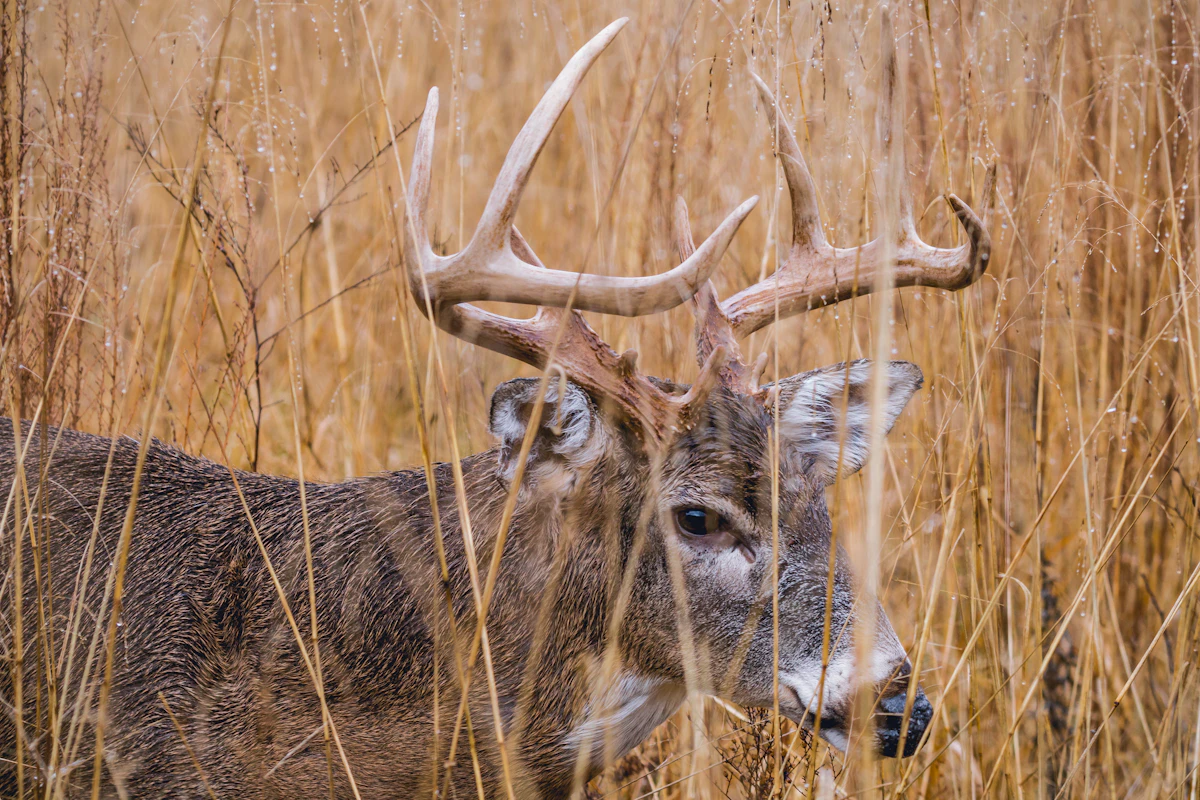
Best Deer Calls for Whitetail and Mule Deer Hunting in 2026
Master vocal tactics for whitetail and mule deer with the right calls. From grunt tubes and doe bleats to rattling sequences, learn which calls work during rut, early season, and late season hunts across public and private land.
Related
Can Nonresidents Hunt Bears in Florida? What Out-of-State Hunters Need to Know
Florida allows nonresident bear hunting, but opportunities are extremely limited. The state has not held a bear season since 2015, and future hunts depend on population management needs and public support.
Next
Ruger American Gen II vs Savage 110: Which Budget Rifle Wins for Western Hunters?
The Ruger American Gen II and Savage 110 dominate the budget hunting rifle market, but they take different approaches to accuracy, ergonomics, and field performance. Here's how they stack up for western big game hunters planning backcountry hunts.