Ruger American Gen II vs Savage 110: Which Budget Rifle Wins for Western Hunters?
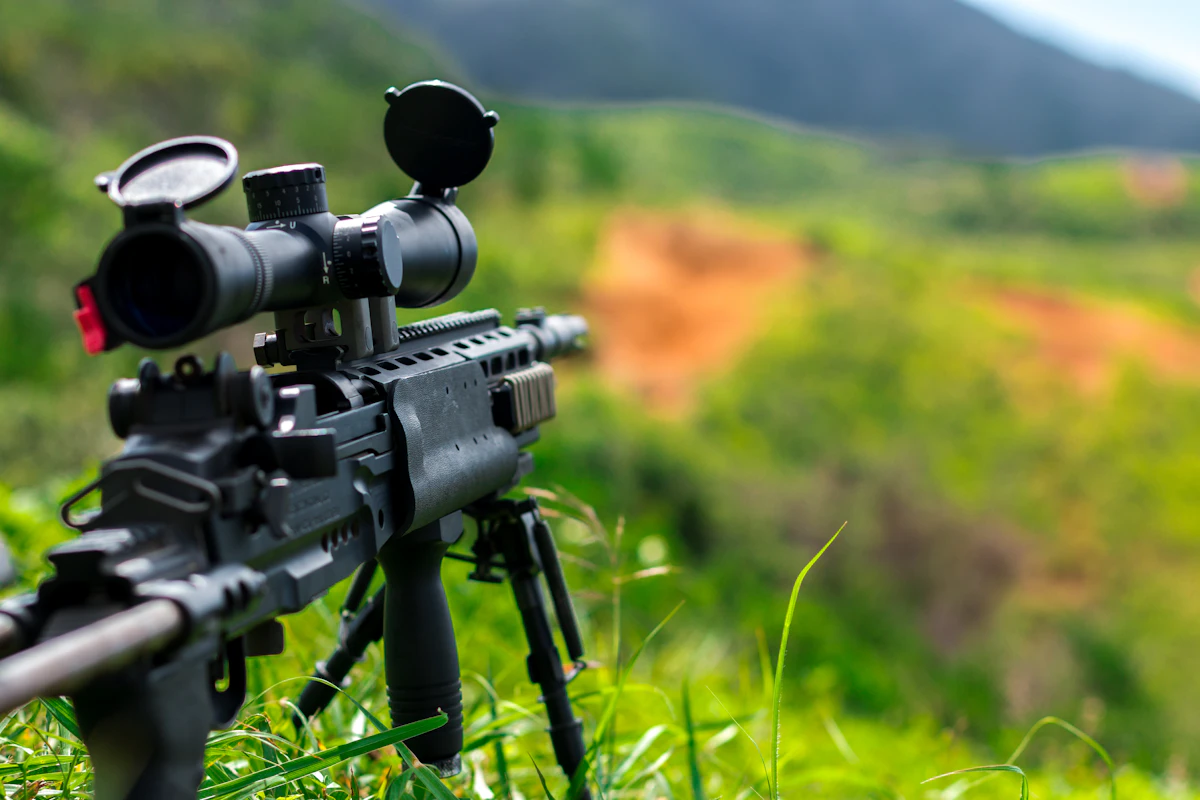
Walk into any sporting goods store and you'll find two rifles that have redefined what hunters should expect from a sub-$600 package gun: the Ruger American Gen II and the Savage 110. Both deliver MOA accuracy out of the box, both offer synthetic stocks that shrug off weather, and both have earned loyal followings among western hunters who need dependable performance without the custom rifle price tag.
But they're not interchangeable. The Gen II leans toward lightweight maneuverability and modern ergonomics. The Savage 110 prioritizes proven mechanical accuracy and a trigger system that's been the gold standard for decades. If you're planning a Colorado elk hunt or a Wyoming antelope application, understanding these differences matters more than the spec sheet suggests.
What Each Rifle Does Best
The Ruger American Gen II represents a complete redesign of the original American, which already punched above its weight class. Ruger added a two-position safety, improved the magazine release, upgraded the stock geometry, and shaved weight without sacrificing rigidity. The result is a rifle that feels modern in your hands and moves fast in the field. At 6.2 pounds in most calibers, it's light enough for all-day carries above timberline but still settles into shooting positions without feeling whippy.
The Savage 110 takes a different path. Savage's AccuTrigger has been setting the standard for factory triggers since 2003, and the current 110 platform builds on that foundation with user-adjustable pull weights, a stronger action, and compatibility with aftermarket barrels if you want to upgrade later. The 110 typically weighs 7–7.5 pounds depending on barrel contour, which adds stability for long-range shooting but makes it less appealing for steep mountain hunts.
Both rifles ship with threaded barrels for suppressors or muzzle brakes, both chamber popular western hunting cartridges from 6.5 Creedmoor to .300 Win Mag, and both use detachable box magazines. The differences emerge when you shoulder them on a rifle range and then carry them for five miles.
Accuracy and Real-World Performance
Savage built its reputation on accuracy, and the 110 delivers. The AccuTrigger breaks cleanly between 1.5 and 6 pounds depending on how you set it, and most shooters settle around 2.5–3 pounds for hunting. The barrel nut bedding system and floating bolt head contribute to consistent sub-MOA groups with factory ammunition. Spend an afternoon at the bench with Federal Premium or Hornady Precision Hunter, and you'll regularly print three-shot groups under an inch at 100 yards.
The Ruger American Gen II matches that accuracy with a simpler design. Ruger's Marksman Adjustable trigger isn't as refined as the AccuTrigger—it has a bit more creep and less crispness—but it's fully adjustable from 3 to 5 pounds and perfectly adequate for field shooting. The Gen II's cold hammer-forged barrel and bedded action produce the same sub-MOA results with quality ammunition. In practical hunting scenarios where you're shooting from improvised positions at ranges inside 400 yards, the accuracy difference disappears.
Where the Gen II pulls ahead is handling. The stock design places your hand closer to the bore axis, the comb height works better with modern low-power variable optics, and the lighter weight makes it easier to stay steady during long glassing sessions when you're using trekking poles or a tripod. The Savage 110 feels more traditional—longer length of pull, higher comb, better suited to classic hunting scopes than compact LPVOs.
Triggers, Safeties, and Ergonomics
The AccuTrigger remains Savage's strongest selling point. It's fully adjustable without gunsmithing, it's safe enough that Savage eliminated the need for a separate trigger safety, and it breaks with minimal overtravel. Hunters who prioritize precision shooting or plan to stretch their effective range appreciate the control it provides. The trigger blade safety takes some getting used to—it requires deliberate pressure on the inner blade before the main trigger moves—but it prevents accidental discharge even with gloves.
Ruger's Marksman Adjustable trigger is simpler. It's a single-stage design with adjustable pull weight but more creep than the AccuTrigger. It's not a target trigger, but it's predictable and consistent. The Gen II's two-position safety is a significant upgrade over the original American's tang safety. It locks the bolt when engaged, allows you to work the action with the safety on, and sits where your thumb naturally rests.
Stock ergonomics favor the Gen II for hunters who've trained with AR-15s or modern precision rifles. The grip angle is steeper, the forearm is wider for better bag or barricade contact, and the length of pull is shorter to accommodate bulky hunting clothing. The Savage 110's stock is more traditional—longer, narrower, better suited to shooting from a bench or bipod than from improvised field positions.
Weight, Balance, and Field Carry
Weight matters more than most hunters admit until they're three miles into a backcountry elk hunt at 10,000 feet. The Ruger American Gen II in 6.5 Creedmoor weighs 6.2 pounds bare, around 8.5 pounds with a 3-9x scope and loaded magazine. The Savage 110 in the same chambering weighs 7.3 pounds bare, roughly 9.5 pounds scoped and loaded. That one-pound difference compounds over distance and elevation.
The Gen II balances slightly forward of the magazine well, which helps it track smoothly when swinging onto moving game. The 110 balances more rearward, which makes it steadier when shooting from prone or a supported position but slower to bring on target from offhand. Neither rifle is a true mountain rifle—if you're chasing sheep or high-country mule deer, you'd step up to a Kimber Mountain Ascent or a Christensen Arms Ridgeline—but the Gen II handles rough country better than the 110.
Both rifles wear durable synthetic stocks that tolerate rain, snow, and rough handling without warping. The Gen II's stock has more texture for better grip with wet gloves, while the 110's stock is smoother but includes front and rear sling swivel studs for traditional carry.
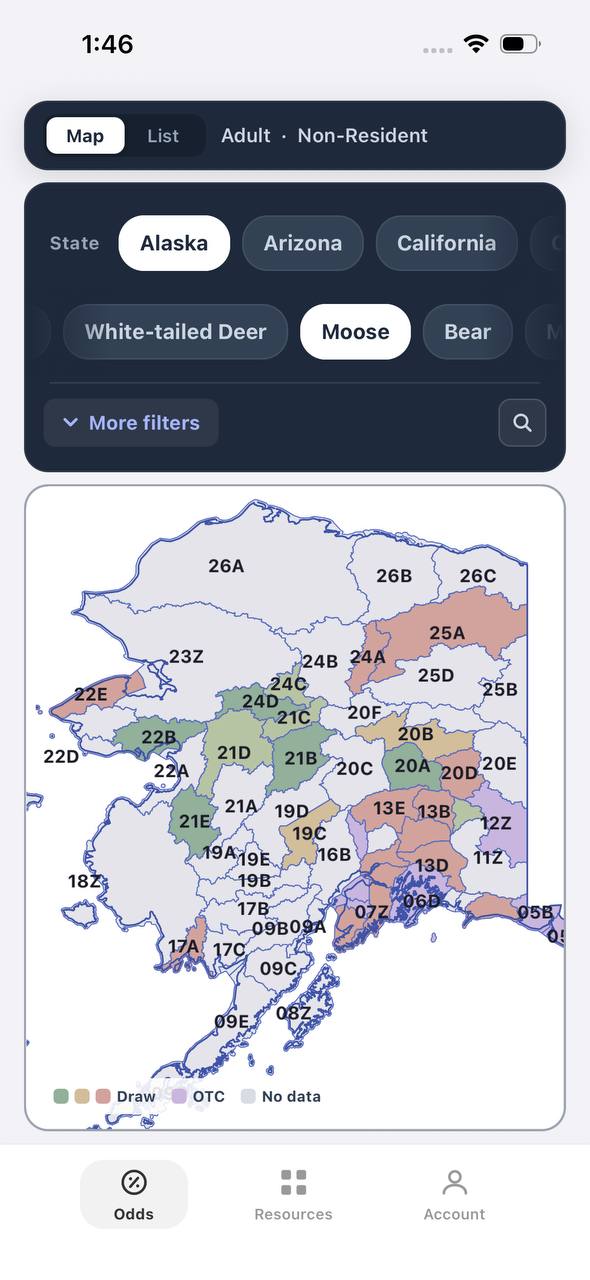
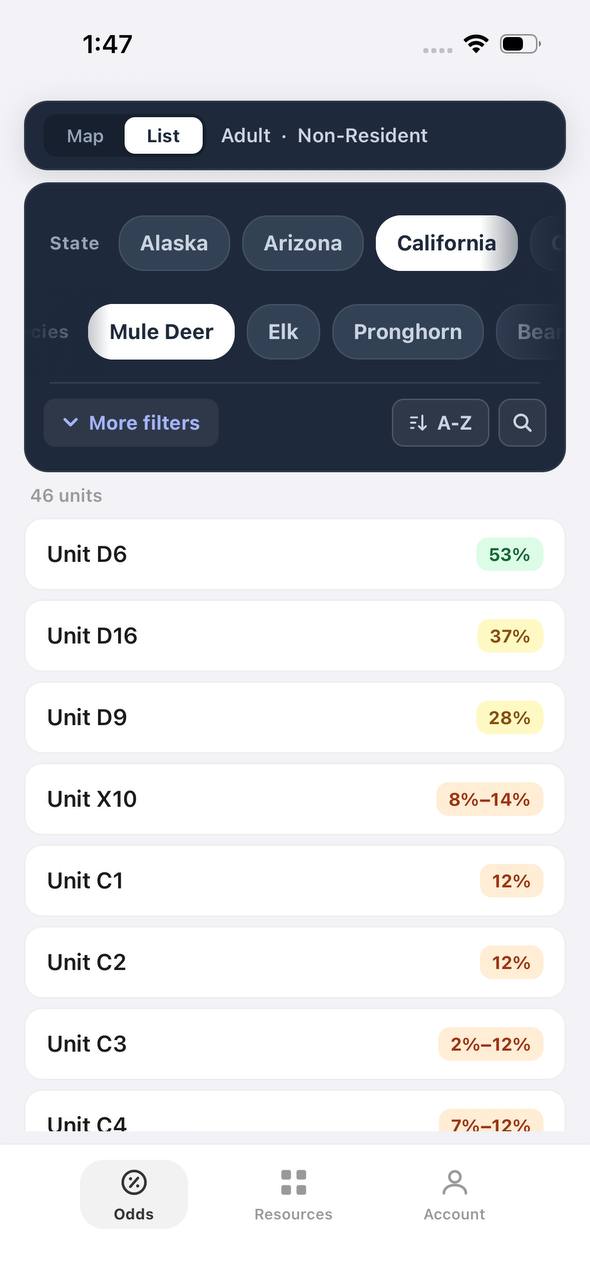
Free to join
Download mobile app
- Detailed draw odds
- Point tracking
- Deadline reminders
- 18 states covered

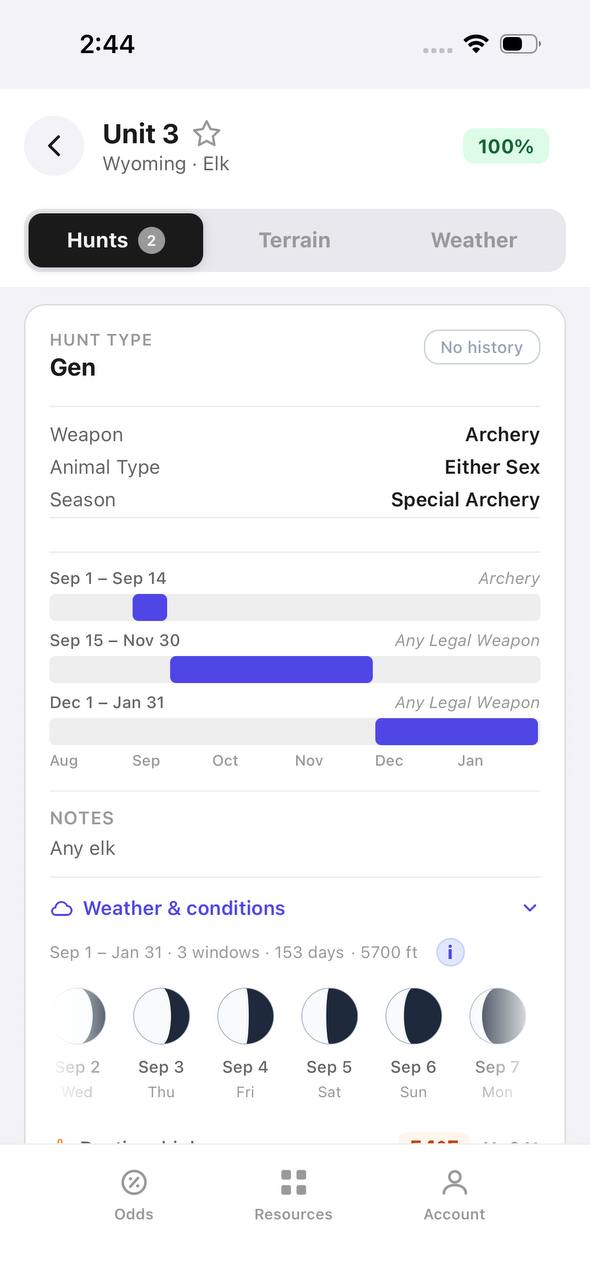
Free to join
Download mobile app
- Detailed draw odds
- Point tracking
- Deadline reminders
- 18 states covered
Free to join
Download mobile app
- Detailed draw odds
- Point tracking
- Deadline reminders
- 18 states covered

Chambering Options and Versatility
Savage offers the 110 in more than 20 chamberings, from varmint cartridges like .223 Remington to dangerous game rounds like .375 Ruger. That versatility matters if you want one action for multiple barrels or plan to hunt everything from prairie dogs to moose. The 110 is available in short-action and long-action variants, left-hand models, and specialized versions like the 110 Ultralite and 110 Tactical.
Ruger chambers the American Gen II in fewer options—mostly popular hunting cartridges like 6.5 Creedmoor, .308 Winchester, .270 Winchester, .30-06 Springfield, 7mm Remington Magnum, and .300 Win Mag. That's enough for 95% of western big game hunting, but if you want something less common or prefer building a multi-barrel system, Savage has more flexibility.
Both rifles accept standard scope bases and rings. Both ship with Picatinny rail options for mounting modern optics with zero stops and exposed turrets. Both are available in multiple barrel lengths—handy if you want a shorter package for timber elk hunting or a longer barrel for open-country mule deer.
Magazines and Feeding Reliability
The Ruger American Gen II uses a rotary magazine that's been refined from the original American. It feeds smoothly, drops free with the magazine release button, and holds four rounds in most chamberings (three in magnums). The magazine sits flush with the stock, which reduces snag points when carrying the rifle in thick brush.
The Savage 110 uses a detachable box magazine that varies by model—some use AICS-pattern magazines, others use Savage's proprietary design. The AICS-compatible models give you access to aftermarket magazines from Magpul and Accuracy International, which matters if you want to carry spares or upgrade to higher-capacity magazines for practice sessions. The Savage magazine release is a paddle-style button behind the magazine well, easy to operate with either hand.
Both systems work reliably with pointed soft-point bullets, polymer-tipped hunting bullets, and boat-tail hollow points. Neither rifle has feeding issues with quality factory ammunition. The Savage's AICS compatibility gives it an edge for shooters who already own precision rifle magazines, but the Ruger's flush-fit design is cleaner for hunting.
Aftermarket Support and Upgrades
The Savage 110 has decades of aftermarket support. You can swap barrels at home with a barrel nut wrench and a headspace gauge, which lets you change calibers or upgrade to a custom barrel without visiting a gunsmith. Stocks, triggers, bottom metal, and scope bases are widely available from companies like MDT, KRG, and Stockys. If you want to build a custom rifle on a budget, the 110 action is a proven platform.
The Ruger American Gen II is newer and has less aftermarket support, but it's growing. Stockys and Boyd's make replacement stocks, Timney makes a drop-in trigger, and barrel upgrades are available from gunsmiths who specialize in the American action. You won't find the same breadth of parts as the Savage, but the Gen II's out-of-the-box performance reduces the need for immediate upgrades.
Both rifles benefit from simple improvements—swapping the factory stock for a chassis system or adding a muzzle brake for magnum chamberings. The Savage's barrel-swapping capability gives it more long-term versatility if you plan to tinker, while the Gen II's modern design means most hunters will leave it stock.
Price and Value Proposition
Both rifles typically sell for $500–$600 depending on chambering and retailer. The Ruger American Gen II often runs slightly cheaper, especially during sales. The Savage 110 holds its value better on the used market due to its established reputation and longer production history.
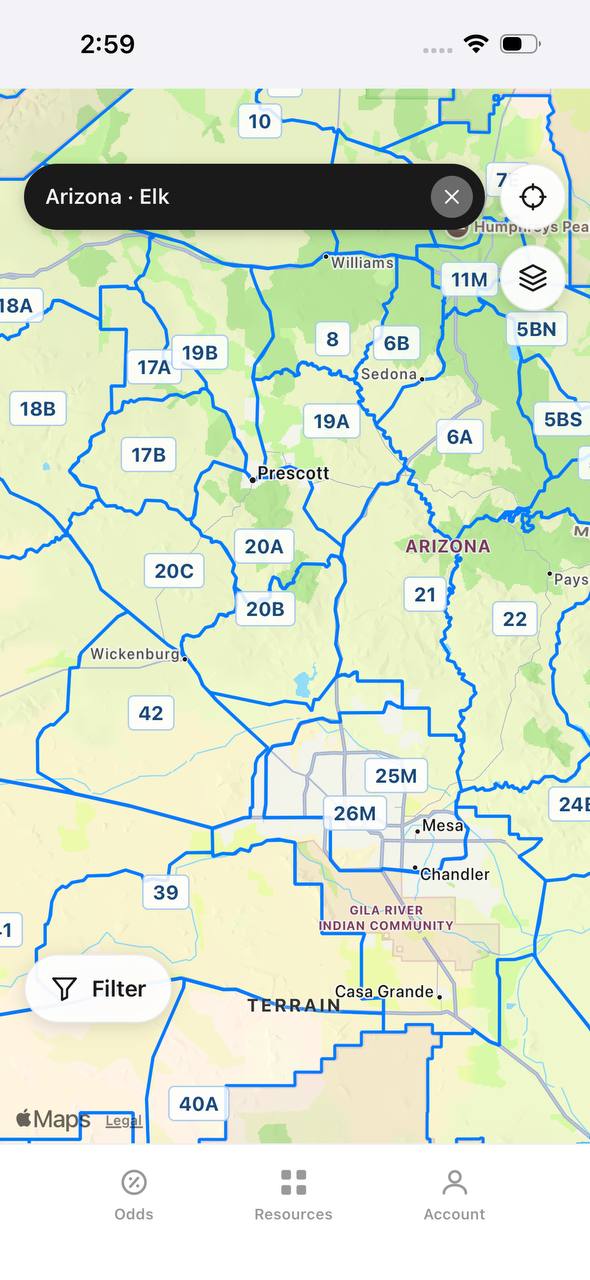
For western hunters using TAGZ to compare draw odds across states and plan multi-season hunts, either rifle delivers the accuracy and reliability you need to capitalize on hard-won tags. The decision comes down to how you hunt. If you're chasing Colorado OTC elk in steep timber, covering vertical miles every day, and prioritizing light weight and fast handling, the Gen II makes more sense. If you're applying for limited-entry mule deer tags in Wyoming, shooting across open basins, and want a rifle that doubles as a precision trainer at the range, the Savage 110 is the better choice.
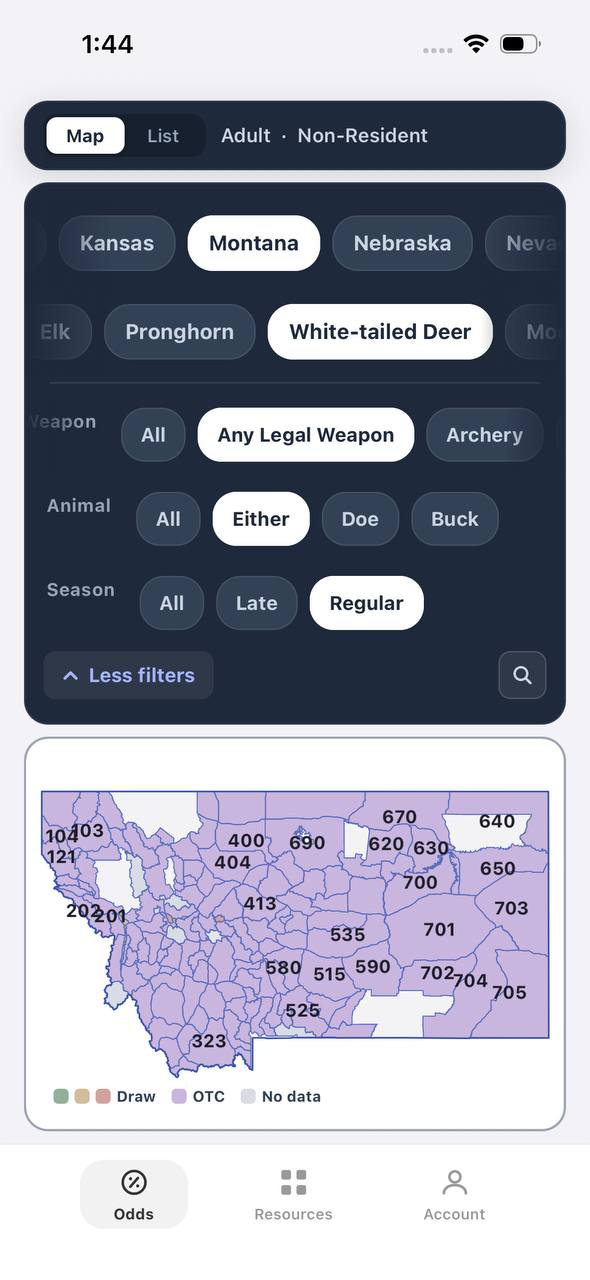
TAGZ helps you filter hunts by weapon type, terrain, and season dates so you can match your gear to the hunt. Whether you're building preference points for a trophy unit or jumping on a leftover tag opportunity, knowing your rifle's strengths lets you hunt with confidence from application day through the shot.
Which Rifle Fits Your Hunting Style?
The Ruger American Gen II is the better option for hunters who prioritize weight savings, modern ergonomics, and all-day carry comfort. It's ideal for backcountry elk hunts, spot-and-stalk mule deer, and mountain terrain where you're covering serious elevation. The rifle shoulders quickly, handles well from improvised positions, and delivers the accuracy you need for ethical shots inside 400 yards.
The Savage 110 suits hunters who value mechanical precision, aftermarket flexibility, and traditional rifle handling. It's a better choice for open-country antelope hunting, prairie shooting, and situations where you're glassing from a vehicle and hiking shorter distances to set up shots. The AccuTrigger and barrel-swapping capability make it a strong platform if you want to upgrade components over time or shoot precision rifle competitions during the off-season.
Neither rifle will limit your success on western big game hunts. Both are accurate, reliable, and backed by strong warranties. The choice depends on whether you value lightweight mobility or classic precision engineering.
How TAGZ Helps You Plan Around Your Rifle Choice
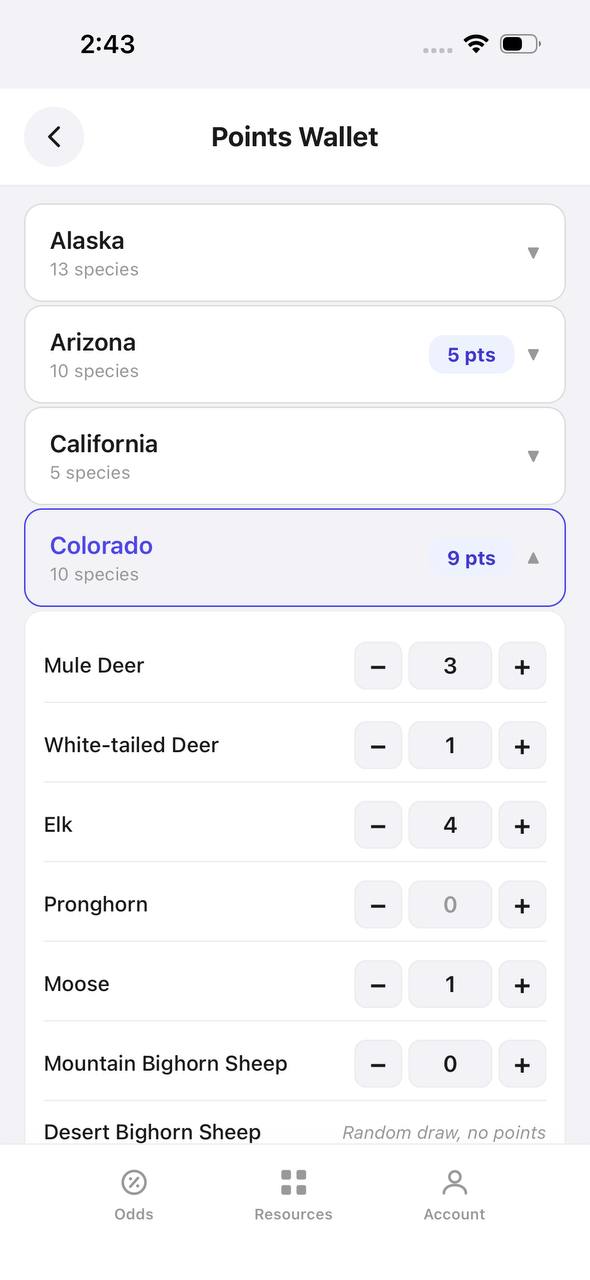
Once you've chosen your rifle, TAGZ simplifies the hunt planning process. Compare draw odds for rifle hunts across multiple states, track your preference points and bonus points so you know which units are realistic targets, and filter hunts by terrain type to match your rifle's strengths. If you're carrying a lightweight Gen II, TAGZ helps you identify steep backcountry units where mobility matters. If you're shooting a Savage 110, filter for open-country hunts where long-range accuracy pays off.
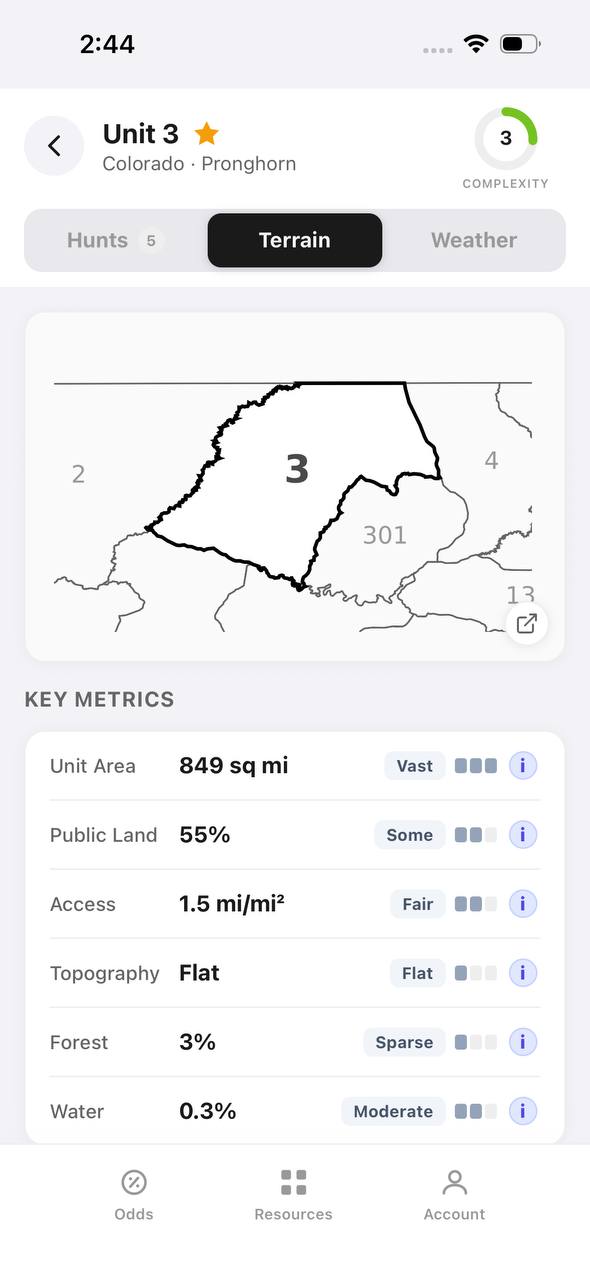
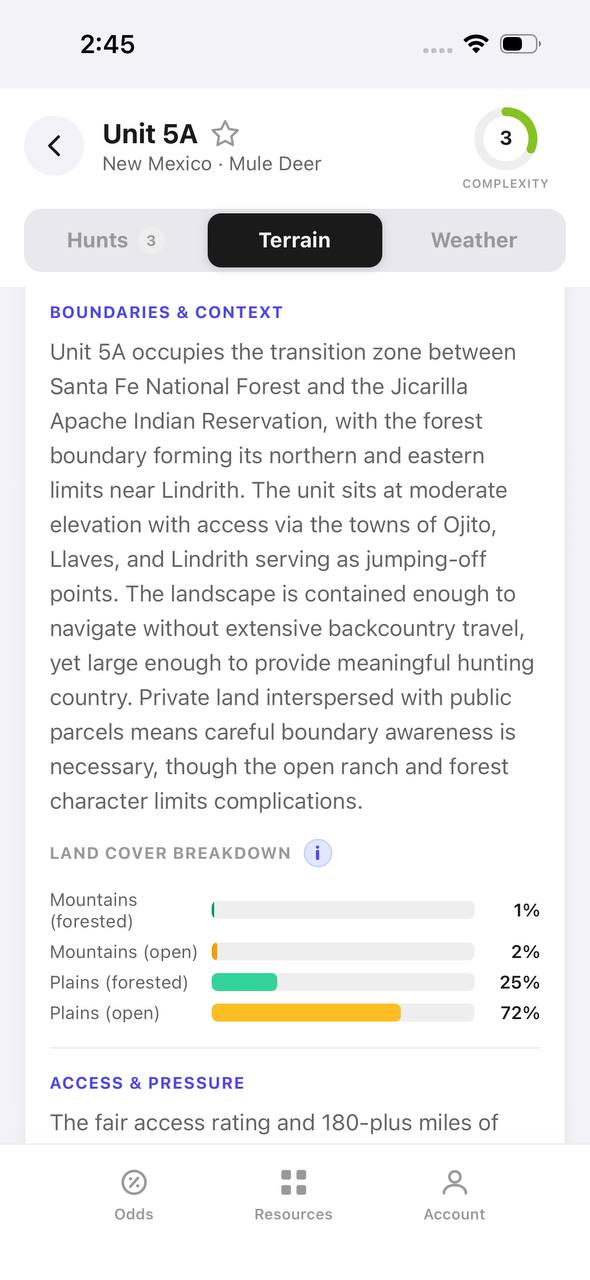
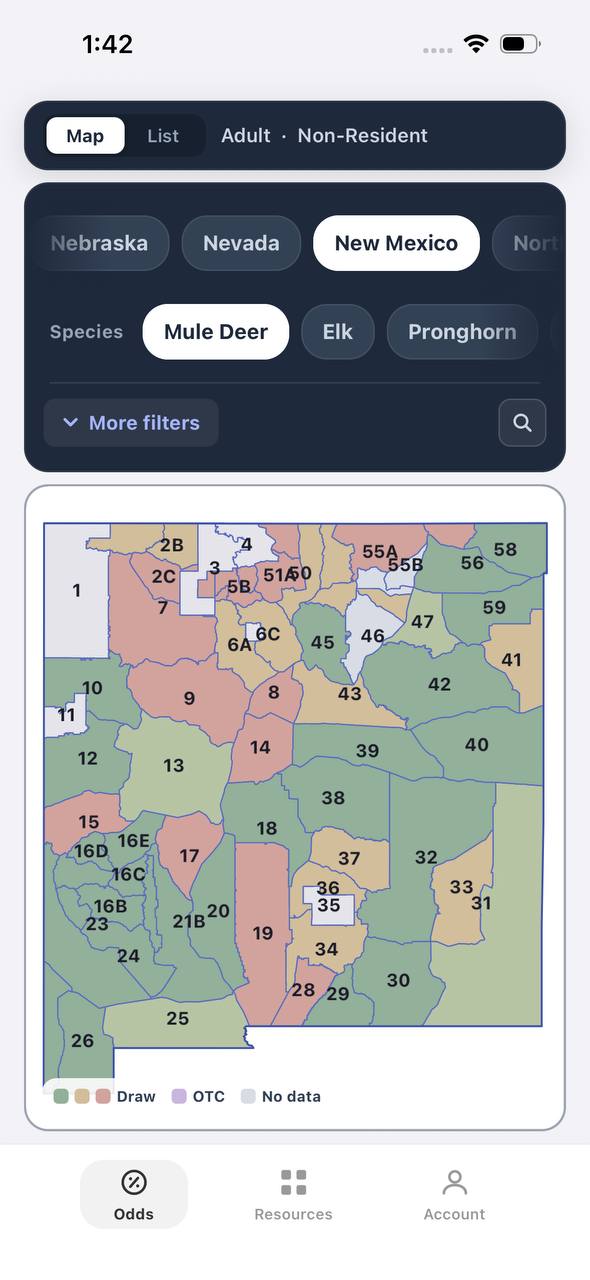
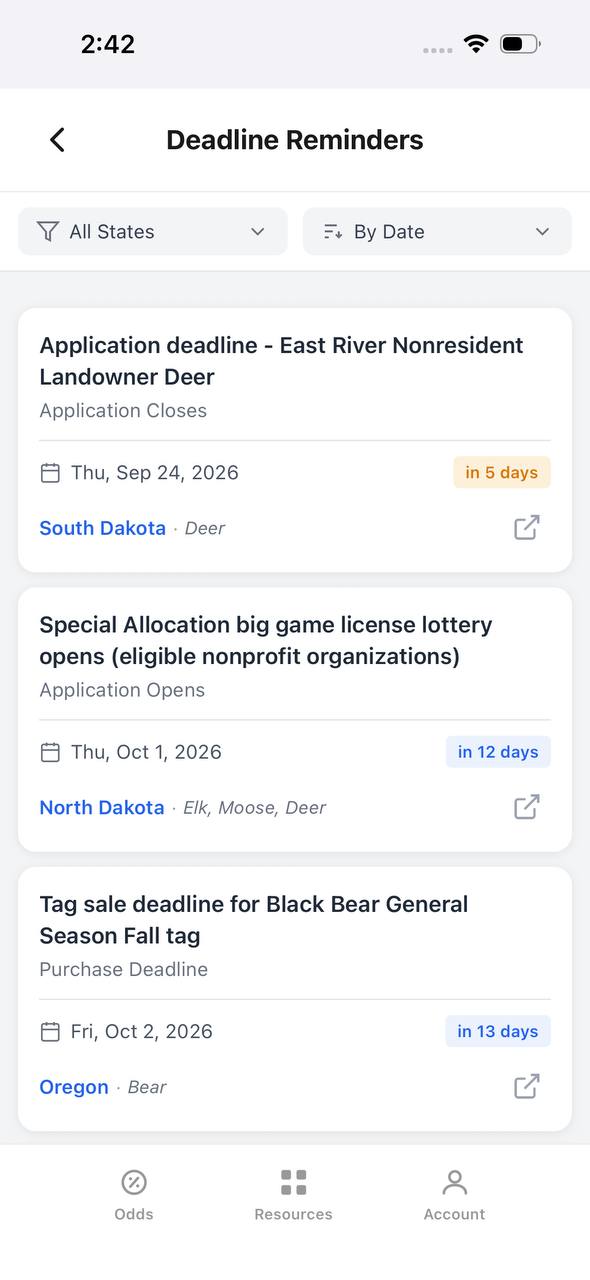
TAGZ's unit maps and terrain breakdowns show you public land access, elevation profiles, and habitat types before you apply. Track draw deadlines across states so you never miss an application window, and compare historical draw data to build a multi-year strategy. Whether you're chasing OTC tags or planning a once-in-a-lifetime limited-entry hunt, TAGZ gives you the tools to make smarter decisions from application season through the hunt itself.
FAQ — Ruger American Gen II vs Savage 110
Which rifle is more accurate for hunting?
Both rifles deliver sub-MOA accuracy with quality factory ammunition. The Savage 110's AccuTrigger gives a slight edge for precision shooting, but the Ruger American Gen II matches it in real-world hunting scenarios.
Is the Ruger American Gen II worth the lighter weight?
Yes, if you're hunting steep backcountry terrain where you'll carry the rifle for miles. The one-pound weight savings makes a noticeable difference over long distances and high elevations.
Does the Savage 110's AccuTrigger justify the extra cost?
The Savage 110 typically costs the same or slightly less than the Gen II. The AccuTrigger is a major advantage for shooters who want a crisp, adjustable trigger without aftermarket upgrades.
Can you swap barrels on the Ruger American Gen II?
Barrel swaps require a gunsmith, unlike the Savage 110's user-serviceable barrel nut system. The Gen II is designed as a complete rifle, not a modular platform.
Which rifle handles better in wet or cold weather?
Both rifles have synthetic stocks that resist moisture and temperature changes. The Gen II's stock texture provides better grip with wet gloves, while the Savage's smoother stock is easier to wipe clean.
Is the Ruger American Gen II better for new hunters?
Yes. The simpler controls, lighter weight, and modern ergonomics make it easier to learn proper shooting technique and carry comfortably during long hunts.
Does the Savage 110 offer more caliber options?
Yes. Savage chambers the 110 in over 20 calibers, including specialized rounds for varmint hunting and dangerous game. The Gen II focuses on common western big game cartridges.
Was this article helpful?
Previous
Best Deer Calls for Whitetail and Mule Deer Hunting in 2026
Master vocal tactics for whitetail and mule deer with the right calls. From grunt tubes and doe bleats to rattling sequences, learn which calls work during rut, early season, and late season hunts across public and private land.

Related
Can Nonresidents Hunt Bears in Florida? What Out-of-State Hunters Need to Know
Florida allows nonresident bear hunting, but opportunities are extremely limited. The state has not held a bear season since 2015, and future hunts depend on population management needs and public support.
Next
Sheep Hunting Gear: Complete Equipment List for Alpine Success
Sheep hunting demands specialized gear built for extreme elevation, brutal weather, and multi-day backcountry hunts. This guide covers everything from boots and optics to packs and layering systems, helping you prepare for North America's most demanding hunt.