Best Deer Calls for Whitetail and Mule Deer Hunting in 2026
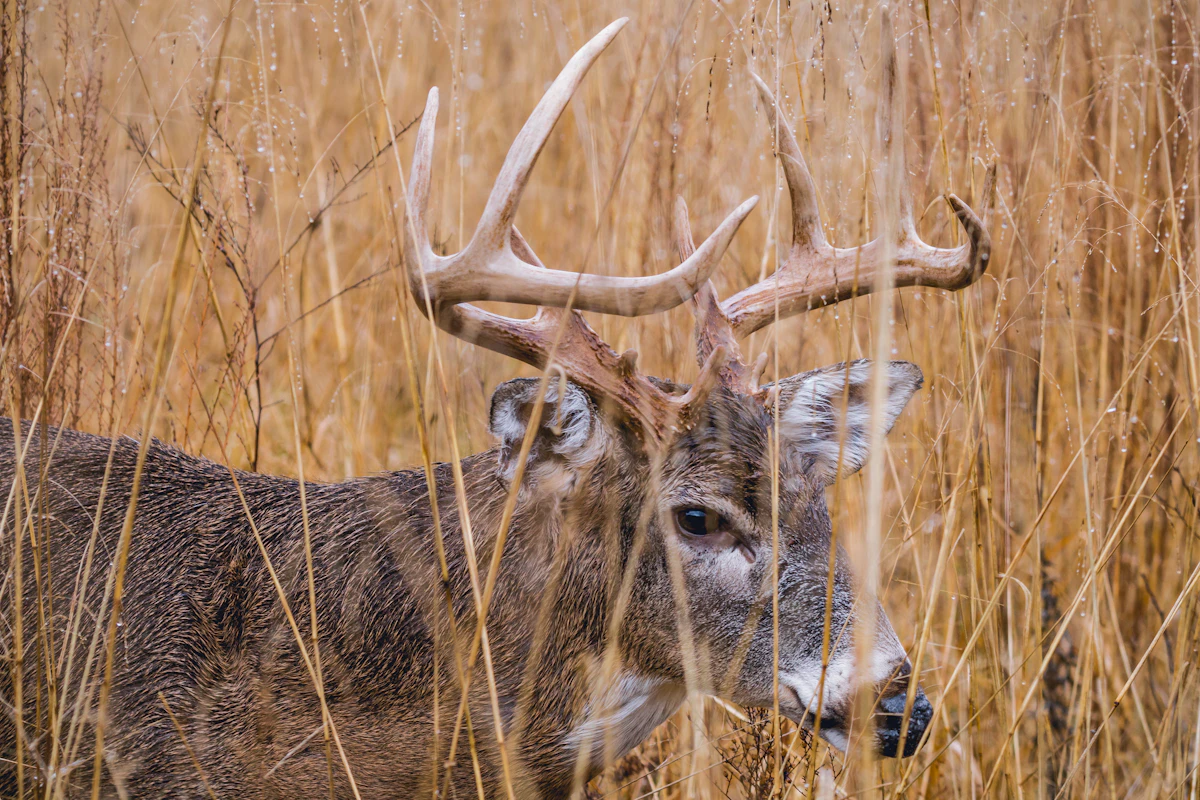
Vocal tactics can turn a quiet morning into a close encounter, but only if you match the call to the moment. Whitetail and mule deer respond differently to grunts, bleats, and rattling depending on the phase of season, hunting pressure, and whether you are working a bedding area or a funnel. The right call at the right time pulls deer within range. The wrong call sends them the other direction.
This guide breaks down the best deer calls for 2025, how each type works, and when to deploy them for whitetail and mule deer from early season through late rut.
Grunt Tubes — The Foundation of Deer Calling
A grunt tube mimics the contact and tending grunts bucks make during the rut. It is the most versatile call in your pack and works across all phases of the season, from September velvet hunts to December cold fronts.
Top picks: Primos The Can, Knight & Hale EZ Grunter, Illusion Systems Extinguisher.
When to use it: Early season grunt sequences work on bachelor groups and bucks cruising food sources. During pre-rut and peak rut, aggressive tending grunts pull bucks off doe trails. Post-rut, soft contact grunts trigger curiosity without spooking pressured deer.
Calling sequence: Start with two or three soft grunts separated by 30 seconds. If no response, wait five minutes and try a louder sequence. On public land, shorter sequences reduce the risk of educating deer. On private land with lower pressure, you can be more aggressive.
Whitetail vs. mule deer: Whitetails respond more reliably to grunting during all phases of the rut. Mule deer respond best during peak rut when bucks are actively tending does. Outside of rut, mule deer are less vocal than whitetails, so grunting works better in high buck-to-doe ratio units.
Doe Bleats — Calling in Cruising Bucks
Doe bleats imitate the estrous bleat a receptive doe makes when she is ready to breed. During pre-rut and peak rut, this call can pull bucks out of thick cover or off ridgelines as they search for hot does.
Top picks: Primos Doe Bleat, Illusion Systems Black Rack, Knight & Hale Original Can.
When to use it: Doe bleats work best from late October through mid-November in most whitetail zones, and from mid-November through early December in high-elevation mule deer units. This call is less effective outside of rut because does do not make estrous bleats when they are not in heat.
Calling sequence: Start with one or two short bleats, wait three to five minutes, then follow up with a grunt sequence. This combination mimics a doe in estrous with a trailing buck and triggers competitive instincts in other bucks within earshot.
Whitetail vs. mule deer: Whitetail bucks respond aggressively to doe bleats during peak rut, often covering 200 yards or more to investigate. Mule deer bucks are more cautious and may circle downwind before committing, so position yourself with good wind and shooting lanes.
Rattling Antlers and Bags — Aggressive Calling During Rut
Rattling imitates two bucks fighting over does or territory. This tactic works best during peak rut when buck-to-doe ratios are balanced and competition is high. In areas with skewed ratios or heavy hunting pressure, rattling can push deer out of the area instead of bringing them in.
Top picks: Real shed antlers, Primos Battling Bucks, Knight & Hale Pack Rack.
When to use it: Rattling works best during peak rut in areas with healthy buck populations. On public land, rattling can pull bucks from bedding areas if you set up on the downwind edge of thick cover. On private land, rattling works in funnels, pinch points, and near doe bedding areas.
Rattling sequence: Start with light sparring sounds for 30 seconds, pause for two minutes, then rattle aggressively for 45 seconds. Follow up with a series of grunts to simulate a dominant buck defending his territory. Wait 20 to 30 minutes before moving to a new location.
Whitetail vs. mule deer: Whitetails respond more aggressively to rattling because they have stronger territorial instincts and higher population densities in most hunting zones. Mule deer respond best in limited-entry units with balanced buck-to-doe ratios and minimal hunting pressure.
Fawn Bleats — Underrated Early Season and Late Season Tactic
Fawn bleats imitate a distressed fawn, which triggers protective instincts in does and curiosity in bucks. This call works during early season when does are still guarding fawns and during late season when deer are grouped up and more social.
Top picks: Primos Fawn Bleat, Illusion Systems Fawn Bleat.
When to use it: Early season fawn bleats work in September and early October when does are still protective. Late season fawn bleats work in December and January when deer are grouped up and responding to distress sounds. This call also works as a last resort on pressured public land where deer have been educated to grunts and rattling.
Calling sequence: Start with three or four short, high-pitched bleats separated by a few seconds. Wait five minutes, then repeat. This call is passive and works best when combined with sitting still near bedding areas or food sources.
Whitetail vs. mule deer: Both species respond to fawn bleats, but whitetails respond more predictably because they have stronger maternal instincts. Mule deer respond best in low-pressure areas where they have not been over-called.
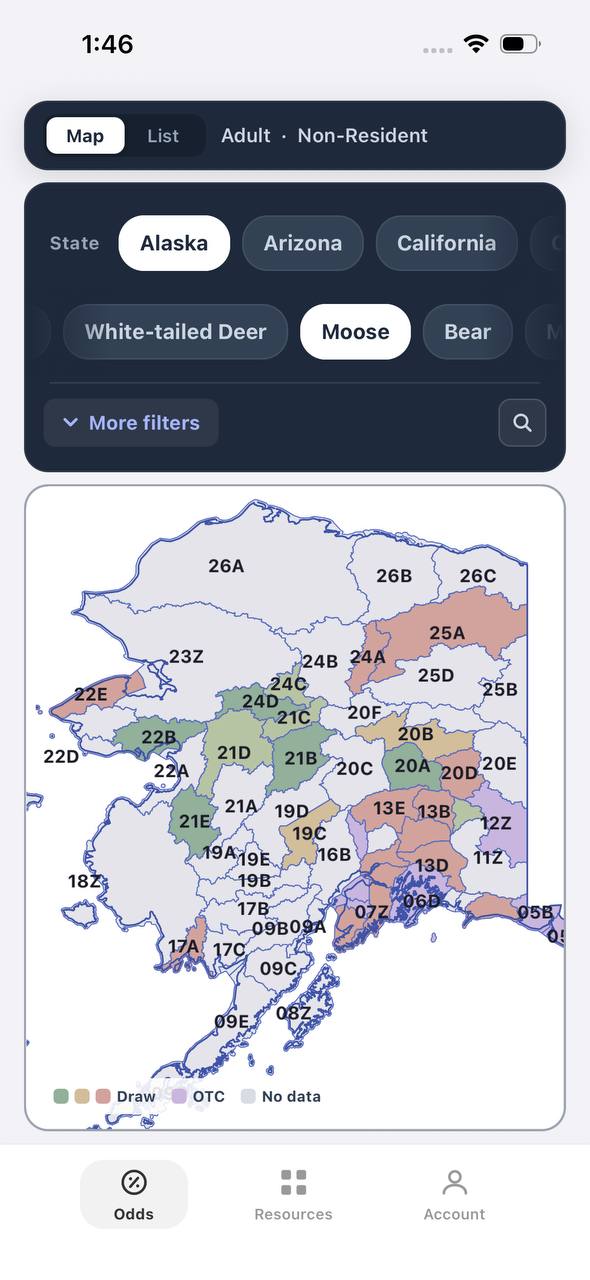
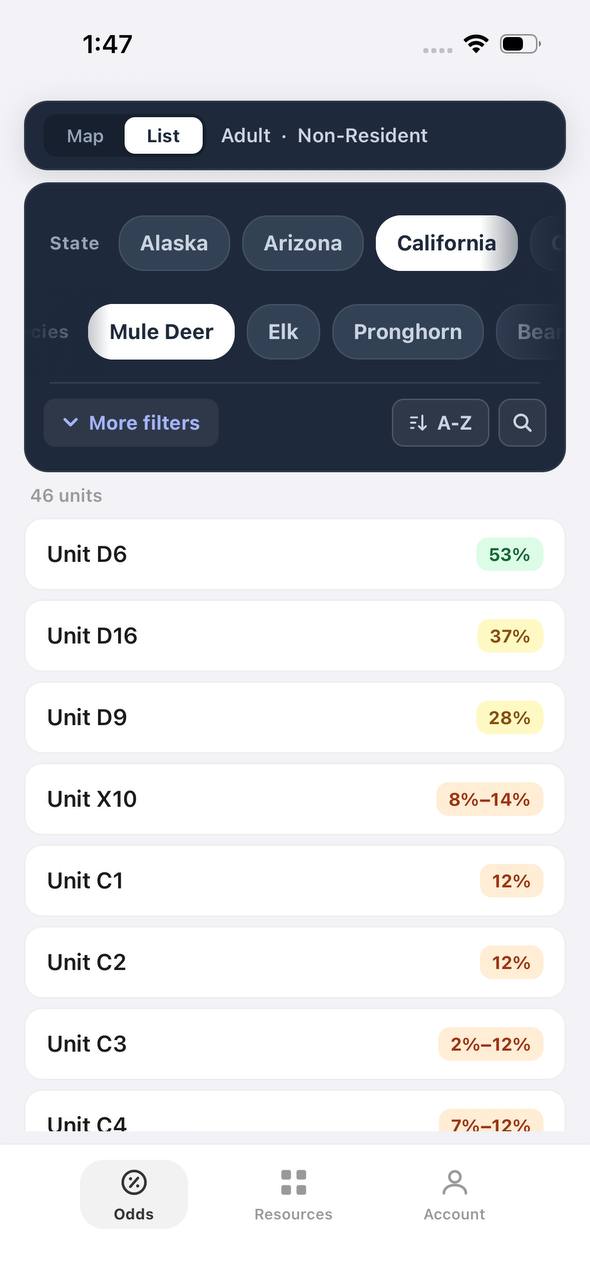
Free to join
Download mobile app
- Detailed draw odds
- Point tracking
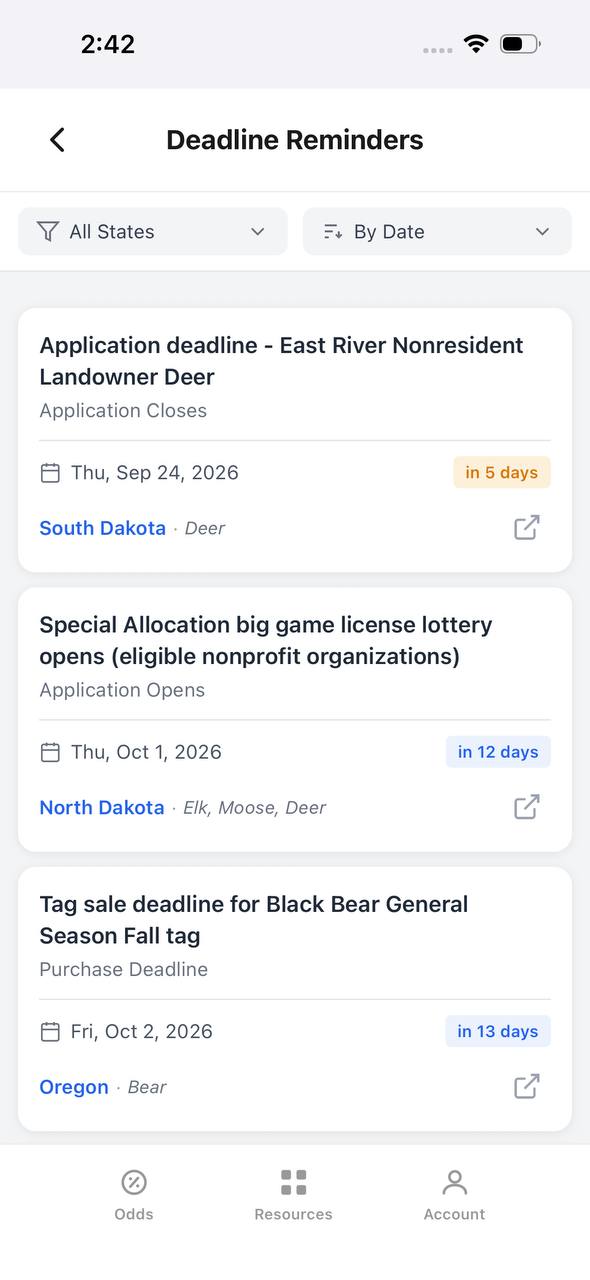
- Deadline reminders
- 18 states covered

Free to join
Download mobile app
- Detailed draw odds
- Point tracking
- Deadline reminders
- 18 states covered
Free to join
Download mobile app
- Detailed draw odds
- Point tracking
- Deadline reminders
- 18 states covered
When to Call and When to Stay Silent
Calling works, but only when deer are in the mood to respond. Timing, hunting pressure, and buck-to-doe ratios dictate whether calling pulls deer in or pushes them away.
Call more often when:
- Hunting during pre-rut or peak rut.
- Hunting low-pressure private land or remote public land.
- Hunting units with balanced buck-to-doe ratios.
- Set up near bedding areas, funnels, or pinch points.
Call less often when:
- Hunting heavily pressured public land.
- Hunting post-rut when bucks are exhausted and call-shy.
- Hunting units with skewed buck-to-doe ratios where competition is low.
- Set up in open country where deer can spot movement from long distances.
Rule of thumb: On public land, call sparingly and quietly. On private land, be more aggressive. In high-pressure zones, silence is often the best tactic.
Calling Mistakes That Educate Deer
Most calling mistakes come from over-calling, bad timing, or using the wrong call for the situation. Deer are not stupid. Once they hear unnatural calling patterns, they avoid the area.
Common mistakes:
- Calling too often. Wait at least five minutes between sequences.
- Using aggressive rattling on pressured public land where bucks are call-shy.
- Calling without good wind. Deer circle downwind before committing, so always set up with shooting lanes covering downwind approaches.
- Using the same call repeatedly. Mix grunts, bleats, and rattling to create realistic soundscapes.
- Calling in the open. Deer rarely commit to calls in wide-open terrain. Set up near cover.
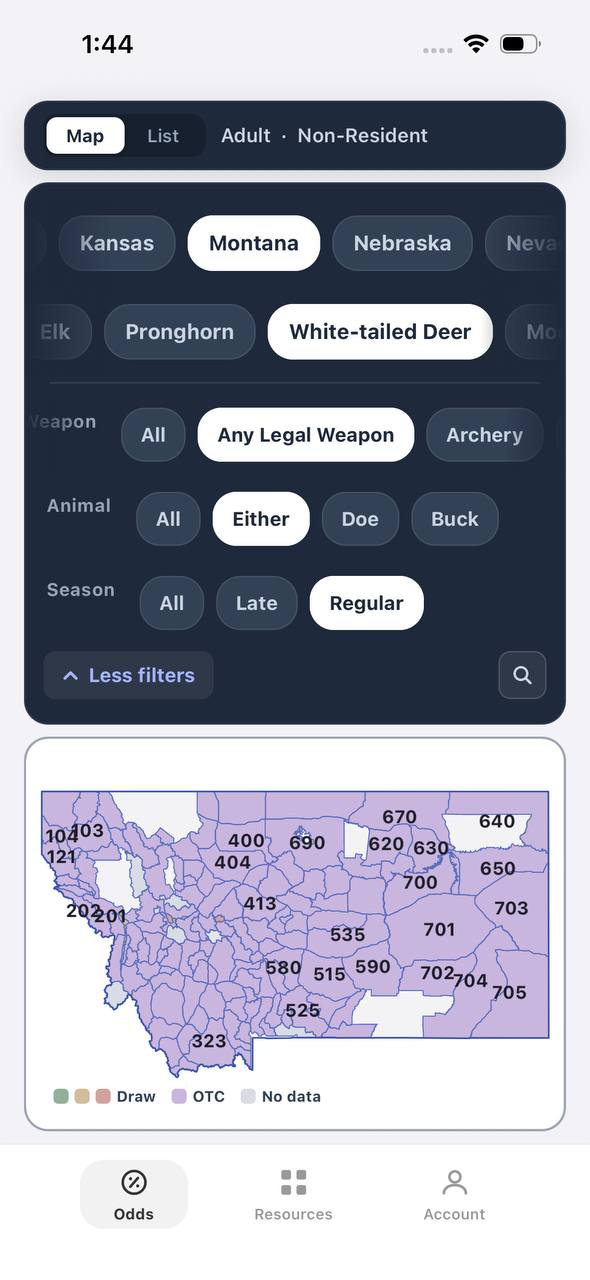
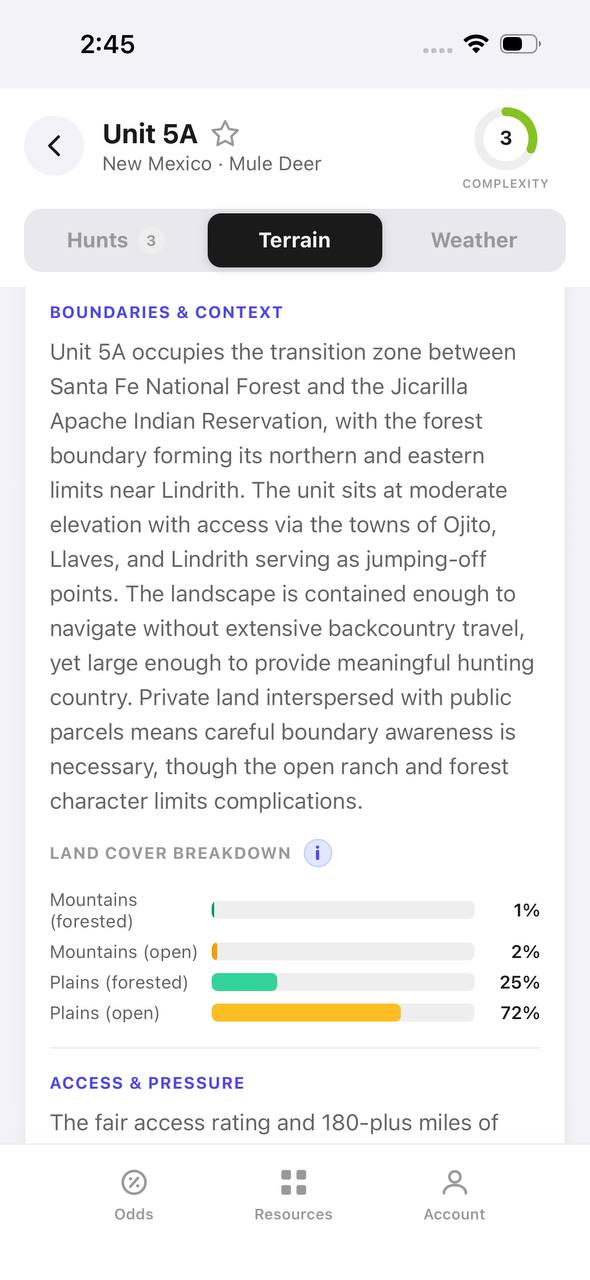
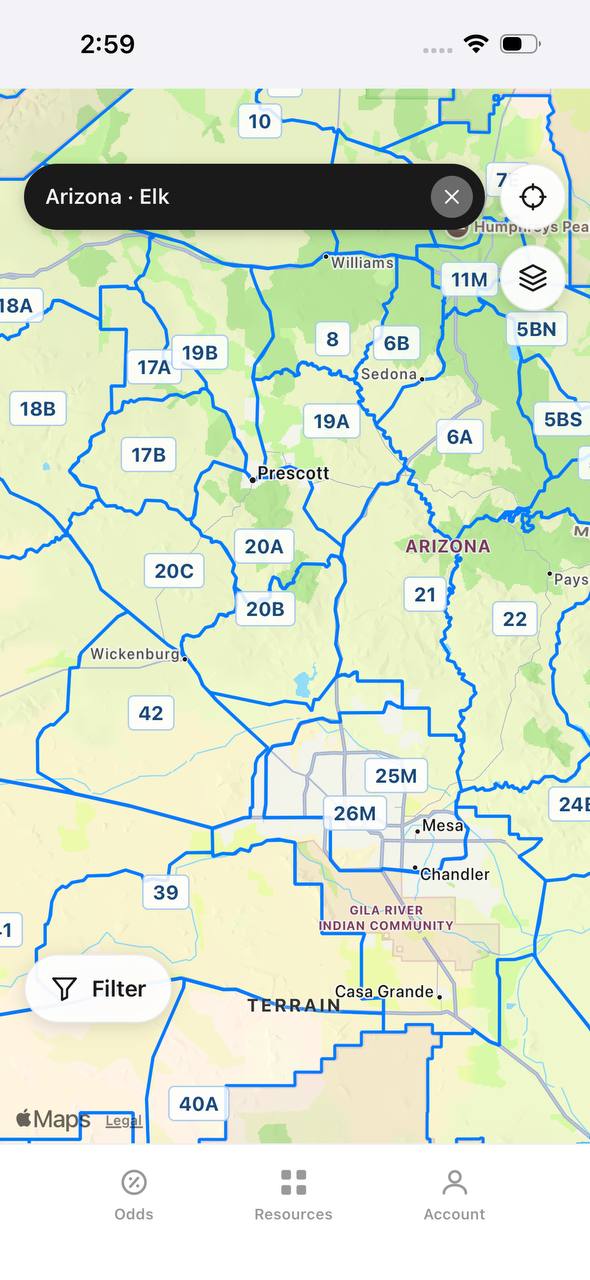
How TAGZ helps: TAGZ shows you terrain maps, unit boundaries, and public land access so you can identify low-pressure calling setups before opening day. Compare units side by side and track draw odds so you hunt areas with healthy buck populations and better calling success rates.
Calling on Public Land vs. Private Land
Public land deer are educated. They hear calls all season and learn to avoid unnatural sounds. Private land deer are less pressured and respond more predictably.
Public land calling strategy:
- Use calls sparingly and quietly.
- Focus on bedding area edges, funnels, and low-pressure zones away from roads.
- Use natural terrain features like ridges and thick cover to hide movement.
- Call only during peak rut when bucks are most responsive.
- Avoid aggressive rattling unless you are in a remote unit with low hunting pressure.
Private land calling strategy:
- Be more aggressive with rattling and grunts.
- Call near doe bedding areas and primary scrapes.
- Use longer calling sequences because deer are less educated.
- Combine calling with decoys for added realism.
- Call throughout pre-rut, peak rut, and post-rut.
TAGZ advantage: TAGZ shows you public land boundaries and terrain breakdowns so you can scout low-pressure calling setups. Track draw deadlines across multiple states and plan hunts in units where calling tactics match your hunting style.
FAQ — Best Deer Calls
What is the best deer call for beginners? A grunt tube. It is easy to use, works across all phases of the season, and mimics the most common buck vocalization. Start with soft contact grunts and adjust volume based on deer response.
Do mule deer respond to calling as well as whitetails? No. Mule deer are less vocal and respond best during peak rut in units with balanced buck-to-doe ratios. Whitetails respond more reliably to grunts, bleats, and rattling across all phases of the season.
When is the best time to use a doe bleat? Late October through mid-November for whitetails, and mid-November through early December for high-elevation mule deer. This call works best during pre-rut and peak rut when bucks are actively seeking estrous does.
Does rattling work on pressured public land? Sometimes. Rattling works best on remote public land with low hunting pressure and healthy buck populations. On heavily pressured units, rattling can educate deer and push them out of the area. Use sparingly and only during peak rut.
How long should I wait between calling sequences? At least five minutes. Over-calling educates deer and makes them avoid the area. On public land, wait longer between sequences. On private land, you can call more frequently.
Can I use deer calls during archery and rifle season? Yes. Calling works during both seasons, but adjust your strategy based on hunting pressure. During rifle season, deer are more pressured and less responsive to calling. Focus on bedding area edges and low-pressure zones.
Continue Planning Your Hunt
Mastering deer calls takes practice, but the right equipment and strategy make a difference. Whether you are targeting whitetails on public land or planning a limited-entry mule deer hunt, calling tactics give you an edge when the timing is right.
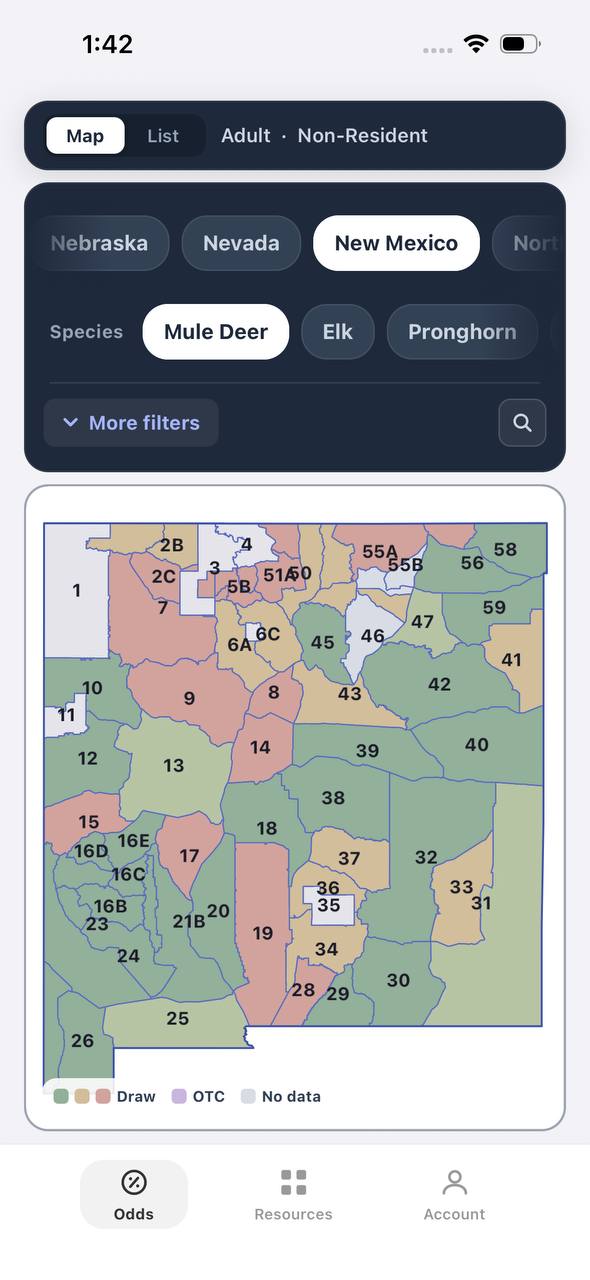
TAGZ helps you compare units side by side using terrain maps, unit boundaries, and historical draw data. Track your preference points and bonus points across multiple states so you never miss a draw deadline. Whether you are chasing OTC tags or planning a trophy limited-entry hunt, TAGZ gives you the tools to make smarter decisions before you ever step into the field.
Explore more hunt planning strategies and unit breakdowns at TAGZ Insights. Compare draw odds and hunt filters by weapon, season, and species at TAGZ Product. Ready to start planning your next hunt? Check out TAGZ Pricing and create your account at TAGZ Home.
Was this article helpful?
Previous
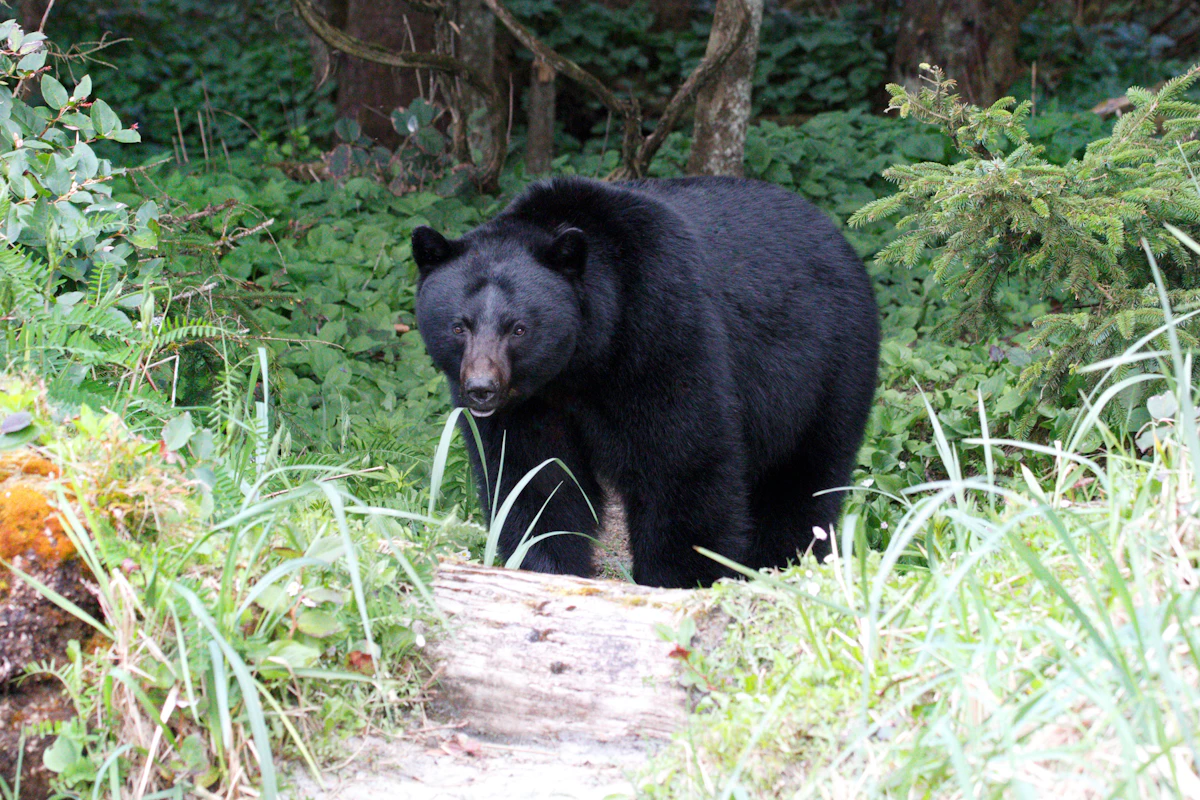
Can Nonresidents Hunt Bears in Florida? What Out-of-State Hunters Need to Know
Florida allows nonresident bear hunting, but opportunities are extremely limited. The state has not held a bear season since 2015, and future hunts depend on population management needs and public support.
Related
Ruger American Gen II vs Savage 110: Which Budget Rifle Wins for Western Hunters?
The Ruger American Gen II and Savage 110 dominate the budget hunting rifle market, but they take different approaches to accuracy, ergonomics, and field performance. Here's how they stack up for western big game hunters planning backcountry hunts.
Next
Sheep Hunting Gear: Complete Equipment List for Alpine Success
Sheep hunting demands specialized gear built for extreme elevation, brutal weather, and multi-day backcountry hunts. This guide covers everything from boots and optics to packs and layering systems, helping you prepare for North America's most demanding hunt.