Can Nonresidents Hunt Bears in Florida? What Out-of-State Hunters Need to Know
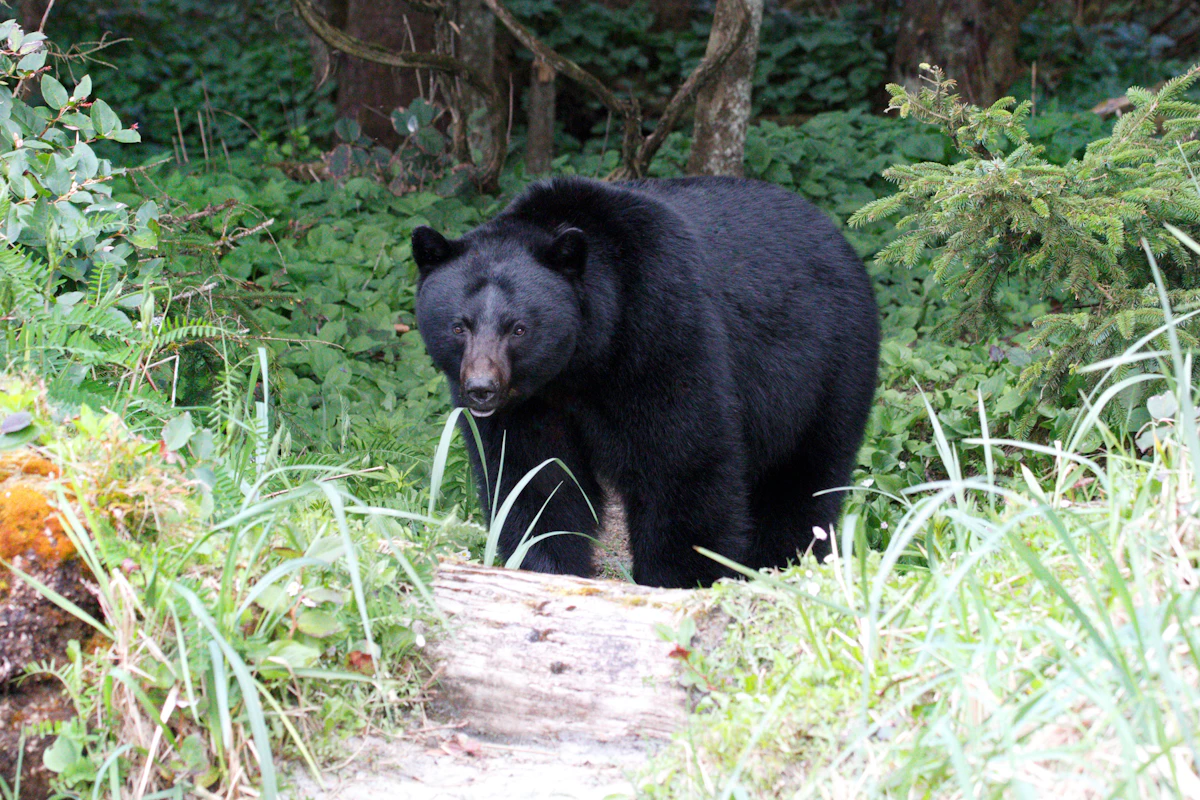
Yes, nonresidents can legally hunt black bears in Florida when the state opens a season. However, Florida has not held a bear hunt since 2015, and there is no guarantee when the next season will occur. If a season opens, nonresidents must purchase a Florida hunting license, a bear hunting permit, and comply with all state regulations including quota systems and weapon restrictions.
Florida's approach to bear hunting is fundamentally different from western states with annual seasons. Understanding the regulatory framework, application process, and management priorities helps hunters decide whether to monitor Florida for future opportunities or focus effort elsewhere.
Florida Bear Hunting History and Current Status
Florida black bears were nearly extirpated by the mid-1970s due to habitat loss and unregulated harvest. After decades of protection and habitat restoration, the population recovered to an estimated 4,000 bears by 2015. That year, the Florida Fish and Wildlife Conservation Commission opened the first bear season in 21 years.
The 2015 season lasted just two days before reaching the statewide harvest quota of 320 bears. Public backlash was immediate and intense. Critics argued the harvest was too aggressive, the quota was reached too quickly, and the season structure was poorly designed. The FWC has not opened another bear season since, and future hunts remain politically contentious.
Current bear populations are stable or increasing in most Florida bear management units. The FWC continues to classify bears as a game species, meaning hunting is legally permissible if the commission decides to open a season. However, the agency has prioritized non-lethal conflict management over hunting as the primary tool for managing human-bear interactions.
Nonresident License and Permit Requirements
If Florida opens a bear season, nonresidents need the following:
- Florida hunting license: Available online through the FWC website or from licensed vendors. Nonresident annual licenses cost approximately $151.50.
- Bear hunting permit: Required in addition to the base license. During the 2015 season, this permit cost $100 for nonresidents.
- Florida management area stamp: If hunting on Wildlife Management Areas, which is where most bear hunting would occur. Cost is around $26.50 for nonresidents.
All hunters must complete Florida's hunter safety course or provide proof of certification from another state. There is no preference point system for bear permits because Florida manages bear hunting through limited quotas rather than competitive draws.
How Florida's Bear Season Would Work
The 2015 season structure provides the best indication of how future seasons might operate. The FWC divided the state into four Bear Management Units, each with a specific harvest quota. Once the quota in a unit was met, hunting closed immediately in that area. The statewide quota of 320 bears was reached within 48 hours.
Key rules from the 2015 season included:
- Legal weapons were rifles, shotguns, muzzleloaders, pistols, and archery equipment.
- Hunting over bait was prohibited.
- Hunters could not use dogs.
- Bears had to be checked within 12 hours of harvest at an FWC check station.
- Only one bear per permit holder.
Future seasons would likely include similar restrictions, possibly with modifications based on lessons learned from 2015. The FWC could implement mandatory hunter orientations, pre-hunt registration systems, or more conservative quotas to extend season length and reduce the risk of overharvest.
Bear Management Units and Where Nonresidents Would Hunt
Florida's black bears are not evenly distributed across the state. The FWC manages bears in four primary units:
- North BMU: Includes Apalachicola, Osceola, Ocala, and Big Cypress-St. Johns populations. This unit had the highest quota in 2015 and supports the most stable bear numbers.
- Central BMU: Encompasses the Wekiva-Ocala population corridor. Bears here occupy fragmented habitat near growing urban areas.
- East Panhandle BMU: Covers populations in and around the Apalachicola National Forest. This area has lower bear density but quality habitat.
- South BMU: Includes the Big Cypress population. This unit had the most restrictive quota in 2015 due to smaller population size and higher conservation concern.
Most hunting would occur on Wildlife Management Areas and other public lands within these units. Hunters with private land access would have an advantage, but the majority of Florida's bear range is public land managed by the state or federal government.
Free to join
Download mobile app
- Detailed draw odds
- Point tracking
- Deadline reminders
- 18 states covered

Free to join
Download mobile app
- Detailed draw odds
- Point tracking
- Deadline reminders
- 18 states covered
Free to join
Download mobile app
- Detailed draw odds
- Point tracking
- Deadline reminders
- 18 states covered
Why Florida Has Not Reopened Bear Hunting
The decision to hold a bear season is driven by biology, politics, and public opinion. Florida's bear populations can sustain limited harvest in most units, but the social controversy surrounding the 2015 season has made the FWC reluctant to move forward.
Key factors delaying future seasons:
- Public opposition: Vocal advocacy groups have opposed hunting as a management tool, arguing that non-lethal methods are sufficient.
- Political pressure: State lawmakers and the governor's office have weighed in on bear management, complicating the FWC's decision-making process.
- Harvest concerns: The rapid closure of the 2015 season raised questions about quota accuracy and the ability to prevent overharvest.
- Litigation risk: Environmental groups have threatened legal action if the FWC reopens bear hunting without updated population data and more conservative management.
The FWC continues to monitor bear populations and may revisit hunting as a management option if biological conditions warrant it. However, the agency has not committed to a timeline for future seasons.
Alternatives for Bear Hunters
Hunters interested in black bear opportunities should focus on states with established, annual seasons. Western and northern states offer far more consistent access:
- Montana, Idaho, Wyoming: Over-the-counter tags in many units with healthy bear populations.
- Colorado: Limited draw and over-the-counter units depending on Game Management Unit.
- Oregon, Washington: Spring and fall seasons with varying tag availability.
- Alaska: Liberal regulations and high-density populations for nonresident hunters.
- Wisconsin, Maine, North Carolina: Eastern states with stable seasons and nonresident opportunity.
These states have well-established management frameworks, predictable season structures, and far less political volatility than Florida. For hunters specifically targeting bears, western states provide better odds of drawing tags and actually hunting.
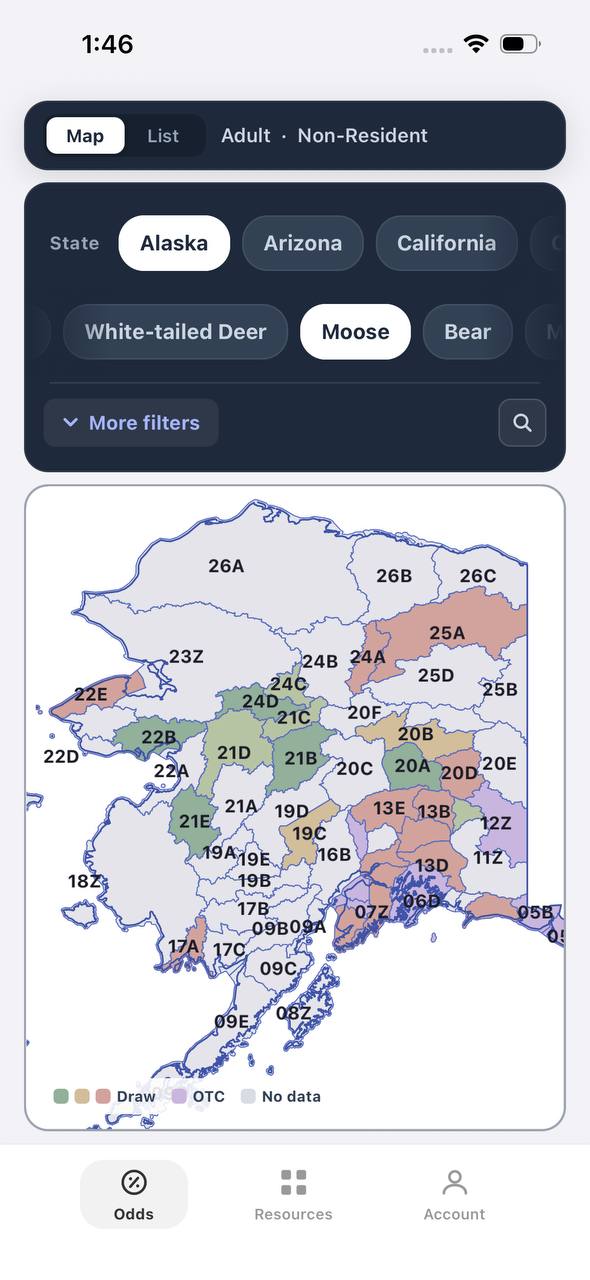
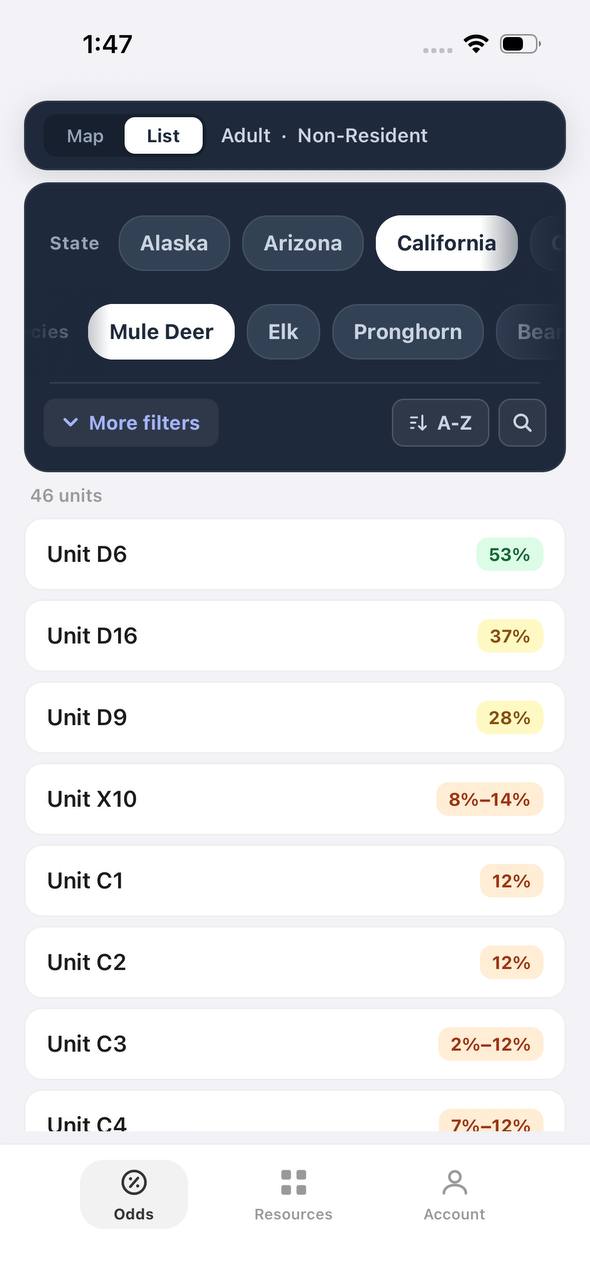
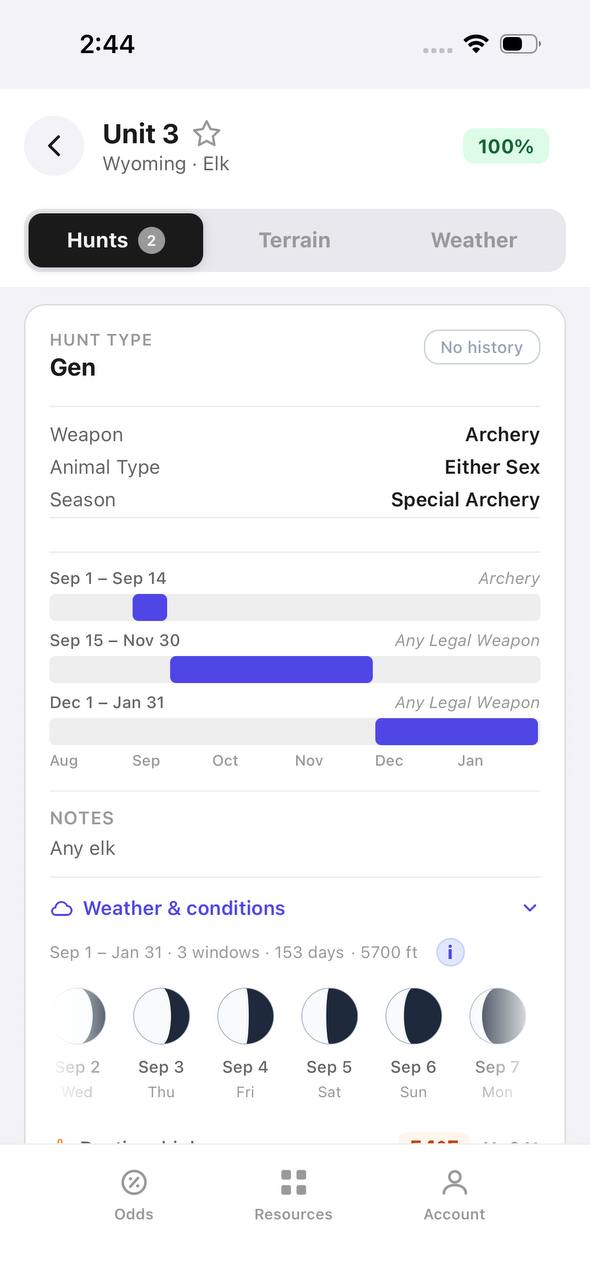
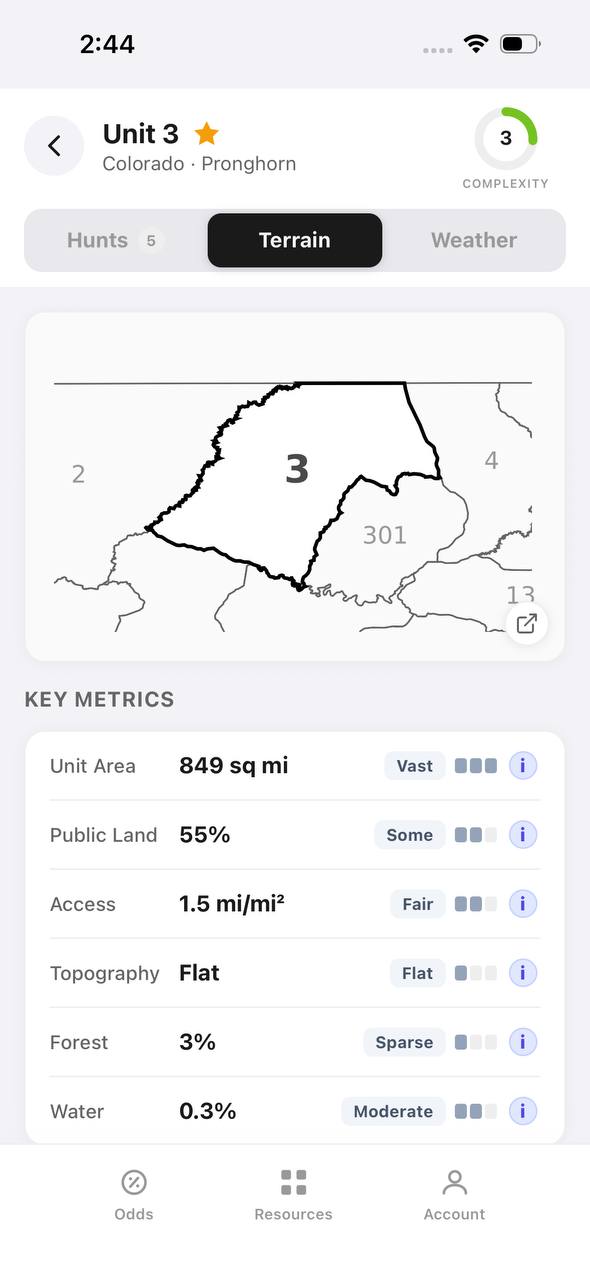
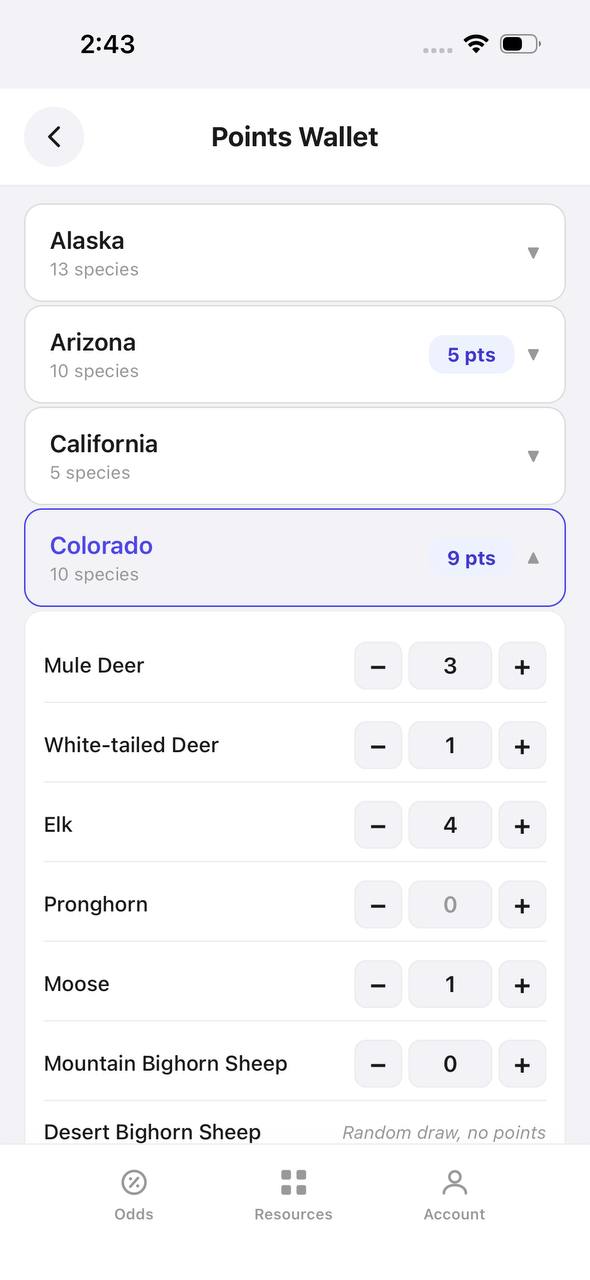
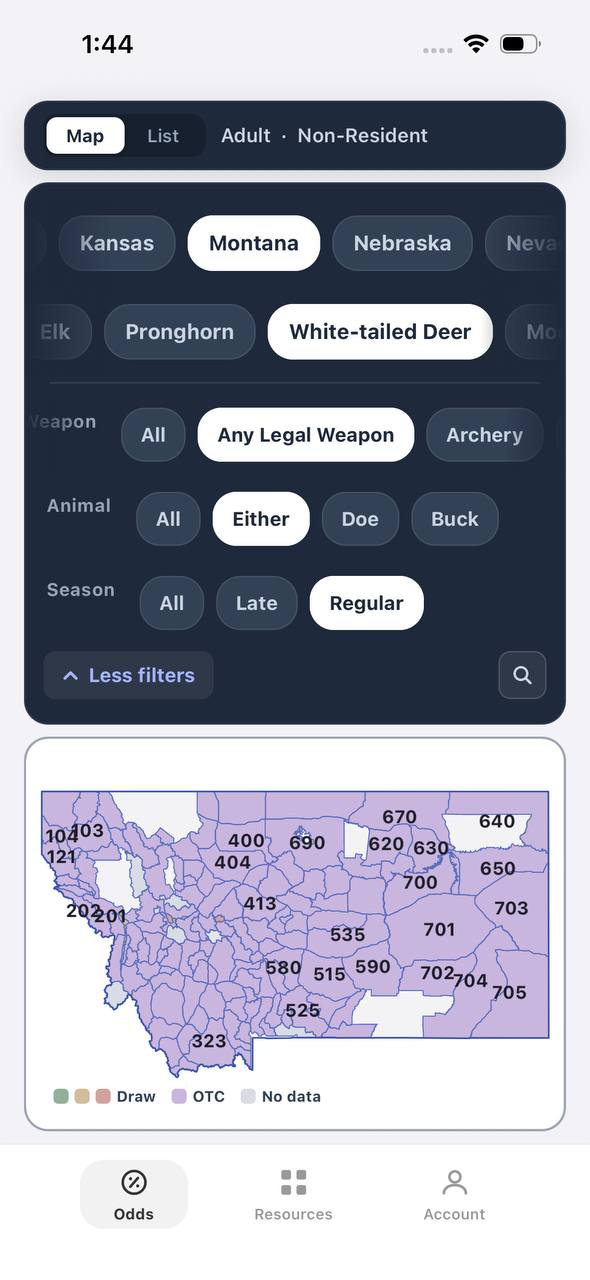
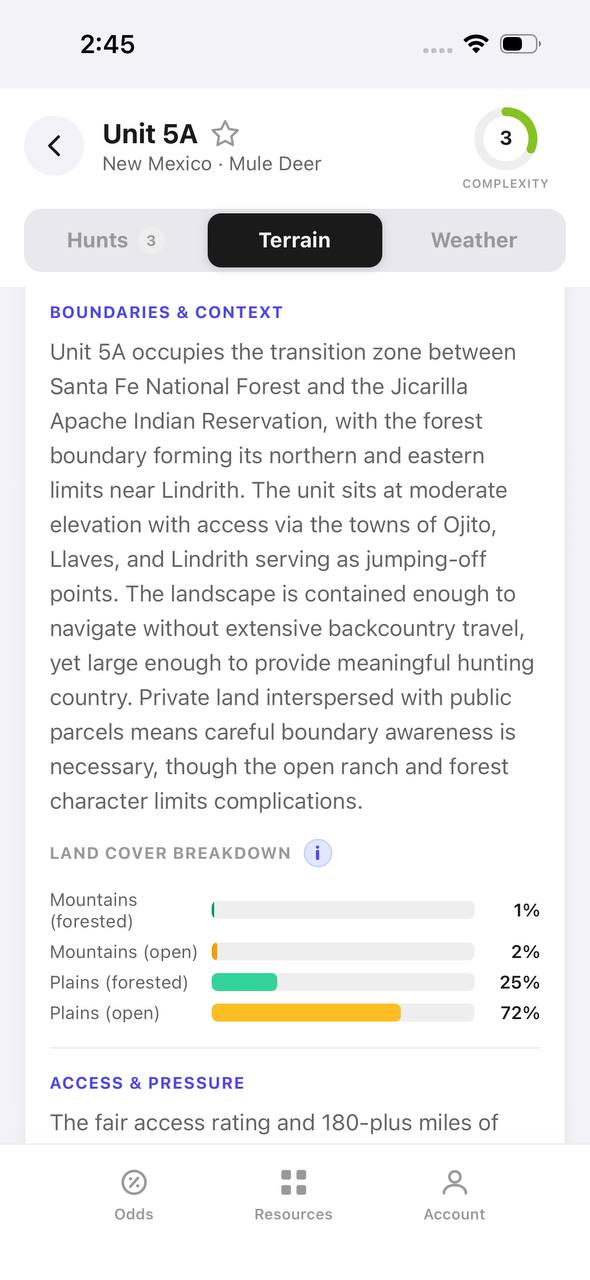
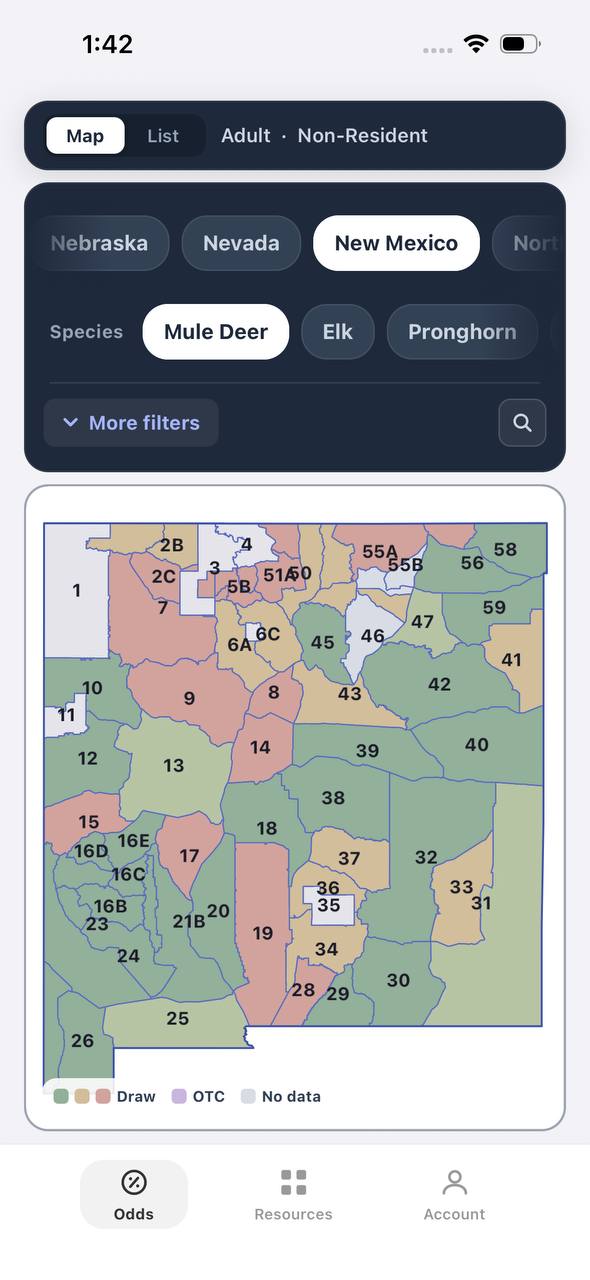
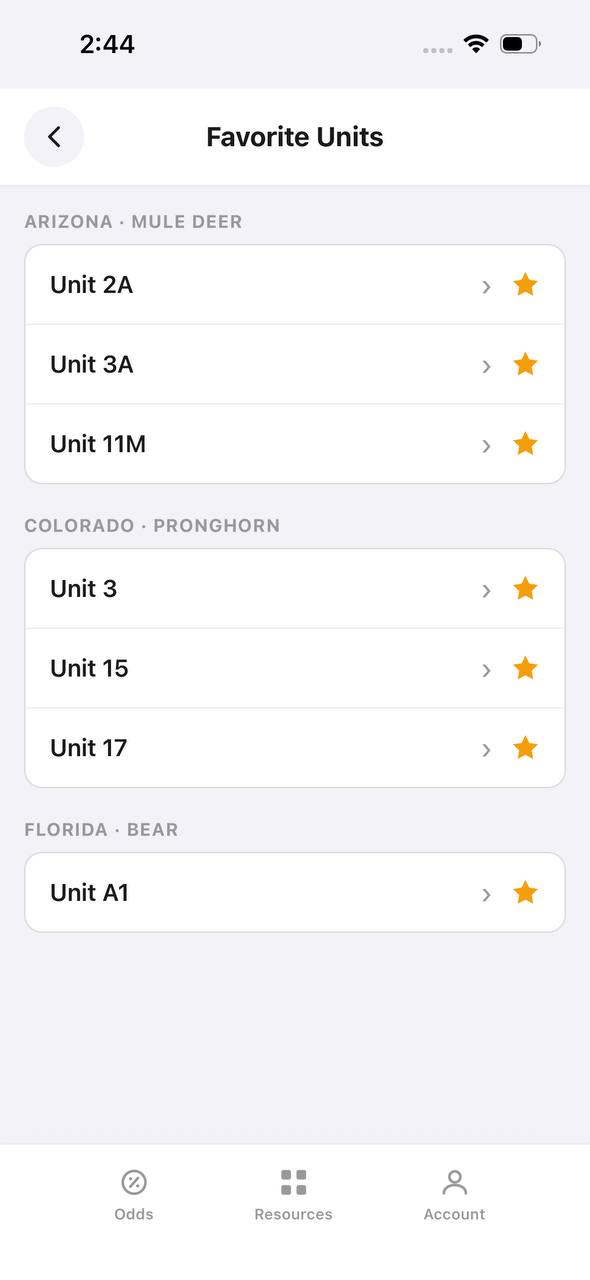
TAGZ helps hunters compare bear hunting opportunities across multiple states using draw odds, preference point tracking, and unit-level research tools. Whether you are building points in Colorado or planning a Montana hunt, TAGZ gives you the data to make smarter application decisions before you ever step into the field.
What Nonresidents Should Do Now
If you want to hunt bears in Florida when a season reopens, take these steps:
- Monitor FWC announcements: Sign up for email updates from the Florida Fish and Wildlife Conservation Commission. The agency will announce any proposed seasons through public meetings and press releases.
- Understand the permitting process: Familiarize yourself with Florida's licensing requirements so you can act quickly if a season is announced. Bear permits in 2015 sold out within hours.
- Scout potential units: Research the four Bear Management Units and identify public land access points. Even without an active season, understanding the terrain and habitat will prepare you for future opportunity.
- Build backup plans: Apply for bear tags in states with annual seasons. Do not rely on Florida as your only option.
The reality is that Florida bear hunting is a long shot for nonresidents. The state may open another season, but it could be years away and the window to purchase permits will likely be narrow. Serious bear hunters should prioritize states with consistent, politically stable seasons.
FAQ — Florida Nonresident Bear Hunting
Can nonresidents legally hunt bears in Florida?
Yes, nonresidents can hunt black bears in Florida when the state opens a season. However, Florida has not held a bear hunt since 2015, and future seasons are uncertain.
What does a nonresident bear license cost in Florida?
Nonresidents need a hunting license (around $151.50), a bear permit (around $100 based on 2015 pricing), and possibly a WMA stamp (around $26.50). Total cost would be approximately $280.
Why did Florida stop allowing bear hunting?
Florida suspended bear hunting after the 2015 season due to public backlash over the rapid harvest and controversy about season structure. The FWC has not reopened hunting since.
Is Florida likely to reopen bear hunting soon?
There is no official timeline. The FWC continues to classify bears as a game species, but political and social opposition has delayed future seasons indefinitely.
Are there better states for nonresident bear hunting?
Yes. Montana, Idaho, Wyoming, Colorado, and Alaska all offer more consistent nonresident bear hunting with established seasons and less political uncertainty than Florida.
How quickly would bear permits sell out if Florida opens a season?
In 2015, bear permits sold out within hours of becoming available. Nonresidents should be ready to purchase immediately if a season is announced.
Continue Planning Your Hunt
Florida's bear hunting situation is unpredictable, but that does not mean you should wait on the sidelines. TAGZ helps you track draw deadlines, compare bear hunting opportunities across western states, and build multi-state application strategies so you maximize your chances of securing tags every year.
Whether you are chasing OTC tags in Montana or building points for a limited-entry Colorado unit, TAGZ gives you the tools to make confident decisions. Explore terrain maps, unit boundaries, and historical draw data side by side so you know exactly where to apply.
Visit the TAGZ Insights blog for more hunt planning resources, or explore the TAGZ platform to start tracking your applications and preference points across multiple states. If you are ready to take western hunting seriously, check out pricing and see how TAGZ simplifies the entire process from research to draw results.
Was this article helpful?
Previous
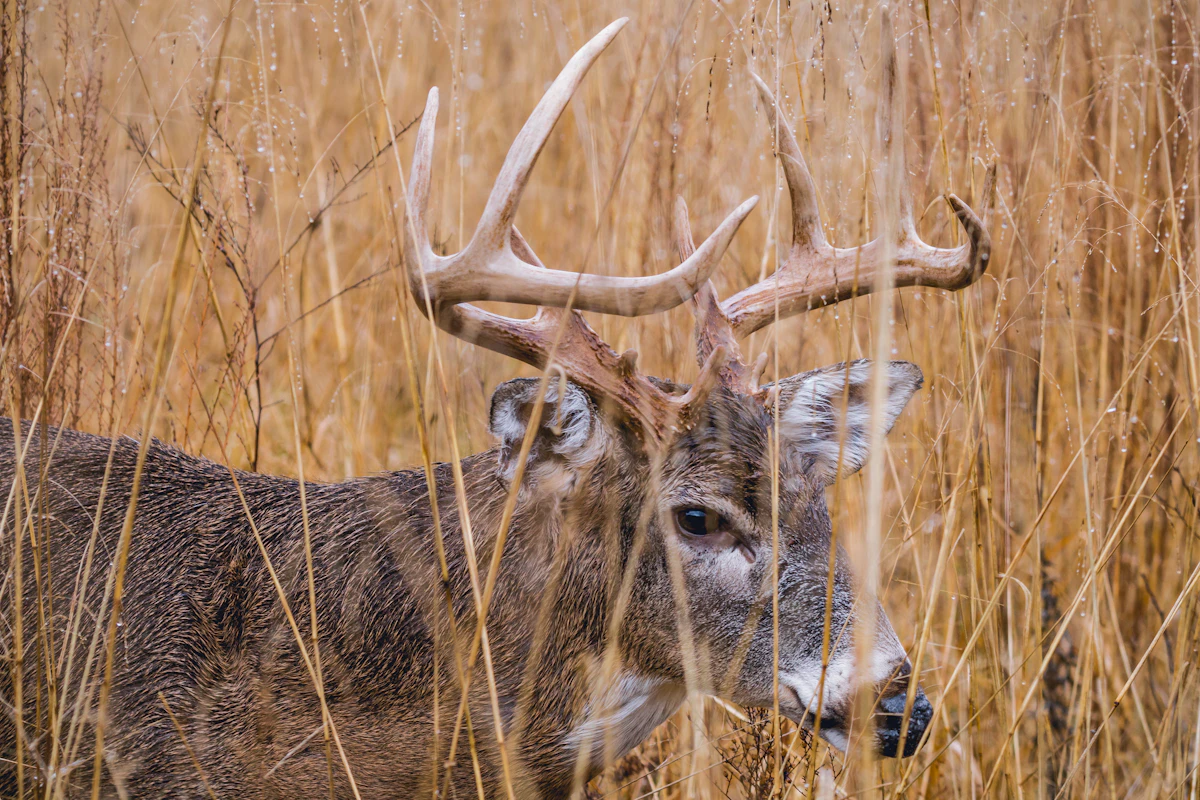
Best Deer Calls for Whitetail and Mule Deer Hunting in 2026
Master vocal tactics for whitetail and mule deer with the right calls. From grunt tubes and doe bleats to rattling sequences, learn which calls work during rut, early season, and late season hunts across public and private land.
Related
Ruger American Gen II vs Savage 110: Which Budget Rifle Wins for Western Hunters?
The Ruger American Gen II and Savage 110 dominate the budget hunting rifle market, but they take different approaches to accuracy, ergonomics, and field performance. Here's how they stack up for western big game hunters planning backcountry hunts.
Next
Sheep Hunting Gear: Complete Equipment List for Alpine Success
Sheep hunting demands specialized gear built for extreme elevation, brutal weather, and multi-day backcountry hunts. This guide covers everything from boots and optics to packs and layering systems, helping you prepare for North America's most demanding hunt.