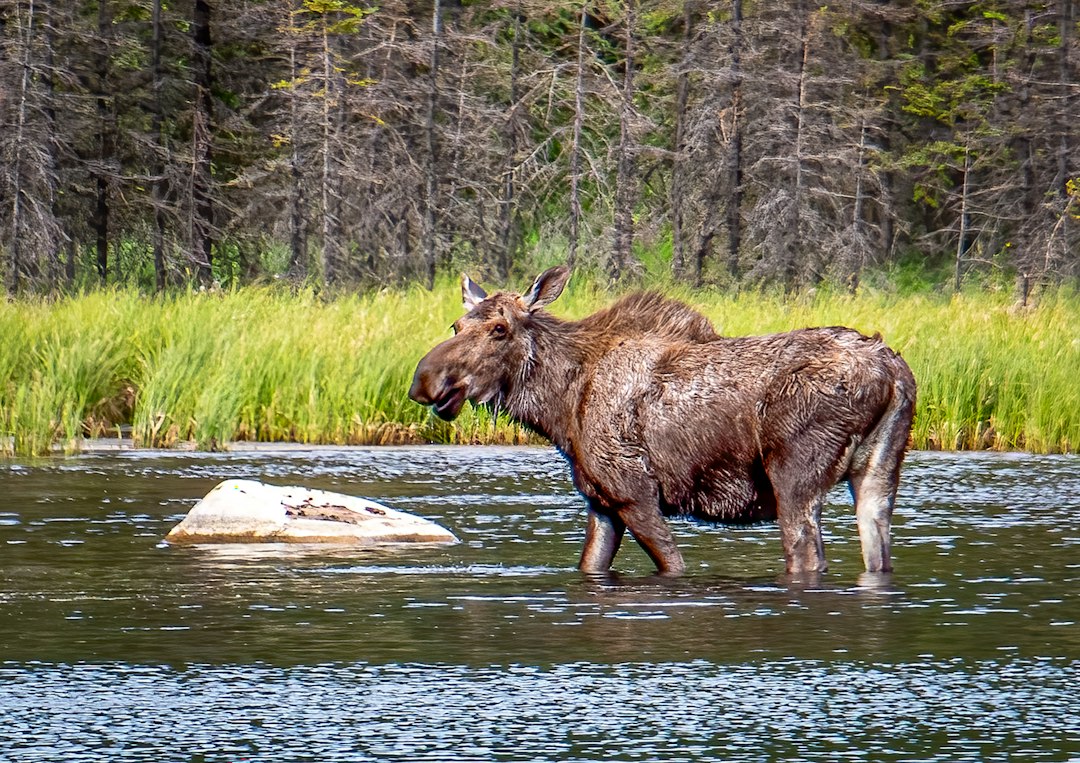
Rifle Elk Hunting in Wyoming: Draw Odds, Units, and Season Strategies
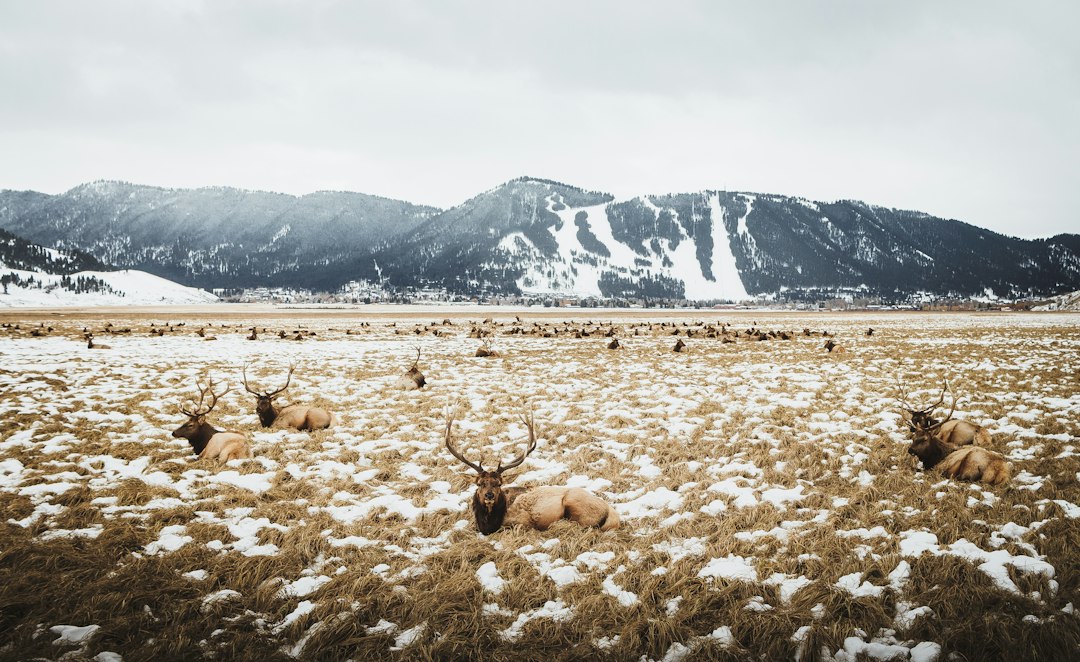
Wyoming ranks among the premier destinations for rifle elk hunting in the West, combining huntable populations, vast public land, and a draw system that rewards both first-time applicants and point holders. The state offers general licenses valid across multiple hunt areas alongside limited-quota tags for trophy units. Success depends on understanding the preference-point ladder, selecting units that match your point total, and timing your hunt to coincide with peak rut activity when bulls are most vocal and vulnerable.
Wyoming's Elk License Structure: General vs. Limited-Quota
Wyoming issues two categories of elk licenses. General licenses allow hunting in any area open to general-season hunting and are available to both residents and nonresidents through a draw requiring minimal points in most years. Limited-quota licenses restrict hunting to specific hunt areas and are awarded through a preference-point draw with odds varying dramatically by unit. Nonresidents face a 16% cap on limited-quota licenses and a separate 7,250-license cap on general tags, making the general draw competitive in high-demand years. Residents draw general tags with near-certainty and face lighter competition for limited-quota hunts. Both license types include a cow/calf option in many areas, offering meat hunters a high-draw-odds alternative to bull tags.
Wyoming's preference-point system awards tags to applicants with the most points first. Points accumulate annually when you apply or purchase a point without applying. The system is transparent—draw odds published after each season show exactly how many points were required for guaranteed or high-probability draws. Unlike bonus-point systems, Wyoming's preference points guarantee that top-point holders draw before lower-point holders, creating predictable timelines for planning trophy hunts. Leftover licenses appear in remaining-license draws if quota tags go unfilled, offering zero-point opportunities in less competitive units.
Top Rifle Elk Units and Point Requirements
The Bighorn Mountains produce trophy bulls and draw the heaviest nonresident competition. Hunt Area 38 near Buffalo consistently requires double-digit preference points for nonresident Type 1 bull tags, with 12-15 points typical in recent years. Hunt Area 39 south of Sheridan demands similar investment. Mature bulls in these units score 320-360 inches, with occasional 370-class monarchs taken from high-alpine basins and dark-timber sanctuaries. Rifle seasons overlap the September rut, when bugles echo across talus slopes and bulls respond aggressively to calls. Resident odds are better but still require 5-8 points for top-tier areas.
The Wyoming Range in the west harbors dense elk populations and offers mid-point-cost opportunities. Hunt Area 101 near Afton and Hunt Area 102 near Kemmerer typically require 4-7 nonresident points for Type 1 tags, with resident odds favorable at 2-4 points. Bulls average 300-320 inches, and hunter success hovers near 40-50% during rifle seasons. Terrain ranges from sagebrush foothills to lodgepole forests above 9,000 feet. The late September and October rifle seasons catch bulls transitioning from rut to post-rut feeding patterns, making calling less effective but glassing more productive as elk concentrate on high-protein forage before winter.
For first-time applicants or hunters with fewer than three points, general licenses and cow tags provide immediate access. General rifle seasons run late October through November across much of the state, targeting post-rut bulls in lower-elevation winter range. Hunter densities are higher than limited-quota hunts, but success rates on public land reach 20-30% for persistent hunters willing to hike beyond roads. Hunt areas in the Bridger-Teton National Forest and Medicine Bow National Forest see moderate pressure and hold huntable bulls. Cow/calf licenses in areas like 100, 128, and 7 often draw with zero points, offering meat hunters guaranteed tags and contributing to herd management objectives.
Timing Your Hunt Around the Rut
Wyoming rifle elk seasons span mid-September through November, with timing critical to success. Early September archery and rifle hunts coincide with peak rut when bulls are most vulnerable. Bulls bugle aggressively, respond to cow calls and bugles, and move openly during daylight hours to gather and defend harems. Rifle hunters in September limited-quota hunts can combine calling tactics with long-range shooting, intercepting bulls as they work ridgelines or cross parks at first light. Temperatures are mild, backcountry camps are accessible, and meat care is easier than during warm archery seasons.
Mid-October general rifle seasons catch the tail end of rut activity and the beginning of post-rut patterns. Bulls reduce vocalization but still respond occasionally to cow calls. They begin prioritizing feeding over breeding, moving to high-calorie food sources like aspen parks and irrigated meadows. Glassing becomes the primary tactic—locate feeding areas at dawn, identify bulls, and plan stalks based on terrain and wind. Snow at higher elevations pushes elk toward mid-elevation transition zones where dark timber meets open slopes. Pressure from other hunters concentrates elk in roadless areas, rewarding hunters who backpack in or use horses to access remote basins.
Late October and November general seasons target bulls on winter migration routes and lower-elevation winter range. Bugling ceases entirely, and bulls form bachelor groups or mix with cow herds on feeding grounds. Weather becomes a major factor—early snowstorms trigger migrations, concentrating elk along traditional corridors. Hunters who identify migration routes or winter-range staging areas can intercept bulls moving between summer and winter habitat. Rifle ranges stretch to 400-600 yards across open sagebrush flats and ridgelines, making long-range shooting skills and quality optics essential. Meat care requires aggressive cooling and quartering in temperatures that may swing from freezing nights to 40-degree afternoons.
Public Land Access and Hunt Planning
Wyoming's national forests cover millions of acres of prime elk habitat, with the Bridger-Teton, Shoshone, and Medicine Bow forests offering the most extensive roadless areas. Bureau of Land Management parcels in the Wyoming Range and Red Desert provide lower-elevation hunting, often bordering private ranches where elk winter. Walk-in areas and access easements open additional ground, particularly in hunt areas where private land dominates valley bottoms. The Wyoming Game and Fish Department's online Access Yes program maps public parcels and easements, while onX Hunt and similar apps provide real-time GPS navigation to avoid trespass.
Road access varies widely. Popular units near Pinedale, Jackson, and Buffalo have extensive Forest Service road networks that disperse hunters but also push elk into roadless sanctuaries. Gated or seasonal roads restrict vehicle access in wilderness-adjacent areas, creating quiet zones where elk feel less pressure. Backpack camps 3-5 miles from trailheads consistently produce better encounters than roadside hunting, especially during general seasons when hunter numbers peak. Horse-based camps extend range further, allowing hunters to access remote basins and ridges unreachable on foot. Outfitter services are available throughout the state, offering drop camps, guided hunts, and meat packing for self-guided hunters who kill far from roads.


Free to join
Download mobile app
- Detailed draw odds
- Point tracking
- Deadline reminders
- 19 states covered





Free to join
Download mobile app
- Detailed draw odds
- Point tracking
- Deadline reminders
- 19 states covered






Free to join
Download mobile app
- Detailed draw odds
- Point tracking
- Deadline reminders
- 19 states covered

Draw Strategy for Nonresidents and Residents
Nonresidents should decide early whether to chase trophy units or hunt sooner with fewer points. Trophy units in the Bighorns, Salt River Range, and portions of the Teton Wilderness require 10-15 points and multi-year planning. Mid-tier units in the Wyoming Range and Sierra Madre offer 300-class bulls with 4-7 points, balancing quality and wait time. First-time applicants can draw general licenses or apply for cow tags to hunt immediately while banking points for future bull hunts. Wyoming allows point purchases without applying, letting hunters accelerate timelines if they skip hunting for a year.
Residents face lighter competition but should still apply strategically. Top units require 5-8 points even for residents, while second-tier areas draw with 2-4 points. General tags are guaranteed for residents in most years, making them a reliable fallback if limited-quota draws fail. Residents can apply for up to three choices per species, allowing a high-point first choice, a mid-point second choice, and a zero-point cow or general third choice. Random tags are also available—5% of limited-quota licenses are awarded randomly regardless of points, giving everyone a chance at any unit.
Group applications allow parties of up to six hunters to apply together, but the entire group draws or fails based on the member with the fewest points. This benefits point-rich applicants hunting with newcomers but slows point accumulation for the group's most experienced members. Special-fee licenses cost $1,258 more than regular nonresident elk licenses but draw from a separate smaller pool with better odds, cutting required points by 30-50% in competitive units. The math favors special fees when points are scarce and the unit's regular draw requires more years of waiting than a hunter wants to invest.
Gear and Preparation for Rifle Elk Hunts
Rifle elk hunting in Wyoming demands rifles capable of accurate 300-400 yard shots across canyons and ridges. Calibers like .300 Winchester Magnum, 7mm Remington Magnum, and .30-06 Springfield deliver sufficient energy for clean kills on mature bulls at extended ranges. Pair rifles with quality scopes offering 4-16x or 5-25x magnification for precise shot placement in variable light and wind. Practice shooting from field positions—sitting, kneeling, prone with a pack rest—to replicate the reality of mountain hunting where prone isn't always available and shooting sticks are rarely stable enough at longer distances.
Optics separate successful hunts from empty tags. Binoculars in the 10x42 or 12x50 class allow all-day glassing without excessive weight. A spotting scope (65mm or larger) helps judge bulls at 1,000-plus yards, identifying 6-point frames versus spikes before committing to a stalk. Tripods or window mounts stabilize optics during long glassing sessions at dawn and dusk when elk move most actively. Rangefinders with angle compensation ensure accurate holdovers when shooting uphill or downhill across steep terrain. Chest harnesses keep binoculars accessible during hikes and stalks without swinging or bouncing.
Layered clothing handles Wyoming's temperature extremes. September hunts may see 70-degree afternoons and 30-degree mornings. October and November bring snow, wind, and freezing overnight lows. Merino wool base layers regulate temperature and resist odor during multi-day backcountry trips. Insulated mid-layers (down or synthetic) provide warmth during glassing sessions, while lightweight rain shells block wind and precipitation. Pack systems in the 3,000-5,000 cubic-inch range carry camp gear for backpack hunts or meat from a kill back to roads or camps. Meat bags, game bags, and a sharp knife with replaceable blades ensure clean field dressing and protect meat from flies and dirt during the pack-out.
FAQ — Wyoming Rifle Elk Hunting
How many preference points does a nonresident need to draw a Wyoming elk tag? Zero to one point draws general elk licenses in most years. Mid-tier limited-quota units require 4-7 points, while top trophy areas in the Bighorns demand 12-15 points. Draw odds are published annually, showing exact point requirements by hunt area.
Can you hunt elk in Wyoming without preference points? Yes. General elk licenses typically draw with zero to one point for nonresidents and are guaranteed for residents. Cow/calf tags and leftover licenses also offer zero-point opportunities. Five percent of limited-quota tags are awarded randomly regardless of points.
When is the best time to rifle hunt elk in Wyoming? Early September hunts coincide with peak rut when bulls bugle and respond to calls. October general seasons offer good success as elk transition to feeding patterns. Late October and November hunts target migration routes and winter range, with weather triggering elk movement.
What is the success rate for rifle elk hunting in Wyoming? Success varies by hunt type and area. Limited-quota rifle hunts in trophy units see 40-60% success. General-season rifle hunts average 20-30% success on public land. Cow/calf hunts often exceed 50% success due to more liberal quotas and longer seasons.
Are Wyoming general elk licenses valid statewide? No. General licenses are valid only in hunt areas open to general-season hunting, which excludes limited-quota areas. The Wyoming Game and Fish regulations booklet lists which areas accept general licenses. Most general areas are in western and central Wyoming.
How much does a nonresident elk license cost in Wyoming? A nonresident Type 1 full-price elk license costs $702 (2024 rates). Special-fee licenses cost $1,960. Residents pay $67 for elk licenses. Nonresidents also pay a $15 application fee and must purchase a $102 conservation stamp.
Was this article helpful?
Previous
DIY Elk Hunting in New Mexico: 2027 Public Land Guide
New Mexico offers outstanding DIY elk hunting on public land through its draw system, with opportunities ranging from early-season archery to late rifle hunts. Success hinges on understanding unit selection, draw odds, and public-access strategy.
Related
Dall Sheep Hunting 2027: Tags, Permits & Trip Planning
Dall sheep hunting requires careful planning around Alaska's draw system, nonresident guide requirements, and physical preparation for alpine terrain. Start with understanding tag allocation, then select your hunt method and begin conditioning months in advance.
Next
Alaska Moose Hunting Guide 2027: Drawing, Permits & Prime Units
Alaska offers both general-season moose hunting and controlled permit hunts for nonresidents. Most hunts require a registered guide, while resident hunters enjoy broader access across the state's most productive units.