Dall Sheep Hunting 2027: Tags, Permits & Trip Planning
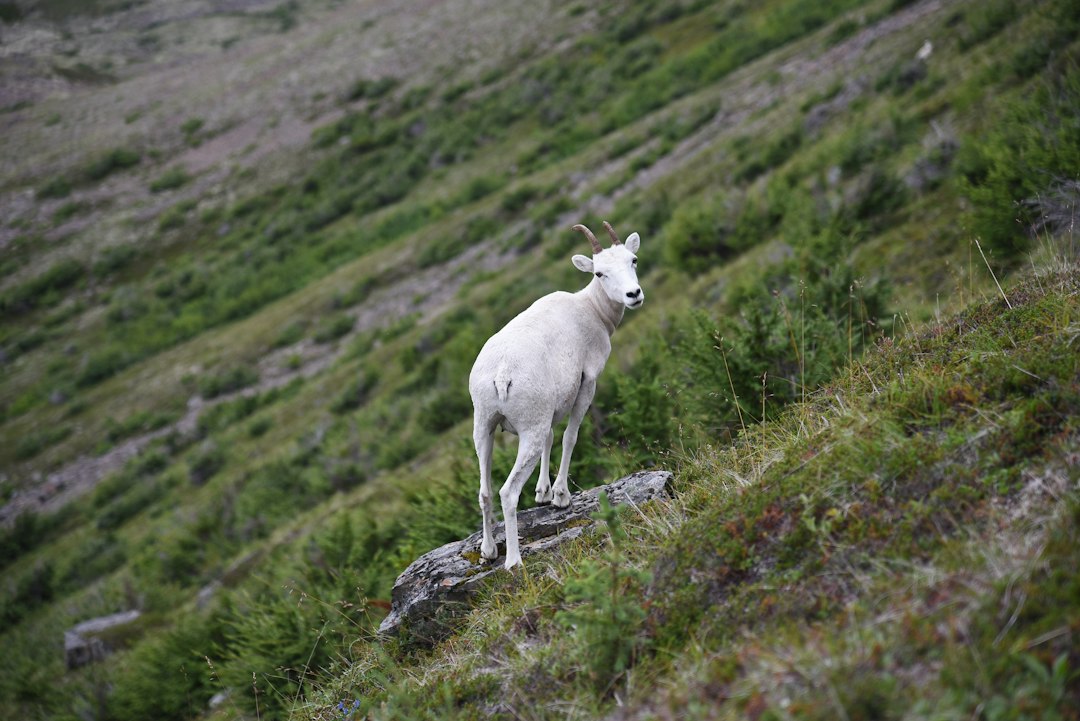
Dall sheep hunting stands as one of North America's most challenging pursuits, combining extreme alpine terrain with a complex permitting system and significant physical demands. Alaska holds nearly all huntable Dall sheep populations, though small numbers exist in Canada's Yukon and Northwest Territories. For 2027, hunters face a combination of draw-only units, registration permits, and guide requirements that demand early planning. Success starts with understanding how tags work, choosing between DIY and guided hunts, and preparing your body for vertical miles in thin air.
Alaska's Dall Sheep Tag System
Alaska manages Dall sheep through a mix of drawing permits and registration hunts, with allocation varying by game management unit. Drawing permits use a random lottery system with no preference points. Alaska residents and nonresidents enter the same draw pools, though residents receive significantly higher allocation percentages in most units. Registration hunts operate on a first-come, first-served basis, with permits available starting on specific dates each year. These fill quickly for popular areas, often within hours of becoming available online.
Nonresident hunters must hire a registered guide or hunt with a resident family member (parent, spouse, child, or sibling) in most sheep units. This requirement applies across nearly all of Alaska's sheep country, with very limited exceptions. The guide mandate significantly impacts trip costs and planning timelines, as reputable outfitters book 12 to 24 months in advance. Resident hunters have far more flexibility, accessing both draw and registration hunts without guide requirements.
Draw vs. Registration Permits
Drawing permits offer the most predictable planning timeline. Applications typically open in late fall (November–December) with results announced in winter or early spring. This advance notice allows successful applicants to book flights, arrange logistics, and begin physical training with a confirmed hunt date. Draw odds vary dramatically by unit, from under 5% in premium areas to 20–40% in more remote or challenging zones. Applying for multiple units through the tiered-choice system improves overall draw chances.
Registration permits create a different planning challenge. Because permits become available on a set date (often in early summer for fall hunts), hunters must be ready to apply immediately and then arrange all logistics on a compressed timeline. Many registration areas see permit quotas fill in hours, requiring hunters to sit at their computers refreshing the Fish and Game website at the exact opening time. This system favors flexible hunters who can book last-minute travel and take time off work with short notice. Registration hunts often cover larger, less restrictive areas than drawing permits, though they may see higher hunter densities in accessible zones.
DIY vs. Guided Hunt Planning
Guided Dall sheep hunts typically run $18,000 to $35,000 for 10 to 14 days, with premium operations exceeding $40,000. This cost includes guide service, in-field logistics, base camp or spike camp setup, field care of meat and trophy, and sometimes transportation from Anchorage. Hunters pay separately for their hunting license, tag, flights to Alaska, and personal gear. Booking 12 to 18 months ahead secures spots with top-tier outfitters, while last-minute cancellations occasionally open up for the following season.
DIY hunts eliminate guide costs but demand significantly more from the hunter. You must be an Alaska resident or hunt with a qualifying family member who is a resident. Total costs typically range from $3,000 to $8,000, covering the tag, flights, food, gear, and potentially a charter flight or boat access. The tradeoff is complete responsibility for navigation, glassing, stalking, game care, and pack-out across some of the most rugged terrain in North America. Physical fitness, wilderness experience, and sheep-hunting knowledge become non-negotiable. Most successful DIY hunters invest years learning areas, scouting via e-scouting tools, and building skills on other mountain hunts before committing to sheep.
Physical Preparation Timeline
Dall sheep country demands elite cardiovascular fitness and leg strength for sustained climbing with heavy packs. A realistic preparation timeline spans six to nine months before the hunt. Begin with a base-building phase of three to four months focused on consistent aerobic work: trail running, hiking with gradually increasing pack weight, stair climbing, and cycling. Heart-rate zone training builds the aerobic engine necessary for all-day climbs at elevation.
The second phase shifts toward specificity and load tolerance. Add weighted pack hikes of 30 to 50 pounds, increasing both duration and vertical gain weekly. Include back-to-back long days to simulate consecutive hunt days without full recovery. Leg strength work—squats, lunges, step-ups, and single-leg exercises—prevents injury and maintains power output when fatigued. The final eight weeks should include multiple weekend sessions that mimic hunt conditions: 8 to 12 miles with 3,000 to 5,000 feet of elevation gain while carrying 40+ pounds. Hunters who can comfortably handle these training days arrive in Alaska ready to capitalize on opportunities rather than merely survive the physical beating.
Free to join
Download mobile app
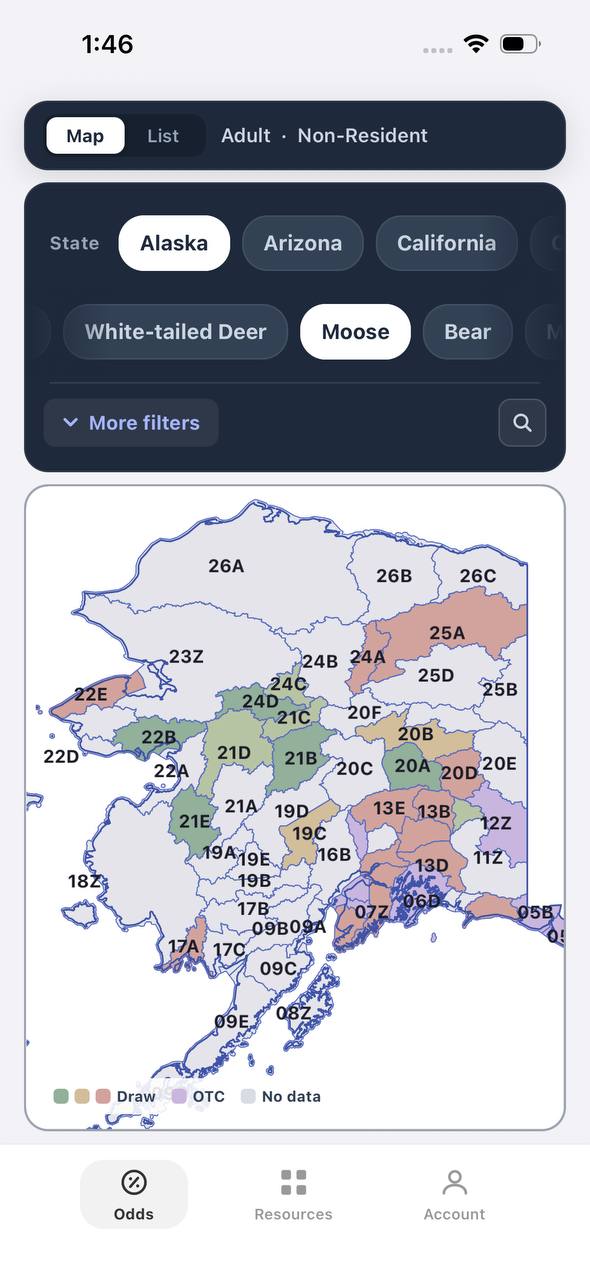
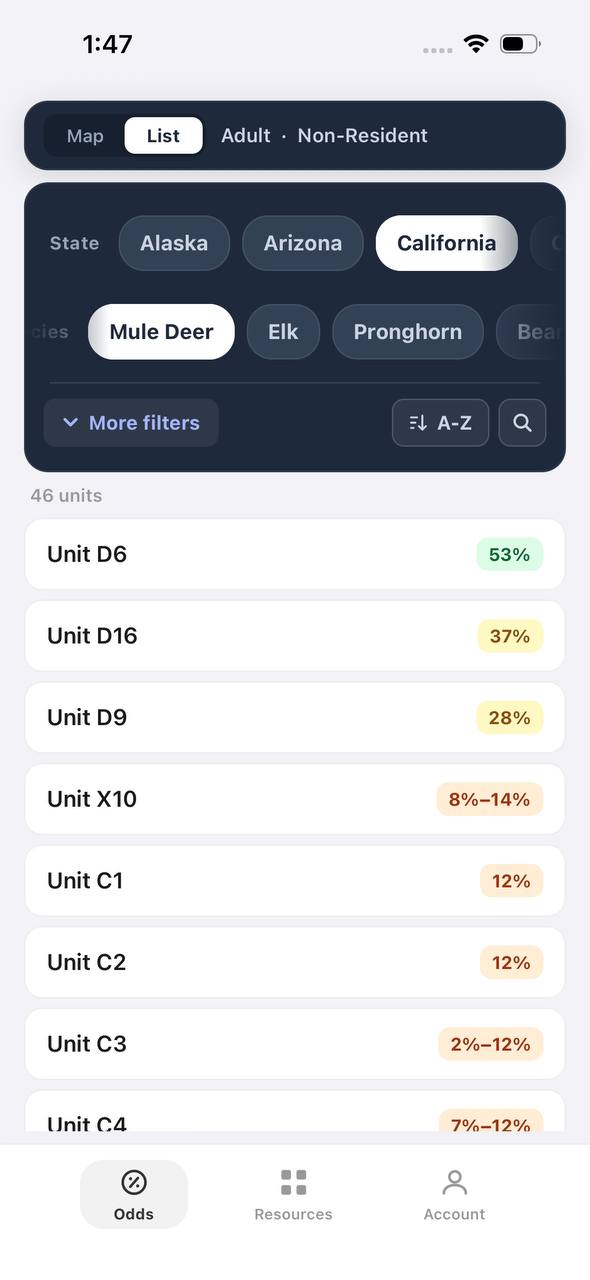
- Detailed draw odds
- Point tracking
- Deadline reminders
- 19 states covered

Free to join
Download mobile app
- Detailed draw odds
- Point tracking
- Deadline reminders
- 19 states covered
Free to join
Download mobile app
- Detailed draw odds
- Point tracking
- Deadline reminders
- 19 states covered
Gear Essentials and Weight Management
Every ounce matters when you're glassing from ridgelines at 5,000 feet and packing meat out over multiple miles of tundra and talus. Prioritize a quality spotting scope (65mm to 85mm objective), lightweight tripod, and reliable binoculars in the 10x42 or 10x50 range. Dall sheep live in open alpine basins where glassing skills determine success far more than stalking ability. You will spend vastly more time behind optics than behind your rifle.
Clothing systems must handle extreme weather swings, from 60-degree bluebird days to subfreezing storms with sleet. Merino wool base layers, a quality insulated puffy, a dependable rain shell, and layers you can add or shed quickly make the difference between effective hunting and miserable survival. August and early September Dall hunts can see surprisingly warm afternoons, but temperatures plummet after dark and storms roll in with little warning. Late September hunts face genuine winter conditions in many units.
Your pack, sleeping system, shelter, and rifle should prioritize weight savings without sacrificing reliability. A 4 to 6-pound backpack that carries 80+ pounds comfortably, a sleeping bag rated to 15–20 degrees that weighs under 2.5 pounds, and a shelter under 3 pounds set you up for success. Rifle and scope combinations in the 7 to 8.5-pound range provide adequate accuracy and recoil management for the 200 to 400-yard shots common in sheep hunting. Caliber choice matters less than rifle weight, shooter proficiency, and scope quality—anything from 6.5 Creedmoor through .300 Winchester Magnum works when matched to bullet construction and shooter skill.
Season Timing and Weather Considerations
Alaska's Dall sheep season typically runs from August 10 through September 20, though exact dates vary slightly by unit. Early-season hunts (August 10–25) offer the longest days, warmest temperatures, and rams still in summer coat. Rams feed actively and may be more visible in predictable basins. However, August also brings more hunters into the field, higher competition for prime areas, and meat care challenges in warm weather. Velvet antlers on caribou and moose also complicate species identification in mixed alpine habitat.
Late-season hunts (September 1–20) coincide with the rut, when rams become more active and aggressive, sometimes grouping into larger bands. Cooler temperatures improve meat care and reduce insect pressure. The tradeoff is shorter days, higher likelihood of storms, and early-season snowfall that can make travel dangerous and rams harder to locate. Many experienced hunters target the September 5–15 window as a sweet spot: rut activity increases, weather remains reasonably stable, and hunter pressure drops after the Labor Day crowd exits.
Unit Selection Strategy
Choosing where to hunt involves balancing draw odds, ram quality, access difficulty, and competition. Some units produce consistent opportunities for 35 to 38-inch rams but draw fewer than 10% of applicants. Others offer 25–40% draw odds but see heavy pressure and require hiking deep into roadless wilderness to escape the crowd. Study harvest statistics, success rates, and average ram measurements from Alaska Department of Fish and Game data to identify units matching your priorities.
Access methods dramatically affect hunt quality and competition. Road-accessible units concentrate hunters near trailheads, though those willing to push 10+ miles into the backcountry often find solitude and undisturbed rams. Fly-in units accessed by bush plane or helicopter reduce hiker competition but increase costs and weather-dependent logistics. River-access hunts via rafting or jet boat split the difference, requiring significant skill and equipment but opening vast stretches of sheep habitat. Match access method to your skill set, budget, and tolerance for uncertainty.
Scouting and E-Scouting
Physical scouting trips to Alaska before your hunt provide invaluable familiarity with terrain, glassing locations, and ram distribution. However, most nonresident hunters rely on e-scouting using mapping tools, satellite imagery, and topographic analysis. Identify ridgelines and basins between 3,500 and 6,500 feet where rams summer. Look for gradual, grassy slopes adjacent to escape terrain—cliffs and broken rock where sheep retreat when pressured. South-facing slopes green up earlier and hold feed longer into fall.
Overlay harvest data and hunter access points to predict pressure corridors. Rams that survive multiple seasons learn to avoid easy-access basins within a day's hike of roads or popular drop-off zones. Target areas requiring two to three days of hard travel to reach, or locations with natural barriers (rivers, glaciers, extensive brush) that deter casual hunters. Water sources matter less in sheep country than in other hunts—rams get most hydration from vegetation—but locating your camp near water simplifies logistics and reduces pack weight.
Shot Preparation and Marksmanship
Dall sheep offer small vital zones at distances often exceeding 250 yards across steep, angled terrain. Practice shooting from improvised positions: sitting, kneeling, and prone with a pack as a rest. Sheep rarely present standing broadside shots on flat ground. More often, you'll shoot uphill or downhill at angles requiring holdover or holdunder adjustments, with wind gusting unpredictably across ridges.
Zero your rifle at 200 yards and know your bullet's trajectory out to 400 yards in 25-yard increments. Practice reading wind flags or mirage, estimating range, and calculating holds under field conditions. A quality rangefinder eliminates one variable, though steep angles and glassing distances (often ranging sheep at 800+ yards before planning a stalk) demand understanding your equipment's limitations. Most well-executed Dall sheep stalks end between 150 and 300 yards. Patience to close distance beats risky long shots that wound rams in terrain where recovery is impossible.
After the Shot: Field Care and Pack Out
Dall sheep rams weigh 175 to 225 pounds, with mature rams reaching 250 pounds. Boned-out meat yields 60 to 90 pounds, plus the cape (15–25 pounds) and horns (10–15 pounds). Field care begins immediately: cool the meat, remove it from the hide, and protect it from flies and dirt. Game bags, shade, and airflow prevent spoilage in warm weather. In September's cooler temperatures, meat hangs safely overnight if protected from rain.
The pack-out often defines the hunt's difficulty. Distances of 5 to 12 miles with 3,000+ feet of elevation loss (meaning the same gain on return trips) test even fit hunters. Breaking the load into multiple trips versus carrying 100+ pounds in a single push depends on distance, terrain, and available time. Dall sheep live in some of Alaska's most remote country—there are no shortcuts, no cell service, and no rescue if you injure yourself miles from camp. Conservative decision-making and pacing prevent the exhaustion and injury that turn successful hunts into dangerous ordeals.
FAQ — Dall Sheep Hunting
Do nonresidents need a guide for Dall sheep in Alaska?
Yes, with very limited exceptions. Nonresidents must hunt with a registered guide or a resident immediate family member (parent, spouse, child, or sibling). This requirement applies to nearly all sheep units.
What are draw odds for Alaska Dall sheep permits?
Draw odds vary widely by unit, ranging from under 5% in high-demand areas to 20–40% in remote or difficult zones. Alaska uses a random draw with no preference points, so odds remain consistent year to year.
How much does a guided Dall sheep hunt cost?
Guided hunts typically cost $18,000 to $35,000 for 10 to 14 days, with premium operations exceeding $40,000. This covers guide service, in-field logistics, and base camp, but not your license, tag, flights, or personal gear.
When is the best time to hunt Dall sheep in Alaska?
The season runs August 10 through September 20 in most units. Early August offers long days and warm weather, while early to mid-September coincides with the rut and cooler temperatures. September 5–15 balances rut activity, stable weather, and reduced hunter pressure.
Can a first-time sheep hunter succeed on a DIY hunt?
Possible but unlikely. DIY Dall sheep hunting demands Alaska residency or a resident family member, elite fitness, advanced wilderness skills, and sheep-specific knowledge. Most successful DIY hunters spend years learning areas and building experience on other mountain hunts first.
What physical fitness level is required for Dall sheep hunting?
Elite cardiovascular endurance and leg strength are non-negotiable. Expect to cover 8–12 miles daily with 3,000–5,000 feet of elevation gain while carrying 40–60 pounds. A six- to nine-month training program focused on weighted pack hikes and aerobic conditioning prepares most hunters.
Was this article helpful?
Previous
Rifle Elk Hunting in Wyoming: Draw Odds, Units, and Season Strategies
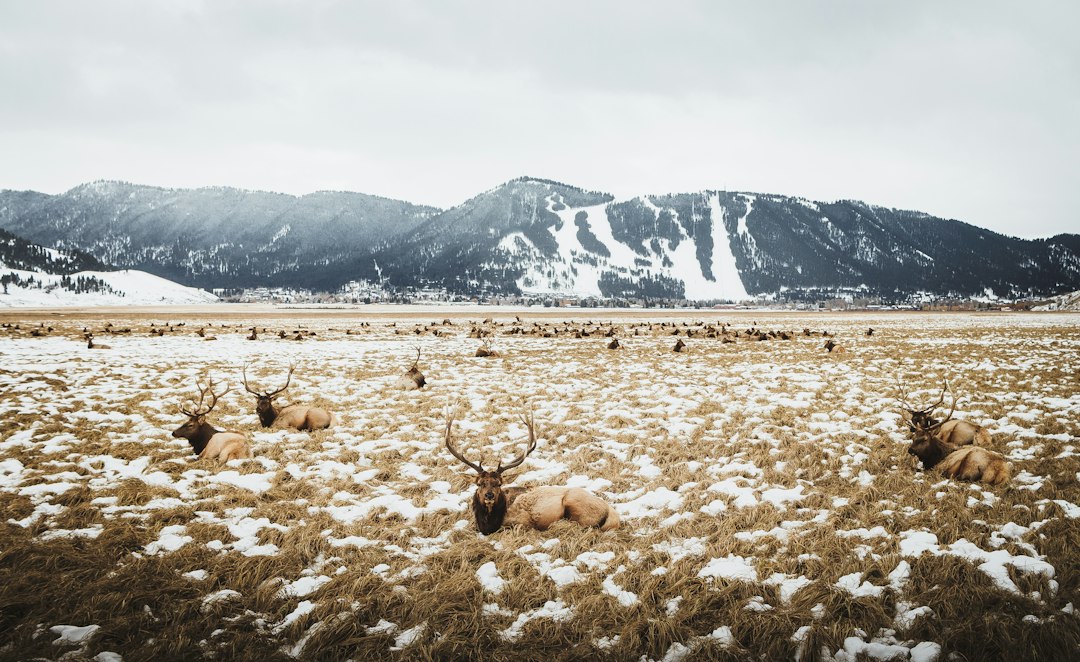
Wyoming offers world-class rifle elk hunting across diverse terrain from the Bighorns to the Wyoming Range. Understanding the draw system, identifying high-opportunity units, and timing your hunt to the rut are key to success.
Related
Alaska Dall Sheep Hunting Guide 2027: Draw Odds, Application Deadlines & Hunt Planning
Alaska's Dall sheep hunts operate under a unique registration permit system with no preference points. Most nonresidents hunt with guides in open units, while residents can apply for limited draw hunts offering better odds and exclusive access.
Next
DIY Elk Hunting in New Mexico: 2027 Public Land Guide
New Mexico offers outstanding DIY elk hunting on public land through its draw system, with opportunities ranging from early-season archery to late rifle hunts. Success hinges on understanding unit selection, draw odds, and public-access strategy.