Alaska Moose Hunting Guide 2027: Drawing, Permits & Prime Units
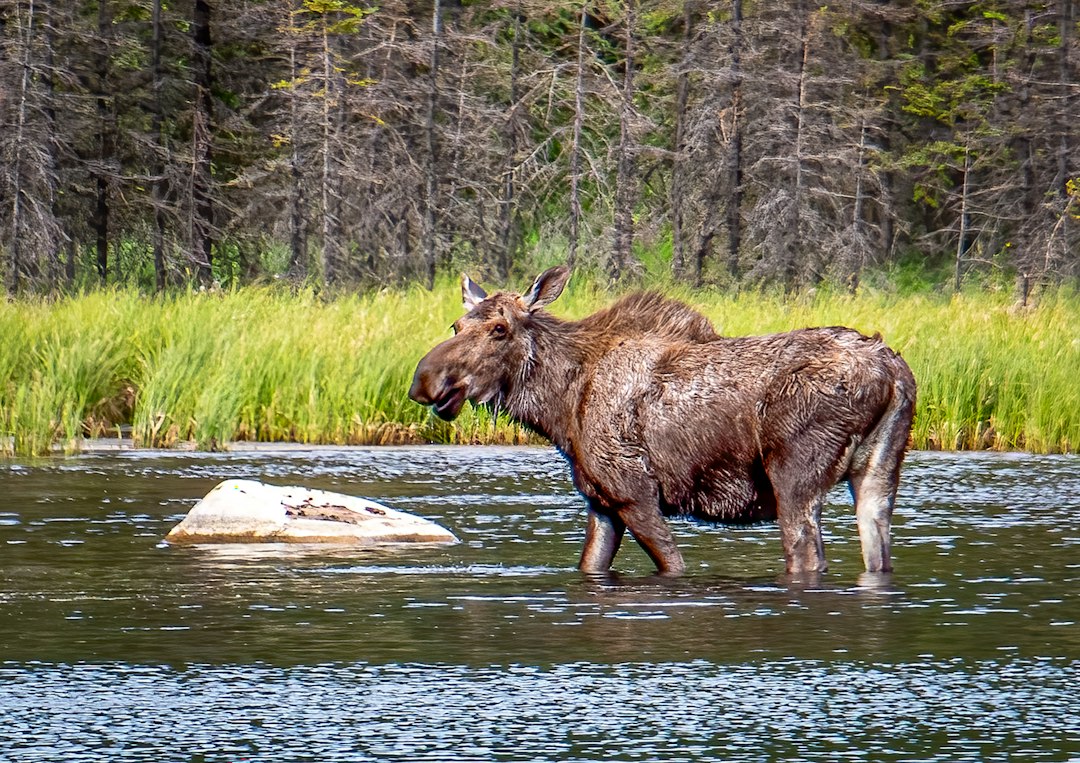
Alaska holds the largest moose population in North America, with roughly 175,000 to 200,000 animals spread across boreal forests, river valleys, and tundra edge habitat. Nonresident hunters face a mandatory guide requirement for most hunts, but both general-season opportunity and controlled-draw permits offer legitimate paths to a bull moose tag. Understanding the distinction between general hunts, Tier I and Tier II permits, and federal subsistence regulations is essential before you apply or book a hunt.
General-Season vs. Permit Hunts
Alaska moose hunting splits into two categories: general seasons open to anyone with the proper license and tag, and controlled permit hunts that require a draw application. General seasons exist in many Game Management Units (GMUs) and allow nonresidents to hunt with a registered guide. These hunts do not require entering a lottery, but harvest success and trophy quality vary widely by unit. Controlled permit hunts fall under two systems. Tier I permits are allocated to Alaska residents who have lived in specific areas for at least 12 consecutive months before the regulatory year begins. Tier II permits are issued through a random drawing when Tier I does not allocate all available permits, and both residents and nonresidents may apply. Most Tier II moose hunts favor residents heavily, with nonresident odds often in the low single digits.
Nonresident Guide Requirement
Nonresidents must hunt moose with a registered guide unless they are hunting with a resident family member (parent, child, or sibling) who is at least 19 years old. The family exemption requires the resident to hold a valid hunting license and to actively participate in the hunt. Guides must be licensed by the State of Alaska Big Game Commercial Services Board, and hunts typically take place in a guide's exclusive use area. This requirement applies to both general-season and permit hunts. Expect guide costs for a 10-day moose hunt to range from $8,000 to $15,000, depending on location, logistics, and lodging. Float hunts and remote fly-in camps tend toward the higher end.
Top Units for Nonresident Hunters
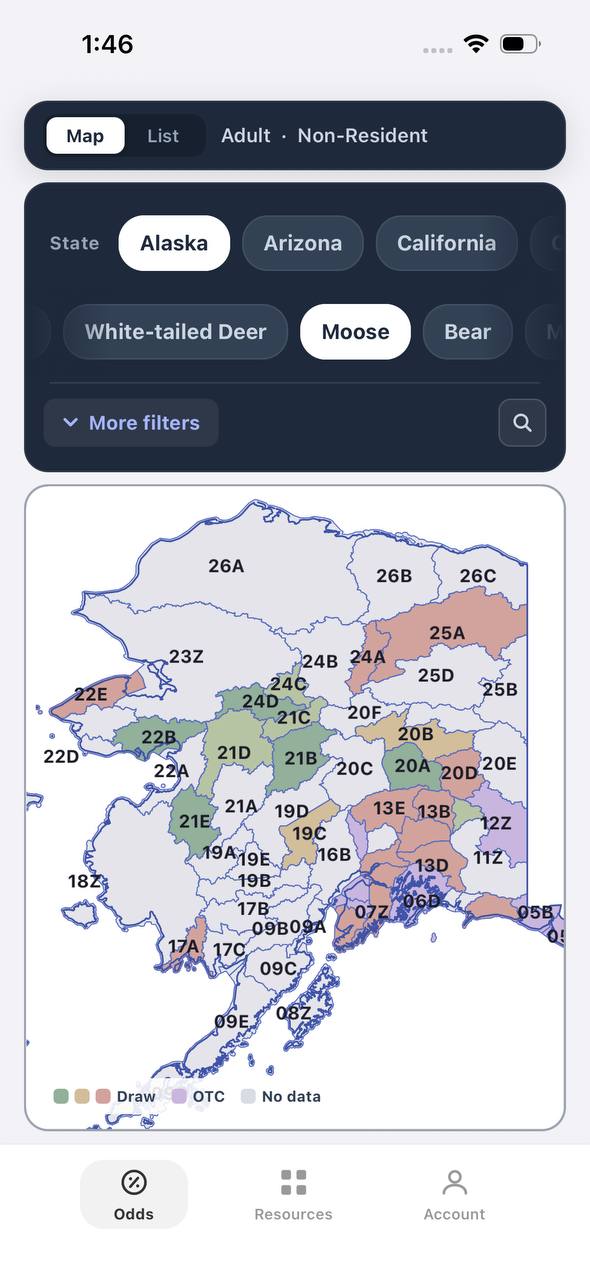
Units 13, 16, and 20 historically produce the highest moose harvests in Alaska, but access, guide availability, and hunting pressure shape opportunity as much as population density. Unit 16 covers the northern Alaska Peninsula and offers general-season hunting with strong bull-to-cow ratios and antler spreads frequently exceeding 60 inches. Unit 13 spans the Nelchina Basin and includes both general hunts and Tier II permits, with September archery seasons and later rifle hunts. Success rates in 13 vary by subunit, but nonresident rifle hunters using guides report 50 to 70 percent success in productive years. Unit 20 is split into multiple subunits around Fairbanks, and 20A remains one of the most accessible general-season areas via the road system. Western units such as 18 and 22 offer remote hunting with lower pressure but require flight logistics and weather contingency.
Applying for Tier II Permits
Tier II permit applications open in late October and close in mid-December for hunts the following fall. The Alaska Department of Fish and Game conducts drawings in January, and results are posted online by late January or early February. Application fees are $10 per permit, and harvest tickets must be purchased before the hunt begins. Nonresident moose tags cost $800 in 2024, and locking tags are required in most units. Preference points do not exist in Alaska's drawing system—every application each year has an equal random chance. Applicants may apply for up to four Tier II permits across different hunts in a single year, but drawing one permit voids all other applications for that regulatory year. Check the Alaska Hunting Regulations booklet each fall to confirm which hunts accept nonresident applications and whether Tier I has exhausted the quota.
Free to join
Download mobile app
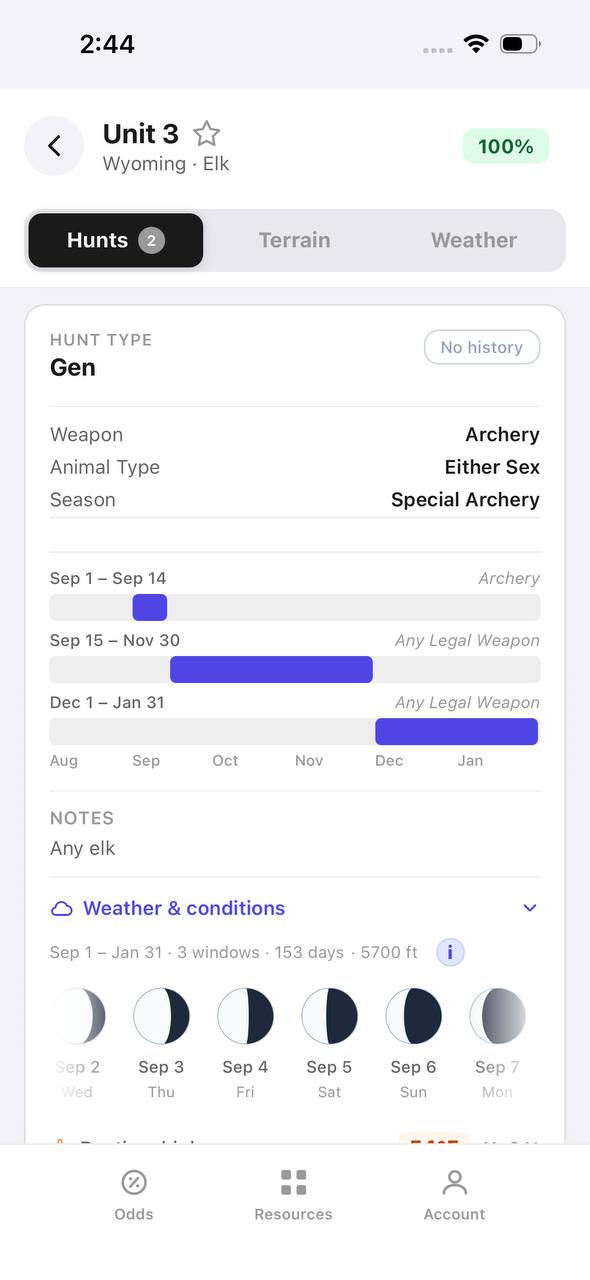
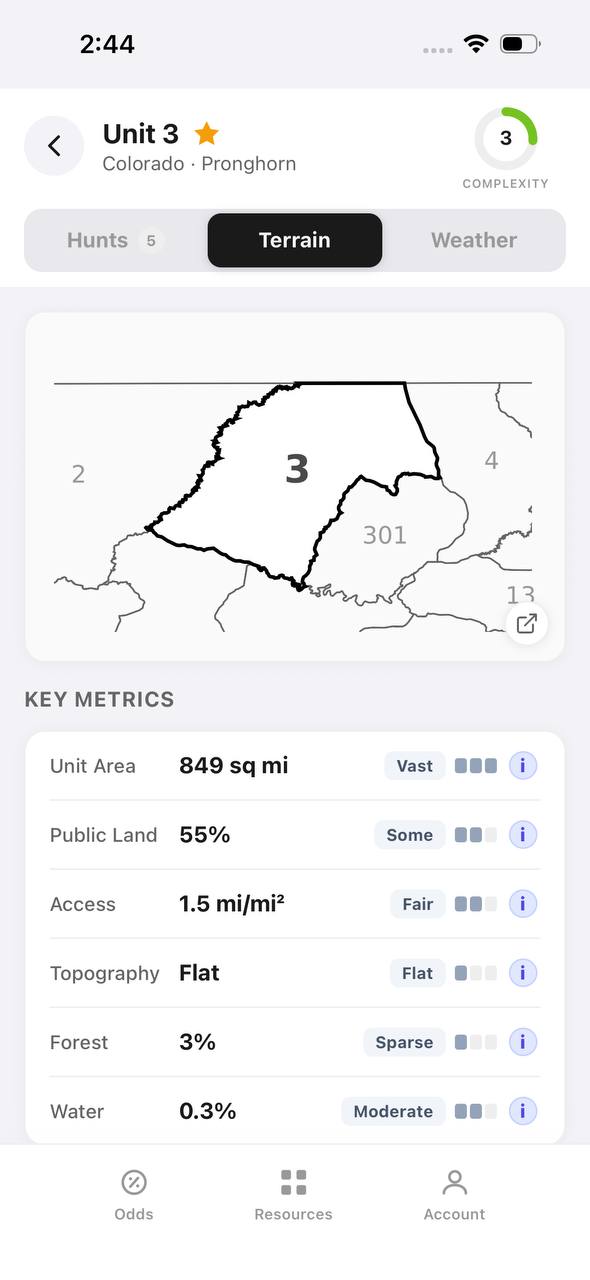
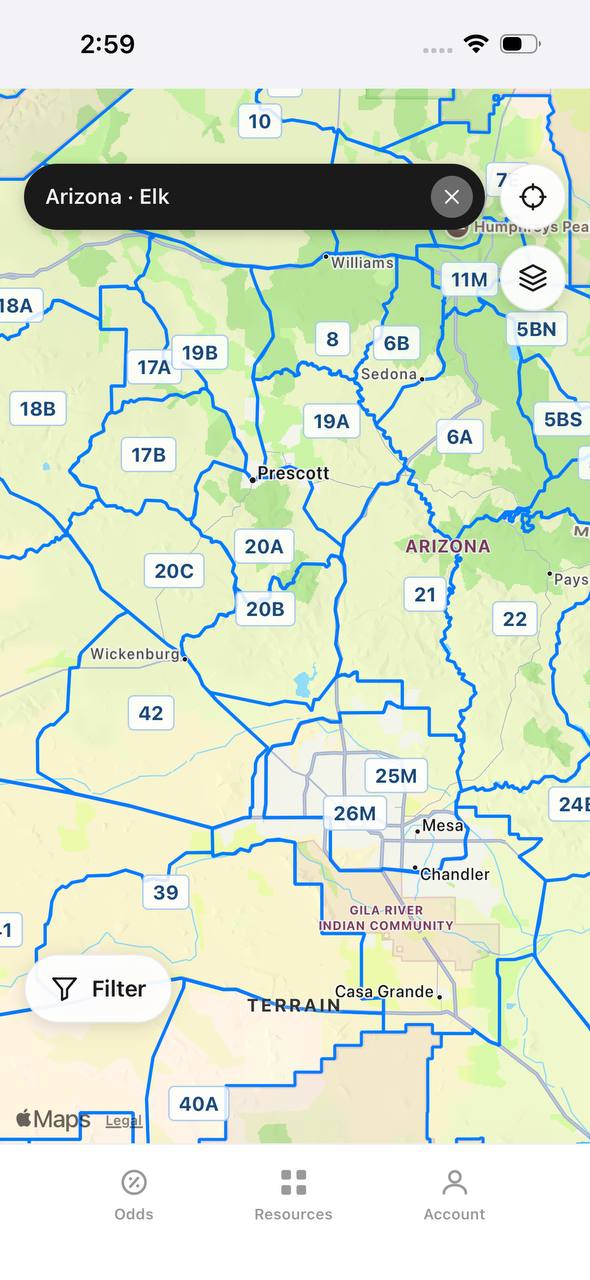
- Detailed draw odds
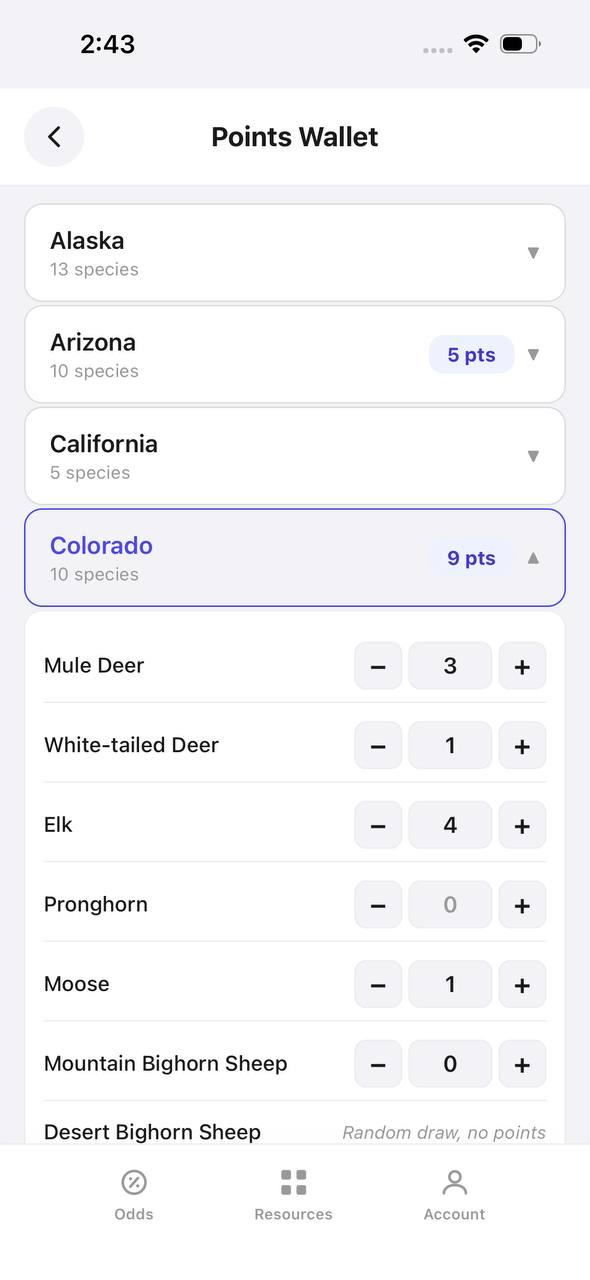
- Point tracking
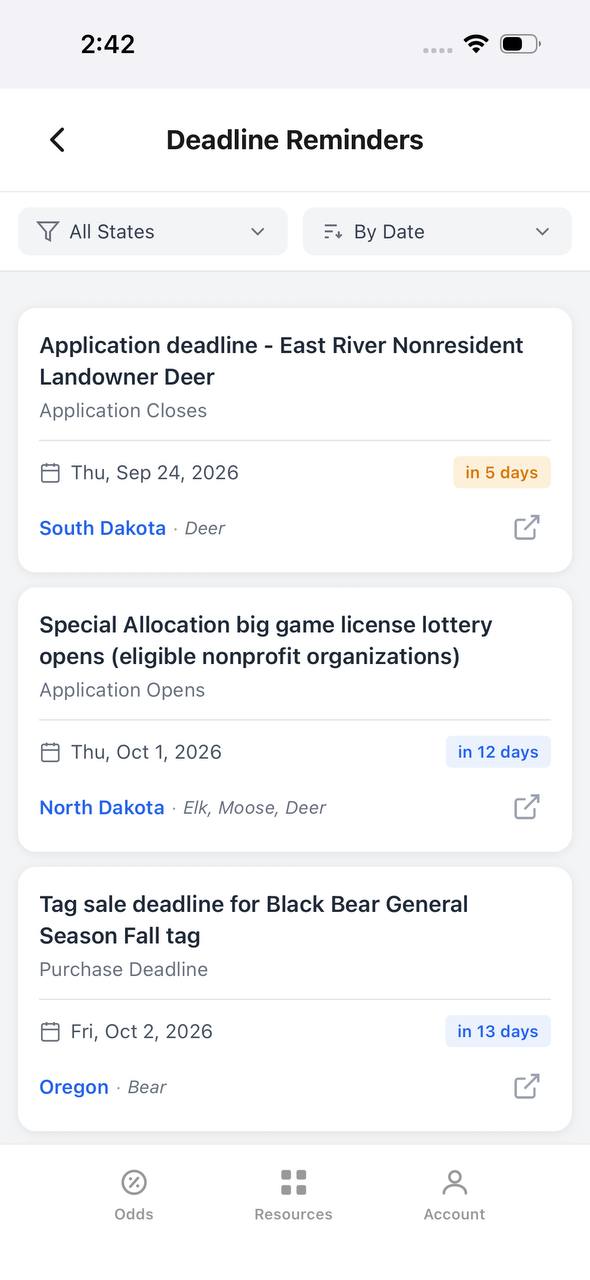
- Deadline reminders
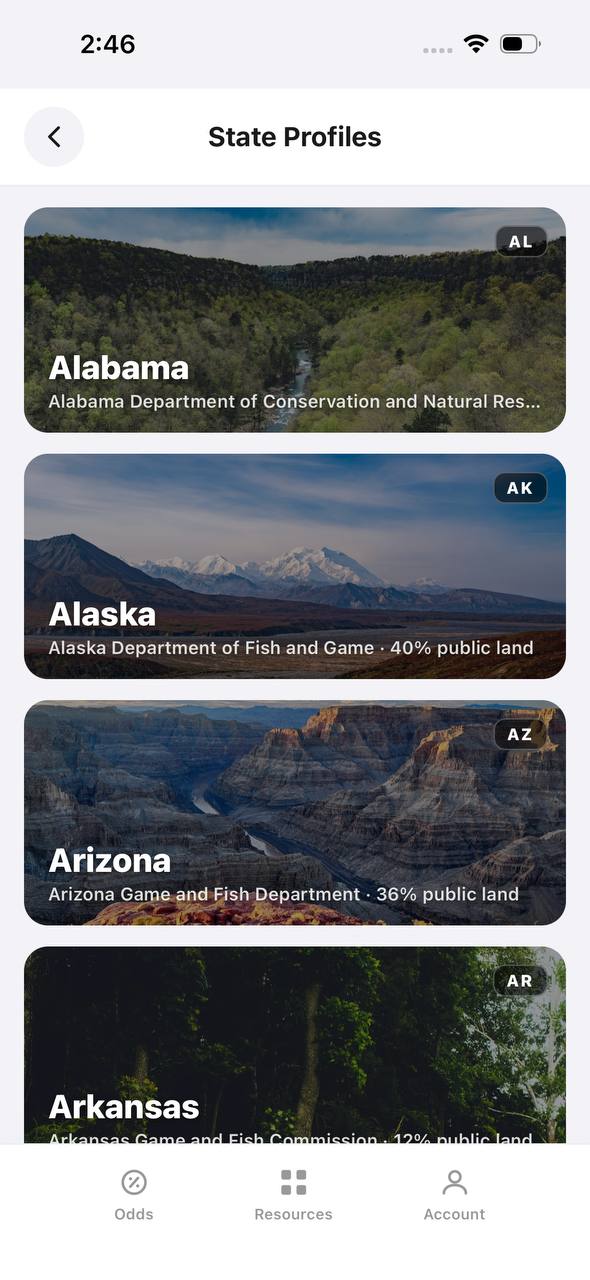
- 19 states covered

Free to join
Download mobile app
- Detailed draw odds
- Point tracking
- Deadline reminders
- 19 states covered
Free to join
Download mobile app
- Detailed draw odds
- Point tracking
- Deadline reminders
- 19 states covered
Season Timing and Rut Dynamics
Moose rut in Alaska peaks from mid-September through early October, with timing shifting slightly north to south. Archery seasons in many units open September 1 or September 5, allowing bowhunters to target bulls during the peak calling window. Rifle general seasons typically open September 10 to September 15 and run through late September, though some units extend into early October. Bulls are most vocal and responsive to calling between September 10 and September 25. After October 1, activity drops sharply as breeding winds down and bulls return to feeding behavior. Units with extended seasons into October can be productive for spot-and-stalk hunting near willow-choked drainages and lake edges where bulls feed heavily before winter.
Weapons, Gear & Logistics
Alaska requires a minimum caliber of .24 for moose, with cartridges such as .30-06, .300 Win Mag, and .338 Win Mag being standard choices. Bullets should weigh at least 180 grains and be constructed for deep penetration on large-bodied animals. Archery equipment must produce a minimum draw weight of 50 pounds, with broadheads at least 7/8 inch in width. Pack systems capable of hauling 80 to 100 pounds of boned-out meat are essential—moose yield 400 to 700 pounds of meat depending on size, and multiple packout trips are the norm. Weather in September ranges from sunny and 60 degrees to freezing rain and snow. Layered rain gear, insulated pants, and waterproof boots rated for cold, wet ground are non-negotiable. Most guided hunts provide wall tents, wood stoves, and camp infrastructure, but confirm gear lists with your outfitter well in advance.
Resident vs. Nonresident Opportunity
Resident hunters in Alaska enjoy open access to general seasons without a guide, can apply for Tier I hunts if they meet residency and use-history criteria, and compete in Tier II drawings with significantly better odds than nonresidents. Many productive units restrict nonresident general-season hunting or allocate nonresidents only 5 to 10 percent of Tier II permits. For nonresidents, the most reliable path is booking a guided general-season hunt in a proven unit. The drawing system is worth pursuing if you have flexibility and can afford to skip a year when odds are long, but guide-based general hunts offer certainty and infrastructure that make a first Alaska moose hunt far more manageable.
Planning Your First Alaska Moose Hunt
Book a reputable guide at least 12 to 18 months ahead of your target season. Research the guide's exclusive area, success rates, and logistics (fly-in vs. road-accessible vs. boat-based). Apply for your nonresident hunting license and locking tag in early summer after completing the Alaska Department of Fish and Game online hunter education equivalency if you were certified in another state after 1986. Purchase a $160 nonresident hunting license, $800 moose locking tag, and any additional required tags or stamps. Confirm your guide has liability insurance and holds current Big Game Commercial Services Board registration. Plan flights into Anchorage, Fairbanks, or regional hubs such as King Salmon or Bethel depending on your hunt location. Build in weather days on both ends of the trip—bush flights frequently delay 24 to 48 hours in September.
FAQ — Alaska Moose Hunting
Do nonresidents need a guide for Alaska moose hunts?
Yes, unless hunting with a resident parent, child, or sibling age 19 or older who holds a valid Alaska hunting license. The family member must actively participate in the hunt.
Can nonresidents apply for Tier II moose permits?
Yes, but only after Tier I allocations to qualifying Alaska residents. Most Tier II hunts allocate 90 to 100 percent of permits to residents, leaving very few tags for nonresident applicants.
What is the success rate for guided Alaska moose hunts?
Guided rifle hunts in productive units such as 13, 16, and 20 report 50 to 75 percent success rates depending on weather, season timing, and hunter skill. Archery success is lower, typically 20 to 40 percent.
When should I book an Alaska moose hunt?
Book 12 to 18 months in advance. Top guides fill their fall schedules by late winter or early spring the year before the hunt.
How much does an Alaska moose hunt cost?
Guided hunts range from $8,000 to $15,000 for 10 days, plus licenses, tags, taxidermy, meat processing, and travel. Budget $12,000 to $18,000 total for a first-time nonresident hunt.
Are there general-season moose hunts open to nonresidents?
Yes. Many GMUs offer general seasons, but nonresidents must use a registered guide. Units 13, 16, 20A, and others provide reliable general-season opportunity without entering a drawing.
Was this article helpful?
Previous
9 Critical Questions to Ask Before Booking a Western Canadian Moose Hunt
Western Canada offers world-class moose hunting, but not all outfitters and hunt structures deliver the same experience. Ask the right questions up front to avoid disappointment and find a hunt that matches your expectations and budget.
Related
DIY Elk Hunting in New Mexico: 2027 Public Land Guide
New Mexico offers outstanding DIY elk hunting on public land through its draw system, with opportunities ranging from early-season archery to late rifle hunts. Success hinges on understanding unit selection, draw odds, and public-access strategy.
Next
Washington Rifle Elk Hunting 2027: Draw Odds, General Season Options, and Where to Hunt
Washington offers both general-season rifle elk opportunities and competitive special-permit hunts in 2027. Understanding the difference between general seasons and special permits—and knowing which units favor DIY public-land hunters—is essential for planning a successful Washington elk hunt.