Complete Mountain Goat Hunting Guide: Planning, Draws, and Strategy
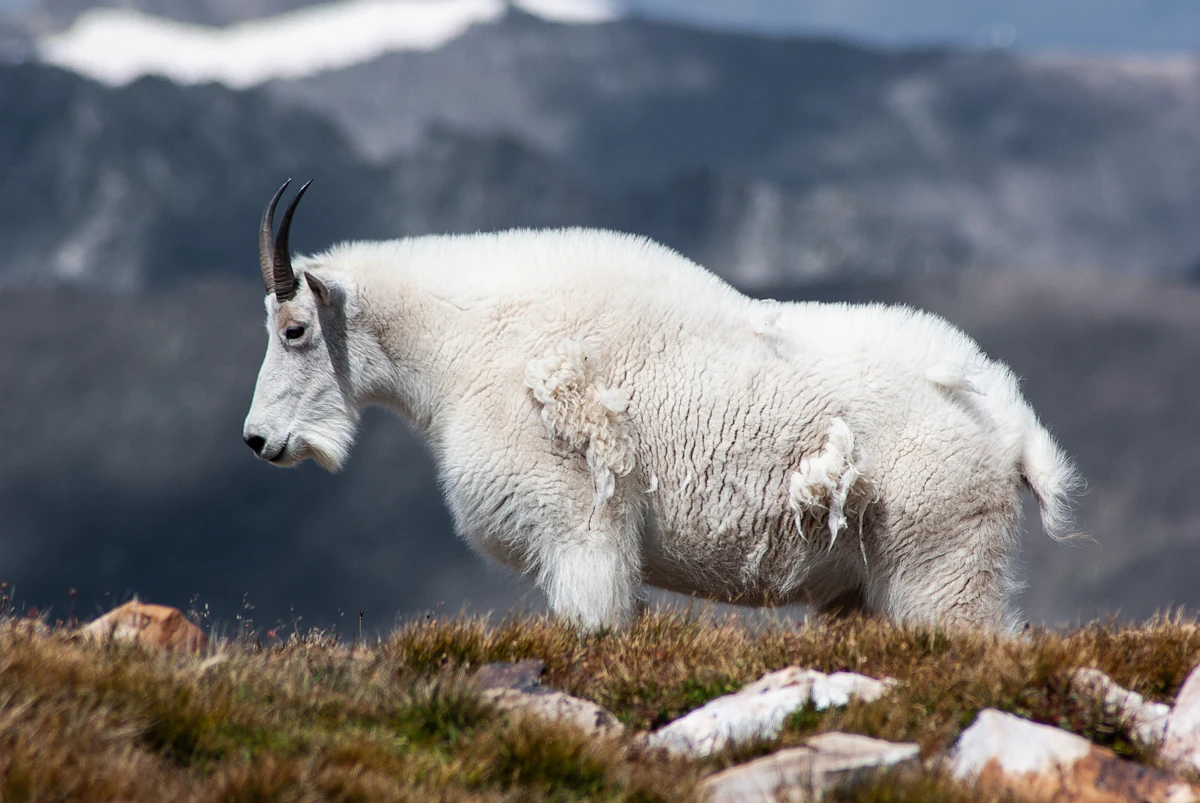
Mountain goat hunting represents the pinnacle of North American alpine pursuit. These hunts test physical limits, demand strategic planning years in advance, and reward hunters with unforgettable experiences in some of the continent's most rugged terrain. Whether you're building preference points or holding a once-in-a-lifetime tag, success starts long before opening day.
Understanding Mountain Goat Draw Systems
Mountain goat tags rank among the hardest to draw in the West. Most states issue fewer than 200 tags annually, with some premium units offering single-digit allocations. Understanding each state's system is essential.
Montana operates on a bonus point system for goat. Nonresidents face steep odds — even with maximum points, expect 1-3% draw rates for quality units. Residents draw marginally better but still invest 5-10 years for top-tier areas. Montana does not square bonus points, so each point equals one additional entry.
Idaho uses a true preference point system but caps nonresident goat tags at extremely low numbers. Many controlled hunt units take 10-15 preference points for nonresidents. The Selkirk and Clearwater zones hold most tags, with remote backcountry units offering slightly better odds at the cost of grueling access.
Alaska offers the only realistic opportunity for hunters unwilling to wait a decade. No draws required for nonresidents — purchase a tag and hunt. Success rates hover around 50% statewide, but logistics and weather create formidable barriers. Budget $8,000-$15,000 for a guided Alaska goat hunt, as navigating glaciated terrain without local expertise proves dangerous.
Washington, Wyoming, Nevada, Colorado, and Utah all offer limited goat tags. Colorado's Georgetown unit and Utah's handful of permits require maximum points plus exceptional luck. Wyoming's sheep/goat combination strategy sometimes improves odds marginally. Nevada offers under 10 tags statewide.
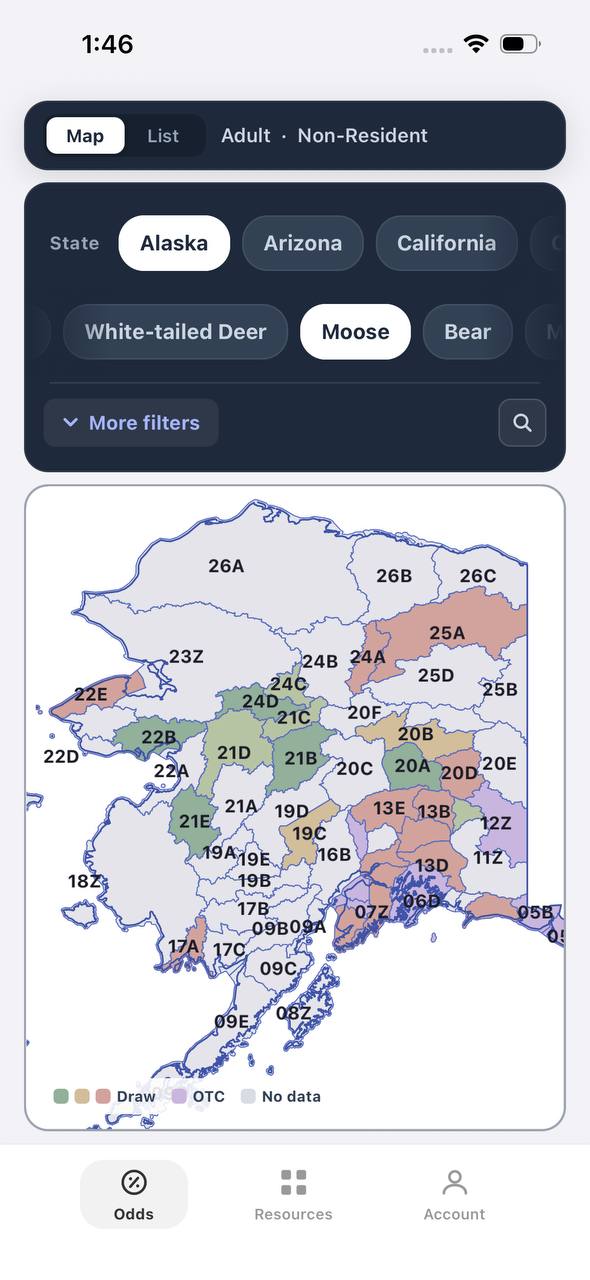
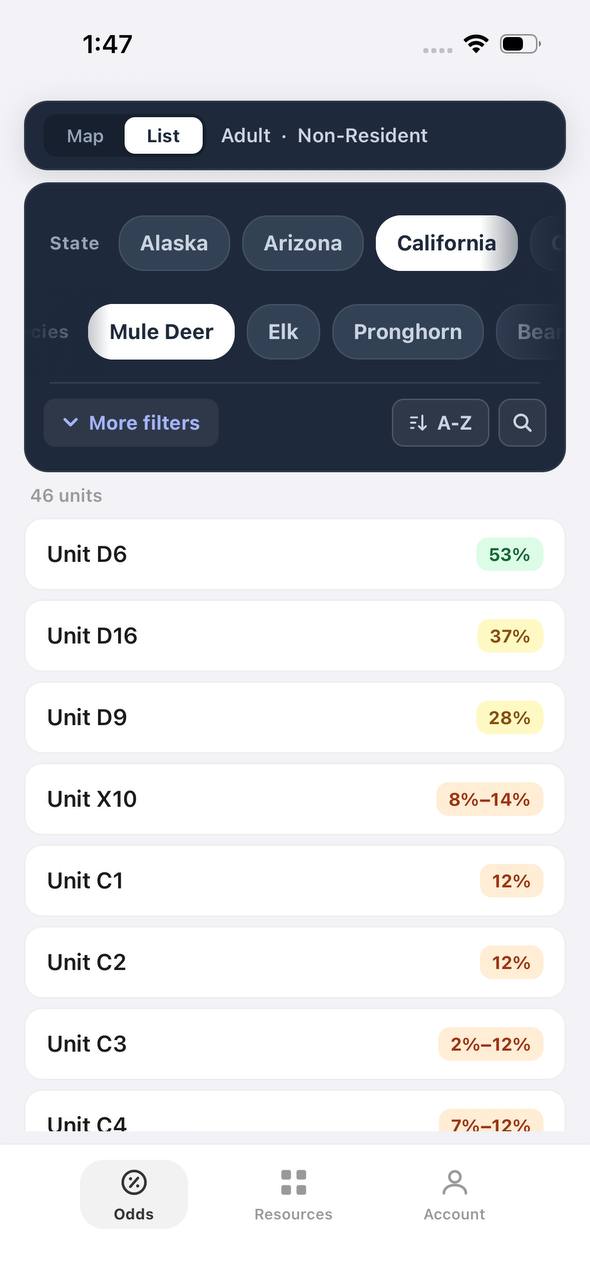
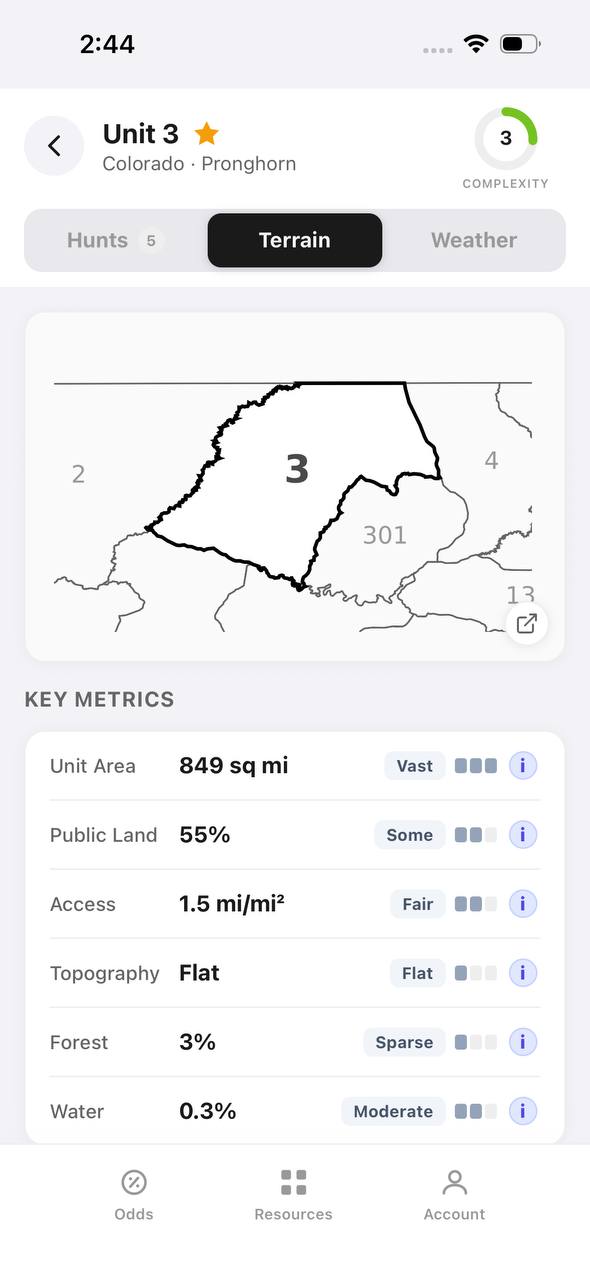
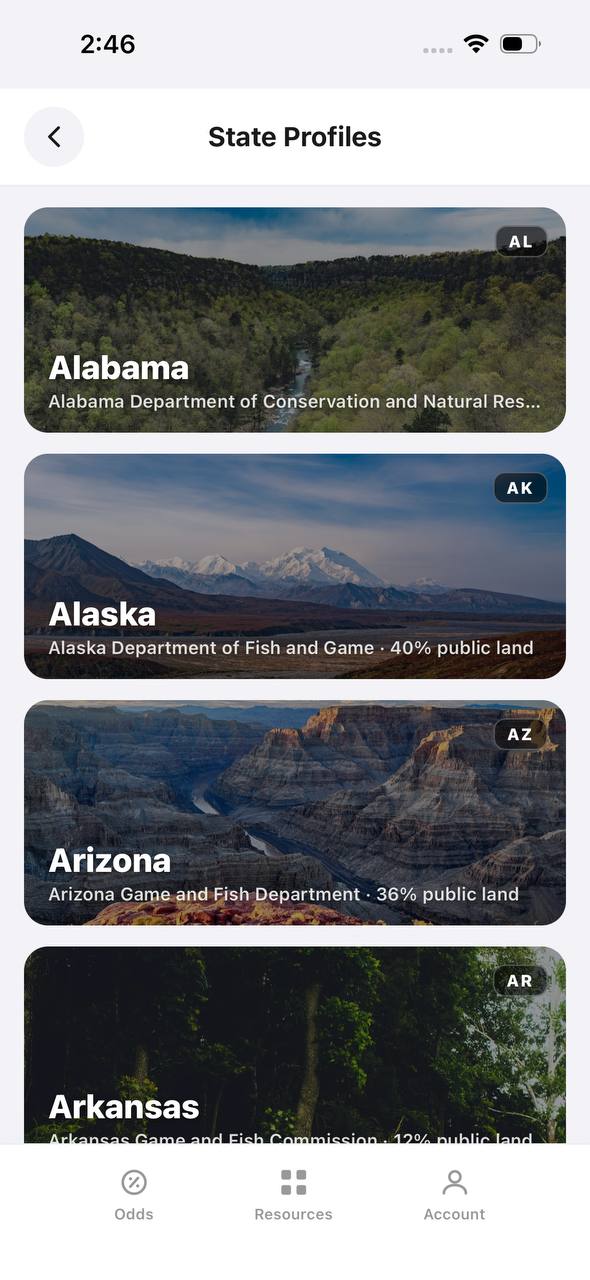
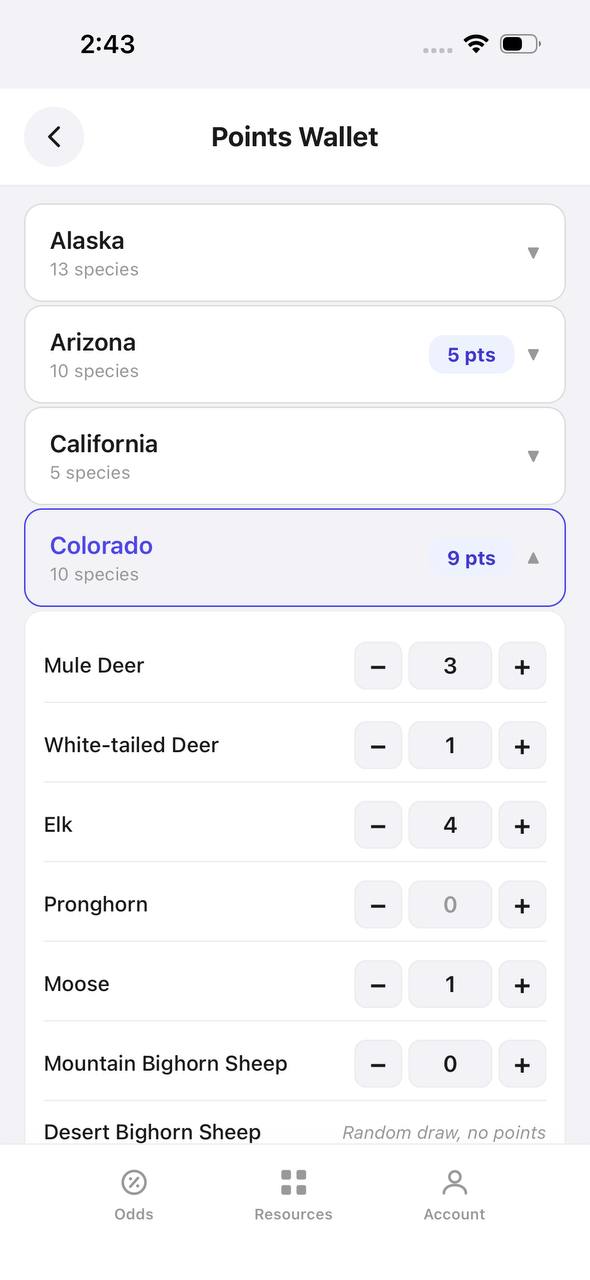
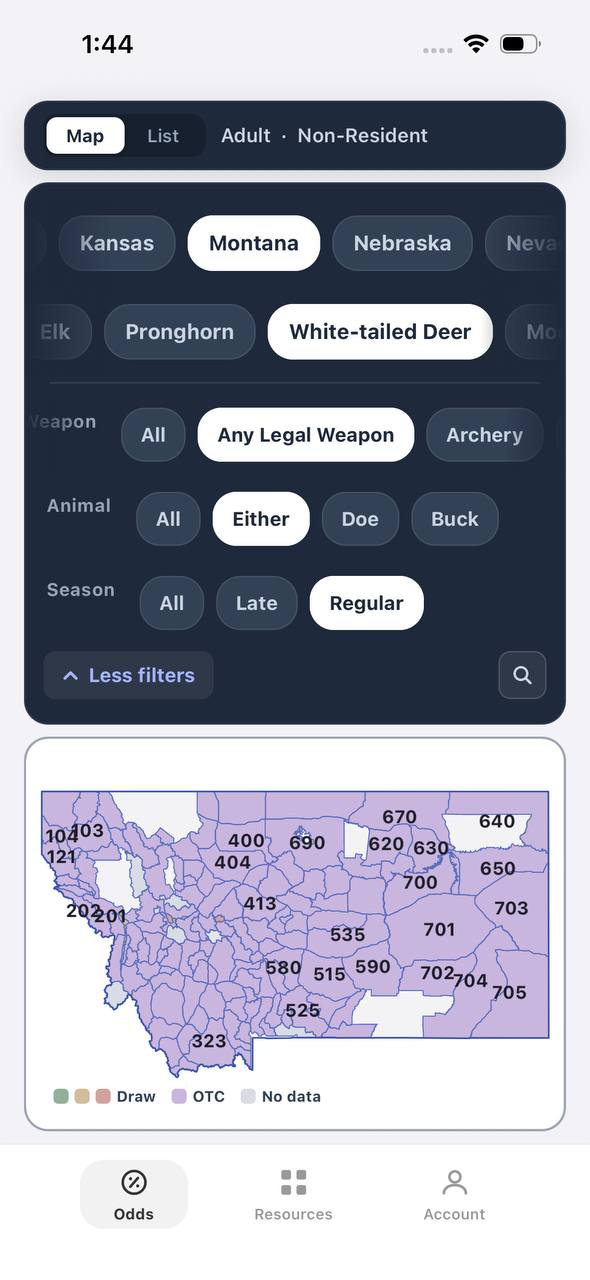
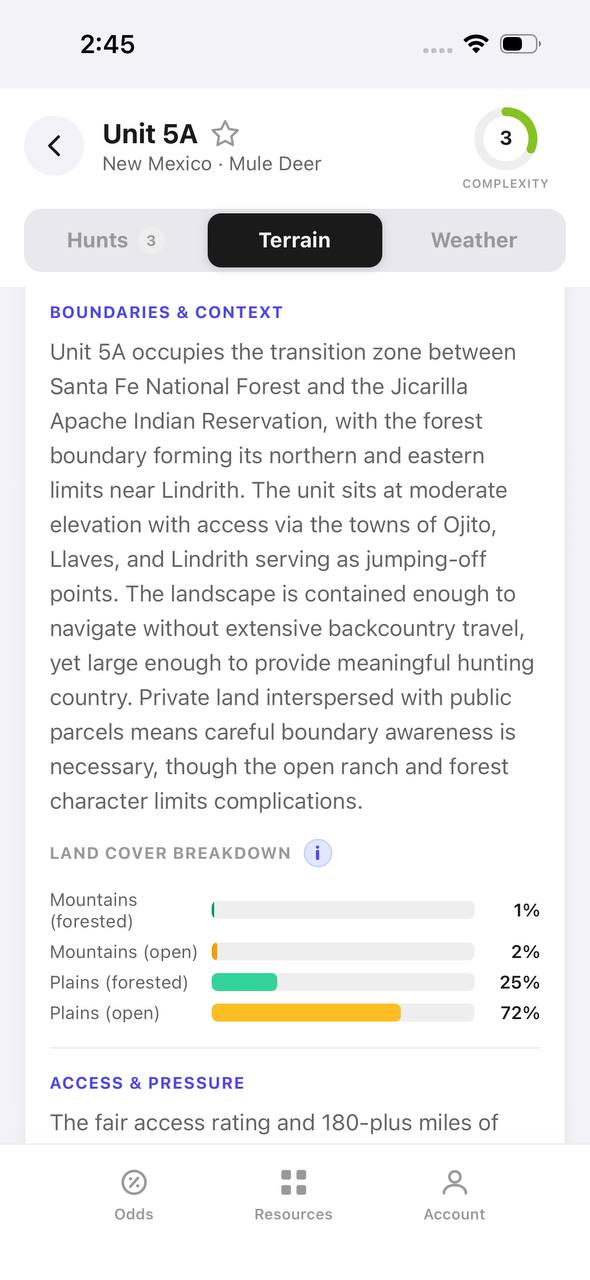
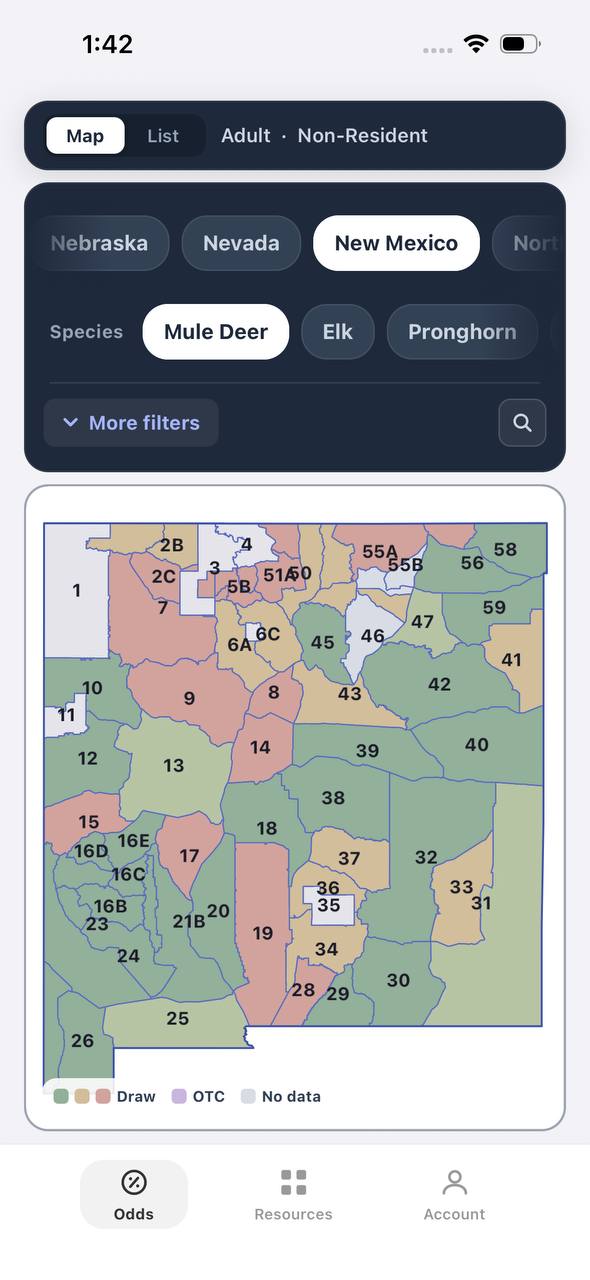
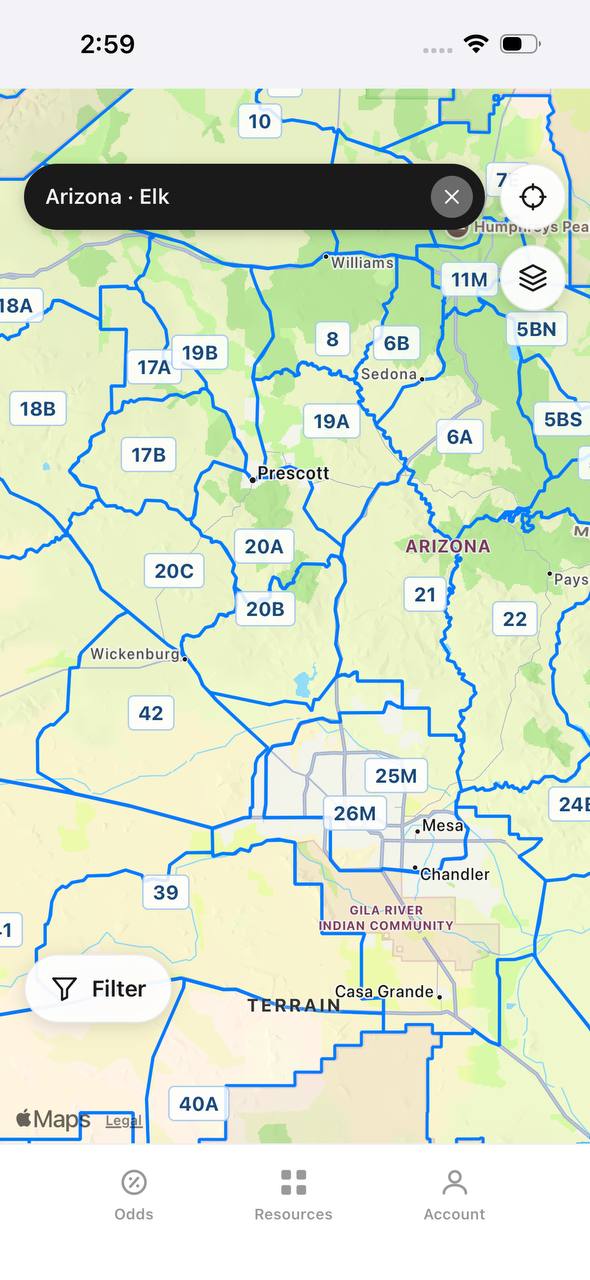
TAGZ helps you compare units side by side using terrain maps, unit boundaries, and historical draw data. Track your preference points and bonus points across multiple states so you never miss a draw deadline. Whether you are chasing OTC tags or planning a trophy limited-entry hunt, TAGZ gives you the tools to make smarter decisions before you ever step into the field.
Selecting the Right Mountain Goat Unit
Unit selection hinges on balancing trophy potential, terrain difficulty, and draw odds. Not all goat units are created equal.
Look for units with healthy age class distribution. Quality billy populations show in harvest reports — mature billies measure 9-10 inches at the base. Montana's Beartooth units consistently produce heavy-bodied goats, but draw odds reflect this. Idaho's Selway-Bitterroot wilderness holds exceptional genetics but demands backpacking 8-12 miles from trailheads.
Terrain dictates tactics and safety. Some units feature relatively accessible alpine basins reachable via day hikes from vehicle access. Others demand multi-day expeditions into glaciated peaks where weather can trap hunters for days. Study unit maps closely — identify escape routes, potential camps, and realistic daily coverage. A 5,000-foot elevation gain from base camp to hunting zones becomes punishing at 9,000+ feet.
Public land access varies dramatically. Montana's Bob Marshall Wilderness offers millions of acres but requires horses or exceptional fitness. Washington's Cascade units often butt against private timber holdings that complicate approach routes. Colorado's limited goat range concentrates pressure in small huntable areas. Nevada's limited permits mean you might hunt alone for a week.
Harvest success rates tell part of the story. Units with 70%+ success typically feature concentrated goat populations in predictable terrain. Sub-50% success often indicates either extreme difficulty or over-allocated permits. Balance these numbers against personal capabilities — a 40% success unit with goats at 10,000 feet beats an 80% unit requiring technical climbing you're not prepared for.
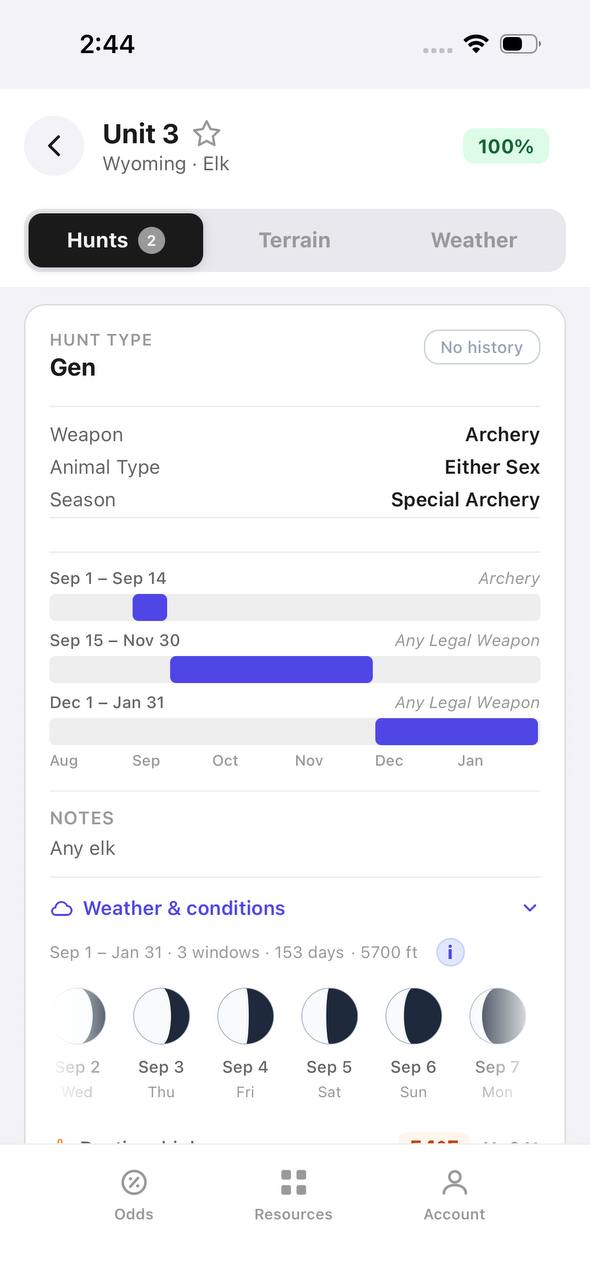
Use TAGZ to filter units by weapon type, season dates, and terrain features. Overlay draw odds with unit boundaries to identify opportunities others overlook. Some mid-tier units offer 5-10% better draw odds than premier zones while holding comparable goat quality.
Physical Conditioning for Alpine Goat Hunts
Mountain goat hunts demand cardiovascular endurance, leg strength, and mental toughness beyond typical western hunts. Start conditioning 6-12 months before your hunt.
Build hiking endurance first. Progress from 3-mile hikes at low elevation to 8-10 mile days with 2,000+ feet elevation gain while carrying a weighted pack. By month three, carry 40-50 pounds on weekend training hikes. Goat country rarely offers flat ground — train on steep, uneven terrain. Downhill conditioning matters as much as uphill — your knees will thank you.
Leg strength prevents injury and improves stability on scree slopes and talus fields. Incorporate weighted step-ups, lunges, and single-leg exercises. Balance training on unstable surfaces mimics the constant micro-adjustments required when crossing rockslides. Strong legs also support the repeated glassing sessions where you'll stand motionless on steep sidehills for 30-minute blocks.
Core strength stabilizes your body during shot opportunities on uneven ground. Planks, rotational exercises, and loaded carries translate directly to field performance. A strong core also reduces back fatigue from heavy pack weights during multi-day trips.
Altitude adaptation cannot be rushed. If you live below 5,000 feet and plan to hunt above 10,000 feet, arrive 2-3 days early to acclimatize. Altitude sickness has derailed countless goat hunts. Hydration, gradual ascent, and listening to your body prevent tragedy. Some hunters use altitude training masks or hypoxic tents months before departure — results vary.
Mental preparation matters equally. Goat hunts involve steep exposure, unpredictable weather, and long periods glassing empty basins. Cultivate patience. A successful goat hunt might mean covering only two miles in a day while thoroughly glassing every cliff band. Train your mind to hunt slowly and methodically.
Essential Gear for Mountain Goat Hunting
Gear failures at 11,000 feet in October can turn fatal. Prioritize reliability over weight savings in critical systems. Bring backups for essential items.
Rifle selection balances power and packability. Most hunters choose .270 Winchester through .300 Winchester Magnum. Goats are not particularly hard to kill, but shot distances often stretch to 300-400 yards across canyons. A 7mm Remington Magnum or .280 Ackley Improved offers excellent ballistics without punishing recoil. Bring 20 rounds — you'll sight in at altitude and might take longer shots than practiced. Ensure your scope tracks reliably and holds zero after being bumped in a pack.
Optics trump rifle choice in importance. Quality 10x or 12x binoculars are mandatory. Goats blend into snow patches, white cliffs, and lichen-covered rocks. Spotting scopes (20-60x magnification) let you judge billies from nannies at distance and assess trophy quality before committing to climbs. A tripod-adaptable bino system or chest harness keeps glass accessible during constant glassing sessions.
Layering systems must handle 40-degree temperature swings. September Montana might start at 28°F before sunrise and hit 70°F by midday on sunny slopes. Merino wool base layers, insulating mid-layers (puffy jacket and fleece), and a waterproof/breathable shell form the core. Pack an ultralight down jacket for glassing sessions. Avoid cotton entirely — wet cotton kills.
Footwear determines success and safety. Stiff-soled mountain boots with aggressive lugs handle talus and scree. Break them in thoroughly — blisters 8 miles from the trailhead end hunts. Gaiters keep debris out of boots during sidehill traverses. Trekking poles provide stability and reduce knee impact on descents, especially when packing out.
Backpack capacity should reach 4,000-5,000 cubic inches for multi-day hunts. Goat quarters are lighter than elk but require carrying horns, cape, and camp simultaneously on pack-outs. Test your system with realistic weights before departure. A meat shelf and compression straps secure awkward loads.
Navigation gear includes GPS with downloaded unit maps, physical topo maps, and a compass. Battery-powered GPS units can fail — bring paper backups. TAGZ provides unit boundary overlays you can download before losing cell service. Mark water sources, camp locations, and glassing points as you hunt.
Safety items cannot be skipped. First aid kit with blister treatment, pain relievers, and trauma supplies. Emergency shelter (bivy or lightweight tarp). Headlamp with extra batteries. Fire starter. Satellite communicator for SOS situations and weather updates. Mountain weather changes fast — prepare for the worst.
Free to join
Download mobile app
- Detailed draw odds
- Point tracking
- Deadline reminders
- 18 states covered

Free to join
Download mobile app
- Detailed draw odds
- Point tracking
- Deadline reminders
- 18 states covered
Free to join
Download mobile app
- Detailed draw odds
- Point tracking
- Deadline reminders
- 18 states covered
Scouting and Pre-Season Preparation
E-scouting narrows focus before boots-on-ground recon. Study topographic maps and satellite imagery to identify potential goat habitat. Goats prefer steep, broken terrain above treeline with escape routes to cliffs. South-facing slopes green up earlier and hold goats in early seasons. North-facing cliffs offer thermal relief in warm weather.
Look for natural features goats use predictably. Mineral licks concentrate goats in late summer. Rocky outcrops with overhangs provide bedding sites. Travel corridors between feeding areas and cliffs show up as faint trails on imagery. Water sources matter less than terrain — goats get moisture from vegetation and snow.
Contact biologists for harvest data and recent population trends. Some units experience winter kill or predation fluctuations that affect huntable populations. Biologists often share general zones where recent harvests occurred without compromising specific locations. Ask about road closures, trail conditions, and fire impacts.
Scout in person if possible, though many goat hunts occur in remote zones requiring significant investment to access pre-season. If you can scout, focus on glassing during morning and evening hours when goats move between feeding areas and bedding cliffs. Note billy versus nanny ratios — units with healthy populations show multiple mature billies visible per day.
Practice shooting at steep angles and extended ranges. Goats are often shot on extreme uphill or downhill angles that affect bullet drop. Compensate by aiming lower on steep shots — gravity affects bullets differently on angled trajectories. Rangefinders with angle compensation remove guesswork. Confirm your rifle and load perform at the altitudes you'll hunt — thinner air slightly increases velocities but also affects bullet stability.
Hunting Strategies and Field Tactics
Mountain goat hunting rewards patience and methodical glassing over aggressive hiking. Goats move minimally during daylight, often spending entire days on one cliff system.
Start each day glassing from vantage points that overlook multiple basins. Set up before first light — goats feed actively in the first two hours after sunrise. Use spotting scopes to grid basins methodically. Glass cliff bands, boulder fields, and any white patches. Goats bed in locations that seem impossibly vertical. Once you locate goats, watch them for 30-60 minutes to pattern movement and confirm sex.
Distinguishing billies from nannies at distance requires practice. Mature billies appear blockier through the chest and shoulders. Billies hold their heads higher and move with less fluidity than nannies. Horn bases on billies show more mass — look for 9-10 inch circumference at the base versus 7-8 inches on nannies. In September and October, nannies often travel with kids. When in doubt, do not shoot. Killing a nanny carries serious consequences in most states and damages herd health.
Plan stalks carefully. Goats rely on cliff access for escape, so approach from above whenever possible. Cut off their escape to the cliffs and goats often freeze or move laterally along slopes, offering shot opportunities. Approaching from below puts goats above you with easy escape routes — they'll disappear into terrain you cannot follow.
Use terrain to close distance. Goats have excellent eyesight but tolerate human presence better than most ungulates if you move slowly and avoid silhouetting on ridgelines. Still-hunt into position using draws and boulder fields for concealment. The final approach may cover only 200 yards but require two hours of painstaking movement.
Wind matters less than with other species but still warrants attention. Goats seem less concerned with scent than elk or deer, but swirling alpine winds can push scent unpredictably. More critically, wind affects shot stability. A 15 mph crosswind at 350 yards demands significant hold adjustment and challenges even experienced shooters.
Shot placement on goats is straightforward. Broadside shots behind the shoulder into the vitals drop goats quickly. Quartering shots require careful bullet placement to reach the chest cavity. Goats are not heavily muscled compared to elk, and quality bullets penetrate adequately. The real challenge is making precise shots on steep, unstable terrain under physical duress after hours of climbing.
After the shot, approach carefully. Wounded goats can tumble hundreds of vertical feet down scree slopes, complicating recovery. Mark the location carefully with GPS before moving. Goats often absorb bullets with minimal reaction — give them time even if the shot felt perfect.
Field Care and Pack Out
Mountain goat meat rivals the best wild game if handled properly. Start field dressing immediately. Goats carry thick hair that insulates body heat, so cooling the carcass quickly prevents spoilage.
Skin carefully to preserve the cape if mounting. Goat hides are fragile compared to deer or elk. Make strategic cuts and leave generous cape material for the taxidermist. Salt the cape liberally if packing out over multiple days — goat hair slips easily if hides get warm.
Quarter the goat completely. Bone out as much meat as practical given your pack capacity. Goats weigh 180-280 pounds on the hoof — mature billies yield roughly 60-90 pounds of deboned meat. The hide, head, and horns add another 30-40 pounds. Plan for 2-3 trips if hunting solo, or bring packable game bags and rope to cache meat safely between loads.
Protect meat from weather and scavengers. Hang bags in shade if possible or cover with rocks in alpine zones above treeline. Ravens, eagles, and bears all key on gut piles and unattended meat. Pack out completely before leaving the area overnight if conditions allow.
Horns require careful protection. Goat horns are brittle compared to sheep horns. Wrap them in clothing or padding before lashing to packs. Broken horn tips devastate hunters after the effort invested. Transport the skull plate and horns together if possible — separating them risks cracking.
The pack out from goat country often proves more demanding than the hunt. Descending steep terrain with 70-90 pounds tests even conditioned hunters. Take breaks frequently. Use trekking poles to reduce joint impact. Many hunters split pack-outs across two days rather than risk injury rushing downhill with heavy loads.
Post-Hunt Considerations
Mountain goat hunting creates lasting memories and tangible rewards. Plan taxidermy early if mounting your billy. Full shoulder mounts capture the dramatic appearance, while European skull mounts showcase horn quality. Goat mounts require skilled taxidermists experienced with the species — the hide and hair demand specialized treatment.
Process meat carefully. Goat meat is lean and mild-flavored, similar to antelope. Trim silver skin and connective tissue thoroughly. Grind trim for burger or sausage. Backstraps and tenderloins make excellent steaks. Roasts from the hindquarters benefit from slow cooking or braising. Properly handled goat rivals venison in table quality.
Document your hunt through photos and journal entries. The experience matters more than the trophy for most goat hunters. Capture the terrain, weather challenges, and moments between glassing sessions. These details fade quickly without notes.
Share your success responsibly. Goat hunting remains controversial in some circles due to limited tags and conservation concerns. Highlight the effort, respect for the animal, and conservation funding your tag supported. Avoid grip-and-grin photos that focus only on dead animals — context matters in public perception.
Apply these lessons to future hunts. Every goat hunt teaches terrain reading, physical limits, and patience. Whether you draw a second tag in a decade or never hunt goats again, the skills transfer directly to sheep, high-country elk, and other alpine pursuits. The mountains shape hunters differently than lowland hunts.
FAQ — Mountain Goat Hunting
How long does it take to draw a mountain goat tag?
Most western states require 8-15 years of applying for nonresidents to draw quality mountain goat units. Montana bonus point holders see 1-3% draw odds even with maximum points. Idaho preference point systems demand 10+ years for top units. Alaska offers tags without draws but requires hiring guides for nonresidents.
Can you hunt mountain goats without a guide?
Yes in most states if you are a resident or draw a tag in states allowing DIY nonresident hunts. Montana, Idaho, Washington, Wyoming, Colorado, Utah, and Nevada all permit self-guided goat hunts. Alaska requires nonresidents to hire guides or hunt with immediate family members who are Alaska residents. Guided hunts typically cost $10,000-$18,000.
What is the success rate on mountain goat hunts?
Success rates vary by unit and hunter fitness but average 50-70% in quality areas. Physical conditioning and terrain familiarity drive success more than hunting skill. Weather causes more hunt failures than lack of goats. Hunters who scout, arrive fit, and hunt the full season dramatically improve their odds over those attempting 3-day efforts.
How hard is mountain goat hunting physically?
Mountain goat hunting ranks among the most physically demanding North American hunts. Expect 8-12 mile days with 2,000-4,000 vertical feet of elevation gain while carrying 40-60 pounds at altitudes above 9,000 feet. Steep, unstable terrain and exposure to cliffs require both fitness and comfort with heights. Hunters should train specifically for 6-12 months before their hunt.
What rifle caliber is best for mountain goats?
Calibers from .270 Winchester through .300 Winchester Magnum all work well for mountain goats. Popular choices include 7mm Remington Magnum, .280 Ackley Improved, and .300 Winchester Magnum for their flat trajectories at 300-400 yards. Goats are not difficult to kill but shot distances often stretch across canyon crossings. Accuracy and shooter confidence matter more than raw power.
How do you tell a billy from a nanny mountain goat?
Mature billies appear blockier through the shoulders and chest compared to nannies. Billies carry their heads higher and move less fluidly. Horn bases on mature billies measure 9-10 inches in circumference versus 7-8 inches on nannies. Billies typically travel alone or in small bachelor groups, while nannies often accompany kids in September and October. Always observe goats thoroughly before shooting — misidentification carries serious legal and biological consequences.
Continue Planning Your Hunt
Mountain goat hunting represents a pinnacle achievement for western hunters. The combination of limited draw opportunities, extreme terrain, and physical demands creates hunts that test every skill you've developed. Success requires years of planning, dedicated conditioning, and strategic decision-making from application through pack-out.
TAGZ simplifies the planning process by consolidating draw odds, unit maps, terrain analysis, and deadline tracking in one platform. Compare mountain goat units across multiple states, track your preference and bonus points, and identify opportunities others overlook. Filter units by weapon type, season dates, and draw odds to find hunts that match your timeline and capabilities.
Whether you're starting to build points for a future goat hunt or holding a tag for this fall, the TAGZ platform gives you the research tools and planning resources to maximize your investment. Explore more hunting strategies and unit breakdowns on the TAGZ Insights page, compare draw odds across western states on the TAGZ product platform, or review membership options to access premium features.
Mountain goat hunting rewards those who prepare thoroughly and hunt patiently. Start building your strategy today at TAGZ.
Was this article helpful?
Previous
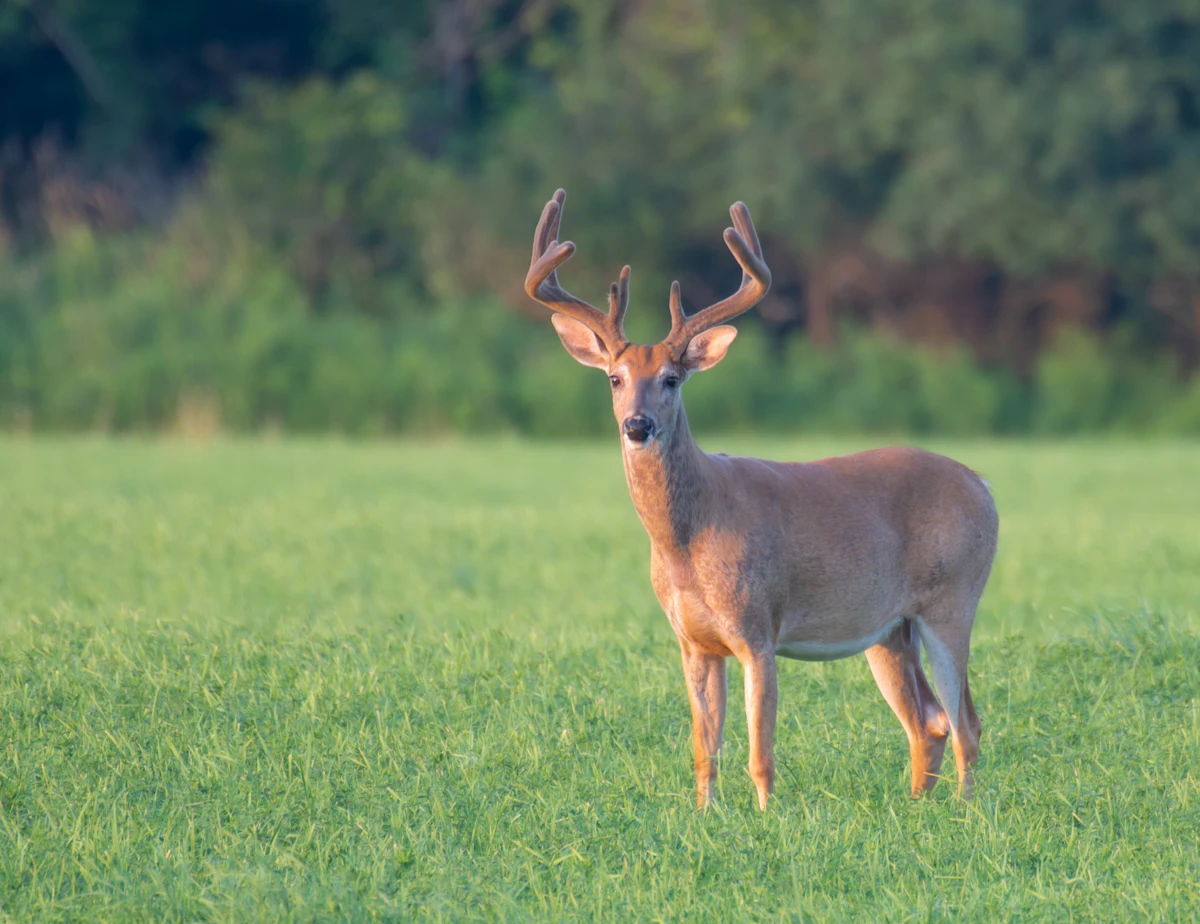
Reading Deer Feeding Patterns to Predict Movement and Plan Your Hunt
Understanding when and where deer feed gives you a critical edge during hunting season. Learn how to read feeding patterns, identify primary food sources by season, and use that knowledge to set up in the right place at the right time.
Related
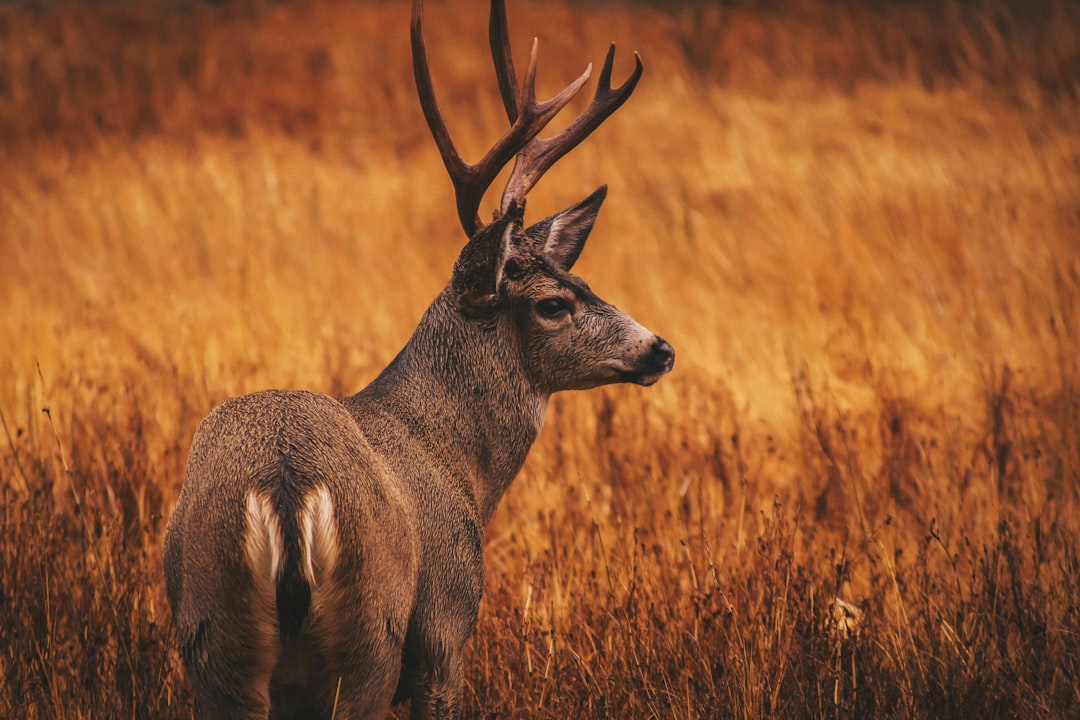
Digital Scouting for Mule Deer: How to Find Big Bucks Before You Ever Leave Home
Digital scouting lets you pinpoint mule deer bedding areas, feeding zones, and travel corridors using satellite imagery and topographic maps before you ever set foot in the field. Master these tools and you will cut days off your learning curve while focusing your boots-on-the-ground time where it actually matters.
Next
Choosing the Right Bullet for Every Big Game Species
Selecting the correct bullet for your hunt matters as much as shot placement. This guide breaks down bullet construction, weight, and performance for elk, deer, pronghorn, moose, and bear so you can match your ammunition to the animal and the shot.