Florida Alligator Hunting Safety Tips Every Hunter Must Know in 2027
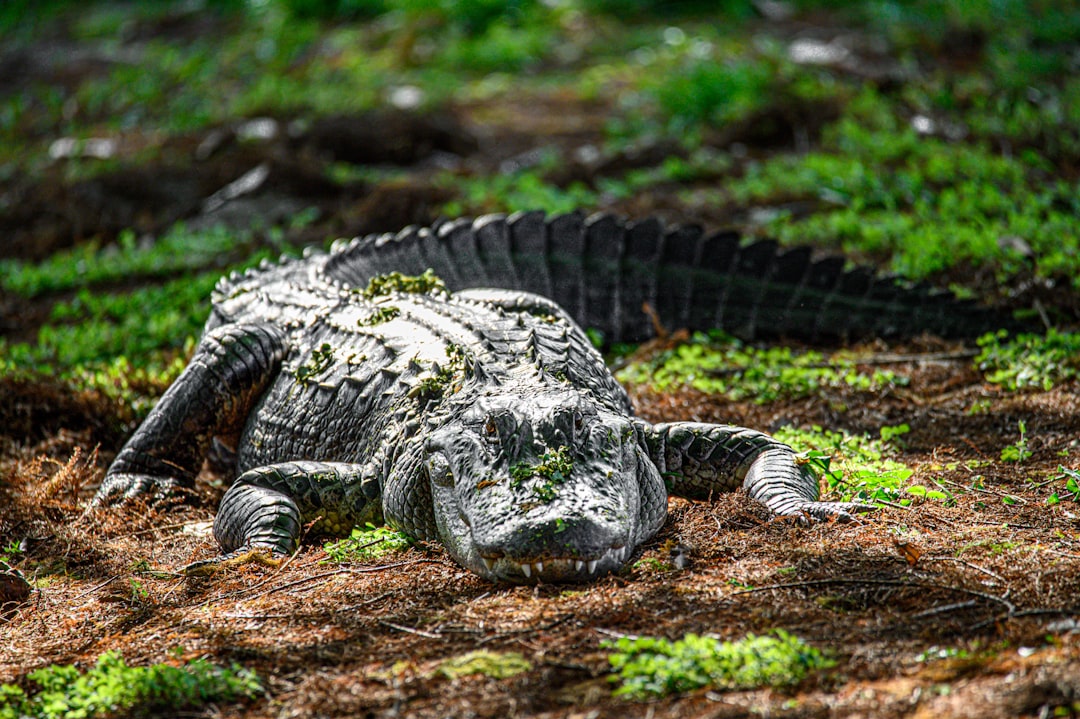
Florida's alligator harvest program opens annually in late August, drawing hunters to marshes, rivers, and lakes across the state. Unlike western big-game hunts, alligator hunting happens primarily at night from boats in tight quarters with a prehistoric predator that remains dangerous even after the shot. The 2027 season runs the same general timeline as previous years, but safety protocols never change because the risks remain constant.
This guide walks through the critical safety measures that separate a successful gator hunt from a dangerous situation. Whether you drew a Florida alligator permit through the lottery or purchased a trapper tag, these protocols apply to every hunter on the water.
Pre-Hunt Preparation and Required Gear
Florida regulations mandate specific equipment for alligator hunting, and each item serves a safety function. You must use a restraining line attached to a wooden peg, harpoon, or another device before attempting to dispatch the animal. This line prevents a wounded gator from diving and disappearing, but it also creates entanglement risks if not managed correctly.
Carry a bang stick loaded with a powerhead in .357 Magnum, .44 Magnum, or shotgun configuration. This close-range dispatching tool delivers a contact shot to the brain, and it requires deliberate handling protocols. Keep the bang stick secured and unloaded until you have a harpoon-struck gator alongside the boat. Never load it prematurely, and always point the business end away from yourself and crew members.
A heavy-duty spotlight with a hand strap or head mount is non-negotiable for scanning banks and identifying eyeshine. Use a second handheld light as backup. Bring at least 200 feet of half-inch braided line rated for 1,000 pounds or more, along with heavy leather gloves to manage line under tension. A gaff hook, tie-off cleats, and a sharp knife complete the required kit.
Boat Safety and Night Navigation
Most Florida gator hunting happens from flat-bottom boats, jon boats, or airboats in shallow water choked with vegetation and submerged logs. Navigation at night in these conditions creates collision and capsizing risks that do not exist during daylight scouting trips.
Every person on board must wear a Coast Guard-approved life jacket, not just have one within reach. Florida has no specific PFD law for gator hunters, but wearing one prevents drowning if you fall overboard during a gator fight. Airboats and jon boats sit low, and the combination of a thrashing gator, tangled line, and sudden weight shifts can dump crew members overboard in seconds.
Assign roles before you start hunting. The spotter runs the light and identifies targets. The shooter handles the harpoon or crossbow. The boat operator maintains position and stays ready to maneuver. The line handler manages slack and keeps the restraining line clear of legs, props, and gunwales. Do not let roles blur once you engage a gator.
Maintain constant communication. A five-foot gator can capsize a 14-foot jon boat if you lose coordination during retrieval. Agree on verbal signals for "line out," "secure the line," and "abort" before you harpoon the first gator. Keep your spotlight beam ahead of the boat path to spot floating logs and other boats, and never run full throttle in darkness.
Shot Placement and Initial Engagement
Florida law allows harpoons, crossbows, bows, and snatch hooks as initial engagement tools, but you cannot use firearms for the first strike. This forces close-range contact before the animal is secured, which is where most accidents happen.
Approach a floating gator slowly with the boat positioned so the shooter has a clear angle to the spine just behind the head. The goal is to plant a harpoon or arrow with a restraining line attached so the gator cannot escape. Do not rush the shot. A wounded gator that dives with your line creates an immediate entanglement hazard.
Once the harpoon sets, the gator will thrash, dive, or death roll. The line handler must let line out smoothly without allowing it to loop around legs, feet, or the outboard. If the line snags on the boat or wraps a limb, cut it immediately. Do not try to hold a thrashing gator by hand. Even a six-footer generates enough torque to snap bones or pull you overboard.
Work the gator toward the boat gradually. Let it tire itself fighting the line and drag. Never wrap the line around your hand or tie it to your body. When the gator surfaces alongside the boat, the shooter prepares the bang stick while the line handler maintains tension. Do not bring the gator's head within reach of crew members until you are ready to dispatch it.
Dispatching and Securing the Animal
The bang stick delivers a contact shot to the brain through the skull. The target zone is a quarter-sized area on top of the head between the eyes and back toward the neck. This shot requires the muzzle pressed firmly against the skull at a perpendicular angle, not a glancing strike.
Position the gator so its head is against the boat gunwale but not thrashing freely. One person secures the line while the shooter places the bang stick and fires. After the shot, the gator may continue involuntary muscle contractions for several minutes. Do not assume it is dead and reach for the jaws or limbs. Secure the mouth with electrical tape or a rope wrap before attempting to load it into the boat.
Small gators under six feet can be hauled aboard by one or two people. Anything over eight feet requires a ramp, winch, or shoreline processing. Do not try to muscle a large gator into a small boat. The risk of capsizing or back injury is not worth it. Some hunters transport big gators by securing them alongside the boat with ropes and towing to a ramp.
Common Mistakes That Lead to Injuries
The most frequent alligator hunting accident involves tangled restraining lines during the initial fight. Hunters let line pile at their feet or wrap around outboard props, then panic when the gator dives. The sudden tension creates whiplash injuries, burns, and in worst cases, amputations if the line cinches around a limb.
Another common error is attempting to tail-rope a live gator before dispatching it. A gator's tail can deliver crushing blows, and grabbing it brings your hands within range of a death roll. Never approach the tail end of a live gator in the water. Control the head end with the restraining line and bring it alongside the boat before using a bang stick.
Hunters also misjudge the striking distance of a secured gator. Even with a harpoon through the body and a rope around the neck, a gator can lunge two to three feet forward in a fraction of a second. Keep your face and hands clear of this strike zone. Position yourself behind the head or use a long gaff to control the snout.
Finally, alcohol and gator hunting do not mix. Florida has a zero-tolerance policy for boating under the influence, and reaction times matter when you are managing live animals in close quarters at night. Save the celebration for after you tag out and return to the dock.
Legal Requirements and Reporting
Florida requires every harvested alligator to be reported within 72 hours through the FWC online system. You must attach a metal tag to the hide before leaving the hunt area, and the tag number ties directly to your permit. Failing to tag or report a gator results in permit revocation and potential criminal charges.
Alligator harvest permits are quota-based and tied to specific management areas. Your permit specifies which water bodies you can hunt, and hunting outside your designated area is illegal. Review your permit boundaries before launching, especially if you are hunting public water that borders multiple counties. GPS coordinates help, but printed maps serve as backup if your phone dies.
Florida also prohibits hunting gators from public roads, bridges, or private property without landowner permission. You cannot shine a light from a vehicle to scout gators the night before your hunt, and you cannot bait or feed alligators at any time. These rules exist to prevent nuisance behavior and maintain public safety.
FAQ — Florida Alligator Hunting
What is the safest way to retrieve a harpooned alligator?
Let the gator tire itself on the restraining line before pulling it alongside the boat. Keep the line clear of legs and props, and use a bang stick to dispatch the animal before attempting to secure the mouth or load it.
Can you hunt alligators alone in Florida?
Yes, but it is not recommended. Solo hunters face higher risks of entanglement, capsize, and injury with no backup. Florida law does not prohibit solo hunts, but most experienced hunters bring at least one crew member.
Do you need a boat to hunt alligators in Florida?
No. Some hunters work from shore using heavy rods and reels with treble hooks, or they wade shallow flats with harpoons. Bank hunting limits your range but eliminates boat-related risks.
What happens if an alligator breaks your restraining line?
You lose the animal, and it counts against your permit quota if you already tagged it. Use line rated for at least 1,000 pounds and inspect it for abrasion before each hunt. If the line breaks during the fight, do not attempt to re-engage the same gator unless you can positively identify it.
Is alligator hunting dangerous compared to other hunting?
Yes. You are working at night from a boat with a live predator that remains capable of inflicting fatal injuries even after being struck. The combination of water, darkness, heavy equipment, and a dangerous animal creates risks that do not exist in deer or elk hunting.
Can you use a firearm to shoot an alligator in Florida?
Only after the animal is secured with a restraining line. Florida law prohibits using firearms as the initial take method. You can use a bangstick (a type of powerhead) to dispatch a harpooned gator, but rifles and shotguns cannot be used to shoot free-swimming alligators.
Continue Planning Your Hunt
Florida alligator hunting is a specialized pursuit that rewards preparation and respect for the animal. While most western hunters focus on elk draw odds and unit strategy, gator hunting presents a different challenge that demands water skills and close-quarters execution.
If you are planning a multi-species season that includes alligator, turkey, or other non-traditional tags alongside your western applications, TAGZ helps you track draw deadlines, preference points, and unit data across all 50 states. The platform centralizes your hunt planning so you can compare opportunities side by side and never miss a deadline. Whether you are building points for a Colorado elk tag or applying for a Florida gator permit, TAGZ gives you the tools to manage every application in one place.
Learn more about how TAGZ simplifies multi-state hunt planning by visiting the product page, or explore additional hunting strategies and draw breakdowns on the TAGZ Insights blog. If you are ready to take control of your application strategy and maximize your draw odds across multiple states, check out pricing options and start planning smarter hunts today.
Was this article helpful?
Previous
Best Hunting Bipods for 2027: Field-Tested Picks for Western Big Game
From lightweight carbon fiber models to rock-solid field rests, we break down the top bipods tested across Western terrain in 2026-2027 and explain which design works best for your hunting style.
Next
Pennsylvania Elk Hunting Guide 2027: Draw Odds, Units & Strategy
Pennsylvania's 2027 elk draw opens in July with 169 tags across five zones. Learn which units offer the best odds, how the license lottery works, and what nonresidents need to know before applying.