Colorado Big Game Draw Changes for 2028: What Hunters Need to Know
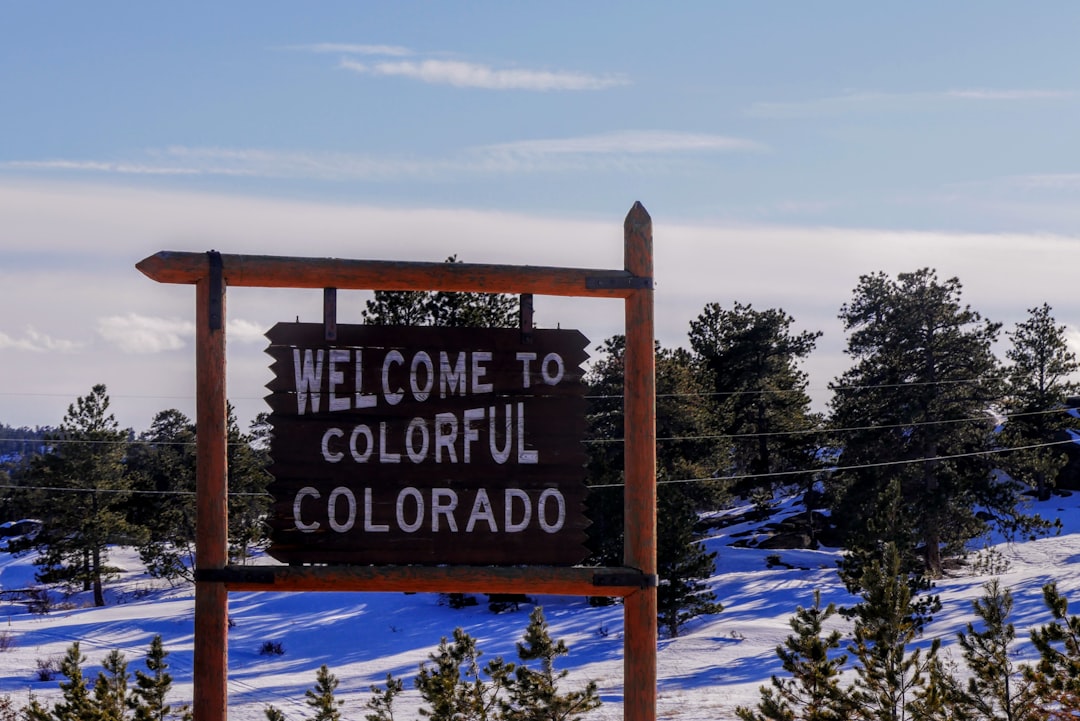
Colorado Parks and Wildlife announced significant changes to the big game draw system beginning with the 2028 season. These updates affect how preference points accumulate, how leftover licenses are distributed, and how resident versus nonresident allocations work for elk, mule deer, whitetail, pronghorn, and bear tags. If you have been building points or planning a Colorado hunt, these rule changes will directly impact your draw odds and application strategy.
Preference Point Cap Implementation
Starting in 2028, Colorado will cap preference points at 10 for all big game species. Hunters who currently hold more than 10 points will not lose them, but they will stop accruing additional points once they reach the cap. This change targets point creep, which has made drawing premium units increasingly difficult for hunters entering the system. The intent is to prevent unlimited point accumulation and give newer applicants a realistic path to drawing competitive tags within a decade.
If you have been sitting on 15 elk points waiting for the perfect unit, 2028 is the year to use them. Once the cap takes effect, holding points beyond 10 offers no additional advantage. CPW expects application rates to spike in high-point units as hunters rush to cash in before the system resets.
Leftover License Distribution Overhaul
Colorado is eliminating the first-come, first-served leftover license sale and replacing it with a weighted random draw for all tags that remain after the primary draw. Beginning in 2028, hunters who apply during the leftover draw window will be entered into a lottery where each preference point provides one additional entry. A hunter with three preference points gets three chances compared to one chance for a first-time applicant.
This system prevents the online scramble that used to occur on leftover sale day, when tags sold out in minutes. It also rewards point holders without requiring them to sit at a computer refreshing the license portal. Leftover draws will occur in mid-August, giving hunters time to plan logistics if they draw a tag.
Archery and muzzleloader tags will follow the same weighted draw process. Previously, leftover archery elk tags were easy to secure online, but now they will require an application. Plan accordingly if you typically rely on leftover archery licenses as a backup option.
Resident and Nonresident Allocation Adjustments
Colorado is adjusting the resident-nonresident split for limited deer and elk licenses. The new formula allocates 80 percent of tags to residents and 20 percent to nonresidents, up from the previous 75-25 split in many units. This change applies to rifle, muzzleloader, and archery limited tags but does not affect over-the-counter licenses.
Nonresident hunters will see reduced draw odds in units that previously offered better chances under the 75-25 split. Resident odds improve slightly, though competition remains high in premium units. If you are a nonresident building points for a Colorado hunt, focus on units with higher tag quotas where the 20 percent allocation still yields multiple tags annually.
Pronghorn and bear allocations remain unchanged, maintaining the existing resident-nonresident ratios. Deer and elk hunters should recalculate their draw odds using the new 80-20 formula before finalizing 2028 applications.
Changes to the Hybrid Draw System
Colorado uses a hybrid draw where a percentage of tags are awarded in a preference point pool and the remainder go into a random draw pool. For 2028, CPW is increasing the random draw allocation from 20 percent to 25 percent for all deer and elk units. This gives hunters with fewer points a slightly better chance at drawing tags in high-demand units.
The shift reflects CPW's goal of balancing point holders with newer applicants. If you have zero or low points, the expanded random pool improves your odds marginally. If you hold high points, the shrinking preference pool means more competition among top-tier applicants. The practical effect is modest but worth noting when comparing units with similar draw odds.
Bear and pronghorn retain the existing 80-20 preference-to-random split. Only deer and elk hunters need to account for the 75-25 adjustment when planning applications.
Unit-Specific Tag Quota Changes
CPW adjusts tag quotas annually based on herd health, harvest data, and habitat conditions. For 2028, several high-profile elk units will see quota reductions due to drought impacts and predation concerns. Units 2, 201, 10, and 76 are all reducing rifle elk tags by 10 to 15 percent. These units remain competitive, but lower quotas mean tighter draw odds for both residents and nonresidents.
Mule deer quotas are increasing in northwest Colorado units 3, 4, 5, and 214, where populations have rebounded after several years of conservative management. Rifle mule deer tags in these units will be easier to draw in 2028 compared to recent seasons. If you have been waiting for better odds in a quality mule deer unit, this is the year to apply.
Pronghorn tag numbers remain stable across most units, with minor increases in the northeast plains where populations are strong. Bear quotas are unchanged. Always verify final quota numbers when they publish in late winter before submitting your application.
Application Deadline and Fee Structure
The 2028 big game application period runs from early April through early May, with the exact deadline typically falling in the first week of May. Colorado requires full payment of license fees at the time of application. If you do not draw, your money is refunded minus a small application fee. Budget accordingly, especially if applying for multiple species or submitting group applications.
Nonresident elk and deer license fees increased for 2028. A nonresident elk rifle license now costs $750, up from $730. Nonresident deer rifle licenses rose to $480 from $465. Resident fees remain unchanged. Preference point fees stay at $10 per species for residents and $15 for nonresidents.
If you plan to apply in multiple western states, compare draw systems and license costs before committing. Colorado's hybrid draw offers decent odds for mid-tier units, but states like Wyoming and Montana may provide better value depending on your point totals and hunt preferences.
TAGZ helps you compare Colorado units side by side using terrain maps, unit boundaries, and historical draw data. Track your preference points and bonus points across multiple states so you never miss a draw deadline. Whether you are chasing OTC tags or planning a trophy limited-entry hunt, TAGZ gives you the tools to make smarter decisions before you ever step into the field.
How to Adjust Your Strategy for 2028
If you hold high preference points, 2028 is the year to use them before the point cap takes full effect. Apply for units that require your current point total rather than waiting for additional points that will not accumulate. Focus on units with consistent age-class data and access that matches your hunting style.
If you have low points or are new to the Colorado draw, lean into the expanded random draw pool and apply for units with realistic first or second-choice odds. The weighted leftover draw also gives point holders a second chance at tags that go undrawn. Build points consistently and apply every year to maximize both preference and random draw opportunities.
Nonresident hunters should target units with higher tag quotas where the 80-20 split still yields a meaningful number of tags. Avoid units with fewer than 10 total tags, as nonresident odds become extremely low under the new allocation formula. Consider archery or muzzleloader seasons, which often have better draw odds than rifle hunts.
Resident hunters gain a slight edge with the 80-20 shift but still face intense competition in trophy units. Diversify your applications across multiple units and weapon types. Colorado allows up to four choices on a single application, so use all four strategically. Pair a high-point unit with a backup choice that has better odds.
FAQ — Colorado Big Game Draw 2028
What happens to preference points over 10 after the cap takes effect? You keep them, but you stop earning new points once you reach 10. Existing points above the cap remain valid until you use them to draw a tag.
Does the new leftover draw system apply to OTC units? No. Over-the-counter units remain first-come, first-served at the time OTC licenses go on sale. The weighted leftover draw only affects limited-entry tags that remain after the primary draw.
How does the 80-20 allocation change affect group applications? Group applications follow the same 80-20 split. If your group includes both residents and nonresidents, the nonresident members count against the 20 percent allocation. All group members must draw for the application to succeed.
Can I apply for both the primary draw and the leftover draw in the same year? Yes. If you do not draw in the primary draw, you automatically keep your preference points and can apply again in the leftover draw without losing points. You can also apply for a different species or unit in the leftover period.
Do the point cap and allocation changes affect landowner vouchers? No. Private land voucher programs operate separately from the public draw system. Landowner tags are not subject to the preference point cap or the 80-20 resident-nonresident split.
Will Colorado ever switch to a bonus point system like Wyoming? Not in the near future. CPW considered bonus points but ultimately chose to cap preference points instead. The current hybrid system remains in place with the modifications described for 2028.
Continue Planning Your Hunt
Colorado's 2028 draw changes create both challenges and opportunities depending on your point totals and residency status. Understanding the new rules now gives you time to adjust your application strategy and maximize your odds before the spring deadline. Whether you are sitting on a decade of points or applying for the first time, these updates reshape how you should approach the Colorado draw system.
For detailed unit research, terrain maps, and up-to-date draw odds, explore the full range of tools available at TAGZ. Compare units across multiple states, track application deadlines, and build a multi-year strategy that aligns with your hunting goals. Learn more about how TAGZ simplifies hunt planning on the product page or dive into additional articles on the Insights blog to sharpen your knowledge before you apply.
Was this article helpful?
Previous
Pennsylvania Elk Hunting Guide 2027: Draw Odds, Units & Strategy
Pennsylvania's 2027 elk draw opens in July with 169 tags across five zones. Learn which units offer the best odds, how the license lottery works, and what nonresidents need to know before applying.
Next
MOA vs MIL Scopes for Western Hunting: Which System Works Best in 2026?
MOA and MIL are angular measurement systems for rifle scopes that help hunters make precise long-range adjustments. Understanding the practical differences between these two systems will help you choose the right optic for western big-game hunting.