Best Hunting Bipods for 2027: Field-Tested Picks for Western Big Game
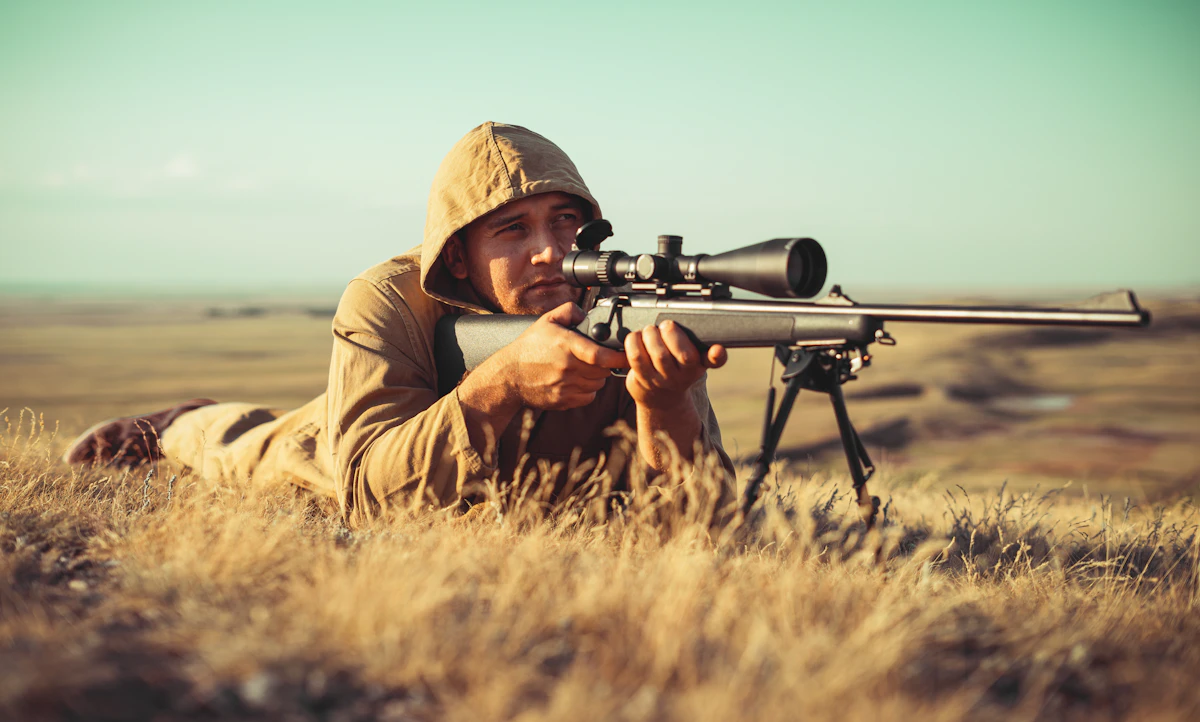
Choosing the right bipod can turn a marginal rest into a confident 400-yard shot. After field-testing a dozen models across Wyoming antelope flats, Colorado high country, and Montana timber, the right choice depends less on brand loyalty and more on how you hunt. A lightweight carbon model that shines on backcountry elk hunts becomes a liability when you need rock-solid stability for a prone pronghorn shot. Here's what actually matters when you're glassing a ridge and deciding whether to close the distance or take the shot.
Why bipods matter more than most hunters think
A quality bipod does three things most hunters underestimate until they need it. First, it eliminates the wobble that costs you precision at distance. Even experienced shooters struggle to hold steady past 300 yards without support, and a bipod instantly cuts your group size in half. Second, it buys you time. When a bull steps into a clearing and you have five seconds to settle the crosshairs, a deployed bipod means you're on target while other hunters are still finding a rest. Third, it extends your effective range without adding skill — the same shooter who's confident at 200 yards freehand becomes a 400-yard marksman with a solid rest.
The difference shows up in real hunts. On a Wyoming antelope hunt in 2026, I watched two hunters on the same ridge attempt the same 380-yard shot. One used a backpack rest and sent his first round high. The other deployed a bipod in three seconds and made a clean kill. Same rifle, same conditions, different outcome. That's not luck — that's equipment doing its job.
Carbon fiber vs aluminum: weight vs stability
Carbon fiber bipods have become the standard for backcountry hunters who count ounces, but they come with tradeoffs. A high-end carbon model weighs 6-8 ounces compared to 12-16 ounces for aluminum, which matters when you're covering vertical miles. The best carbon bipods — models from companies like RRS and Spartan Precision — deliver surprising rigidity for their weight. They handle recoil well on standard hunting cartridges and resist flex even when fully extended.
Aluminum still wins for pure stability, especially on prone shots where ground contact matters. The extra mass dampens vibration and provides a more forgiving platform when you're shooting off uneven terrain. For hunters who prioritize one perfect shot over weight savings — think pronghorn specialists or prairie mule deer hunters — aluminum makes sense. For elk hunters who might hike eight miles and climb 2,000 feet before pulling the trigger, carbon is worth every dollar.
Hybrid designs are emerging that split the difference. Some manufacturers use carbon legs with aluminum clamps and swivels, capturing most of the weight savings while maintaining strength where it matters. These work well for all-around Western hunting where you might encounter both steep mountain shots and flat prairie scenarios.
Quick-adjust vs fixed-height models
Quick-adjust bipods let you change leg length on the fly, which sounds like an advantage until you're fighting a sticky adjustment mechanism while a bull elk walks away. Fixed-height bipods deploy in one motion and lock instantly. The question is whether you hunt from one consistent position or need flexibility for varied terrain.
For spot-and-stalk hunters who take most shots sitting or kneeling, a fixed 9-11 inch bipod covers 90% of scenarios. You set it once at home and never think about it again. These models are lighter, have fewer moving parts to fail, and deploy faster. The downside is obvious — when you need a prone shot or encounter terrain that demands a different height, you're improvising.
Quick-adjust models shine when you hunt diverse terrain in a single day. Colorado high-country elk hunters might glass from a sitting position at dawn, take a kneeling shot mid-morning, and end up prone on a ridge at last light. Modern quick-adjust mechanisms — particularly spring-loaded designs — have gotten reliable enough that the convenience outweighs the complexity. Look for models with positive detents at common heights so you're not fumbling with infinite adjustment when a shot presents itself.
Some hunters split the difference by carrying a lightweight fixed bipod on their rifle and a taller adjustable model in their pack for glassing or specific shot setups. It adds minimal weight and covers both scenarios.
Attachment systems: Picatinny vs Arca-Swiss vs direct mount
How your bipod attaches to your rifle matters more than most hunters realize until they're trying to deploy one with cold hands. Traditional Picatinny rail mounts work but add bulk and weight. They're bombproof and widely compatible, which makes them standard on tactical rifles. For hunting, they're often overkill unless you're already running a railed forend.
Arca-Swiss systems have become popular because they allow quick-detach functionality and work with both bipods and tripod adapters. If you're running a tripod for glassing and want to mount your rifle on the same system for long-range shots, Arca makes sense. The downside is you're committed to an Arca ecosystem — forend, bipod, and any other accessories need to match. For hunters who value modularity and own premium optics, it's worth the investment.
Direct-mount bipods that clamp to your sling swivel stud are the lightest and simplest option. They're not quick-detach, but for hunters who leave their bipod attached all season, that doesn't matter. Models like the Harris swivel bipod have worked for 40 years because they're reliable, affordable, and nearly indestructible. The learning curve is five seconds.
Swivel, cant, and pan: how much movement do you actually need
Bipods with built-in swivel and cant adjustments sound appealing until you realize most hunting shots happen on uneven ground where you need to adapt fast. A bipod that locks you into a level position is a liability when you're shooting uphill or across a sidehill. Quality models allow 10-20 degrees of cant, which lets you level your scope without moving the bipod legs.
Swivel — the ability to track a moving animal left or right — is less critical for Western big game than most hunters think. Elk and deer rarely present true running shots where you're panning the rifle. Instead, you're waiting for an animal to step into a clear shooting lane, which means you have time to adjust your entire body position. Swivel becomes useful when you're prone and can't easily shift your hips, but even then, most shots are static.
Pan features that allow horizontal rotation are overkill for hunting. They're designed for tactical applications where you might be covering multiple targets from one position. For hunting, the added weight and complexity aren't worth it. Focus on cant adjustment and solid lockup instead.
Leg design: spiked feet vs rubber for Western terrain
The feet on your bipod matter more than most hunters think, especially on the varied terrain you encounter in Western states. Spiked feet grip loose dirt, scree, and snow, which makes them ideal for backcountry hunting where you're often shooting from unconsolidated ground. They bite into the surface and resist slippage during recoil.
Rubber feet work better on rock, hardpack, and any surface where spikes can't penetrate. They also prevent damage if you're shooting from a wooden deck or other improved surface. Some bipods include both and let you swap based on conditions. If you're hunting Colorado's alpine zone one week and Wyoming's prairie the next, interchangeable feet make sense.
For all-around Western hunting, spiked feet with retractable rubber caps offer the best compromise. You get grip when you need it and protection when you don't. Just make sure the mechanism is secure — cheap designs let the caps slip off in your pack.
Field-tested recommendations for 2027
After testing bipods across Wyoming, Montana, Colorado, and Idaho hunts in 2026, here are the models that performed best in real hunting scenarios.
For backcountry elk and mule deer, the RRS SOAR Carbon remains the best lightweight option at 8.5 ounces with Arca-Swiss compatibility. It's expensive but handles recoil well and deploys fast. If you're covering serious vertical and counting every ounce, it's worth the investment. The quick-adjust legs lock positively at multiple heights, and the cant adjustment is smooth enough to use with gloves.
For hunters who want solid performance without the premium price, the Magpul M-LOK Bipod hits the sweet spot at under $100 and 11 ounces. It's aluminum, locks up tight, and has proven reliable across two seasons of hard use. The adjustable legs deploy fast, and the pan-tilt head provides enough cant for uneven ground. It's not ultralight, but it's light enough for day hunts and rock-solid when you need it.
For pronghorn and prairie mule deer hunters who prioritize stability over weight, the Harris 9-13 Inch Swivel is still the standard. It's been around forever because it works. At 13.5 ounces, it's heavier than modern carbon options, but it's also $70 and indestructible. The swivel function helps on uneven ground, and the spring-loaded legs deploy in one motion. For hunters who take most shots prone or sitting from flat terrain, this is the bipod to beat.
For hunters running Arca-Swiss systems across their optics and rifle, the Really Right Stuff BH-25 LR provides seamless integration. It's quick-detach, weighs 9 ounces, and works with any Arca rail. The height adjustment is fast and positive, and the build quality matches RRS's reputation. If you're already invested in their ecosystem, this is the logical choice.
For budget-conscious hunters who need reliability without extras, the Caldwell XLA Fixed at 6 inches and 7 ounces provides basic bipod function for under $40. It's not adjustable and the build quality isn't premium, but it deploys fast and locks solid for sitting or kneeling shots. For new hunters building their first kit or anyone who wants a lightweight backup, it's hard to beat the value.
How TAGZ helps you prepare for the shot
Once you've invested in the right bipod, the next step is putting yourself in position to use it. TAGZ helps hunters identify units where terrain and shot distances favor bipod setups versus closer timber hunting. Filter hunts by terrain type, elevation, and public land access to find areas where a quality rest becomes a game-changer. Track draw odds across multiple states so you're applying for hunts that match your shooting setup, and use unit maps to identify glassing points and shooting lanes before you arrive. Whether you're chasing OTC Colorado elk or planning a limited-entry pronghorn hunt, TAGZ gives you the research tools to make smarter decisions before you step into the field.
FAQ — Hunting Bipods
What height bipod is best for hunting?
A 9-13 inch adjustable bipod covers the most hunting positions. It works for sitting, kneeling, and most prone shots. Fixed 9-inch models work well for spot-and-stalk hunters who rarely shoot prone.
Are carbon fiber bipods worth the extra cost?
Yes, if you hunt backcountry and hike multiple miles daily. The weight savings add up on long days. For truck hunters or prairie hunting where weight matters less, aluminum offers better value and equal stability.
Can you shoot accurately without a bipod?
Yes, but your effective range drops significantly. Most hunters can make ethical shots to 200-250 yards using field rests, but a bipod extends that to 400+ yards with practice.
Do I need a quick-adjust bipod or is fixed height enough?
Fixed height works for 80% of hunting scenarios if you choose the right height for your shooting position. Quick-adjust adds versatility for varied terrain but costs weight and complexity. Consider how often you shoot from multiple positions in a single hunt.
What is the best budget hunting bipod?
The Harris 9-13 inch swivel model delivers proven reliability for around $70. It is not ultralight but works in all conditions and has decades of field history. For even tighter budgets, the Caldwell XLA at under $40 covers basic needs.
Should bipod feet be spiked or rubber?
Spiked feet grip better on dirt, scree, and snow, which covers most Western hunting terrain. Models with retractable rubber caps give you both options and prevent damage when shooting from rock or improved surfaces.
Continue planning your hunt
A quality bipod is one piece of the gear puzzle, but the real work happens before the season when you're choosing units, tracking points, and understanding draw odds. TAGZ helps you filter hunts by weapon type, terrain, and season so you're applying for tags that match your shooting setup and hunting style. Compare units side by side using terrain maps and unit boundaries, track your preference points and bonus points across multiple states, and set draw deadline reminders so you never miss an application window. Whether you are researching OTC opportunities or planning a limited-entry hunt that requires years of points, TAGZ gives you the data and tools to make confident decisions.
Explore more hunting insights and gear reviews at the TAGZ Insights page, or see how the platform works at TAGZ Product. Ready to start building your hunt plan? Check pricing options and create your account at TAGZ home.
Was this article helpful?
Previous
Oklahoma Mule Deer Draw Odds and Tag Guide 2027
Oklahoma offers limited mule deer hunting opportunities in the western Panhandle, with draw odds varying by weapon type and residency. This guide breaks down the 2027 application process, draw statistics, and unit strategies for hunters targeting Oklahoma's small but quality mule deer herd.
Next
Florida Alligator Hunting Safety Tips Every Hunter Must Know in 2027
Florida alligator hunting demands specialized safety protocols that differ from upland or big-game pursuits. This guide covers essential gear, boat safety, shot placement, retrieval techniques, and legal considerations to keep you safe during the 2027 season.