Paper Tuning vs Bare Shaft Tuning: Which Method Works Best for Bowhunters in 2026
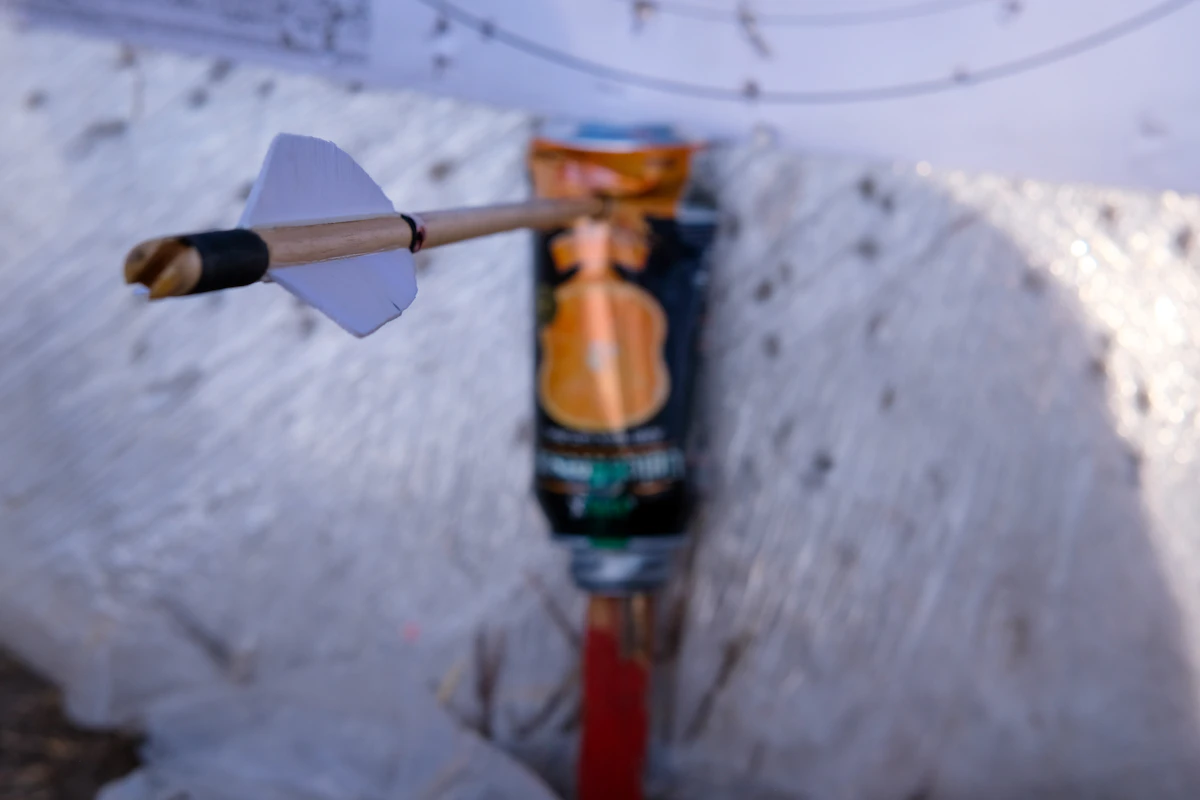
Every serious bowhunter knows that poorly tuned arrows cost opportunities. You can have the best broadheads and the steadiest hold, but if your arrow leaves the bow fishtailing or porpoising, your effective range shrinks fast. Paper tuning and bare shaft tuning are the two cornerstone methods for diagnosing and correcting these problems, but they work in fundamentally different ways and reveal different aspects of your bow's tune.
Understanding which method to use—and when—separates guesswork from precision. Both techniques have loyal advocates, and both have earned their place in the tuning process. The real question is not which is better, but how to use each one strategically to build confidence before you draw on a bull at 40 yards.
What Paper Tuning Actually Measures
Paper tuning evaluates arrow flight at the exact moment it clears the bow. You shoot a fletched arrow through a paper frame at close range—typically 6 to 10 feet—and examine the tear. A perfect bullet hole means the arrow is flying straight off the rest with no wobble. Tears shaped like commas, L's, or slashes tell you the nock is kicking left, right, high, or low as the arrow passes through.
The diagnostic value is immediate. A tail-high tear means the nock is kicking up, usually from a nocking point set too low or insufficient downward pressure from the D-loop. A tail-left tear on a right-handed shooter typically points to a rest that is too far left or a weak spine. Paper tuning isolates these issues quickly because the paper captures the arrow's attitude in the first few feet of flight—before fletching has time to stabilize anything.
The limitation is that paper tuning only shows initial launch dynamics. It does not tell you what happens at 20, 40, or 60 yards once the arrow is fully stabilized. An arrow can punch a perfect hole at 8 feet and still group poorly downrange if the bare shaft flight reveals deeper spine or rest-timing problems. Paper tuning is a starting point, not a final verdict.
How Bare Shaft Tuning Works Differently
Bare shaft tuning takes the opposite approach—it shows you what the arrow does when fletching is not there to cover up problems. You shoot an unfletched arrow alongside fletched arrows at 15 to 20 yards and compare impact points. If the bare shaft groups with the fletched arrows, your bow is mechanically tuned. If the bare shaft impacts high, low, left, or right of the group, you have a clearance, spine, or timing issue that the fletching is compensating for.
This method reveals spine matching and dynamic tuning issues that paper cannot see. A stiff bare shaft will impact left of the fletched group for a right-handed shooter. A weak bare shaft hits right. High or low impacts point to vertical nocking point problems or cam timing issues on a two-cam bow. Bare shaft tuning is ruthlessly honest—it strips away the stabilizing effect of vanes and forces you to tune the bow's mechanical relationship with the arrow.
The challenge is that bare shafts are harder to shoot consistently. They amplify every form flaw, and at distances beyond 20 yards, they become erratic. You are not trying to shoot tight groups with bare shafts—you are comparing one or two bare shaft impacts to a three-shot fletched group at the same aiming point. The goal is overlap, not precision.
When to Use Each Method
Paper tuning is the better first step when you are setting up a new bow, replacing a rest, or making significant changes to draw length or poundage. It quickly confirms that the arrow is leaving the rest cleanly and that basic centershot and nocking point positions are in the ballpark. Most experienced archers paper tune until they get a bullet hole or a small forgiving tear, then move on to bare shaft work.
Bare shaft tuning is where you lock in the final tune before broadheads. Once paper tuning shows clean arrow departure, bare shafting at 15 and 20 yards confirms that spine, cam timing, and rest position are dialed. If bare shafts group with fletched arrows, you have a hunting-ready tune. If they do not, the bare shaft impact tells you exactly which direction to move the rest or whether to switch arrow spine.
Some bowhunters skip paper entirely and go straight to bare shafting, especially if they have tuned the same bow setup for multiple seasons and know their baseline. Others paper tune annually as a quick health check, then bare shaft only if accuracy falls off or they switch arrow weights. There is no universal sequence—what matters is using each method to diagnose the specific question you are asking.
Common Mistakes and How to Avoid Them
The biggest paper tuning mistake is over-correcting based on a single shot. Shoot three arrows through paper before making rest adjustments. If all three show the same tear pattern, you have a real problem. If the tears are inconsistent, the issue is likely form, a loose rest, or fletching contact, not a fundamental tuning problem. Chasing random tears leads to endless micro-adjustments that make things worse.
With bare shaft tuning, the most common error is trying to tune at distances beyond 20 yards. Bare shafts lose stability quickly, and impacts at 30 or 40 yards become more about drag and trajectory than tune. The standard distance is 15 to 20 yards. If bare shafts group with fletched arrows there, the bow is tuned. Trying to make them group at 50 yards is a waste of time and arrows.
Another mistake is ignoring broadhead flight after bare shaft tuning. A bow that passes both paper and bare shaft tests should shoot fixed-blade broadheads to the same point of impact as field points at 40 yards. If broadheads plane left, right, or low, you likely have a slight centershot or timing issue that bare shafts did not reveal because of their lighter weight. Broadheads are the final test, not an afterthought.
Free to join
Download mobile app
- Detailed draw odds
- Point tracking
- Deadline reminders
- 18 states covered



Free to join
Download mobile app
- Detailed draw odds
- Point tracking
- Deadline reminders
- 18 states covered


Free to join
Download mobile app
- Detailed draw odds
- Point tracking
- Deadline reminders
- 18 states covered

Combining Both Methods for a Complete Tune
The most reliable tuning process uses both methods in sequence. Start with paper tuning to confirm clean arrow departure and set rough centershot and nocking point positions. A bullet hole or small forgiving tear—within a quarter-inch of center—is good enough. Do not chase perfection on paper.
Move to bare shaft tuning at 15 yards to dial spine, rest position, and cam timing. Shoot one bare shaft and three fletched arrows at the same spot. If the bare shaft impacts with the group, you are done. If it hits left or right, adjust rest position in small increments—about 1/32 inch at a time—and retest. If it hits high or low, adjust the nocking point or check cam timing on a two-cam bow. Repeat until the bare shaft groups with fletched arrows.
Finish with a broadhead test at 40 yards. Shoot a three-shot group with field points, then three with the broadheads you will hunt with. If they group together, your bow is field-ready. If broadheads impact more than two inches from field points, make a final centershot tweak—usually moving the rest in the direction the broadheads are hitting—and retest. Most western bowhunters find that a bow tuned through paper, bare shaft, and broadhead testing will hold zero through an entire season.
Why Bowhunters Still Argue About Methods
The debate between paper and bare shaft tuning persists because both methods can produce accurate bows in the hands of experienced archers. Some shooters paper tune to a bullet hole, never bare shaft, and kill elk at 60 yards year after year. Others skip paper entirely, tune by bare shaft and broadhead flight, and shoot just as well. The argument is not really about which method works—it is about which diagnostic tool reveals the information each shooter needs.
Paper tuning is faster and less frustrating for beginners. It gives immediate visual feedback and does not require the patience or form consistency that bare shafting demands. Bare shaft tuning is slower but more thorough. It catches issues that paper misses and builds deeper confidence in the final tune. Experienced bowhunters tend to use both because they understand that each method answers a different question about how the bow and arrow are working together.
The practical reality is that most western bowhunters do not need to choose one method and stick with it for life. Use paper tuning when you need quick confirmation that a new setup is close. Use bare shaft tuning when you need to dial the final tune or troubleshoot inconsistent broadhead flight. Use both when you are building a new bow from scratch or preparing for a high-stakes hunt where you cannot afford tuning questions in the field.
Tools and Setup for Each Method
Paper tuning requires a frame that holds paper taut at shoulder height, a safe backstop behind it, and a shooting distance of 6 to 10 feet. You can build a frame from PVC pipe and binder clips or buy a commercial unit for under $50. The paper itself should be thin—newspaper or butcher paper works well—so the arrow tears cleanly without dragging. Shoot at a slight downward angle to ensure the arrow is fully clear of the bow before it hits the paper.
Bare shaft tuning requires bare arrow shafts cut and pointed to the same weight and length as your hunting arrows. Do not use old shafts from a different spine or length—they will give false readings. Many bowhunters keep three bare shafts on hand specifically for tuning, weighted with field points that match their broadhead-plus-insert weight. Shoot from a stable platform—not a treestand—and use a consistent anchor and release. Any form inconsistency will show up in bare shaft impacts.
Both methods work best indoors or in dead-calm conditions. Wind affects bare shafts far more than fletched arrows, and even a slight breeze at 20 yards can shift bare shaft impact by several inches. If you are tuning outdoors, wait for calm mornings or late evenings. Most serious western bowhunters do their final tuning indoors at a local shop or in a garage range where variables are controlled.
FAQ — Paper Tuning vs Bare Shaft Tuning
Which tuning method is better for bowhunters? Neither is objectively better. Paper tuning shows initial arrow departure, bare shaft tuning reveals spine and mechanical issues at distance. Most experienced bowhunters use both in sequence for a complete tune.
Can you skip paper tuning and go straight to bare shafting? Yes, if you have a baseline tune and know your bow is close. Many veteran archers skip paper and tune by bare shaft and broadhead flight alone. Beginners benefit from paper tuning first to confirm clean arrow release.
What does a perfect bare shaft group look like? The bare shaft should impact within the fletched arrow group at 15 to 20 yards. Perfect overlap is ideal, but impacts within two inches are acceptable if broadheads later group with field points.
Do you need to paper tune every season? Not if your bow setup has not changed. If you are shooting the same arrows, rest, and draw weight as last year, a broadhead flight test is usually enough. Paper tune if you change any component or notice accuracy issues.
Why do my bare shafts group well but broadheads do not? Broadheads are more sensitive to centershot and timing issues because of their larger surface area. If bare shafts group but broadheads plane left or right, make a small centershot adjustment in the direction the broadheads are hitting.
How far should you shoot when bare shaft tuning? Fifteen to 20 yards is standard. Beyond 20 yards, bare shafts lose stability due to lack of fletching, and impacts become erratic. Tune at 15 or 20, then verify with broadheads at hunting distances.
Was this article helpful?
Previous
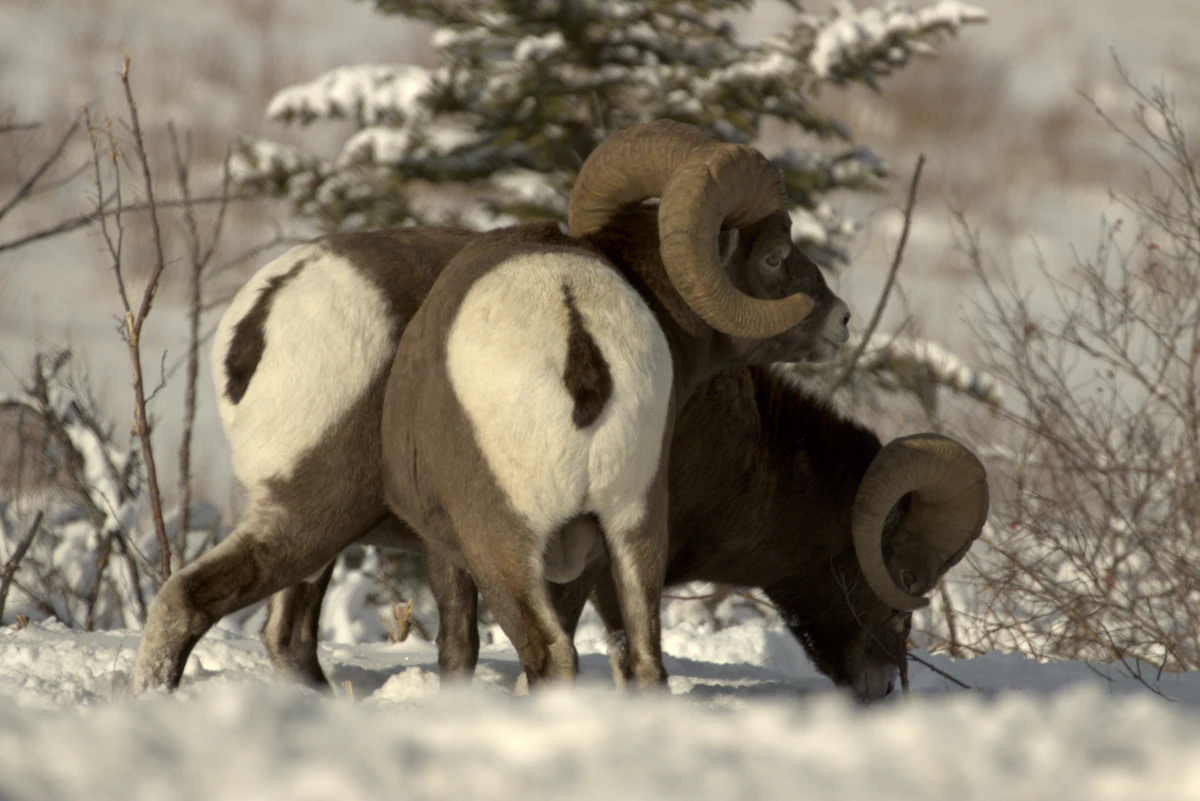
Best Sheep Hunting Ammunition: Cartridges and Bullets for Rocky Mountain Bighorns
Sheep hunting demands precision at extreme distances and minimal pack weight. This guide breaks down proven cartridge and bullet combinations that match the realities of alpine hunting—from long-range ballistics to terminal performance on thin-skinned game.
Related
Best Hunting Decoys for 2026 — Elk, Turkey, Deer & Pronghorn
Decoys turn skeptical bulls into aggressive challengers and hesitant gobblers into committed birds. This guide breaks down the top decoys for elk, turkey, deer, and pronghorn in 2026, with field-tested picks that work when the moment counts.
Next
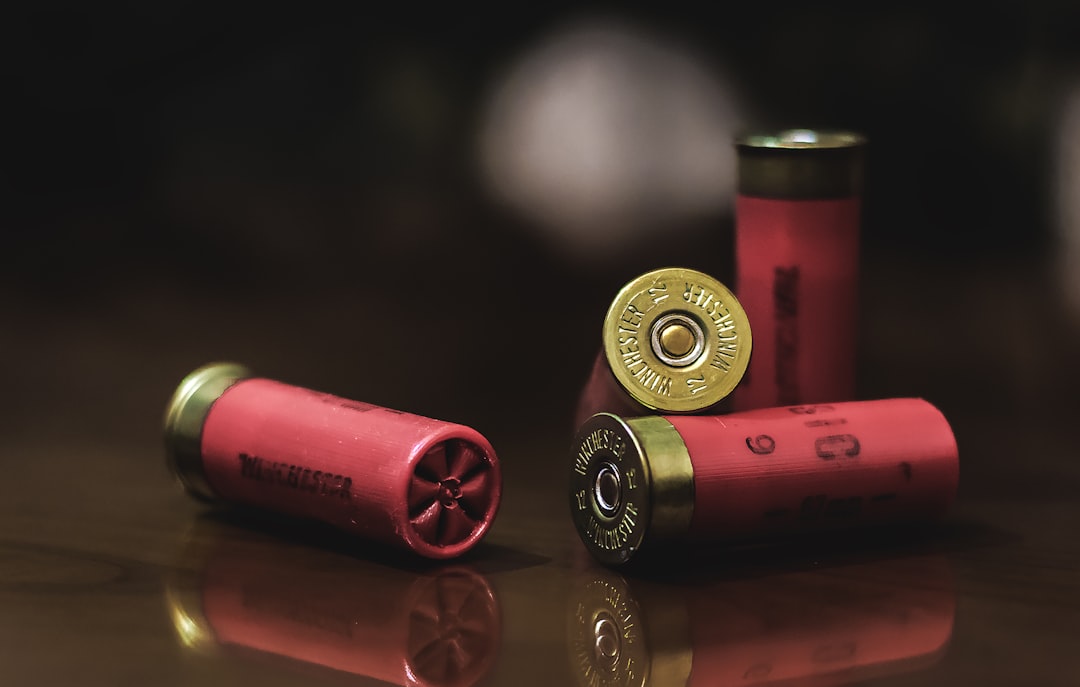
How to Age a Bighorn Sheep Ram in the Field — Horn Growth, Brooming, and Quarter Curls Explained
Learning to age rams by horn structure, brooming patterns, and quarter-curl measurements helps hunters identify legal and mature sheep. Field judging takes practice, but understanding growth rings, mass, and tip wear makes quick, ethical assessments possible.