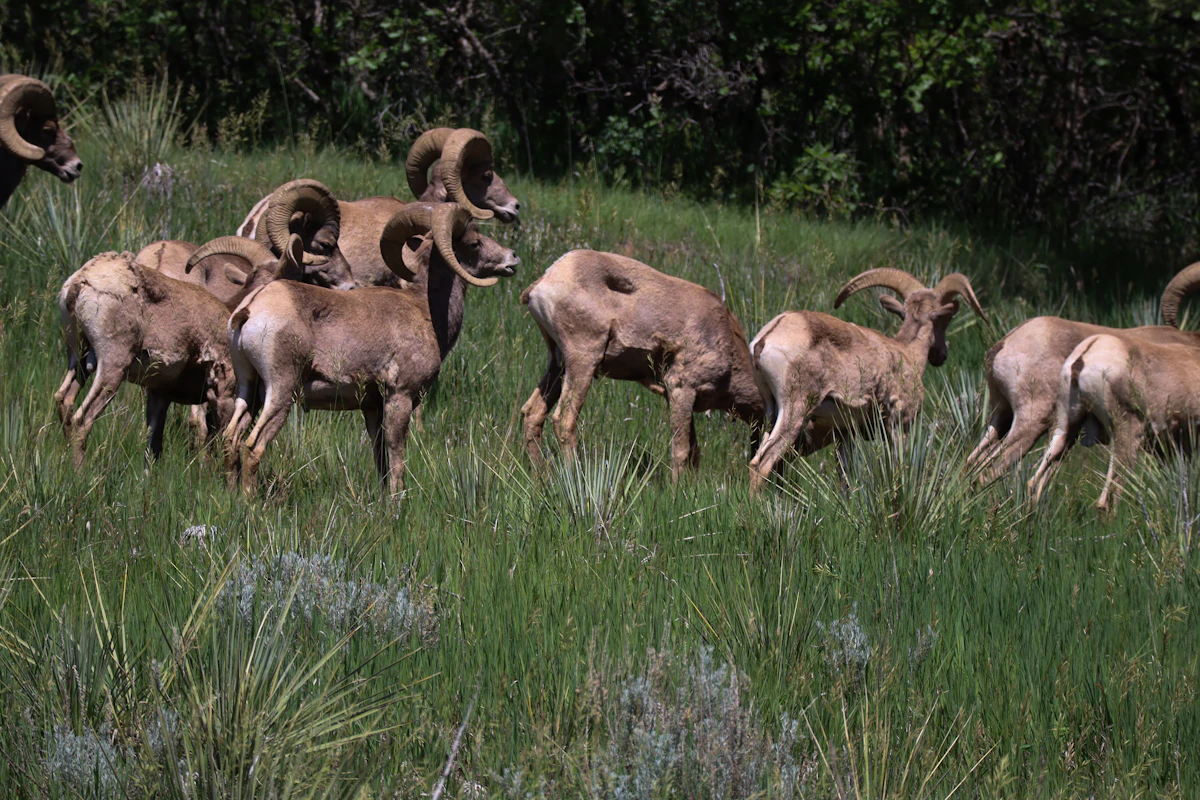
Best Sheep Hunting Ammunition: Cartridges and Bullets for Rocky Mountain Bighorns
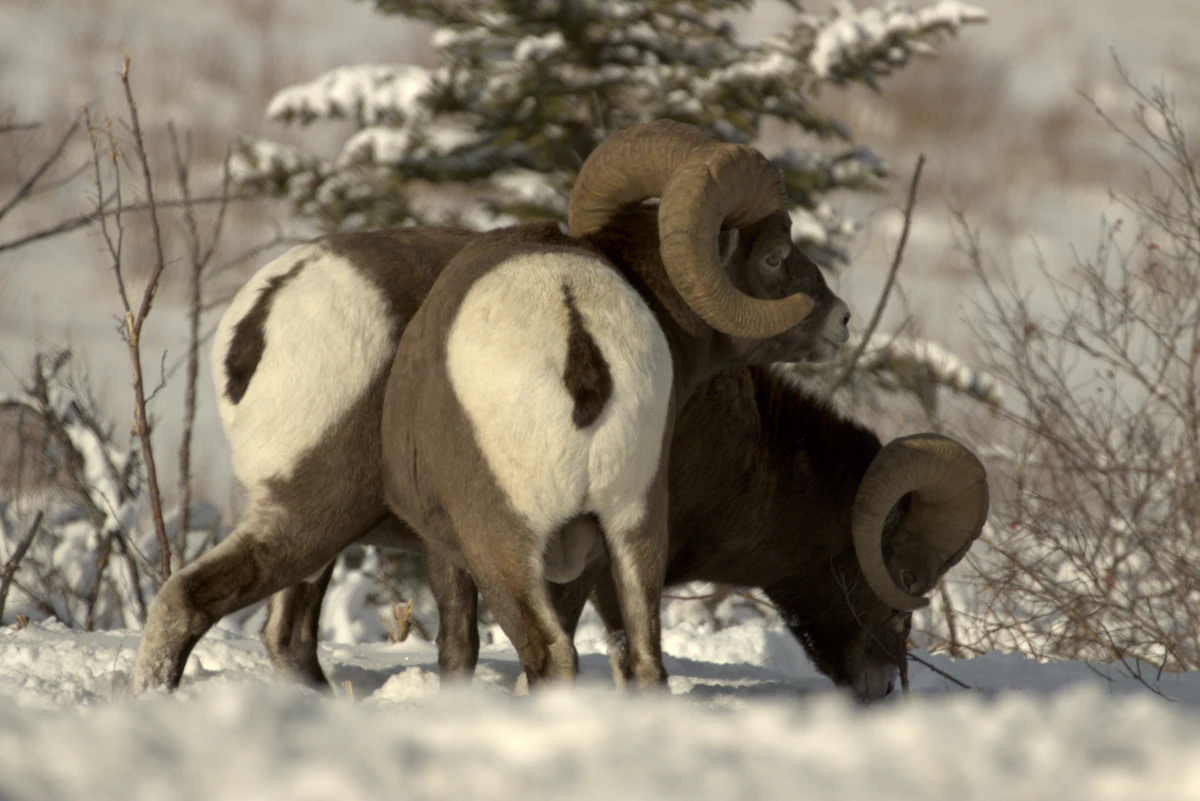
Sheep hunting separates itself from every other North American pursuit in one critical way: you will almost certainly be shooting across a canyon, off a cliff, or from a ridgeline at a ram standing on terrain you cannot physically reach. That reality dictates ammunition choices far more than personal preference or what worked on last season's elk hunt. The best sheep cartridge is not necessarily the most powerful—it is the one that delivers match-grade accuracy past 400 yards, retains energy at altitude, and does not add three pounds to a pack you are already grinding uphill for a week straight.
This guide focuses on cartridges, bullet weights, and specific factory loads proven on Rocky Mountain bighorn sheep hunts across the West. Whether you are planning a once-in-a-lifetime tag in Montana or a desert sheep hunt in Nevada, these combinations balance long-range ballistics, wind deflection, and terminal performance for thin-skinned game weighing 150 to 250 pounds.
Why Sheep Hunting Ammunition Is Different
Sheep are not thick-skinned. They do not require bone-crushing bullets designed for elk shoulders or bear vitals. A 200-pound ram has the body mass of a mule deer but lives in country where 300-yard shots are considered close and 500-yard opportunities are routine. Your ammunition must perform in three specific scenarios: extreme distance, high altitude, and minimal margin for error on a tag that may represent a decade or more of preference points.
High-BC bullets matter because mountain thermals and canyon winds will push lightweight projectiles off course. Flatter trajectories matter because rangefinding errors compound quickly when shooting across a canyon at unknown angles. Recoil matters because you are shooting from improvised positions—sitting on a rock, braced against a hiking pole, or prone on a 45-degree slope—not from a comfortable bench rest.
The ideal sheep cartridge launches a high-BC bullet at 2,800 to 3,100 fps, delivers 1,500 foot-pounds of energy at 400 yards, and does so from a rifle light enough to carry at 11,000 feet without destroying your shoulders during the climb.
Top Sheep Hunting Cartridges
6.5 PRC
The 6.5 PRC has become the modern standard for mountain hunters who prioritize ballistics over tradition. Factory loads push 143-grain ELD-X bullets at 2,960 fps with a G1 ballistic coefficient of .625, delivering a nearly flat trajectory out to 400 yards and retaining over 1,600 foot-pounds at that distance. Wind deflection is measurably better than older .270 or .30-06 hunting loads, and recoil stays manageable in a seven-pound rifle.
Hornady Precision Hunter 143-grain ELD-X and Federal Premium 130-grain Terminal Ascent are both proven performers. The Terminal Ascent load uses a bonded bullet with a higher retained weight for closer shots but sacrifices some BC compared to the ELD-X. If your hunt area trends toward longer shots—Nevada desert sheep or Montana's Beartooth Range—the ELD-X pulls ahead. For mixed-distance hunts where you might shoot across a canyon or stumble into a ram at 150 yards, the Terminal Ascent hedges both scenarios.
6.5 Creedmoor
The 6.5 Creedmoor delivers 90 percent of the 6.5 PRC's performance with wider factory ammunition availability and reduced recoil. Federal Premium 130-grain Terminal Ascent and Hornady 143-grain ELD-X loads both perform well on sheep-sized game, though velocities run 100 to 150 fps slower than the PRC. That difference costs you about 200 foot-pounds of energy at 400 yards and an extra inch of drop at 500 yards—not a dealbreaker, but noticeable when dialing for a steep downhill shot.
The Creedmoor excels for hunters using lightweight mountain rifles or shooters sensitive to recoil. A Tikka T3x chambered in 6.5 Creedmoor and topped with a 3-15x scope will weigh under eight pounds and shoot inside one MOA with factory ammo. That combination is easier to shoot accurately under fatigue than a nine-pound magnum, and sheep hunts routinely involve shooting after six hours of climbing in thin air.
.270 Winchester
The .270 Winchester remains a legitimate sheep cartridge when loaded with modern high-BC bullets. Federal Premium 136-grain Terminal Ascent and Hornady 145-grain ELD-X Precision Hunter both push ballistic coefficients above .500, a significant improvement over traditional 130-grain soft points. These loads retain energy better than older .270 ammunition and cut wind drift by 15 to 20 percent at 400 yards.
The .270's advantage is familiarity and rifle availability. If you already own a .270 and shoot it well, there is no compelling reason to rebarrel for a 6.5 PRC. Upgrade to a high-BC factory load, confirm your zero at altitude, and practice shooting from field positions. The cartridge has accounted for more sheep than every modern 6.5mm combined, and the gap in real-world performance is smaller than ballistic charts suggest.
7mm Remington Magnum
The 7mm Rem Mag bridges the gap between flat-shooting 6.5mm cartridges and hard-hitting .30 calibers. Hornady 162-grain ELD-X loads deliver 2,940 fps with a BC of .631, matching the 6.5 PRC's wind performance while adding 300 foot-pounds of energy at 400 yards. Federal Premium 155-grain Terminal Ascent runs slightly faster at 3,000 fps and offers better terminal expansion at close range.
Recoil is noticeably sharper than a 6.5 PRC but still manageable in a properly weighted rifle. The 7mm Rem Mag makes sense for hunters who want one rifle capable of taking sheep, elk, and moose without cartridge compromises. If your sheep hunt doubles as a combination tag opportunity—say, a Montana bighorn license paired with a general elk tag—the 7mm covers both without forcing you to pack a second rifle.
.280 Ackley Improved
The .280 Ackley Improved delivers 7mm Rem Mag ballistics with 15 percent less powder and reduced recoil. Nosler Trophy Grade 160-grain AccuBond loads push 2,950 fps, and custom handloaders can match those velocities with 162-grain ELD-X bullets. Factory ammunition availability is limited compared to the 7mm Rem Mag, but Nosler, Hornady, and Federal all produce quality hunting loads.
The .280 AI excels for hunters who prioritize efficiency over raw speed. Barrel life is longer than magnum cartridges, throat erosion is slower, and you can shoot 20 rounds at the range without a sore shoulder. For a once-in-a-lifetime sheep tag where you need absolute confidence in your rifle, those factors matter more than an extra 100 fps on paper.
.300 Winchester Magnum
The .300 Win Mag is overpowered for sheep but not impractical. Hornady 178-grain ELD-X Precision Hunter loads deliver 2,960 fps with devastating terminal performance and enough energy to anchor any North American game. The real advantage is versatility—if you are hunting sheep in grizzly country or packing the same rifle on a moose hunt the following season, the .300 removes any question about cartridge adequacy.
Recoil is the tradeoff. A seven-pound .300 Win Mag is punishing to shoot, and flinching becomes a real problem after a long day of glassing followed by a rushed shot opportunity. If you choose the .300 for sheep, use a well-designed muzzle brake or add weight to the rifle through a heavier stock or larger scope. Federal Premium 185-grain Terminal Ascent is an excellent option for hunters who want controlled expansion on lighter game without sacrificing long-range ballistics.
Bullet Selection: What Matters Most
Sheep are thin-skinned animals with light bone structure. Over-constructed bullets designed for elk and moose—think Barnes TSX, Swift A-Frame, or bonded core bullets with thick jackets—often pencil through without expanding adequately. The result is an exit wound the size of a pencil and a ram that runs 200 yards downhill before expiring out of sight.
High-BC polymer-tipped bullets like the Hornady ELD-X, Nosler AccuBond Long Range, and Federal Terminal Ascent all expand reliably at sheep-hunting velocities while maintaining long-range ballistics. The ELD-X uses a Heat Shield tip that resists deformation in flight, improving BC consistency across temperature ranges. The Terminal Ascent bonds the core to the jacket for deeper penetration on quartering shots while still expanding at lower velocities.
Bullet weight depends on cartridge capacity and intended range. For 6.5mm cartridges, 140 to 143 grains balances velocity and BC. For 7mm cartridges, 160 to 162 grains is ideal. For .30-caliber magnums, 178 to 185 grains delivers the best combination of sectional density and wind resistance. Lighter bullets may shoot flatter at 200 yards but lose energy faster and drift more in crosswinds past 300 yards.
Factory Loads vs. Handloads
Factory ammunition quality has improved dramatically in the last decade. Hornady Precision Hunter, Federal Premium Terminal Ascent, and Nosler Trophy Grade all shoot sub-MOA in quality rifles and use bullets purpose-built for long-range hunting. For most hunters, factory loads eliminate the risk of handloading errors, provide consistent lot-to-lot performance, and are available at sheep camp if your ammunition gets lost in transit.
Handloading makes sense if you shoot a less common cartridge like the .280 AI or 6.5-284 Norma, or if your rifle shows a clear preference for a specific bullet and powder combination. Handloaders can also fine-tune seating depth and powder charges to wring out the last tenth of an MOA, which matters when shooting at 500 yards. The downside is complexity and risk—handloading at altitude introduces variables, and a primer failure or hangfire 400 miles from the trailhead ends your hunt.
If you handload, test loads at the elevation you will hunt. Pressures change with altitude, and a load that shoots perfectly at sea level may produce erratic velocities or sticky bolt lift at 10,000 feet. Bring factory ammunition as a backup.
Free to join
Download mobile app
- Detailed draw odds
- Point tracking
- Deadline reminders
- 18 states covered


Free to join
Download mobile app
- Detailed draw odds
- Point tracking
- Deadline reminders
- 18 states covered
Free to join
Download mobile app
- Detailed draw odds
- Point tracking
- Deadline reminders
- 18 states covered

Zeroing and Ballistics for Mountain Hunts
Most sheep hunters zero at 200 yards and dial for longer shots. A 200-yard zero keeps you within three inches high or low out to 250 yards, covering most realistic shooting scenarios without holdover. Beyond 250 yards, use a rangefinder and dial your turret or reference a ballistic app.
Practice shooting uphill and downhill before your hunt. Steep angles compress effective distance, and most ballistic apps include an angle-compensated solution. A 400-yard shot at a 30-degree downhill angle has the same bullet drop as a 350-yard shot on flat ground. Rangefinders with built-in angle compensation simplify this, but understanding the concept prevents over-dialing and shooting high.
Confirm your zero at altitude if possible. Thinner air reduces drag, increasing velocity and flattening trajectory slightly. The difference is small—maybe half an inch at 300 yards—but it compounds with temperature shifts and other variables. If you zero at 1,000 feet and hunt at 11,000 feet, verify your impacts before opening day.
Wind Deflection and High-BC Bullets
Wind is the single hardest variable to judge in sheep country. Canyon thermals reverse direction as the sun shifts. Ridgeline winds gust unpredictably. What feels like a five-mile-per-hour breeze at your position may be a 15-mile-per-hour crosswind where the ram is standing 400 yards away.
High-BC bullets cut wind drift, but they do not eliminate it. A 143-grain ELD-X launched from a 6.5 PRC drifts about 12 inches in a 10-mile-per-hour crosswind at 400 yards. A traditional 130-grain .270 soft point drifts closer to 16 inches. That four-inch difference is the margin between a clean lung shot and a gut-shot animal.
Learn to read mirage, watch vegetation movement, and err conservative on wind calls. If you are unsure, wait for the wind to settle or move to a better shooting position. Sheep do not spook easily when they are unaware of your presence, and patience wins more often than rushed shots.
Free to join
Download mobile app
- Detailed draw odds
- Point tracking
- Deadline reminders
- 18 states covered
Free to join
Download mobile app
- Detailed draw odds
- Point tracking
- Deadline reminders
- 18 states covered
Free to join
Download mobile app
- Detailed draw odds
- Point tracking
- Deadline reminders
- 18 states covered
Rifles and Optics Pairing
Your rifle and scope combination should weigh between seven and nine pounds all-in. Lighter than seven pounds and recoil becomes punishing. Heavier than nine pounds and you will regret every vertical foot of elevation gain. A Tikka T3x, Browning X-Bolt, or Weatherby Mark V in a synthetic stock hits that sweet spot without custom gunsmithing.
Scope magnification should range from 3x to 15x or 4x to 16x. You need low magnification for glassing and close-range opportunities, and you need 12x to 16x for precise holdovers at distance. A second focal plane scope with capped turrets and a simple duplex reticle works fine if you prefer hold-based shooting. A first focal plane scope with exposed turrets and a Christmas-tree reticle is better for dialing precision shots at known distances.
Mount quality matters more than most hunters realize. Sheep hunts involve rifle abuse—scrambling up scree fields, setting the rifle down on rocks, and bumping scope turrets against backpack straps. Talley Lightweight rings or Leupold PRW rings lock your scope in place and maintain zero through punishment. Avoid quick-detach mounts unless you specifically need them, as they introduce additional failure points.
Altitude and Ammunition Performance
Most sheep hunts occur between 8,000 and 12,000 feet, where thinner air affects both your body and your bullets. Lower air density reduces drag, increasing velocity by 20 to 40 fps compared to sea level. That velocity gain flattens trajectory slightly and reduces wind drift by a small margin.
The bigger concern is how altitude affects shooters. Reduced oxygen makes your heart pound, your hands shake, and your judgment slip. A shooting position that feels stable at 5,000 feet becomes shaky and uncomfortable at 11,000 feet. Practice shooting while fatigued and oxygen-deprived if you can—hike uphill for 30 minutes, then shoot at a target from field positions. The difference in your steadiness and decision-making is eye-opening.
Bring more ammunition than you think you need. Ten rounds is not enough. Pack 30 to 40 rounds—enough to confirm your zero at camp, practice from field positions, and still have 20 rounds left for the hunt itself. Weight-conscious hunters often pack only five rounds, then blow two on a missed opportunity and spend the rest of the hunt second-guessing their zero.
Ammunition Recommendations by Cartridge
6.5 PRC: Hornady Precision Hunter 143-grain ELD-X for long-range performance, Federal Premium 130-grain Terminal Ascent for mixed-distance versatility.
6.5 Creedmoor: Federal Premium 130-grain Terminal Ascent or Hornady Precision Hunter 143-grain ELD-X.
.270 Winchester: Federal Premium 136-grain Terminal Ascent or Hornady Precision Hunter 145-grain ELD-X.
7mm Remington Magnum: Hornady Precision Hunter 162-grain ELD-X or Federal Premium 155-grain Terminal Ascent.
.280 Ackley Improved: Nosler Trophy Grade 160-grain AccuBond or Hornady Precision Hunter 162-grain ELD-X (if available).
.300 Winchester Magnum: Hornady Precision Hunter 178-grain ELD-X or Federal Premium 185-grain Terminal Ascent.
All these loads are available from major retailers, shoot accurately in factory rifles, and deliver reliable terminal performance on thin-skinned game at sheep-hunting distances. Match your choice to your rifle's twist rate, your personal recoil tolerance, and the specific terrain you will hunt.
Free to join
Download mobile app
- Detailed draw odds
- Point tracking
- Deadline reminders
- 18 states covered
Free to join
Download mobile app
- Detailed draw odds
- Point tracking
- Deadline reminders
- 18 states covered
Free to join
Download mobile app
- Detailed draw odds
- Point tracking
- Deadline reminders
- 18 states covered
Common Ammunition Mistakes
The biggest mistake sheep hunters make is over-thinking cartridge choice and under-practicing shooting skills. A hunter who shoots 200 rounds per year from a 6.5 Creedmoor will outperform a hunter who shoots 20 rounds from a 7mm Rem Mag. Cartridge selection matters, but marksmanship matters more.
The second mistake is packing ammunition you have never shot. Buying three boxes of a new factory load the week before your hunt is a recipe for disaster. Zero your rifle with the exact lot of ammunition you will hunt with, shoot it from field positions, and confirm it performs reliably in your rifle. Lot-to-lot consistency is excellent with modern factory loads, but individual rifles show preferences, and you need to know yours.
The third mistake is assuming heavier bullets always perform better. A 160-grain bullet in a .270 sounds impressive, but if your rifle has a 1:10 twist barrel, it may not stabilize properly. Bullet stability affects accuracy and terminal performance. Stick with bullet weights your rifle's twist rate can stabilize, and verify stability with a ballistic calculator before committing to a load.
FAQ — Sheep Hunting Ammunition
What is the best all-around cartridge for Rocky Mountain bighorn sheep?
The 6.5 PRC and .270 Winchester with high-BC bullets both excel for sheep hunting. The 6.5 PRC offers superior ballistics and less recoil, while the .270 provides wider ammunition availability and proven field performance. Either cartridge will cleanly take sheep at realistic hunting distances when loaded with quality bullets like the Hornady ELD-X or Federal Terminal Ascent.
Do I need a magnum cartridge for sheep hunting?
No. Sheep are thin-skinned animals similar in size to mule deer, and standard cartridges like the 6.5 Creedmoor, .270 Winchester, and .280 Remington provide more than enough energy at typical sheep-hunting ranges. Magnums like the 7mm Rem Mag or .300 Win Mag add recoil and weight without meaningful terminal performance advantages unless you are hunting in grizzly country or planning a combination hunt.
What bullet weight should I use in a 6.5 PRC for sheep?
Use 140 to 143-grain bullets. Hornady 143-grain ELD-X and Federal 130-grain Terminal Ascent are both excellent choices. The 143-grain ELD-X offers a higher BC for long-range shooting, while the 130-grain Terminal Ascent expands more reliably at close range. Both retain over 1,500 foot-pounds of energy at 400 yards, which is more than adequate for sheep.
Should I handload ammunition for a sheep hunt?
Not unless you already handload regularly and have tested your loads extensively. Modern factory ammunition from Hornady, Federal, and Nosler shoots sub-MOA in quality rifles and uses proven long-range hunting bullets. Factory loads eliminate handloading variables and are easier to replace if your ammunition gets lost in transit. If you do handload, test at altitude and bring factory backup ammunition.
How far should I zero my rifle for sheep hunting?
Zero at 200 yards and dial for longer shots. A 200-yard zero keeps you within three inches high or low out to 250 yards without holdover, covering most realistic sheep hunting scenarios. Beyond 250 yards, use a rangefinder and dial your turret or apply a ballistic app solution. Practice shooting at known distances from field positions before your hunt.
What scope magnification do I need for sheep hunting?
A variable scope with 3-15x or 4-16x magnification covers all sheep hunting scenarios. Low magnification is useful for glassing and close-range opportunities, while 12x to 16x allows precise shot placement at 400 to 500 yards. First focal plane scopes with exposed turrets work well for dialing precision shots, while second focal plane scopes with capped turrets suit hunters who prefer hold-based shooting.
Continue Planning Your Hunt
Selecting the right ammunition is only one piece of a successful sheep hunt. Once you have dialed in your cartridge and practiced from field positions, the next step is understanding where and when to apply for tags. TAGZ helps hunters compare draw odds for bighorn sheep, desert sheep, and Dall sheep tags across multiple states. Track your preference points and bonus points in one centralized dashboard so you never miss a draw deadline or waste points on a unit with declining odds.
Whether you are building points for a Montana bighorn unit or analyzing Nevada desert sheep draw data, TAGZ gives you terrain maps, unit boundaries, and historical draw statistics to make smarter decisions before you ever step into the field. Sheep tags are the hardest draws in North America—TAGZ makes the application process less confusing and more strategic.
Explore the full platform at TAGZ Product, compare state-by-state draw odds, and start planning your hunt today. For more in-depth hunting insights, check out the TAGZ Insights blog, or visit the Home Page to create your free account.
Was this article helpful?
Previous
Paper Tuning vs Bare Shaft Tuning: Which Method Works Best for Bowhunters in 2026
Paper tuning and bare shaft tuning are the two most reliable methods for dialing in arrow flight before hunting season. Understanding when to use each technique—and how they reveal different tuning issues—helps bowhunters achieve field-ready accuracy.
Related
Best Hunting Decoys for 2026 — Elk, Turkey, Deer & Pronghorn
Decoys turn skeptical bulls into aggressive challengers and hesitant gobblers into committed birds. This guide breaks down the top decoys for elk, turkey, deer, and pronghorn in 2026, with field-tested picks that work when the moment counts.
Next
How to Age a Bighorn Sheep Ram in the Field — Horn Growth, Brooming, and Quarter Curls Explained
Learning to age rams by horn structure, brooming patterns, and quarter-curl measurements helps hunters identify legal and mature sheep. Field judging takes practice, but understanding growth rings, mass, and tip wear makes quick, ethical assessments possible.