Best Hunting Decoys for 2026 — Elk, Turkey, Deer & Pronghorn
A decoy is only as good as the commitment it creates. The best setups draw game into range with confidence, not caution. Whether you are calling elk during the rut, working a gobbler in timber, or trying to pull a prairie buck out of his comfort zone, the right decoy can turn a marginal opportunity into a close shot.
This guide covers the top decoys for elk, turkey, deer, and pronghorn heading into 2026. These picks are based on real-world reliability, packability, and proven performance in varied terrain. If you are planning a western hunt, the decoy you carry matters as much as the call in your pocket.
Elk Decoys — Cow Decoys That Challenge Bulls
Elk decoys work best during the rut when bulls are territorial and respond aggressively to competition. A cow decoy paired with calling can pull a bull out of thick timber or bring him across open parks where he would otherwise hang back.
Montana Decoy Miss September Elk
This collapsible cow decoy weighs just over two pounds and packs flat into a daypack. The printed fabric shows realistic detail at distances beyond 100 yards, and the frame sets up in under a minute. It works well in timber and edge habitat where elk move between cover. Pair it with soft cow calls to simulate a small herd.
Heads Up Decoy Sneak N Strut Elk
The Sneak N Strut uses a wearable design that lets you move with the decoy in front of your body. This setup works for spot-and-stalk situations where you need to close ground on a bull that is hanging in the open. It is lighter than a full-body decoy and allows natural movement without the rigid profile of a staked model.
Flambeau Master Series Lone Cow
For hunters who want a durable, full-body option, the Flambeau Lone Cow offers realistic posture and a sturdy build. It is heavier than fabric decoys but holds up in wind and rough conditions. This decoy works well when you are hunting from a tree stand or a fixed position where packability is less critical.
When to Use Elk Decoys
Elk decoys are most effective during peak rut, typically mid-September through early October across most western states. Use them in combination with bugling and cow calling. Set the decoy 20 to 30 yards upwind of your position so approaching bulls circle into your shooting lane. Avoid using decoys in heavy hunter traffic or areas where elk are call-shy.
Turkey Decoys — Realistic Setups for Spring Gobblers
Turkey decoys bring birds into range by creating visual confidence. A gobbler that hears a call but sees no hen often hangs up at the edge of the opening. A good decoy setup closes that gap.
Avian-X LCD Lookout
The LCD Lookout is a hen decoy in an alert posture. This posture signals safety to approaching gobblers and works well in open fields or along field edges. The collapsible stake system keeps the decoy stable in wind, and the paint holds up season after season. Use this as a single hen or pair it with a feeding hen for a more convincing setup.
Dave Smith Decoys Strutting Tom
A strutting tom decoy triggers aggression in dominant birds. This setup works best in areas with multiple gobblers or when hunting pressured birds that ignore hen decoys. The full strut posture creates a high-visibility silhouette that gobblers spot from long distances. Position the strutter 15 to 20 yards from your setup and prepare for an aggressive approach.
Primos Photoform Jake and Hen Combo
The Photoform line uses lifelike photo printing on collapsible foam. The jake and hen combo creates a breeding scenario that pulls in gobblers looking to challenge a subordinate bird. This setup is effective during mid to late season when dominant toms are actively defending territory. The decoys fold flat and weigh under three pounds combined.
Montana Decoy Pretty Boy
The Pretty Boy is a lightweight jake decoy that folds into a compact pouch. It sets up in seconds and works well for run-and-gun hunting where you move frequently. The realistic fan and photo-quality print create convincing detail at close range. This decoy excels in timber and broken terrain where you need quick setups and fast breakdowns.
When to Use Turkey Decoys
Turkey decoys work throughout the spring season but are most effective during peak breeding, typically late April through mid-May in most western states. Use hen decoys early in the season when toms are seeking out receptive hens. Switch to jake or strutting tom decoys during peak rut when aggression is high. Always set decoys where you have a clear shooting lane and position yourself in cover with a solid backdrop.
Deer Decoys — Buck and Doe Silhouettes That Work
Deer decoys are most effective during the rut when bucks are territorial and actively seeking does. A well-placed decoy can pull a cruising buck off his travel route or draw him out of thick cover for a shot.
Flambeau Boss Buck
The Boss Buck is a full-body decoy with realistic posture and durable construction. It works well in open terrain where bucks can spot the decoy from long distances. The decoy includes removable antlers so you can adjust the setup based on hunting pressure and buck behavior. Use this decoy during peak rut when bucks are actively challenging other males.
Montana Decoy Eichler Elk (Mule Deer)
This bedded mule deer decoy creates a low-profile silhouette that works in open sagebrush and rimrock country. Bedded decoys are less alarming to cautious bucks and work well in heavily hunted areas. The collapsible design packs into a backpack and sets up quickly. Pair this decoy with soft doe bleats to simulate a bedded doe.
Heads Up Decoy Whitetail Buck
The Heads Up whitetail decoy uses a wearable design that allows you to stalk while holding the decoy in front of your body. This setup works for spot-and-stalk hunting where you need to close ground on a buck in open terrain. The lightweight frame and realistic photo print create convincing detail at distances beyond 75 yards.
Primos Scar Deer Decoy
The Scar is a challenging buck decoy with a scarred face and aggressive posture. This decoy works during peak rut when dominant bucks are defending territory. The realistic details and full-body construction create a high-confidence setup that triggers aggression in mature bucks. Use this decoy in combination with rattling and grunting for maximum effect.
When to Use Deer Decoys
Deer decoys are most effective during the pre-rut and peak rut, typically late October through mid-November for whitetail and late November through early December for mule deer in most western states. Set decoys in open areas where bucks can see them from a distance. Position the decoy 15 to 25 yards from your stand or blind with the head facing away from your position so approaching bucks circle into your shooting lane. Avoid using decoys during rifle season in areas with heavy hunter traffic.
Pronghorn Decoys — Antelope Setups for Open Country
Pronghorn decoys work because antelope are curious and territorial. A well-placed decoy can draw a buck across open flats where spot-and-stalk would otherwise be impossible.
Montana Decoy Antelope
This collapsible pronghorn decoy folds flat and weighs just over two pounds. The realistic photo print shows detail at long distances, and the stake system holds steady in prairie wind. Use this decoy during the rut when bucks are defending does and challenging other males. Set the decoy on the skyline or along a ridge where it is visible from long distances.
Heads Up Decoy Pronghorn
The Heads Up pronghorn decoy uses a wearable design that allows you to stalk while holding the decoy in front of your body. This setup works for closing ground on bucks that are bedded or feeding in open terrain. The lightweight frame and realistic print create convincing detail at distances beyond 100 yards. Use this decoy in combination with soft bleats to simulate a doe.
Flambeau Master Series Pronghorn Buck
The Flambeau pronghorn is a full-body decoy with realistic posture and durable construction. It works well in fixed setups where you can position the decoy in advance and wait for bucks to respond. The decoy includes removable horns so you can adjust the setup based on buck behavior. Use this decoy during peak rut when bucks are actively seeking does.
When to Use Pronghorn Decoys
Pronghorn decoys are most effective during the rut, typically late August through mid-September. Use decoys in open terrain where antelope can spot them from long distances. Position the decoy on high ground or along a ridge where it is visible across flats. Pair the decoy with soft bleats or buck grunts to simulate a doe or challenging buck. Always use natural terrain features to conceal your approach and set up downwind of the expected approach route.
Free to join
Download mobile app
- Detailed draw odds
- Point tracking
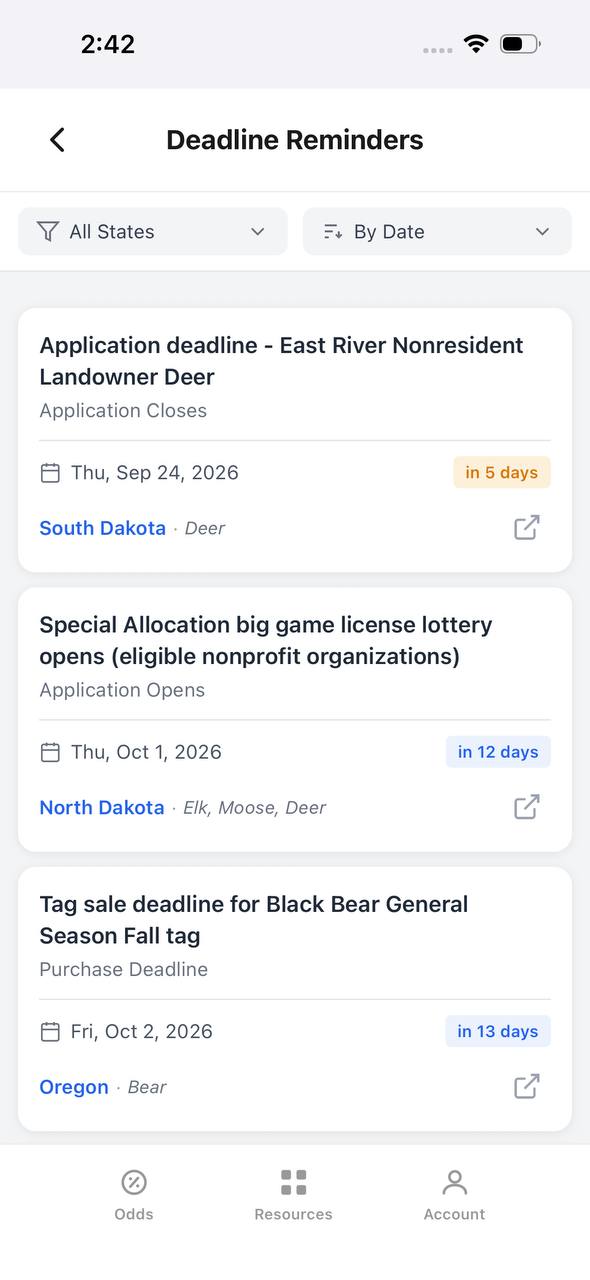
- Deadline reminders
- 18 states covered

Free to join
Download mobile app
- Detailed draw odds
- Point tracking
- Deadline reminders
- 18 states covered
Free to join
Download mobile app
- Detailed draw odds
- Point tracking
- Deadline reminders
- 18 states covered
Decoy Setup Tips That Work Across Species
Regardless of species, a few universal principles make decoys more effective. Set decoys within your effective shooting range, typically 20 to 40 yards depending on weapon and terrain. Position decoys so approaching animals circle into your shooting lane, not directly at you. Always set up downwind or crosswind of the expected approach route.
Use natural terrain to conceal your position. Avoid setting decoys in the open with no cover behind you. Animals approaching a decoy often circle to get downwind, so position yourself where that natural behavior puts the animal in range.
Move decoys frequently if you are hunting mobile. Animals that see the same decoy in the same spot multiple days learn to avoid it. Use decoys in combination with calling to create a complete scenario. A silent decoy is less convincing than one paired with realistic vocalizations.
Avoid using decoys in areas with heavy hunter traffic or during rifle seasons when other hunters may mistake the decoy for live game. Always carry blaze orange and attach it to decoys when moving between setups.
How TAGZ Helps You Plan Decoy-Friendly Hunts
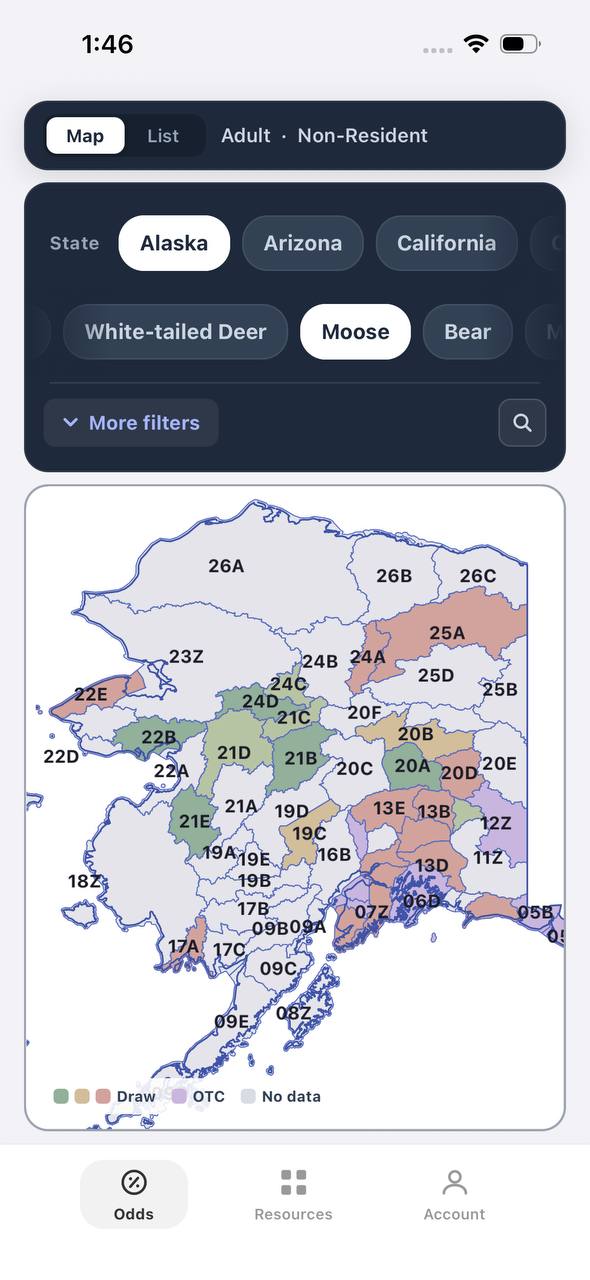
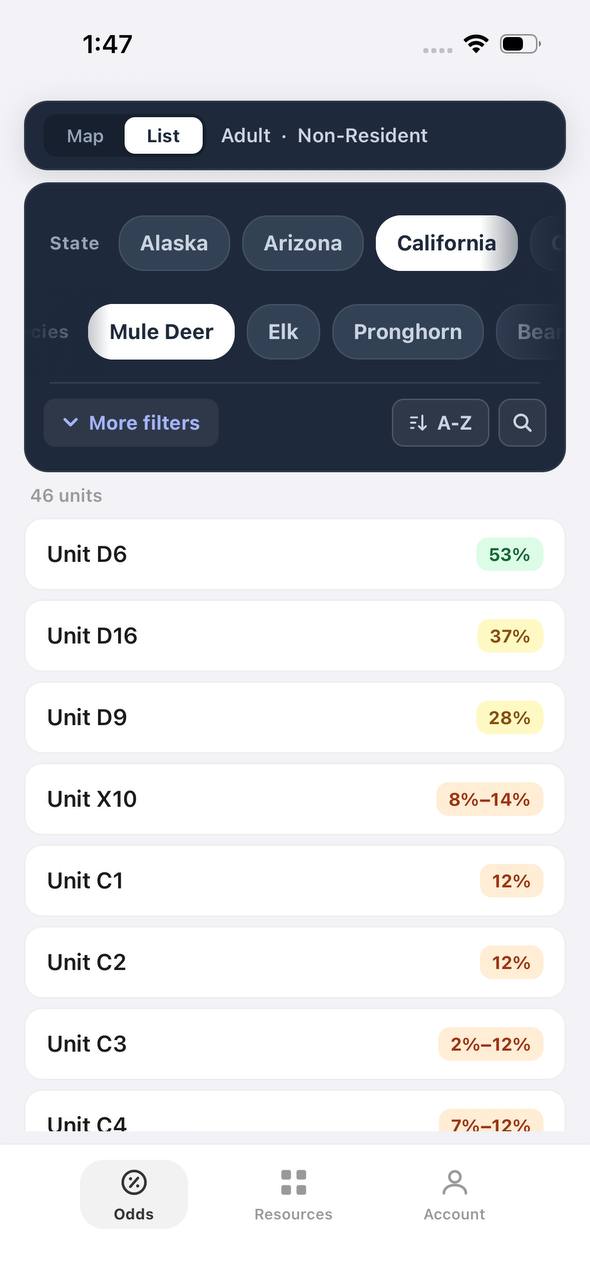
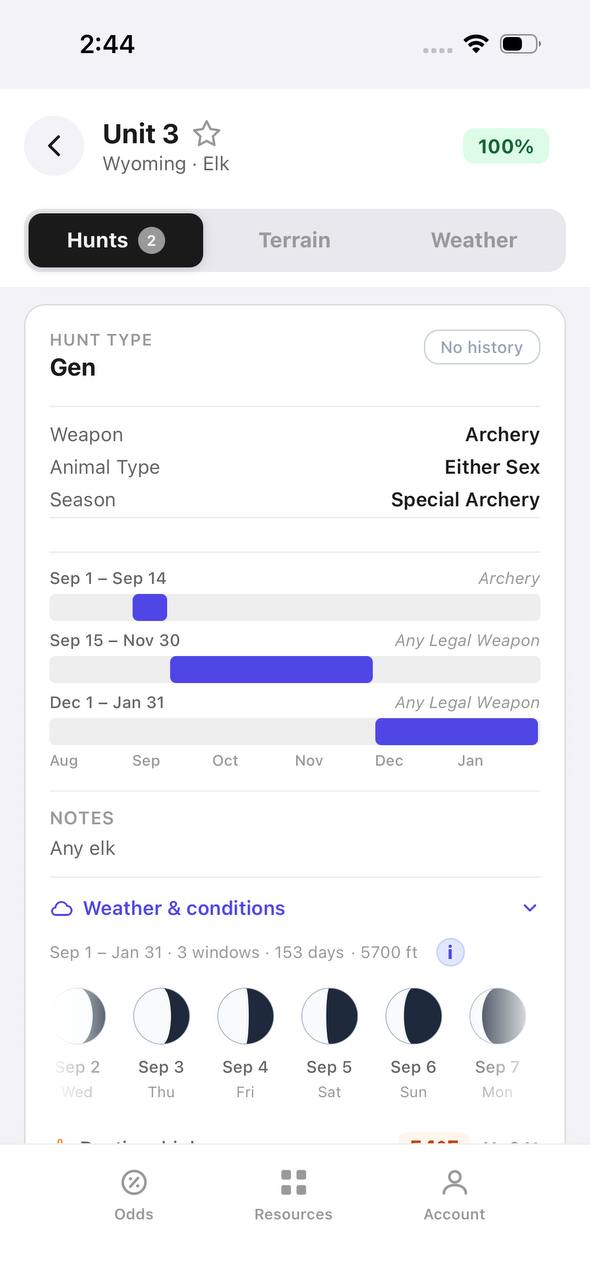
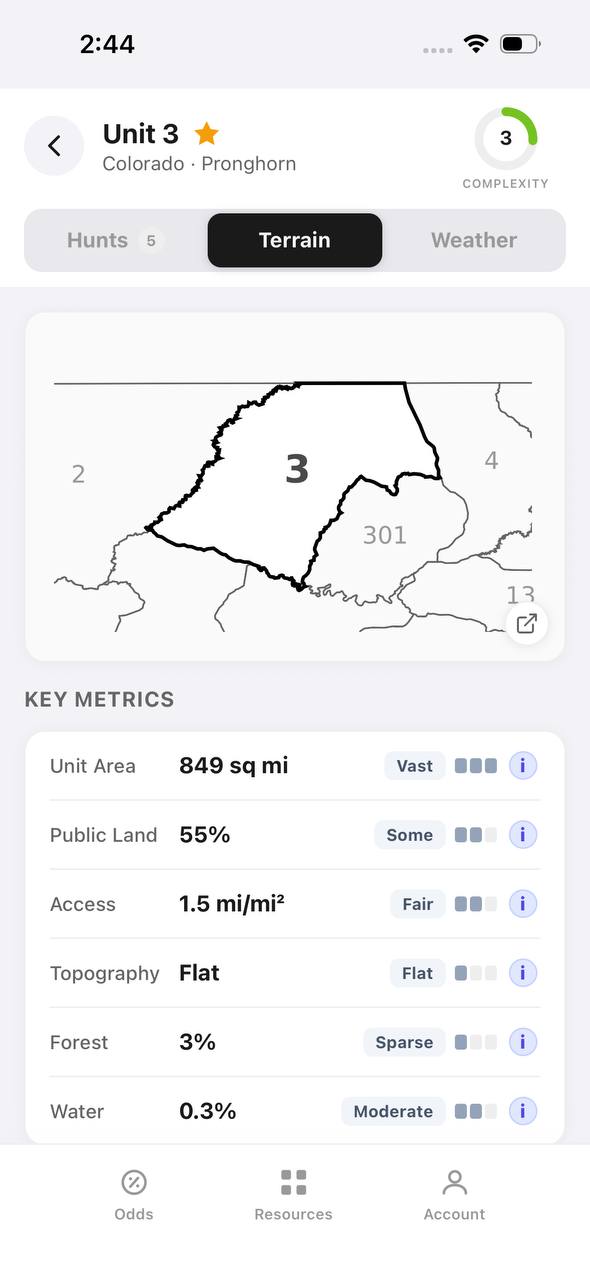
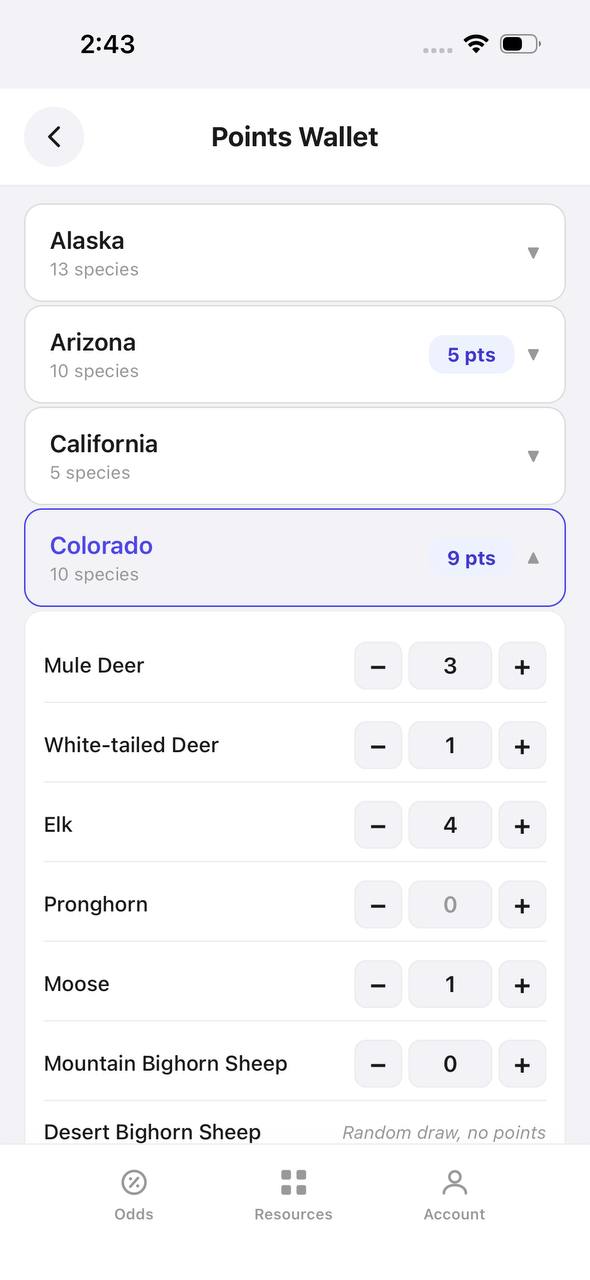
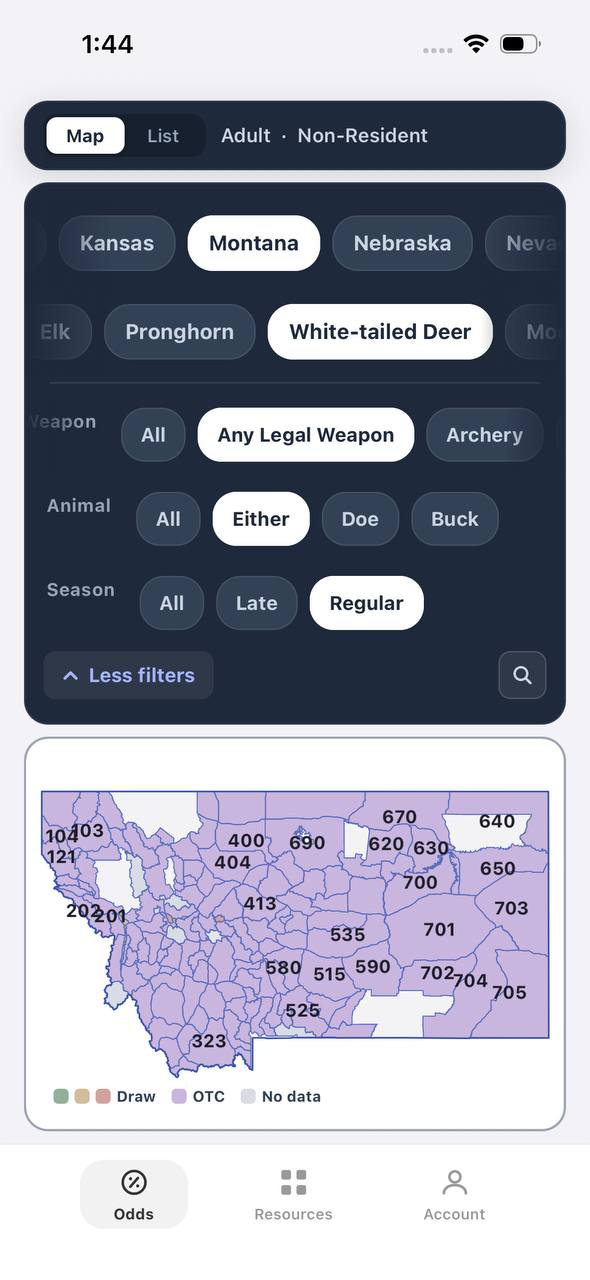
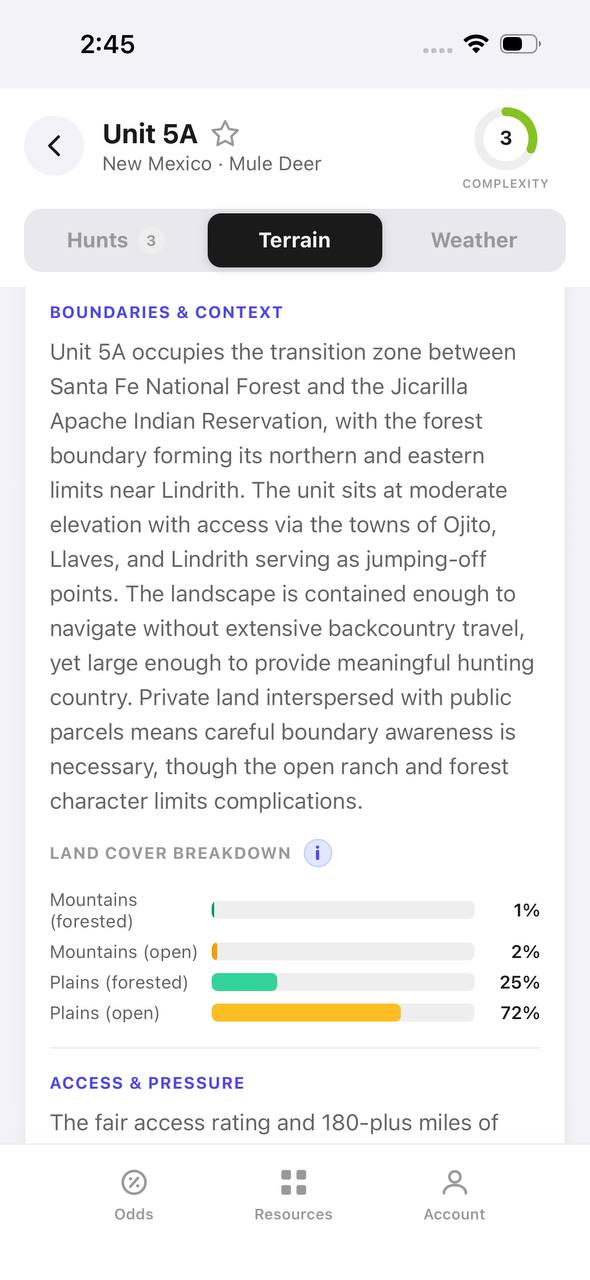
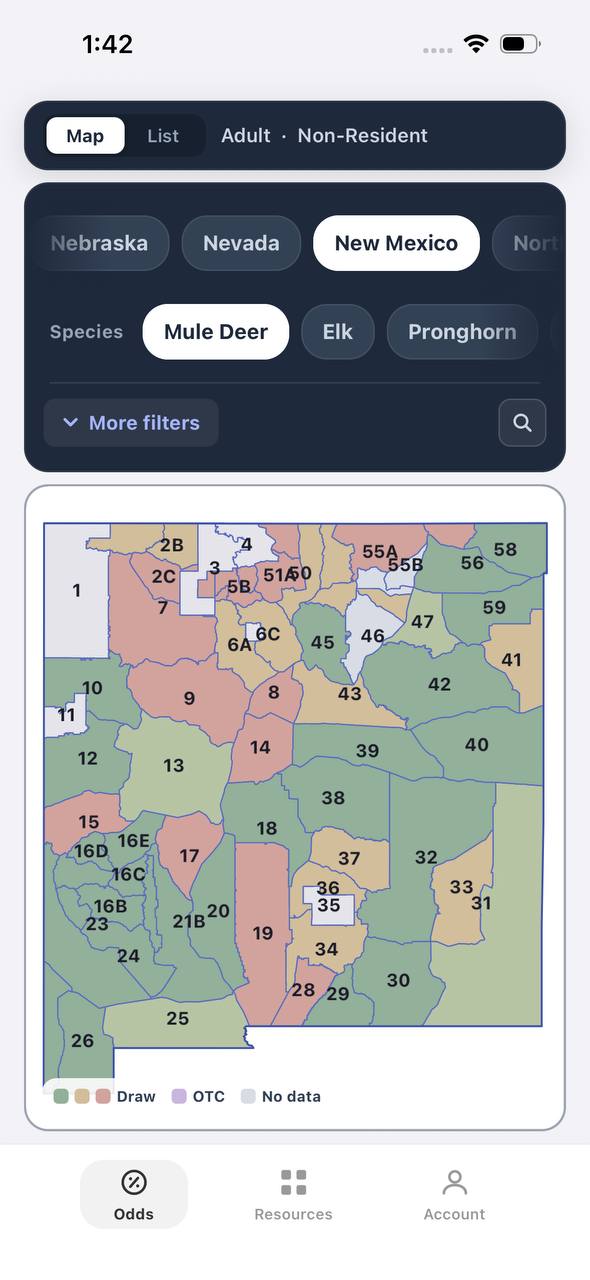
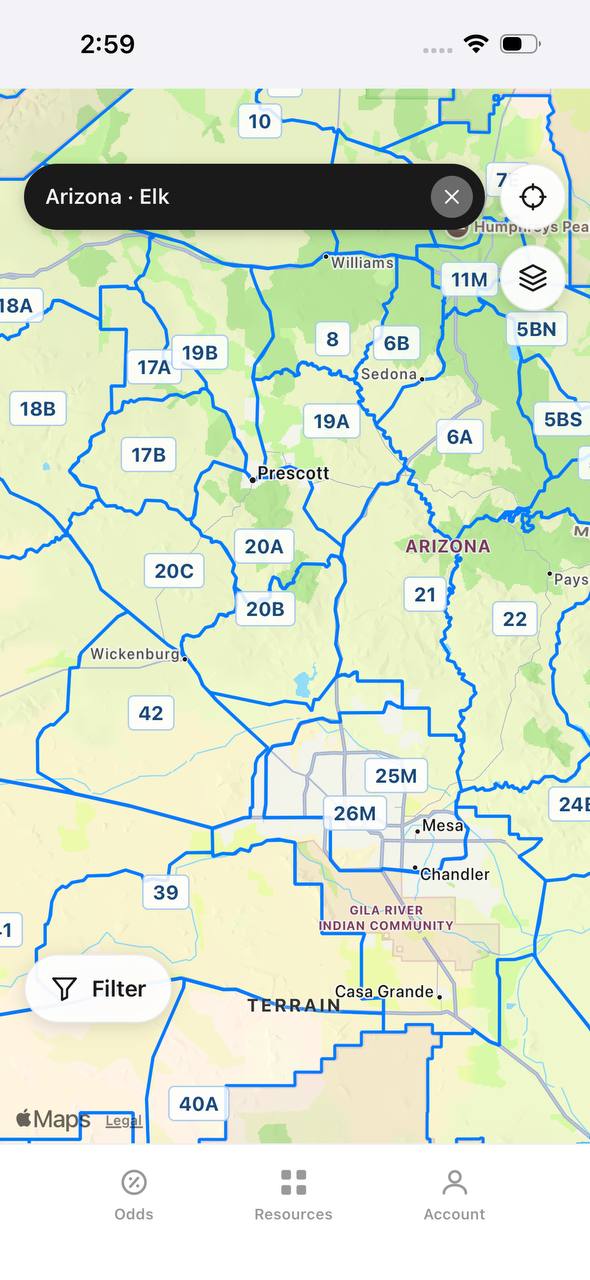
TAGZ helps you identify units and hunt areas where decoy tactics work best. Compare terrain maps and unit boundaries to find open parks, meadows, and sagebrush flats where animals can spot decoys from long distances. Use historical draw data to target limited-entry tags during peak rut dates when decoys are most effective. Track your preference points and bonus points across multiple states so you never miss a draw deadline for a hunt that lines up with the rut.
Whether you are chasing OTC tags or planning a trophy limited-entry hunt, TAGZ gives you the tools to make smarter decisions before you ever step into the field. Filter hunts by weapon, season, and species to find setups where archery or rifle hunters can capitalize on decoy tactics during peak activity periods.
FAQ — Best Hunting Decoys 2026
What is the most effective elk decoy for bowhunters?
The Montana Decoy Miss September is the top choice for bowhunters due to its light weight, realistic detail, and quick setup. It packs flat into a daypack and works well in timber and edge habitat where elk move between cover.
Do turkey decoys work better as singles or combos?
Combo setups, like a jake and hen pairing, are more effective during peak rut when gobblers are aggressive. Single hen decoys work well early in the season when toms are seeking receptive hens. Match your decoy setup to the phase of the rut and hunting pressure in your area.
When should you use a buck decoy versus a doe decoy for deer?
Use buck decoys during peak rut when bucks are territorial and challenging other males. Doe decoys work throughout the rut but are most effective during pre-rut when bucks are actively seeking does. In heavily hunted areas, bedded doe decoys create less alarm than upright buck decoys.
Are pronghorn decoys effective outside the rut?
Pronghorn decoys are far less effective outside the rut. Antelope are most territorial and curious during late August through mid-September. Outside this window, pronghorn ignore or avoid decoys. Focus decoy tactics on peak rut hunts for best results.
Can you use multiple decoys at once for elk or deer?
Yes. Multiple decoys create a more convincing scenario, especially for elk. A small herd of cow decoys paired with calling can pull bulls from long distances. For deer, a doe and fawn combo or a doe and jake setup creates a breeding scenario that triggers aggression in dominant bucks. Avoid overcrowding your setup, as too many decoys can look unnatural.
What is the biggest mistake hunters make with decoys?
The biggest mistake is setting decoys too far from your shooting position. Always position decoys within your effective range, typically 20 to 40 yards. Animals circling to get downwind often stop short of the decoy, so factor that behavior into your setup. Also, never use decoys without setting up downwind or crosswind of the expected approach route.
Was this article helpful?
Previous
Hells Canyon Armory Review: Long-Range Rifles for Western Hunters
Hells Canyon Armory builds custom precision rifles designed for western hunters who need reliable long-range performance in the mountains. This review covers their rifle lineup, build quality, and whether they're worth the investment for serious backcountry hunters.
Related
Best Sheep Hunting Ammunition: Cartridges and Bullets for Rocky Mountain Bighorns
Sheep hunting demands precision at extreme distances and minimal pack weight. This guide breaks down proven cartridge and bullet combinations that match the realities of alpine hunting—from long-range ballistics to terminal performance on thin-skinned game.
Next
Best Water Storage Systems for Western Hunts: Field-Tested Solutions for Backcountry Hunters
Choosing the right water storage system can make or break a backcountry hunt. From lightweight bladders to gravity filters and camp reservoirs, learn which systems work best for different hunt types and how to keep water accessible in remote country.