Packing Out an Elk — Complete Backcountry Elk Pack-Out Guide
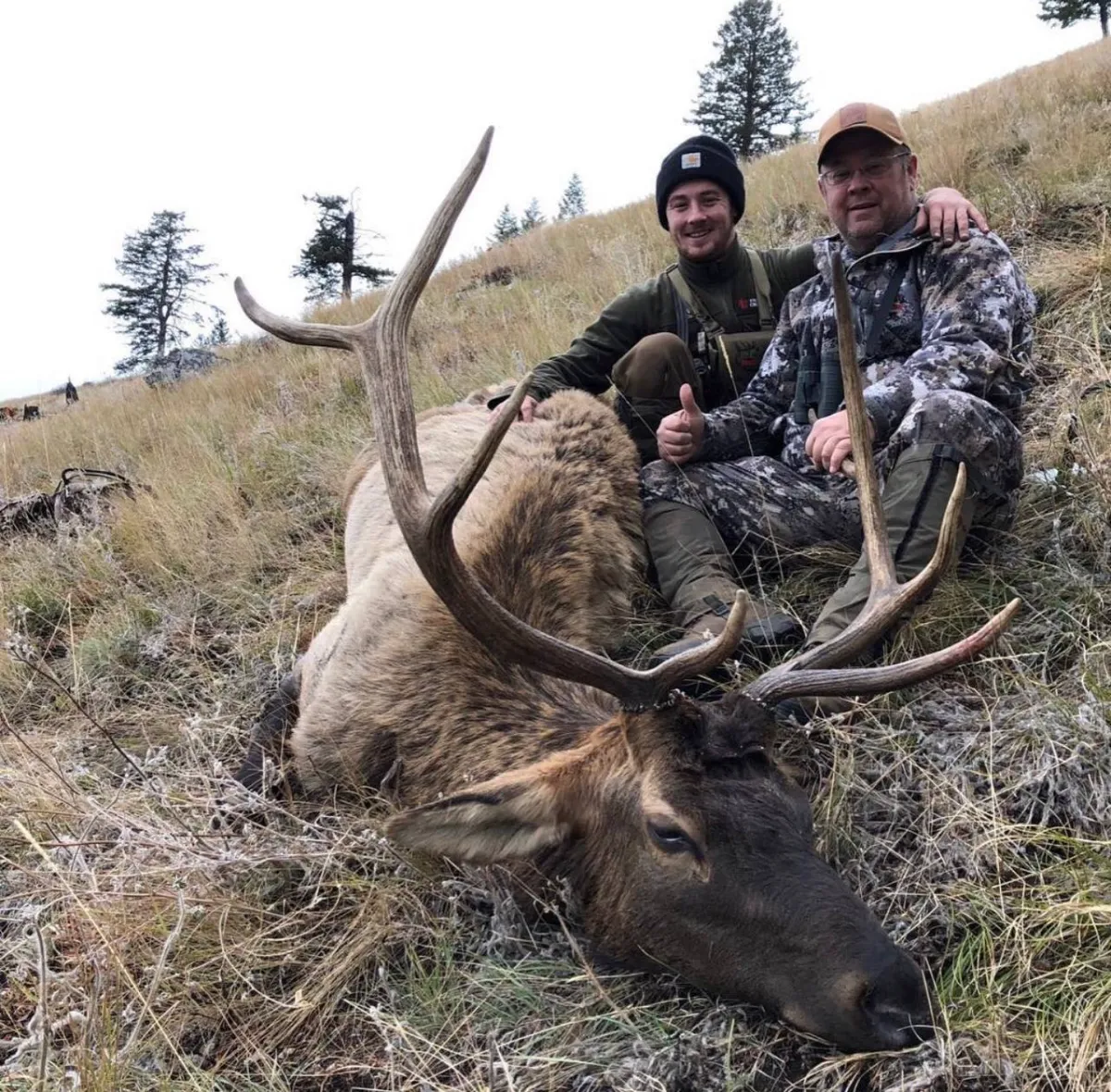
Most hunters dream about the bugle, the stalk, the shot, and the antlers, but few spend enough time thinking about the pack-out. The reality is simple: the hunt isn't over when the elk hits the ground, and in many cases the real work is just beginning. A mature bull can produce 250 to 350 pounds of boned-out meat across several heavy loads, multiple trips, and hours of physical labor, and the farther you hunt from roads, the more important pack-out planning becomes. The best elk hunters don't just ask how to get there, they ask how to get an elk out of there, and they answer that question before they ever release an arrow or squeeze a trigger.
Plan the pack-out before the shot
The biggest mistake elk hunters make is focusing entirely on finding elk while ignoring terrain, distance, elevation gain, and pack-out routes, then shooting a bull in the worst possible location. Before committing to a hunt area, always ask, "If I kill a bull right here, what happens next?" because the answer may change where you hunt. The numbers explain why: a mature bull weighs 600 to 900 pounds live and yields roughly 250 to 350 pounds of boned-out meat, plus antlers, cape, and equipment, so there's a lot of weight to move. Most hunters carry a comfortable load of 50 to 70 pounds, a heavy load of 80 to 100, and a brutal load beyond that, but extremely heavy loads increase fatigue, injury risk, and recovery time, so multiple trips are usually smarter. All of this starts before the season, studying roads, trails, access points, and elevation profiles, because a three-mile pack-out on flat ground is nothing like three miles with 2,000 feet of gain.
Gear and field processing
Packing meat requires a purpose-built pack with a load shelf, a strong frame, comfortable suspension, and real weight-transfer capability, and brands like Stone Glacier, Kifaru, Exo Mountain Gear, and Mystery Ranch all build packs designed specifically for hauling meat, which we break down in our complete pack guide. Most western hunters use the gutless method because it's faster, cleaner, and easier, letting you remove the front shoulders, hindquarters, backstraps, neck meat, and rib meat without opening the body cavity. One of the biggest decisions is whether to debone: bone-in is faster to process and better protected but heavier, while deboned meat means lighter, easier, more efficient loads at the cost of more field labor, and most backcountry hunters eventually choose to debone, especially several miles from the road. Quality game bags from Caribou Gear, TAG Bags, or Argali protect meat, improve airflow, and reduce contamination, and you should never use trash bags for meat transport.
Moving the load
Many hunters hunt alone, and a solo elk pack-out is absolutely possible with planning, patience, and multiple trips, typically three to five depending on distance and terrain. Two hunters dramatically improve efficiency through shared loads, faster meat removal, and better safety, and many strong hunting partnerships are built around teamwork after the shot. Trekking poles become invaluable here, reducing knee strain and improving balance and stability under 80-plus-pound loads, and many experienced hunters refuse to pack meat without them. Don't assume downhill is easy either, because steep descents destroy knees, increase fall risk, and cause fatigue, so both directions require planning. Elevation changes everything, since a mile on flat ground is manageable but a mile with 1,000 feet of gain is an entirely different experience, so always evaluate vertical distance, not just horizontal. The route you used to reach the elk may not be the best way out, and sometimes a longer route with easier grades and better trails makes for a far safer pack-out, so think strategically. For hunters consistently targeting remote country, pack animals remain one of the most effective tools, offering less strain, faster extraction, and greater range.
Care, fitness, and respect
Meat care and the pack-out go hand in hand, so focus on cooling, airflow, shade, and clean game bags between trips, as we cover in our backcountry meat care guide. Always mark the kill site, meat cache, camp, and vehicle with GPS waypoints, because fatigue makes familiar terrain confusing and a single waypoint can save hours. Hydration matters too, since heavy loads spike sweat loss, fatigue, and cramping, so carry water, electrolytes, and snacks, which most hunters underestimate. The mental side is real: packing an elk demands discipline, persistence, and patience, and every load represents a successful hunt and the full utilization of the animal. Physical fitness often determines whether a pack-out is miserable or manageable, so train with hiking, weighted packs, stair climbs, and strength work, because the harvest isn't complete until the meat reaches the freezer. The common mistakes, shooting elk too far from access, carrying too much weight, ignoring hydration, rushing downhill, and skipping route planning, are all reduced with preparation. TAGZ helps hunters evaluate terrain, access, elevation, and opportunities before applying, because the best elk hunters think beyond finding elk, they think about getting them home.
Was this article helpful?
Previous
Best Elk Hunt Basecamp Locations
Best Elk Hunt Basecamp Locations breaks down realistic elk planning around terrain, access, pressure, scouting, and hunter behavior so TAGZ readers can build a practical western hunt plan instead of chasing hype.
Next
How Wyoming Preference Points Work — Complete Draw Guide
Wyoming uses a hybrid draw system that allocates 75% of tags through preference points and 25% through a random draw. This gives hunters a path to premium tags while still providing opportunities for new applicants to draw quality hunts.