Meat Care in the Backcountry — Complete Elk Meat Care Guide
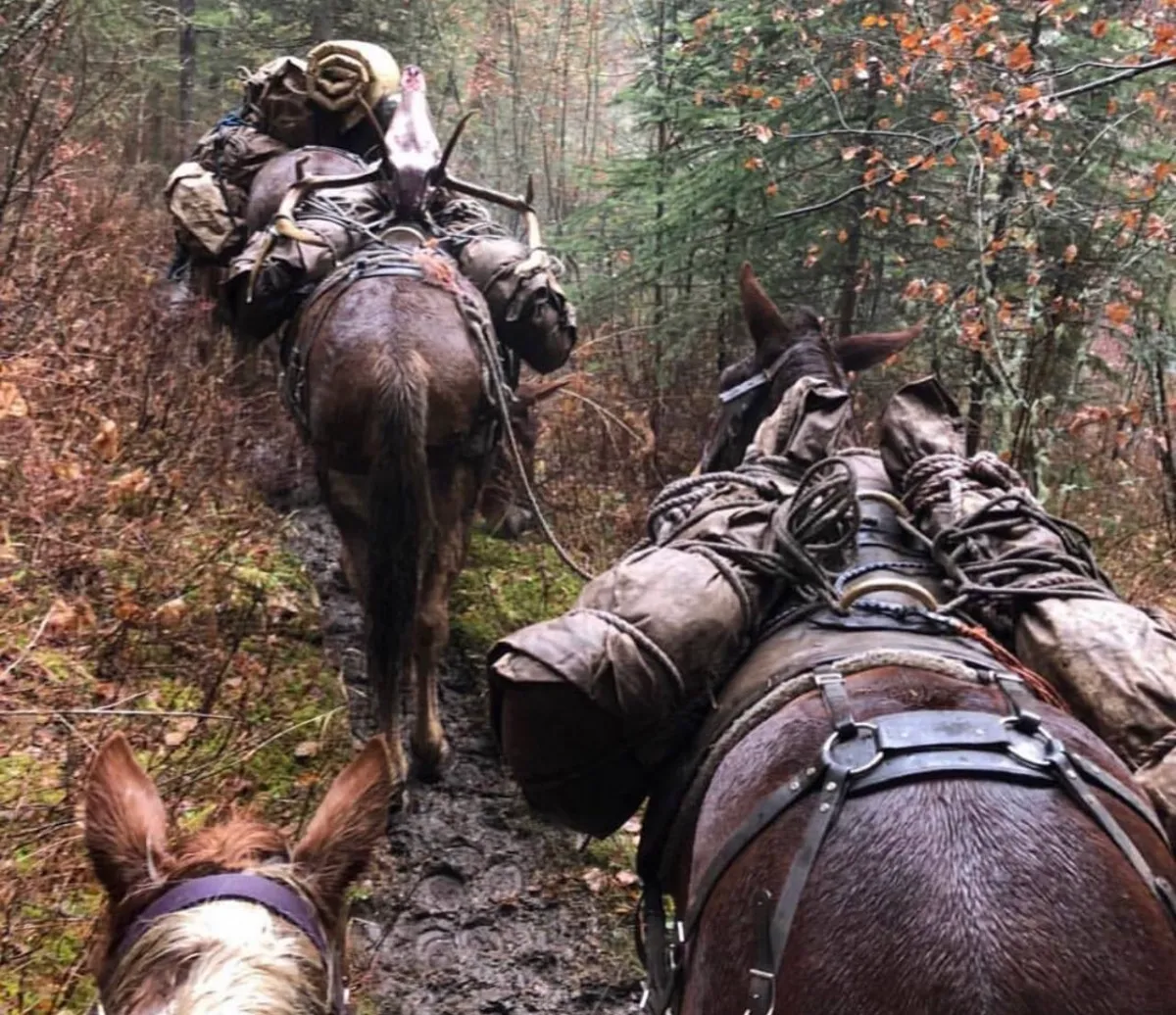
Most hunters spend months preparing for a hunt, researching units, scouting, practicing, and spending thousands on tags, fuel, gear, and travel, then make a critical mistake after the shot: they underestimate meat care. Killing the animal is only half the job, and protecting the meat is just as important. This matters even more for elk, because a mature bull can yield 200 to 300-plus pounds of boned-out meat across multiple pack loads and several hours of processing, and if temperatures are warm, mistakes happen fast. Proper backcountry meat care is one of the most important skills any western hunter can learn, and it starts the moment the animal hits the ground.
The clock starts immediately
As soon as the animal expires, the clock begins and heat becomes the enemy, so your primary goal is to cool the meat as quickly as possible and everything else is secondary. Spoilage happens when heat stays trapped, air circulation is limited, and bacteria multiply, which is why experienced hunters prioritize quartering, deboning, and airflow right after recovery. The biggest mistake is spending too long on photos, celebrating, and admiring antlers before starting; enjoy the moment, then get to work, because during early archery seasons and warm September hunts every minute matters. Start by moving the animal if you can toward shade, wind, and cooler temperatures, and away from direct sunlight, south-facing slopes, and hot exposed ground, since a few degrees make a real difference. The hide traps heat, so skin the animal as quickly as practical for faster cooling, better airflow, and reduced spoilage risk.
Processing and game bags
Most western hunters now use the gutless method, which is faster, cleaner, and more efficient, letting you remove the quarters, backstraps, neck meat, rib meat, and trim without ever opening the body cavity. Focus on removing the front shoulders and hindquarters quickly, because those large muscle groups hold significant heat and pulling them off accelerates cooling. Both bone-in and deboned approaches work: bone-in quarters are faster to process in the field and better protected but heavier and slower to cool, while deboned meat means lighter loads, faster cooling, and easier transport at the cost of more field labor, which is why many solo hunters debone immediately. Never put meat directly into plastic bags, which trap heat and moisture; instead use quality breathable game bags from brands like Caribou Gear, TAG Bags, Argali, or Allen for air circulation, insect protection, and cleaner meat. They're worth every penny.
Airflow, weather, and the long haul
Once bagged, hang meat whenever possible from trees, poles, or shaded timber, because moving air dramatically improves cooling, and many hunters who fixate on temperature forget that airflow is equally important. Don't stack or pile quarters together, which traps heat; spread them apart and separate the game bags so every piece cools independently. September elk hunts often run 70, 80, even 90 degrees, so lean on shade, nighttime cooling, and airflow, and many experienced hunters process animals overnight when temperatures drop. Avoid creek cooling in most cases, because water introduces bacteria, moisture, and contamination, and cool air beats cold water, so keep meat dry. Rain creates similar challenges, so protect meat from heavy moisture, mud, and ground contact and keep bags elevated, since wet meat doesn't cool efficiently. On multi-day pack-outs miles from the road, multiple trips are normal, and the key is keeping meat cool, dry, and ventilated between them. In bear country, hang meat away from camp and trails and mark GPS locations carefully, because meat attracts black bears, grizzlies, and wolves.
From field to freezer
How long meat keeps depends on temperature, airflow, and humidity, since properly cared-for meat stays excellent for days while poorly handled meat can spoil within hours, so cooling always remains the priority. Plan the pack-out before you ever shoot by asking, "If I kill an elk here, how do I get it out?", because many hunters plan the hunt but few plan the pack-out. Back at the truck, keep managing temperature with large coolers, frozen jugs, and block ice, avoid letting meat sit in water, and drain meltwater regularly. Many hunters then age elk meat for improved tenderness and flavor, which requires cool, controlled conditions to do safely. Most meat loss is preventable and traces back to a few common errors: leaving the hide on too long, using plastic bags, stacking meat, ignoring airflow, and delaying processing. Every harvest deserves proper care, because good meat care reflects respect, responsibility, and ethical hunting, and the goal isn't simply harvesting an animal, it's fully using the resource. The best meat care begins with smart planning, which is where TAGZ helps, with unit research, terrain and access analysis, and pack-out planning before opening day arrives.
Was this article helpful?
Previous
Understanding Wind and Thermals for Elk Hunting — Complete Guide
Wind and thermals are often the deciding factor in elk hunting success. Hunters who understand how air moves through terrain can avoid getting busted by an elk's nose, plan better stalks, and consistently get closer to mature bulls.
Next
How Utah Bonus Points Work — Complete Draw Guide
Utah's bonus point system rewards long-term applicants while maintaining opportunity for everyone. By understanding the maximum point draw, random draw, and point-squaring system, hunters can build smarter strategies and maximize their chances of eventually drawing one of Utah's coveted hunting permits.