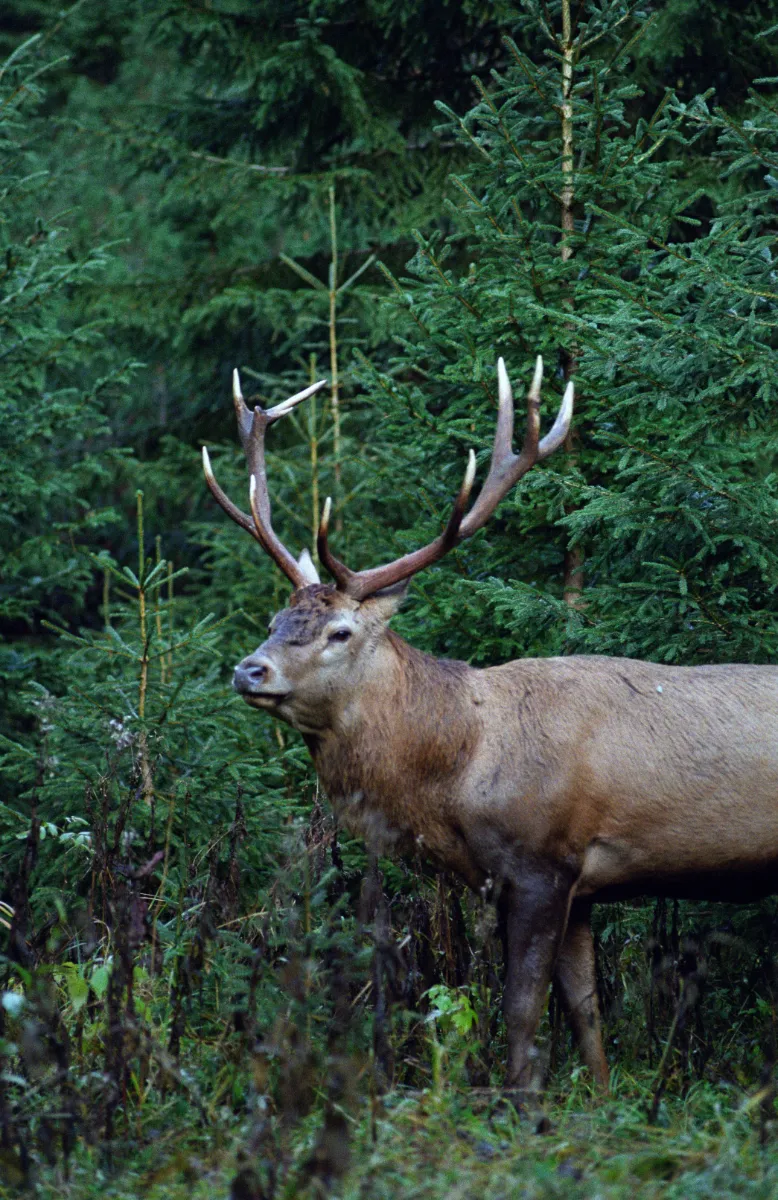
How Wyoming Preference Points Work — Complete Draw Guide
If you've ever stared at Wyoming draw odds, you've probably had the same questions everyone does: how do the points work, how many do I need, and can I draw without any? Wyoming stays one of the most popular western states because it offers something a lot of states don't, a realistic path to quality tags through preference points while still giving every hunter a shot through a random draw. For nonresident elk, deer, and antelope, the state allocates 75 percent of tags by preference points and reserves 25 percent for a random draw, and understanding that split is the foundation of any Wyoming strategy.
Preference points plus a random draw
Unlike Colorado's pure preference system, Wyoming pairs preference points with random-draw opportunities, so hunters with zero, one, or two points still have a chance at many licenses, which keeps the system accessible to newcomers. Preference points are essentially your place in line, and the more you hold, the better your odds. They're used for elk, mule deer, and pronghorn, and they're species-specific, with elk, deer, and antelope points all tracked independently. You buy them during the annual point-purchase period, and the moment you successfully draw, your points for that species reset to zero and the process starts over, which is exactly why application timing matters.
How the two pools work
Picture a hunt with 100 tags. The first 75 go through the preference draw, considered from the highest point totals down until they run out. The remaining 25 go into the random draw, where points don't matter at all and every applicant has an equal shot. That random pool is a big reason Wyoming stays attractive, because even a hunt that normally takes a stack of points still offers a chance to the lucky. Drawing with zero points happens regularly on elk, deer, and antelope, and the key is choosing realistic units instead of fixating only on the famous ones.
Species and tag types
Elk is the headliner, and Wyoming splits it into general licenses and limited-quota licenses. General tags are popular for good reason, offering better availability, more flexibility, access to multiple units, and excellent DIY hunting, and many nonresidents start their Wyoming journey there. Limited-quota elk tags trade higher point requirements for reduced pressure, better age class, and stronger trophy potential. Mule deer quality units take several points and planning, though avoiding the famous areas opens doors sooner, and pronghorn remains one of the best opportunities in North America thanks to large populations, public land, and trophy quality, with many hunts still relatively accessible.
The special draw, point creep, and strategy
Wyoming's special draw lets you pay a higher license fee to compete in a separate pool, which sometimes improves odds and reduces competition and sometimes doesn't, so always compare the regular and special odds before choosing, since the right call depends on your budget, point level, and target hunt. Point creep is a factor too, as more applicants enter than there are tags and a hunt that took five points can climb to six or seven, something Wyoming has seen across many popular units. The biggest mistake is getting trapped waiting for the perfect tag while years and opportunities slip by, because points are a tool, not a trophy. A mid-tier approach, targeting units with better odds and more frequent hunting, produces plenty of great bulls and bucks, and the strongest strategies pair short-term hunts like general elk and easier antelope with long-term goals like premium deer and trophy elk. To sort it all out, TAGZ helps you analyze point requirements, compare units, evaluate draw odds, and track your points before application season.
Was this article helpful?
Previous
Packing Out an Elk — Complete Backcountry Elk Pack-Out Guide
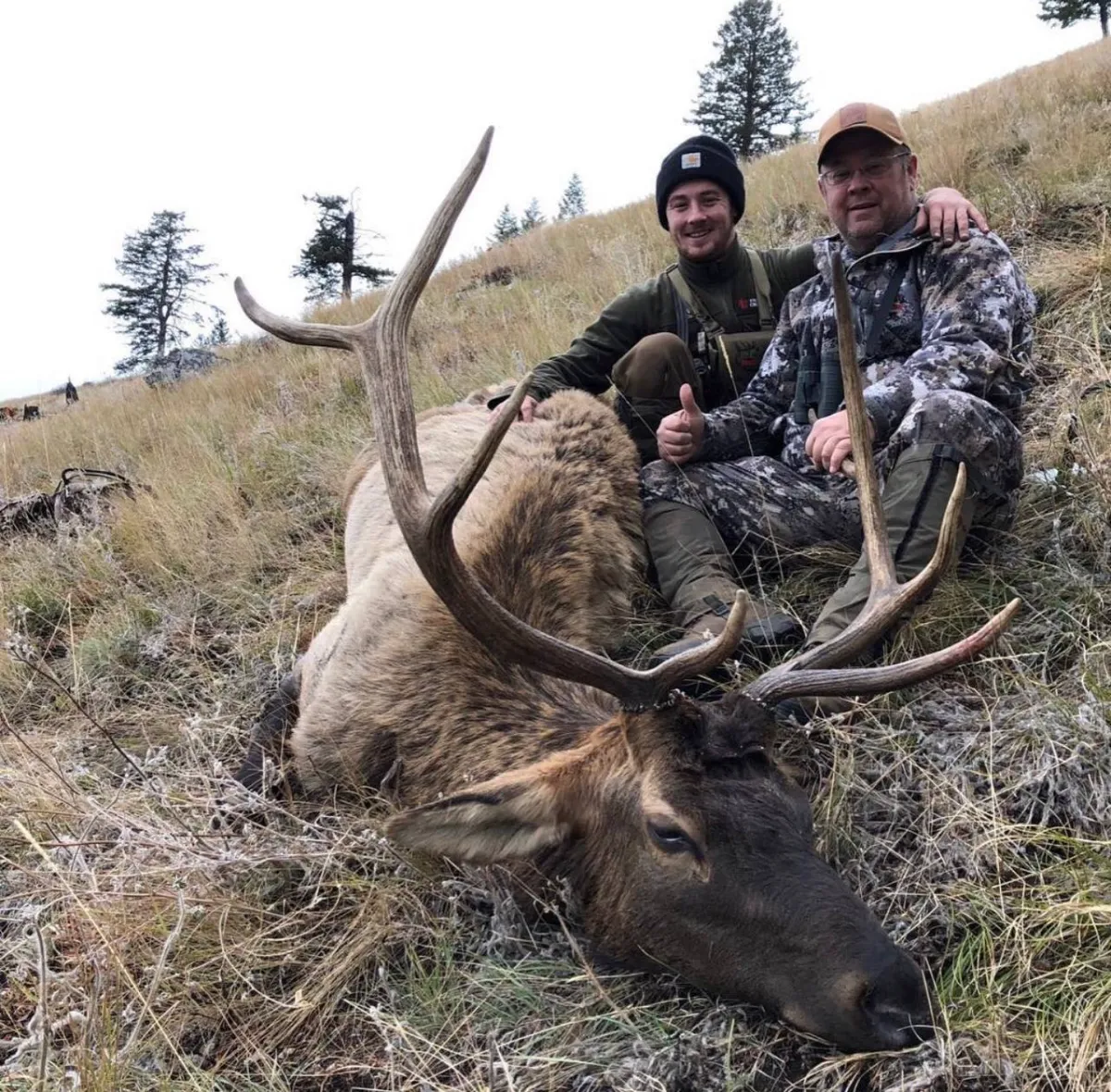
Packing out an elk is one of the most demanding parts of western hunting. Proper planning, quality packs, smart meat care, and realistic load management help hunters safely and efficiently bring their harvest home from the backcountry.
Next
Hunting Dark Timber Elk: Hard Truths, Real Strategies, and 2026 Planning
If you’re thinking about chasing elk in the dark timber, here’s what it really takes in 2026: boots on the ground, patience, and honest expectations.