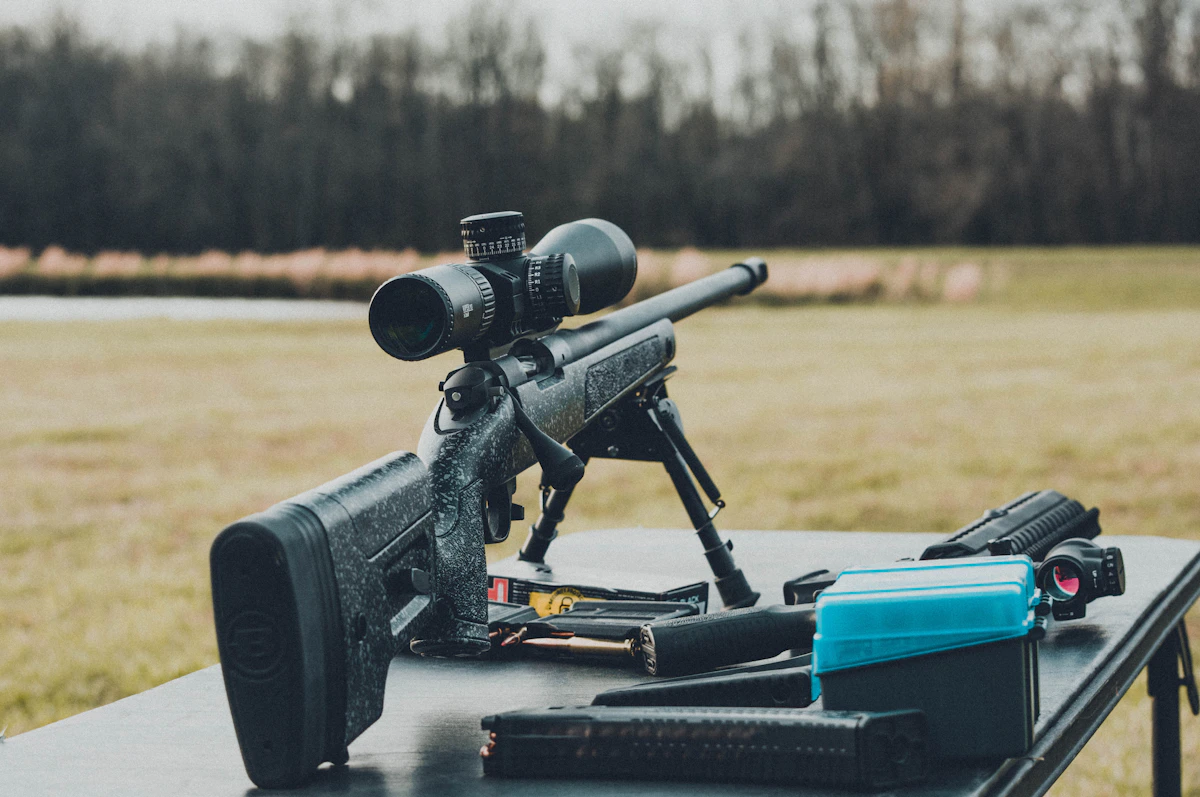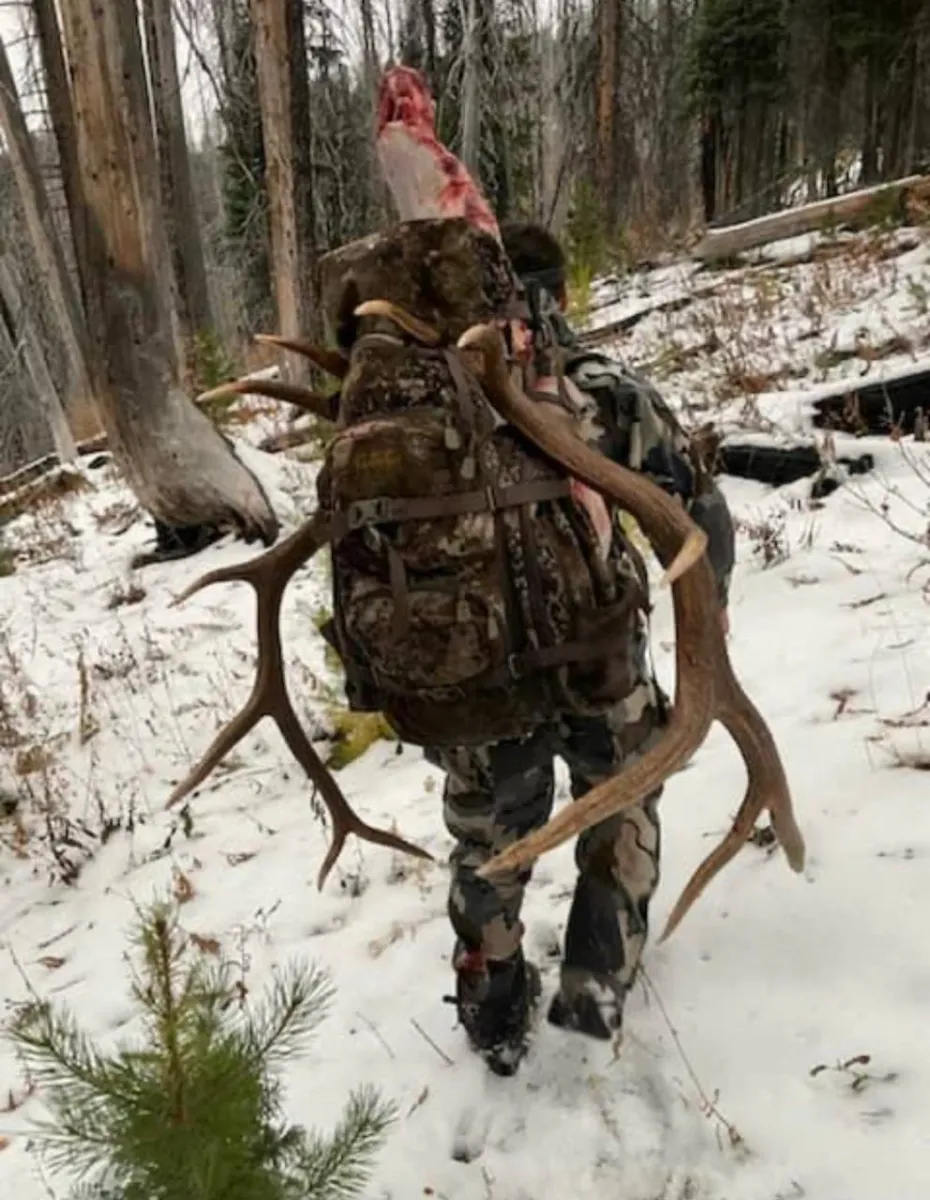
Most hunters spend countless hours researching rifles, bows, optics, and broadheads, yet give almost no thought to the piece of equipment they'll use more than anything else: their pack. The reality is simple, because if you're hunting elk in the West, sooner or later you're carrying water, layers, food, optics, emergency gear, and meat, and when things go right, you'll carry a lot of meat. A quality pack can be the difference between an enjoyable pack-out and a miserable experience that has you questioning every life decision you've ever made. The best western hunting packs aren't just storage systems, they're meat-hauling tools.
Why packs matter more out west
Western hunting differs dramatically from many eastern styles, with hunters covering miles of terrain, steep elevation changes, long days, and remote country, so your pack effectively becomes your mobile basecamp carrying everything you need for the day. A poor pack creates fatigue, sore shoulders, back pain, and reduced mobility, while a quality one helps you move efficiently and stay comfortable. Many hunters assume storage is a pack's primary purpose, but it isn't, the primary purpose is hauling weight, especially meat. When you kill an elk you're no longer carrying rain gear, snacks, and optics, you're carrying quarters, backstraps, neck meat, and trim, potentially hundreds of pounds over multiple trips, so a hunting pack should be evaluated first as a meat-hauling system and everything else comes second.
Frames and sizing
Most serious western packs use internal frame systems for better comfort, load control, balance, and mobility, and modern internal frames have become extremely capable, comfortably hauling 80 to 100-plus pounds when fitted correctly. Sizing is where many hunters go wrong, because the perfect pack for a day hunt isn't ideal for a backcountry trip. Day-hunt packs run roughly 1,500 to 3,000 cubic inches, enough for water, layers, lunch, and emergency gear when you return to camp each night. Multi-day packs run 4,500 to 6,500 cubic inches and are built for camping gear, sleeping systems, food, and extended trips, while expedition packs of 6,500-plus cubic inches suit remote wilderness hunts, Alaska, and deep backcountry adventures, and many hunters favor them because they compress down for day use while still hauling meat.
Brands, fit, and the meat shelf
Several companies consistently dominate western hunting camps. Kifaru is known for exceptional load-hauling, custom fit options, and durability, with a loyal following among serious backcountry hunters. Stone Glacier is popular for its lightweight design, excellent load carriage, and simplicity, common among mountain hunters. Exo Mountain Gear is known for comfort, user-friendly design, and excellent meat-hauling, considered by many one of the best all-around systems available, and Mystery Ranch is a long-time favorite trusted by guides and outfitters for comfort, durability, and proven performance. One of the biggest innovations has been the meat shelf, which separates meat from gear, carries heavy loads more efficiently, and improves balance, and once hunters experience a quality meat shelf they rarely go back. Still, fit matters more than brand, because a $900 pack that doesn't fit is still a bad pack; dial in torso length, hip belt sizing, shoulder strap adjustment, and load lifter positioning so the hip belt carries most of the weight rather than your shoulders.
Weight, contents, and preparation
Many hunters chase lightweight gear too aggressively, and saving a few ounces sounds great until you're carrying 80, 100, or 120 pounds of elk meat, so comfort often matters more, and a slightly heavier pack that carries weight better is usually worth it. A typical western day pack holds water, rain gear, extra layers, food, a headlamp, a first aid kit, a knife, tags, navigation tools, optics, and an emergency shelter, with the exact list shifting by terrain and season, because western country is unforgiving and weather changes fast. Many of today's most successful hunters use a mobile approach, relocating frequently and following elk movement, which demands a versatile pack system, since the ability to move efficiently creates opportunities. The common mistakes are buying packs that are too small, ignoring fit, prioritizing weight over comfort, never training with a loaded pack, and underestimating pack-out difficulty, and the first time you carry 80 pounds shouldn't be after killing a bull. A good pack helps after you find elk, and TAGZ helps you find them, organizing draw odds, unit research, terrain analysis, and access strategies before you ever shoulder your pack.
Was this article helpful?
Previous
How to Hunt Sage Country Elk in 2026: Honest Advice for Western Hunters
Sage country elk hunting in 2026 offers unique rewards and challenges. This guide covers pressure, terrain, strategy, and realistic expectations.
Related
How to Glass for Elk Effectively: Real-World Tactics and Hard Truths
If you want to spot more elk in tough country, glassing is your most important skill. Here’s how to do it right, from setup to strategy.
Next
Best Rifle Calibers for Elk Hunting — 30-06, 300 Win Mag, 7 PRC & More
Quick Summary Almost every modern elk cartridge can kill elk effectively with proper shot placement, but the .30-06, .300 Win Mag, 7mm Rem Mag, and 7 PRC continue to stand out as some of the best options for western hunters.