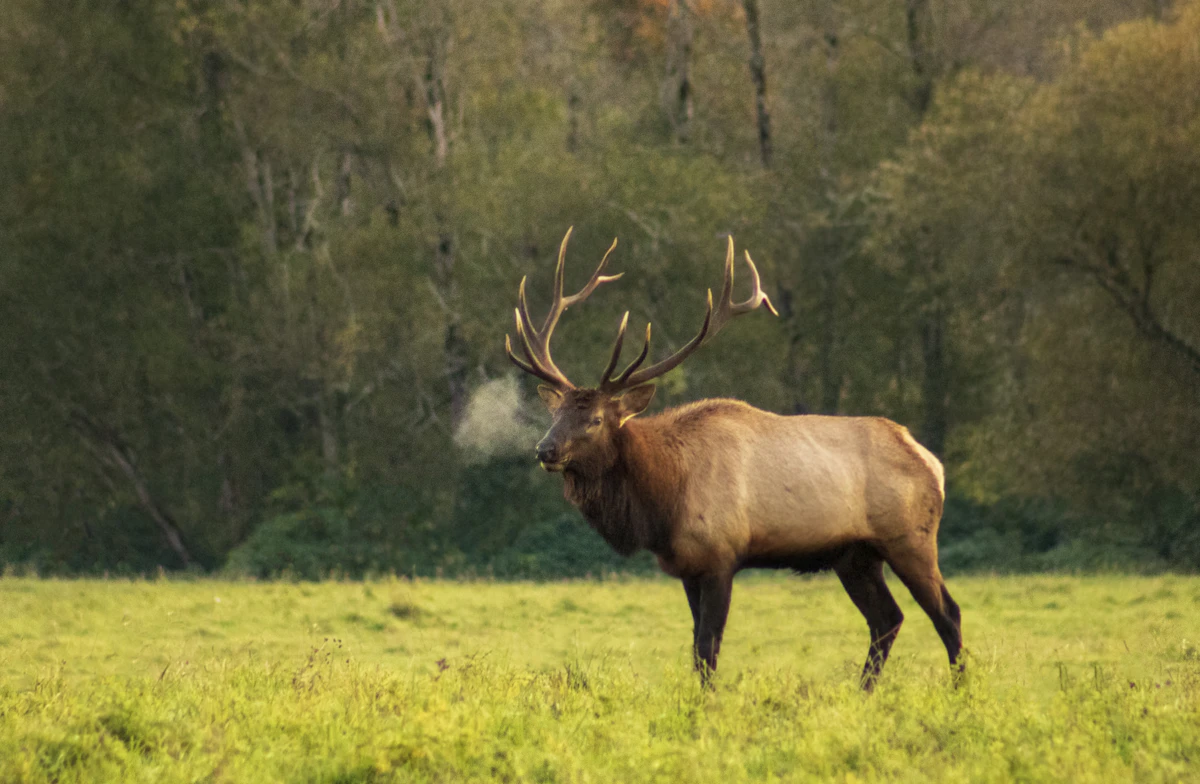
November Mule Deer Hunt 2026: Rut Tactics, Best Units, and Late-Season Strategy
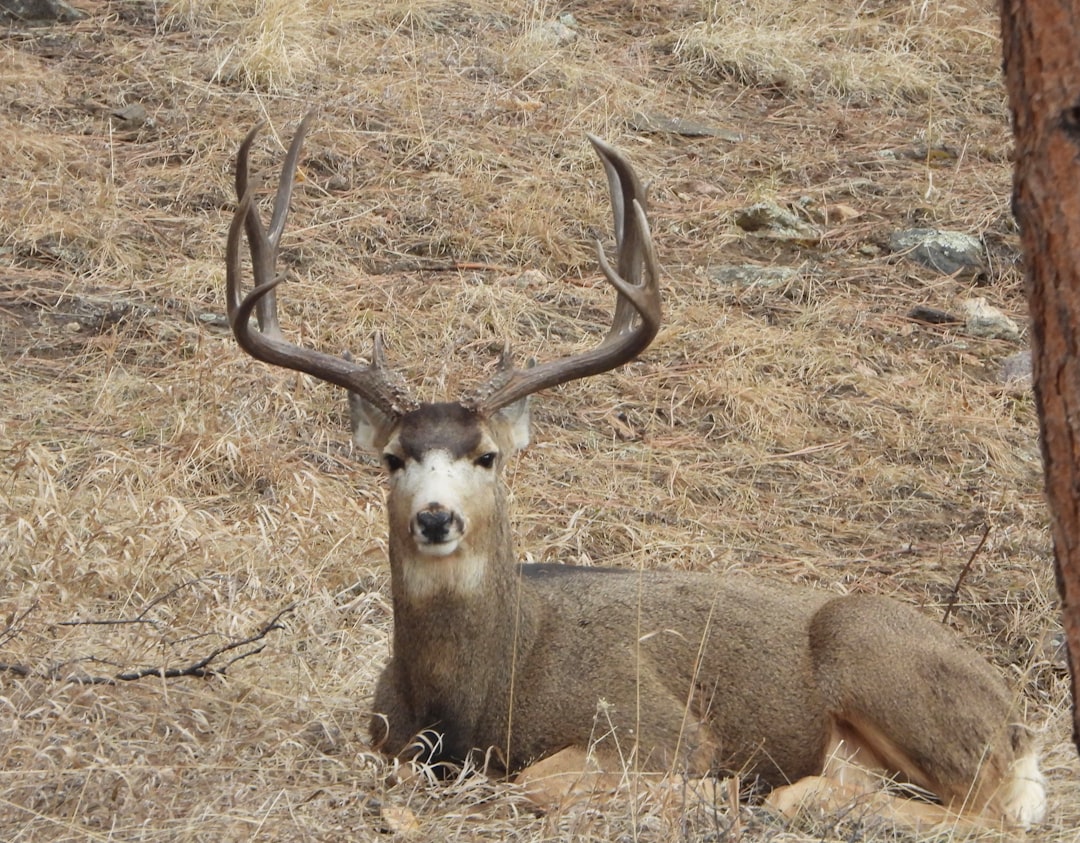
November mule deer hunts sit in a sweet spot. Bucks are actively chasing does, often moving during daylight in terrain they avoid the rest of the year. Weather pushes deer into predictable transition zones, and hunter pressure drops compared to October rifle openers. The 2026 season offers strong opportunities across Colorado, Wyoming, Montana, and Nevada, but success hinges on understanding how rut timing, elevation, and tag availability align across different units.
Why November Is Prime Time for Mule Deer
The mule deer rut peaks in mid to late November across most of the Rockies, typically November 10–25 depending on latitude and elevation. Bucks that spent October bedded in dark timber start checking doe groups in open basins and sagebrush flats. This shift makes them visible during morning and evening feeding windows and vulnerable to hunters willing to cover ground.
Cold fronts trigger movement. A storm system rolling through in mid-November often pushes deer from high alpine basins down to 7,000–9,000 feet, concentrating them along ridgelines and transition zones where forage remains accessible. Bucks cruise these areas checking scrapes and trailing does, creating opportunities for spot-and-stalk hunters who can glass effectively.
Hunter numbers thin out by November. Most Western states issue limited-entry tags for late rifle seasons or restrict November hunts to specific units, meaning less competition than October general seasons. You will often have entire drainages to yourself if you are willing to hike beyond trailheads.
Top States and Units for November 2026
Colorado offers the widest variety of November mule deer tags, split between third and fourth rifle seasons. Third season runs early November, fourth season spans mid to late November. Units in the Gunnison Basin and southwest Colorado shine during fourth season when the rut peaks.
Colorado Unit 61 consistently produces mature bucks during fourth season. Public land is abundant, terrain varies from oak brush foothills to alpine parks, and deer concentrate along mid-elevation ridges as snow accumulates higher. Draw odds for residents hover around 30–40 percent with zero points. Nonresidents face tougher odds but can draw with 3–5 preference points in average years.
Colorado Unit 76 in the Flat Tops Wilderness holds strong deer numbers and excellent public access. Fourth season timing aligns perfectly with rut activity. Bucks move through aspen groves and sagebrush parks chasing does. Expect snow, plan for backcountry camping, and glass aggressively at first and last light. Resident tags require 1–2 points, nonresidents need 4–6.
Wyoming Region G and H hunts run through November in select units. Wyoming Unit 128 west of Laramie offers over-the-counter general tags valid through November 30 in some years, though regulations shift annually. Check 2026 proclamations carefully. The unit holds good buck-to-doe ratios and sees moderate pressure once rifle openers end.
Wyoming Unit 130 near the Medicine Bow Range features limited-quota November hunts with 100 percent draw odds for residents and decent nonresident odds with 1–2 points. Terrain is rugged, winter range concentrates deer predictably, and bucks are visible during rut activity.
Montana and Nevada offer fewer November rifle opportunities. Montana general tags close by Thanksgiving in most districts, though a handful of limited-entry permits extend into late November. Nevada mule deer seasons typically wrap by early November except for limited late hunts in eastern units. Focus efforts on Colorado and Wyoming for reliable November options.
Glass-and-Stalk Tactics for Late Season
November hunting demands different tactics than early fall. Bucks are mobile, weather is unpredictable, and terrain that held deer in October may be snowed in by Thanksgiving. Adapt your approach to capitalize on rut behavior and changing conditions.
Start by identifying doe groups. Mature bucks cruise between doe concentrations during peak rut, checking scrapes and trailing receptive does. Find the does, and bucks will appear. Glass open parks, south-facing slopes, and sagebrush benches where forage remains accessible after snow. Does congregate in these areas, and bucks work through methodically.
Glass aggressively during midday. Unlike September archery hunts when deer bed at first light, November bucks often move through midmorning and early afternoon checking doe groups. Set up on high vantage points with clear views of multiple basins and glass continuously from 9:00 AM to 2:00 PM. Bucks traveling between pockets of does will cross openings during these windows.
Use terrain to close distance quickly. Once you locate a buck, plan your stalk to use ridges and timber for cover. November weather often includes wind and occasional snow squalls that mask movement and scent. Move during weather events when deer hunker down and visibility drops, then get into position before conditions clear.
Be ready for long shots. Late-season deer often feed in wide-open basins where stalking within 300 yards is difficult. Practice shooting from field positions out to 400 yards before the hunt. A stable shooting rest, quality rangefinder, and confidence in your rifle make the difference when a mature buck appears across a canyon.
Weather, Gear, and Backcountry Considerations
November weather in the Rockies is unpredictable. Expect temperatures ranging from 10°F at night to 40°F during the day. Snowstorms can dump 12 inches overnight, followed by bluebird conditions the next morning. Pack for extreme cold and be prepared to hunt in active weather.
Layering systems are critical. Start with merino wool base layers, add a puffy insulation layer for glassing, and keep a waterproof shell accessible. Sitting on a ridgetop glassing for hours in 15°F wind will test your gear. Invest in insulated boots rated to -20°F, quality gloves that allow trigger control, and a down parka you can throw on between stalks.
Snow changes access and strategy. Units that see moderate traffic in October become remote backcountry destinations once snow closes high-elevation roads. A four-wheel-drive truck with chains is essential. Scout roads and trailheads before opening day, identify backup access points, and plan for road closures due to weather.
Backcountry camping extends your range. If deer are concentrated 5–7 miles from the nearest trailhead, establish a spike camp closer to prime glassing points. A lightweight four-season tent, 0°F sleeping bag, and compact stove allow you to stay mobile and hunt areas other hunters cannot reach in a day trip. Weather can trap you for 24 hours, so pack extra food and fuel.
Free to join
Download mobile app
- Detailed draw odds
- Point tracking
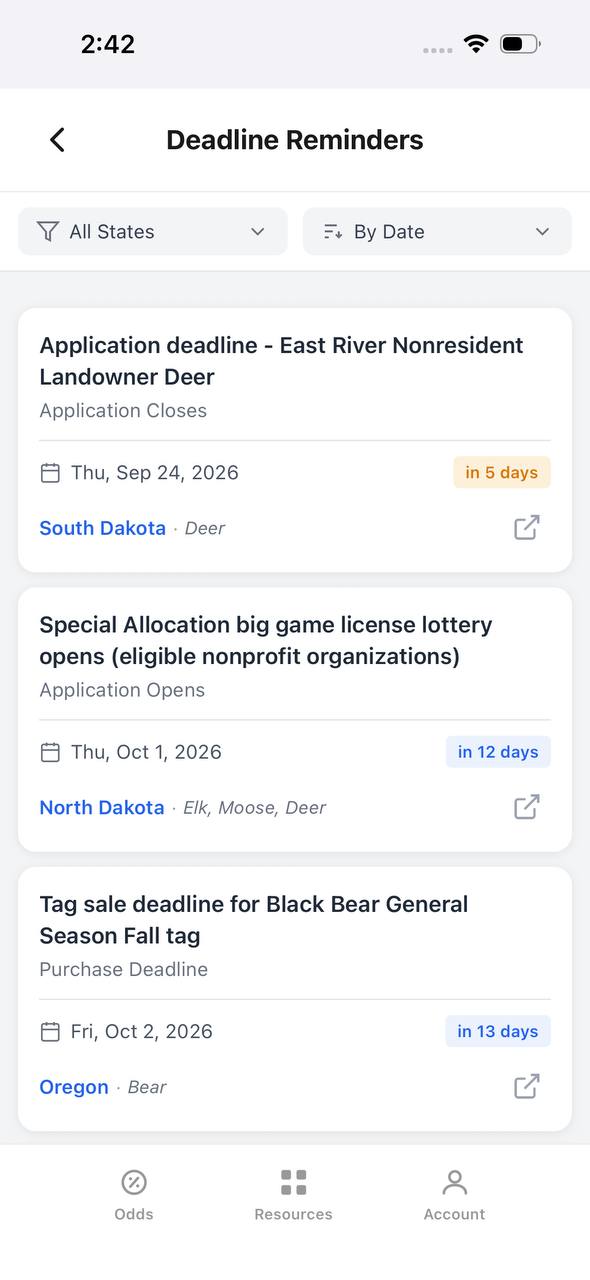
- Deadline reminders
- 18 states covered

Free to join
Download mobile app
- Detailed draw odds
- Point tracking
- Deadline reminders
- 18 states covered
Free to join
Download mobile app
- Detailed draw odds
- Point tracking
- Deadline reminders
- 18 states covered
Draw Strategy and Application Timing for 2026
Securing a November mule deer tag for 2026 requires planning now. Most Western states run spring application periods, and competition for limited-entry November tags is increasing as hunters recognize the rut advantage.
Colorado's application deadline falls in early April. Third and fourth rifle seasons are separate draw choices. If you are a Colorado resident with zero points targeting a unit like 61 or 76, apply for fourth season to maximize rut timing. Nonresidents should evaluate point creep trends and consider banking another year of points if targeting premium units, or apply for second-choice units with better odds where November hunts still offer quality opportunities.
Wyoming applications open in January and close in late March. General licenses often include November dates in select regions, while limited-quota tags require separate applications. Nonresidents face a 75/25 resident preference in the initial draw, but leftover tags frequently become available in summer. Monitor leftover lists in July and be ready to purchase immediately when tags drop.
Montana's Big Game Combo licenses include general mule deer tags valid through November in most districts, but securing a combo as a nonresident is challenging. Nonresident caps limit availability, and demand exceeds supply. Residents drawing general combos gain access to extended November seasons in specific districts. Review Montana's regulations carefully as season structures change frequently.
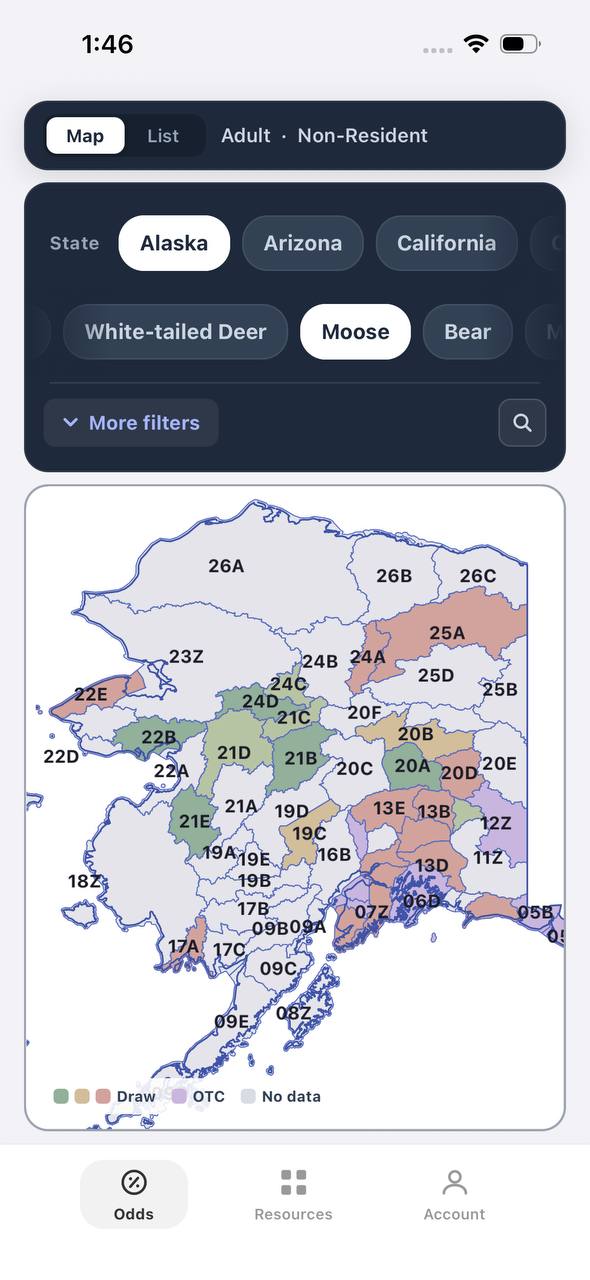
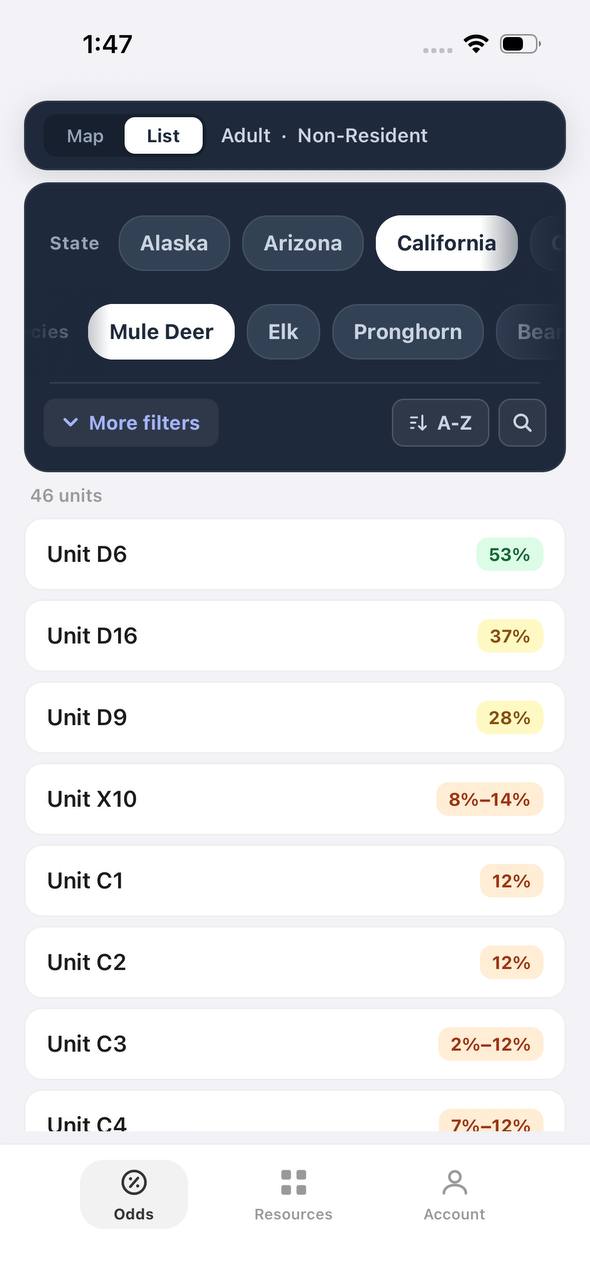
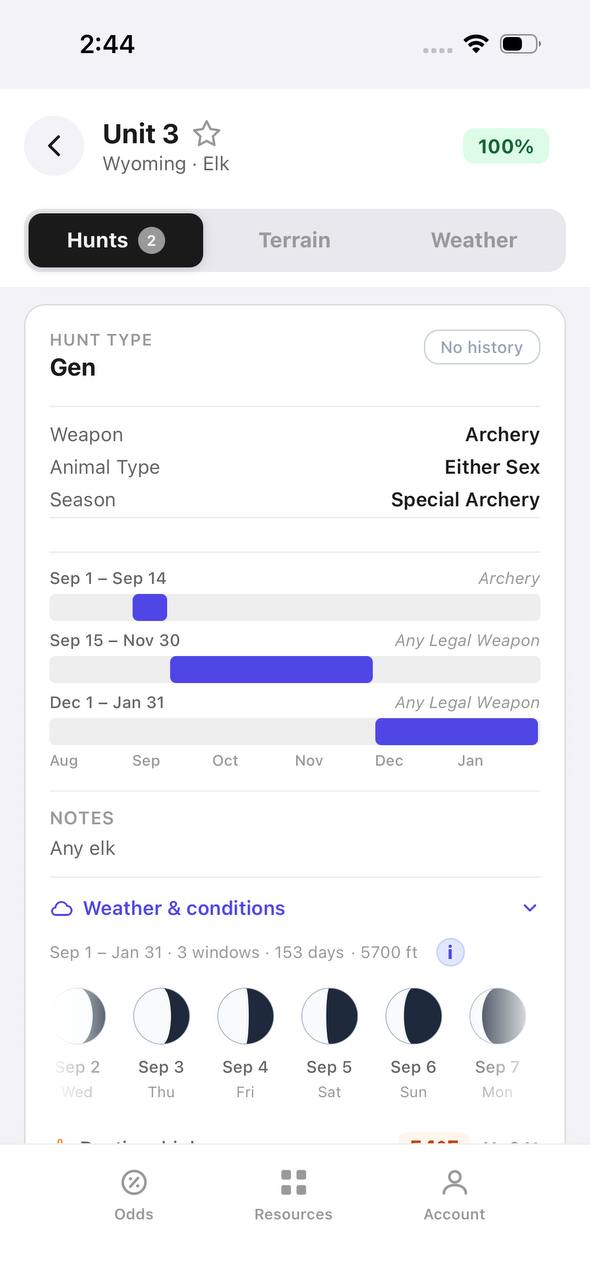
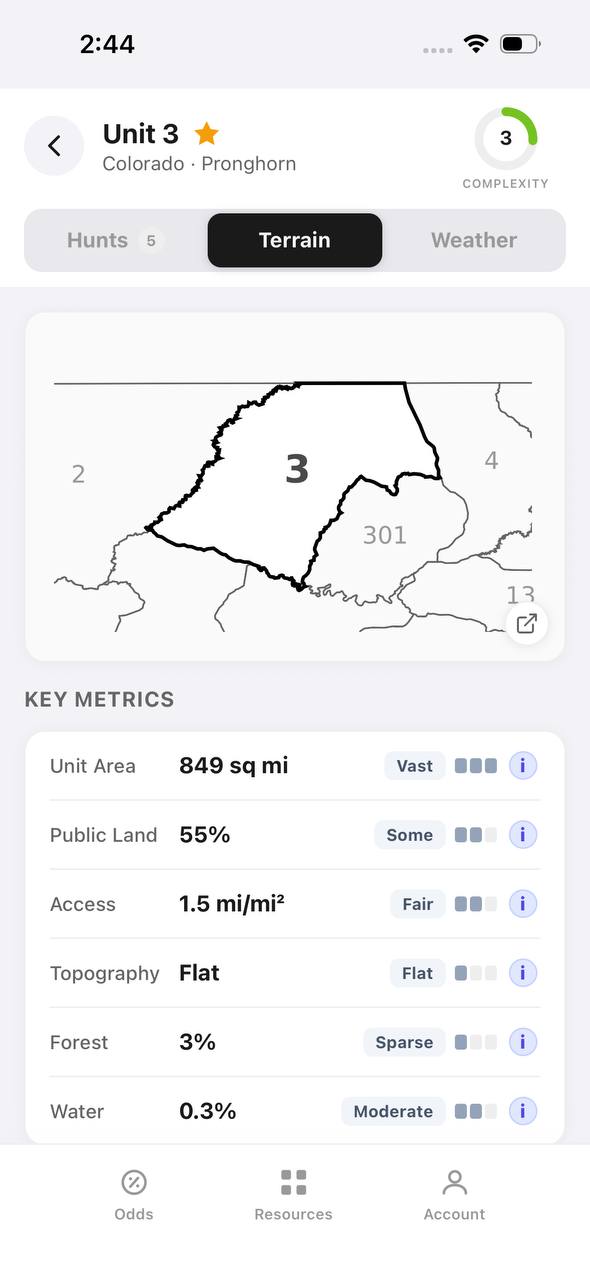
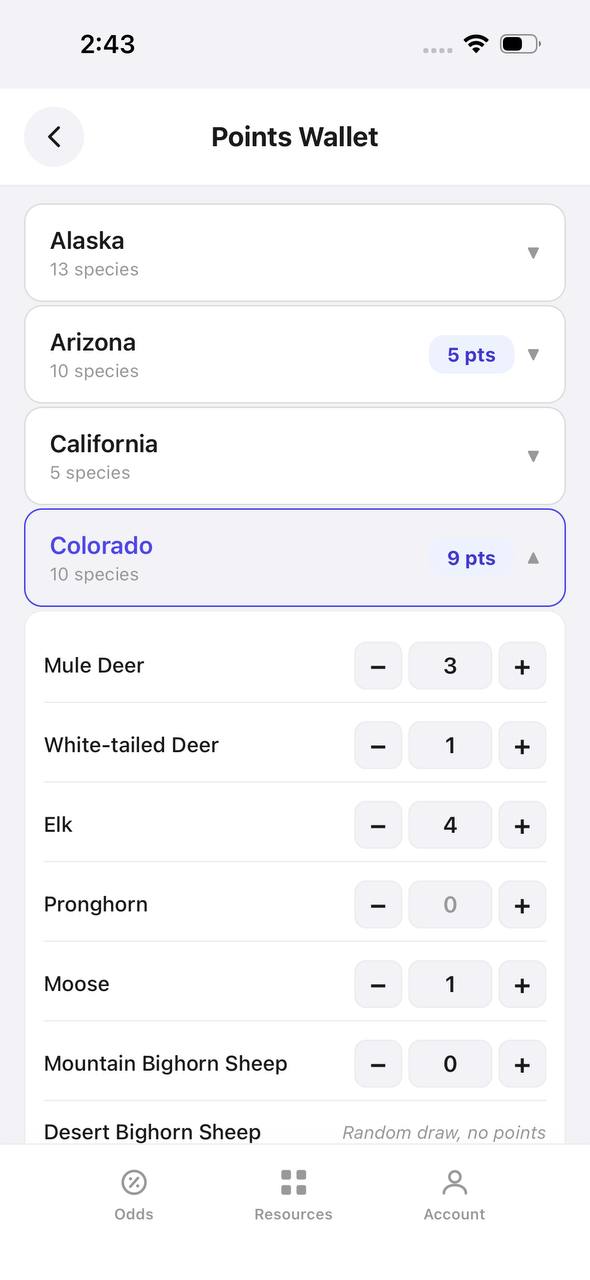
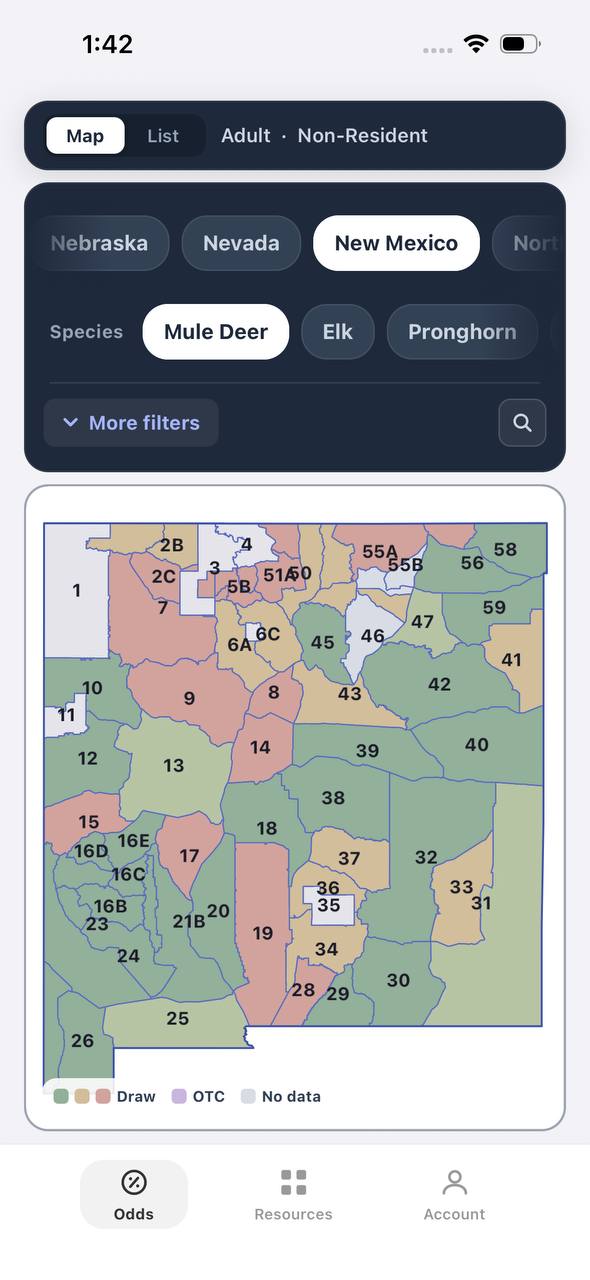
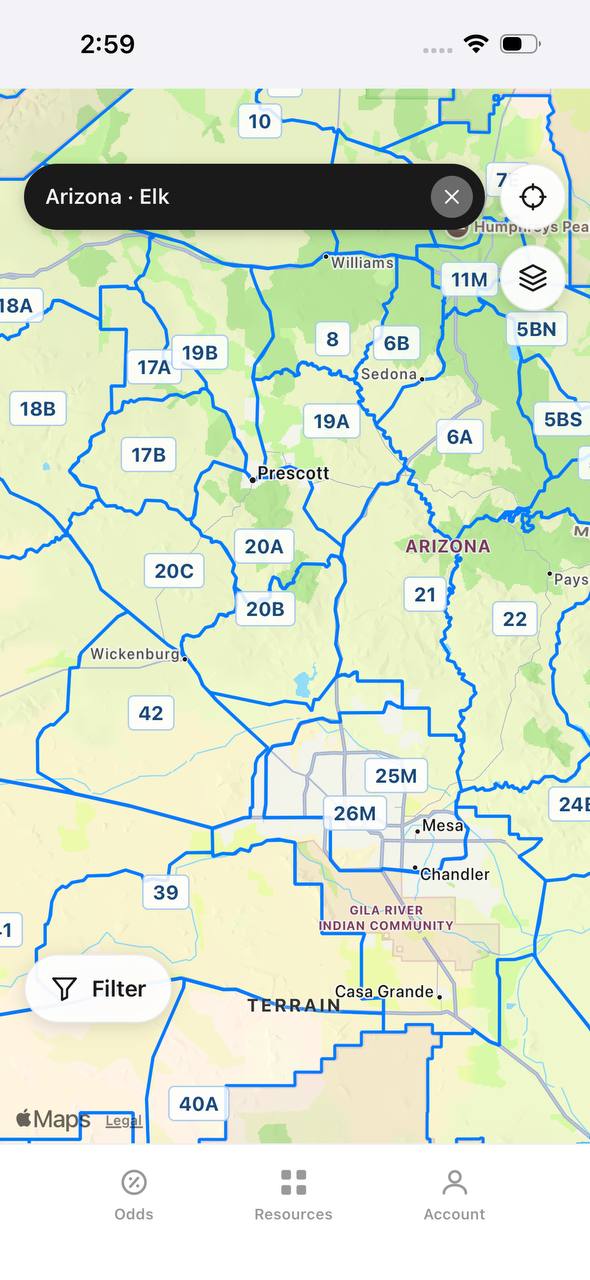
TAGZ helps you compare units side by side using terrain maps, unit boundaries, and historical draw data. Track your preference points and bonus points across multiple states so you never miss a draw deadline. Whether you are chasing OTC tags or planning a trophy limited-entry hunt, TAGZ gives you the tools to make smarter decisions before you ever step into the field.
Comparing November Hunts to October Rifle Seasons
Many hunters default to October rifle openers because tags are easier to draw and weather is milder. November hunts offer distinct advantages worth the extra planning and tougher draw odds.
Rut activity is the primary differentiator. October bucks are often in bachelor groups transitioning toward breeding behavior but not yet fully committed to chasing does. November bucks abandon caution, move during daylight, and concentrate near doe groups. This behavior creates shot opportunities that do not exist earlier in fall.
Hunter density drops significantly. Colorado's second rifle season in late October sees heavy pressure in roadside units. By fourth season in mid-November, most casual hunters have filled tags or gone home. You will encounter fewer hunters per day, especially in backcountry areas requiring multi-mile hikes.
Weather is harsher but huntable. October offers comfortable temperatures and stable conditions. November demands better gear and mental toughness, but weather events trigger deer movement. A cold front pushing through on day three of your hunt can concentrate deer and create opportunities that did not exist during scouting.
Tag availability varies. Some Colorado units with difficult October draws offer better odds for November seasons because fewer hunters apply. Evaluate draw odds by season within each unit using historical data. A unit requiring 5 points for second season might take only 3 points for fourth season, offering similar quality with better draw probability.
Free to join
Download mobile app
- Detailed draw odds
- Point tracking
- Deadline reminders
- 18 states covered
Free to join
Download mobile app
- Detailed draw odds
- Point tracking
- Deadline reminders
- 18 states covered
Free to join
Download mobile app
- Detailed draw odds
- Point tracking
- Deadline reminders
- 18 states covered
Scouting Strategies and E-Scouting for November Success
Effective scouting separates successful November hunts from cold, frustrating weeks in the mountains. Deer patterns shift between October and November as rut behavior and weather reshape where animals spend time.
E-scouting starts with identifying winter range. Mule deer move to lower elevations as snow accumulates, concentrating in areas with accessible forage and thermal cover. Use OnX Hunt or GAIA GPS to mark south-facing slopes, sagebrush flats, and transition zones between 7,000–9,000 feet. These areas hold doe groups, and bucks follow.
Look for terrain funnels. Ridgelines connecting high basins to lower valleys create natural travel corridors. Bucks cruise these ridges checking scrapes and trailing does. Identify saddles, benches, and open parks along these routes where deer pause and feed. These are prime glassing locations.
Scout in late October if possible. Spend 2–3 days in your unit the week before your November hunt. Glass doe groups, note where bucks are bedding, and identify access points that avoid disturbing key areas. Patterns observed in late October often hold through the first week of November, giving you a head start on opening morning.
Trail cameras help but require early setup. Place cameras along ridgeline trails and near known scrapes in September or early October. Check them remotely if possible to avoid disturbing the area. Cameras reveal which bucks are present and when they move, though November rut activity means bucks may travel miles from summer ranges.
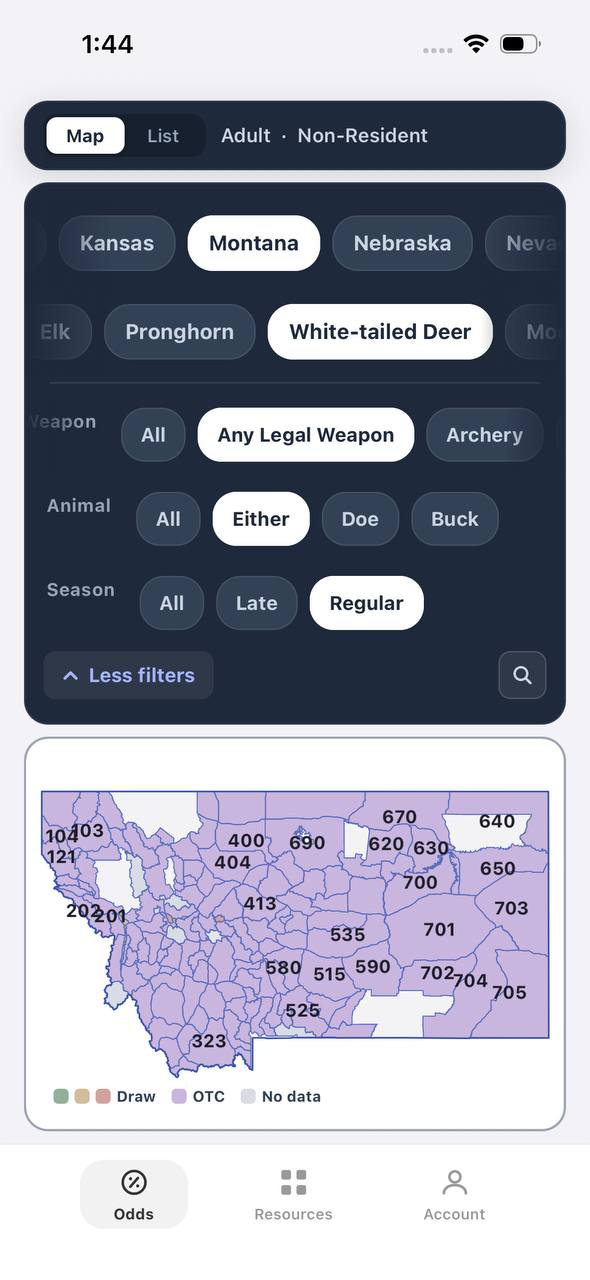
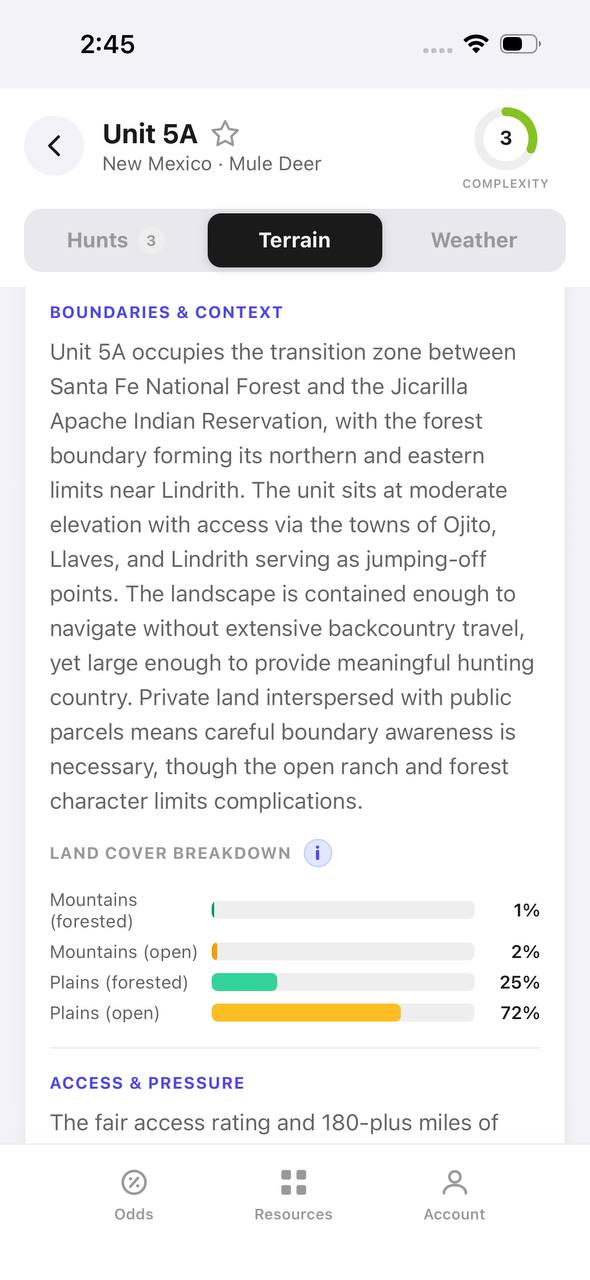
TAGZ provides unit-specific terrain breakdowns and public land information so you can plan access routes, identify glassing points, and compare multiple units before committing to an application. Use hunt filtering by weapon, season, and species to narrow 2026 options to hunts that match your timeframe and experience level.
Shot Placement and Field Care in Cold Weather
November conditions affect shot placement decisions and meat care. Cold temperatures preserve meat but also create challenges for field dressing and packing out.
Aim for high-shoulder or double-lung shots. Quartering shots are common when bucks are chasing does or moving through timber. A high-shoulder shot drops deer immediately, critical when hunting steep terrain where a wounded animal can tumble or disappear into thick cover. Double-lung shots offer a larger margin for error and preserve more meat, ideal when the buck is broadside at reasonable range.
Be prepared for longer tracking jobs. November bucks are rutting hard, adrenaline is high, and even well-hit animals can cover ground before expiring. Mark your shot location with GPS immediately, give the animal time to expire, and track methodically. Snow helps but can also obscure blood trails if it is actively snowing.
Field dress immediately even in cold weather. Temperatures below freezing slow bacterial growth but do not stop it entirely. Remove internal organs as soon as possible, prop the chest cavity open with a stick, and allow air circulation. If temperatures drop below 20°F overnight, meat will cool rapidly without additional intervention.
Quarter and pack efficiently. A mature mule deer buck field dresses to 180–220 pounds. Plan for multiple trips or bring game bags and a sturdy pack frame. Bone out quarters if the pack is longer than two miles to reduce weight. Keep meat clean, cool, and dry during transport. Cold weather is forgiving, but wet meat in a pack against your back will sour quickly even in November.
Common Mistakes and How to Avoid Them
November hunts punish poor planning. Learn from common errors that derail otherwise solid strategies.
Underestimating weather is the top mistake. Hunters accustomed to October conditions arrive unprepared for subfreezing temperatures and active snowstorms. Pack redundant layers, extra fuel, and a backup plan for severe weather. A November hunt can shift from bluebird glassing to survival mode in six hours.
Overlooking doe groups costs opportunities. Hunters fixate on glassing for bucks and ignore doe concentrations. Spend equal time watching does. Bucks appear when you least expect them, often trailing does through openings you are already glassing.
Pushing too hard too early burns out hunters. November backcountry hunts are physically demanding. Hunters hike aggressively the first two days, covering 10–12 miles daily, then lack energy for the final days when deer movement peaks. Pace yourself, focus on strategic glassing points rather than random miles, and save energy for the stalk when a shooter buck appears.
Ignoring midday movement wastes prime hours. Many hunters return to camp or rest during midday, assuming deer are bedded. November bucks often move between 10:00 AM and 2:00 PM checking doe groups. Stay on the glass through midday or move to new vantage points overlooking different basins.
Skipping practice shots at distance reduces success rates. November terrain often forces 300–400 yard shots across canyons. Hunters who have not practiced at distance miss opportunities or wound animals. Spend time at the range before the hunt shooting from field positions at extended ranges.
Free to join
Download mobile app
- Detailed draw odds
- Point tracking
- Deadline reminders
- 18 states covered
Free to join
Download mobile app
- Detailed draw odds
- Point tracking
- Deadline reminders
- 18 states covered
Free to join
Download mobile app
- Detailed draw odds
- Point tracking
- Deadline reminders
- 18 states covered
Rifle, Optics, and Gear Recommendations
November hunts demand reliable gear that performs in extreme cold and rugged terrain. Choose equipment that handles weather and delivers accuracy when it matters.
Rifle chambering should balance power and recoil. The 6.5 Creedmoor, 7mm Remington Magnum, and .300 Winchester Magnum are proven mule deer cartridges. Accuracy matters more than raw power. A rifle you shoot confidently at 400 yards beats a magnum you flinch behind. Practice extensively before the hunt and verify zero in cold conditions, as temperature affects point of impact.
Optics are non-negotiable. A quality spotting scope (15–45x magnification), tripod, and 10x or 12x binoculars form the core glassing system. November hunts involve hours sitting on ridges glassing distant basins. Cheap optics cause eye strain and missed opportunities. Invest in glass you can use all day without fatigue.
Rangefinders should read accurately to 600 yards minimum. Angle compensation is critical in mountain terrain. Verify your rangefinder works in cold temperatures, as some models lose accuracy or battery life below freezing.
Clothing systems should include a puffy jacket you can wear while glassing, a waterproof shell, insulated pants, and layers you can shed during active stalking. Merino wool base layers regulate temperature and manage moisture better than synthetics in extended cold.
Boots rated to -20°F or colder are essential. Your feet will be stationary during long glassing sessions in subfreezing temperatures. Insulated, waterproof boots with aggressive tread prevent frostbite and provide traction on snow and ice.
Continue Planning Your Hunt
November mule deer hunts reward preparation and adaptability. Rut activity creates opportunities, but weather, terrain, and tag availability require strategic planning months in advance.
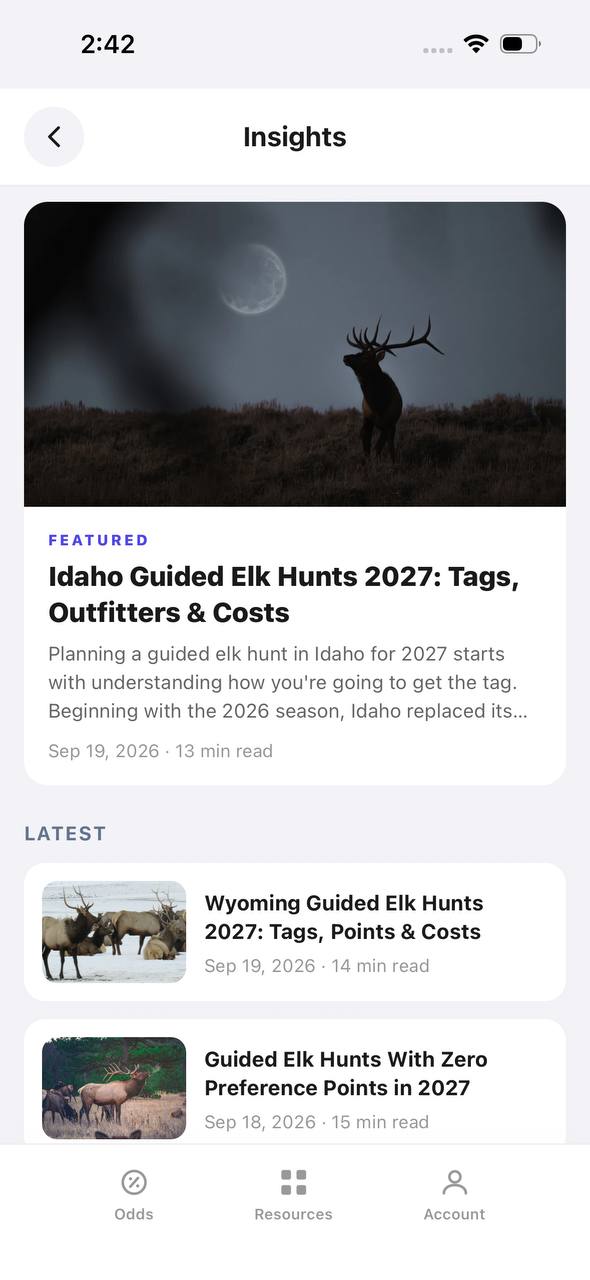
For hunters ready to dive deeper into draw odds, unit comparisons, and multi-state application strategies, TAGZ simplifies the process. Compare units side by side, track preference points across multiple states, and filter hunts by season, weapon, and species. Whether you are targeting a limited-entry Colorado fourth season tag or exploring Wyoming's extended general seasons, TAGZ gives you the data to make smarter decisions before you ever step into the field.
Explore additional insights, gear reviews, and hunt planning strategies on the TAGZ Insights page. Ready to start planning your 2026 western hunts? Create a free TAGZ account and start comparing units, tracking points, and building your application strategy today. Review pricing options to unlock full access to draw data, terrain maps, and hunt filtering tools that simplify decision-making. Learn more about how TAGZ works to help hunters maximize draw opportunities and plan confidently from application season through the hunt itself.
FAQ — November Mule Deer Hunts
When does the mule deer rut peak in November? The mule deer rut typically peaks between November 10–25 across most Rocky Mountain states, with timing varying slightly by latitude and elevation. Bucks are most active during this window.
Which states offer the best November mule deer hunting? Colorado and Wyoming provide the most November rifle opportunities. Colorado's third and fourth rifle seasons align with rut timing, while Wyoming offers extended general and limited-entry tags in select regions.
Are November mule deer tags harder to draw than October? It depends on the unit. Some Colorado units have better draw odds for November fourth season compared to October second season because fewer hunters apply, despite similar or better quality hunting during the rut.
What gear is essential for November backcountry mule deer hunts? Insulated boots rated to -20°F, a layering system including a puffy jacket and waterproof shell, quality optics (spotting scope and binoculars), and a four-season tent if spike camping. Pack for subfreezing temperatures and active snowstorms.
Can you hunt mule deer during the rut with archery equipment? Most Western states close archery mule deer seasons by late September or early October, well before the November rut. Rifle and muzzleloader seasons dominate November hunting opportunities.
How does weather affect November mule deer hunting? Cold fronts and snowstorms push deer to lower elevations and increase daytime movement. Deer concentrate in predictable transition zones where forage remains accessible, creating opportunities for hunters who adapt to changing conditions.
Do November hunts have less hunter pressure than October? Yes. Most casual hunters participate in October rifle openers. By November, especially in backcountry areas requiring multi-mile hikes, hunter density drops significantly, offering more solitude and less competition.
What is the best time of day to hunt mule deer in November? Morning and evening remain prime, but November bucks often move during midday (10:00 AM to 2:00 PM) checking doe groups. Stay on the glass through midday rather than returning to camp during these hours.
Was this article helpful?
Previous
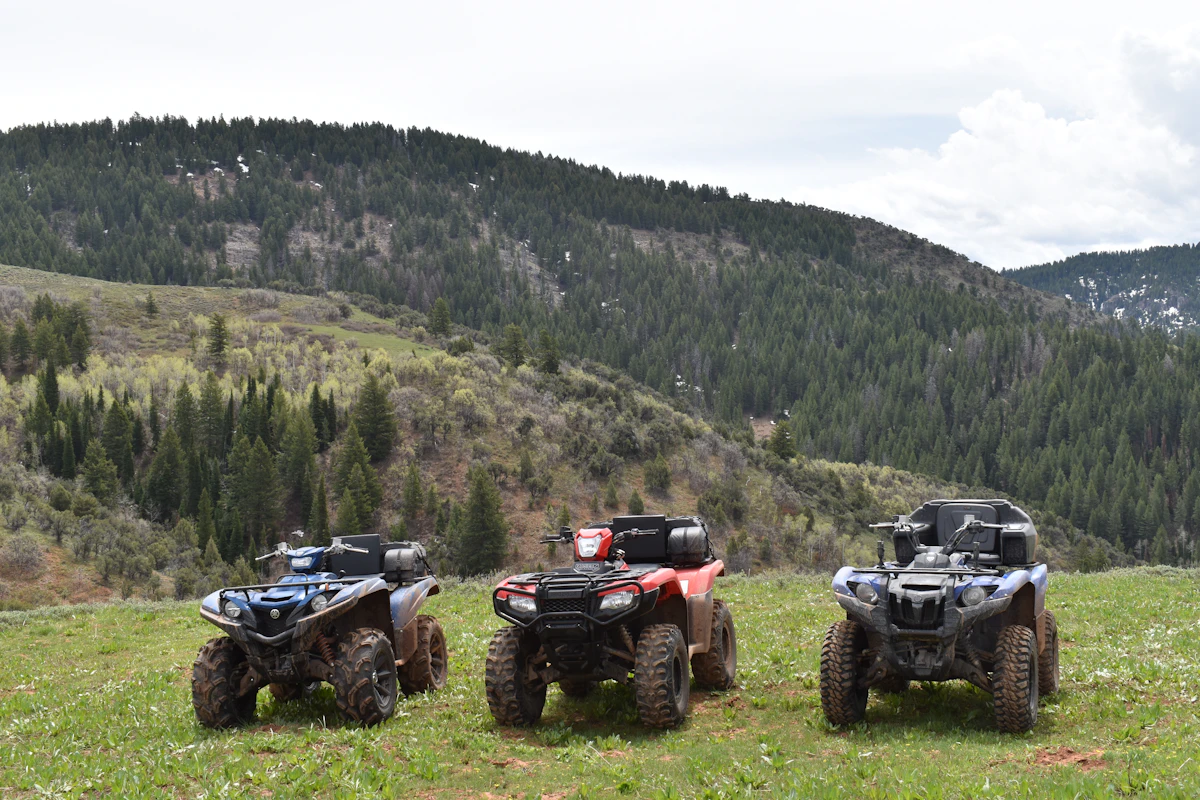
Best ATVs for Western Hunting: Models Built for Backcountry Access
Choosing the right ATV for western hunting means balancing payload capacity, fuel range, and terrain capability. We break down the top models that actually perform in alpine basins, desert flats, and steep canyon country.
Related
Bergara B-14 vs Christensen Mesa: Which Rifle Wins for Western Hunters?
The Bergara B-14 and Christensen Mesa dominate the sub-$1,500 hunting rifle market. This head-to-head comparison breaks down accuracy, weight, features, and value to help you choose the right rifle for backcountry hunts.
Next
Best Game Bags for Elk and Big Game in 2026: Field-Tested Picks
Quality game bags protect your meat from flies, dirt, and spoilage during the critical hours between kill and cooler. We break down the top breathable, tear-resistant options for elk, deer, and backcountry packing in 2026.